CEO de Microsoft: En la era de la IA, ¿cómo se define el foso defensivo de una empresa?

marsbitPublished on 2026-06-15Last updated on 2026-06-15

Abstract

El CEO de Microsoft, Satya Nadella, sostiene que en la era de la IA, la ventaja competitiva de una empresa no radica en elegir el modelo más potente, sino en su capacidad para convertir sus flujos de trabajo, conocimientos específicos, juicio organizativo y experiencia de los empleados en un sistema de aprendizaje en constante evolución. Este "bucle de aprendizaje" es un sistema que refuerza mutuamente la experiencia humana, los procesos empresariales y las capacidades de los modelos de IA. Nadella introduce el concepto de que las empresas deben acumular dos tipos de capital: el capital humano (conocimientos, criterio, redes, creatividad de los empleados) y el "Capital Token" (capacidades de IA propias y construidas internamente). La IA no devalúa el capital humano; por el contrario, realza habilidades humanas cruciales como el establecimiento de objetivos, la conexión interdisciplinaria y el reconocimiento de patrones. Sin la dirección humana, la capacidad de cómputo no tiene rumbo. El núcleo de su argumento es que el valor de la IA no debe ser capturado por unos pocos modelos generales, sino que debe formar un ecosistema donde cada empresa, sector y país pueda poseer su propio bucle de aprendizaje. Esto requiere entornos privados de evaluación y aprendizaje por refuerzo, y bases de conocimiento consultables que transformen la experiencia tácita en capacidad sistémica reutilizable. La verdadera ventaja competitiva ("moat") no es un modelo concreto, sino el conocimiento ins...

Nota del editor: Satya Nadella, CEO de Microsoft, cree que en la era de la IA, la verdadera ventaja competitiva de una empresa no reside en apostar por el modelo más potente, sino en su capacidad para transformar su flujo de trabajo, conocimiento del sector, criterio organizativo y experiencia de los empleados en un sistema de aprendizaje en continua evolución. En otras palabras, las empresas no pueden limitarse a comprar capacidades de IA, sino que deben poseer su propio "ciclo de aprendizaje cerrado" (un sistema en el que la experiencia humana, los procesos empresariales y la capacidad de los modelos se refuercen mutuamente de forma continua).

En este marco, las empresas del futuro acumularán simultáneamente dos tipos de capital: el capital humano, es decir, los conocimientos, capacidad de juicio, redes de contactos, creatividad y reconocimiento de patrones de los empleados; y el Token Capital (capacidades de IA propias construidas y poseídas por la empresa). Nadella enfatiza que la IA no devaluará el capital humano; por el contrario, hará que las capacidades humanas para establecer objetivos, conectar distintos campos y reconocer patrones clave sean aún más importantes. Sin la orientación humana, el poder computacional solo giraría en círculos; sin la acumulación del propio conocimiento organizativo, un modelo por muy potente que sea no sería más que una herramienta externa.

La conclusión principal de este artículo es: una frontera sin ecosistema de apoyo no será un futuro estable. El valor de la IA no debe ser absorbido por unos pocos modelos generalistas, sino que debe formar un ecosistema fronterizo que permita a cada empresa, cada sector y cada país poseer su propio ciclo de aprendizaje cerrado. Las empresas necesitan establecer evaluaciones privadas, entornos privados de aprendizaje por refuerzo y bases de conocimiento consultables, transformando la experiencia implícita en capacidades sistémicas reutilizables, escalables e iterables. El verdadero foso defensivo puede que no sea el modelo en sí, sino la experiencia "de veterano de la empresa" que la empresa ha acumulado y que no perdería aunque cambiara de modelo generalista.

Esta es también la clave de la soberanía empresarial en la era de la IA: quien pueda transformar el conocimiento organizativo en un sistema de rendimiento compuesto continuo, podrá preservar la propiedad intelectual, potenciar las capacidades de los empleados y retener el valor económico generado por la IA dentro de su propio negocio, sector y comunidad, en un futuro de rápida iteración de modelos.

A continuación, el texto original:

Últimamente he estado reflexionando sobre cómo será el futuro de las empresas en una economía impulsada por la IA.

Esta transición es diferente a cualquier migración de plataforma anterior. En el pasado, usábamos sistemas digitales para mejorar el capital humano; esta vez, es la primera vez que podemos establecer un verdadero ciclo cognitivo cerrado entre las personas y los sistemas digitales. Esto es algo muy disruptivo, porque cambiará la forma en que entendemos el "trabajo" en sí mismo dentro de la empresa.

La cuestión realmente clave no es cómo se usa una herramienta o sistema digital, sino cómo continúan aprendiendo, acumulando propiedad intelectual, diferenciándose y prosperando las organizaciones en un mundo donde un modelo de IA puede absorber continuamente la experiencia humana y organizativa y convertirlo en un producto.

Cada empresa debe construir lo que yo llamo capital humano y capital Token. El capital humano incluye los conocimientos, juicio, redes de contactos, creatividad y capacidad de reconocimiento de patrones de los empleados; el capital Token es la capacidad de IA que la empresa construye y posee por sí misma.

Es importante señalar que, a medida que crece el capital Token, el capital humano no se vuelve menos importante. Al contrario, solo se vuelve más importante. Creo que la agencia humana será el principal motor del crecimiento del capital Token. Los humanos establecerán objetivos ambiciosos, conectarán pistas entre distintos campos, construirán relaciones e identificarán los patrones que realmente importan. Sin la dirección humana, el poder computacional solo giraría en círculos.

Esto significa que la verdadera oportunidad no está en elegir el mejor modelo, sino en construir, sobre el modelo, un ciclo de aprendizaje cerrado que haga que el capital humano y el capital Token generen rendimientos compuestos mutuos. Se puede externalizar una tarea, incluso se puede externalizar un trabajo, pero nunca se puede externalizar el propio aprendizaje. El futuro de las empresas radica en su capacidad para que este aprendizaje genere rendimientos compuestos continuos entre personas e IA.

Esto requiere un nuevo enfoque arquitectónico: cada empresa debería poder construir sistemas de agentes inteligentes que mejoren continuamente con el tiempo, manteniendo al mismo tiempo el control sobre su propiedad intelectual. Una empresa debería poder reemplazar un modelo "generalista" sin perder la experiencia especializada "de veterano de la empresa" acumulada en su sistema de aprendizaje. Esta será la prueba clave para medir el control y la capacidad soberana de una empresa en el futuro.

Las empresas necesitan transformar sus flujos de trabajo, su conocimiento del sector y su juicio acumulado a largo plazo en sistemas de IA que mejoren continuamente con cada uso. La evaluación privada debe medir si el modelo realmente mejora en los resultados empresariales que le importan a la empresa, no solo observar los puntos de referencia externos. Los entornos privados de aprendizaje por refuerzo deben hacer que el modelo se fortalezca basándose en las trayectorias reales de la organización. Las bases de conocimiento empresariales harán que la memoria institucional sea consultable y mejorarán la eficiencia en el uso de los tokens.

Este ciclo cerrado se convertirá en la nueva propiedad intelectual de la empresa. Lo veo como una "máquina de subir pendientes". Además, a diferencia de la mayoría de los activos, genera rendimientos compuestos. Cada mejora en el flujo de trabajo genera una mejor señal de entrenamiento, lo que acelera la acumulación del conocimiento implícito y único de la empresa. Las empresas que establezcan este sistema antes obtendrán una ventaja difícil de replicar, sin importar los avances futuros en las capacidades de modelos individuales.

Lo último que queremos ver es un mundo donde cada empresa en todos los sectores ceda su valor a unos pocos modelos que absorben todo lo que ven. Si todo el valor finalmente es capturado por unos pocos modelos, las estructuras político-económicas simplemente no tolerarían este resultado. Un futuro de IA que vacíe industrias enteras no podría obtener el permiso a nivel social.

Piensa en lo que sucedió en la primera fase de la globalización: economías industriales enteras fueron vaciadas por la externalización. Superficialmente, las cifras del PIB parecían aceptables, pero la transferencia real de industrias y el impacto en el empleo sí existieron, y sus consecuencias aún se sienten hoy. No podemos llevar esta dinámica a la era de la IA: permitir que unos pocos sistemas de IA capturen todos los beneficios económicos, mientras el conocimiento de industrias enteras es mercantilizado y vaciado bajo sus pies.

En mi opinión, nuestra prioridad debe ser construir un ecosistema fronterizo, no solo un modelo fronterizo. Solo así el valor podrá fluir ampliamente a cada empresa, cada industria y cada país. En un ecosistema así, cada organización podrá poseer su propio ciclo de aprendizaje cerrado, codificar su conocimiento institucional en él, y hacer que el capital humano y el capital Token generen rendimientos compuestos juntos.

Este es también el espíritu de plataforma que siempre he defendido: el valor creado sobre la plataforma debe ser mayor que el valor capturado por la plataforma misma; cada empresa debe poder innovar continuamente y crear su propio valor.

Cuando esto se logre, las empresas crearán valor para sí mismas y para el entorno económico en el que operan. La capacidad especializada de los empleados se verá amplificada, su juicio pasará a formar parte del sistema, haciéndose replicable y escalable, y estos beneficios volverán a la empresa y a las comunidades que la rodean.

Esta es la manera en que las empresas crean valor para sí mismas y para la economía en general. Y es el equilibrio estable que deberíamos construir juntos.

Related Questions

QSegún el CEO de Microsoft, Satya Nadella, ¿cuál es la verdadera ventaja competitiva de una empresa en la era de la IA?

ALa verdadera ventaja competitiva no está en elegir el modelo de IA más potente, sino en la capacidad de convertir el flujo de trabajo, el conocimiento del dominio, el juicio organizacional y la experiencia de los empleados en un sistema de aprendizaje continuo y en evolución, conocido como 'bucle de aprendizaje'.

Q¿Cuáles son los dos tipos de capital que las empresas acumularán en el futuro, según Nadella?

ALas empresas acumularán capital humano (conocimiento, juicio, redes de contactos, creatividad y capacidad de reconocimiento de patrones de los empleados) y Capital Token (capacidades de IA construidas y poseídas por la propia empresa).

Q¿Qué significa para una empresa tener 'soberanía' en la era de la IA, según el artículo?

ALa soberanía en la era de la IA significa que una empresa puede transformar su conocimiento organizacional en un sistema que genere rendimientos compuestos continuos. Esto le permite retener su propiedad intelectual, amplificar las capacidades de sus empleados y mantener el valor económico generado por la IA dentro de su negocio, industria y comunidad, incluso si cambia el modelo de IA genérico que utiliza.

Q¿Qué consecuencias negativas podría tener un futuro dominado por unos pocos modelos de IA generales, según la perspectiva presentada en el texto?

AUn futuro donde unos pocos modelos capturan todo el valor económico podría vaciar a industrias enteras, al comercializar y absorber su conocimiento sin que los beneficios retornen. Esta dinámica, similar a la deslocalización en la globalización, no sería socialmente aceptable ni políticamente sostenible, ya que concentraría el valor en lugar de distribuirlo ampliamente.

Q¿Qué debe priorizarse para construir un futuro estable con IA, de acuerdo con la visión de Satya Nadella?

ADebe priorizarse la construcción de un 'ecosistema fronterizo', no solo un 'modelo fronterizo'. Este ecosistema permitiría que cada empresa, industria y país tenga su propio bucle de aprendizaje, codifique su conocimiento institucional y haga que el capital humano y el Capital Token crezcan de forma compuesta conjuntamente, distribuyendo el valor de manera amplia.

Related Reads

Sharplink CEO: One Million Ethereum Developers, Who Can Compete?

Etherean Ecosystem: One Million Developers and a Formidable Moat The Ethereum network has surpassed a significant milestone: over one million unique lifetime developers, with approximately 232,000 active in the past year. This vast and growing talent pool is Ethereum's core advantage, far more critical than transient metrics like speed or transaction fees. The central question is not which blockchain is fastest, but where the best builders choose to build long-term. Ethereum's answer lies in a decade-long accumulation of infrastructure, standards, tools, liquidity, and collaborative culture that is exceptionally difficult to replicate. It has become the default operating system for programmable finance. This massive developer base is actively working on complex, high-risk challenges that deepen Ethereum's strategic moat: * **Glamsterdam Upgrade (2026):** Focused on core protocol scalability (ePBS, parallel execution) while preserving core values like credible neutrality. * **Synchronous Composability:** Aims to make numerous Rollups interoperate like a single chain, directly addressing fragmentation concerns. * **Quantum Resistance:** Ethereum leads mainstream ecosystems in coordinated preparation for post-quantum cryptography, with a targeted migration plan around 2029. This developer advantage is self-reinforcing, fueled by: * **Deep Composability:** Applications interact like interoperable financial Lego bricks via shared standards (e.g., EVM, Solidity). * **Credible Neutrality:** Secured by over 900,000 validators, making it trusted by major institutions. * **Modularity:** Rollups (Base, Arbitrium, etc.) expand, rather than fracture, the ecosystem into a tightly connected modular internet economy. * **Culture:** Attracts top-tier researchers and standard-setters who guide the entire industry. In essence, while other chains generate activity, Ethereum is consolidating as the trusted, long-term coordination layer for internet-native finance. Its future is being built now by the architects of the next-generation financial infrastructure.

Odaily星球日报33m ago

Sharplink CEO: One Million Ethereum Developers, Who Can Compete?

Odaily星球日报33m ago

Ethereum Reaches the Milestone of One Million Developers, Sharplink CEO Delves Deep into Ethereum's Future Possibilities

Ethereum Surpasses One Million Developers Milestone: A Look at Its Unshakeable Dominance and Future Joseph Chalom, CEO of Sharplink, reflects on his recent Asia trip where he engaged deeply with Ethereum developers and ecosystem leaders. The most striking takeaway was not just the industry's vibrancy, but the rigorous, long-term vision of local builders. This context brings to life a pivotal statistic: Ethereum has now surpassed one million cumulative developers (1,012,824), with approximately 232,000 remaining active in the past year—a talent pool unmatched by any other crypto ecosystem. The critical question isn't which blockchain is fastest, but where top developers choose to build long-term. Ethereum's answer is unequivocal. Its decade-long lead stems from a unique convergence of technology, institutional culture, economic systems, and composability, cementing its role as the foundational operating system for programmable finance. This massive developer base is tackling the industry's hardest problems, continuously strengthening Ethereum's moat. Key initiatives include: * **The Glamsterdam Upgrade (planned 2026):** Introducing ePBS and Block-level Access Lists for parallel execution and higher throughput while preserving core values like credible neutrality and fair MEV distribution. * **Synchronous Composability:** Projects are working to enable atomic transactions across dozens of Rollups, making them function as one unified chain and eliminating ecosystem fragmentation. * **Post-Quantum Security:** Ethereum is far ahead in preparing for quantum computing threats, with a dedicated foundation working group and testnets targeting a full migration by ~2029—a crucial factor for institutional adoption. Beyond developers, Ethereum's core network effects are its unparalleled composability and unified standards (like EVM and Solidity), which create a powerful flywheel: more developers → better tools → greater liquidity → more institutional participation. Its other decisive advantages include credible neutrality (over 900k validators), a secure modular architecture with interconnected Rollups, and a deeply entrenched culture shaped by top-tier researchers. Ultimately, there's a vast difference between generating short-term activity and becoming the trusted, long-term coordination layer for global native finance. Major institutions prioritize security, trust, and liquidity—areas where Ethereum holds dominant mindshare. The industry's trajectory shows resources consolidating around unified standards, deep liquidity, and developer consensus. After meeting the builders in Seoul and Hong Kong, Chalom is more convinced than ever: Ethereum's unshakeable future is being built right now.

Foresight News44m ago

Ethereum Reaches the Milestone of One Million Developers, Sharplink CEO Delves Deep into Ethereum's Future Possibilities

Foresight News44m ago

Saylor's Latest Long Read: Bitcoin is Not Money, It's Digital Capital, and Money is Built Upon It

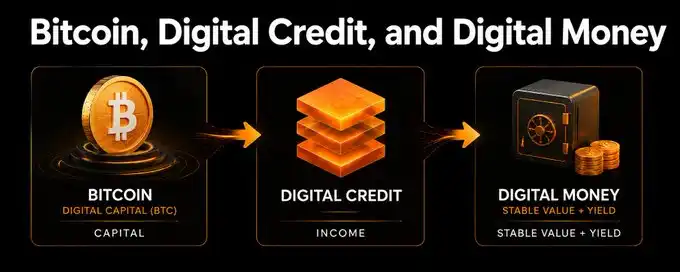
Michael Saylor presents his "Digital Asset Stack" theory, positioning Bitcoin as the foundational layer of digital capital. He argues Bitcoin itself should remain unchanged—no staking, inflation, or protocol alterations. Instead, a five-layer financial architecture should be built atop it: Digital Capital (BTC), Digital Credit (e.g., yield instruments like STRC), Digital Currency (stable, yield-bearing instruments pegged to fiat), Digital Yield (leveraged/structured products), and Digital Equity (e.g., MSTR stock, absorbing residual volatility). Saylor asserts this stack transforms Bitcoin's high-volatility, high-energy capital into tailored products: stable currencies for payments/savings, yield instruments for income seekers, and equity for growth investors. This approach meets diverse needs—corporate treasuries, banks, retirees, emerging market users—without compromising Bitcoin's core properties (scarcity, decentralization). The "killer use case" is rebuilding global money, credit, and capital markets on Bitcoin, bridging the fiat world with a superior digital asset foundation. The system leverages traditional finance principles (risk layering, structured products) while using Bitcoin as the ultimate collateral. This expands Bitcoin's utility, drives adoption, and offers a better monetary experience: digital, yield-bearing, stable-value tools for everyday use.

marsbit57m ago

Saylor's Latest Long Read: Bitcoin is Not Money, It's Digital Capital, and Money is Built Upon It

marsbit57m ago

Can SK Hynix's Stock Double Again in This Rally?

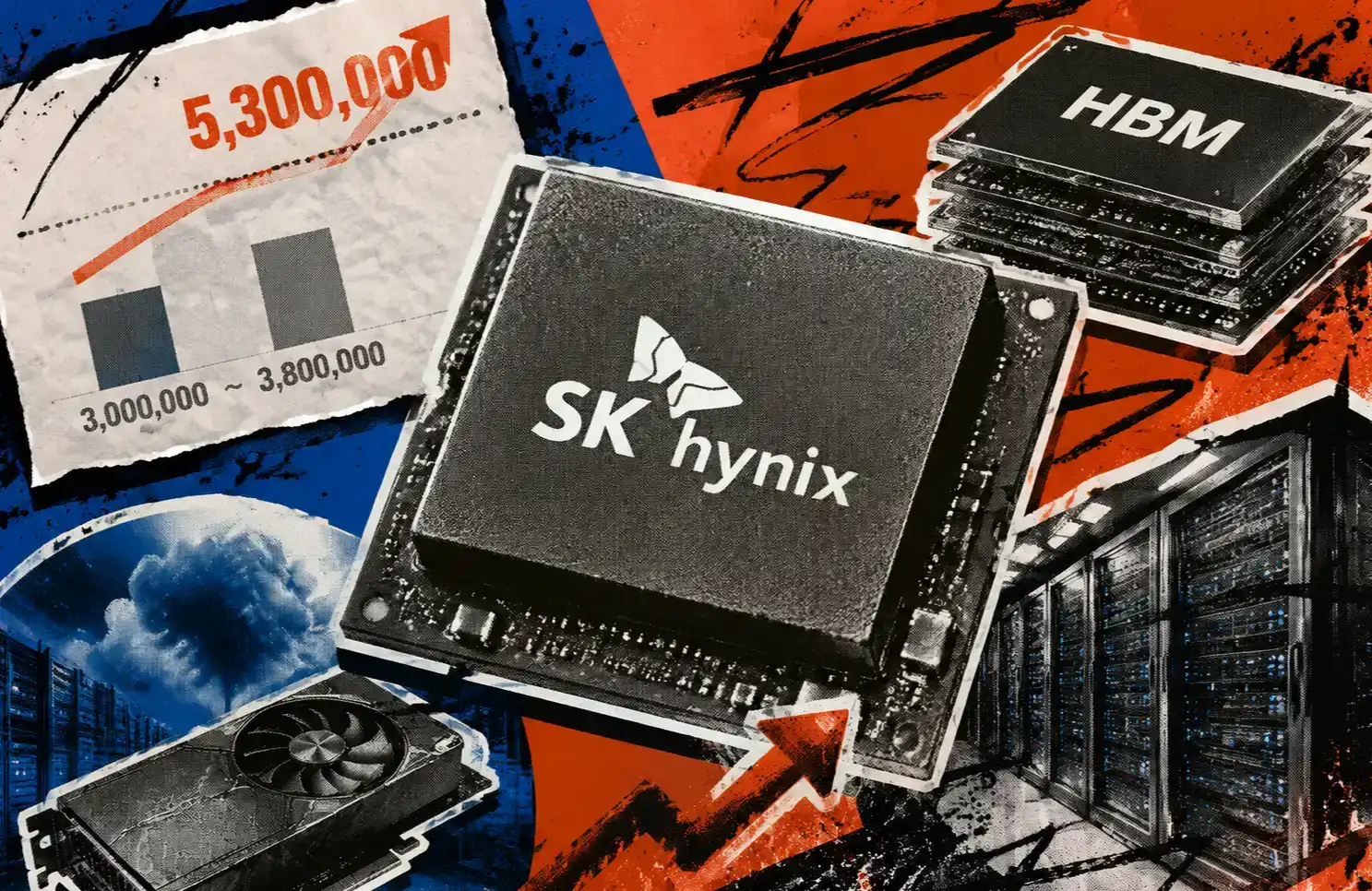
The article discusses the highly optimistic price target of approximately $3,500 for SK Hynix stock, set by Aletheia Capital. This target is significantly above the consensus range of $2,000-$2,520 from major brokerages. The core debate is whether SK Hynix deserves a fundamental re-rating beyond its traditional cyclical discount, based on the long-term impact of AI-driven demand. The $3,500 target hinges on three key assumptions holding simultaneously until at least 2027: 1) Continued shortage and high pricing for HBM (High Bandwidth Memory), a critical component for AI chips; 2) Sustained high prices for standard DRAM, as HBM production consumes capacity and constrains general supply; and 3) Strong AI server demand generating substantial, above-expectation free cash flow. SK Hynix's leading ~58% market share in HBM and its early certification with key clients like Nvidia provide a competitive advantage, allowing it to capture significant supply chain premiums. The HBM shortage is seen not just as a niche growth driver but as a catalyst that amplifies profitability across the entire memory business by tightening overall DRAM supply. However, the article cautions that this target represents an optimistic "tail scenario." Key risks include potential supply increases from competitors (Samsung, Micron) by 2027, a possible slowdown in HBM price growth, and high capital expenditures that could erode the projected free cash flow. The divergence in analyst targets reflects the market's uncertainty over whether the current AI-driven boom will temporarily elevate earnings or permanently raise the memory industry's profit baseline.

marsbit1h ago

Can SK Hynix's Stock Double Again in This Rally?

marsbit1h ago

Trading

Spot
Futures

Hot Articles

What is SONIC

Sonic: Pioneering the Future of Gaming in Web3 Introduction to Sonic In the ever-evolving landscape of Web3, the gaming industry stands out as one of the most dynamic and promising sectors. At the forefront of this revolution is Sonic, a project designed to amplify the gaming ecosystem on the Solana blockchain. Leveraging cutting-edge technology, Sonic aims to deliver an unparalleled gaming experience by efficiently processing millions of requests per second, ensuring that players enjoy seamless gameplay while maintaining low transaction costs. This article delves into the intricate details of Sonic, exploring its creators, funding sources, operational mechanics, and the timeline of significant events that have shaped its journey. What is Sonic? Sonic is an innovative layer-2 network that operates atop the Solana blockchain, specifically tailored to enhance the existing Solana gaming ecosystem. It accomplishes this through a customised, VM-agnostic game engine paired with a HyperGrid interpreter, facilitating sovereign game economies that roll up back to the Solana platform. The primary goals of Sonic include: Enhanced Gaming Experiences: Sonic is committed to offering lightning-fast on-chain gameplay, allowing players and developers to engage with games at previously unattainable speeds. Atomic Interoperability: This feature enables transactions to be executed within Sonic without the need to redeploy Solana programmes and accounts. This makes the process more efficient and directly benefits from Solana Layer1 services and liquidity. Seamless Deployment: Sonic allows developers to write for Ethereum Virtual Machine (EVM) based systems and execute them on Solana’s SVM infrastructure. This interoperability is crucial for attracting a broader range of dApps and decentralised applications to the platform. Support for Developers: By offering native composable gaming primitives and extensible data types - dining within the Entity-Component-System (ECS) framework - game creators can craft intricate business logic with ease. Overall, Sonic's unique approach not only caters to players but also provides an accessible and low-cost environment for developers to innovate and thrive. Creator of Sonic The information regarding the creator of Sonic is somewhat ambiguous. However, it is known that Sonic's SVM is owned by the company Mirror World. The absence of detailed information about the individuals behind Sonic reflects a common trend in several Web3 projects, where collective efforts and partnerships often overshadow individual contributions. Investors of Sonic Sonic has garnered considerable attention and support from various investors within the crypto and gaming sectors. Notably, the project raised an impressive $12 million during its Series A funding round. The round was led by BITKRAFT Ventures, with other notable investors including Galaxy, Okx Ventures, Interactive, Big Brain Holdings, and Mirana. This financial backing signifies the confidence that investment foundations have in Sonic’s potential to revolutionise the Web3 gaming landscape, further validating its innovative approaches and technologies. How Does Sonic Work? Sonic utilises the HyperGrid framework, a sophisticated parallel processing mechanism that enhances its scalability and customisability. Here are the core features that set Sonic apart: Lightning Speed at Low Costs: Sonic offers one of the fastest on-chain gaming experiences compared to other Layer-1 solutions, powered by the scalability of Solana’s virtual machine (SVM). Atomic Interoperability: Sonic enables transaction execution without redeployment of Solana programmes and accounts, effectively streamlining the interaction between users and the blockchain. EVM Compatibility: Developers can effortlessly migrate decentralised applications from EVM chains to the Solana environment using Sonic’s HyperGrid interpreter, increasing the accessibility and integration of various dApps. Ecosystem Support for Developers: By exposing native composable gaming primitives, Sonic facilitates a sandbox-like environment where developers can experiment and implement business logic, greatly enhancing the overall development experience. Monetisation Infrastructure: Sonic natively supports growth and monetisation efforts, providing frameworks for traffic generation, payments, and settlements, thereby ensuring that gaming projects are not only viable but also sustainable financially. Timeline of Sonic The evolution of Sonic has been marked by several key milestones. Below is a brief timeline highlighting critical events in the project's history: 2022: The Sonic cryptocurrency was officially launched, marking the beginning of its journey in the Web3 gaming arena. 2024: June: Sonic SVM successfully raised $12 million in a Series A funding round. This investment allowed Sonic to further develop its platform and expand its offerings. August: The launch of the Sonic Odyssey testnet provided users with the first opportunity to engage with the platform, offering interactive activities such as collecting rings—a nod to gaming nostalgia. October: SonicX, an innovative crypto game integrated with Solana, made its debut on TikTok, capturing the attention of over 120,000 users within a short span. This integration illustrated Sonic’s commitment to reaching a broader, global audience and showcased the potential of blockchain gaming. Key Points Sonic SVM is a revolutionary layer-2 network on Solana explicitly designed to enhance the GameFi landscape, demonstrating great potential for future development. HyperGrid Framework empowers Sonic by introducing horizontal scaling capabilities, ensuring that the network can handle the demands of Web3 gaming. Integration with Social Platforms: The successful launch of SonicX on TikTok displays Sonic’s strategy to leverage social media platforms to engage users, exponentially increasing the exposure and reach of its projects. Investment Confidence: The substantial funding from BITKRAFT Ventures, among others, emphasizes the robust backing Sonic has, paving the way for its ambitious future. In conclusion, Sonic encapsulates the essence of Web3 gaming innovation, striking a balance between cutting-edge technology, developer-centric tools, and community engagement. As the project continues to evolve, it is poised to redefine the gaming landscape, making it a notable entity for gamers and developers alike. As Sonic moves forward, it will undoubtedly attract greater interest and participation, solidifying its place within the broader narrative of blockchain gaming.

1.7k Total ViewsPublished 2024.04.04Updated 2024.12.03

What is SONIC

What is $S$

Understanding SPERO: A Comprehensive Overview Introduction to SPERO As the landscape of innovation continues to evolve, the emergence of web3 technologies and cryptocurrency projects plays a pivotal role in shaping the digital future. One project that has garnered attention in this dynamic field is SPERO, denoted as SPERO,$$s$. This article aims to gather and present detailed information about SPERO, to help enthusiasts and investors understand its foundations, objectives, and innovations within the web3 and crypto domains. What is SPERO,$$s$? SPERO,$$s$ is a unique project within the crypto space that seeks to leverage the principles of decentralisation and blockchain technology to create an ecosystem that promotes engagement, utility, and financial inclusion. The project is tailored to facilitate peer-to-peer interactions in new ways, providing users with innovative financial solutions and services. At its core, SPERO,$$s$ aims to empower individuals by providing tools and platforms that enhance user experience in the cryptocurrency space. This includes enabling more flexible transaction methods, fostering community-driven initiatives, and creating pathways for financial opportunities through decentralised applications (dApps). The underlying vision of SPERO,$$s$ revolves around inclusiveness, aiming to bridge gaps within traditional finance while harnessing the benefits of blockchain technology. Who is the Creator of SPERO,$$s$? The identity of the creator of SPERO,$$s$ remains somewhat obscure, as there are limited publicly available resources providing detailed background information on its founder(s). This lack of transparency can stem from the project's commitment to decentralisation—an ethos that many web3 projects share, prioritising collective contributions over individual recognition. By centring discussions around the community and its collective goals, SPERO,$$s$ embodies the essence of empowerment without singling out specific individuals. As such, understanding the ethos and mission of SPERO remains more important than identifying a singular creator. Who are the Investors of SPERO,$$s$? SPERO,$$s$ is supported by a diverse array of investors ranging from venture capitalists to angel investors dedicated to fostering innovation in the crypto sector. The focus of these investors generally aligns with SPERO's mission—prioritising projects that promise societal technological advancement, financial inclusivity, and decentralised governance. These investor foundations are typically interested in projects that not only offer innovative products but also contribute positively to the blockchain community and its ecosystems. The backing from these investors reinforces SPERO,$$s$ as a noteworthy contender in the rapidly evolving domain of crypto projects. How Does SPERO,$$s$ Work? SPERO,$$s$ employs a multi-faceted framework that distinguishes it from conventional cryptocurrency projects. Here are some of the key features that underline its uniqueness and innovation: Decentralised Governance: SPERO,$$s$ integrates decentralised governance models, empowering users to participate actively in decision-making processes regarding the project’s future. This approach fosters a sense of ownership and accountability among community members. Token Utility: SPERO,$$s$ utilises its own cryptocurrency token, designed to serve various functions within the ecosystem. These tokens enable transactions, rewards, and the facilitation of services offered on the platform, enhancing overall engagement and utility. Layered Architecture: The technical architecture of SPERO,$$s$ supports modularity and scalability, allowing for seamless integration of additional features and applications as the project evolves. This adaptability is paramount for sustaining relevance in the ever-changing crypto landscape. Community Engagement: The project emphasises community-driven initiatives, employing mechanisms that incentivise collaboration and feedback. By nurturing a strong community, SPERO,$$s$ can better address user needs and adapt to market trends. Focus on Inclusion: By offering low transaction fees and user-friendly interfaces, SPERO,$$s$ aims to attract a diverse user base, including individuals who may not previously have engaged in the crypto space. This commitment to inclusion aligns with its overarching mission of empowerment through accessibility. Timeline of SPERO,$$s$ Understanding a project's history provides crucial insights into its development trajectory and milestones. Below is a suggested timeline mapping significant events in the evolution of SPERO,$$s$: Conceptualisation and Ideation Phase: The initial ideas forming the basis of SPERO,$$s$ were conceived, aligning closely with the principles of decentralisation and community focus within the blockchain industry. Launch of Project Whitepaper: Following the conceptual phase, a comprehensive whitepaper detailing the vision, goals, and technological infrastructure of SPERO,$$s$ was released to garner community interest and feedback. Community Building and Early Engagements: Active outreach efforts were made to build a community of early adopters and potential investors, facilitating discussions around the project’s goals and garnering support. Token Generation Event: SPERO,$$s$ conducted a token generation event (TGE) to distribute its native tokens to early supporters and establish initial liquidity within the ecosystem. Launch of Initial dApp: The first decentralised application (dApp) associated with SPERO,$$s$ went live, allowing users to engage with the platform's core functionalities. Ongoing Development and Partnerships: Continuous updates and enhancements to the project's offerings, including strategic partnerships with other players in the blockchain space, have shaped SPERO,$$s$ into a competitive and evolving player in the crypto market. Conclusion SPERO,$$s$ stands as a testament to the potential of web3 and cryptocurrency to revolutionise financial systems and empower individuals. With a commitment to decentralised governance, community engagement, and innovatively designed functionalities, it paves the way toward a more inclusive financial landscape. As with any investment in the rapidly evolving crypto space, potential investors and users are encouraged to research thoroughly and engage thoughtfully with the ongoing developments within SPERO,$$s$. The project showcases the innovative spirit of the crypto industry, inviting further exploration into its myriad possibilities. While the journey of SPERO,$$s$ is still unfolding, its foundational principles may indeed influence the future of how we interact with technology, finance, and each other in interconnected digital ecosystems.

57 Total ViewsPublished 2024.12.17Updated 2024.12.17

What is $S$

What is AGENT S

Agent S: The Future of Autonomous Interaction in Web3 Introduction In the ever-evolving landscape of Web3 and cryptocurrency, innovations are constantly redefining how individuals interact with digital platforms. One such pioneering project, Agent S, promises to revolutionise human-computer interaction through its open agentic framework. By paving the way for autonomous interactions, Agent S aims to simplify complex tasks, offering transformative applications in artificial intelligence (AI). This detailed exploration will delve into the project's intricacies, its unique features, and the implications for the cryptocurrency domain. What is Agent S? Agent S stands as a groundbreaking open agentic framework, specifically designed to tackle three fundamental challenges in the automation of computer tasks: Acquiring Domain-Specific Knowledge: The framework intelligently learns from various external knowledge sources and internal experiences. This dual approach empowers it to build a rich repository of domain-specific knowledge, enhancing its performance in task execution. Planning Over Long Task Horizons: Agent S employs experience-augmented hierarchical planning, a strategic approach that facilitates efficient breakdown and execution of intricate tasks. This feature significantly enhances its ability to manage multiple subtasks efficiently and effectively. Handling Dynamic, Non-Uniform Interfaces: The project introduces the Agent-Computer Interface (ACI), an innovative solution that enhances the interaction between agents and users. Utilizing Multimodal Large Language Models (MLLMs), Agent S can navigate and manipulate diverse graphical user interfaces seamlessly. Through these pioneering features, Agent S provides a robust framework that addresses the complexities involved in automating human interaction with machines, setting the stage for myriad applications in AI and beyond. Who is the Creator of Agent S? While the concept of Agent S is fundamentally innovative, specific information about its creator remains elusive. The creator is currently unknown, which highlights either the nascent stage of the project or the strategic choice to keep founding members under wraps. Regardless of anonymity, the focus remains on the framework's capabilities and potential. Who are the Investors of Agent S? As Agent S is relatively new in the cryptographic ecosystem, detailed information regarding its investors and financial backers is not explicitly documented. The lack of publicly available insights into the investment foundations or organisations supporting the project raises questions about its funding structure and development roadmap. Understanding the backing is crucial for gauging the project's sustainability and potential market impact. How Does Agent S Work? At the core of Agent S lies cutting-edge technology that enables it to function effectively in diverse settings. Its operational model is built around several key features: Human-like Computer Interaction: The framework offers advanced AI planning, striving to make interactions with computers more intuitive. By mimicking human behaviour in tasks execution, it promises to elevate user experiences. Narrative Memory: Employed to leverage high-level experiences, Agent S utilises narrative memory to keep track of task histories, thereby enhancing its decision-making processes. Episodic Memory: This feature provides users with step-by-step guidance, allowing the framework to offer contextual support as tasks unfold. Support for OpenACI: With the ability to run locally, Agent S allows users to maintain control over their interactions and workflows, aligning with the decentralised ethos of Web3. Easy Integration with External APIs: Its versatility and compatibility with various AI platforms ensure that Agent S can fit seamlessly into existing technological ecosystems, making it an appealing choice for developers and organisations. These functionalities collectively contribute to Agent S's unique position within the crypto space, as it automates complex, multi-step tasks with minimal human intervention. As the project evolves, its potential applications in Web3 could redefine how digital interactions unfold. Timeline of Agent S The development and milestones of Agent S can be encapsulated in a timeline that highlights its significant events: September 27, 2024: The concept of Agent S was launched in a comprehensive research paper titled “An Open Agentic Framework that Uses Computers Like a Human,” showcasing the groundwork for the project. October 10, 2024: The research paper was made publicly available on arXiv, offering an in-depth exploration of the framework and its performance evaluation based on the OSWorld benchmark. October 12, 2024: A video presentation was released, providing a visual insight into the capabilities and features of Agent S, further engaging potential users and investors. These markers in the timeline not only illustrate the progress of Agent S but also indicate its commitment to transparency and community engagement. Key Points About Agent S As the Agent S framework continues to evolve, several key attributes stand out, underscoring its innovative nature and potential: Innovative Framework: Designed to provide an intuitive use of computers akin to human interaction, Agent S brings a novel approach to task automation. Autonomous Interaction: The ability to interact autonomously with computers through GUI signifies a leap towards more intelligent and efficient computing solutions. Complex Task Automation: With its robust methodology, it can automate complex, multi-step tasks, making processes faster and less error-prone. Continuous Improvement: The learning mechanisms enable Agent S to improve from past experiences, continually enhancing its performance and efficacy. Versatility: Its adaptability across different operating environments like OSWorld and WindowsAgentArena ensures that it can serve a broad range of applications. As Agent S positions itself in the Web3 and crypto landscape, its potential to enhance interaction capabilities and automate processes signifies a significant advancement in AI technologies. Through its innovative framework, Agent S exemplifies the future of digital interactions, promising a more seamless and efficient experience for users across various industries. Conclusion Agent S represents a bold leap forward in the marriage of AI and Web3, with the capacity to redefine how we interact with technology. While still in its early stages, the possibilities for its application are vast and compelling. Through its comprehensive framework addressing critical challenges, Agent S aims to bring autonomous interactions to the forefront of the digital experience. As we move deeper into the realms of cryptocurrency and decentralisation, projects like Agent S will undoubtedly play a crucial role in shaping the future of technology and human-computer collaboration.

731 Total ViewsPublished 2025.01.14Updated 2025.01.14

What is AGENT S

Discussions

Welcome to the HTX Community. Here, you can stay informed about the latest platform developments and gain access to professional market insights. Users' opinions on the price of S (S) are presented below.

活动图片