日本最大银行在监管推动下瞄准2026财年推出稳定币

bitcoinistPublished on 2026-06-11Last updated on 2026-06-11

Abstract

日本三大银行(三菱UFJ、三井住友、瑞穗)正推进联合发行稳定币的计划,目标在2026财年结束前(即2027年3月31日前)投入实际交易。三家银行已签署备忘录,成立联合委员会,旨在研究运营框架、治理及相关问题,为稳定币的实际应用做准备。该稳定币将基于信托协议发行,银行担任共同委托人,并由信托银行等机构担任受托人。 此举源于日本监管机构推动日元数字资产市场发展的努力。2022年,日本修订《支付服务法》,建立了稳定币的法律框架,仅允许持牌汇款公司、信托公司和银行发行日元计价稳定币。近期,日本自民党也呼吁政府制定规则,促进日元稳定币在亚洲地区的结算使用。 此前,这三家银行已在其联合服务的超过30万家企业中探索联合稳定币,并于去年11月在金融厅的支付创新项目下进行了试点。随着监管环境逐步完善,日本正积极推动基于日元的数字资产和区块链创新。

随着日本金融当局推动扩大日元数字资产市场,三家大型银行通过成立一个委员会来制定本财年发行代币的框架,从而推进了其联合稳定币计划。

大型银行推进联合稳定币计划

日本最大的三家银行——三菱日联金融集团银行、三井住友银行和瑞穗银行——正计划在2026财年结束前推出其联合发行的稳定币。

在周三的一份声明中,这些大型银行透露了他们的计划,即在2026财年期间,使用根据信托协议发行的稳定币进行商业交易。根据该协议,这三家银行将作为共同委托人,而一家信托银行或类似实体将担任受托人。

这些银行宣布,他们已签署谅解备忘录,组建一个联合自愿委员会,以审查操作框架、治理和相关问题,支持该代币的实际实施。

声明称:“该委员会将作为一个框架,用于研究与标的稳定币相关的发行基础设施的潜在发展,以及系统、方案和治理结构的设计。”

这三家银行还将加快努力,支持这些代币在广泛的用例中的潜在应用,目标是在2027年3月31日(即本财年结束)之前启动联合稳定币的实时交易。此外,该委员会还将考虑与未来可能加入该项目的金融机构及其他相关利益相关者合作。

值得注意的是,这三家大型银行合计为超过30万家公司提供服务,它们于2025年底开始探索发行联合稳定币,最初的报道表明计划在2025财年内首次推出该代币。

去年11月,这些银行宣布了在金融厅支付创新项目下的一个试点项目。该试点使用了东京金融科技公司Progmat的基础设施,旨在收集关于联合发行稳定币和先进跨境支付的“实践知识”。

日本对日元支持代币的监管推动

2022年,日本当局修订了《支付服务法》,为稳定币建立了法律框架。根据新制度,只有获得许可的资金转移公司、信托公司和银行才被允许发行日元计价的代币。

东京金融科技公司JPYC于10月推出了首个日元挂钩代币JPYC,该代币由包括银行存款和政府债券在内的日元储备支持。今年早些时候,SBI控股公司与Startale集团合作推出了JPYSC,这是一种信托银行支持的日元稳定币,面向机构和跨境用例。

上周,日本自民党在一份提交给政府的新提案中,呼吁为该地区的加密货币交易所交易基金制定规则,并推广日元计价稳定币。

执政党小组的议员神田淳一证实,自民党敦促政府推动日元稳定币在该地区的使用。他表示:“我们敦促政府采取措施,在未来促进日元稳定币在亚洲的结算。”

该议员还表示,日本可能在明年,即该国主办亚洲开发银行年会时,推广基于日元的代币和区块链创新。

与此同时,金融厅最近扩大了内阁府条例,承认由外国信托银行及类似实体发行的某些信托型稳定币为《支付服务法》下的电子支付工具。
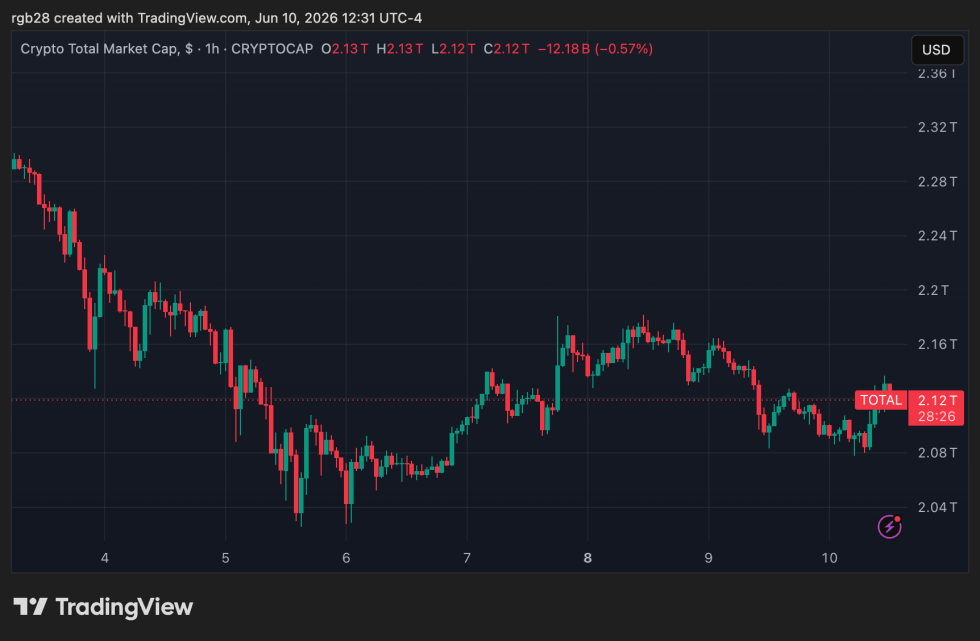
总加密货币市值在周线图中为2.12万亿美元。来源:TradingView 上的 TOTAL

Related Questions

Q日本三大银行计划在何时推出联合发行的稳定币?

A日本三大银行(三菱日联金融集团、三井住友银行、瑞穗银行)计划在2026财年(FY2026)结束前,即最晚在2027年3月31日前,推出联合发行的稳定币并进行商业交易。

Q这三家银行如何为联合稳定币的发行建立合作框架?

A三家银行签署了谅解备忘录,共同成立了一个联合自愿委员会。该委员会将负责审查与稳定币实际落地相关的运营框架、治理结构、系统设计等问题,旨在建立发行基础设施。

Q根据文章,日本政府对稳定币采取了哪些关键监管措施?

A日本政府在2022年修订了《支付服务法》,为稳定币建立了法律框架。新规规定,只有获得许可的汇款公司、信托公司和银行才能发行日元计价的稳定币。近期金融厅还修订了内阁府条例,承认部分由外国信托银行等机构发行的信托型稳定币为电子支付工具。

Q除了三大银行,日本还有哪些实体发行了日元稳定币?请举例。

A文章中提到,东京金融科技公司JPYC在去年10月推出了首个日元挂钩的稳定币JPYC。此外,SBI控股公司与Startale Group合作,为机构和跨境用例推出了由信托银行支持的日元稳定币JPYSC。

Q日本自民党在推动日元稳定币方面有何具体提议?

A日本自民党在一份提交给政府的新提案中,呼吁为加密货币交易所交易基金(ETF)制定规则,并推动日元计价稳定币在本地区的发展。该党议员还敦促政府采取措施,在未来促进日元稳定币在亚洲地区的结算使用,并可能借日本主办亚洲开发银行年会之机推广日元代币和区块链创新。

Related Reads

Google TPU Shipments Revised Up by 50%

Recent industry research indicates a significant upward revision in the shipments of Google's TPU (Tensor Processing Unit) chips. Previous expectations for 2027 were set at around 10 million units, but new estimates now point to 15 million units, a 50% increase. This substantial boost directly translates to higher demand across the entire supporting supply chain. Google's TPU clusters utilize a standardized all-optical interconnect architecture. Consequently, key hardware components are deeply integrated and scaled in fixed ratios with the chips. The 15 million TPU target will drive corresponding demand increases for NPO optical engines (roughly a 1:1 match), 1.6T optical modules, OCS optical switches, high-end server power supplies, fiber optics & MPO connectors, and liquid cooling solutions. Among these, liquid cooling is highlighted as the sector experiencing the most significant transformation and offering the most stable potential for excess returns. As next-generation TPU chips reach power levels where traditional air cooling is insufficient, liquid cooling becomes essential. 2026 is forecasted as the first year of substantial adoption for Google's liquid cooling solutions. This shift, coupled with delivery and capacity bottlenecks faced by incumbent overseas manufacturers, is creating a prime window for domestic Chinese suppliers to enter and secure Google's core supply chain. The market size for Google-specific liquid cooling is projected to potentially triple from a baseline of hundreds of billions to around 300 billion units by 2028. The logic for the fiber optic sector is also being rewritten. Once considered a cyclical commodity tied to telecom operator procurement, fiber is now a strategic and scarce resource for AI Data Centers (AIDC). A severe supply-demand imbalance, driven by the long lead time for preform production (18-24 months) and surging demand from cloud giants, is supporting strong performance. Chinese fiber manufacturers are well-positioned to capture a significant share of global AIDC demand, with exports potentially reaching 200-300 million core kilometers in 2026. Overall, the investment focus within the AI computing industry is shifting from pure "chip performance speculation" towards the more certain incremental growth in computing infrastructure and its supporting ecosystem. The upward revision in Google TPU shipments, along with the potential for further doubling by 2028, is seen as solidifying performance visibility for the entire supporting supply chain over the next two years.

marsbit4m ago

Google TPU Shipments Revised Up by 50%

marsbit4m ago

What Wall Street Really Wants After the Crypto Story Recedes

The tide of speculative crypto narratives has receded, revealing Wall Street's true objective: building a controlled, yield-generating, and compliant financial pipeline on distributed ledgers. They are migrating core functions onto blockchains, not for decentralization, but for efficiency and new revenue streams. Key developments include BlackRock's BUIDL fund, a tokenized treasury fund acting as a foundational reserve asset, and the rise of Securitize, which is going public and partnering with the NYSE to build a 24/7 digital securities trading and settlement system. This signals a major shift of securities clearing to blockchain technology. To make volatile assets like Bitcoin palatable for institutional investors, firms like BlackRock and Goldman Sachs are creating "covered call" ETFs (e.g., BITA). These products systematically sell options on Bitcoin holdings, transforming price volatility into stable monthly income, effectively repackaging crypto as a yield-bearing asset. Stablecoins are being positioned not as speculative tools but as efficient payment rails. Companies like Stripe and Mastercard are integrating them for instant, low-cost merchant settlements and cross-border card payments, respectively. Critically, new legislation like the GENIUS Act shapes them as non-interest-bearing, heavily regulated extensions of the US dollar system. In summary, Wall Street is quietly constructing a parallel, blockchain-based financial infrastructure featuring tokenized traditional assets, structured crypto yields, and programmable dollar pipelines—all under its control and fully integrated with existing regulatory and credit frameworks.

marsbit20m ago

What Wall Street Really Wants After the Crypto Story Recedes

marsbit20m ago

Tying Itself to SpaceX: Cursor's $60 Billion Rise

This article recounts the rapid rise of AI-powered coding startup Cursor and its 25-year-old MIT graduate CEO, Michael Truell. Launched in 2023, Cursor achieved explosive growth, reaching over 10 billion USD in revenue by late 2025. However, its journey highlights a central dilemma for AI application companies: dependence on foundational model providers. Cursor initially relied heavily on Anthropic's models but faced an existential threat when Anthropic launched its own competing coding tool, Claude Code. In response, Cursor declared an internal emergency in early 2026 and accelerated development of its own model, Composer. To secure the immense computing power needed, Truell struck a pivotal deal with Elon Musk's SpaceX in April 2026. The collaboration grants Cursor access to SpaceX's supercomputing resources for Composer, while SpaceX's Grok model benefits from Cursor's programming data. The agreement includes a potential 600 billion USD acquisition of Cursor by SpaceX later in the year, though a substantial termination fee is in place if the deal falls through. The story explores Cursor's intense, sometimes controversial hiring practices involving lengthy unpaid "work trials," its complex partnership-turned-rivalry with Anthropic, and its high-stakes gamble to ensure independence through the SpaceX alliance. The core question remains: will Cursor evolve into a defining, independent "generational" software company, or become a key piece in a tech giant's AI arsenal?

marsbit25m ago

Tying Itself to SpaceX: Cursor's $60 Billion Rise

marsbit25m ago

Warsh's Debut: Will the FED Chair Who Knows Crypto Best Bring Surprises or Shocks to the Market?

Kevin Warsh, the new Federal Reserve Chairman, prepares for his inaugural press conference amidst a challenging macroeconomic landscape: resurgent inflation, a bond market sell-off, and political pressure from President Trump for rate cuts. Uniquely, Warsh holds indirect investments in over 20 crypto and Web3 entities (e.g., Solana, dYdX), making him the first Fed Chair with disclosed crypto exposure. His stance may combine a hawkish, inflation-focused monetary policy with a crypto-friendly regulatory philosophy that shifts from Powell’s “same risk, same rule” approach toward a framework acknowledging blockchain’s productivity value. Warsh’s leadership could impact crypto markets across three dimensions: a paradigm shift in regulation (potentially accelerating pro-innovation legislation and stable币 rules), a re-pricing of risk premiums based on clearer communication and his view of AI as a structural disinflationary force, and a long-term reallocation of global institutional capital driven by increased legitimacy. Two potential scenarios for the press conference are outlined. A “positive surprise” would involve a dovish-leaning tone on rates coupled with signals of regulatory openness, potentially boosting crypto asset valuations. Conversely, a “negative shock” would see a more hawkish-than-expected stance on inflation and rates, triggering a broad risk-asset selloff that crypto markets would not escape. While ethics rules required Warsh to divest his crypto holdings upon confirmation, his deep understanding of the technology may fundamentally lower policy uncertainty and build a more receptive long-term foundation for digital assets’ integration into the mainstream financial system.

marsbit10h ago

Warsh's Debut: Will the FED Chair Who Knows Crypto Best Bring Surprises or Shocks to the Market?

marsbit10h ago

Trading

Spot
Futures

Hot Articles

How to Buy PUSH

Welcome to HTX.com! We've made purchasing Push Protocol (PUSH) simple and convenient. Follow our step-by-step guide to embark on your crypto journey.Step 1: Create Your HTX AccountUse your email or phone number to sign up for a free account on HTX. Experience a hassle-free registration journey and unlock all features.Get My AccountStep 2: Go to Buy Crypto and Choose Your Payment MethodCredit/Debit Card: Use your Visa or Mastercard to buy Push Protocol (PUSH) instantly.Balance: Use funds from your HTX account balance to trade seamlessly.Third Parties: We've added popular payment methods such as Google Pay and Apple Pay to enhance convenience.P2P: Trade directly with other users on HTX.Over-the-Counter (OTC): We offer tailor-made services and competitive exchange rates for traders.Step 3: Store Your Push Protocol (PUSH)After purchasing your Push Protocol (PUSH), store it in your HTX account. Alternatively, you can send it elsewhere via blockchain transfer or use it to trade other cryptocurrencies.Step 4: Trade Push Protocol (PUSH)Easily trade Push Protocol (PUSH) on HTX's spot market. Simply access your account, select your trading pair, execute your trades, and monitor in real-time. We offer a user-friendly experience for both beginners and seasoned traders.

3.7k Total ViewsPublished 2024.03.29Updated 2026.06.02

How to Buy PUSH

Discussions

Welcome to the HTX Community. Here, you can stay informed about the latest platform developments and gain access to professional market insights. Users' opinions on the price of PUSH (PUSH) are presented below.

活动图片