Dari Jalan Liar ke Meja Permainan: Mengapa Kepatuhan Adalah Jalan yang Harus Dilalui

比推Published on 2026-02-09Last updated on 2026-02-09

Abstract

Ringkasan: Dari Jalan Liar ke Meja Resmi: Mengapa Kepatuhan Adalah Jalan yang Harus Dilalui Industri crypto mengalami pergeseran besar menuju kepatuhan regulasi. Binance, yang sebelumnya tumbuh melalui arbitrase regulasi, kini secara resmi mematuhi kerangka ADGM di Uni Emirat Arab pada 2025. Coinbase membentuk standar kepatuhan AS di bawah perubahan kebijakan yang ramah crypto. Namun, Hyperliquid, yang beroperasi dari Singapura, memanfaatkan celah dengan menawarkan derivatif kepada pengguna global, meski hanya menguasai ~15% pangsa pasar Binance. Kepatuhan kini menjadi kerangka nyata yang memisahkan perdagangan, kliring, dan penyimpanan, mengakhiri era liar. AS memiliki keunggulan biaya regulasi rendah melalui kekuatan pasar dan keuangannya, memaksa entitas seperti Binance dan Hyperliquid untuk akhirnya mematuhi aturan. Di bidang RWA (Real World Assets), panduan regulasi baru dari Tiongkok mengizinkan penerbitan token sekuritas dari dalam negeri ke luar negeri setelah persetujuan regulator, selaras dengan perkembangan AS. Ini menandakan likuiditas global yang dapat membentuk ulang lanskap keuangan. Meskipun model "ekonomi bawah tanah" seperti USDT dan Hyperliquid masih ada, skalabilitas jangka panjang memerlukan kepatuhan. Masa depan mungkin terletak pada aset tokenized, dengan crypto dan RWA akhirnya bertemu dalam kerangka yang diatur.

Ditulis oleh: Master Zuo

Judul asli: Kepatuhan adalah Upacara Kedewasaan untuk Ekonomi Bawah Tanah


Binance tahun 2017 dengan cepat menjadi nomor satu di dunia melalui arbitrase regulasi, tetapi Hyperliquid yang lebih bebas pada tahun 2025 hanya dapat menguasai 15% pangsa pasar Binance, dan apakah RWA sebagai sumber aset dasar DeFi memiliki ruang untuk arbitrase regulasi dan masa depan yang terukur?

Kepatuhan menjadi tema utama tahun 2026, pertukaran lepas pantai Binance secara resmi naik ke daratan di ADGM Uni Emirat Arab, Coinbase berhasil meraih dua kemenangan dengan RUU Jenius dan RUU Kejelasan, bahkan negara besar di Timur juga "prinsipil" mencoba regulasi RWA.

Kita berada di titik balik yang jelas, blockchain tidak akan menggantikan internet, Web3 hanyalah penipuan yang menganggap diri sendiri, efek listing koin berakhir dengan pembelian Bitcoin oleh Binance, tetapi Hyperliquid fokus pada logam mulia dan pasar prediksi, sementara RWA yang diwakili oleh koin (stablecoin), saham (saham AS), obligasi (obligasi AS, obligasi sekunder), dan dana (lindung nilai, aktif) yang di-chain sedang tren.

Dalam konteks ini, kepatuhan melampaui peran seremonial sederhana "memegang lisensi negara kecil, mengarbitrase keuntungan negara besar", berevolusi menjadi kerangka nyata pemisahan perdagangan, kliring, dan penyimpanan. Ketika industri melampaui batas skala, keuntungan regulasi akan menguntungkan.

Di tempat yang sunyi, kepatuhan tidak hanya berarti berakhirnya era liar sebelumnya, guntur bergemuruh, selalu ada ruang arbitrase untuk mengembangkan pertukaran skala.

Mari mulai dari pertukaran, melihat pertimbangan ekonomi di luar kepatuhan.

Peradaban Wall Street, Orang Liar yang Gila

Penakluk liar, menurut hukum sejarah abadi, sendiri ditaklukkan oleh peradaban yang lebih tinggi dari rakyat yang mereka taklukkan.

Tahun 2022, FTX runtuh dengan cara yang dramatis, Wall Street juga pernah memiliki ide untuk menduduki jalur pertukaran, Castle Securities, Fidelity, dan Charles Schwab bekerja sama, meluncurkan EDX Markets di Singapura, beroperasi di bawah kerangka kepatuhan MAS Singapura sesuai dengan prinsip pemisahan perdagangan dan penyimpanan.

Dengan SEC di bawah pimpinan Gary Gensler mengejar Binance tanpa henti, Coinbase dan Kraken hanya bisa berkontraksi di pasar spot AS, tidak dapat memasuki pasar tinggi seperti kontrak berjangka, opsi, dll. Saat itu, pasar juga memberikan harapan besar pada EDX Markets.

Jika tidak ada halangan, kita seharusnya menyaksikan kejatuhan Binance, seperti BitMEX setelah 12 Maret 2020, tetapi sejarah tidak pernah berulang, Hyperliquid adalah pemenang sebenarnya, Binance yang memburuk dan Coinbase yang tetap berkontraksi di pasar AS, ternyata bukan protagonis adegan berikutnya.

Untuk mengetahui pengalaman yang berhasil, kita harus memahami pelajaran dari yang gagal.

Binance setelah didirikan pada tahun 2017, setidaknya melakukan dua hal dengan benar:

  • Sambil aktif merangkul globalisasi, terus menerima pengguna dari Tiongkok Daratan, volume perdagangan dan skala pengguna saling berhubungan seperti jungkat-jungkit;

  • Pada tahun 2019 meluncurkan IEO (Penawaran Pertukaran Perdana), menciptakan efek kekayaan nyata sebelum DeFi Summer.

Setelah larangan 4 September, menyediakan layanan perdagangan untuk pengguna Tiongkok Daratan berada di "area abu-abu", ketentuan ketiga langsung ditujukan untuk platform perdagangan, mengharuskannya untuk tidak menyediakan layanan penawaran, pencocokan, dan kliring. Jika mengacu pada tanggapan He Yi terhadap Cathie Wood, maka Binance akan merespons dengan "tidak menyediakan layanan untuk pengguna Tiongkok Daratan".

Dari 2017 hingga 2019, Binance berdiri sebagai pertukaran lepas pantai global nomor satu, 2020-2022, Binance mengisi pasar kontrak berjangka setelah BitMEX, 2022-2024, Binance mendominasi pasar altcoin global, efek listing setara dengan efek listing di Binance.

Memasuki tahun 2025, Binance secara resmi masuk ke kerangka kepatuhan ADGM Abu Dhabi Uni Emirat Arab, membagi dirinya menjadi tiga entitas: perdagangan, kliring, dan over-the-counter, tetapi ini masih mempertahankan arbitrase khas Binance.

Terutama karena kepatuhan tidak menghentikan tim listing Binance untuk memasang koin Meme, kedua ADGM dan seluruh sistem keuangan Uni Emirat Arab, tidak memiliki kemampuan untuk mengawasi raksasa seperti Binance, kita lihat ketidakberdayaan Bahama terhadap FTX global.
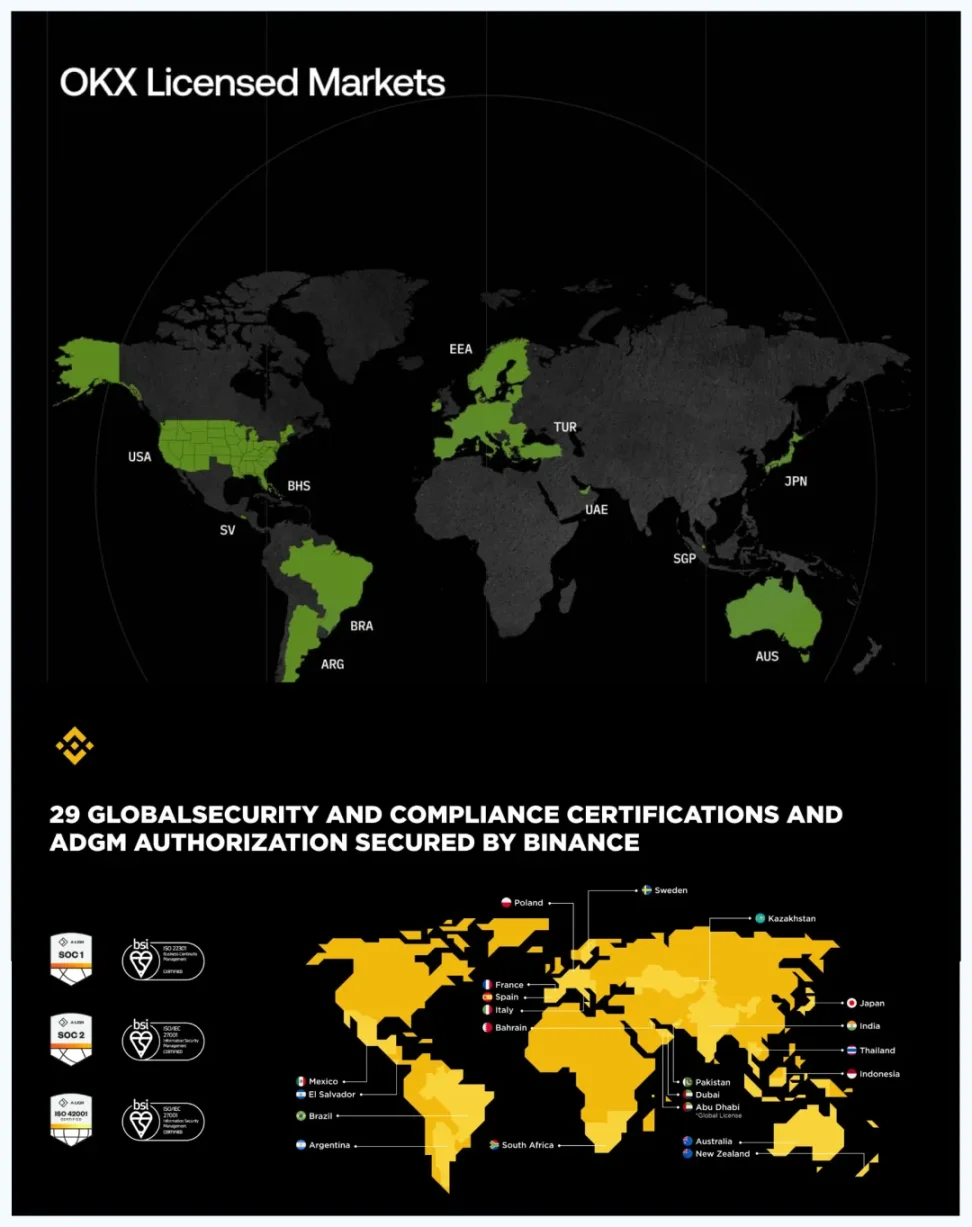
Keterangan gambar: "Ikut ujian CPNS" baru bisa naik ke daratan, Sumber gambar: @binance @okx

Coinbase paling patuh setelah keruntuhan FTX, tetapi kepatuhan ini berasal dari transformasi berkelanjutan Trump terhadap SEC, CFTC, OCC setelah naik takhta, meminta mereka untuk mengambil langkah-langkah pengawasan yang lebih ramah kripto.

Secara umum, SEC bertanggung jawab meninjau apakah suatu token memenuhi definisi sekuritas, CFTC mengawasi perdagangan derivatif, OCC mengawasi izin bank untuk menyelenggarakan bisnis penyimpanan, AS tidak memiliki "lisensi pertukaran kripto" seperti ADGM, hanya ruang lingkup pengawasan menurut jenis bisnis.
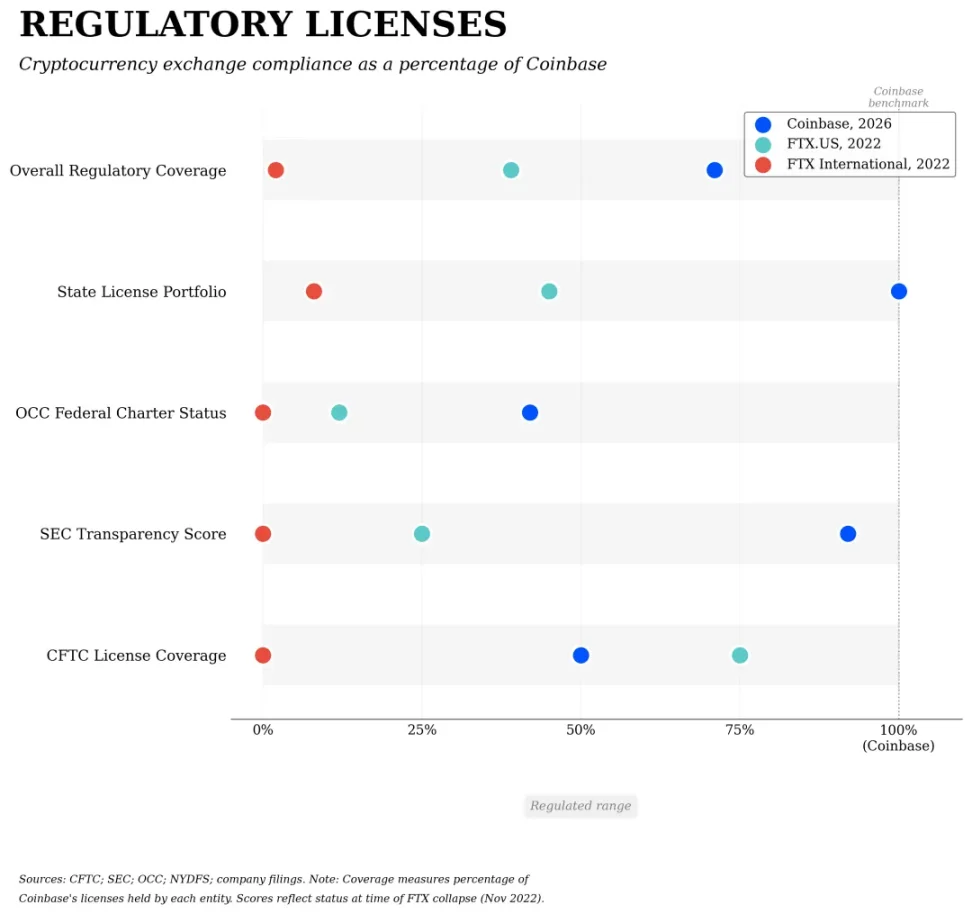
Keterangan gambar: Kemajuan regulasi, Sumber gambar: @zuoyeweb3

Pembangunan kerangka pengawasan ini masih berlangsung, tetapi dapat dipastikan Coinbase akan membentuk kerangka kepatuhan AS, mencakup pencatatan (spot, kontrak), perdagangan (spot, kontrak), penyimpanan (ritel, institusi), kliring/penyelesaian (fiat, kripto), audit (teknis, aset)/asuransi (fiat, kripto) di semua aspek.

Lisensi Binance di bawah ADGM, dan lisensi Coinbase di AS adalah dua konsep yang sangat berbeda, lisensi yang terakhir akan benar-benar masuk ke dalam ruang lingkup manajemen departemen pengawas.

Regulasi bertujuan untuk memperjelas aturan, bukan melindungi kepentingan investor retail, misalnya, klien institusi dalam bisnis penyimpanan Coinance menikmati perlindungan pemisahan kebangkrutan, entitas yang sesuai adalah Coinbase Custody Trust Company.

Tetapi dana yang disetor oleh investor retail biasa ke Coinbase, entitas yang sesuai adalah Coinbase Inc., jika dalam mata uang fiat, masih mungkin dilindungi oleh asuransi deposito FDIC bank yang sesuai, tetapi aset kripto sangat mungkin mengalami nasib seperti FTX.

Misalnya, pembeli token FTT FTX diakui sebagai pemilik saham, tidak dilindungi secara ketat dalam klaim, Coinbase serupa, satu-satunya kabar baik adalah Coinbase tidak mengalami krisis penarikan dana.

Hyperliquid Masuk ke Bidang RWA "Tanpa Izin"

Kemajuan manusia baru tidak akan lagi seperti monster dewa kafir yang mengerikan, yang hanya bisa minum anggur manis dengan cangkir tengkorak korban yang dibunuh.

Arbitrase regulasi masih ada, di bidang perdagangan aset kripto, Hyperliquid, sesama Amerika EDX, juga memulai di Singapura, dan menggerogoti pasar global Binance dan pasar AS Coinbase.

Dapat disebut "arbitrase tingkat dua", Binance mengarbitrase regulasi global, Hyperliquid mengarbitrase Binance.
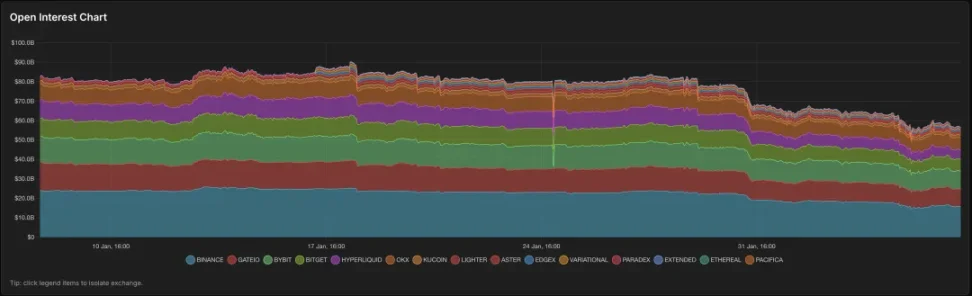
Keterangan gambar: CEX dan DEX sulit dibedakan mana yang lebih unggul, Sumber gambar: @LorisTools

Hyperliquid memblokir alamat IP AS, tetapi pemblokiran ini tidak memiliki efek praktis, bandingkan, pengguna AS hampir tidak mungkin membuka akun di Binance global, hanya bisa menggunakan Binance US.

Coinbase baru saja mulai mengizinkan bisnis kontrak untuk pengguna AS, tetapi volume bisnisnya hampir tidak ada, sehingga, dalam ruang yang aneh, Hyperliquid merebut sebagian pengguna Eropa dan Amerika di luar Binance dan Coinbase, mengembangkan bisnis derivatif.

Tetapi perlu diperhatikan, arbitrase Hyperliquid tidak dapat menampilkan keajaiban pertumbuhan Binance, juga tidak dapat belajar dari Coinbase yang menduduki pasar patuh AS, mungkin hanya dapat menguasai 15% pangsa pasar Binance.

Dengan Hyperliquid fokus pada logam mulia, pasar prediksi, dan bisnis non-tradisional lainnya, dampaknya terhadap pasar keuangan global juga semakin kuat, jika AS dapat mengatur Binance dan Tornado Cash, maka tindakan terhadap Hyperliquid, juga tidak akan menghadapi perlawanan dari Singapura.

Pada akhirnya, sebagian besar model "ekonomi bawah tanah" tidak dapat memasuki bidang yang terukur, ambil USDT sebagai contoh, dalam hal cadangan penerbitan dan pemblokiran peredaran semakin ketat, serangan peretas Bybit melepaskan USDT dan pembekuan U hitam setelah kasus Huiwang adalah buktinya.

  • Huiwang dapat mendukung seluruh ekonomi bawah tanah Kamboja bahkan Asia Tenggara, tetapi Kamboja tidak tahan dengan harga dimasukkan dalam "daftar abu-abu" pencucian uang oleh FATF.

  • Binance dapat mendukung ekonomi on-chain BNB yang didominasi oleh altcoin, tetapi efek tekanan antara China dan AS membuat Binance tidak dapat menyentuh aset perdagangan yang lebih berkualitas.

Ini pada dasarnya adalah keunggulan biaya pengawasan rendah yang dimiliki AS, sanksi ekonomi AS ke luar negeri, intinya bukan dolar AS dan militer AS, AS adalah pasar konsumen tunggal terbesar di dunia dan pasar keuangan utama, begitu Kamboja dan Binance diputus hubungannya dengan AS, akhirnya seperti Korea Utara.

Jadi Binance membayar harga mahal untuk patuh, jadi kepatuhan Hyperliquid hanya masalah waktu.

Dari sini membahas masalah perpanjangan, yaitu apakah RWA dapat meniru轨迹 jalur perdagangan aset kripto, yaitu mempertahankan diri dalam arbitrase regulasi, mengembangkan volume bisnis ke dalam kerangka kepatuhan.

Ini dibangun di atas premis ganda bahwa Hyperliquid di bidang perdagangan aset kripto, hampir tidak mungkin melampaui Binance, dalam tingkat kepatuhan, hampir tidak mungkin melampaui Coinbase.

Jika berdiri di tahun 2017, CZ sendiri mungkin juga tidak percaya bahwa CEX adalah masa depan, melihat ke depan perangko koin, P2P, O2O, ofo adalah angin sesaat, melihat ke belakang, penambangan DeFi, NFT, GameFi, SocialFi semua berakhir dengan sia-sia.

Jadi Binance dan BNB harus dipahami sebagai proyek,光环 di atasnya diperpanjang terus menerus oleh efek kekayaan, seharusnya berakhir dengan buru-buru, seperti satu gelembung keuangan demi satu.

Tetapi di bawah efek jaringan, efek jaringan perdagangan melepaskan diri dari belenggu aset kripto, memasuki semua bidang keuangan, sehingga bertemu dengan RWA dalam arti luas, stablecoin berbunga menyerang CBDC, sekuritisasi berbasis aset cepat atau lambat juga akan ditokenisasi.

Misalnya panduan regulasi Timur besar kali ini, pada dasarnya adalah luapan dampak AS di bidang keuangan, akan mengubah keuangan on-chain dengan cara yang unik.
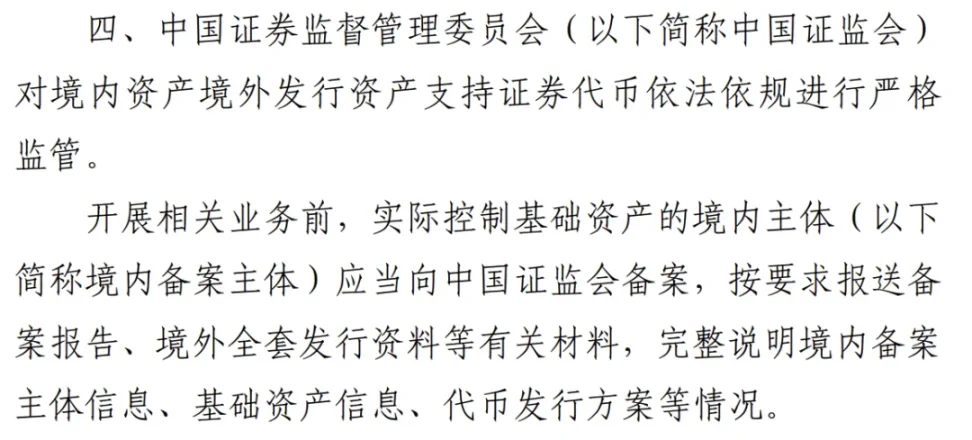
Keterangan gambar: Bunga mekar di dalam tembok, harum di luar tembok

Terhadap langkah-langkah pengawasan baru Timur besar, interpretasi yang diberikan Caixin dibagi menjadi empat kategori: utang luar negeri, ekuitas, sekuritisasi aset, dan lainnya, tetapi menurut saya, satu-satunya yang bermakna adalah potongan tokenisasi sekuritas, sesuai dengan arah reformasi "sekuritisasi semua aset", tentang ini:

  • Memperjelas departemen pengawas adalah Komisi Sekuritas

  • Perlu persetujuan Komisi Sekuritas sebelum diterbitkan

  • Hanya mengizinkan penerbitan dari dalam negeri ke luar negeri

Dan, panduan tokenisasi sekuritas kali ini memperjelas bahwa hak dan pendapatan harus patuh, ini sesuai dengan proses evolusi SEC yang mendorong tokenisasi "saham" asli, sedangkan stablecoin RMB luar negeri, utang luar negeri, dan dana situasinya lebih khusus.

  • Bisnis stablecoin RMB lepas pantai luar negeri selalu ada, penerbit USDT perusahaan Tether juga terlibat, tetapi kurang penggunaan praktis, volume bisnis sangat kecil;

  • Penerbitan obligasi luar negeri dan pendanaan on-chain, telah dilakukan secara faktual, telah sepenuhnya terisolasi dari aset dalam negeri dan diterbitkan untuk klien luar negeri, tidak terkait dengan panduan kali ini.

Pengawasan kali ini melibatkan penerbitan luar negeri aset dalam negeri, pada dasarnya menekankan isolasi ini, luar negeri milik luar negeri, dalam negeri milik dalam negeri, hanya ketika keduanya bersinggungan maka perlu masuk proses pengawasan.

Di bidang RWA saat ini, China dan AS telah secara faktual melakukan perlombaan, luapan likuiditas ini ke on-chain, cukup untuk mengubah landscape keuangan saat ini.

Kesimpulan

Nasib suatu industri, tentu saja tergantung pada perjuangan diri sendiri, tetapi juga harus mempertimbangkan perjalanan sejarah.

CZ sendiri mungkin tidak percaya bahwa CEX adalah masa depan, bahkan Bitcoin hanya satu tahap dari bentuk skema piramida baru, akan cepat menjadi istilah sejarah yang lenyap seperti P2P, pinjaman berbahaya tinggi, dll.

Tapi semua orang tidak menyangka, CEX bertahan sampai tahun 2026, Hyperliquid menyerang bentuk baru seperti logam mulia dan pasar prediksi, tetapi masih belum Flip Binance.

Jika Hyperliquid ditambah RWA, kali ini, bisakah sampai ke seberang?


Twitter:https://twitter.com/BitpushNewsCN

Grup TG Bitpush:https://t.me/BitPushCommunity

Langganan TG Bitpush: https://t.me/bitpush

Tautan asli:https://www.bitpush.news/articles/7610212

Related Questions

QMengapa kepatuhan (compliance) menjadi tema utama dalam industri aset kripto pada tahun 2026?

AKepatuhan menjadi tema utama karena pertumbuhan industri telah mencapai titik di mana skala operasi yang besar membuat keuntungan regulasi menjadi menguntungkan. Platform besar seperti Binance dan Coinbase secara formal masuk ke dalam kerangka regulasi untuk mengakses aset keuangan tradisional yang lebih berkualitas dan menghindari tekanan geopolitik, terutama dari Amerika Serikat.

QApa perbedaan utama antara lisensi Binance di ADGM (Abu Dhabi Global Market) dan lisensi Coinbase di Amerika Serikat?

ALisensi Binance di ADGM lebih bersifat simbolis dan tidak memiliki pengawasan regulasi yang ketat karena ADGM tidak memiliki kapasitas untuk mengawasi raksasa seperti Binance. Sementara itu, lisensi Coinbase di AS tunduk pada pengawasan nyata dari regulator seperti SEC, CFTC, dan OCC, dengan kerangka peraturan yang lebih komprehensif dan terperinci.

QBagaimana Hyperliquid melakukan 'arbitrase regulasi orde kedua' dan apa batasan utamanya?

AHyperliquid melakukan arbitrase regulasi orde kedua dengan memanfaatkan celah di mana platform seperti Binance dan Coinbase tidak dapat sepenuhnya melayani pasar global atau derivatif, sehingga menarik pengguna dari kedua platform tersebut. Namun, batasan utamanya adalah ketidakmampuan untuk menyaingi skala Binance atau tingkat kepatuhan Coinbase, dan diperkirakan hanya dapat merebut 15% pangsa pasar Binance.

QApa implikasi dari pedoman regulasi RWA (Real World Assets) yang dikeluarkan oleh Tiongkok?

APedoman regulasi RWA Tiongkok menetapkan Komisi Regulasi Sekuritas sebagai otoritas pengawas, mengharuskan persetujuan sebelum penerbitan, dan hanya mengizinkan penerbitan dari dalam negeri ke luar negeri. Ini bertujuan untuk mengisolasi aset dalam negeri dan luar negeri, serta mengatur persilangan antara keduanya, sejalan dengan tren global tokenisasi sekuritas.

QMengapa Binance bersedia membayar harga tinggi untuk menjadi patuh meskipun awalnya sukses melalui arbitrase regulasi?

ABinance bersedia menjadi patuh karena tekanan dari Amerika Serikat sebagai pasar konsumen dan keuangan terbesar dunia. Diputusnya hubungan dengan AS akan memiliki konsekuensi parah, mirip dengan isolasi ekonomi yang dialami Korea Utara. Kepatuhan memungkinkan Binance mengakses pasar yang lebih luas dan aset keuangan tradisional yang berkualitas.

Related Reads

Fed's Internal Doves Flock to Hawkish Stance, Warsh's Debut "Between a Rock and a Hard Place"

U.S. Federal Reserve officials who previously advocated for rate cuts, including Governor Christopher Waller, have recently shifted their stance, with many now not ruling out the possibility of future rate hikes. This sets a challenging stage for new Fed Chair Kevin Warsh's first policy meeting. Appointed by President Trump based on his dovish views, Warsh now faces a committee where the debate has pivoted from "when to cut" to "whether to hike," driven by persistent inflation above 3%, a strong labor market, and supply-side pressures from AI infrastructure demands and geopolitical tensions. Key figures illustrate the shift. Governor Waller, once concerned about employment, now says data has pushed him toward considering rate increases. Even moderate voices like Governor Lisa Cook, while expecting inflation to ease, have indicated readiness to hike if it fails to do so. Long-time hawks such as regional Fed presidents Beth Hammack, Lorie Logan, and Neel Kashkari have grown more vocal, arguing that the real policy rate is effectively falling and that action may soon be needed. The upcoming Fed meeting is expected to keep rates steady but will likely remove the "easing bias" from its statement, signaling a neutral stance between cuts and hikes. The quarterly "dot plot" is anticipated to show most officials projecting no cuts this year, with some potentially indicating hikes. Chair Warsh, a critic of the Fed's reliance on forward guidance like the dot plot, must navigate communicating this pivot using tools he has questioned, all while steering policy in a direction counter to the preferences of the president who appointed him. The consensus suggests the Fed's next move could well be a rate increase.

marsbit35m ago

Fed's Internal Doves Flock to Hawkish Stance, Warsh's Debut "Between a Rock and a Hard Place"

marsbit35m ago

The Trillion-Yuan Market Cap 'Yi Zhong Tian': Who is the True Value King?

The article analyzes the three leading Chinese optical module companies, collectively nicknamed "Yi Zhong Tian": Xinyisheng, Zhongji Innolight, and TFC Optical Communication. It evaluates their "cost-performance" not by current stock price, but through three lenses: PEG ratio (growth vs. valuation), earnings quality, and premium/discount for certainty. Xinyisheng shows the most attractive PEG ratio and high profitability, but its valuation reflects discounts for risks like high customer concentration and reliance on overseas markets. Zhongji Innolight, the most expensive, commands a premium for its market leadership, dominant share in key products like 800G/1.6T modules, and higher earnings certainty, though it faces geopolitical risks. TFC Optical, as an upstream component supplier ("water seller"), has the highest gross margin and bets on the long-term CPO/NPO architecture trend, but trades at a high valuation with more stable, less explosive growth. The core argument is that while these companies dominate module assembly, the true profit pool and technological moat lie upstream in laser and switch chips, currently controlled by U.S. firms like Lumentum and Coherent. The long-term "cost-performance" for these Chinese leaders hinges on whether the domestic industry, exemplified by companies like Yuanjie Technology, can successfully move up the value chain into high-power laser chips. Otherwise, their high growth may remain confined to the lower-margin assembly segment.

marsbit45m ago

The Trillion-Yuan Market Cap 'Yi Zhong Tian': Who is the True Value King?

marsbit45m ago

Has the Crypto Market Bottomed? Here's What Institutions Think

The crypto market is in a period of significant debate, with leading institutions offering differing views on whether a bottom has been reached. Three prominent firms have published detailed analyses: * **Galaxy Digital** argues Bitcoin has **not yet bottomed**. Their analysis of 13 historical indicators across six dimensions (valuation, profit-taking, miner pressure, etc.) shows only four are fully met. They project a potential bottom range between $30k and $54k. * **NYDIG** states a bottom is **possible but not likely**. While metrics are close to historic bear market extremes, they note the absence of a classic panic-selling event. They also suggest increased institutional adoption may have structurally altered the market cycle, potentially leading to a shallower downturn. * **Standard Chartered Bank** asserts the **bottom has already occurred** at around $59k. They cite two key factors: potential US-Iran diplomatic progress and the anticipated SpaceX IPO, which they believe absorbed capital and caused ETF selling pressure that is now subsiding. They forecast a year-end price target of $100k. Despite the surface-level disagreement, the reports share critical common ground more valuable for long-term investors: 1. All three believe the market bottom will form **within this year**. 2. All agree the current price is **closer to the bottom than to previous highs**. 3. All maintain a **bullish long-term outlook** for Bitcoin and a new cycle. The core takeaway is that while the exact bottom price ($40k, $50k, or $60k) is debated, the consensus is that a bottom is imminent. For long-term holders, the primary focus should not be pinpointing the absolute low, but on the future potential for prices to reach $100k, $200k, or higher. The fundamental thesis for Bitcoin—sovereign debt accumulation, inflation, declining trust in centralized institutions, global digitization, and improved accessibility—remains intact and is arguably strengthening. The overall landscape is viewed as more favorable than in previous crypto winters.

marsbit56m ago

Has the Crypto Market Bottomed? Here's What Institutions Think

marsbit56m ago

The 'Chip' Challenge and Breakthroughs in China's Optical Industry Chain

China's Photonics Industry: Bottlenecks and Breakthroughs In the global AI race, computing chips dominate the narrative, but the underlying bottleneck increasingly defining the scale of AI clusters is light—or more specifically, optical connectivity. Optical modules, which translate electrical signals to light and vice versa, are crucial for connecting thousands of GPUs in AI data centers, preventing data congestion and ensuring efficient model training. High-speed modules (800G, 1.6T) are now standard, with performance hinging on advanced DSP (Digital Signal Processor) chips. This is where a critical dependency lies. Two US giants—Marvell and Broadcom—collectively dominate over 90% of the high-end DSP chip market. Chinese optical module leaders like Zhongji Innolight and Eoptolink rely on these chips to manufacture modules for overseas AI customers, primarily in North America. While this creates a supply chain vulnerability, complete decoupling is difficult. Marvell derives over half its revenue from Greater China, and the US firms depend on Chinese partners for chip packaging and optical components. The risk from laser chips (e.g., from Lumentum), another key component, is considered more manageable due to multiple global suppliers and faster progress in domestic alternatives from companies like YOFC and Accelink. To mitigate risks, China's industry is pursuing a multi-pronged strategy: diversifying supply chains and locking in long-term orders; fostering a domestic market ecosystem to adopt homegrown DSPs from firms like Huawei HiSilicon and CETC; accelerating R&D in high-speed DSPs and advanced packaging; and investing in next-gen technologies like silicon photonics and Co-Packaged Optics (CPO) to reduce reliance on discrete DSPs. The ultimate solution lies not in short-term博弈 but in persistent advancement of domestic high-end chip R&D and manufacturing. While challenges remain in performance, certification, and ecosystem building, China's vast domestic market and manufacturing base provide a crucial buffer, buying time for the industry to achieve greater technological independence.

marsbit1h ago

The 'Chip' Challenge and Breakthroughs in China's Optical Industry Chain

marsbit1h ago

Trading

Spot
Futures

Hot Articles

What is LINON

Linde plc Tokenized Stock (Ondo): Revolutionizing Traditional Equity Access Through Blockchain Innovation The emergence of Linde plc Tokenized Stock (Ondo), represented by the ticker $LINON, signifies a monumental shift in the fusion of traditional financial structures and decentralized finance (DeFi). This innovative financial instrument showcases the tremendous potential of blockchain technology to democratize access to traditional equity markets while ensuring the security and regulatory compliance necessary for institutional-grade financial products. Through Ondo Finance's pioneering tokenization platform, $LINON provides a seamless pathway for global investors to engage with one of the world's leading industrial gas companies, Linde plc, creating a blockchain-native representation of the underlying equity. Introduction to Linde plc Tokenized Stock The landscape of financial markets is witnessing a groundbreaking transformation through the tokenization of real-world assets. Linde plc Tokenized Stock (Ondo) epitomizes this revolutionary approach by bridging the gap between conventional stock ownership and blockchain-enabled financial infrastructure. The $LINON token allows investors to gain exposure to one of the prominent industrial companies worldwide through decentralized technology. Operating within Ondo Finance's comprehensive ecosystem, $LINON symbolizes a practical application of tokenization technology that enhances accessibility, efficiency, and global connectivity in traditional financial markets. By leveraging blockchain infrastructure, this tokenized stock enables international investors to participate in U.S. equity markets, overcoming traditional barriers associated with cross-border investing. The significance of $LINON goes beyond technological innovation; it represents a fundamental shift in asset structuring, distribution, and trading in the digital age. This tokenized stock maintains all the economic benefits associated with traditional Linde plc shares while offering improved liquidity, programmable compliance features, and seamless integration with decentralized finance protocols. The development of $LINON indicates a growing acceptance of blockchain technology as a viable means for traditional finance, exemplifying how even well-established assets like Linde plc can integrate into blockchain systems. This approach preserves the core attributes that appeal to investors while introducing advanced capabilities that enhance the overall investment proposition. Project Overview and Objectives Linde plc Tokenized Stock (Ondo) encapsulates a strategic effort to democratize access to traditional equity markets through advanced blockchain technologies. The primary objective of $LINON is to provide approved global investors seamless access to the economic exposure associated with Linde plc shares, furthering an effort to create a more inclusive financial ecosystem. Beyond the digital representation of traditional assets, $LINON endeavors to eliminate barriers of geography and time zones that limit investor participation. Its design ensures that blockchain technology can elevate traditional investment vehicles without undermining the security or compliance requirements expected by investors. Key goals of the project include enhanced liquidity provision, programmable compliance mechanisms, and interoperability with other blockchain networks. Each $LINON token is fortified by actual Linde plc securities housed at U.S.-registered broker-dealers, allowing holders to reap economic advantages akin to traditional stockholders, such as dividend reinvestment. Furthermore, $LINON aims to establish new industry standards for institutional-grade tokenized securities, paving the way for traditional assets to embrace blockchain technology while remaining compliant with regulatory frameworks. By associating itself with a company as reputable as Linde plc, the project opens avenues for exploring tokenized equities catering to both conservative institutional players and daring retail investors. Project Creator and Development Team The vision for Linde plc Tokenized Stock (Ondo) comes from Nathan Allman, founder and CEO of Ondo Finance. His background in traditional finance coupled with expertise in blockchain technology positions him uniquely to navigate the complexities of asset tokenization. Allman's academic journey began at Brown University, focusing on Economics and Biology, equipping him with valuable analytical skills. His time at Goldman Sachs in the Digital Assets division strengthened his understanding of the interplay between financial institutions and emerging technologies, laying the groundwork for his later endeavors in alternative investment strategies. Under Allman's guidance, Ondo Finance has emerged as a leader in asset tokenization, launching $LINON as a flagship example of the company's larger mission towards revolutionizing traditional financial systems using blockchain technology. His commitment to leveraging blockchain for creating institutional-grade financial products has shaped the landscape of real-world asset tokenization. Investment and Funding Structure The growth of Ondo Finance, the platform powering Linde plc Tokenized Stock (Ondo), is bolstered by robust financial backing from prestigious venture capital firms and strategic investors. This strong investment foundation underpins the development of the key infrastructure essential for compliant tokenized securities like $LINON. In August 2021, Ondo Finance secured $4 million in seed funding led by a major venture capital firm, which enabled the company to commence platform development and establish the necessary regulatory processes for tokenizing real-world assets. This early investment cemented Ondo Finance's credibility within the industry. The Series A funding round followed, garnering $20 million with participation from renowned firms committed to transformative technology companies. This backing demonstrated substantial institutional confidence in Ondo Finance's vision, allowing it to hone its approach to asset tokenization through mechanisms that ensure compliance and accessibility. Noteworthy contributors, including institutional investors and experienced partners, have added significant value to Ondo Finance’s development efforts. Their involvement underscores the confidence across sectors in Ondo Finance's approach to bridging traditional finance with blockchain innovations. Technical Infrastructure and Innovation The technical architecture that underpins Linde plc Tokenized Stock (Ondo) represents a sophisticated melding of traditional finance systems and cutting-edge blockchain technology. The architecture's foundation is built on the Ethereum network, renowned for its security and programmability—both critical for intricate financial instruments. The $LINON tokenization process comprises creating a blockchain-native representation of Linde plc shares that preserves economic benefits while augmenting investor capabilities. Each token corresponds to actual shares held at U.S.-registered broker-dealers, creating a compliant custody structure that legitimizes the asset's existence and value. Automated compliance systems are integrated into the tokenization process, managing critical components such as know-your-customer (KYC) verification and anti-money laundering (AML) protocols. This incorporation of programmable compliance empowers $LINON to uphold regulatory standards essential for institutional proliferation. Cross-chain interoperability characterizes the advanced technical features of $LINON. While initially deployed on Ethereum, the framework is designed for expansion to other networks such as Solana and BNB Chain. This adaptability enhances liquidity and accessibility, allowing investors to select their preferred blockchain ecosystems. Historical Timeline and Development Crafting the history of Linde plc Tokenized Stock (Ondo) unfolds in parallel with the evolution of Ondo Finance's tokenization platform. The timeline's inception dates back to March 2021 when Nathan Allman laid the foundations for creating institutional-grade financial products on blockchain infrastructure. The initial funding round in August 2021 provided crucial resources for developing the platform and establishing partnerships necessary for effective tokenization. By January 2023, Ondo Finance launched its tokenized treasury products, establishing mechanisms that would facilitate future tokenized equities such as $LINON. A pivotal milestone arose in February 2025 when Ondo Chain—a Layer 1 blockchain designed specifically for asset tokenization—was introduced. This infrastructure enhances capabilities vital for institutional markets, demonstrating Ondo Finance's long-term commitment to tokenization. Subsequently, the launch of Ondo Global Markets in September 2025 marked the official debut of $LINON. This milestone showcased the successful transition from development to active trading, enabling investors around the world to access American financial markets seamlessly. Ongoing development plans include a targeted expansion of available tokenized assets to over 1,000 by the end of 2025, pointing to a bright future for Ondo Finance's ecosystem and its mission to broaden tokenized equity accessibility. Regulatory Compliance and Legal Framework The legal architecture governing Linde plc Tokenized Stock (Ondo) emphasizes a sophisticated approach to regulatory compliance, allowing tokenized securities to be implemented within a blockchain-based framework. The legal structure governing $LINON spans multiple jurisdictions while maintaining a robust legal footing. Compliance systems ensure that only eligible investors can access the token, enforced through automated verification that aligns with international regulations. This innovative regulatory technology promises real-time enforcement of complex requirements, considerably enhancing efficiency in operating within the regulatory landscape. The custody framework undergirding $LINON ensures that the underlying shares are securely held at U.S.-registered broker-dealers, complying with necessary regulations while delivering blockchain-driven access to investors. The token maintains its economic equivalency and security through this carefully structured custody arrangement. KYC and AML compliance systems are embedded within the smart contract architecture, ensuring integrity and adherence to regulatory practices while fostering transparency for investors. The jurisdictional restrictions mark a commitment to navigating the evolving landscape of international securities laws. Market Impact and Industry Significance The advent of Linde plc Tokenized Stock (Ondo) holds profound implications for the broader financial landscape, symbolizing a clear shift towards blockchain-enabled markets. $LINON serves as a proof-of-concept for integrating traditional companies into blockchain ecosystems, showcasing the potential benefits such as broader accessibility and improved efficiency. The market's response to $LINON indicates a growing acceptance of tokenization among institutional investors, contributing to the emergence of an expanding sector wherein traditional assets can be interconnected with blockchain innovations. The success of $LINON further solidifies market confidence, indicating an overarching shift towards recognizing asset tokenization as a transformative force in finance. Future Development and Expansion Plans The future trajectory for Linde plc Tokenized Stock (Ondo) centers around the expansion of the tokenization ecosystem and enhanced infrastructure supporting blockchain-enabled financial services. Plans for cross-chain integration usher in new opportunities for liquidity and flexibility within the investment framework, with existing capabilities poised for continuous enhancement. With the introduction of Ondo Chain, Ondo Finance aims to transition $LINON to an optimized blockchain environment specifically designed for asset tokenization. This new infrastructure heralds exciting prospects for the development of institutional-grade financial products, ensuring ongoing compatibility with contemporary investment strategies. Further integration with decentralized finance protocols signifies a commitment to empowering $LINON holders through advanced financial strategies. The anticipated expansion of available tokenized assets promises to broaden investor access, enhancing the utility and appeal of the platform. In alignment with ambitions for regulatory expansion, ongoing efforts to secure approvals for new jurisdictions will enhance investor access, further positioning $LINON at the forefront of the burgeoning tokenization market. Conclusion Linde plc Tokenized Stock (Ondo), as represented by the $LINON token, stands at the intersection of traditional finance and blockchain innovation. It embodies a transformative milestone in how financial assets are structured, distributed, and engaged within modern investment ecosystems. The technical sophistication behind $LINON, combined with its regulatory compliance framework, illustrates that asset tokenization can improve financial infrastructure rather than simply digitizing existing products. This pioneering effort not only enhances investor access to U.S. equity markets but also signifies an evolution of how traditional financial services can integrate blockchain technology. As the asset tokenization market grows exponentially, with prospects suggesting significant valuation increases, $LINON paves the way for a future where tokenized securities become standard fixtures in the financial landscape. The trajectory of $LINON will undoubtedly influence how traditional finance adapts to a transformed, blockchain-powered world.

3.2k Total ViewsPublished 2025.12.05Updated 2025.12.05

What is LINON

What is CRMON

Salesforce Tokenized Stock (Ondo): Revolutionising Traditional Equity Access Through Blockchain Innovation The emergence of Salesforce Tokenized Stock (CRMON) marks a pivotal advancement in integrating traditional financial markets with blockchain technology. This innovative approach offers investors unprecedented access to equity exposure through tokenisation. Developed by Ondo Finance, CRMON provides tokenholders with economic exposure equivalent to holding Salesforce stock (CRM) while automatically reinvesting dividends. This effectively bridges the gap between conventional equity markets and decentralised finance (DeFi). Introduction and Comprehensive Overview of Salesforce Tokenized Stock In recent years, the financial landscape has dramatically transformed due to blockchain technology, fundamentally altering how investors access and interact with traditional assets. The development of Salesforce Tokenized Stock (CRMON) is a prime example of this evolution, representing a sophisticated fusion of conventional equity markets with cutting-edge distributed ledger technology. CRMON is a tokenised version of Salesforce stock, emerging from the innovative work of Ondo Finance, a leading platform in the real-world asset tokenisation sector that positions itself as a bridge between traditional finance and decentralised systems. Designed to provide tokenholders with economic exposure that mirrors the performance of the underlying Salesforce stock, CRMON incorporates automatic dividend reinvestment mechanisms. This eliminates many traditional barriers associated with international equity investment, such as complex brokerage relationships, currency conversion challenges, and restricted trading hours. The tokenisation process reimagines stock ownership as a blockchain-native asset while maintaining its economic equivalence with the underlying security, offering enhanced portability and integration capabilities within decentralised finance ecosystems. CRMON transcends its individual utility as an investment instrument to represent a fundamental shift in how financial markets can operate in an increasingly digital world. By maintaining full backing through U.S.-registered broker-dealers and implementing robust compliance frameworks, CRMON demonstrates that tokenised securities can achieve the regulatory standards necessary for institutional adoption while delivering the technological advantages of blockchain infrastructure. Understanding Tokenized Real-World Assets and CRMON's Strategic Position Tokenised real-world assets signify one of the most significant innovations in modern finance, fundamentally reimagining how traditional securities are represented, traded, and utilised within digital ecosystems. CRMON operates as a tokenised equity instrument correlating directly with Salesforce stock while optimising accessibility and efficiency. This aligns with Ondo Finance's broader mission to democratise access to institutional-grade financial products through innovative tokenisation strategies. The tokenisation process guarantees complete economic equivalence with the underlying Salesforce equity. Each CRMON token represents a proportional claim on Salesforce stock held by qualified custodians, with dividend payments automatically reinvested to maintain continuous exposure to total return performance. This structure simplifies dividend management and ensures that tokenholders receive the full economic benefit of their equity exposure, encompassing both capital appreciation and income generation. Ondo Finance's strategy in tokenising Salesforce stock demonstrates its expertise in creating compliant, institutional-grade products that meet traditional financial markets' stringent requirements. The platform’s focus on merging regulatory compliance with blockchain benefits positions it at the forefront of decentralised finance, captivating both institutional and retail investors seeking blockchain-native solutions. The Technology and Innovation Framework Behind CRMON The technological infrastructure supporting CRMON integrates blockchain technology with traditional financial mechanisms, delivering institutional-grade security and compliance while maintaining the operational advantages of decentralised systems. Built on the Ethereum blockchain, CRMON utilises robust smart contract capabilities to ensure transparent, secure operations. The smart contract architecture incorporates layered security and compliance mechanisms, enabling automated compliance checks and real-time asset backing verification. Integration with oracle services maintains accurate pricing and dividend information, ensuring CRMON reflects the underlying Salesforce stock's accurate performance. This architecture delivers automated dividend reinvestments and other corporate actions, eliminating manual processing requirements and directly enhancing tokenholder benefits. Ondo Finance ensures CRMON's security structure includes daily third-party verification of holdings, independent collateral agents, and a multiple-layer custody system through partnerships with established financial institutions. This framework safeguards tokenholder interests against operational risks while providing robust asset backing. The user interface enhances integration capabilities, allowing seamless interaction between CRMON and various decentralised finance protocols, as well as cryptocurrency exchanges. This interoperability enables users to leverage their tokenised equity across multiple platforms, creating sophisticated investment strategies that marry traditional equity characteristics with blockchain-native innovation. Leadership and Corporate Structure of Ondo Finance The leadership team behind CRMON and Ondo Finance blends expertise from traditional finance and blockchain technology, presenting a robust combination of skills essential for successfully bridging conventional markets with decentralised finance. Nathan Allman, the founder and CEO, emerged from a distinguished financial background before establishing Ondo Finance in 2021. Allman's experience includes notable roles at major financial institutions, including significant contributions to developing cryptocurrency market services. His insights into regulatory compliance were paramount in developing products like CRMON that successfully unify traditional securities with blockchain technology. With a team of professionals boasting substantial experience in both conventional finance and blockchain sectors, Ondo Finance's leadership comprises diverse expertise that covers every aspect of tokenised asset development. Justin Schmidt serves as President and COO, contributing unique operational expertise, while Chris Tyrell brings essential compliance knowledge. Investment Landscape and Funding History The investment landscape surrounding Ondo Finance reflects significant institutional confidence in its mission to tokenise real-world assets. The company has raised substantial funds through various investment rounds, attracting leading venture capital firms and strategic investors that recognise the transformative potential of tokenised securities like CRMON. Notably, Ondo Finance completed a successful Series A funding round in 2022, led by well-known venture capital firms. This funding success validates Ondo Finance's innovative approach to creating compliant, institutional-grade tokenised products. In total, Ondo Finance has successfully secured substantial funding, raising significant capital for product development and market expansion, including a noteworthy token sale that reinforced its governance structure through the establishment of the ONDO token. The diverse composition of investors reflects broad market confidence in Ondo Finance's business model, demonstrating support from both traditional and blockchain-native organisations. Operational Mechanics and Technical Implementation The operational framework supporting CRMON exemplifies sophisticated integration of traditional financial mechanisms with blockchain technology. The technical implementation introduces multiple layers of security, compliance, and operational efficiency to meet institutional standards while enhancing accessibility. The tokenisation process begins by acquiring actual Salesforce stock through U.S.-registered broker-dealers, ensuring each CRMON token maintains direct correlation with the underlying equity performance. Smart contracts automate operational processes, including dividend reinvestment and corporate action processing, facilitating a streamlined user experience. The Minting and redemption processes allow authorised participants to manage CRMON tokens effectively. During U.S. trading hours, institutions can mint new tokens by depositing stablecoins that are used to purchase corresponding Salesforce equity. This structure maintains a tight correlation with underlying assets, enhancing liquidity and price discovery. Additionally, the infrastructure supports twenty-four-hour token transfer capabilities, providing CRMON holders with operations outside traditional market hours. This represents a significant advantage over conventional securities ownership, thus promoting integration with decentralised finance applications. Plans for cross-chain compatibility through partnerships signal further ambitions for CRMON's market reach. By expanding to other blockchain networks, Ondo Finance aims to enhance accessibility and user engagement with tokenised equity products. Timeline and Historical Development of Tokenized Equity Innovation The timeline of CRMON's development and Ondo Finance's broader tokenised capabilities demonstrates a systematic innovation process beginning with the company's founding in 2021. 2021: Ondo Finance is founded by Nathan Allman and co-founders, launching initial products focused on structured vault offerings on the Ethereum blockchain. 2022: The company completes substantial funding rounds—both equity and token sales—totaling significant capital and launching initial tokenised U.S. Treasury products. 2023-2024: Ondo Finance experiences substantial growth, establishing partnerships with major financial institutions while expanding its product offerings beyond fixed-income securities. February 2025: Ondo Global Markets is announced, marking the transition into equity tokenisation with plans for accessing over one hundred U.S. stocks and ETFs. September 2025: The official launch of Ondo Global Markets includes CRMON alongside other tokenised equity offerings, marking a significant evolution in Ondo Finance's product ecosystem. This timeline highlights the organisation's rapid growth and its capability to adapt its technological and compliance frameworks to accommodate different asset classes effectively while maintaining security and regulatory integrity. Regulatory Framework and Compliance Approach Ondo Finance's regulatory framework showcases a sophisticated compliance strategy, essential for achieving institutional adoption in the tokenised securities market. The company's strong partnerships with U.S.-registered broker-dealers promote adherence to Securities and Exchange Commission regulations and apply robust investor protections. Acquisitions, such as Oasis Pro—a registered broker-dealer—significantly enhance Ondo Finance's compliance capabilities, ensuring thorough alignment with existing regulatory structures. The company employs independent verification procedures that foster transparency, aiming for a solid performance standards reputation. Furthermore, Ondo Finance's commitment extends to international regulatory compliance, ensuring token access remains restricted to eligible investors while adhering to pertinent cross-border securities regulations. Comprehensive attention to tax implications and reporting requirements fortifies the security and compliance landscape of CRMON, ensuring that investor obligations remain manageable. Future Prospects and Market Positioning The forward-looking landscape for CRMON and Ondo Finance illustrates substantial growth opportunities driven by institutional adoption of blockchain technology and escalating demand for efficient alternatives to conventional securities ownership. Market projections indicate the tokenised asset sector could value multiple trillion dollars by 2030. With plans to scale CRMON offerings significantly and integrate it with a dedicated blockchain infrastructure—Ondo Chain—Ondo Finance aims to elevate its institutional-grade tokenised asset operations. Additionally, the development of strategic partnerships enhances distribution capabilities while establishing the company's credibility in the financial market. Furthermore, the integration of tokenised equity with decentralised finance protocols offers new potential for innovative financial products and strategies previously impossible with traditional securities. These factors underscore CRMON's positioning to effectively capture increased market share and deliver innovative solutions for international investment exposure. Conclusion Salesforce Tokenized Stock (CRMON) symbolises a transformative development within financial markets, successfully bridging traditional equity ownership with blockchain technology to create unprecedented accessibility for global investors. Through Ondo Finance's sophisticated tokenisation framework, CRMON provides complete economic exposure to Salesforce equity performance while enhancing operational advantages that exceed traditional ownership. The launch of CRMON reflects the broader evolution of financial markets towards blockchain infrastructures that maintain regulatory compliance while delivering increased efficiency. Ondo Finance's extensive approach to regulatory adherence, institutional-grade security, and technological innovation solidifies CRMON as a model for future tokenised securities, delivering access previously unattainable in conventional brokerage structures. As the tokenised asset sector continues to develop, CRMON is well-positioned to address historical inefficiencies in capital markets while providing investors with innovative solutions for accessing traditional securities. The outlook for CRMON looks exceptionally promising, supported by ambitious expansion plans, technological innovations, and strategic partnerships, thereby representing a pioneering model of modern financial infrastructure evolving through blockchain integration.

3.3k Total ViewsPublished 2025.12.05Updated 2025.12.05

What is CRMON

What is SHOPON

Shopify Tokenized Stock (Ondo): A Comprehensive Analysis of Real-World Asset Tokenization in Web3 This article delves into the Shopify Tokenized Stock (Ondo), recognised by its ticker symbol $SHOPON, exploring its implications at the intersection of traditional finance and blockchain technology. As a part of Ondo Finance's tokenized securities platform, Shopify’s tokenized stock exemplifies advancements in democratizing access to global capital markets through innovative digital assets. Introduction and Overview of Shopify Tokenized Stock (Ondo) Shopify Tokenized Stock (Ondo), or $SHOPON, portrays a pivotal innovation in the realm of tokenized securities, allowing investors to gain economic exposure akin to directly owning shares of Shopify Inc. This token, developed under the umbrella of Ondo Finance, not only provides investors with the ability to hold digital representations of the company’s stock but also integrates features such as automatic reinvestment of dividends. This advancement represents a substantial shift in the landscape of decentralized finance (DeFi), linking conventional equity markets with blockchain solutions designed to enhance accessibility, transparency, and liquidity. By eliminating geographical barriers and enabling 24/7 trading capabilities, $SHOPON is positioned as a bridge connecting traditional financial instruments and the emerging Web3 ecosystem. What is Shopify Tokenized Stock (Ondo), $SHOPON? The $SHOPON token serves as a digital manifestation of Shopify Inc.'s shares, engineered to provide a direct correlation to the underlying asset's performance. Through the utilization of blockchain technology, the token gives holders a mechanism to participate in the economic benefits associated with equity ownership, including capital appreciation and dividend distribution. The unique aspect of $SHOPON lies in its automatic dividend reinvestment mechanism, which allows returns to compound without necessitating active management by the investor. This feature inherently enhances its attractiveness as an investment vehicle, particularly for individuals seeking passive income growth alongside exposure to high-performing equities. The tokenization process is facilitated by the custody of actual Shopify shares through regulated intermediaries, ensuring that every $SHOPON token is verifiably backed by real equity. This structure empowers investors with the dual advantages of both traditional financial characteristics and the innovative benefits tied to blockchain technology. Who is the Creator of Shopify Tokenized Stock (Ondo)? The creator of Shopify Tokenized Stock (Ondo), Nathan Allman, is an experienced figure in the finance sector, formerly associated with Goldman Sachs. His rich background includes significant expertise in digital asset development, bridging the gap between traditional finance and cryptocurrencies. Allman’s educational journey, marked by studies at Brown University, provided him with a deep understanding of economics and biology, equipping him with analytical skills that inform his strategic vision. In 2021, he founded Ondo Finance, committing to developing tokenized securities that meet institutional-grade standards while leveraging blockchain's transformative capabilities. Under Allman's leadership, Ondo Finance has focused on creating compliant and innovative financial products that empower a diverse investor base. Who are the Investors of Shopify Tokenized Stock (Ondo)? The investment landscape surrounding Shopify Tokenized Stock (Ondo) is notably robust, underpinned by significant institutional support. Primarily, Pantera Capital stands out as a strategic partner through the Ondo Catalyst initiative, a $250 million commitment aimed at accelerating the development of on-chain capital markets. This partnership not only signifies institutional confidence in the potential of tokenized assets but also reinforces Ondo Finance's operational capabilities and market positioning. The funding pathways have included earlier rounds that amassed millions in seed funding and further structural investments, solidifying relationships with both venture capital firms and private investors. Moreover, the financial framework is complemented by strategic partnerships with established financial institutions and technology companies, enhancing Ondo’s infrastructure and operational expertise. How Does Shopify Tokenized Stock (Ondo), $SHOPON Work? At the core of $SHOPON's operational framework is a sophisticated system integrating traditional finance mechanisms with blockchain technology. The custody of actual Shopify shares ensures that token holders retain authentic economic exposure, safeguarding their investments in line with recognized legal structures. The smart contracts employed in managing $SHOPON handle various functions, including automatic dividend reinvestment and ownership transfer, offering instant settlement and increased liquidity, marking a significant departure from conventional trading systems plagued by multi-day settlement delays. By providing interoperability with other decentralized finance applications, $SHOPON empowers holders with potentially lucrative opportunities for advanced investment strategies, including lending and automated market making. This complex integration presents a unique value proposition, catering to both traditional and crypto-native investors. The innovative structure of $SHOPON also allows for real-time settlements and transactions documented on the blockchain, delivering unparalleled transparency and security—a major advancement over standard equity trading practices. Timeline of Shopify Tokenized Stock (Ondo) March 2021: Nathan Allman establishes Ondo Finance, initially focusing on decentralized finance yield optimization. August 2021: Completion of a $4 million seed funding round led by Pantera Capital. January 2023: Launch of initial tokenized treasury security products, laying the groundwork for future equity tokenization. July 2025: Announcement of the Ondo Catalyst initiative, a strategic investment program valued at $250 million, aimed at propelling the development of tokenization in capital markets. September 3, 2025: Launch of Ondo Global Markets featuring over 100 tokenized U.S. stocks and ETFs, including $SHOPON. Technical Implementation and Blockchain Infrastructure Shopify Tokenized Stock (Ondo) operates on a technical architectural framework that marries blockchain protocols with traditional financial custody arrangements. The ecosystem leverages Ethereum's smart contract capabilities, providing seamless transaction management while ensuring compliance with regulatory standards through established financial custodians. Central to this architecture are security measures and transparent transaction records that affirm the legitimacy of each tokenholder's economic stake. With automated features managed by intricate smart contracts, $SHOPON not only streamlines ownership transfers but also allows for the tactical reinvestment of dividends—a hallmark of modern investment strategies. Moreover, the incorporation of LayerZero technology facilitates cross-chain interoperability, making $SHOPON accessible across multiple blockchain environments while preserving its functional robustness. This forward-thinking technical design positions $SHOPON as an adaptable asset within the larger DeFi milieu. Regulatory Framework and Compliance Architecture $SHOPON's regulatory framework is built upon the meticulous navigation of existing financial regulations that govern securities. The custody arrangements for the underlying Shopify shares are managed by U.S.-regulated broker-dealers, ensuring compliance and protection for investors. By maintaining a separation between the blockchain tokenization process and traditional custody, $SHOPON adheres to legal requirements while offering innovative functionalities that challenge conventional constraints. This dual-layered compliance approach enhances investor confidence and underscores Ondo Finance's commitment to regulatory integrity. Notably, the availability of $SHOPON is tailored to international investors from regions such as Asia-Pacific, Europe, and Africa, as regulatory parameters in the U.S. and U.K. present challenges in accessing tokenized securities. Market Access and Global Distribution Strategy The distribution strategy of $SHOPON is keenly designed to optimize global access while conforming to regulatory standards. The platform aims to establish comprehensive coverage for eligible investors across multiple regions, effectively dismantling traditional barriers through the implementation of blockchain technology. Integration with various cryptocurrency wallets and exchanges also promotes user-friendliness and accessibility, establishing a streamlined experience for investors to manage their holdings. Moreover, the 24/7 trading capabilities afforded by the tokenized model allow participants to react promptly to market shifts, fundamentally transforming how global equities are accessed and traded. Technology Integration and Cross-Chain Functionality The remarkable technological underpinnings of $SHOPON propagate its multi-chain functionality, set to expand its reach beyond Ethereum to networks such as Solana and BNB Chain. Such cross-chain capabilities allow users flexibility when navigating between blockchains, concurrently leveraging distinct network attributes to optimize their trading experience. LayerZero serves as the backbone for ensuring decentralized transfers between networks while providing the requisite security and speed, quintessential for maintaining investor trust. This comprehensive interoperability illustrates $SHOPON's commitment to being a versatile, user-centric asset in the evolving investment landscape. Ecosystem Integration and DeFi Compatibility Incorporating $SHOPON into broader DeFi protocols signifies its potential beyond traditional stock ownership. Token holders can leverage their holdings for various sophisticated strategies and applications, enhancing investment returns and liquidity management. By establishing a presence in lending protocols and automated trading systems, $SHOPON effectively democratizes access to advanced financial strategies previously limited to institutional investors. Such integration contributes to a more competitive and dynamic financial landscape, where individual investors can capitalize on tools typically reserved for larger entities. Risk Management and Security Framework Security remains paramount in the operational infrastructure of $SHOPON. The tokenization framework employs multiple layers of protection—beginning with regulated custody of the underlying Shopify shares. The operational protocols establish rigorous auditing, key management, and transaction monitoring standards, thus safeguarding against potential vulnerabilities. Moreover, meticulous adherence to evolving regulatory requirements provides an extra layer of security, fortifying investor protections and institutional compliance. Market Impact and Industry Implications The introduction of Shopify Tokenized Stock (Ondo) heralds a transformative shift in how financial markets operate, emphasizing the potential of tokenized securities to reshape traditional investment paradigms. The successful integration of $SHOPON encapsulates the efficiencies inherent in blockchain technology and opens avenues for new user demographics previously barred from extensive market participation. The impact extends beyond the immediate benefits to token holders, indicating broader trends that may challenge the status quo of investment services, particularly in addressing geographic restrictions and operational costs typically associated with traditional brokerage platforms. Undeniably, $SHOPON encapsulates the potential for traditional institutions to innovate further, leveraging the increasing demand for seamless blockchain access to complement existing financial infrastructure. Future Development Roadmap and Strategic Vision As Ondo Finance looks forward, the trajectory of $SHOPON rests on ambitious goals aimed at broadening the spectrum of available tokenized assets significantly. Over the next few years, plans are in place to expand to more than 1,000 tokenized securities, further enhancing market participation and investment options for individuals worldwide. Continued integration with traditional financial actors, development of specialized institutional products, and enhancements in automated trading capabilities will ensure that $SHOPON maintains its position at the forefront of financial innovation. Regulatory collaboration will also remain a focal point, establishing a framework that not only supports the compliance requirements but also promotes a healthy environment for tokenized asset proliferation. Conclusion and Market Significance In summary, Shopify Tokenized Stock (Ondo), represented by the ticker $SHOPON, is more than merely a tokenized equity offering; it embodies the innovation possible when traditional finance collides with modern blockchain applications. With a robust technical architecture, a commitment to compliance, and a clear strategic vision, $SHOPON exemplifies the potential for tokenized assets to enhance liquidity, accessibility, and functionality in capital markets. As the global investment landscape evolves, the transformative implications of $SHOPON extend beyond individual investors to revolutionize how financial instruments are perceived, traded, and utilized within both traditional and decentralized frameworks.

3.3k Total ViewsPublished 2025.12.05Updated 2025.12.05

What is SHOPON

Discussions

Welcome to the HTX Community. Here, you can stay informed about the latest platform developments and gain access to professional market insights. Users' opinions on the price of ROUTE (ROUTE) are presented below.

活动图片