Жители Зимбабве стали жертвами фейковой биткоин-компании

cryptonews.ruPublished on 2021-05-08Last updated on 2025-06-08

  • Мошенники выдавали себя за сотрудников InnBucks Investment.
  • Пострадавшие переводили деньги через сервис Ecocash и теряли свои средства.
  • Компания InnBucks опровергла причастность к схеме и заявила, что преступники маскировались под ее бренд.

Сотни жителей Зимбабве стали жертвами мошеннической схемы, маскирующейся под InnBucks Investment в соцсети Facebook. Пользователей убеждали вложить средства на поддельную платформу для торговли биткоинами, обещая гарантированную прибыль. Деньги переводились через сервис Ecocash на неизвестные счета.

Be careful of fake 'InnBucks Representatives' who ask for your PIN! Real verification is on 569. Stay safe, your pin is your secret iphini yakho yimfihlo yakho, usaudze munhu.#AntiScam #ProtectYourPIN #InnbucksPin pic.twitter.com/DwegKjl1Pz

— InnBucks® (@Inn_Bucks) May 21, 2025

Мошенническая платформа использовала рекламу с обещаниями высокой доходности и распространяла ссылки среди пользователей, которые вели на специальный сайт. Пользователей убеждали в безопасности инвестиций и отсутствии скрытых комиссий. Далее злоумышленники требовали пройти регистрацию и отправить им персональные данные через WhatsApp.

«Вот возможность сделать x3 от ваших инвестиций без каких-либо скрытых комиссий или платы за снятие средств, на 100% безопасно и надежно. Вы также можете получить доступ к вашему торговому счету. Отправьте нам сообщение прямо сейчас, чтобы начать», — говорилось в рассылке от аферистов.

Настоящая компания InnBucks опубликовала предупреждение на своей официальной странице, подчеркнув, что не участвует в инвестиционных схемах. Представители фирмы призвали клиентов не сообщать личную информацию и проверять легитимность страниц только через официальные каналы связи.

Журналистское расследование показало, что мошенники использовали имя Мишель Чиунда и номер WhatsApp, зарегистрированный, по словам владелицы, без ее ведома. Женщина утверждала, что номером мог воспользоваться злоумышленник, а фамилия, использованная в схеме, действительно совпадает с ее собственной.

Псевдосотрудник объяснял детали инвестиций, заявляя, что платформа управляет торговлей от имени клиента и обещает доход в 10 раз больше вложенной суммы. Выплаты, по их словам, производятся через Ecocash, Innbucks или Mukuru — однако ни один из сервисов не подтверждает связи с платформой.

Правоохранительные органы и InnBucks предупреждены о мошенничестве и ведут расследование. Местным гражданам рекомендуют быть осторожными, а потенциальные убытки на момент публикации материала неизвестны.

Напомним, мы писали, что Министр юстиции Чехии подал в отставку из-за подарка от преступника в виде биткоинов на $45 млн.

Related Reads

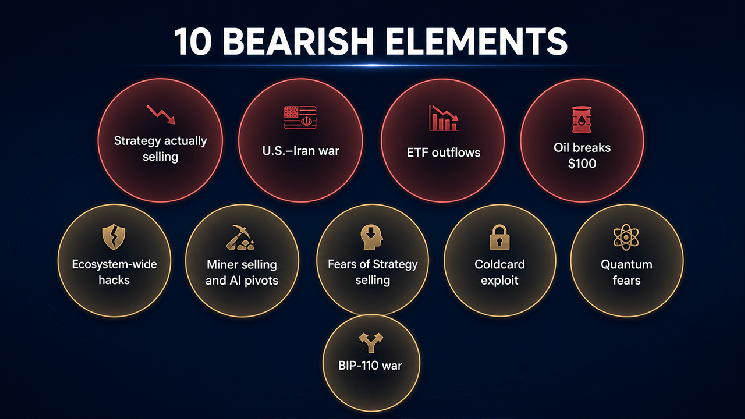
Bitcoin Withstood 10 Bearish Blows in 2026, Yet Experienced Its Mildest Bear Market

Bitcoin, the leading cryptocurrency by market cap, peaked above $126,000 in early October before entering a prolonged decline. By August, it was mainly trading between $63,000 and $65,400, inflicting losses on late buyers but resulting in what is, historically for Bitcoin, an unusually shallow bear market—down about 49% from its peak, compared to typical 75-80% plunges. Throughout 2026, Bitcoin faced multiple headwinds yet demonstrated notable resilience. Geopolitical tensions in the Middle East and volatile oil prices revived inflation concerns but failed to trigger the panic-driven sell-offs seen in prior cycles. A significant psychological blow came from corporate seller MicroStrategy, a longtime accumulator, which began strategic sales to bolster its cash position, reducing its holdings. U.S. spot Bitcoin ETFs also faced sustained outflows, though a late-week inflow hinted at potential relief. Pressure also came from within the ecosystem. A contentious blockchain proposal, BIP-110, failed after a minority chain stalled. Miners, facing tighter economics, sold reserves and pivoted infrastructure toward AI. A major security breach involving Coldcard hardware wallets saw an estimated 2,000 BTC stolen, shaking confidence in self-custody. Long-term threats like quantum computing resurfaced in discussions. Despite this confluence of corporate selling, ETF outflows, miner capitulation, geopolitical shocks, internal conflict, and security issues—any one of which could historically cause sharp declines—Bitcoin stubbornly held above a key $60,000 support level. Deeper market liquidity, regulated products, and long-term holders appear to be absorbing selling pressure that once would have caused deeper crashes. This resilience suggests a maturing market structure, though risks remain. Another shock could still push Bitcoin toward $50,000. For now, its 49% decline, severe for most assets, is relatively moderate by Bitcoin's own volatile standards. The remaining months of 2026 will test whether $60,000 is a durable floor or merely the next major line of defense.

cryptonews.ru47m ago

Bitcoin Withstood 10 Bearish Blows in 2026, Yet Experienced Its Mildest Bear Market

cryptonews.ru47m ago

Korean Financial Supervisory Service to Revise Compensation System for Phishing Losses Involving Crypto Transfer

The South Korean Financial Supervisory Service (FSS) is overhauling its system for reimbursing victims of voice phishing scams. Starting in October, the new system will be able to calculate and compensate losses held in cryptocurrency, not just in Korean won. Previously, the reimbursement system assumed stolen funds were in won, failing to fully compensate victims whose money was converted into digital assets. The upgraded software will apply a recovery ratio to determine the specific type and quantity of tokens owed to each victim, based on the token's value at the time the payment was frozen. It will also better track cases where fraud proceeds are split across multiple accounts and later consolidated. These changes follow March 31st amendments to the Act on Reimbursement of Losses from Telecommunications Fraud, which now classify virtual assets as both damaged and recoverable property. Major Korean crypto exchanges like Upbit and Bithumb must now comply with the same anti-phishing obligations as banks, including verifying transaction purposes and tracking suspicious funds. The revised law takes effect October 1st, with the FSS allocating a three-month period and a budget of 118.53 million won for system implementation and troubleshooting. The update addresses schemes where stolen money is intentionally laundered through cryptocurrency for overseas transfer. Notably, telecom fraud losses in South Korea rose 14.1% to 433.8 billion won in 2025, a five-year high.

cryptonews.ru58m ago

Korean Financial Supervisory Service to Revise Compensation System for Phishing Losses Involving Crypto Transfer

cryptonews.ru58m ago

Trading

Spot
活动图片