24小时涨幅100%,一文读懂ETH生态新项目ZAMM

Odaily星球日报Published on 2025-05-08Last updated on 2025-05-08

Abstract

或将成为ETH主网Pumpfun?

原文作者:Patti,ChainCatcher

一个 ETH 的新协议正在加密社区悄然启动。

ZAMM(zenAtomic Market Maker)开始在加密论坛中进入人们的视野,而其相关代币 $ZAMM 也开始在各大社群里频繁曝光。

据 $ZAMM Trading View 数据显示,$ZAMM 近 24 小时涨幅超 100% ,现价为 0.00016 ETH, 24 小时交易额约为 1317 ETH,而距离 $ZAMM 开盘初期的 0.0000036 ETH,涨幅超 40 倍。

什么是 ZAMM?

一直以来,以 Uniswap 为主的传统 AMM 以高昂的 gas 费用、复杂的操作流程以及高维护成本的流动性策略等问题困扰着以太坊主网上的用户与开发者。在以太坊主网上,流动性提供者(LP)倾向于提供被动(「全范围」)流动性,然而传统 AMM 复杂的合约结构和冗余的操作流程,导致流动性管理成本居高不下。

而基于对以太坊 L1 层高 gas 费用现状的洞察,ZAMM(zenAtomic Market Maker)应运而生。

据官方白皮书介绍,ZAMM 主打极简主义,使用单一合约进行代币交易、流动性管理以及一键发币,降低以太坊主网的 gas 成本。通过 ERC-6909 标准,ZAMM 可将所有代币和流动性头寸封装在一个合约内,用户可以快速进行交易和创建代币。

核心架构与技术亮点

Singleton Design

ZAMM 采用 Singleton Design(单一合约设计),每个交易池都存在于一个合约内,无需跨合约调用,简化了以往的以太坊系统架构,减少了合约交互的复杂性和 gas 消耗,用户在进行交易、添加或移除流动性等操作时,只需与一个合约交互,在降低操作门槛的同时,还提升了系统的运行效率。

瞬态存储与链式多跳交换

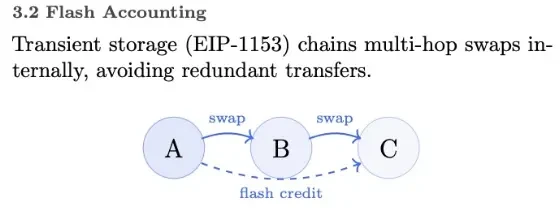
ZAMM 引入了 Flash Accounting(闪存记账)机制,利用瞬态存储(EIP-1153)实现链式多跳交换,避免了冗余的外部转账。

在传统多跳交易中,每一步交换都需要进行外部转账操作,导致 gas 费用大幅增加。而 ZAMM 的闪存记账机制允许交易在内部链式完成,减少了不必要的中间步骤,从而降低了交易成本。

例如,在 A、B、C 三个代币之间的多跳交换中,ZAMM 可以通过内部信用传递,一次性完成整个交换流程,节省了 gas 费用。
24小时涨幅100%,一文读懂ETH生态新项目ZAMM

Concentric Liquidity

为了降低 LP 的参与门槛,ZAMM 采用 Concentric Liquidity 模型(即 LP 只需进行一次存款操作,则可以永久赚取交易费用)。同时,ZAMM 为策略构建提供了一个简单的基础层,其他策略可以基于这个基础层构建为分层合约,也为复杂的交易策略提供了扩展空间。

据白皮书介绍,ZAMM 主要包括三个功能:

  • Token Exchange:负责处理代币之间的交换操作。

  • Liquidity Management:用于管理流动性,包括添加和移除流动性等操作,并且有滑点保护机制。

  • Token Factory:提供一键代币创建和流动性提供的功能,支持多调用以获得更好的用户体验。

或将成为 ETH 主网 Pumpfun?

在有望解决困扰 ETH 主网用户的 gas 问题之后,关于「ZAMM 有潜力成为以太坊主网上的 Pumpfun」的讨论开始涌现。

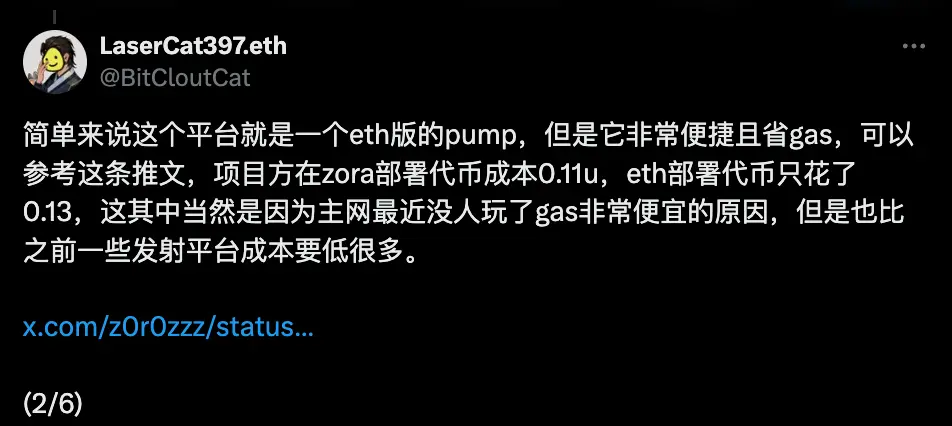
包括镭射猫在内的多位 alpha KOL 将 ZAMM 类比为下一个 solana 生态的 Pumpfun。
24小时涨幅100%,一文读懂ETH生态新项目ZAMM

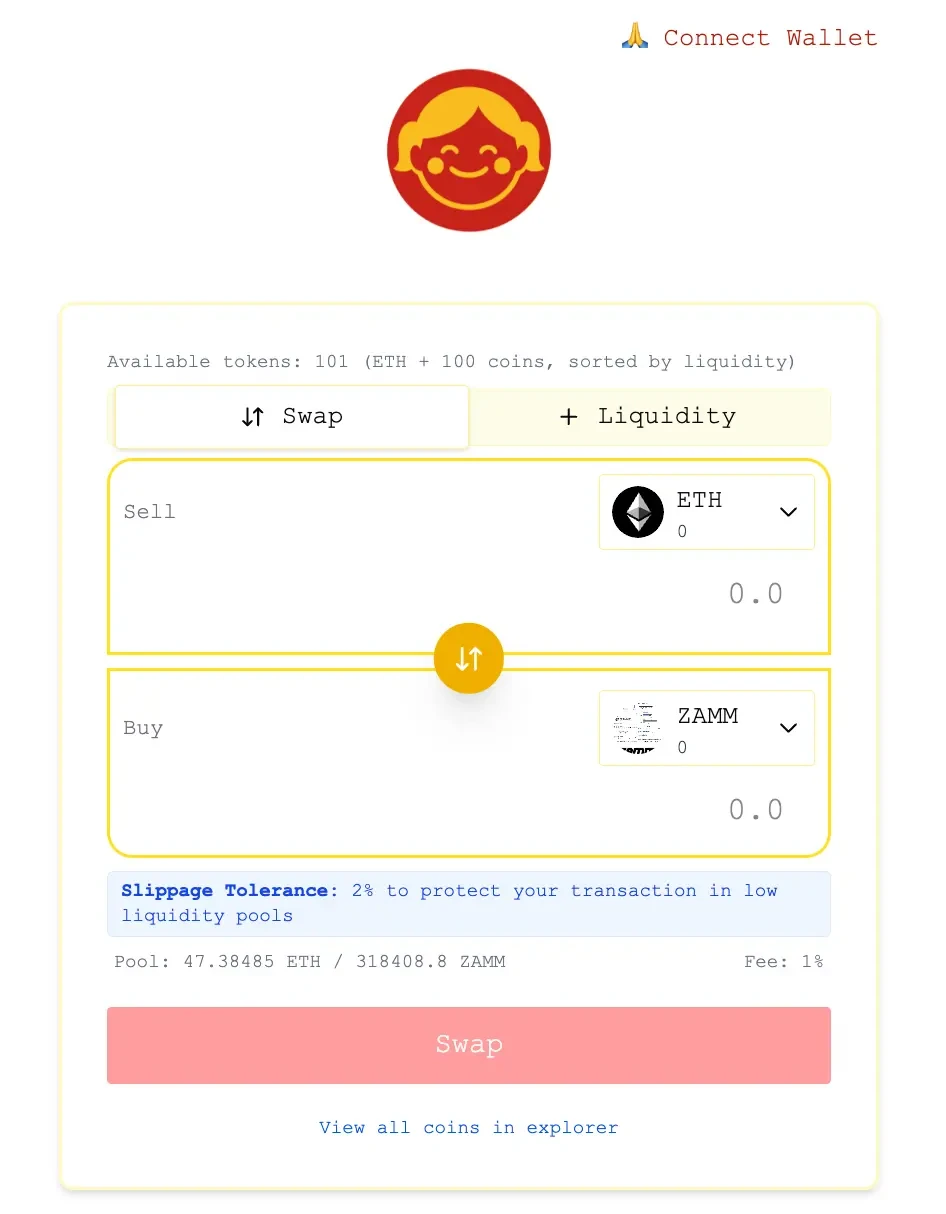
事实上,由于基于 ERC-6909 协议所实现的低 gas 特性,ZAMM 确实为用户提供了更加实惠的交易环境,但目前 ZAMM 的页面还只是具备简单的交易功能。
24小时涨幅100%,一文读懂ETH生态新项目ZAMM

而随着持续优化平台功能,不排除 ZAMM 未来将增加 K 线图等数据分析工具的可能,但能否成为 KOL 们讨论的「ETH 生态的 pumpfun」还有待时间验证。

目前,ZAMM 官方推特关注量仅 1, 677 人,创始团队暂未完全披露,整个项目处于超早期阶段,并在持续更新功能,其创始人 ross@z0r0zzz 也在社区中保持积极回复。
Related Reads

US Stocks Hit Record Highs: Why Isn't the Market Afraid of the Flames of War?

U.S. stocks hit a record high on April 15, with the S&P 500 closing at 7,022.95, just 77 days after its previous peak. This rebound occurred in only 11 trading days—far faster than recoveries following past crises like the COVID-19 pandemic (103 days) or the 2011 debt crisis (106 days). The market's rapid recovery is attributed to "ceasefire expectations" rather than deteriorating economic fundamentals. During the sell-off triggered by the U.S.-Israel military action against Iran in late February, the S&P 500 fell nearly 10%. However, the market rallied twice on ceasefire rumors—first on March 24 and again on April 8—even before any permanent peace deal was signed. Notably, the VIX fear index fell below pre-war levels, indicating that the market had repriced the conflict from an uncertainty to a calculable risk. Major financial institutions like JPMorgan reported record trading revenues of $11.6 billion in Q1 2026, largely driven by volatility in commodities and emerging markets. Hedge funds turned net long for the first time since late 2025, while margin debt hit a record $1.28 trillion. This reflects a financial system that commercializes volatility, treating geopolitical shocks as tradable opportunities rather than systemic threats. However, the current optimism relies on assumptions of a sustained ceasefire and stable oil prices, leaving the market vulnerable if these conditions change.

marsbit34m ago

US Stocks Hit Record Highs: Why Isn't the Market Afraid of the Flames of War?

marsbit34m ago

Is the Rebound an Illusion? The Bond Market Has Already Given the Answer

Is the stock market's rapid rebound to pre-war levels a sign of recovery or a misleading rally driven by momentum rather than fundamentals? While the S&P 500 has fully recovered its losses from the U.S.-Iran conflict and nears all-time highs, bond and oil markets tell a different story. Key data reveals contradictions: 10-year Treasury yields have risen 30 basis points, signaling persistent inflation concerns and constrained Fed policy space. WTI crude is up 37%, indicating that geopolitical risks are not priced to resolve soon. The 2-year Treasury yield, a sensitive gauge of rate expectations, has increased nearly 40 bps, challenging the narrative of imminent Fed rate cuts. The equity market appears to be pricing in a "perfect scenario": subdued oil impact on consumption, Fed rate cuts despite hot inflation, stable corporate margins, and near-term conflict resolution. However, bonds and oil reflect a reality of sticky inflation, limited Fed flexibility, and ongoing geopolitical tension. This divergence suggests the rally may be momentum-driven rather than fundamentally justified. If upcoming CPI data exceeds expectations (e.g., above 3.5%), the 2026 rate-cut narrative could collapse. Investors chasing the rally are betting on an ideal outcome—swift conflict resolution, controlled inflation, Fed easing, and resilient earnings—while ignoring signals from more cautious asset classes. The gap will likely close either through a fundamental improvement validating stocks or a market correction aligning with bond and oil realities.

marsbit42m ago

Is the Rebound an Illusion? The Bond Market Has Already Given the Answer

marsbit42m ago

Trading

Spot
Futures

Hot Articles

Discussions

Welcome to the HTX Community. Here, you can stay informed about the latest platform developments and gain access to professional market insights. Users' opinions on the price of ETH (ETH) are presented below.

活动图片