Эмитент ETF Osprey просит судью заново рассмотреть иск против Grayscale

cryptonews.ruPublished on 2021-03-12Last updated on 2025-02-12

Osprey Funds попросил судью суда штата Коннектикут пересмотреть его решение о присуждении победы Grayscale Investments в иске о недобросовестной торговой практике на сумму 2 миллиона долларов по биткоин-фонду управляющего активами.

Osprey подал ходатайство о повторном обжаловании 10 февраля в Высший суд Коннектикута, утверждая, что решение судьи Марка Гулда от 7 февраля было вынесено «до окончания раскрытия информации» и расширило сферу действия исключения в соответствии с Законом Коннектикута о недобросовестной торговой практике.

В январе 2023 года Osprey подала в суд на Grayscale и Delaware Trust Company, доверительного управляющего своего флагманского спотового биткоин-биржевого фонда (ETF), утверждая, что они ложно рекламировали Grayscale Bitcoin Trust (GBTC), что позволило ей лидировать на рынке.

В своем иске Osprey утверждала, что Grayscale представила преобразование своего траста в ETF как «предрешенный результат, когда она знала, что доступ вряд ли произойдет».

Судья Гулд встал на сторону Grayscale в своем постановлении от 7 февраля, который сказал, что иск Osprey включал обвинения в покупке и продаже ценных бумаг, что не подпадает под действие закона.

В его постановлении было добавлено, что на момент иска Osprey она и Grayscale «были единственными двумя управляющими активами на рынке возможностей для продуктов на основе траста, предлагающих тиккерное владение биткоином».
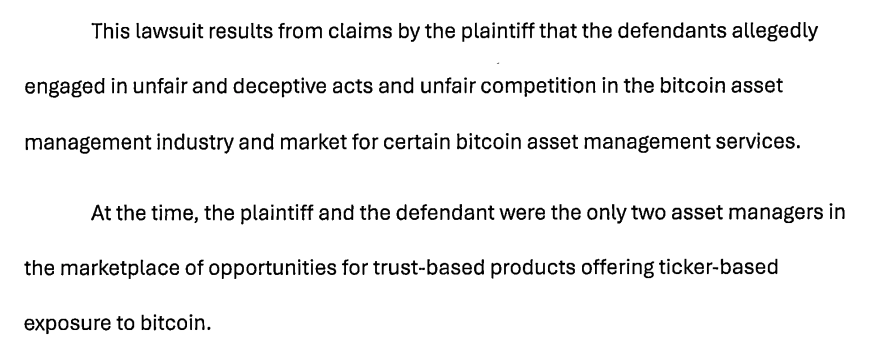

Выдержка из решения судьи Гулда. Источник: Высший суд Коннектикута

Спустя год после иска, в январе 2024 года, Комиссия по ценным бумагам и биржам одобрила преобразование GBTC в ETF после того, как он проиграл в суде Grayscale. Osprey заявила в июле 2024 года, что урегулирует свои претензии к Grayscale за сумму чуть менее 2 миллионов долларов, которые Grayscale не приняла.

Osprey заявила в своем ходатайстве от 10 февраля, что постановление судьи Гулда игнорирует различия между тем, как Федеральная торговая комиссия и суды Коннектикута относятся к обманчивой рекламе, и тем, как FTC и суды относятся к операциям с ценными бумагами, охватываемым законами Коннектикута и федеральными законами о ценных бумагах.

«Ограниченное подразумеваемое освобождение от CUTPA для претензий, основанных на «операциях с ценными бумагами», никогда не применялось, поскольку Решение неявно применяло его здесь, к претензиям, возникающим из обманчивой рекламы между конкурентами только потому, что они ведут бизнес в сфере ценных бумаг, управления активами или криптовалют», — написала Osprey.

Osprey и Grayscale не были частью «какой-либо «сделки с ценными бумагами» друг с другом», добавил он, и пояснил, что его претензии не касаются сделки с ценными бумагами, «которая считается мошеннической, обманной или иным образом подлежащей судебному преследованию между ее сторонами».

«Скорее, претензии Osprey сосредоточены на том, в какой степени недобросовестная конкуренция Grayscale, основанная на обманчивой рекламе, отвлекла долю рынка от Osprey», — написали юристы фирмы.

В прошлом месяце Osprey сообщила SEC о планах конвертировать свой Osprey Bitcoin Trust (OBTC) в спотовый биткоин-ETF после того, как сделка по приобретению ее конкурентом Bitwise провалилась.

Related Reads

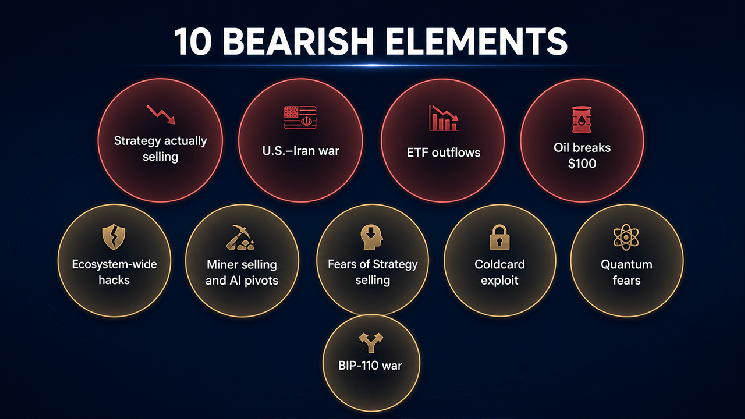
Bitcoin Withstood 10 Bearish Blows in 2026, Yet Experienced Its Mildest Bear Market

Bitcoin, the leading cryptocurrency by market cap, peaked above $126,000 in early October before entering a prolonged decline. By August, it was mainly trading between $63,000 and $65,400, inflicting losses on late buyers but resulting in what is, historically for Bitcoin, an unusually shallow bear market—down about 49% from its peak, compared to typical 75-80% plunges. Throughout 2026, Bitcoin faced multiple headwinds yet demonstrated notable resilience. Geopolitical tensions in the Middle East and volatile oil prices revived inflation concerns but failed to trigger the panic-driven sell-offs seen in prior cycles. A significant psychological blow came from corporate seller MicroStrategy, a longtime accumulator, which began strategic sales to bolster its cash position, reducing its holdings. U.S. spot Bitcoin ETFs also faced sustained outflows, though a late-week inflow hinted at potential relief. Pressure also came from within the ecosystem. A contentious blockchain proposal, BIP-110, failed after a minority chain stalled. Miners, facing tighter economics, sold reserves and pivoted infrastructure toward AI. A major security breach involving Coldcard hardware wallets saw an estimated 2,000 BTC stolen, shaking confidence in self-custody. Long-term threats like quantum computing resurfaced in discussions. Despite this confluence of corporate selling, ETF outflows, miner capitulation, geopolitical shocks, internal conflict, and security issues—any one of which could historically cause sharp declines—Bitcoin stubbornly held above a key $60,000 support level. Deeper market liquidity, regulated products, and long-term holders appear to be absorbing selling pressure that once would have caused deeper crashes. This resilience suggests a maturing market structure, though risks remain. Another shock could still push Bitcoin toward $50,000. For now, its 49% decline, severe for most assets, is relatively moderate by Bitcoin's own volatile standards. The remaining months of 2026 will test whether $60,000 is a durable floor or merely the next major line of defense.

cryptonews.ru39m ago

Bitcoin Withstood 10 Bearish Blows in 2026, Yet Experienced Its Mildest Bear Market

cryptonews.ru39m ago

Korean Financial Supervisory Service to Revise Compensation System for Phishing Losses Involving Crypto Transfer

The South Korean Financial Supervisory Service (FSS) is overhauling its system for reimbursing victims of voice phishing scams. Starting in October, the new system will be able to calculate and compensate losses held in cryptocurrency, not just in Korean won. Previously, the reimbursement system assumed stolen funds were in won, failing to fully compensate victims whose money was converted into digital assets. The upgraded software will apply a recovery ratio to determine the specific type and quantity of tokens owed to each victim, based on the token's value at the time the payment was frozen. It will also better track cases where fraud proceeds are split across multiple accounts and later consolidated. These changes follow March 31st amendments to the Act on Reimbursement of Losses from Telecommunications Fraud, which now classify virtual assets as both damaged and recoverable property. Major Korean crypto exchanges like Upbit and Bithumb must now comply with the same anti-phishing obligations as banks, including verifying transaction purposes and tracking suspicious funds. The revised law takes effect October 1st, with the FSS allocating a three-month period and a budget of 118.53 million won for system implementation and troubleshooting. The update addresses schemes where stolen money is intentionally laundered through cryptocurrency for overseas transfer. Notably, telecom fraud losses in South Korea rose 14.1% to 433.8 billion won in 2025, a five-year high.

cryptonews.ru50m ago

Korean Financial Supervisory Service to Revise Compensation System for Phishing Losses Involving Crypto Transfer

cryptonews.ru50m ago

Trading

Spot
活动图片