大牛市要来了吗抄底4种山寨币下半年飙升100倍

币界网Published on 2024-08-09Last updated on 2024-08-09

币界网报道:

首先,此刻市场的动荡,与昔日2020年那场惊心动魄的“312风暴”相比,简直是天壤之别!想当年,疫情如一头失控的巨兽,猛然闯入金融市场,掀起滔天巨浪,让无数散户与机构在绝望中抛售,市场仿佛陷入了一片末日般的踩踏狂欢。

而今,我们面对的不过是日元加息这一“温和刺客”引发的全球股市微妙去杠杆,外加对经济放缓的未雨绸缪,这些不过是华尔街大佬们茶余饭后的谈资,岂能与当年的惊天巨变相提并论?除非地球遭遇第三次世界大战的惊天灾难,否则,那样的末日景象,我们再难一睹!

再观前日美股,开盘之际犹如困兽犹斗,竟顽强地弹起了希望的火花。这看似是市场的本能喘息,犹如巨石坠地后的片刻颤动,实则不过是一丝微不足道的涟漪。别忘了,这丝反弹的假象,绝非市场转危为安的号角,而是暴风雨前的宁静,暗流涌动,危机四伏。

此时此刻,若有人提及全仓抄底,简直是疯狂至极,尤其是那些山寨币的深渊,即便已跌落半壁江山,也不过是无底洞中的短暂停留,随时可能继续沉沦,吞噬一切。此轮下跌虽非“312”再现,却也足以让人心惊胆战。市场反转的曙光尚未显现,每一步抄底都需如履薄冰,切莫让贪婪蒙蔽了双眼,盲目跟风,只会让自己深陷泥潭,无法自拔!

640?wx_fmt=png&from=appmsg&wxfrom=13&tp=wxpic

1.TURBO

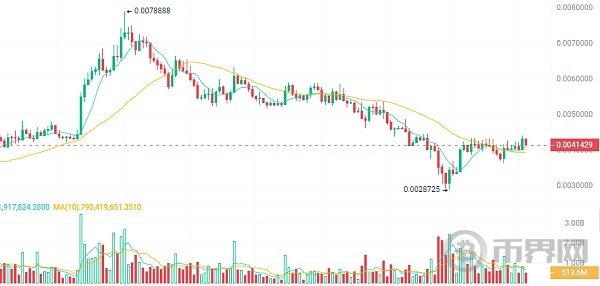
Turbo (TURBO)的交易价格在 0.0032 美元至 0.0053 美元之间,反映出强大的弹性和增长潜力。尽管过去一周下跌了 23.09%,但 TURBO 保持稳定,过去一个月上涨了 0.37%。令人印象深刻的是,它在六个月内实现了 1102.67% 的增长,展示了其动态潜力。值得关注的关键水平是最近的阻力位 0.0067 美元和支撑位 0.0024 美元。
图片

如果 TURBO 突破第一个阻力位,则可能瞄准 0.0088 美元,这意味着收益超过 60%。凭借 53.41 的 RSI 和 0.0041 美元的 SMA10,TURBO 具有潜在的稳定性和上升势头,凸显了其光明的前景。

2.BONK

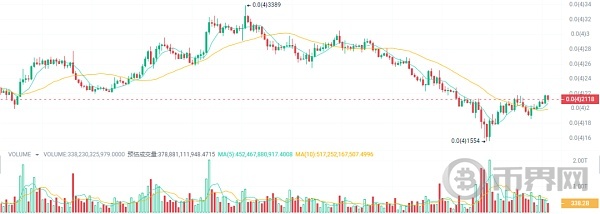
Bonk (BONK)目前的交易价格在 0.0000158 美元至 0.0000266 美元之间,近期的价格走势暗示其有大幅增长的潜力。尽管价格在过去一周下跌了约 16%,在过去一个月下跌了 14%,但 BONK 在过去六个月中仍上涨了 68%。
图片

最近的阻力位在 0.0000334 美元,支撑位在 0.0000118 美元。BONK 的相对强弱指数为 57.16,随机指标水平为 80.50,显示出强劲的增长潜力。如果多头反弹,BONK 可能会升至第二个阻力位 0.0000441 美元,可能上涨超过 65%,凸显其前景光明。

3.PEOPLE

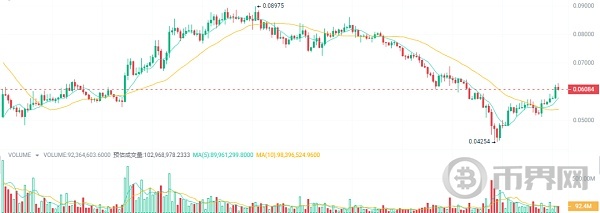
PEOPLE代币的成立虽然与竞拍美国宪法副本的计划紧密相连,但这一计划的失败并未影响PEOPLE代币在市场上的地位。当前交易价格稳定的PEOPLE代币,持续吸引着投资者的目光。随着去中心化自治组织概念的普及和社区驱动项目的增多,PEOPLE代币的价值有望进一步得到提升。
图片

people没有底价,跟ETH息息相关,市值小的确拉盘容易,最近波段people很容易就10几个点,people是属于美国大选板块,可以持续炒作到美国11月份大选结束,目前市值4亿,性价比非常不错。

4.PEPE

Pepe (PEPE)目前交易价格在 0.00000637 美元至 0.00001112 美元之间,最近一周下跌了 27.57%。尽管如此,PEPE 在六个月内实现了令人印象深刻的 690.56% 的增长,显示出巨大的增长潜力。空头略占主导地位,代币接近其最近的支撑位 0.00000465 美元。
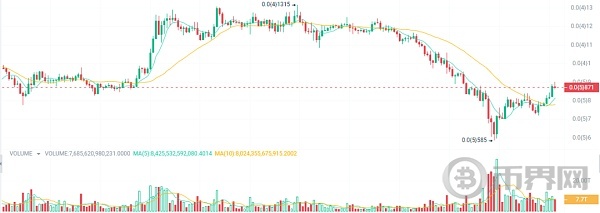
图片

如果多头恢复力量,PEPE 可能会测试阻力位 0.00001413 美元,可能上涨高达 24%。下一个重要水平是 0.00001886 美元,代表 70% 的大幅上涨空间。RSI 为 60.50 表示谨慎乐观,随机指标为 83.48 表明市场超买,PEPE 有望在未来上涨。

Related Reads

RIP: Atlas, Which Lived Only 292 Days

On August 9, 2026, OpenAI discontinued its standalone AI browser, Atlas, just 292 days after its launch on October 21, 2025. Initially positioned as a challenger to Chrome and the broader AI browser ecosystem, Atlas aimed to fundamentally redesign how users interact with browsers by deeply integrating ChatGPT. Its features included an AI-powered address bar, a sidebar for webpage analysis, Browser Memories for context retention, and an Agent Mode to automate multi-step tasks like shopping and research. Despite building on Chromium with a custom OWL (OpenAI Web Layer) framework, OpenAI struggled with the immense complexity of maintaining a full-fledged browser. The team spent significant time addressing basic functionalities—password managers, extensions, input methods—that mainstream browsers already handled seamlessly. Atlas's core AI agent capabilities also faced issues with reliability, speed, and security vulnerabilities like prompt injection. Furthermore, Atlas was limited to Apple Silicon Macs, failing to release promised Windows, iOS, and Android versions. This, coupled with the high switching cost for users entrenched in Chrome or Edge's ecosystems, hindered its adoption. By mid-2026, updates slowed, and OpenAI announced its shutdown, opting to integrate Atlas's AI explorations into the ChatGPT desktop app and browser extensions instead. The article contrasts two AI browser development paths: standalone products like Atlas, Perplexity's Comet, and Dia, which redesign the browser around AI but face user migration barriers; and the approach of incumbents like Chrome and Edge, which add AI features atop existing, widely-used platforms. The key question remains whether users need a completely new "AI browser" or simply AI capabilities within their current browser. While Atlas's experiment ended, the broader trend of AI integration into browsing continues.

marsbit23m ago

RIP: Atlas, Which Lived Only 292 Days

marsbit23m ago

Bitcoin's "Anti-Spam" Update Failed, Lasting Less Than a Day

A Bitcoin update proposal aimed at curbing spam by temporarily banning non-financial data from being stored on the network, BIP-110, has failed decisively. After months of debate, developers attempted to launch a separate blockchain, which collapsed within a day. The failure stemmed from a critical lack of miner support, with less than 1% signaling approval for the update. The vast majority of miners chose to continue mining the main Bitcoin blockchain without providing explanations. Despite this, the initiative's developers proceeded to launch an alternative blockchain—a hard fork of Bitcoin—on August 8. This meant a small subset of miners stopped mining Bitcoin to support the new chain with BIP-110 changes. However, the new network inherited Bitcoin's mining difficulty. With only a tiny fraction of the total computational power, block times stretched to roughly 7 hours instead of the standard 10 minutes, rendering the network practically non-functional. Michael Saylor, founder of major corporate Bitcoin holder MicroStrategy and a vocal opponent of BIP-110, commented: "Bitcoin worked exactly as designed. The BIP-110 fork occurred, and network participants were free to choose which chain to follow. As a result, about 99.85% of the network's hash power remained with Bitcoin." The event had no significant impact on Bitcoin's price, which traded in a narrow range between approximately $64.5k and $65.5k from August 7 through August 10.

cryptonews.ru29m ago

Bitcoin's "Anti-Spam" Update Failed, Lasting Less Than a Day

cryptonews.ru29m ago

Trading

Spot
活动图片