Hamster Kombat 透露了有关“加密货币历史上最大规模空投”的新细节

marsbitPublished on 2024-08-08Last updated on 2024-08-09

此次更新是在 Hamster Kombat 玩家数量突破 3 亿并预告将推出“加密货币历史上最大规模空投”一周后发布的。

Telegram

基于 Telegram 的手机点击游戏 Hamster Kombat 发布了有关其备受期待的加密货币空投的更多细节。

这款热门的点击赚钱游戏公布了更多有关玩家如何获得更大空投的细节。小程序终于在其 Telegram 小程序的空投部分添加了新细节。
Telegram

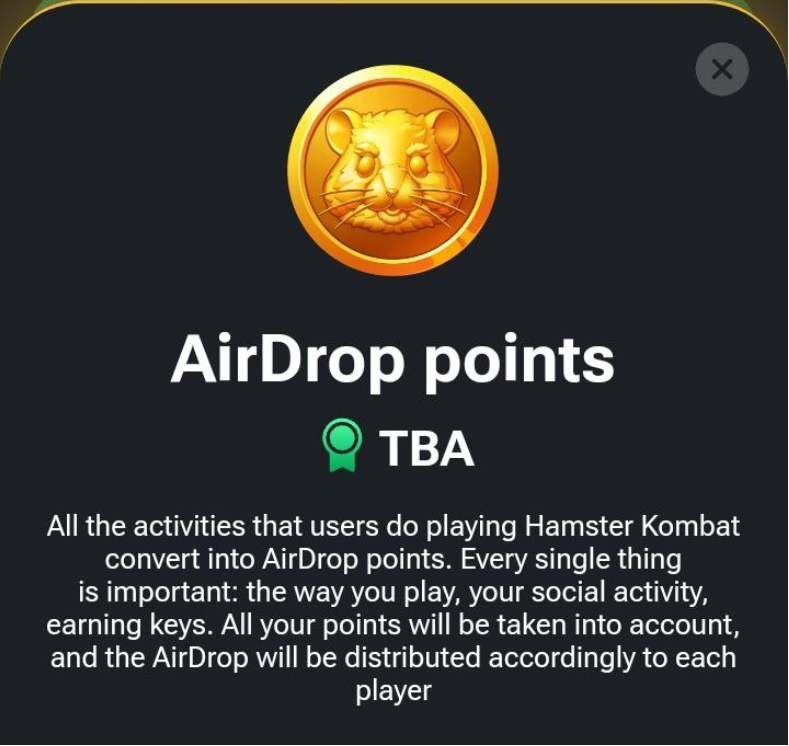
HMSTR 空投标签。来源:Hamster Kombat

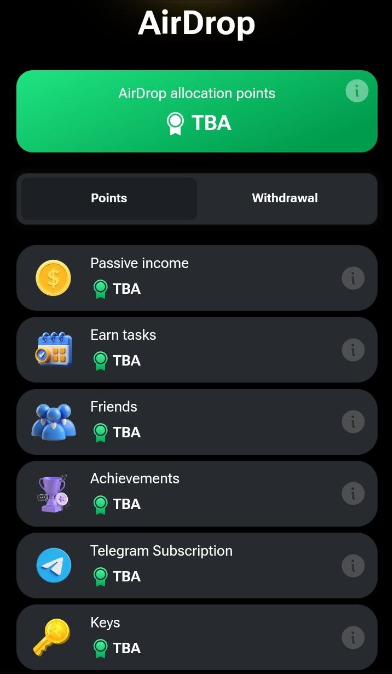
根据 Hamster Kombat 8​​ 月 8 日更新的新空投部分,所有游戏内活动都将计入积累更多空投点数。更新后的部分包括六个不同的代币累积部分,包括玩家的被动收入和完成赚钱任务、成就、电报订阅和密钥以及朋友推荐。
Telegram

玩家将根据游戏内不同的积分分配指标获得代币奖励。

不过,Hamster Kombat 发言人告诉 Cointelegraph,空投资格还取决于游戏周期、社区互动、整体社交活动和受邀玩家的质量:

“游戏中的玩家越多,资本化程度就越高,因此每个人的回报就越大。即将到来的 HMSTR 空投将成为加密货币历史上规模最大的一次。而且我们没有任何风险投资人。获得代币的唯一方法就是玩游戏。”

这项备受期待的更新是在 Hamster Kombat玩家数量达到 3 亿后一周发布的  ,并预告即将推出“加密货币历史上最大规模的空投”。

Hamster Kombat 旨在吸引下一个十亿 Web3 用户

Hamster Kombat 的最终目标是吸引下一个十亿主流用户加入 Web3。

当被问及游戏的最终目标时,Hamster Kombat 的发言人告诉 Cointelegraph:

“我们希望建立最大、最紧密的社区,并让下一个十亿人加入 Web3,所以我们必须向所有人展示 Web3 的实际运作方式。最简单的方法就是通过游戏。”

该发言人补充说,Hamster Kombat 的便利性无缝地向用户介绍了底层区块链技术和加密货币,而没有额外的摩擦点,使该游戏成为吸引新 Web3 用户的绝佳工具。

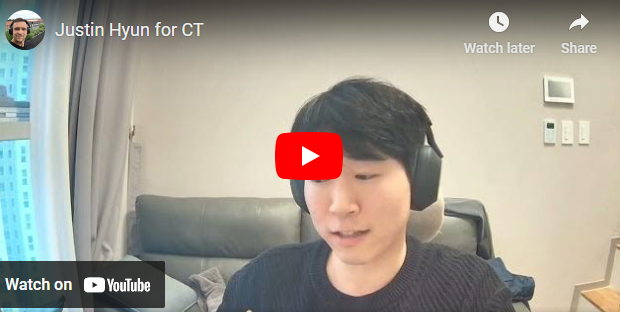
其他人也相信 Telegram 的主流入驻潜力。例如,TON 基金会投资总监 Justin Hyun 表示,Telegram 可能是大规模采用区块链的“特洛伊木马”

Telegram

Justin Hyun 谈论小程序的机制。来源:YouTube

Hamster Kombat 能否实现历史上最大规模的加密货币空投?

虽然已知 HMSTR 代币空投量的 60% 将专门用于玩家,但没有关于代币经济学的更多细节。

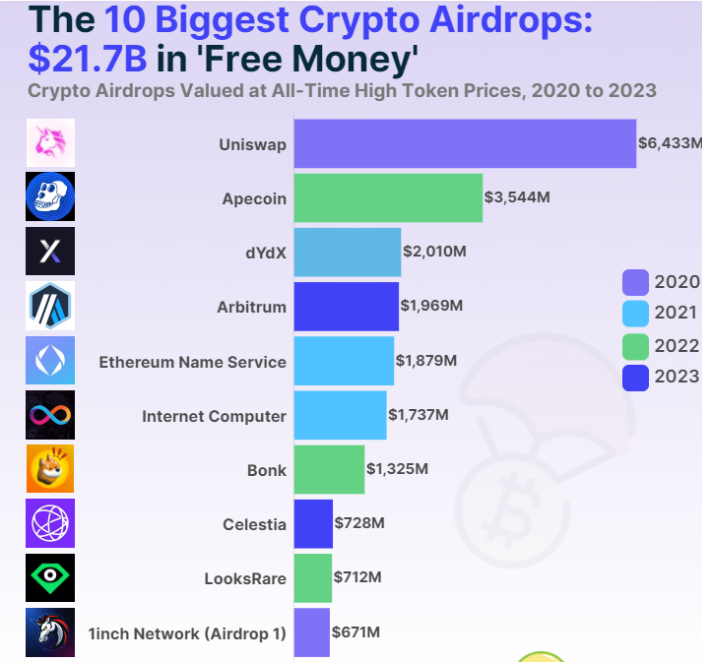
然而,组织加密货币历史上最大规模的空投可能会很有挑战性,因为它需要超越 Uniswap空投总额超过 64.3 亿美元 — —据CoinGecko称,这是迄今为止最有价值的加密货币空投。
Telegram

顶级加密货币空投。资料来源:CoinGecko

除了空投之外,Hamster Kombat 已经创下了最快达到 1 亿用户的产品记录,仅用两个月就达到了这一里程碑,并且有望创造吉尼斯世界纪录

Related Reads

A Guide to Grayscale’s ‘Bottom Fishing’: Using Cash Flow to Assess Cryptocurrency Value

**Title:** Grayscale's Guide to Bottom-Fishing: Valuing Cryptoassets Using Cash Flows **Summary:** This report by Grayscale Research presents a fundamental valuation framework for cryptocurrency assets, moving beyond pure speculation to analyze those with underlying cash flows. It distinguishes between "commodity-like" assets (e.g., Bitcoin) and "cash-flow" assets, primarily within DeFi. Using the leading decentralized lending protocol Aave as a case study, the analysis applies traditional financial methodologies like Discounted Cash Flow (DCF) and Price-to-Earnings (P/E) multiples. Key findings indicate that AAVE tokens are currently undervalued. Despite recent challenges, the protocol's strong revenue growth, ~50% net profit margin, and diversified treasury support a fundamental valuation range of $80-$100 per token (compared to a ~$75 market price at the time of writing). In a base-case scenario driven by stablecoin adoption and regulatory clarity, the fair value could rise to around $175 within a year. The report emphasizes that protocol success does not automatically translate to token value. It critically examines the "value capture" mechanisms—such as buybacks, burns, and staking rewards—that channel protocol profits to token holders. Furthermore, it addresses the legal and governance complexities of Decentralized Autonomous Organizations (DAOs), noting their difference from traditional corporate equity but highlighting how robust, transparent governance can align protocol economics with holder interests. The conclusion is that the crypto market is maturing, with capital increasingly flowing towards projects with demonstrable fundamentals, real adoption, and disciplined capital allocation, creating opportunities for value-based investors.

marsbit41m ago

A Guide to Grayscale’s ‘Bottom Fishing’: Using Cash Flow to Assess Cryptocurrency Value

marsbit41m ago

After semiconductors lead the gains, are funds buying into AI orders or a macroeconomic rebound?

After US-Iran talks led to a temporary ceasefire and framework for reopening the strategic Strait of Hormuz, U.S. stocks rose on June 18, with the Nasdaq gaining 1.9%. The semiconductor and AI hardware sectors outperformed. This rally stemmed primarily from reduced geopolitical risk, which lowered oil prices and inflation expectations, easing discount rate pressure on high-valuation growth stocks like tech. The key question is not whether tech rebounded, but the nature of the rebound. The market appears to be selectively repricing AI infrastructure plays rather than broadly chasing AI narratives. Gains were concentrated in chips, optical interconnects, memory, and domestic manufacturing—segments tied to tangible data center build-outs and capital expenditure. Intel's ~10% surge, fueled by a Trump statement about potential Apple collaboration, exemplifies this mixed dynamic. It reflects policy catalysts and domestic manufacturing sentiment more than confirmed fundamentals. Meanwhile, strong earnings from companies like Astera Labs (revenue up 93% YoY) provided concrete evidence of AI-driven demand in hardware. In essence, the rally represents a risk-premium recalibration. Lower Middle East tensions opened a valuation repair window, and capital flowed first into AI infrastructure segments with visible near-term revenue streams. The sustainability of this move hinges on upcoming Q2 earnings, specifically continued strength in cloud provider capex, AI server orders, and hardware company guidance. Policy hopes alone are insufficient; the cycle needs validation from orders and financials.

marsbit46m ago

After semiconductors lead the gains, are funds buying into AI orders or a macroeconomic rebound?

marsbit46m ago

The Entire Internet Hails Noam's Joining, But OpenAI's Loss Bill Just Got Thicker

While the AI community celebrates Noam Shazeer, co-author of the "Attention Is All You Need" paper, joining OpenAI as Head of Architectural Research, the company's audited financials reveal a starkly different reality. In 2025, OpenAI reported $13.07 billion in revenue but a massive $20.92 billion operating loss. Even excluding a one-time accounting charge, the cash burn is severe, with $3.7 billion consumed in Q1 2026 alone. This high-profile hiring occurs against a backdrop of significant internal research talent drain, with key founders and researchers departing as the company's focus shifts from exploratory research to product iteration. Meanwhile, OpenAI's fundamental business model faces a deep crisis. It paid Microsoft $10.59 billion for compute in 2025, while its vast user base of 9 billion weekly actives includes only 50 million paying customers, making growth a direct driver of escalating costs. The article argues Shazeer's recruitment is less about technical necessity and more about crafting a compelling narrative for OpenAI's upcoming IPO, aiming to justify a rumored $1 trillion valuation to future public market investors. It contrasts OpenAI's strategy with Anthropic's reported path to profitability, which relies on a strong enterprise customer base and cost control, rather than star-powered narratives. Ultimately, the piece concludes that while Shazeer's architectural work may take 1-2 years to materialize, OpenAI's financial clock is ticking much faster, with its massive losses undercutting the celebratory headlines.

marsbit2h ago

The Entire Internet Hails Noam's Joining, But OpenAI's Loss Bill Just Got Thicker

marsbit2h ago

Trading

Spot
Futures
活动图片