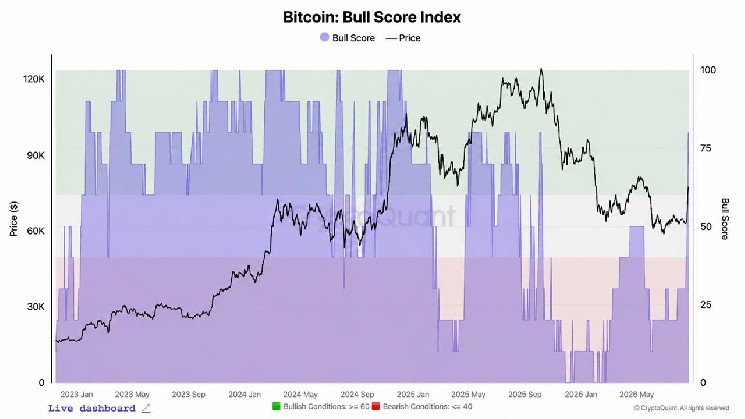
In recent days, Bitcoin has been continuously surging, reaching a high of over $35,000 today, marking a new rebound high since May 2022. The total market value of cryptocurrencies is approaching $1.3 trillion, and the overall trading volume has returned to $110 billion. What is the core logic behind this surge in the crypto market, and is the bull market truly back?
Reasons for Bitcoin's Sharp Rise:
1. Stimulus from Bitcoin Spot ETF Progress
The immediate cause of Bitcoin's sharp rise is the stimulus from the progress in spot ETF approvals. On October 24th, BlackRock's ETF listed the ticker IBTC on the Depository Trust & Clearing Corporation (DTCC) in the United States. On the same day, the U.S. SEC accepted Grayscale's spot Ethereum ETF filing, and the U.S. courts also issued a formal ruling on the Grayscale and SEC case.
It's important to note that regardless of which Bitcoin spot ETF gets approved, this is an absolute boon for the crypto industry. It signifies further acceptance of crypto assets by traditional finance and is a major expectation for the source of incremental capital in the coming years.
2. Increased Expectation of a Pause in Fed Rate Hikes
On October 18th, Philadelphia Fed President Harker stated that the Federal Reserve should continue to pause rate hikes. Subsequently, on October 19th, Fed Chairman Powell also stated that the central bank is unlikely to raise rates again unless there is clear evidence that stronger economic activity threatens to drive inflation down.
3. Bitcoin's Halving Cycle
Bitcoin is expected to undergo its next halving in April 2024. Based on historical price trends and the timing of previous halvings, major bull markets tend to occur after Bitcoin's halving, reaching their peak about a year after the halving.
4. The Role of Bitcoin as a Safe Haven
Due to the outbreak and ongoing conflict in the Middle East, gold prices have continued to rise, reaching new highs since July of this year. Bitcoin and gold prices tend to show a clear correlation when global economic instability or specific events affecting the global economy occur.
5. Other Factors
Several other factors have been cited as reasons for Bitcoin's sharp rise, including the U.S. SEC dropping its lawsuit against XRP executives, Bitcoin breaking through its 200-day moving average and key resistance levels, and a record high percentage of long-term Bitcoin holders.
Is it a Bull Market or a Bear Market Celebration?
We can answer this question by further analyzing the above reasons.
In fact, aside from Grayscale winning against the U.S. SEC, there has been almost no favorable progress in spot ETF approvals; it's just that institutional interest has become stronger. BlackRock listing the ticker and obtaining a CUSIP number only reflects BlackRock's high confidence, similar to choosing a baby's name before marriage.
The pause in Federal Reserve rate hikes is an anticipated event, and even though the Fed Chair has signaled a dovish stance, U.S. bond yields have risen across the board, and U.S. stocks have declined. This suggests that a pause in rate hikes no longer provides effective stimulation for the crypto market unless a rate cut phase is initiated.
The halving cycle and Bitcoin's role as a safe haven have a stimulating effect on Bitcoin's rise, but it's typically in a moderate rather than a radical manner, and these factors are unlikely to cause a sharp surge in Bitcoin's price. The impact of other reasons is relatively weaker. So why is Bitcoin rising?
Before the fake news about BlackRock appeared, the crypto market had been in a state of low volatility and low trading volume for several months. Market sentiment was extremely depressed, and there were no new concepts to speculate on. Most investors entered a state of inaction since there was no downward momentum, which meant the only direction to go was upward. This rebound aligns with the desires of most market participants, and even false news is believed in the market during this time. Institutions were also unable to profit in the depressed market and were willing to cooperate with the market.
So, this rebound in Bitcoin appears more like a technical rebound triggered by false news, and the rise after the fake news is a continuation of this emotional momentum. The market will continue to release details of ETF progress to sustain this optimistic sentiment.
A necessary factor for a bull market is incremental capital. Currently, with Bitcoin's rise, the overall trading volume in the crypto market has barely reached $100 billion, almost exhausting most of the existing capital. Bitcoin's rebound is likely to experience exhaustion of upward momentum once the trading volume peaks. So, based on current signs, the crypto market's trend seems more like a bear market correction rather than the start of a bull market.
What to Watch for Next:
The approval status of Bitcoin spot ETFs remains the most important event to watch. BlackRock's third evaluation deadline with the SEC is on January 15, 2024, and the final evaluation deadline is on March 15, 2024. Since BlackRock is the largest applicant for ETFs, these two dates are worth paying attention to.
Additionally, regarding ETFs, it's important to watch for any unfavorable approval situations, such as further delays in approvals, which could have a significant impact on the current upward trend. Since the SEC delayed approval for 21Shares & ARK's ETFs, the next approval results are expected in late December. During this period, the market is likely to remain focused on the sentiment surrounding ETF approvals.
For short-term trends, pay attention to trading volume. A continued increase in trading volume can accelerate the exhaustion of upward momentum. Other factors to keep an eye on include unexpected developments in the Fed's interest rate decisions and the progress of the Middle East conflict. While the conflict may not directly impact cryptocurrency trends, it can indirectly influence other economic factors, subsequently affecting the crypto market.