AI PC Battle: Bet on the Toll Booth, Not the Camp

marsbitXuất bản vào 2026-06-04Cập nhật gần nhất vào 2026-06-04

Tóm tắt

**Title:** The AI PC Battle: Don't Bet on Sides, Bet on the Tollbooth **Summary:** The AI PC competition is moving beyond simple "x86 vs. Arm" narratives. The core investment thesis should focus on identifying which players can sustain margins, cash flow, and pricing power throughout the upgrade cycle, rather than backing a particular architecture. The opportunity is analyzed in three layers: 1. **The Advanced Foundry Tollbooth:** TSMC is positioned to collect "tolls" regardless of which chip designer wins, due to its dominant ~70% share in advanced semiconductor manufacturing, which is essential for high-end AI PC chips. 2. **Compute & Platform Spillover:** AMD represents an offensive in the x86 CPU+GPU space, while NVIDIA leverages its GPU and CUDA software stack dominance. Both benefit from the demand for increased local AI compute. 3. **Architecture Diffusion & Turnaround Plays:** ARM and Intel offer potential for significant upside (elasticity), but investments here require stricter discipline due to higher execution risks and competitive challenges. The industry is transitioning from concept to shipment validation. While short-term forecasts for AI PC adoption have been revised down slightly due to tariffs and procurement delays, the long-term trend towards AI becoming a standard PC feature remains intact. The key driver for upgrade cycles will be whether compelling enterprise applications (e.g., privacy-sensitive computing, low-latency inference) emerge beyon...

Roger Lee|BIT U.S. Stock Market Special Analyst

With 21 years of experience in investment banking, asset management, and financial institutions, I have long focused on AI industry chain research, U.S. stock market macro liquidity, and options strategy research.

NVIDIA and MediaTek entering the AI PC arena, on the surface, means consumer PCs have a new chipset combination. In essence, it signifies that the Windows on-device AI ecosystem is moving from isolated trials into a phase of multi-player competition. My assessment is that this war should not be oversimplified into a religious "x86 vs. Arm" allegiance; what truly warrants study is who can weather the replacement cycle and consistently secure gross margins, cash flow, and pricing power within the supply chain.

I view the AI PC opportunity in three layers:

  • The first layer is the advanced process toll booth. Whoever wins, TSMC is more likely to collect the toll.
  • The second layer is the spillover of computing power and platforms. AMD and NVDA represent the offensive of x86 and the extension of GPU software stacks, respectively.
  • The third layer is architecture proliferation and contrarian plays. Both ARM and INTC have potential upside, but position discipline must be stricter.

I. Industry Assessment: AI PCs Transition from Concept to Shipment Validation Phase

Gartner once forecasted in 2024 that AI PC shipments would reach 114.225 million units in 2025, accounting for 43% of the PC market. After updating in 2025, and influenced by tariff and procurement timing disruptions, the forecast was revised down to 77.792 million units, representing 31% market share, but it still expects shipments to reach 143.113 million units in 2026 with a penetration rate of 54.7%. This data suggests to me not that "AI PC demand is disproven," but that short-term timing will fluctuate, while the long-term direction toward becoming standard equipment remains unchanged.

From an investment perspective, the real challenge for AI PCs is not "whether there is an NPU," but whether users are willing to upgrade their machines for the local AI experience. If the application layer remains limited to meeting transcripts, image generation, and simple assistants, the replacement elasticity will be lower than the most optimistic market expectations. However, if the enterprise side begins to adopt privacy computing, low-latency inference, and local knowledge base deployment as standard configurations, the AI PC narrative will shift from a consumer electronics story to an enterprise IT refresh story.

II. Competitive Landscape: Chipmakers Fight, TSMC Collects Tolls

The surface-level narrative of AI PCs is Arm challenging x86, but I am more concerned with where the profit pools migrate. NVIDIA excels in GPU and AI software stacks, AMD excels in x86 CPU and GPU combinations, Qualcomm excels in low power and communications, and Intel excels in installed base ecosystems and enterprise channels. Each has its strengths, but the commonality is clear: high-end chips cannot avoid advanced processes.

TrendForce disclosed that global foundry revenue in Q2 2025 was approximately $41.7 billion, with TSMC holding a 70.2% share. Global foundry revenue in Q4 2025 was approximately $46.3 billion, with TSMC's share around 70.4%. This means that as long as AI PCs, AI servers, mobile APs, and edge AI chips continue to compete for advanced process capacity, TSMC is not merely a cyclical stock but more like the toll gate for the entire AI hardware era.

I do not believe every new product launch is worth chasing. However, I believe that every time competition within the supply chain intensifies, one should ask this counter-question: If the winner is still uncertain, who can charge all potential winners? In the AI PC line, my answer remains advanced processes, packaging, key IP, and platform software, rather than simply betting on any single architecture slogan.

III. Stock Ranking: Core Holdings Look to TSM, Offensive Plays Look to AMD, Contrarian/Upside Plays Look to Intel/ARM

Semiconductor stocks have already priced in AI PCs, on-device AI, and compute spillover to some extent over the past year. Yahoo Finance daily price data shows that within the sample period, AMD, Intel, ARM, and TSM have all demonstrated strong elasticity, but they represent different risk-return profiles. My approach is not to buy all AI PC-related stocks together, but to stratify them based on certainty, valuation discipline, and position in the supply chain.

My core conclusion is simple: This is not a war where you must only bet on the winner; it is a war where you should bet on the toll booth, the platform, and companies with certain cash flows. If the market prices in all the hype on news release days, I prefer to wait. If a pullback restores the risk-reward profile of good companies to a reasonable range, I would first look at TSM and AMD, and only then consider the elastic opportunities with ARM and Intel.

IV. Risk Disclosure

The risks on this theme cannot be ignored:

First, AI PC applications may fall short of expectations, leading to a weaker replacement cycle than imagined.

Second, if Windows on Arm compatibility improvements progress too slowly, the narratives for Qualcomm and new entrants will be dampened.

Third, tariffs, pauses in corporate procurement, and macro uncertainty will affect PC demand.

Fourth, if there is a temporary mismatch between supply and demand for advanced processes, TSMC may also experience valuation contraction.

Fifth, valuations across the entire AI chain are high; once U.S. stock market risk appetite declines, the most elastic stocks often correct the fastest.

Therefore, I prefer to treat AI PCs as a long-term industrial migration trend rather than a short-term news-driven trade. The truly professional approach is not to buy the hype on launch day, but to buy the ecosystem, the toll booths, and the companies that can consistently deliver cash flows after the hype subsides.

This report was prepared by a special analyst. The views expressed herein are solely those of the author and do not represent the views of the BIT platform. This material is for reference only and does not constitute investment advice.

Tiền kỹ thuật số thịnh hành

Câu hỏi Liên quan

QWhat does the author suggest is the core investment strategy for AI PC, rather than betting on the winner of the CPU architecture war?

AThe author suggests investing in 'toll booths' – companies like TSMC that benefit from advanced process technology and are essential to all competitors, regardless of who wins. The strategy is to focus on companies that can generate sustainable profits, cash flow, and have pricing power in the supply chain.

QHow does the author categorize the investment opportunities within the AI PC landscape?

AThe author categorizes the opportunities into three layers: 1) The advanced process 'toll booth' (TSMC). 2) The computing power and platform spillover, represented by AMD (x86 offensive) and NVIDIA (GPU software stack extension). 3) Architecture diffusion and potential turnaround plays, like ARM and Intel, which offer more risk/return volatility.

QWhat is the key challenge for AI PC adoption according to the analysis?

AThe key challenge is whether users are willing to upgrade their PCs for local AI experiences. If applications are limited to meeting summaries, image generation, and simple assistants, upgrade demand will be lower than optimistic expectations. True growth depends on enterprise adoption for private computing, low-latency inference, and local knowledge base deployments.

QWhy is TSMC described as the 'toll booth' for the AI hardware era?

ABecause TSMC holds a dominant ~70% market share in advanced semiconductor foundry processes. As AI PC, server, and edge AI chips compete for cutting-edge manufacturing, TSMC becomes a necessary passage for all major players, allowing it to collect consistent revenue regardless of which specific architecture or company succeeds.

QWhat are the main risks associated with the AI PC investment theme as outlined in the article?

AThe main risks include: 1) AI PC applications falling short of expectations, weakening the upgrade cycle. 2) Slow improvement in Windows on Arm compatibility hindering new entrants. 3) Tariffs, corporate procurement pauses, and macroeconomic uncertainty affecting PC demand. 4) Potential valuation contraction for TSMC due to temporary supply-demand mismatch in advanced processes. 5) High valuations across the AI chain making stocks vulnerable to a broader market risk-off sentiment.

Nội dung Liên quan

Chú ý! Ngày mai: Đồng altcoin sẽ nhận được bản cập nhật lớn! Nó từng bị chỉ trích nghiêm trọng

Dự án tiền mã hóa tập trung vào quyền riêng tư Zcash đang chuẩn bị kích hoạt bản cập nhật mạng NU6.3 với tên mã Ironwood vào ngày 28 tháng 7 năm 2026. Bản cập nhật sẽ được triển khai trên mạng chính từ khối 3,428,143, dự kiến đạt được vào khoảng 16:00 giờ Thổ Nhĩ Kỳ. Ironwood sẽ bổ sung một nhóm giao dịch được bảo vệ riêng tư mới và định dạng giao dịch v6 vào mạng lưới Zcash. Nhóm mới này sẽ sử dụng cấu trúc Action từ hệ thống Orchard và hệ thống Proof-of-Work từ Halo2, đồng thời có cây cam kết ghi chú, bộ hệ số hủy, nhóm giá trị chuỗi và siêu dữ liệu lịch sử giao dịch riêng. Các tính năng đáng chú ý bao gồm các bản ghi bí mật được thiết kế để phục hồi trước các rủi ro trong tương lai liên quan đến máy tính lượng tử, và một cơ chế "cửa quay" nhằm tăng cường xác minh nguồn cung token ZEC. Cơ chế này giải quyết lo ngại về một lỗ hổng bảo mật tiềm tàng trong nhóm Orchard cũ, vốn có thể dẫn đến việc tạo ra ZEC giả mạo, một vấn đề trước đây đã nhận nhiều chỉ trích do không thể xác minh được tổng nguồn cung của Zcash. Mục tiêu của Ironwood là kiểm soát chặt chẽ hơn tính ổn định nguồn cung khi chuyển tiền vào nhóm mới. Mức độ kích hoạt cho Ironwood trên mạng thử nghiệm trước đó đã được đặt ở độ cao khối 4,134,000.

cryptonews.ru12 phút trước

Chú ý! Ngày mai: Đồng altcoin sẽ nhận được bản cập nhật lớn! Nó từng bị chỉ trích nghiêm trọng

cryptonews.ru12 phút trước

Các nhà giao dịch Phố Wall chuyển hoạt động sang thị trường tiền điện tử vào các ngày làm việc

Trong nhiều thập kỷ, nhịp sống trên Phố Wall tuân theo lịch trình chặt chẽ với thị trường đóng cửa vào cuối tuần. Tuy nhiên, bản chất hoạt động 24/7 của thị trường tiền mã hóa đang buộc các nhà đầu tư tổ chức phải thích nghi và dần thay đổi thói quen này. Nghiên cứu từ Kaiko cho thấy hoạt động giao dịch cuối tuần trong thị trường crypto đã giảm từ khoảng 25% xuống còn 16% tổng khối lượng. Hoạt động định giá giờ đây chủ yếu diễn ra trong giờ làm việc của thị trường Mỹ (9:30 - 16:00 giờ ET). Khi các bàn giao dịch ở New York đóng cửa, "tấm lưới an toàn" thể chế biến mất, khiến thị trường trở nên khó lường hơn. Việc các tổ chức lớn giảm hoạt động vào thứ Bảy và Chủ nhật làm tăng chi phí và rủi ro khi di chuyển vốn. Dữ liệu từ BridgePort chỉ ra rằng chi phí giao dịch cuối tuần tăng trung bình 11% do chênh lệch giá mua-bán mở rộng. Thanh khoản hiệu dụng cho các lệnh 100.000 USD giảm gần 9%, và tính thanh khoản tổng thể giảm hơn 5% so với ngày thường. Điều này có nghĩa chỉ cần khối lượng giao dịch nhỏ hơn cũng có thể kích hoạt biến động giá mạnh. Sự thành công lớn của các ETF Bitcoin dạng spot tại Mỹ là yếu tố then chốt làm thay đổi cấu trúc thị trường và làm trầm trọng thêm sự khác biệt giữa ngày thường và cuối tuần. Các ETF cung cấp nhu cầu ổn định trong tuần, nhưng việc chúng ngừng hoạt động vào cuối tuần tạo ra khoảng trống thanh khoản đáng kể. Dòng tiền rút ròng lớn từ các quỹ ETF này (hơn 5 tỷ USD kể từ tháng 10/2025) có thể dễ dàng được hấp thụ trong tuần nhưng lại có nguy cơ gây ra biến động mạnh vào cuối tuần. Do đó, giao dịch cuối tuần hiện nay đòi hỏi sự thận trọng cao hơn do thị trường "mỏng", thiếu vắng các nhà tạo lập thị trường lớn, làm gia tăng rủi ro biến động đột ngột và trượt giá. Hiểu rõ các cơ chế thanh khoản tiềm ẩn này là chìa khóa quan trọng để thành công trong thực tại tài chính mới.

cryptonews.ru1 giờ trước

Các nhà giao dịch Phố Wall chuyển hoạt động sang thị trường tiền điện tử vào các ngày làm việc

cryptonews.ru1 giờ trước

Mỗi phiếu bầu cho Đạo luật CLARITY sẽ được đánh giá: 3 triệu người ủng hộ tiền mã hóa muốn các thượng nghị sĩ bỏ phiếu "Thuận"

Tổ chức vận động Stand With Crypto, đại diện cho 3 triệu người ủng hộ tiền mã hóa tại Mỹ, đã thông báo sẽ ghi nhận và công khai đánh giá phiếu bầu của các thượng nghị sĩ đối với Dự luật CLARITY Act. Điểm số này sẽ được đưa vào bảng xếp hạng công khai, giúp các cử tri sở hữu tiền số so sánh lập trường của ứng viên trước thềm bầu cử giữa kỳ tháng 11. Một khảo sát của tổ chức cho thấy gần 70% cử tri sở hữu tiền mã hóa cho biết lập trường về tiền số sẽ ảnh hưởng đến lá phiếu của họ, và 59% tự nhận là cử tri độc lập. Điều này khiến phiếu bầu về Dự luật CLARITY có thể trở thành nhân tố quan trọng trong các cuộc đua tranh cử sít sao. Dự luật, đã được Ủy ban Ngân hàng Thượng viện thông qua hồi tháng 5, hiện đang chờ bỏ phiếu tại phiên họp toàn thể. Nó nhằm thiết lập khuôn khổ rõ ràng cho thị trường tài sản số. Tuy nhiên, khả năng thông qua đang gặp thách thức do các vấn đề về thời gian, thương lượng điều khoản đạo đức và yêu cầu phải có 60 phiếu ủng hộ. Galaxy Research đã hạ dự báo khả năng thông qua trong năm 2026 xuống còn 30%.

cryptonews.ru1 giờ trước

Mỗi phiếu bầu cho Đạo luật CLARITY sẽ được đánh giá: 3 triệu người ủng hộ tiền mã hóa muốn các thượng nghị sĩ bỏ phiếu "Thuận"

cryptonews.ru1 giờ trước

Token vàng XAUt của Tether nhận chứng nhận Shariah để mở rộng tiếp cận tài chính Hồi giáo

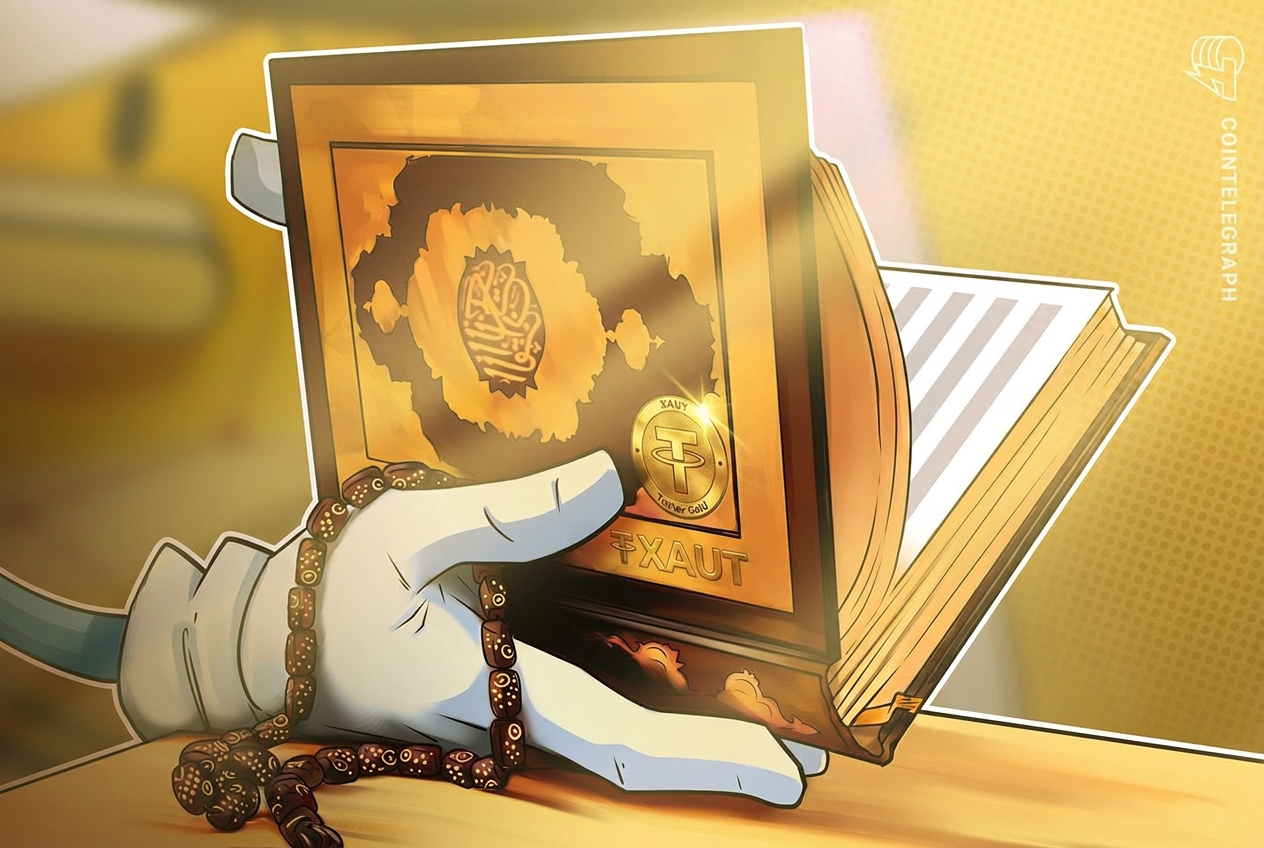
Tether, công ty phát hành stablecoin USDT, đã đạt được chứng nhận Shariah cho token vàng XAUt của mình từ Amanah Advisors. Chứng nhận này xác nhận cấu trúc của XAUt tuân thủ các nguyên tắc tài chính Hồi giáo chính, bao gồm việc được hỗ trợ 100% bằng vàng vật chất, không có lãi suất hay đòn bẩy, và có dự trữ minh bạch. Mỗi token XAUt đại diện cho một ounce troy vàng vật chất được lưu trữ trong kho ở Thụy Sĩ. Việc chứng nhận mở ra cơ hội để Tether tiếp thị XAUt tới các tổ chức và nhà đầu tư tài chính Hồi giáo, những người yêu cầu sản phẩm đầu tư tuân thủ Shariah. Công ty kỳ vọng điều này sẽ thúc đẩy việc áp dụng token tại các thị trường sử dụng rộng rãi tài chính Hồi giáo, như Hội đồng Hợp tác Vùng Vịnh (GCC), Nam Á và một số khu vực ở Châu Phi. XAUt là một trong những sản phẩm vàng được token hóa lớn nhất trên thị trường crypto. Báo cáo dự trữ mới nhất của Tether cho thấy token này được hỗ trợ bởi hơn 707.000 ounce troy vàng vật chất, trị giá hơn 3,3 tỷ USD tính đến ngày 31 tháng 3. Dữ liệu từ RWA.xyz cũng cho thấy giá trị tài sản trên chuỗi của token đã tăng từ khoảng 700 triệu USD vào tháng 7/2025 lên khoảng 2,5 tỷ USD. Động thái này diễn ra trong bối cảnh các sản phẩm crypto tuân thủ Shariah ngày càng được chú ý, nhằm giải quyết các mối quan ngại về tính phù hợp với luật Hồi giáo. Các ví dụ khác gần đây bao gồm stablecoin PUSD của Palm Azgar Finance và sự phát triển của Dubai như một trung tâm crypto hàng đầu ở Trung Đông với môi trường pháp lý ngày càng rõ ràng.

cointelegraph1 giờ trước

Token vàng XAUt của Tether nhận chứng nhận Shariah để mở rộng tiếp cận tài chính Hồi giáo

cointelegraph1 giờ trước

Giao dịch

Giao ngay

Bài viết Nổi bật

Làm thế nào để Mua CAMP

Chào mừng bạn đến với HTX.com! Chúng tôi đã làm cho mua Camp Network (CAMP) trở nên đơn giản và thuận tiện. Làm theo hướng dẫn từng bước của chúng tôi để bắt đầu hành trình tiền kỹ thuật số của bạn.Bước 1: Tạo Tài khoản HTX của BạnSử dụng email hoặc số điện thoại của bạn để đăng ký tài khoản miễn phí trên HTX. Trải nghiệm hành trình đăng ký không rắc rối và mở khóa tất cả tính năng. Nhận Tài khoản của tôiBước 2: Truy cập Mua Crypto và Chọn Phương thức Thanh toán của BạnThẻ Tín dụng/Ghi nợ: Sử dụng Visa hoặc Mastercard của bạn để mua Camp Network (CAMP) ngay lập tức.Số dư: Sử dụng tiền từ số dư tài khoản HTX của bạn để giao dịch liền mạch.Bên thứ ba: Chúng tôi đã thêm những phương thức thanh toán phổ biến như Google Pay và Apple Pay để nâng cao sự tiện lợi.P2P: Giao dịch trực tiếp với người dùng khác trên HTX.Thị trường mua bán phi tập trung (OTC): Chúng tôi cung cấp những dịch vụ được thiết kế riêng và tỷ giá hối đoái cạnh tranh cho nhà giao dịch.Bước 3: Lưu trữ Camp Network (CAMP) của BạnSau khi mua Camp Network (CAMP), lưu trữ trong tài khoản HTX của bạn. Ngoài ra, bạn có thể gửi đi nơi khác qua chuyển khoản blockchain hoặc sử dụng để giao dịch những tiền kỹ thuật số khác.Bước 4: Giao dịch Camp Network (CAMP)Giao dịch Camp Network (CAMP) dễ dàng trên thị trường giao ngay của HTX. Chỉ cần truy cập vào tài khoản của bạn, chọn cặp giao dịch, thực hiện giao dịch và theo dõi trong thời gian thực. Chúng tôi cung cấp trải nghiệm thân thiện với người dùng cho cả người mới bắt đầu và người giao dịch dày dạn kinh nghiệm.

Tổng lượt xem 533Xuất bản vào 2025.08.27Cập nhật vào 2026.06.02

Làm thế nào để Mua CAMP

Thảo luận

Chào mừng đến với Cộng đồng HTX. Tại đây, bạn có thể được thông báo về những phát triển nền tảng mới nhất và có quyền truy cập vào thông tin chuyên sâu về thị trường. Ý kiến ​​của người dùng về giá của CAMP (CAMP) được trình bày dưới đây.

活动图片