Brother Sun "Rights Protection" Stands Up Against the Trump Family, WLFI Is the Real Scythe in the Crypto Circle

Odaily星球日报Publicado a 2026-04-13Actualizado a 2026-04-13

Resumen

The article details the controversy surrounding World Liberty Financial (WLFI), a cryptocurrency project linked to the Trump family. It reports that WLFI allegedly used the DeFi lending protocol Dolomite, whose co-founder is also a WLFI advisor, as a disguised channel to sell tokens by collateralizing around 5 billion WLFI tokens to borrow approximately $75 million in stablecoins. Despite WLFI's claims that the loans were for ecosystem development and posed no liquidation risk, critics argue it was a way for insiders to cash out, shifting risk to retail investors. The piece highlights WLFI's significant price decline—over 66% since its September 2025 launch—and suggests the Trump family and insiders are the main source of selling pressure, as they control nearly 74% of the token supply. It also revisits WLFI’s prior move to blacklist 272 addresses, including those of investor Justin Sun, under the pretext of preventing large-scale sell-offs, which now appears to be an effort to reduce competition for their own sales. Sun publicly accused WLFI of exploiting users, freezing assets, and treating the crypto community as a "personal ATM." WLFI countered by threatening legal action. The author notes that while Sun’s criticism may gain sympathy, a legal battle in the U.S. against the well-connected Trump family would be risky for him. Finally, the article concludes that WLFI exemplifies how powerful elites can exploit crypto’s regulatory gray areas for profit, and urges the commu...

Original | Odaily Planet Daily (@OdailyChina)

Author | Golem (@web3_golem)
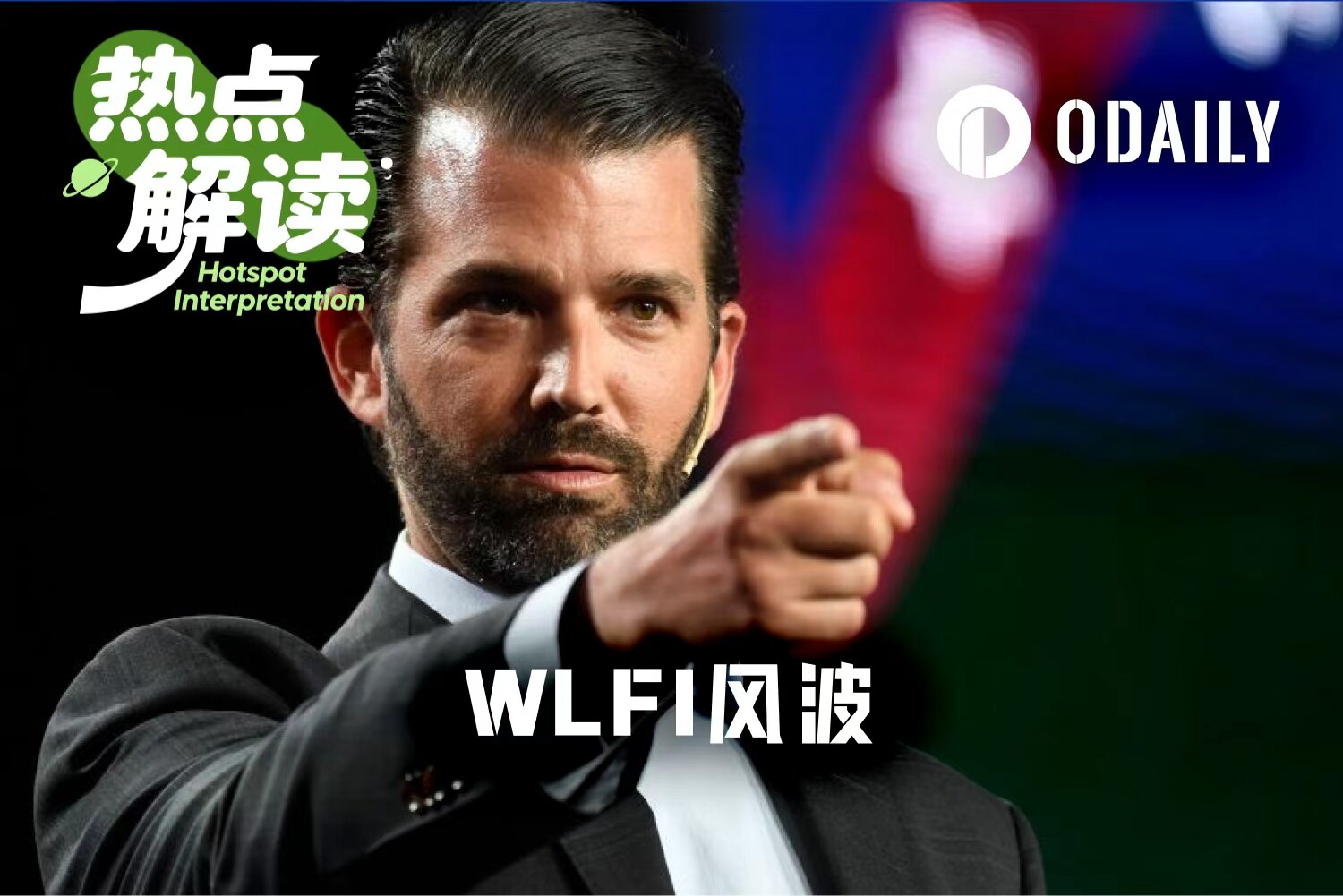
The true face of WLFI has finally been seen clearly by the crypto circle.

On April 9th, foreign media reported that the Trump family's crypto project, World Liberty Financial (WLFI), had conducted multiple collateralized loans through the DeFi lending protocol Dolomite, sparking market concerns about insider trading and USD1 liquidity risks. According to statistics, WLFI used approximately 5 billion WLFI tokens as collateral and mobilized about 75 million USD in stablecoins cumulatively through Dolomite and Coinbase Prime.

Coincidentally, Dolomite co-founder Corey Caplan is also an advisor to WLFI. Although WLFI responded that borrowing stablecoins was to create value for the ecosystem and there was no liquidation risk, and WLFI even repaid 25 million USD1 loans on April 11th, tracking the on-chain path of the borrowed stablecoins makes it clear to anyone that Dolomite is essentially a disguised token selling channel for the WLFI team.

Well-known trader Pickle Cat also believes that WLFI is performing a confidence trick by buying back at high prices with the left hand while borrowing real money with low-value collateral with the right hand. In the end, only the retail investors locked in the Dolomite pool are bearing the risk, so she decisively chose to liquidate all her WLFI spot holdings.

WLFI's price performance since its listing has already said it all. WLFI officially launched on September 1, 2025, and began executing token buybacks in late September of the same year. However, the token has since fallen by over 66%, down about 70% from its peak. So, where is the selling pressure in the market coming from? Most likely from the Trump family and their related interests. Firstly, because it's unlikely they only have Dolomite as one disguised selling channel. Secondly, only they hold large amounts of WLFI tokens and can "sell without restrictions."

Even before WLFI officially launched, Odaily Planet Daily had analyzed WLFI's token holding structure and selling pressure, concluding that the Trump family was the largest source of selling pressure. Out of a total supply of 100 billion tokens, the pre-sale accounted for only 26.05%, while the remaining 73.95% was entirely controlled by the team. (Related reading:WLFI Unlock Countdown: Trump's 15.75% Whale Holdings, Can the Market Withstand the "Presidential Selling Pressure"?)

Furthermore, after the WLFI token officially launched, the team blacklisted 272 addresses, including addresses belonging to Sun Yuchen, under the pretext of protecting user funds and preventing large-scale selling by whales. This move was applauded by the community at the time. But only now, faced with the continuous decline of WLFI, have we come to our senses: the real purpose of freezing the whale addresses was to facilitate their own selling.

The story doesn't end here. After the WLFI team's actions were exposed, Sun Yuchen couldn't sit still anymore. The renowned "Sun Cut" (Sun Ge) doesn't take losses like this—only you can sell, but I can't? So he confronted WLFI once more.

Sun Yuchen Confronts WLFI Again

On April 12th, Sun Yuchen posted on platform X, condemning the WLFI team for extracting fees from users, secretly implanting backdoors to control user assets, freezing investor funds, and using the crypto community as a personal ATM, among other actions. The WLFI team didn't just let Sun's accusations slide; they responded by saying Sun Yuchen is best at playing the victim, fabricating baseless accusations to cover up his own misconduct, and stated they would see him in court.

To understand this drama, we need to review the relationship between Sun Yuchen and WLFI.

WLFI and Sun Yuchen had a honeymoon period. In November 2024, Sun Yuchen announced an investment of 30 million USD into WLFI through the entity TRON DAO, becoming WLFI's largest investor and project advisor at the time. This deal was interpreted then as a political donation from Sun Yuchen to Trump, especially since Trump's election as president was already a foregone conclusion, and crypto figures wanted to build good relations. So it was a win-win: WLFI got the money, and Sun Yuchen opened a channel to connect with the US President.

But when the WLFI token actually launched, the WLFI team kicked Sun Yuchen to the curb. On September 5, 2025, World Liberty Financial (WLFI) blacklisted addresses related to Sun Yuchen, involving approximately 540 million unlocked tokens and 2.4 billion locked tokens. The WLFI team's reason was straightforward: they suspected someone was selling off to suppress the token price. WLFI blacklisted 272 addresses in one go.

Although Nansen CEO Alex Svanevik later stated that Sun Yuchen had not engaged in dumping, and his transfers occurred after the WLFI token had already plummeted, the truth behind WLFI's drop might have been mass profit-taking by retail investors and further panic-driven price crashes. But because WLFI used the community as a shield, Sun Yuchen didn't step out to confront them head-on.

However, some still spoke up for Sun Yuchen. CryptoQuant CEO Ki Young Ju believed that even if Sun Yuchen sold his unlocked tokens, it was his right, as he had autonomy over his assets, and WLFI had no right to freeze user addresses. It's ironic—the Trump family has repeatedly stated in public that "de-banking" was a major reason they chose to join the crypto space, as their family assets had been frozen by the banking system multiple times. But how is their action of blacklisting user addresses any different from the banks that rejected them? This kind of "pseudo-decentralized" behavior deserves condemnation.

That said, although Sun Yuchen's situation is worthy of sympathy, if he chooses to go head-to-head with WLFI, he might not come out ahead. Because behind WLFI stands the Trump family and a group of top-tier elites with deep roots in both American politics and business. Which one can Sun Yuchen afford to offend?

Moreover, given Sun Yuchen's own regulatory history, political situation, and past controversies, if he really ends up in a US court against WLFI, winning the lawsuit might be out of the question; escaping unscathed might be something to be庆幸 (grateful) for.

So, for Sun Yuchen's "rights protection" campaign, he can make noise in the court of public opinion and posture alongside retail investors. But actually taking it all the way to a US courtroom? Better forget it.

The Second Lesson the Trump Family Taught the Crypto Circle

We have to admit that WLFI is the second lesson the Trump family taught the crypto circle (the first lesson was, of course, TRUMP). Its real purpose was never to break traditional banking restrictions or make DeFi better, but to疯狂敛财 (frantically amass wealth) in the grey areas of financial regulation.

Many people were unwilling to admit or ignored this before because the name Trump was still very valuable. In the bull market sentiment, power and influence were automatically translated into a sense of security and a moat. Coupled with Trump's extremely friendly attitude towards crypto during the campaign and early in his term, crypto users did not launch large-scale protests or FUD. The Trump family ate the meat in the crypto market, and we could跟着喝口汤 (follow along and have some soup).

But things are different now. In the broader context, with "Crypto Czar" David Sacks shifting his focus to AI, and Trump being deeply involved in the US-Iran conflict with no time to spare for the crypto industry, the光环 (halo) of the Trump name isn't worth as much anymore. When Trump is no longer our crypto president, what光环 (halo) does his family have left? (Related reading:"Crypto Czar" Steps Down: 130-Day Political Performance Ends, How Much of Trump's Crypto Promises Remain?)

At the same time, specifically regarding the WLFI project, influenced by the token's performance, governance controversies, freezing incidents, and other factors, this滤镜 (filter) has long been torn to shreds in the minds of users. The crypto circle is certainly not innocent; being willing to pay a premium for power and influence, to pay for political backgrounds, is itself a form of speculative collusion. But from now on, when facing "shoddy projects" like WLFI, crafted by American elites in the crypto field, we should have the courage to say no.


Criptos en tendencia

Preguntas relacionadas

QWhat is the main controversy surrounding the World Liberty Financial (WLFI) project as described in the article?

AThe main controversy involves WLFI, a Trump family-affiliated crypto project, being accused of using the DeFi lending protocol Dolomite as a disguised channel for the team to sell tokens. WLFI allegedly collateralized around 5 billion WLFI tokens to borrow approximately $75 million in stablecoins, raising concerns about insider trading and liquidity risks for USD1.

QWhy did WLFI freeze addresses, including Justin Sun's, and what was the alleged real reason behind this action?

AWLFI officially froze 272 addresses, including Justin Sun's, claiming it was to protect user funds and prevent large holders from massive selling. However, the article suggests the real reason was to restrict selling by major holders, making it easier for the WLFI team themselves to sell their own tokens without competition.

QWhat was the nature of the initial relationship between Justin Sun and the WLFI project?

AInitially, Justin Sun, through TRON DAO, invested $30 million in WLFI, becoming its largest investor and a project advisor. This was widely seen as a political donation to gain favor with then-President-elect Donald Trump, creating a mutually beneficial relationship for both parties.

QWhat does the article suggest is the 'second lesson' the Trump family taught the crypto circle with WLFI?

AThe article suggests the 'second lesson' is that WLFI's true purpose was not to break traditional banking limitations or improve DeFi, but to amass wealth疯狂敛财 in the gray areas of financial regulation, exploiting the initial value of the 'Trump' name during the bull market.

QAccording to the article, what are the key reasons cited for the declining value and光环 (halo) of the Trump name in the crypto space?

AThe declining value is attributed to a shift in the macro environment: 'Crypto Czar' David Sacks focusing on AI, President Trump being preoccupied with the U.S.-Iran conflict and having less time for crypto, and the project's own issues like token performance, governance controversies, and the address freezing scandal, which collectively damaged its reputation.

Lecturas Relacionadas

El cazador cazado: el bot MEV más rentable fue hackeado

**El cazador cazado: El bot de MEV más rentable es hackeado** El conocido bot de MEV en Ethereum, Jaredfromsubway.eth, sufrió un ataque dirigido el sábado, perdiendo más de 7,5 millones de dólares. Según investigaciones, no fue un phishing tradicional ni una explotación de contrato inteligente, sino un sofisticado "ataque de honeypot contra-MEV" diseñado específicamente para explotar la lógica de comportamiento de estos bots. El atacante desplegó durante semanas 66 contratos de tokens falsos y pools de liquidez, disfrazados como activos principales como WETH, USDC o USDT, para crear rutas de arbitraje falsas. El bot, al detectar la aparente oportunidad, ejecutó una transacción que concedió permisos a un contrato controlado por el atacante. Estos permisos no fueron revocados, permitiendo finalmente que el atacante drenara los fondos del bot en una sola transacción. Jaredfromsubway.eth es uno de los bots de MEV más activos e infames de Ethereum, especializado en ataques de "sándwich" para capturar ganancias de los deslizamientos de precio en las transacciones de usuarios. Se estima que ha acumulado decenas de millones en ganancias y estaba relacionado con alrededor del 70% de estos ataques en un período reciente. Este incidente subraya la creciente sofisticación de las amenazas en cripto, demostrando que incluso los actores más agresivos y automatizados ("depredadores") ahora son vulnerables a ataques multidimensionales que explotan sus propias reglas y automatizaciones. Tras el hackeo, una cuenta no oficial en X se hizo pasar por el bot ofreciendo una recompensa falsa, lo que ha generado advertencias de seguridad adicionales.

marsbitHace 28 min(s)

El cazador cazado: el bot MEV más rentable fue hackeado

marsbitHace 28 min(s)

La realidad de los pagos en Latinoamérica es muy distinta a lo que imaginas

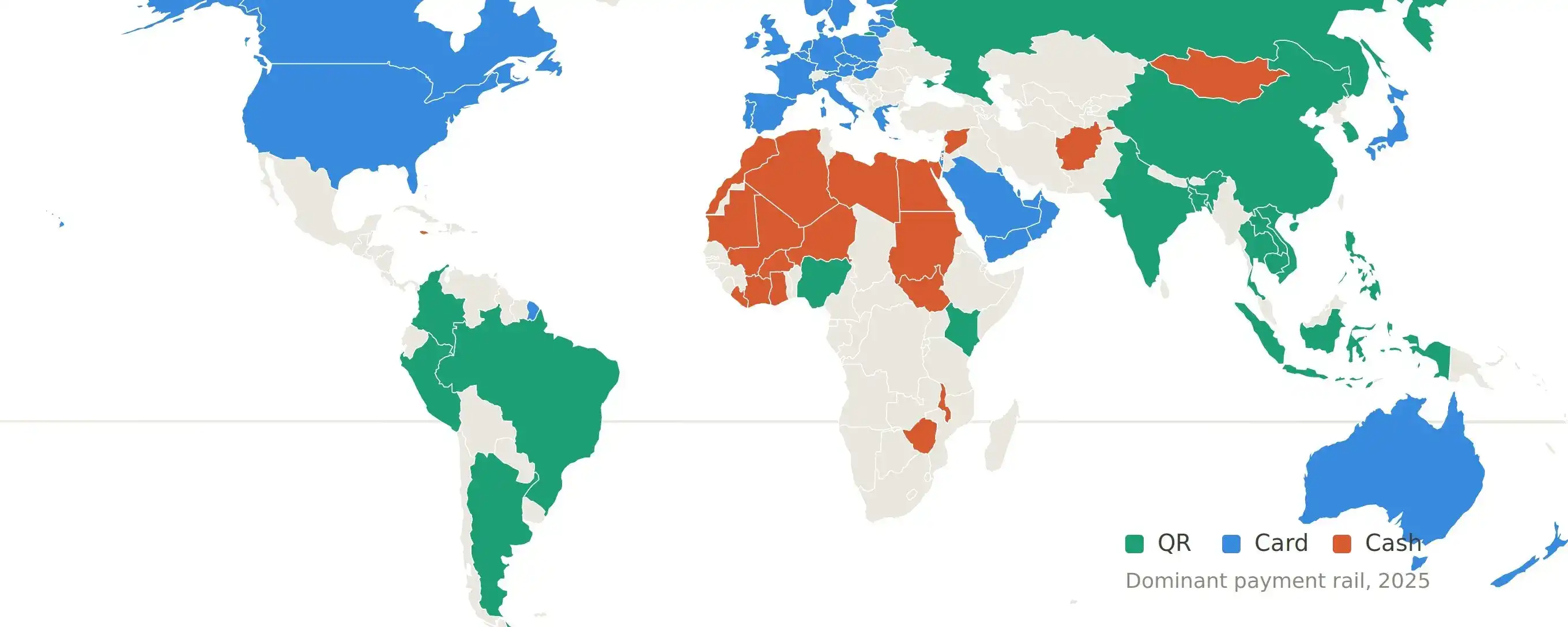
La realidad de los pagos en Latinoamérica desafía las percepciones. Tras una investigación de 500 horas, estos son los hallazgos clave: 1. Las tarjetas cripto generan volumen principalmente de profesionales que reciben salarios en dólares o USDT y convierten a moneda local vía Pix, no de compras minoristas pequeñas. 2. Los pagos con código QR (como Pix en Brasil) dominan en mercados emergentes, superando a las tarjetas. Es el sistema de pago principal para la mayoría de la población mundial. 3. Existe una gran oportunidad en la interoperabilidad internacional entre sistemas de pago instantáneo, ya que actualmente están aislados por país. 4. La competencia en pagos ahora se centra en controlar la infraestructura de liquidación, no solo en adquirir clientes. Las empresas líderes buscan licencias bancarias. 5. Latinoamérica no es un mercado único. Brasil, México, Argentina y otros tienen economías, regulaciones y flujos de capital muy diferentes. 6. El negocio de las remesas y el cambio de stablecoins se está commoditizando, con márgenes cayendo hacia cero. El valor está en los productos construidos encima. 7. La próxima generación de empresas de pagos debe tener una marca y tecnología escalable internacionalmente desde el inicio. 8. Brasil y México son mercados saturados ("rojos"). Oportunidades menos exploradas existen en países como Guatemala, Honduras, El Salvador, Nicaragua y República Dominicana. 9. El marketing debe segmentarse finamente según el flujo de fondos del usuario (ej. turistas, nómadas digitales, residentes extranjeros), no tratar a un país como un grupo homogéneo. 10. La regulación en Latinoamérica está más avanzada que en EE.UU. en aspectos como pagos instantáneos y cripto, con marcos más claros y pragmáticos. La conclusión: el futuro de los pagos en la región no está en replicar modelos basados en tarjetas, sino en conectar los sistemas QR locales, resolver la interoperabilidad transfronteriza y construir para segmentos de usuarios específicos.

marsbitHace 36 min(s)

La realidad de los pagos en Latinoamérica es muy distinta a lo que imaginas

marsbitHace 36 min(s)

Haciendo música en un mercado bajista: El experimento de supervivencia de una banda de Bitcoin

**Resumen: "Haciendo Música en un Mercado Bajista: El Experimento de Supervivencia de una Banda de Bitcoin"** Orange Pill Jam es una banda única que fusiona géneros como reggae gitano, afrolatino y hip-hop, mientras explora temas de soberanía financiera, privacidad y el declive de sistemas modernos. Aceptan pagos en bitcoin. Nacieron tras una actuación improvisada de la vocalista Mermaid en el Plan B Forum de Lugano en 2022, donde cantó "Dollar Apocalypse", dedicada al influyente podcaster Max Keizer. Este momento planteó la pregunta: ¿dónde está la música en la cultura bitcoin? Su proceso creativo combina las letras y melodías de Mermaid con la producción meticulosa y orientada al ritmo corporal de Michi. Canciones como "Cypherpunks' Manifesto" y "Fire of Freedom" abordan la privacidad digital, la soberanía personal y la adopción del bitcoin, con letras que permanecen intactas tras experiencias como la visita de Mermaid a El Salvador. Frente al auge de la IA generativa musical, Michi ve un paralelismo con la pintura y la fotografía: la IA puede replicar, pero no crear géneros nuevos o capturar la intención humana única. Ellos usan IA para tareas administrativas, no para la creación artística. En pleno mercado bajista de cripto, su modelo es "copyleft" (permite descargas y remezclas gratis) y aceptan donaciones en bitcoin. Su desafío es ser escuchados en un ecosistema como Spotify, saturado por 14.000 canciones diarias y algoritmos que no favorecen su temática. Su proyecto representa una apuesta por la creación humana auténtica e irrepetible en una era de contenido masivo y IA. Mientras los algoritmos se aceleran, Orange Pill Jam persevera, grabando por decimoséptima vez, defendiendo el valor de lo que no se puede generar ni optimizar fácilmente.

marsbitHace 49 min(s)

Haciendo música en un mercado bajista: El experimento de supervivencia de una banda de Bitcoin

marsbitHace 49 min(s)

Fuga continua de talentos de IA de Google: ¿Prueba de estrés o preludio de su "obituario"?

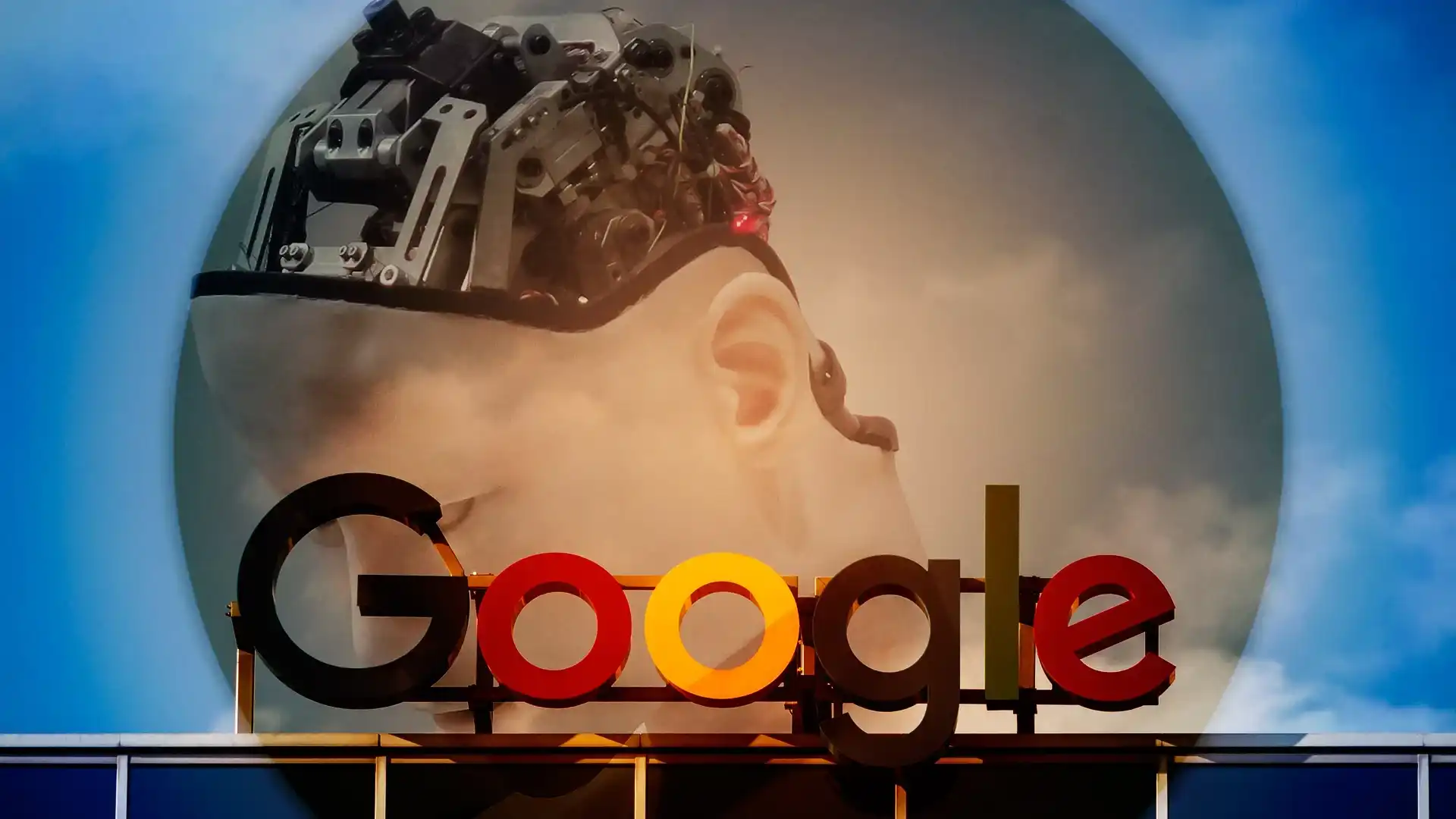
El reciente éxodo de talentos clave de IA de Google, como Noam Shazeer (coautor de Transformer), John Jumper (premio Nobel por AlphaFold) y Daniel De Freitas (cofundador de Character.AI), hacia OpenAI y Anthropic, ha generado preocupación en el mercado. Sin embargo, más que un "obituario", esto representa una prueba de estrés para Google en un contexto de feroz competencia por talento previo a posibles OPVs de sus rivales. A pesar de las pérdidas, Google conserva ventajas estructurales decisivas. No es solo una empresa de modelos, sino una plataforma integral de IA con infraestructura (TPU, Google Cloud), productos integrados (Search, YouTube, Android) que llegan a miles de millones de usuarios, y una sólida capacidad de distribución. Además, estratégicamente, se posiciona como proveedor de infraestructura para sus competidores, como lo demuestran las inversiones y acuerdos con Anthropic. El verdadero desafío para Google es su "dilema del innovador": la necesidad de transformar su lucrativo negocio central de Búsqueda de manera ágil mientras compite con startups más ágiles. Aun así, su capacidad para integrar IA en su amplio ecosistema, su profundidad técnica y su enfoque a largo plazo en IA para la ciencia le otorgan una posición única. La carrera de IA es un juego largo, y Google sigue siendo uno de los pocos actores con los recursos y la amplitud para competir en todos sus frentes.

marsbitHace 54 min(s)

Fuga continua de talentos de IA de Google: ¿Prueba de estrés o preludio de su "obituario"?

marsbitHace 54 min(s)

Trading

Spot
Futuros

Artículos destacados

Cómo comprar SUN

¡Bienvenido a HTX.com! Hemos hecho que comprar SUN (SUN) sea simple y conveniente. Sigue nuestra guía paso a paso para iniciar tu viaje de criptos.Paso 1: crea tu cuenta HTXUtiliza tu correo electrónico o número de teléfono para registrarte y obtener una cuenta gratuita en HTX. Experimenta un proceso de registro sin complicaciones y desbloquea todas las funciones.Obtener mi cuentaPaso 2: ve a Comprar cripto y elige tu método de pagoTarjeta de crédito/débito: usa tu Visa o Mastercard para comprar SUN (SUN) al instante.Saldo: utiliza fondos del saldo de tu cuenta HTX para tradear sin problemas.Terceros: hemos agregado métodos de pago populares como Google Pay y Apple Pay para mejorar la comodidad.P2P: tradear directamente con otros usuarios en HTX.Over-the-Counter (OTC): ofrecemos servicios personalizados y tipos de cambio competitivos para los traders.Paso 3: guarda tu SUN (SUN)Después de comprar tu SUN (SUN), guárdalo en tu cuenta HTX. Alternativamente, puedes enviarlo a otro lugar mediante transferencia blockchain o utilizarlo para tradear otras criptomonedas.Paso 4: tradear SUN (SUN)Tradear fácilmente con SUN (SUN) en HTX's mercado spot. Simplemente accede a tu cuenta, selecciona tu par de trading, ejecuta tus trades y monitorea en tiempo real. Ofrecemos una experiencia fácil de usar tanto para principiantes como para traders experimentados.

823 Vistas totalesPublicado en 2024.12.12Actualizado en 2025.03.21

Cómo comprar SUN

Discusiones

Bienvenido a la comunidad de HTX. Aquí puedes mantenerte informado sobre los últimos desarrollos de la plataforma y acceder a análisis profesionales del mercado. A continuación se presentan las opiniones de los usuarios sobre el precio de SUN (SUN).

活动图片