哈里斯敲定竞选搭档!他对 Crypto 什么态度?

foresightnewsPublished on 2024-08-06Last updated on 2024-08-13

Abstract

哈里斯爆冷选择了 Tim Walz,来看看我们之前发布的候选人立场盘点!

主流民调显示,Harris 胜选概率已追上 Trump。加密市场对此做好准备了吗?


撰文:Sander Lutz,Decrypt

编译:Alex Liu,Foresight News


本文最早发布于北京时间 2024 年 8 月 6 日 15:57,截止目前,卡马拉·哈里斯(Kamala Harris)已选择明尼苏达州州长蒂姆·沃尔兹(Tim Walz)为竞选搭档。


总览


  • 卡马拉·哈里斯(Kamala Harris)对竞选搭档的选择可能暗示了她当选后计划如何执政,而该职位的主要竞争者对加密货币表现出不同程度的支持或谨慎。
  • 乔什·夏皮罗(Josh Shapiro)和安迪·贝希尔(Andy Beshear)等一些竞争者一直积极参与或支持州一级的加密货币相关活动,而罗伊·库珀(Roy Cooper)等其他竞争者则采取了更为谨慎的态度。
  • 格雷琴·惠特默(Gretchen Whitmer)和马克·凯利(Mark Kelly)等其他主要候选者的加密立场不太明确,但他们有支持加密立法的政治盟友,或者以其他方式表明对该行业的潜在开放态度。


卡马拉·哈里斯 (Kamala Harris) 不可思议地成为了民主党总统候选人,这已颠覆了 11 月选举将如何影响加密货币政策的剧本。几个月来,前总统唐纳德·特朗普似乎已成为支持加密货币的候选人,而总统乔·拜登则顽固地拒绝接受两党推动的行业相关立法。


但现在,所有情况都改变了。


正如亿万富翁、著名比特币倡导者马克·库班 (Mark Cuban) 告诉 Decrypt 的那样,在发起竞选活动后的 48 小时内,哈里斯的阵营联系了他,提出了多个有关加密货币政策的问题。行业游说团体对变革可能到来持谨慎乐观态度,恳求哈里斯明确发布其总统任期内的数字资产议程,并选择一位支持加密货币的竞选搭档。


哈里斯选择的副总统将如何影响美国的加密货币政策?据报道,她的副总裁职位将于本周宣布,以下是该职位的最佳候选人名单,以及他们在区块链技术方面的排名。


Josh Shapiro 乔什·夏皮罗



宾夕法尼亚州州长乔什·夏皮罗目前被认为是哈里斯的首选,因为他在 2024 年最关键的摇摆州之一大受欢迎。虽然他没有公开谈论加密货币,但在他的任期内,宾夕法尼亚州已成为美国最热门的比特币挖矿市场之一。


为此,夏皮罗甚至在今年早些时候与一家公开上市的比特币矿业公司一起被列为共同被告 —— 一家非营利组织因他对造成污染的加密采矿业务使用的能源征税而提起诉讼。


Tim Walz 蒂姆·沃尔兹
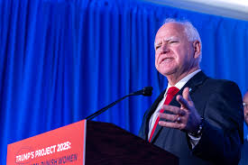


明尼苏达州州长蒂姆·沃尔兹(Tim Walz)是哈里斯副总统的黑马人选,近几周来他的全国知名度飙升,但他从未就加密货币发表过任何公开声明。作为一名坚定的进步州长,他在区块链技术方面可能是双向的。


一方面,沃尔兹将自己定位为实用主义者,希望在牢固的工会关系与创造就业机会和促进创新的愿望之间取得平衡。然而,另一方面,州长推动他的州推行该国最进步的能源政策之一。去年,他签署了一项法案,要求明尼苏达州到 2040 年过渡到 100% 清洁能源。


因此,与名单上的其他州长不同,沃尔兹可能不会热衷于能源密集型加密货币挖矿 —— 取决于所使用的电力来源。


Roy Cooper 罗伊·库珀



北卡罗来纳州州长罗伊·库珀被认为是哈里斯副总统人选的另一个竞争者,因为他在一个曾两次投票给特朗普的深紫色州。然而,鉴于他在该州罕见的受欢迎程度以及他作为 2026 年民主党参议院候选人的预期,他现在晋升为竞选伙伴可能被视为不必要的风险。


关于加密货币,库珀本月早些时候发表了一项明确的声明,否决了禁止北卡罗来纳州推行央行数字货币( CBDC )的法案。禁止 CBDC(或「数字美元」)最近已成为共和党人的一个重大问题,他们将国家手中的类似区块链的技术视为隐私威胁。


库珀否决该法案时,谈到了加密货币的潜在效用,表达了一种有些谨慎但又有些灵活的「观望」态度。


「联邦层面正在努力确保标准和保障措施到位,以保护可能想要进行数字资产货币交易的消费者、投资者和企业,北卡罗来纳州应该等待看看它们如何运作,然后再采取行动。」库珀当时说。


Gretchen Whitmer 格雷琴·惠特默



尽管密歇根州州长格雷琴·惠特默公开表示她不想竞选哈里斯的副总统,但据报道她仍在接受该职位的审查。


惠特默被誉为摇摆州煽动者,在毫不掩饰地拥抱进步事业方面取得了巨大成功,但她对加密货币的立场却很少表态。


但她是密歇根政治的产物,中西部州的民主党人已经表明,他们比其他人更愿意致力于加密货币监管框架。


例如,密歇根州的两位民主党参议员都支持有利于加密行业的立法。参议员加里 · 彼得斯 (Gary Peters) 在 5 月份与拜登决裂,废除了 SEC 禁止银行持有加密货币的规定,而参议员黛比 · 斯塔贝诺 (Debbie Stabenow) 则表示有兴趣制定数字资产监管法案。


例如,密歇根州的两位民主党参议员都支持有利于工业的立法。参议员加里·彼得斯 (Gary Peters) 在 5 月份与拜登决裂,废除了 SEC 禁止银行持有加密货币的规定,而参议员黛比·斯塔贝诺 (Debbie Stabenow) 则表示有兴趣制定数字资产监管。


众议员埃丽莎·斯洛特金 (Elissa Slotkin) 是民主党领先的候选人,一旦斯塔贝诺于 1 月份退休,他将接替斯塔贝诺,目前她获得了亲行业非营利组织 Stand With Crypto 的「A」评级。


Andy Beshear 安迪·贝希尔
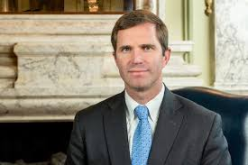


肯塔基州州长安迪·贝希尔(Andy Beshear)与这份名单上的许多其他潜在人选符合同样的模式:一位来自偏红州的受欢迎的民主党州长。


他也是竞选哈里斯副总统时最毫不掩饰支持加密货币的政客之一。 2021 年,Beshear 签署了两项法案,包括了税收减免和其他激励措施吸引比特币矿工来到该州。从那时起,肯塔基州就成为了加密货币挖矿的温床。


并且早在 2020 年,Beshear 就签署了一项法案,成立一个工作组来调查州一级区块链技术的潜在用例。


Mark Kelly 马克·凯利



亚利桑那州参议员、前宇航员马克·凯利 (Mark Kelly) 在 2020 年的一场关键选举中获胜,为民主党赢来了长期共和党席位。从那时起,他就创造了作为参议院最右倾民主党人之一的投票记录。


他最近也显示出对加密货币的支持。今年 5 月,凯利是少数与拜登决裂并投票废除美国证券交易委员会禁止银行持有加密货币的规定的民主党参议员之一。


Pete Buttigieg 皮特·布蒂吉格



哈里斯的 2020 年主要竞争对手皮特·布蒂吉格 (Pete Buttigieg) 的履历并没有显示出他对加密货币政策有太多了解:先是担任印第安纳州南本德市市长,然后担任拜登的交通部长,这位雄心勃勃的政治神童很少与数字资产打交道,他也没有就这个话题发表太多言论。


但皮特市长在全国聚光灯下短暂停留期间,已经表明他不是美国科技和商业利益的敌人。这位前麦肯锡顾问在 2020 年民主党总统初选期间受到亿万富翁捐助者和硅谷精英的热烈追捧,尽管他缺乏全国政治履历。


虽然他对加密货币的看法仍然是一个问号,但布蒂吉格是否准备成为美国顶级加密公司的伊丽莎白·沃伦 (Elizabeth Warren) 级别的敌人值得怀疑。


J.B. Pritzker JB 普利兹克



伊利诺伊州州长 JB 普利茨克 (JB Pritzker) 是凯悦酒店财富的亿万富翁继承人,他是最积极支持加密货币的民主党人之一,据传将加入哈里斯阵营。


「加密货币的未来在伊利诺伊州。」普利茨克在 2021 年 8 月表示,早在许多政客就该主题发表立场之前。


但从那时起,这位中西部州长基本上不再将加密货币作为其执政议程的关键组成部分,同时推动伊利诺伊州保持一个有竞争力的亲商业环境,并成为量子计算等新兴技术的发展中心。


副总统 Harris 已正式成为美国民主党的总统候选人,她的 VP 选择预计在本周公布,市场将会作何反应?让我们拭目以待。

Related Reads

AC Exits Sonic Board, 'DeFi Godfather' Pulls Off Another Strategic Retreat

Andre Cronje, known as the "DeFi Godfather," and two other founding directors have stepped down from the Sonic Labs board. The S token, once valued at $1.03, has plummeted 97% to $0.028, and the chain's TVL has evaporated 98% from its peak. In his exit statement, Cronje clarified he was a technical architect, not a founder, and distanced himself from token economics and migration decisions behind the token's crash. Cronje revealed his focus for the past 18 months has been his new project, Flying Tulip. This project raised $200 million privately last year at a $10 billion valuation. Its token design includes a perpetual put option (ftPUT NFT) for early investors, allowing them to redeem their initial investment at any time—a protection not extended to public market buyers. This pattern mirrors Cronje's past exits from projects like Yearn Finance and Fantom, where he departed near peak hype, leaving later holders to bear significant losses. Sonic itself has seen a complete management overhaul in recent months. The article frames this as a microcosm of the broader crypto bear market, where Layer-1 chains are bleeding value. It highlights a harsh reality: a project's valuation is often tied to a founder's reputation rather than fundamentals. Ironically, Flying Tulip is set to launch first on the Sonic chain Cronje just left, underscoring a disconnect between the person and the platform.

marsbit17m ago

AC Exits Sonic Board, 'DeFi Godfather' Pulls Off Another Strategic Retreat

marsbit17m ago

Dialogue with KK, Founder of Hash Global: Do VCs Still Invest in Blockchain Games Now? What Kind of Projects Can Still Get Funding?

**Title: Dialogue with KK, Founder of Hash Global: Do VCs Still Invest in Blockchain Games? What Kind of Projects Can Still Get Funding?** **Summary:** KK, partner at Hash Global, discussed the evolving landscape of Web3 investment and blockchain games in a recent interview. He noted that the industry has moved past its initial hype phase into a more sober "second half," where VCs now prioritize core questions: Is the game actually fun? Does it have real users? Can it generate revenue? Key insights include: * **Web3 Investment Evolution:** The sector is increasingly adopting traditional investment logic, focusing on business models, value capture, and tangible worth over pure narrative. * **Blockchain Game Fundamentals:** The paramount criterion for any game is being genuinely fun and engaging. Web3 elements (like asset issuance and value distribution) should enhance an already solid product, not be a substitute for poor gameplay. Play-to-Earn is seen as a potential final stage, not a starting point. * **Current Investment Thesis:** Hash Global remains active in gaming, favoring projects with low barriers to entry, strong social/competitive elements, and the ability to generate real revenue (e.g., through ads, skins) like traditional Web2 games before scaling. Essential criteria are: 1) A fun core loop understandable without Web3 knowledge, 2) Web3 mechanisms that genuinely improve asset distribution and community participation, and 3) A capable, long-term-focused team with proven product-building experience. * **Team Focus:** The firm concentrates on investing in Chinese teams, leveraging cultural familiarity and judgment. * **Web3 Application Outlook:** Large-scale adoption may be accelerated by AI in areas with significant pain points in distribution (e.g., creator economy) or in "Non-Financial RWA" sectors like entertainment/culture. * **BNB Ecosystem:** Hash Global is bullish on BNB, viewing its ecosystem as significantly undervalued, with real users and global capital access. * **Investor Advice:** In the current bear market, KK expresses respect for new institutional investors entering Web3, as it indicates deep research rather than hype-chasing. A key lesson is managing pace—maintaining optimism tempered with realism to ensure longevity.

marsbit50m ago

Dialogue with KK, Founder of Hash Global: Do VCs Still Invest in Blockchain Games Now? What Kind of Projects Can Still Get Funding?

marsbit50m ago

A New Player Enters at Third Place, Rothera Disrupts the Prediction Market Landscape

"Rothera Skyrockets to Third in Prediction Market Rankings, Disrupting Industry Landscape" Rothera, Robinhood's newly launched prediction market platform, has rapidly climbed to become the third-largest player in the sector by trading volume, trailing only giants Kalshi and Polymarket. Its growth is attributed not to attracting new users, but to migrating existing Robinhood user orders away from partner Kalshi. Previously, Robinhood served as a major distribution channel for Kalshi, accounting for an estimated 25%-35% of its volume. With the launch of Rothera, Robinhood now internally executes events like World Cup contracts, capturing revenue that was previously shared with Kalshi. Data shows Rothera's weekly trading volume surged from $21.9 million to $559 million within weeks, reaching nearly one-fifth of Polymarket's volume. Analysts estimate Robinhood's prediction market business could generate around $10 billion in annual revenue at this pace, potentially surpassing its historical crypto revenue peak. In response, Kalshi is reportedly exploring new distribution channels by engaging with investment banks for a potential IPO, requiring them to integrate their systems with Kalshi to access institutional clients. This shift highlights a new competitive focus in prediction markets: controlling user access and distribution channels rather than just product offerings.

marsbit59m ago

A New Player Enters at Third Place, Rothera Disrupts the Prediction Market Landscape

marsbit59m ago

Trading

Spot
Futures
活动图片