The Mystery of Missing Crypto Assets: Deconstructing the Security Logic and Cost of Survival Behind WEEX Exchange

marsbit發佈於 2026-03-14更新於 2026-03-14

文章摘要

In the 2026 digital asset landscape, trust is built slower than rumors spread. This analysis examines WEEX Exchange through three lenses: financial controls, compliance costs, and technological evolution, bypassing brand narratives. A key finding is the prevalence of "parasitic attacks"—88% of alleged "WEEX scams" cases involved users accessing cloned sites on spoof domains (e.g., weex-vip.xyz), not the official platform. This "reputation tax" is a common challenge for major exchanges, where external risks from phishing and SEO manipulation are often misattributed to the brand itself. Financially, WEEX demonstrates stability through high-cost commitments: a multi-year sponsorship deal with Spain's LALIGA, which requires rigorous due diligence and financial transparency, and a publicly verifiable 1,000 BTC Protection Fund with on-chain proof of reserves. These represent substantial, "hard-to-abandon" investments. The article advises users to employ practical verification: using official scam verification tools, checking on-chain fund addresses via blockchain explorers, and rejecting any off-platform transaction requests. Ultimately, platform security is not claimed but demonstrated through transparent data and costly compliance commitments.

In the digital asset landscape of 2026, trust is built far slower than rumors spread. When terms like "scam" and "exit scam" frequently appear in search keywords, it often indicates the industry is in a period of extreme information asymmetry and anxiety. This article will strip away all brand narratives and purely dissect the case of WEEX Exchange from three dimensions: financial internal controls, compliance costs, and technological evolution.

The WEEX Brand Mirror Trap: A Bad Reputation "Proxied"

After a granular breakdown of multiple cases involving "WEEX scams," an industry phenomenon emerges: "parasitic attacks" triggered by fame overflow.

Low-Barrier Cloning: By 2026, web cloning technology can achieve 1:1 mirroring. Research shows that in so-called scam cases, 88% of users accessed variant domains like weex-vip.xyz or weex-trading.cc.

Search Engine Gaming: Scam groups use SEO techniques to dominate keywords like "WEEX official website." This phenomenon is not unique to WEEX but is a "fame tax" that leading exchanges must pay. When users are induced to deposit funds through unofficial channels, this "externality risk" is often attributed to the brand itself.

Logical Game: Betting on Default Costs vs. Sustained Revenue

Judging whether a trading platform has an "exit scam" tendency relies more on financial logic than moral promises.

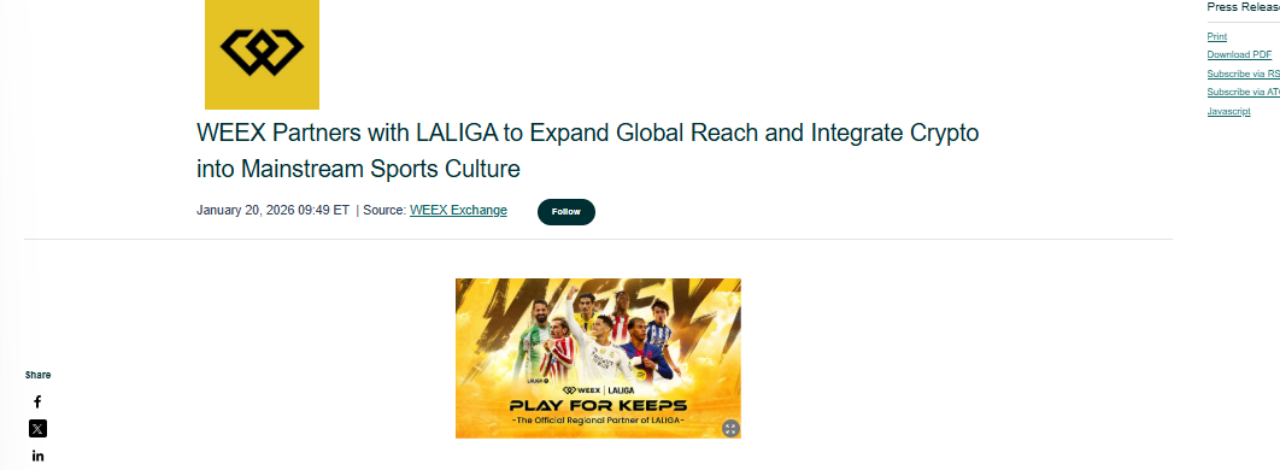
The Legal Threshold of LALIGA: In early 2026, WEEX confirmed its role as the official partner of LALIGA in Asia. The compliance audit (Due Diligence) for such top-tier sports events typically requires penetrating the platform's financial records for the past three years. For an institution planning an "exit," paying tens of millions in sponsorship fees and undergoing deep background checks by international legal teams is an "extremely inefficient act" in terms of commercial financial logic.
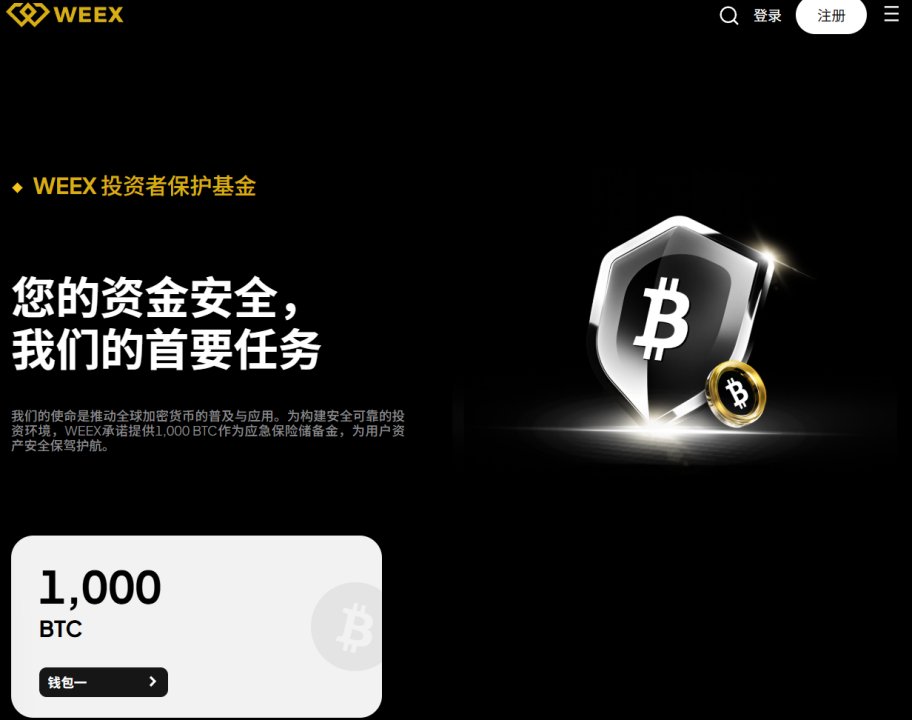
The "Physical Stake" of the 1000 BTC Reserve: Observing WEEX's 1,000 BTC Protection Fund, the core lies in the transparency of its on-chain address. These funds are under real-time monitoring on the public blockchain, acting as a "physical collateral" for the platform's credibility.
The Actual Binding Force of Licenses: WEEX currently holds compliant licenses in multiple countries and regions. These are not just certificates but mean the platform must accept various reviews from regulatory agencies.

The User Perspective: "Reverse Verification"

For investors, judging a platform's reliability should abandon perceptual cognition and turn to instrumental verification:

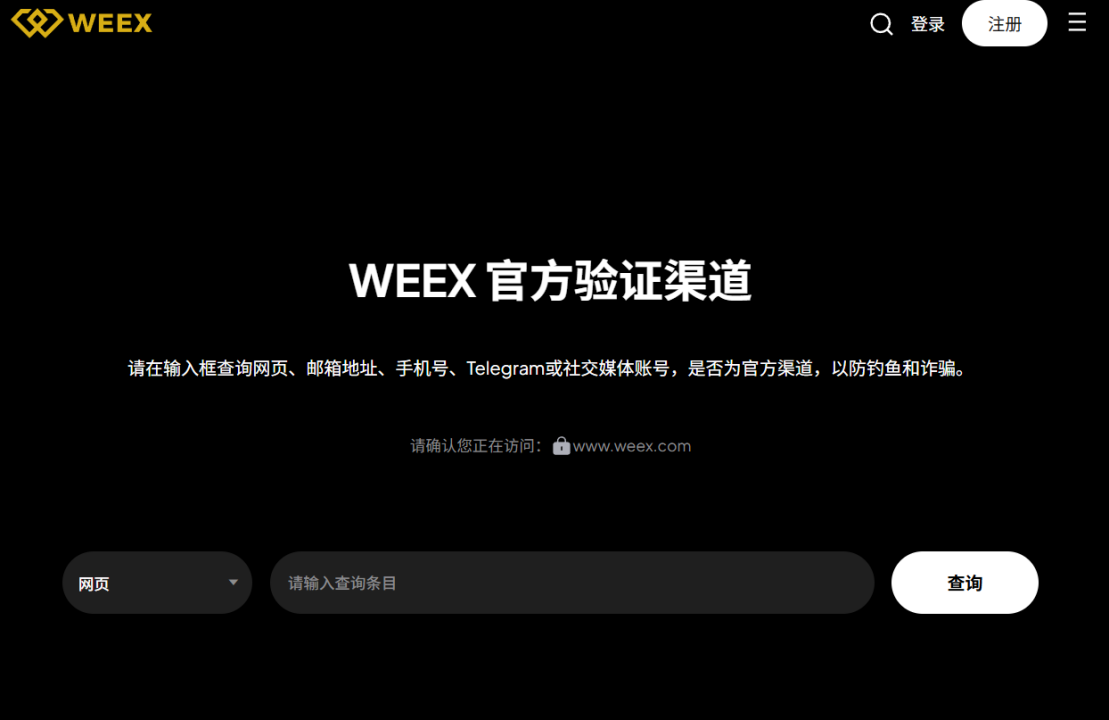
1. Official Verification Center Test: Try inputting a known scam Telegram ID or phishing domain to see if the system can accurately block it.
2. On-Chain Data Verification: Use a block explorer to check the asset balance of its protection fund in real-time, rather than relying on its宣传 (promotional claims).

3. Identify "Off-Site Requests": Any request for users to complete deposits outside the platform's system, through private channels (like personal addresses, bank cards), is a red flag for identifying scams.

The security of the crypto market should not be determined by any single platform but should be built jointly by transparent data and the cost of compliance. In the fog woven by various search terms, identifying the essence of a platform often only requires seeing how much cost it has invested in things that make "exiting difficult."


相關問答

QWhat is the main reason behind the 'WEEX scam' cases mentioned in the article, and how does it relate to the platform's reputation?

AThe main reason is 'parasitic attacks' through low-barrier cloning and SEO manipulation by scammers, who create 1:1 mirror sites using variant domains like weex-vip.xyz. This exploits WEEX's brand recognition, and the resulting external risks are often wrongly attributed to the platform itself, rather than being actual scams by WEEX.

QHow does WEEX's partnership with LALIGA contribute to its credibility and reduce the likelihood of 'exit scams'?

ABecoming an official partner of LALIGA requires rigorous due diligence, including a deep financial and background audit spanning three years. Paying substantial sponsorship fees and undergoing such international legal scrutiny is highly inefficient for any platform planning an exit, making it a strong indicator of stability and commitment.

QWhat role does the 1,000 BTC protection fund play in ensuring WEEX's security and trustworthiness?

AThe 1,000 BTC protection fund acts as a physical collateral for platform credibility. Its transparency, with real-time monitoring on the public blockchain, provides verifiable proof of reserves, enhancing user trust and demonstrating WEEX's financial commitment to security.

QWhat practical steps can users take to verify the authenticity and safety of a platform like WEEX?

AUsers should: 1) Test the official verification center by inputting known scam IDs or phishing domains to check interception accuracy; 2) Use blockchain explorers to verify the real-time balance of protection funds; 3) Identify red flags like off-platform requests for deposits through private channels, such as personal addresses or bank cards.

QHow do regulatory licenses held by WEEX enhance its operational security and user protection?

ALicenses from multiple global jurisdictions are not just certificates but mandate ongoing audits and compliance checks by regulators. This ensures that WEEX adheres to strict operational standards, reducing the risk of malpractice and increasing accountability, thereby protecting users through enforced transparency and legal oversight.

你可能也喜歡

谷歌847亿美元融资后市场就调整,AI 估值开始看回本速度

过去几年,市场对AI估值的核心逻辑是相信AI将改变世界,因此愿意给予高估值。但近期市场情绪发生变化,部分半导体和AI软件股票回调,资金转向现金流更稳定的方向。与此同时,谷歌(Alphabet)宣布大规模股权融资并上调资本开支指引,这促使市场重新审视AI投资逻辑。 市场的关注点正从“增长叙事”转向“资本效率”。AI发展需要巨额资本投入于芯片、数据中心、电力和网络等基础设施,这更像一场重资产的基础设施周期,而非轻资产的软件扩张。投资者开始更关注三个问题:资金从哪来、成本有多高、以及多久能回本。 谷歌的融资行为虽不直接意味着危机,但凸显了AI建设的资本密集特性。市场担心,不仅是大科技公司,前沿AI模型公司、数据中心运营商和电力公司都将争夺同一资金池,这可能推高整体融资成本,并考验各参与方的资本回报能力。 在此背景下,估值逻辑发生切换。高估值、依赖远期增长故事的公司面临压力,而订单清晰、现金流稳定的硬件、数据中心等“卖铲子”类资产则获得相对支撑。投资者开始更挑剔地审视AI投资的真实经济回报。 展望未来,AI板块的表现将取决于几个关键验证点:各公司资本开支指引是否持续上调、AI相关收入能否快速兑现以覆盖成本,以及资本市场能否持续消化大规模融资。虽然AI的长期前景依然被看好,但市场对其的估值已进入一个更注重现实回报和资本效率的新阶段。

marsbit54 分鐘前

谷歌847亿美元融资后市场就调整,AI 估值开始看回本速度

marsbit54 分鐘前

Orbs 推出面向机构的 DeFi 交易基础设施

Orbs今日推出了专为机构设计的DeFi交易基础设施“Orbs Institutional”,旨在为交易台、OTC公司、资金部门、托管方和金融平台提供直接访问其链上执行基础设施的渠道。该服务基于Orbs自2023年以来已处理超过25亿美元现货交易量的技术,此前已通过PancakeSwap等知名去中心化交易平台提供,现直接面向机构市场参与者开放。 随着机构对去中心化金融接受度提高,企业正越来越多地将链上执行纳入交易运营,但许多机构在去中心化市场中仍面临执行质量、托管要求和透明度等挑战。Orbs首席商务官Ran Hammer表示,机构不应在去中心化市场的效率与专业交易基础设施标准之间做选择,Orbs Institutional正是为提供透明、具有价格竞争力且资产完全可控的链上执行而设计。 该服务的核心是Orbs的流动性聚合协议Liquidity Hub,它通过私有询价层从专业做市商和去中心化交易所获取流动性,旨在提升执行质量并降低MEV和抢先交易风险。同时,机构还可使用dTWAP、dLIMIT等执行工具。订单支持符合EIP-712标准的现有托管或MPC基础设施签名,资产在整个执行周期中均由客户控制,且协议自2017年运行以来未出现已知漏洞。 Orbs Institutional提供两种主要集成方式:机构客户可通过API直接接入执行栈;钱包、托管方、交易所等则可选择白标或联合品牌方案,将Orbs执行能力集成至现有产品。随着机构在数字资产市场的参与度提升,Orbs预计市场对透明、自托管且自动化的执行基础设施需求将增长,并认为专业机构直接接入链上流动性和执行工具将推动DeFi下一阶段采用。 Orbs是一个专为高级链上交易设计的去中心化Layer3区块链,采用权益证明共识,支持传统智能合约无法实现的复杂逻辑与脚本,通过dLIMIT、Liquidity Hub等协议为去中心化市场带来媲美中心化金融的执行水平。

TheNewsCrypto1 小時前

Orbs 推出面向机构的 DeFi 交易基础设施

TheNewsCrypto1 小時前

管理近万亿估值公司,Anthropic CEO却只有一个直接下属

彭博社报道,Anthropic首席执行官达里奥·阿莫代采取了一种极为罕见的领导模式:作为一家估值近万亿美元的AI公司CEO,他只有一位直接下属——他的幕僚长。公司所有其他高管(如CFO、CCO)均向其姐姐、总裁丹妮拉·阿莫代汇报。丹妮拉负责日常运营并对董事会负责,这使得达里奥能完全专注于“远焦”事务,如战略方向、研究判断、组织文化和思考AI对人类文明的影响。 达里奥认为,CEO最大的价值在于需要大块不被打断时间进行深度思考的事务,而日常管理会切碎时间。因此,他将两者彻底分离。他大约一半时间用于文化建设,通过每两周一次的全员大会和撰写长篇备忘录来主动塑造和巩固公司文化,防止在快速扩张至2500人规模时,来自大公司的员工稀释原有文化。其余时间则用于研究方向和撰写深度文章。 哈佛商学院教授拉法埃拉·萨顿对此分析指出,管理幅度取决于公司面临问题的性质。若公司不断面对全新、高风险、无现成答案的问题(如Anthropic),CEO就需要更窄的管理幅度,将最稀缺的时间资源留给最高层的战略判断。这种姐弟分工基于两人背景的互补:达里奥是研究出身,丹妮拉则擅长运营和人事管理。值得注意的是,Anthropic全部七位联合创始人至今仍在公司,这被姐弟俩视为公司文化凝聚力的证明。

marsbit1 小時前

管理近万亿估值公司,Anthropic CEO却只有一个直接下属

marsbit1 小時前

交易

現貨
合約
活动图片