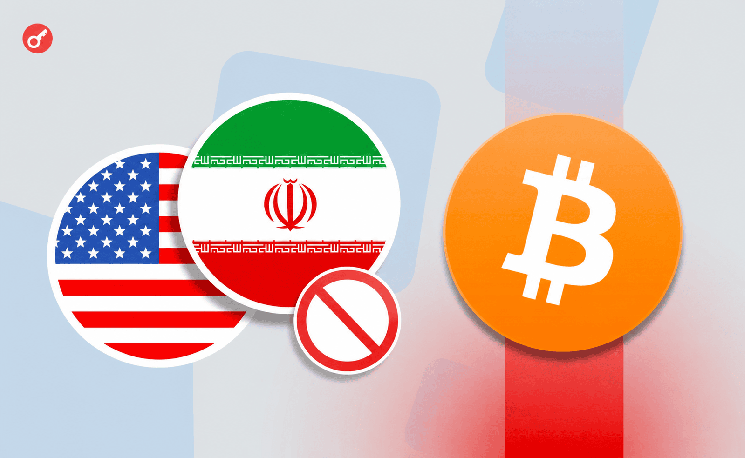
Iran Internet Shutdown Raises Question: Can Crypto Still Function?

TheNewsCrypto發佈於 2026-01-09更新於 2026-01-09

文章摘要

The Iranian government has implemented a nationwide internet shutdown in response to widespread protests, raising questions about cryptocurrency's functionality under extreme connectivity restrictions. With approximately 7 million Iranians using crypto and $3.7 billion in tracked crypto flows linked to Iran in early 2025, the shutdown severely disrupts transactions. Potential solutions include satellite internet services like Starlink, which previously restored access during blackouts, and Blockstream's satellite network for broadcasting blockchain data. Decentralized tools like Bitchat enable Bluetooth-based messaging to relay Bitcoin transactions between nearby devices, though eventual internet connectivity is still required for on-chain confirmation. Other developing tools like Darkwire and Machankura use radio networks or basic mobile telecoms for offline Bitcoin transactions. While these technologies provide partial workarounds and financial lifelines, they cannot fully replace internet access, as a connected node is ultimately needed to finalize blockchain transactions. The situation underscores crypto's censorship-resistant value during turmoil, though it remains a complete substitute for traditional internet-dependent systems.

The Iranian government blocked all access to the internet across the country yesterday in response to the spread of protests throughout Iran, reigniting discussion over whether cryptocurrency is still possible amidst extreme levels of connectivity restriction. The move comes as a result of Iran’s deteriorating economy and its Iranian rial hitting all-time lows in value relative to the United States dollar.

Roughly seven million Iranians out of a population of 92 million use cryptocurrency, according to Statista. Blockchain analytics firm TRM Labs tracked approximately $3.7 billion in crypto flows linked to Iran between January and July 2025. That activity now faces severe friction as citizens lose access to traditional internet services.

Some global crypto advocates have already weighed in. Hunter Horsley, the CEO of Bitwise, proposed that Bitcoin purchasing can help Iranians conserve their wealth even in times of currency flux. With the absence of internet access, transacting cryptocurrencies becomes even more complicated.

How crypto works without the internet

Transacting using cryptocurrencies requires the internet to broadcast the information to the blockchain network. Despite that, there exist other technologies that can help fill the gap during shutdowns.

It might include satellite internet services provided by Starlink, a company headed by Elon Musk, which provides two-way, high-speed internet through satellite dishes that connect directly to satellite relays orbiting Earth. Starlink is known to have reinstated internet services for its customers during a previous blackout in June 2025, and now unpublished sources indicate Musk might personally have agreed to provide a similar service again.

Another solution comes from Blockstream, which operates a satellite network that broadcasts Bitcoin blockchain data worldwide. Users can receive transaction and block data without the internet. While this method supports one-way communication, users still need some form of outbound connectivity to submit transactions.

Mesh networks and peer-to-peer tools

Decentralized communication tools also offer workarounds. Bitchat, created by Jack Dorsey, uses Bluetooth mesh networking to pass messages directly between nearby phones. Clever users can encode Bitcoin transaction data into messages and relay them across devices.

Eventually, at least one device must connect to the internet to confirm transactions on-chain. Even so, Bitchat has seen rapid adoption. Analytics platform Chromestats shows over 1.4 million downloads since launch, including nearly 20,000 downloads in the last day and more than 460,000 in the past week.

Tools are still under development

There are a few offline crypto tools that continue to be actively developed. Darkwire was launched by the pseudonym “Cyb3r17” in May 2025 and relies on a range of radios to create a mesh of communication for the purpose of Bitcoin transaction information to be transmitted without the need for internet access. It is currently undergoing a massive rewrite on GitHub.

There is also another system that dates back to 2022. Machankura, developed by South African developer Kgothatso Ngako, enables users to transmit and receive payments in Bitcoin using simple mobile telecommunication networks as opposed to the internet. This was covered in a report published in Forbes in March 2023.

A partial solution, not a full escape

Even though these technologies make internet centralization less necessary, not one makes internet centralization irrelevant. Eventually, in any transaction, there must be a connected node for the transaction to finalize on the blockchain. Nevertheless, the Iranian blackout illustrates just how important the censorship-resistance aspect of crypto remains during times of turmoil.

As the protests are still ongoing and the availability of internet connectivity is still not certain, the use of crypto technologies may not be able to replace the internet at all, but at least provide a financial lifeline in situations when the traditional system does not work.

Highlighted Crypto News:

CoinDCX CEO Sumit Gupta Outlines Reset Chance for Indian Crypto Market

TagsBitcoinBlockchainCrypto AdoptionIranIran Government

相關問答

QWhat was the Iranian government's response to the spread of protests, and how did it impact cryptocurrency activity?

AThe Iranian government blocked all internet access across the country. This shutdown created severe friction for cryptocurrency activity, as transacting cryptocurrencies requires internet access to broadcast information to the blockchain network.

QAccording to the article, what are two technologies that can help facilitate cryptocurrency transactions during an internet shutdown?

ATwo technologies mentioned are satellite internet services like Starlink, which provides two-way, high-speed internet via satellites, and Blockstream's satellite network, which broadcasts Bitcoin blockchain data worldwide for one-way reception without internet.

QWhat is Bitchat and how does it function in relation to Bitcoin transactions?

ABitchat is a decentralized communication tool created by Jack Dorsey that uses Bluetooth mesh networking to pass messages directly between nearby phones. Users can encode Bitcoin transaction data into these messages and relay them across devices, though a device eventually needs internet to confirm the transactions on-chain.

QWhat limitation do all the mentioned offline crypto tools share, despite their functionality?

AAll the tools still require at least one device to eventually connect to the internet to finalize and confirm transactions on the blockchain. They are partial solutions that reduce but do not eliminate the need for internet connectivity.

QWhat does the article conclude about the role of cryptocurrency technologies during the Iranian internet blackout?

AThe article concludes that while these technologies cannot fully replace the internet, they can provide a crucial financial lifeline and demonstrate the importance of crypto's censorship-resistance during times of turmoil when the traditional financial system is disrupted.

你可能也喜歡

美国对伊朗支持比特币支付的加密服务Hormuz Safe实施制裁

美国财政部通过外国资产控制办公室(OFAC)对两家伊朗公司——波斯湾海上保险公司(PGMIC)和霍尔木兹安全海上服务局——实施制裁,指控其建立了一套通过加密货币支付数字海上保险来规避制裁的计划。同时,八艘船舶和八家被华盛顿指为伊朗“影子船队”组成部分的公司也受到限制。 OFAC称,伊朗政府建立了一个系统,强制要求商业船舶购买强制海上保险才能通过霍尔木兹海峡。伊朗于2026年5月正式启动霍尔木兹安全平台,允许使用比特币等加密货币支付保险单,预计该平台每年可带来高达100亿美元收入。美国当局认为,这种模式使伊朗政权能够获得额外收入并规避西方制裁。 美国财长斯科特·贝森特指责伊朗利用国际航运资助恐怖主义、侵略和伊斯兰革命卫队的镇压行动。OFAC强调,这些保险本应保护船舶免遭扣押等风险,但美方认为大部分风险是伊朗自身制造的。 此外,OFAC还对八家航运公司和油轮实施了制裁,指控其在违反国际限制的情况下运输伊朗石油及石油产品。自2026年初以来,OFAC已对超过100艘与伊朗“影子船队”相关的船舶实施了制裁。受制裁公司的资产将被冻结,且美国公司被禁止与其进行交易。此次制裁是在美伊外交接触的背景下实施的,有报道称伊朗尚未回应美国通过卡塔尔提出的重返谈判建议。

cryptonews.ru16 分鐘前

美国对伊朗支持比特币支付的加密服务Hormuz Safe实施制裁

cryptonews.ru16 分鐘前

“新一轮周期前的最后阶段”。比特币在八月将何去何从

《RBK-加密》指出,比特币在7月底从多年低点反弹超10%,但受访专家预计8月不会持续上涨,反而可能跌破6万美元。专家认为,历史趋势和宏观经济因素正在压制加密货币市场,8月将是“区间测试”月份,而非趋势逆转之时。 截至7月底,比特币交易价格约为6.35万美元,较2025年10月的历史高点12.62万美元下跌约50%。自6月初以来,其价格主要在6万至6.5万美元的狭窄区间内波动。 专家指出,比特币面临不利的宏观经济环境,包括美国高利率、持续通胀和高油价,这些因素共同构成压力。高利率使得国债等固定收益资产比加密货币更具吸引力,同时投资者也流向半导体和人工智能相关股票,加剧了资本竞争。比特币现货ETF在2024年上半年出现净流出54亿美元,仅6月就流出创纪录的45亿美元,7月的资金流入微乎其微。 历史数据也显示,8月对加密货币市场通常是弱势月份,2013-2025年间8月的平均收益率为1.12%,但中位数为负7.49%,表明下跌月份居多。美国关键的加密监管法案《CLARITY Act》迟迟未获通过,也增加了不确定性。 尽管如此,专家认为当前可能正处于新周期开始前的最后阶段。每次熊市约持续400天,当前环境适合长期积累比特币。多数专家预计8月比特币将在5.8万至6.8万美元区间震荡,关键支撑位在6-6.1万美元,若跌破5.8万可能下探5-5.5万美元。上涨至6.7万并突破6.8万阻力位的概率较低。部分观点认为,市场可能需等到今年第四季度才会出现更明确的趋势性运动。 专家建议投资者可考虑在比特币和强势项目上逐步建立头寸,但应避免 meme 币和新兴代币。长期来看,市场已处于不错的入场位置。

cryptonews.ru17 分鐘前

“新一轮周期前的最后阶段”。比特币在八月将何去何从

cryptonews.ru17 分鐘前

交易

現貨
活动图片