Crypto Firm Entropy Calls It Quits, Plans Full Investor Refunds

bitcoinist發佈於 2026-01-27更新於 2026-01-27

文章摘要

Entropy, a crypto startup focused on decentralized custody and automation tools, is shutting down after four years. The company, backed by investors like Andreessen Horowitz and Coinbase Ventures, failed to achieve the growth and scalable business model required by its backers. CEO Tux Pacific announced the decision to wind down operations and return approximately $25–$27 million to investors. Despite multiple pivots and product changes, Entropy struggled to gain sufficient customer traction and revenue. The refund process will be handled formally, making this a relatively clean shutdown compared to other crypto failures. The founder may transition to a new field like medical research.

Entropy, a startup that tried to build a safer way to hold and move crypto, is shutting down and sending most money back to investors.

The company’s leader said the business could not reach the size investors wanted. Reports say the team will return roughly $25–$27 million that had been put into the project.

What Happened To Entropy

According to reports, Entropy began with tools for decentralized custody aimed at big holders who wanted more control.

Over time the group changed course and tried to build automation features that would make crypto workflows easier.

The company raised capital from well-known backers, including Andreessen Horowitz and Coinbase Ventures. It ran for about four years and weathered two rounds of layoffs as the team tested different ideas.

In a Saturday post on X, Entropy founder and CEO Tux Pacific said the crypto automation platform has reached the end of the road after years of trying to find a workable future.

Decision To Return Capital

Two clear facts pushed the move. First, buyers and customers did not grow fast enough for the kind of return venture backers expect.

Second, the team struggled to find a steady, repeatable business model that could support rapid growth and hire plans.

Leaders tried product tweaks and new directions, but the pace of change stayed slow and revenue did not climb as hoped. In some cases the product was kept alive by small wins; in others it felt stalled.

BTCUSD now trading at $87,700. Chart: TradingView

Investors will get back most of the money they put in. That makes this shutdown cleaner than some collapses where user funds were at risk.

Reports say refunds will be handled through formal steps and planners are working out the details.

The company’s founder has suggested they may shift their career focus away from crypto, possibly into fields like medical research, though that path is not certain.

Featured image from Pexels, chart from TradingView

相關問答

QWhat is the main reason for Entropy's decision to shut down?

AThe business could not reach the size investors wanted, and the team struggled to find a steady, repeatable business model that could support rapid growth and hiring plans.

QHow much capital is Entropy planning to return to its investors?

AThe team will return roughly $25–$27 million that had been put into the project.

QWhich well-known venture capital firms invested in Entropy?

AEntropy raised capital from Andreessen Horowitz and Coinbase Ventures.

QWhat was the final product direction Entropy was working on before shutting down?

AThe company was working on a crypto automations platform, similar to n8n or Zapier, aimed at making crypto workflows easier.

QHow does this shutdown differ from other crypto company collapses?

AThis shutdown is cleaner because investors will get back most of their money, unlike some collapses where user funds were at risk.

你可能也喜歡

深度:外宾 Genspark

文章《深度:外宾 Genspark》揭示了人工智能创业公司Genspark及其母公司MainFunc在身份叙事与商业运作上的复杂性。 Genspark自称是总部位于加州帕洛阿尔托、由微软等前员工创立的“硅谷公司”,并积极利用与OpenAI、Anthropic、微软等巨头的合作(如API采购、客户案例、高管合影)来强化其“美国AI公司”的品牌形象。然而,其核心创始人景鲲和朱凯华均出身百度,这段重要履历在对外宣传中被系统性地淡化或省略。 文章指出,Genspark在面对不同社群时姿态迥异:积极亮相主流国际商业会议并赞助,但对硅谷华人社区活动和中国同行则显得疏离甚至回避。在技术合作上,它热情宣布接入美国闭源模型(如GPT、Claude),却通过第三方平台间接调用中国的开放权重模型(如Kimi、DeepSeek),避免与中国模型公司产生直接的品牌关联。其重要投资方之一、来自新加坡的蓝驰创投也被在对外叙事中“隐身”。 商业层面,Genspark被描述为“AI界的Costco”,其核心模式并非技术创新,而是快速复制市场已验证的热门AI产品形态(如Perplexity的搜索、Manus的通用Agent、Plaud的硬件等),将其整合进统一的订阅套餐,再通过大规模、高调的广告投放(如超级碗、纽约地铁)和联盟营销驱动增长。尽管网站流量存在波动,但其宣称的年化收入快速攀升至2.5亿美元。有分析认为,其收入可能部分来自无法直接获取美国前沿模型服务的中国客户,通过Genspark进行“中转”。 文章最终揭示,Genspark的成功依赖于一套精密的双重策略:在台前构筑纯正的硅谷身份,充分利用美国科技生态的品牌和资源;在幕后,则可能依赖一个未公开的、位于中国的研发团队作为其“产品工厂”,并隐秘地整合来自中国的资本、技术供应链与潜在客户。它试图让世界相信其只是一家美国公司,而其真正的竞争力恰恰来自这种游走于中美两个世界之间、却选择性呈现的商业与叙事系统。

marsbit39 分鐘前

深度:外宾 Genspark

marsbit39 分鐘前

比特币该不该“一成不变”?Craig Wright再掀治理路线之争

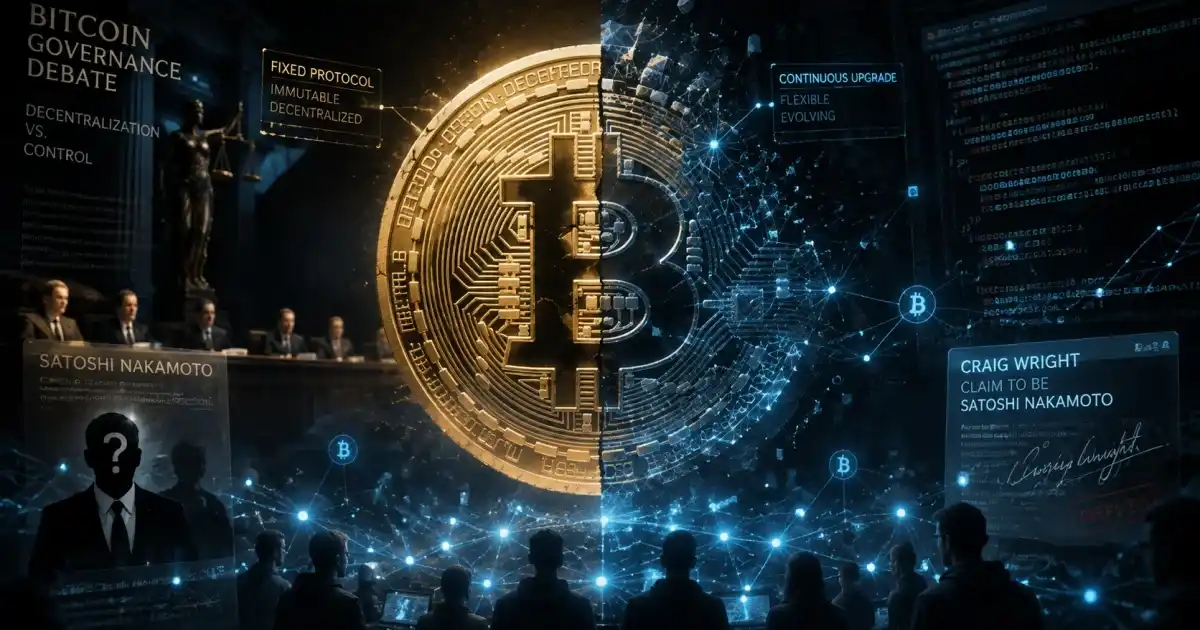
比特币治理再次成为焦点,核心问题是:一套运行十多年的去中心化规则,谁有权改变?Craig Wright近期主张协议应永久固定,认为比特币的核心价值在于其公开、透明、不可随意改变的货币规则,而非交易速度或功能扩展。这重新引发了社区关于治理模式的讨论。 支持固定协议者强调,规则的确定性是比特币区别于传统金融体系、建立信任的基石。若协议可被频繁修改,恐将削弱其核心价值。另一方面,反对者认为,面对安全威胁、效率问题和用户需求的变化,系统必须具备升级能力。真正的争议并非“改或不改”,而在于改变的权力归属与过程是否符合去中心化原则。 文章回顾了比特币并非一成不变,如隔离见证(SegWit)和Taproot等重要升级均通过社区共识完成。然而,治理过程也暴露矛盾,例如2017年的区块扩容之争最终导致了分叉。争论的实质是“规则优先”与“适应现实”两种价值理念的冲突。 同时,开发者角色的影响力也成为隐忧。尽管比特币没有中心管理机构,但核心开发者在维护代码和推动讨论中具有重要话语权。然而,任何重大升级最终仍需依赖矿工、节点运营商及广大用户的社会共识,这是一种独特的协调机制。 对于市场参与者而言,治理争论直接影响比特币的长期价值:协议稳定性关乎市场信任,而技术升级能力则决定其网络竞争力。比特币未来的挑战在于,如何在保持核心规则稳定与适应现实需求之间取得平衡。 Craig Wright的个人争议虽影响其可信度,但其提出的治理问题具有讨论价值。比特币最大的创新或许不仅在于技术,更在于这种无中心权威的全球治理实验。其未来发展很可能是在核心稳定的基础上,通过社区共识进行有限且谨慎的升级。这场关于稳定与进化的争论,仍将持续。

marsbit41 分鐘前

比特币该不该“一成不变”?Craig Wright再掀治理路线之争

marsbit41 分鐘前

讨论:韩国工人害怕失业,马斯克却在预想“没有工作”的社会?

本文探讨了韩国现代汽车工人因担忧AI与机器人技术威胁就业而发起罢工,与埃隆·马斯克所描绘的AI和机器人将创造“极度丰裕”、使工作成为可选项的未来图景,两者之间形成的鲜明对比与深刻分歧。 文章指出,工人的焦虑源于技术替代的长期可能性被舆论提前兑现,尽管当前人形机器人要稳定替代汽车生产线上的熟练工人仍面临巨大技术挑战。这种情绪与历史上的“卢德运动”一脉相承,其核心并非反对技术本身,而是追问技术提升效率后,新增财富如何分配,以及转型成本由谁承担。 马斯克提出的“全民高收入”愿景,其实现前提是技术创造的巨大生产力能被社会广泛分享。然而,从当前依赖劳动获取收入的社会,过渡到那个理想未来,中间可能存在漫长的“阵痛期”,部分群体可能首先承担失业与技能贬值的代价。 文章最后强调,面对机器人产业化趋势,社会不应只是被动等待。正如工业革命伴随产生了劳动保障等一系列社会规则,对于AI与机器人技术,也需要提前建立关于利益分配、就业转型、安全责任等方面的规范与框架。这种对“条条框框”的探讨,并非阻碍技术进步,而是确保其能够健康、包容地融入社会,最终让技术红利惠及更多人。韩国工人的忧虑虽然可能早于技术成熟度,但相关的社会讨论已然刻不容缓。

marsbit51 分鐘前

讨论:韩国工人害怕失业,马斯克却在预想“没有工作”的社会?

marsbit51 分鐘前

交易

現貨
活动图片