Binance Leads Push To Offer Tokenized US Stocks Outside Traditional Markets

bitcoinist發佈於 2026-01-24更新於 2026-01-24

文章摘要

Major cryptocurrency exchanges, led by Binance, are exploring the reintroduction of tokenized US stocks, aiming to merge traditional financial markets with digital assets. Binance and OKX are reportedly evaluating offering crypto tokens that track publicly listed companies, reflecting a broader industry shift. This move is part of Binance's strategy to connect traditional finance with crypto, expanding user choice while adhering to regulatory standards. Other firms like Robinhood, Gemini, and Kraken have already launched similar offerings in Europe, while Robinhood and Coinbase are seeking regulatory approval in the US. Proponents argue that properly structured tokenization can enhance investor protections and market efficiency.

Major cryptocurrency exchanges are reportedly positioning to bring tokenized stock trading onto the blockchain, signaling a renewed push to merge traditional financial markets with digital assets.

According to a report published Friday by The Information, platforms such as Binance are exploring ways to offer crypto tokens that track publicly listed US companies, effectively creating new channels for equity exposure through tokenized instruments.

Binance And OKX Explore Tokenized Stocks

The report says Binance is considering reintroducing stock tokens to its platform, several years after pulling similar products in 2021 amid regulatory uncertainty.

The plan, cited by a person familiar with the matter, reflects a broader shift within the industry as exchanges revisit tokenized equities under evolving market and compliance frameworks.

OKX is also said to be evaluating the possibility of offering tokenized stocks, according to Haider Rafique, the company’s global managing partner and chief marketing officer.

Binance has framed the move as part of its long-term strategy to connect traditional finance with the crypto ecosystem. In a statement to CoinDesk, a Binance spokesperson said the exchange is focused on expanding user choice while maintaining strict regulatory standards.

The company noted that it began supporting tokenized real-world assets (RWAs) last year and recently launched what it described as the first regulated traditional finance perpetual contracts settled in stablecoins.

Exploring tokenized equities, the spokesperson said, is a natural progression as Binance continues to build infrastructure, collaborate with established financial institutions, and develop new products for users and the wider industry.

Binance and OKX are not alone in this effort. Several major crypto firms, including Robinhood (HOOD), Gemini (GEMI), and Kraken, have already rolled out tokenized stock offerings in Europe. Meanwhile, Robinhood and blockchain startup Dinari are seeking regulatory approval to introduce similar products in the United States.

Tokenized Shares Gain Increased Interest

Robinhood took a significant step in June of last year when it launched trading in tokens linked to publicly listed companies and announced plans to expand into tokenized shares of private firms.

As part of the rollout, the company distributed tokens pegged to OpenAI. According to Robinhood’s terms and conditions, those tokens function as derivative contracts backed by the firm’s ownership of fund units in a special-purpose vehicle that holds OpenAI convertible notes.

Coinbase (COIN), on the other hand, is reportedly in discussions with the US Securities and Exchange Commission (SEC) about launching tokenized securities that would grant investors the same legal rights and benefits as conventional shares.

Several issuers involved in the space say they are closely adhering to established rules around securities law, anti-money laundering requirements, bankruptcy protections, and investor safeguards.

Industry leaders argue that, when structured properly, tokenization can strengthen rather than weaken investor protections. Ian De Bode, chief strategy officer at Ondo Finance, said that a careful approach to tokenized securities can enhance safeguards while unlocking efficiencies that traditional markets struggle to achieve.

The daily chart shows BNB’s price consolidating below the key $900 level. Source: BNBUSDT on TradingView.com

Featured image from OpenArt, chart from TradingView.com

熱門幣種推薦

相關問答

QWhat is Binance's reported plan regarding tokenized stock trading, and why is it significant?

ABinance is reportedly considering reintroducing stock tokens to its platform, which are crypto tokens that track publicly listed US companies. This is significant as it represents a renewed push to merge traditional financial markets with digital assets, creating new channels for equity exposure outside of traditional markets.

QWhich other major cryptocurrency exchanges, besides Binance, are exploring the offering of tokenized stocks?

ABesides Binance, OKX is also evaluating the possibility of offering tokenized stocks. Other major firms like Robinhood, Gemini, and Kraken have already rolled out such offerings in Europe.

QHow does Binance justify its exploration of tokenized equities as part of its long-term strategy?

ABinance frames this move as a natural progression in its strategy to connect traditional finance with the crypto ecosystem. The exchange stated it is focused on expanding user choice while maintaining strict regulatory standards, building infrastructure, collaborating with financial institutions, and developing new products.

QWhat specific example of a tokenized offering did Robinhood launch, and how does it function?

ARobinhood launched tokens pegged to OpenAI. According to its terms, these tokens function as derivative contracts backed by the firm's ownership of fund units in a special-purpose vehicle that holds OpenAI convertible notes.

QHow are issuers of tokenized securities ensuring they comply with existing regulations?

AIssuers say they are closely adhering to established rules around securities law, anti-money laundering requirements, bankruptcy protections, and investor safeguards. Industry leaders argue that a careful approach to tokenization can enhance investor protections while unlocking market efficiencies.

你可能也喜歡

深度:外宾 Genspark

文章《深度:外宾 Genspark》揭示了人工智能创业公司Genspark及其母公司MainFunc在身份叙事与商业运作上的复杂性。 Genspark自称是总部位于加州帕洛阿尔托、由微软等前员工创立的“硅谷公司”,并积极利用与OpenAI、Anthropic、微软等巨头的合作(如API采购、客户案例、高管合影)来强化其“美国AI公司”的品牌形象。然而,其核心创始人景鲲和朱凯华均出身百度,这段重要履历在对外宣传中被系统性地淡化或省略。 文章指出,Genspark在面对不同社群时姿态迥异:积极亮相主流国际商业会议并赞助,但对硅谷华人社区活动和中国同行则显得疏离甚至回避。在技术合作上,它热情宣布接入美国闭源模型(如GPT、Claude),却通过第三方平台间接调用中国的开放权重模型(如Kimi、DeepSeek),避免与中国模型公司产生直接的品牌关联。其重要投资方之一、来自新加坡的蓝驰创投也被在对外叙事中“隐身”。 商业层面,Genspark被描述为“AI界的Costco”,其核心模式并非技术创新,而是快速复制市场已验证的热门AI产品形态(如Perplexity的搜索、Manus的通用Agent、Plaud的硬件等),将其整合进统一的订阅套餐,再通过大规模、高调的广告投放(如超级碗、纽约地铁)和联盟营销驱动增长。尽管网站流量存在波动,但其宣称的年化收入快速攀升至2.5亿美元。有分析认为,其收入可能部分来自无法直接获取美国前沿模型服务的中国客户,通过Genspark进行“中转”。 文章最终揭示,Genspark的成功依赖于一套精密的双重策略:在台前构筑纯正的硅谷身份,充分利用美国科技生态的品牌和资源;在幕后,则可能依赖一个未公开的、位于中国的研发团队作为其“产品工厂”,并隐秘地整合来自中国的资本、技术供应链与潜在客户。它试图让世界相信其只是一家美国公司,而其真正的竞争力恰恰来自这种游走于中美两个世界之间、却选择性呈现的商业与叙事系统。

marsbit39 分鐘前

深度:外宾 Genspark

marsbit39 分鐘前

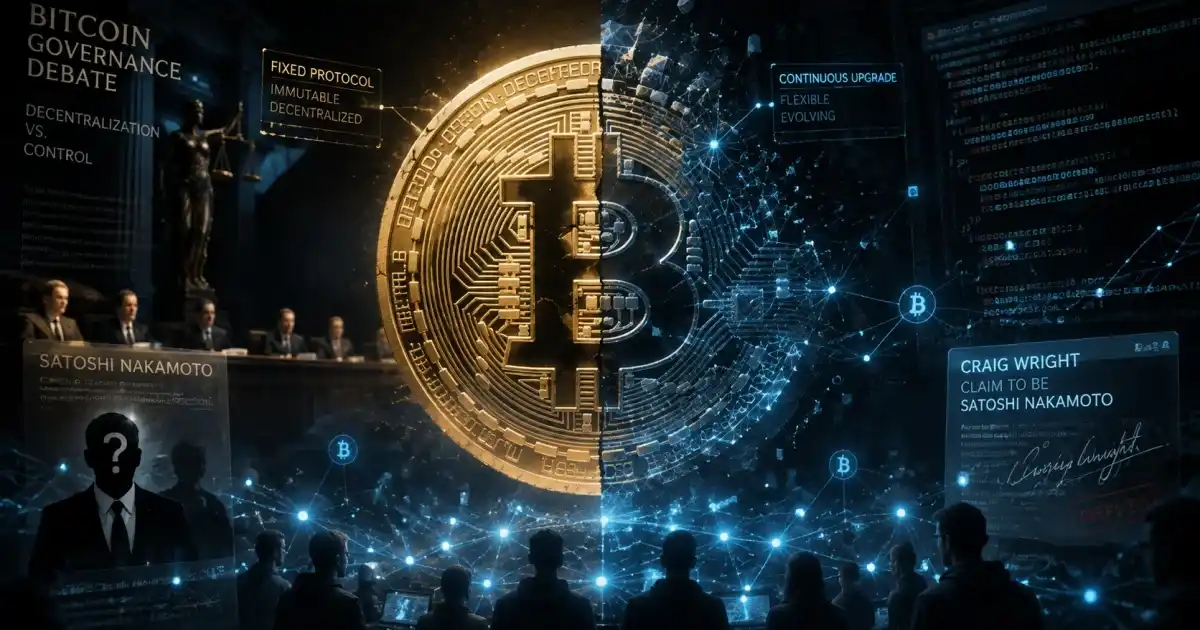
比特币该不该“一成不变”?Craig Wright再掀治理路线之争

比特币治理再次成为焦点,核心问题是:一套运行十多年的去中心化规则,谁有权改变?Craig Wright近期主张协议应永久固定,认为比特币的核心价值在于其公开、透明、不可随意改变的货币规则,而非交易速度或功能扩展。这重新引发了社区关于治理模式的讨论。 支持固定协议者强调,规则的确定性是比特币区别于传统金融体系、建立信任的基石。若协议可被频繁修改,恐将削弱其核心价值。另一方面,反对者认为,面对安全威胁、效率问题和用户需求的变化,系统必须具备升级能力。真正的争议并非“改或不改”,而在于改变的权力归属与过程是否符合去中心化原则。 文章回顾了比特币并非一成不变,如隔离见证(SegWit)和Taproot等重要升级均通过社区共识完成。然而,治理过程也暴露矛盾,例如2017年的区块扩容之争最终导致了分叉。争论的实质是“规则优先”与“适应现实”两种价值理念的冲突。 同时,开发者角色的影响力也成为隐忧。尽管比特币没有中心管理机构,但核心开发者在维护代码和推动讨论中具有重要话语权。然而,任何重大升级最终仍需依赖矿工、节点运营商及广大用户的社会共识,这是一种独特的协调机制。 对于市场参与者而言,治理争论直接影响比特币的长期价值:协议稳定性关乎市场信任,而技术升级能力则决定其网络竞争力。比特币未来的挑战在于,如何在保持核心规则稳定与适应现实需求之间取得平衡。 Craig Wright的个人争议虽影响其可信度,但其提出的治理问题具有讨论价值。比特币最大的创新或许不仅在于技术,更在于这种无中心权威的全球治理实验。其未来发展很可能是在核心稳定的基础上,通过社区共识进行有限且谨慎的升级。这场关于稳定与进化的争论,仍将持续。

marsbit41 分鐘前

比特币该不该“一成不变”?Craig Wright再掀治理路线之争

marsbit41 分鐘前

讨论:韩国工人害怕失业,马斯克却在预想“没有工作”的社会?

本文探讨了韩国现代汽车工人因担忧AI与机器人技术威胁就业而发起罢工,与埃隆·马斯克所描绘的AI和机器人将创造“极度丰裕”、使工作成为可选项的未来图景,两者之间形成的鲜明对比与深刻分歧。 文章指出,工人的焦虑源于技术替代的长期可能性被舆论提前兑现,尽管当前人形机器人要稳定替代汽车生产线上的熟练工人仍面临巨大技术挑战。这种情绪与历史上的“卢德运动”一脉相承,其核心并非反对技术本身,而是追问技术提升效率后,新增财富如何分配,以及转型成本由谁承担。 马斯克提出的“全民高收入”愿景,其实现前提是技术创造的巨大生产力能被社会广泛分享。然而,从当前依赖劳动获取收入的社会,过渡到那个理想未来,中间可能存在漫长的“阵痛期”,部分群体可能首先承担失业与技能贬值的代价。 文章最后强调,面对机器人产业化趋势,社会不应只是被动等待。正如工业革命伴随产生了劳动保障等一系列社会规则,对于AI与机器人技术,也需要提前建立关于利益分配、就业转型、安全责任等方面的规范与框架。这种对“条条框框”的探讨,并非阻碍技术进步,而是确保其能够健康、包容地融入社会,最终让技术红利惠及更多人。韩国工人的忧虑虽然可能早于技术成熟度,但相关的社会讨论已然刻不容缓。

marsbit52 分鐘前

讨论:韩国工人害怕失业,马斯克却在预想“没有工作”的社会?

marsbit52 分鐘前

交易

現貨

熱門文章

如何購買PUSH

歡迎來到HTX.com!在這裡,購買Push Protocol (PUSH)變得簡單而便捷。跟隨我們的逐步指南,放心開始您的加密貨幣之旅。第一步:創建您的HTX帳戶使用您的 Email、手機號碼在HTX註冊一個免費帳戶。體驗無憂的註冊過程並解鎖所有平台功能。立即註冊第二步:前往買幣頁面,選擇您的支付方式信用卡/金融卡購買:使用您的Visa或Mastercard即時購買Push Protocol (PUSH)。餘額購買:使用您HTX帳戶餘額中的資金進行無縫交易。第三方購買:探索諸如Google Pay或Apple Pay等流行支付方式以增加便利性。C2C購買:在HTX平台上直接與其他用戶交易。HTX 場外交易 (OTC) 購買:為大量交易者提供個性化服務和競爭性匯率。第三步:存儲您的Push Protocol (PUSH)購買Push Protocol (PUSH)後,將其存儲在您的HTX帳戶中。您也可以透過區塊鏈轉帳將其發送到其他地址或者用於交易其他加密貨幣。第四步:交易Push Protocol (PUSH)在HTX的現貨市場輕鬆交易Push Protocol (PUSH)。前往您的帳戶,選擇交易對,執行交易,並即時監控。HTX為初學者和經驗豐富的交易者提供了友好的用戶體驗。

1.0k 人學過發佈於 2024.12.13更新於 2026.06.02

如何購買PUSH

相關討論

歡迎來到 HTX 社群。在這裡,您可以了解最新的平台發展動態並獲得專業的市場意見。 以下是用戶對 PUSH (PUSH)幣價的意見。

活动图片