$100 million couldn't keep him!
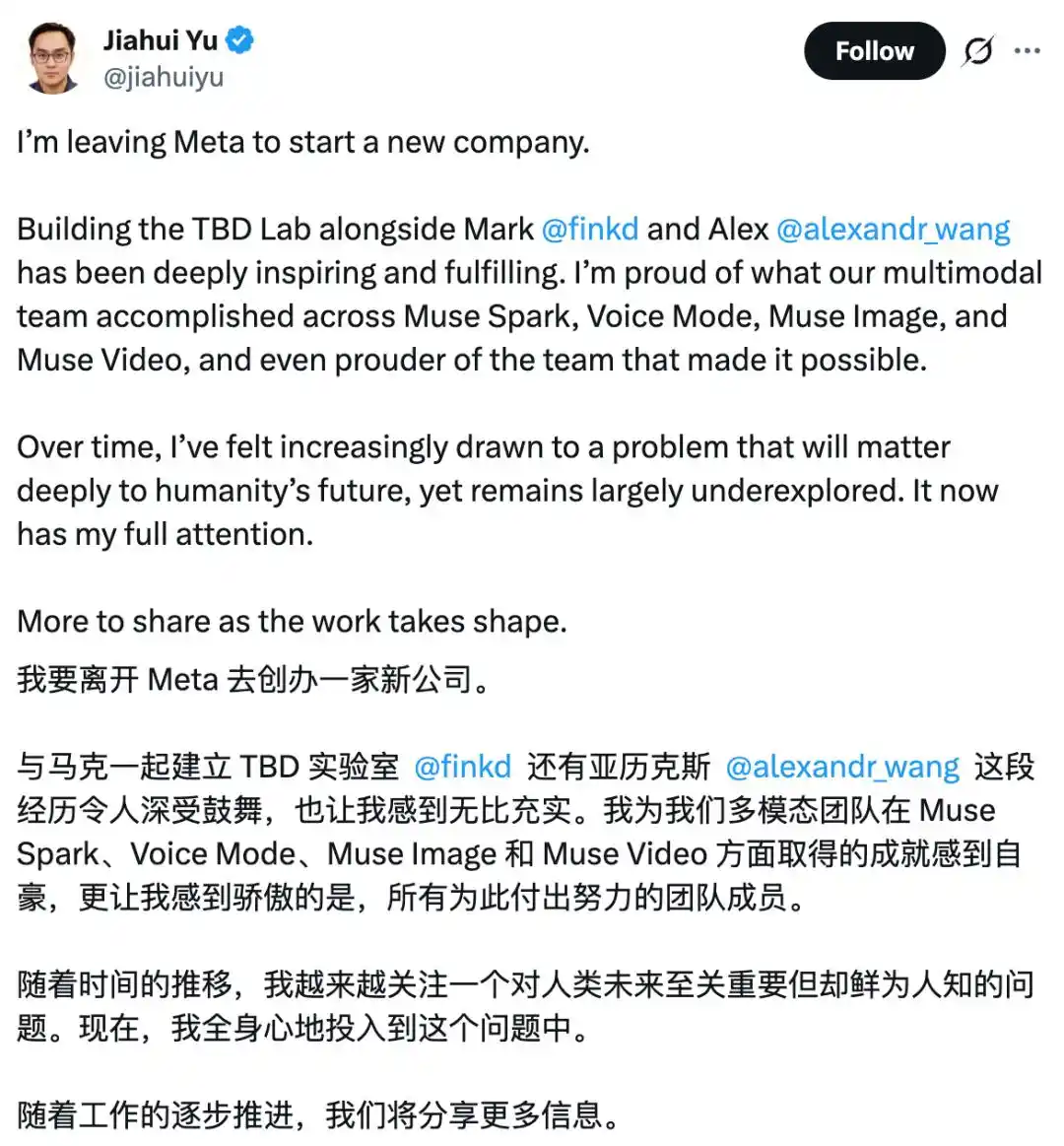
Just now, Yu Jiahui officially announced his departure from Meta to start a business.
From joining at the end of June 2025 to announcing his departure on August 14, 2026, it's exactly one year and a little over one month.
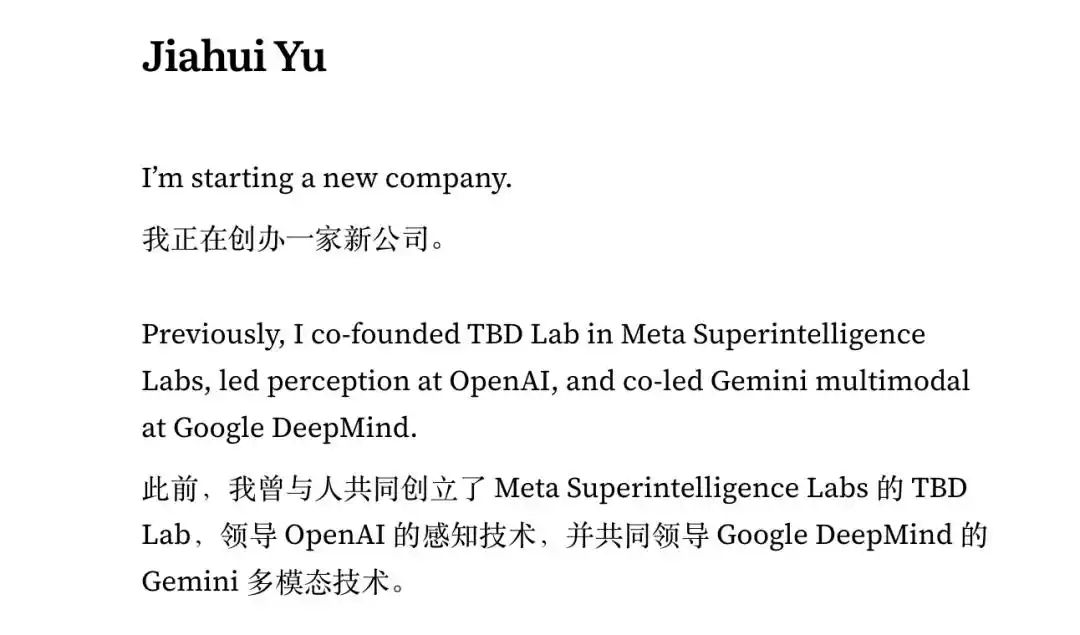
His personal website has also been updated with his resume.
Just a few days before his departure, Meta had just launched Muse Spark 1.2.
Over the past few months, Yu Jiahui's multimodal team had also successively delivered Muse Spark, Voice Mode, Muse Image, and Muse Video.
In his announcement, Yu Jiahui stated that the experience of building TBD Lab together with Zuckerberg and Meta's Chief AI Officer Alexander Wang was "extremely inspiring and fulfilling."
He specifically highlighted several achievements made by the team over the past year and mentioned that he has been increasingly drawn to a question that is "crucial for humanity's future but remains insufficiently explored."
Now, this question will receive his undivided attention.
As for the name of the new company, its specific research focus, and who the partners are, he didn't say a word:
More to share as the work takes shape.
More information will be shared as things gradually take shape.
Just Finished Delivering the Muse Suite, and the Person Is Gone
This past year, Yu Jiahui certainly didn't slack off.
At the end of June 2025, it was exposed that Yu Jiahui, along with researchers like Zhao Shengjia, Bi Shuchao, and Ren Hongyu from OpenAI, had collectively joined Meta's newly formed superintelligence team.
Zuckerberg personally stepped in to recruit him, with rumors of a "$100 million annual salary" setting a new record in the AI talent market.
Within a few days, Zuckerberg officially announced the establishment of the Meta Superintelligence Labs, or MSL.
The lab was led by Alexander Wang. For this, Meta invested $14.3 billion in Scale AI and aggressively poached talent from companies like OpenAI, Google DeepMind, and Apple.
TBD Lab was one of the core model research teams under MSL, responsible for developing Meta's next-generation frontier models. Yu Jiahui was a founding member and the head of the multimodal direction.
In April this year, this team delivered its first major report card: Muse Spark.
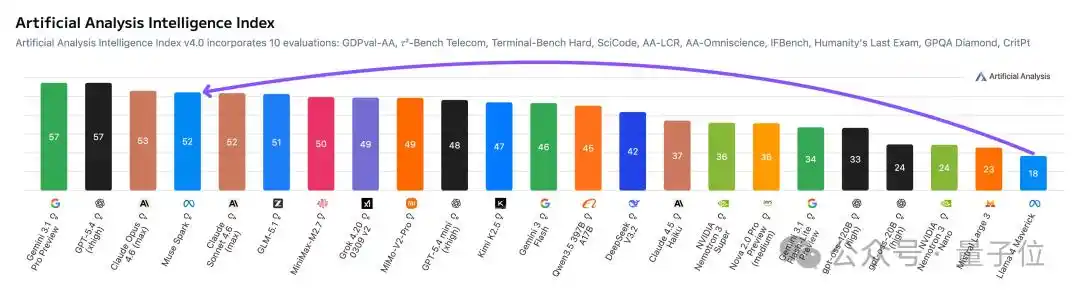
This was the first foundation model released after MSL's establishment, also marking the official shift of Meta's frontier models from the Llama series to the Muse series.
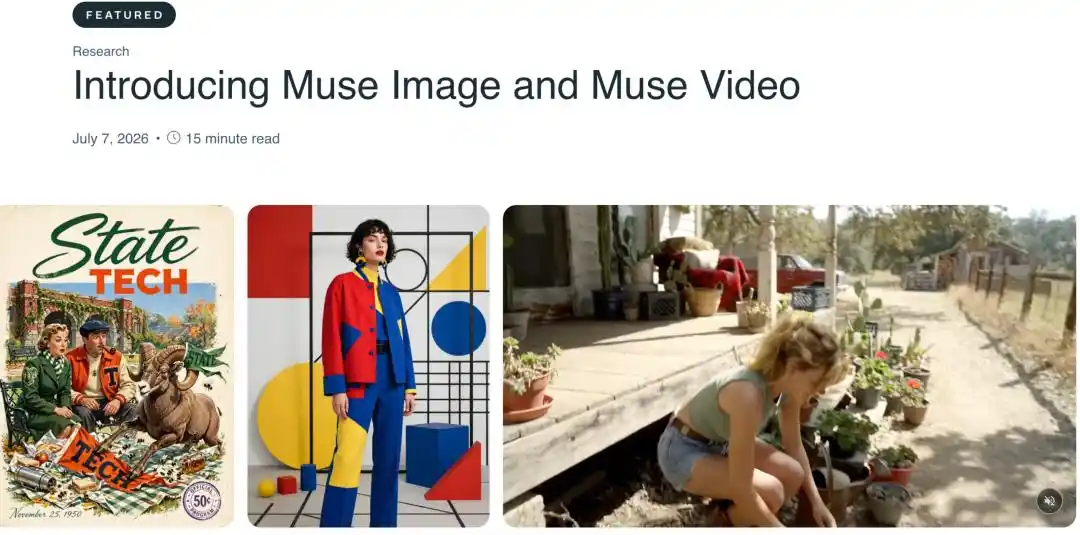
Subsequently, Yu Jiahui's team continued to release Voice Mode, Muse Image, and Muse Video, covering speech, image, and video generation.
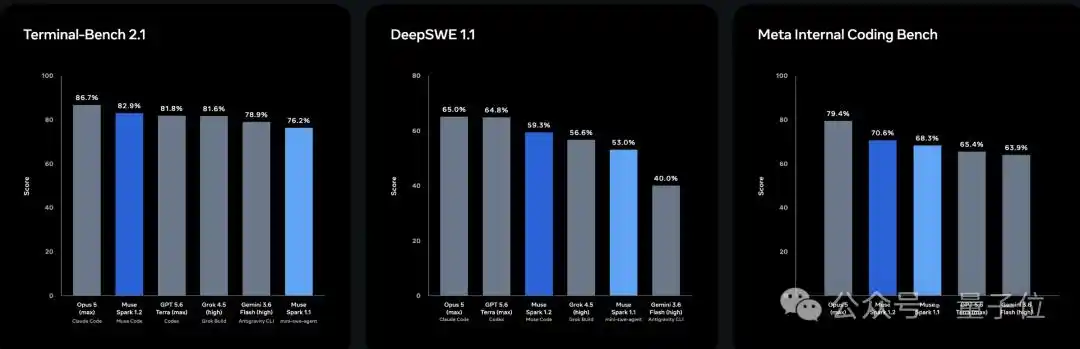
The recent update, Muse Spark 1.2, further pushed the focus towards programming, long-horizon Agent tasks, and multimodal capabilities.
During his year at Meta, Yu Jiahui essentially built a team from scratch, re-architected the technology stack, and served up the Muse suite dish by dish.
Meta researcher Zhiqing Sun revealed that Yu Jiahui was also one of the people who recruited him into Meta.
He recalled having a meal with Yu Jiahui at a Daeho restaurant in San Francisco, where Yu persuaded him to join TBD Lab. Later, they worked together on multimodal capabilities and Computer Use.
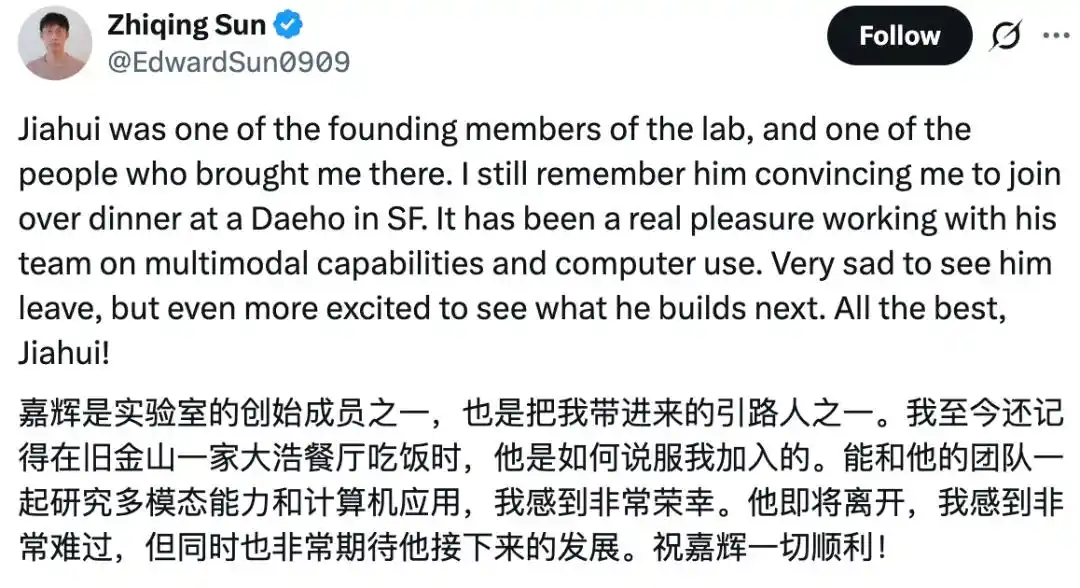
A year later, it was the turn of someone Yu Jiahui himself recruited to see him off.
Oh Zuck, oh Zuck... was this $100 million annual salary ultimately all for naught?
Rumored $100 Million: Why Did Zuck Specifically Fight for Him?
Exactly how much money Yu Jiahui received still lacks an authoritative answer.
But in last year's Silicon Valley talent war, he was undoubtedly one of the most talked-about names.
At that time, Altman had publicly stated that Meta offered some OpenAI employees $100 million in signing bonuses and even higher annual compensation.
Subsequently, WIRED reported that Meta's offers to a few top AI talents could reach up to $300 million over four years, with total first-year compensation potentially exceeding $100 million.
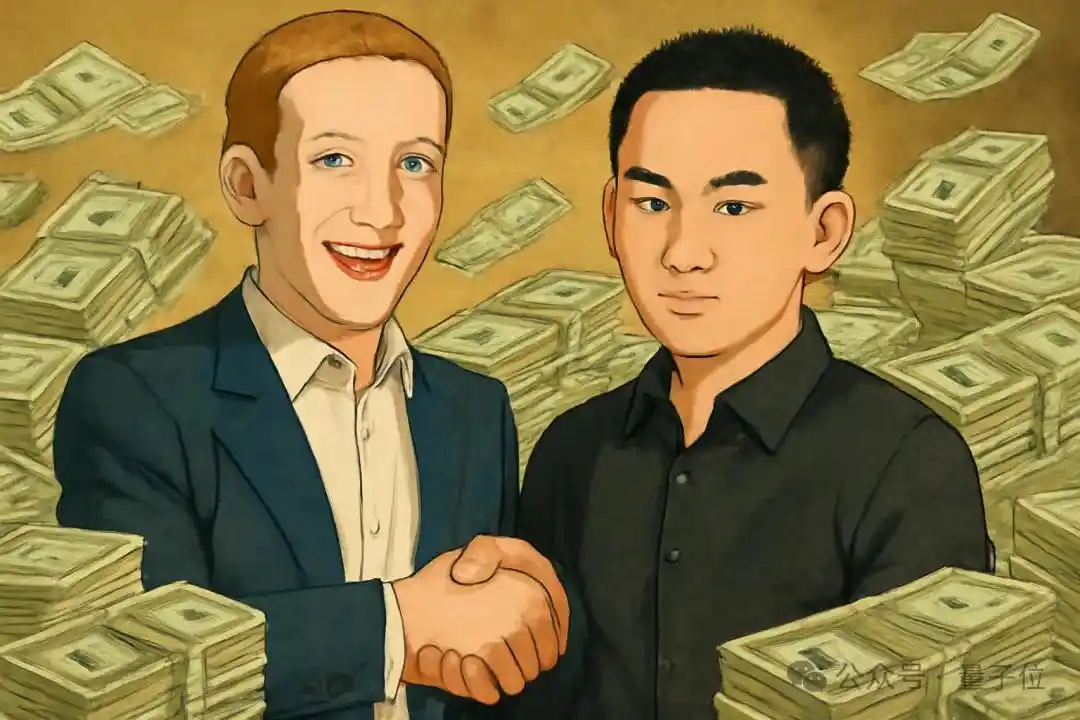
However, Meta CTO Andrew Bosworth later clarified that the widely circulated $100 million figure was not for everyone, nor was it a signing bonus paid upon joining. It likely referred to a total compensation package including stock, bonuses, tenure, and performance conditions.
So, whether Yu Jiahui personally received the "$100 million annual salary" remains unknown to us.
(Shrugs)
Even so, Yu Jiahui was still placed within the story of the "hundred-million-dollar man."
His resume also seems to have hit nearly every hot keyword in the large model field over the past few years.
Yu Jiahui completed his undergraduate studies at the School of the Gifted Young, University of Science and Technology of China, before pursuing his Ph.D. at UIUC under the supervision of computer vision scholar Thomas S. Huang.
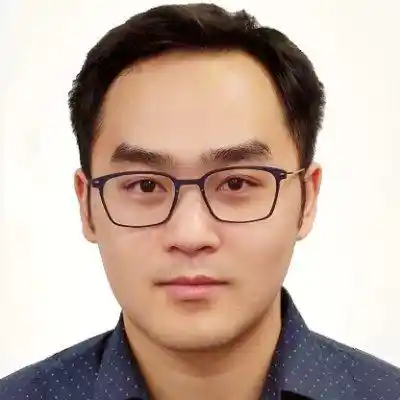
During his Ph.D., he contributed to the development of DeepFill. Simply put, it allowed AI to erase unwanted objects from photos and automatically fill in the background.
Later, after joining Google Brain, he progressed from computer vision to multimodal large models, participating in and co-leading the Gemini multimodal direction.
After moving to OpenAI at the end of 2023, he led the Perception team, contributing to GPT-4o, GPT-4.1, and a series of o-series models.
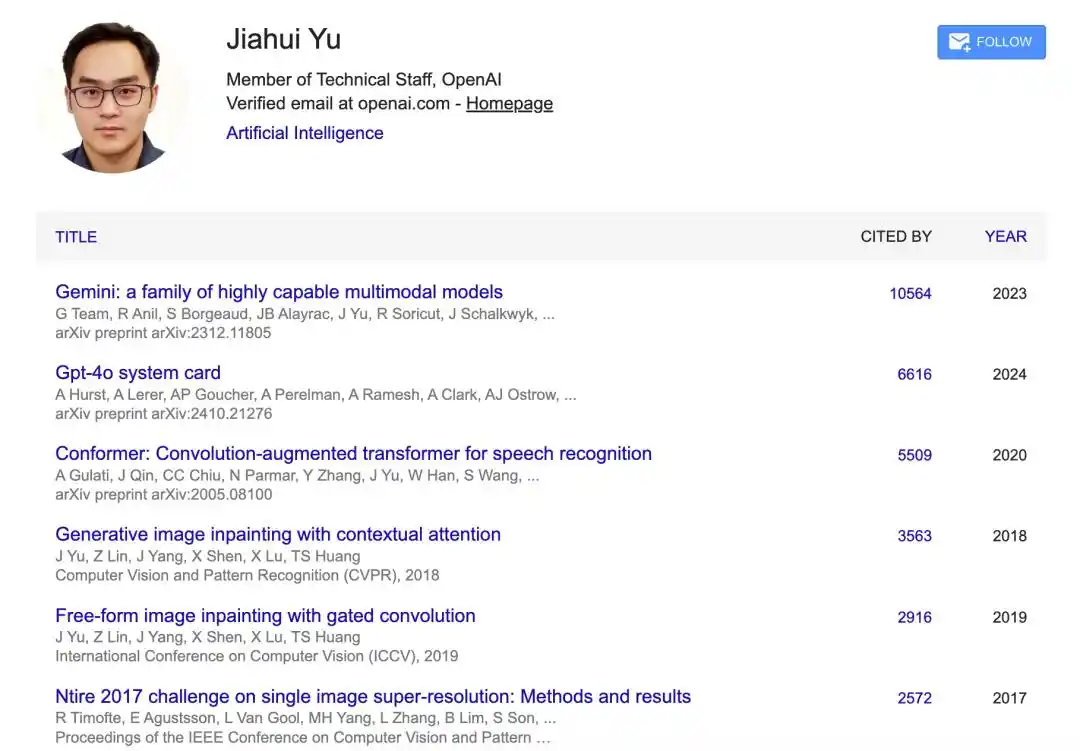
Meta was precisely in need of someone like him at that time.
With Llama 4's performance falling short of expectations, Meta urgently needed a team to rebuild its frontier model capabilities.
Compared to researchers who only made breakthroughs in a single paper, Yu Jiahui had experience in low-level vision research, had participated in large model development at both Google and OpenAI, and possessed the experience of pushing multimodal capabilities into real products.
A year ago, people might have debated:
Was Yu Jiahui really worth the rumored nine-figure compensation package?
But now, the question has become:
What exactly does someone, whom even this level of compensation, computing power, and product opportunities cannot retain, want to do by leaving?
Indeed, for researchers who have reached Yu Jiahui's level, the conditions offered by big tech companies may be nearing the ceiling for employment.
Moving further up, the remaining path seems to be becoming a founder themselves~
Meta, Just How Many People Have You Lost?!
With Yu Jiahui's departure, netizens casually started checking Meta's household register.
One look, and the numbers were startling:
929.
The research paper platform alphaXiv pulled out a list of departed Meta researchers, claiming that before Yu Jiahui, over 200 well-known researchers had already left Meta.
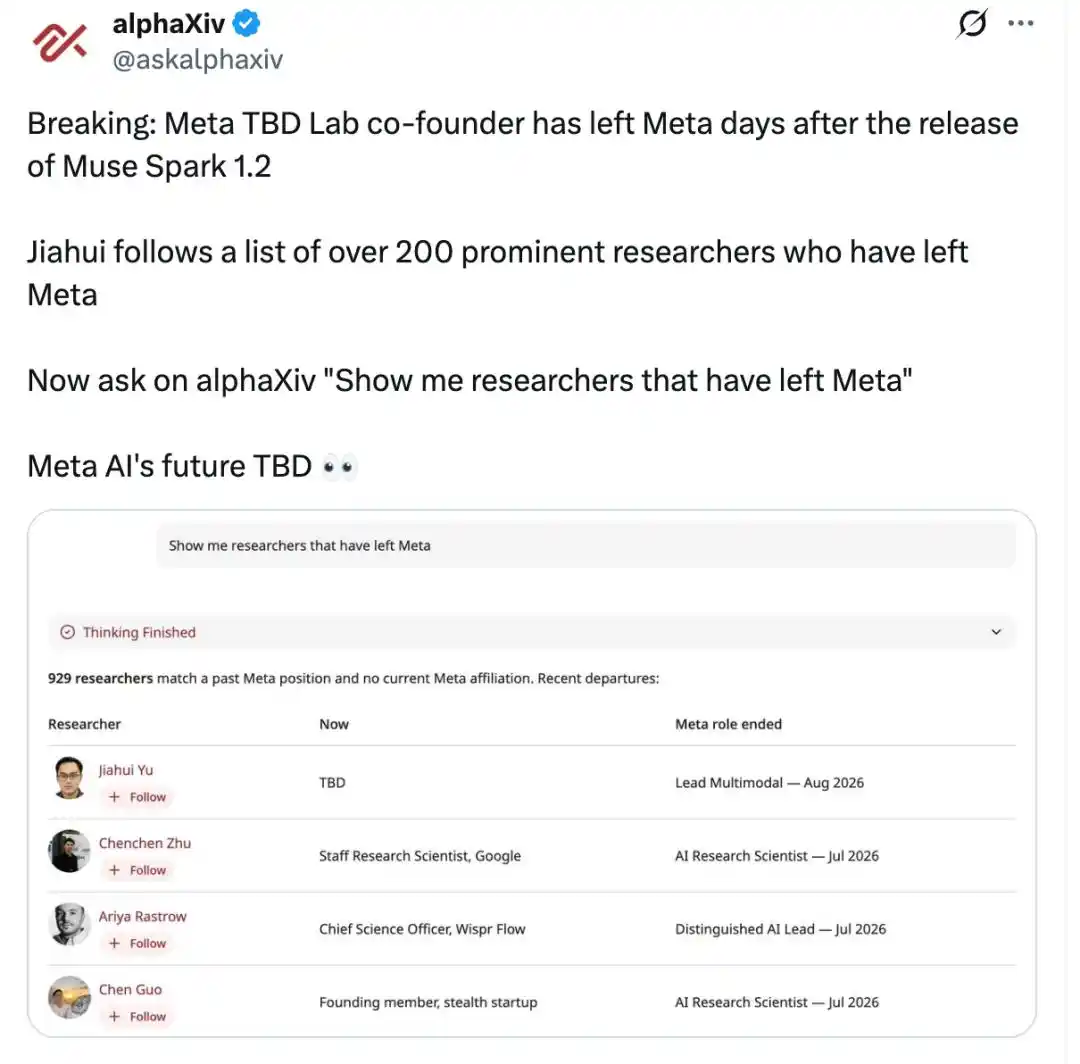
Its search page shows that a total of 929 researchers meet the criteria of "previously worked at Meta, currently not at Meta."
At the top of the list is Yu Jiahui.
Following closely are researchers who recently joined Google, became chief scientists at startups, or joined stealth startup projects.
alphaXiv didn't miss the chance to use the ready-made TBD pun, directly stating:
The future of Meta AI is also TBD (To Be Determined).
Whoa, at first glance, this Meta lab looks more like an AI talent transit hub...
Last year, when Meta was waving checks to poach talent, Altman stated:
The missionaries will ultimately defeat the mercenaries.
Now, even Yu Jiahui, whom Meta poached with heavy money, has left.
Is Zuck's talent acquisition strategy, which was mocked as employing "mercenaries," ultimately successful?
The answer is similarly TBD.
Reference Links:
[1]https://x.com/jiahuiyu/status/2087936732939616299?s=20
[2]https://x.com/askalphaxiv/status/2087973800952623416?s=20
This article is from the WeChat public account "QbitAI," author: Ting Yu