Coinbase Institutional | 2026 Crypto Market Outlook: Deep Financial Integration, Innovating with Cautious Optimism

深潮发布于2025-12-22更新于2025-12-22

文章摘要

Coinbase Institutional's 2026 Crypto Market Outlook presents a cautiously optimistic view, drawing parallels to 1996’s steady growth rather than 1999’s exuberance. Key themes include clearer global regulation, deeper institutional adoption focusing on specialized digital asset management (DAT 2.0), and a shift toward sustainable, revenue-linked tokenomics. Technological advances like ZKPs and FHE will enhance privacy needs, while AI integration and application-specific chains drive innovation. Tokenization, particularly of equities, offers composability and higher capital efficiency. Emerging trends include crypto-native equity perpetuals, prediction markets, and stablecoin growth—potentially reaching $1.2T by 2028—fueled by cross-border payments and settlements. The industry is integrating deeply into mainstream finance, requiring excellence in execution, compliance, and user-centric design to broaden global access.

Author:Coinbase Institutional

Compiled by: Deep Tide TechFlow

Our annual crypto market outlook delves into the various factors that will shape the crypto economy over the coming year. From detailed perspectives on BTC (Bitcoin), ETH (Ethereum), and SOL (Solana), to comprehensive analyses of regulatory dynamics, market structure, and the latest developments in tokenization, we cover all critical areas. Additionally, we provide in-depth insights into the impact of Bitcoin's four-year cycle, the potential risks posed by quantum computing, and the profound implications of major platform upgrades such as Ethereum's Fusaka hard fork and Solana's Alpenglow.

Welcome to click the link to download the full report
Highlights include:

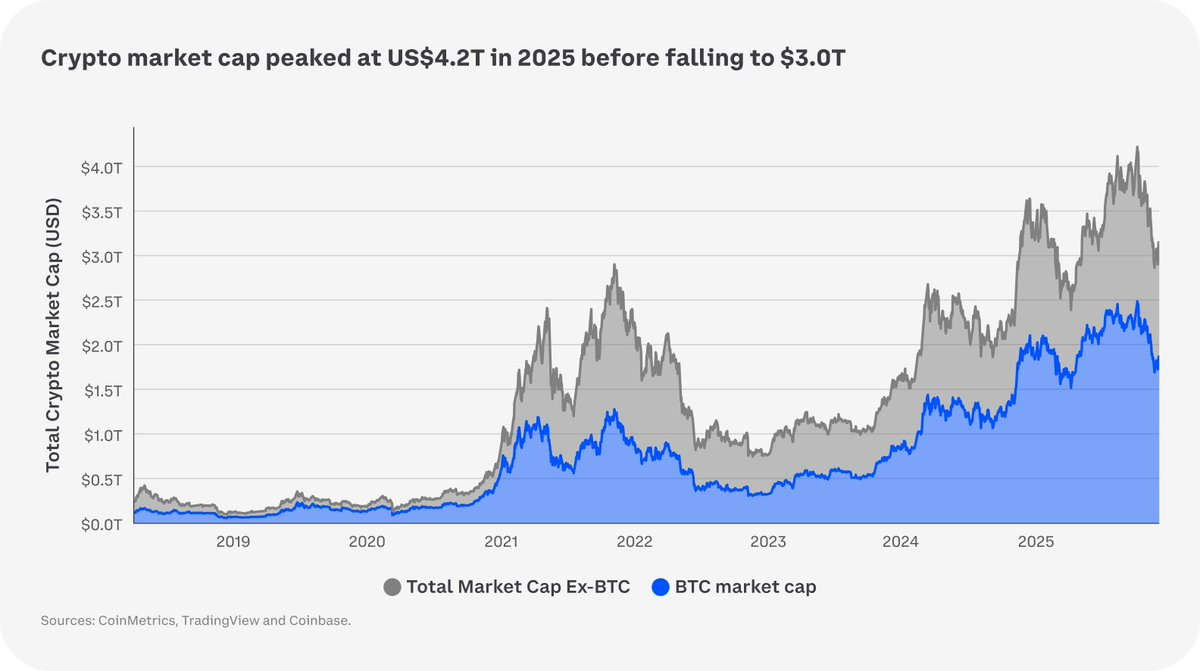
  • Cautious Optimism: We maintain a cautiously optimistic view on the resilience of the U.S. economy, believing that rising labor productivity can provide a buffer amid slowing overall economic data. Therefore, we view the crypto market in the first half of 2026 (1H26) as more akin to "1996" rather than "1999," although uncertainty remains high.
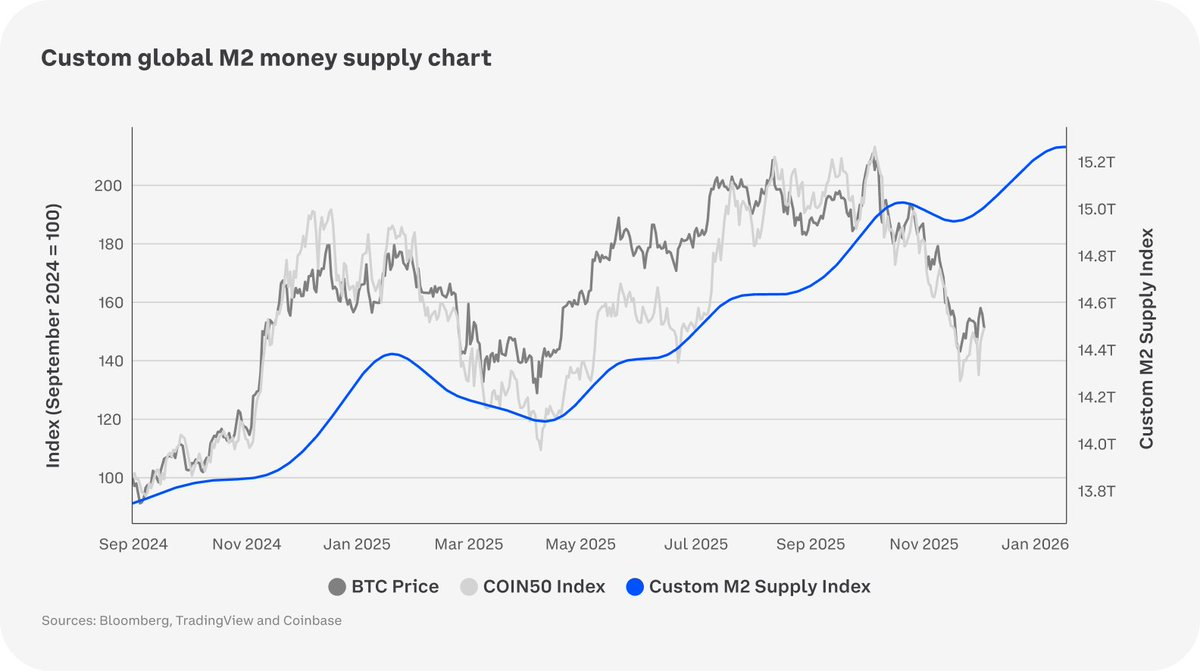
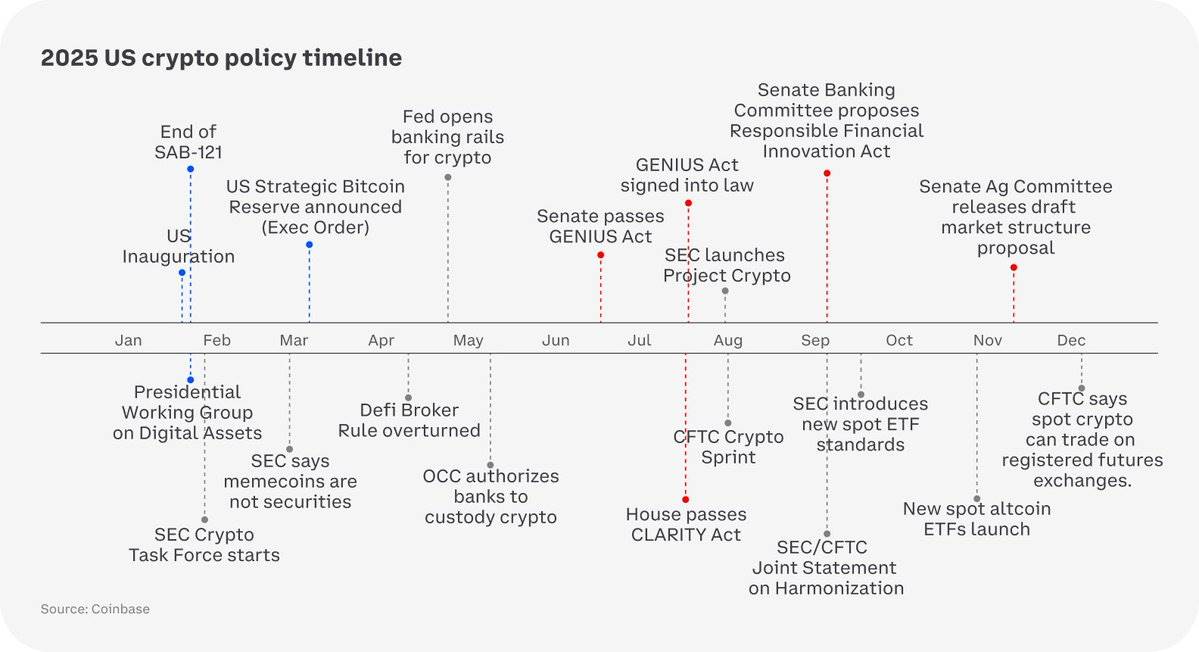
  • Regulatory Progress: We anticipate that clearer global regulatory frameworks in 2026 will change how institutions approach strategy, risk, and compliance.
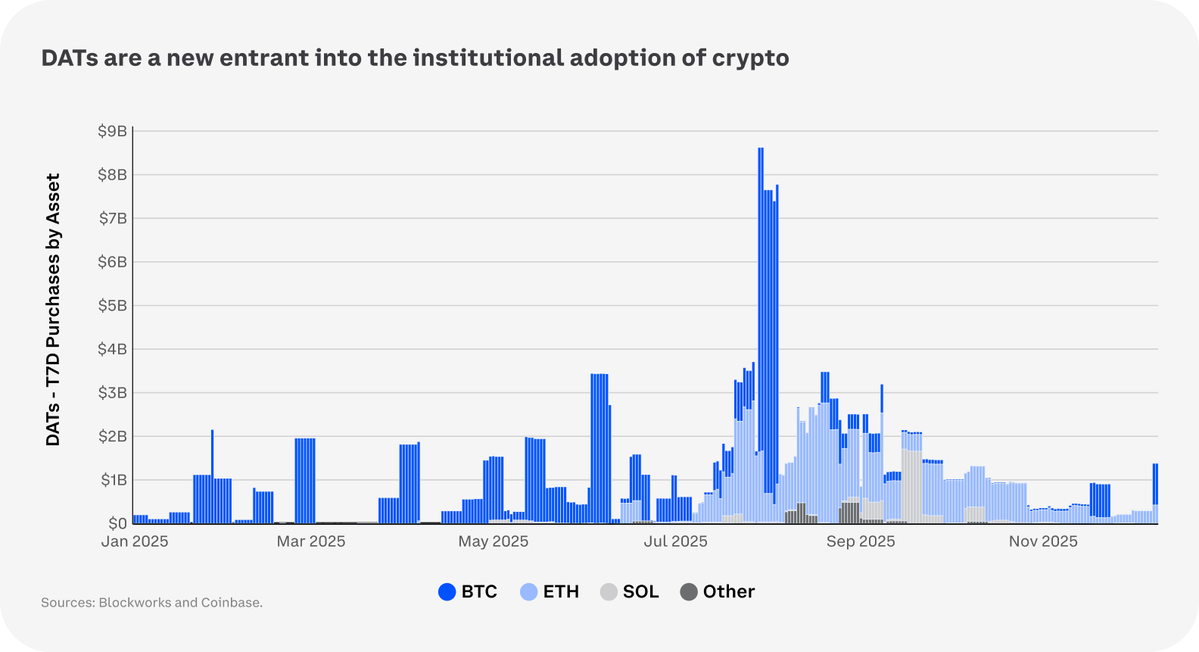
  • Institutional Adoption: We predict the emergence of a "DAT 2.0" model in 2026, which will move beyond simple asset accumulation to focus on the professional trading, storage, and procurement of sovereign block space, treating it as a critical resource for the digital economy.
  • Tokenomics 2.0: As protocols increasingly shift towards value capture, we observe an emerging transition from a purely narrative-driven, high-volatility model to a more sustainable one linked to revenue.

Technological Transformation

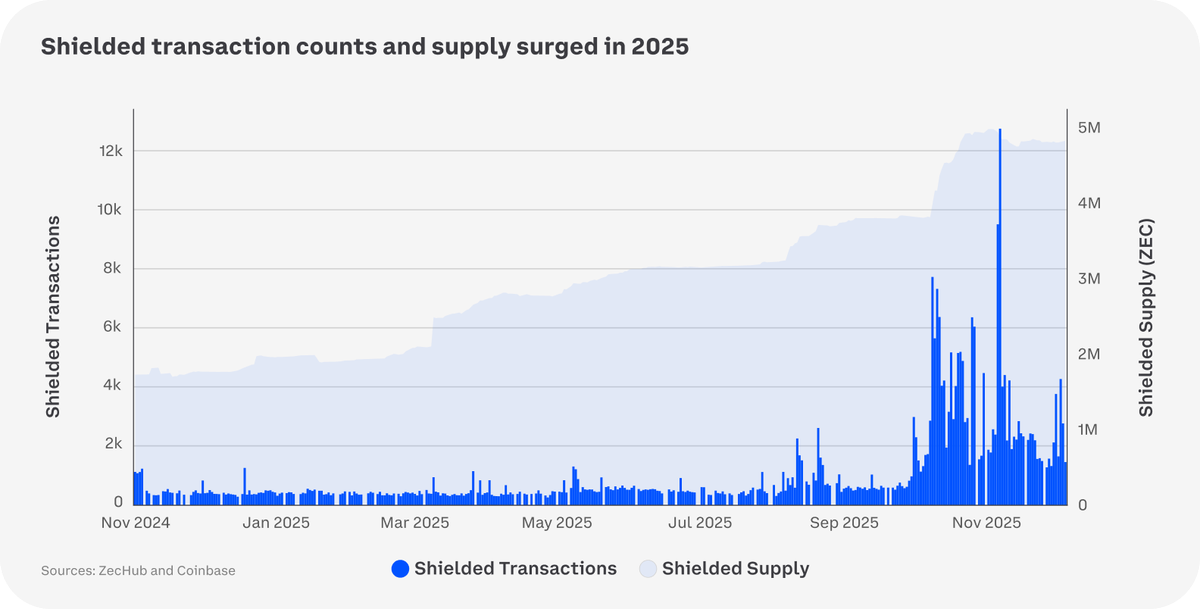
Privacy Demand: With increasing institutional adoption, we expect continued development in technologies like Zero-Knowledge Proofs (ZKPs) and Fully Homomorphic Encryption (FHE), alongside significant growth in the use of on-chain privacy tools.
AI × Crypto: Autonomous trading agent systems require open and programmable payment methods. Protocols like x402 can enable high-frequency microtransaction settlements and support intelligent agents that initiate, govern, and secure on-chain services.

Application-Specific Chains: Although the proliferation of dedicated blockchain networks is reshaping the competitive landscape of crypto infrastructure, we believe the ultimate direction will be a networked architecture with native interoperability and shared security, rather than an endless network of isolated systems.

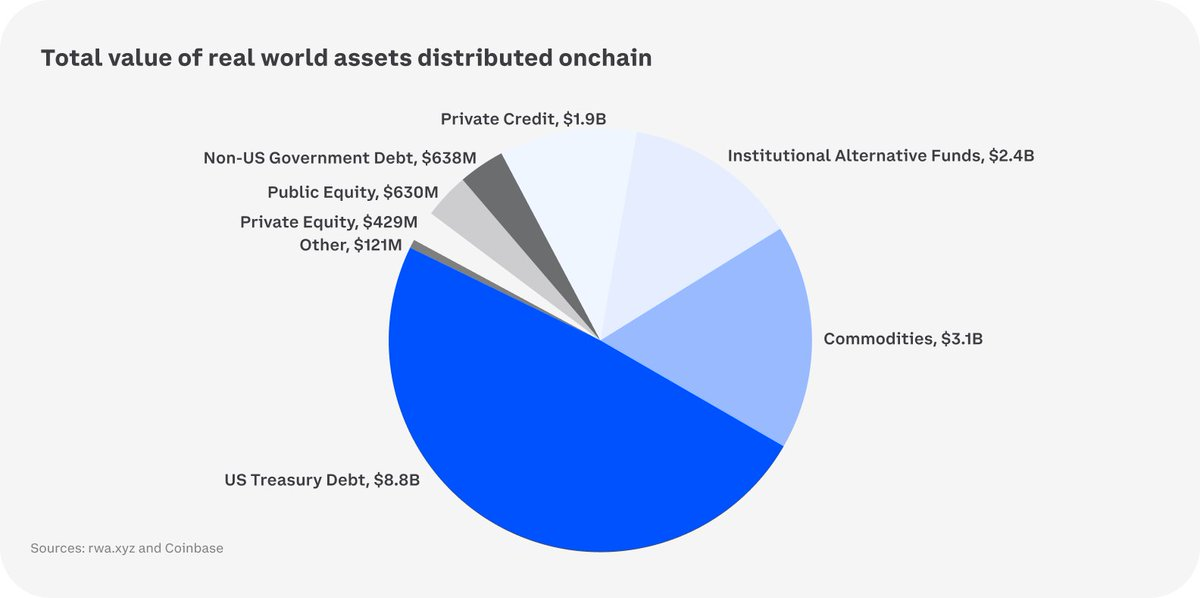
Tokenization: The advantages of atomic composability make the rapid growth prospects of tokenized stocks highly attractive. In many cases, the loan-to-value (LTV) ratios in this DeFi-style model are significantly higher than those in traditional margin frameworks.
The Next Big Trends

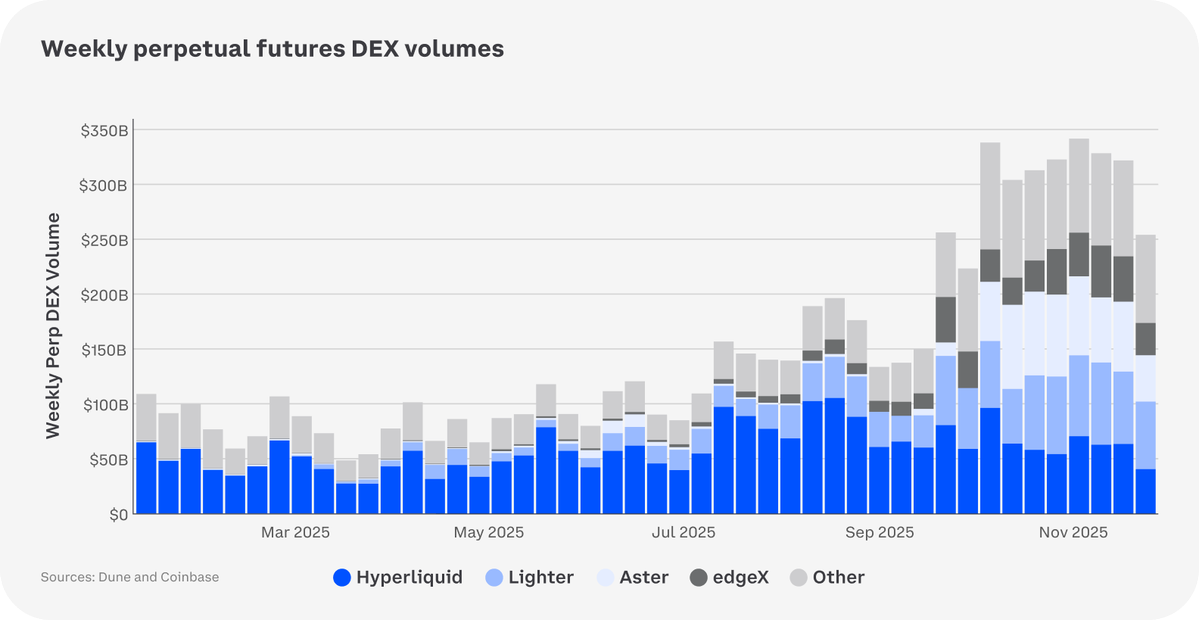
Composability of Crypto Derivatives: As the trend of global retail investors participating in U.S. stock markets continues to rise, we believe equity perpetual contracts (equity perps) could become the preferred choice for a new generation of retail traders, combining the convenience of 24/7 trading with capital efficiency.
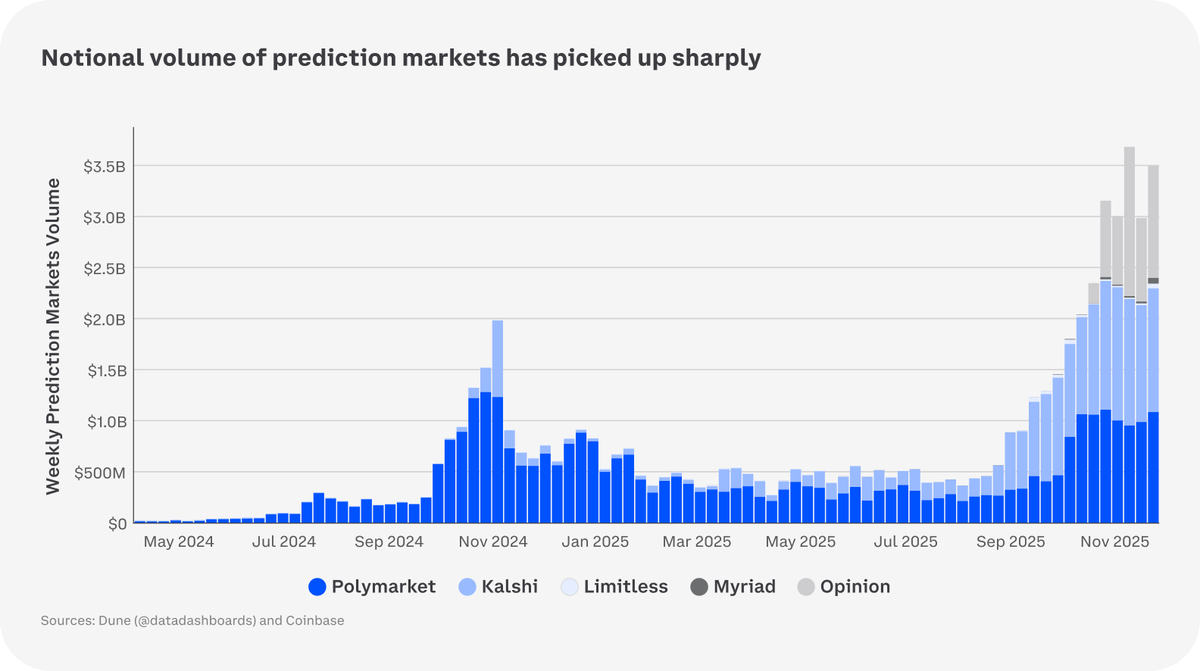
Prediction Markets: Trading volume in prediction markets is expected to grow further in 2026, potentially driven by changes in U.S. tax policy, which may attract more users to these derivatives-linked markets. We believe prediction market aggregators could become the dominant interface layer.
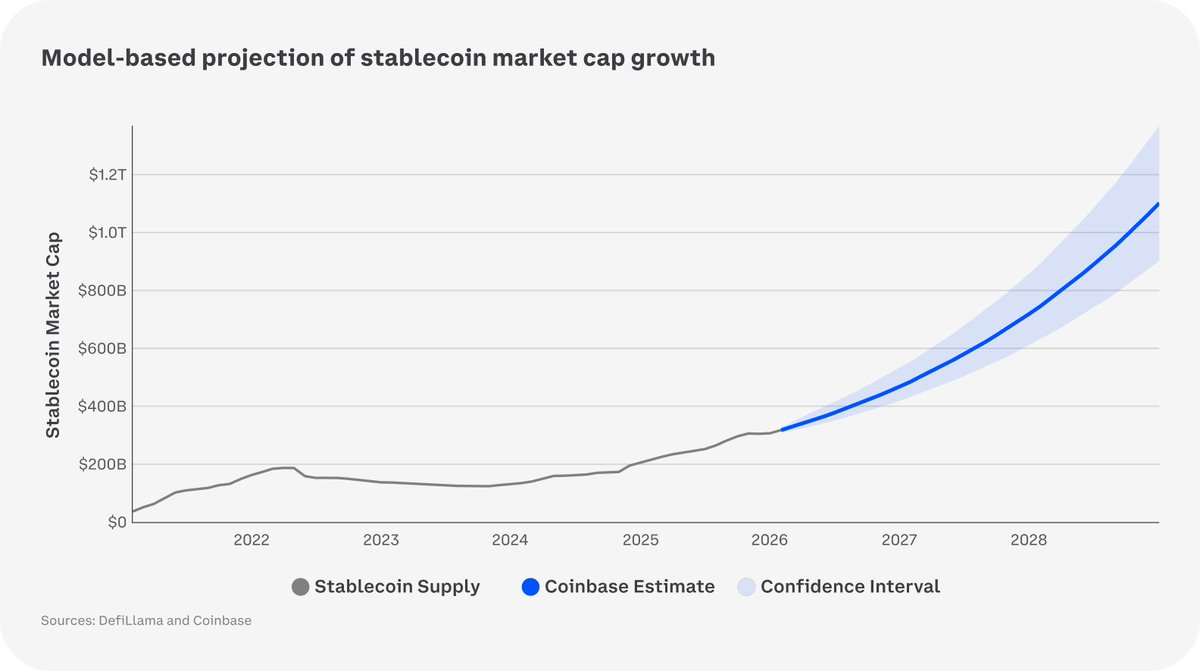
Stablecoins & Payments: Our stochastic models project that the total market capitalization of stablecoins could reach a target range of $1.2 trillion by the end of 2028. Growth is expected in emerging use cases such as cross-border transaction settlements, remittances, and payroll platforms.
We believe the crypto industry is at a critical juncture of deep integration with the core of finance. Seizing this opportunity requires excellence in execution across product quality, compliance, and user-centric design. By focusing on these areas, we can ensure that the next wave of innovation benefits everyone, everywhere, with seamless convenience.


相关问答

QWhat is the overall market outlook for crypto in 2026 according to Coinbase Institutional?

ACoinbase Institutional holds a 'cautiously optimistic' outlook for the crypto market in 2026. They believe the resilience of the U.S. economy and rising labor productivity will provide a buffer even as broader economic data softens. They liken the first half of 2026 (1H26) more to '1996' than '1999,' indicating expectations of steady growth rather than an irrational bubble, though uncertainty remains high.

QWhat key technological developments are expected to grow with increased crypto adoption?

AWith increased institutional adoption, technologies like Zero-Knowledge Proofs (ZKPs) and Fully Homomorphic Encryption (FHE) are expected to see continued development. There will also be significant growth in the use of on-chain privacy tools to meet the demand for confidentiality.

QWhat is 'DAT 2.0' and how will it change institutional involvement in 2026?

A'DAT 2.0' refers to a new mode of institutional adoption that moves beyond simple asset accumulation. It focuses on the professional trading, storage, and procurement of sovereign block space, treating it as a critical resource for the digital economy.

QHow does the report view the future of tokenization, particularly for assets like stocks?

AThe report states that the advantages of atomic composability make the rapid growth prospects for tokenized stocks highly attractive. In many cases, the loan-to-value (LTV) ratios for DeFi-style lending in this model are significantly higher than those in traditional margin frameworks.

QWhat is the projected growth for the stablecoin market according to the report's model?

AThe report's stochastic model projects that the total market capitalization of stablecoins could reach a target range of $1.2 trillion by the end of 2028. Growth is expected in emerging use cases like cross-border transaction settlements, remittances, and payroll platforms.

你可能也喜欢

SpaceX交易权限现已开放:WEEX上线SPCXON交易对

2026年6月,SpaceX完成了史上最大规模的IPO,但大量投资者因券商限制、开户障碍和地域壁垒而无法参与。加密货币交易所WEEX推出了解决方案SPCXON/USDT现货交易对。SPCXON是一种基于Ondo代币化股票框架构建的产品,旨在为美国以外的合格交易者提供追踪SpaceX经济收益的途径,以USDT结算,交易便捷,无传统券商门槛。 SpaceX IPO定价为135美元,首日收盘接近161美元,随后一度冲高至225美元,公司估值约1.75万亿美元。看涨理由基于星链收入增长、无可匹敌的发射频率以及星舰里程碑。看跌观点则认为,其估值已达营收的90-110倍,且存在流通股稀少和即将到来的内部持股解锁等风险。 需注意,SPCXON提供的是价格敞口,而非股票所有权,不包含投票权和直接股息。其价格可能相对净资产价值出现溢价或折价,交易者需关注价差。 WEEX平台整合了包括SpaceX、MicroStrategy和Micron在内的多种代币化股权产品,用户可在统一账户内交易加密货币和股权敞口。平台还提供高达400倍杠杆的加密货币期货交易。 WEEX成立于2018年,全球用户超过620万,提供超过1200个现货交易对,并设有1000 BTC保护基金。平台亦提供跟单交易和AI工具等功能。 免责声明:本文内容不构成投资建议。

TheNewsCrypto15小时前

SpaceX交易权限现已开放:WEEX上线SPCXON交易对

TheNewsCrypto15小时前

Gate 研究院:加密金融产品掀起“华尔街化”浪潮,是竞争还是融合?

2009年比特币的创世区块暗含对传统金融体系的批判,其理想是建立去中心化、去中介、去银行的点对点金融系统。然而十七年后,比特币现货ETF获批、贝莱德等巨头发行相关产品、CME推出受监管衍生品、RWA(真实世界资产)和代币化国债市场快速增长等现象,显示传统金融正系统性地介入加密资产的发行、定价、托管和分销环节,引发了加密市场是否“华尔街化”的讨论。 文章认为,这并非单方面的吞并,而是加密体系与传统金融的双向融合与互补。加密领域提供无许可开放性、24小时交易和可编程结算,但缺乏合规通道、机构级托管和主流分销网络;传统金融则拥有牌照、信任、资金和渠道,但受限于交易时间、跨境门槛和结算效率。双方正朝彼此的核心优势靠拢。 这种融合体现为两条路径:一是以Gate为代表的加密交易所,逐步从提供代币化美股、CFD差价合约,发展到接入真实股票、港股、韩股交易,成为连接加密账户与传统券商基础设施的前端入口;二是以Robinhood为代表的传统券商,通过收购加密交易所、推出股票代币和建设自有Layer 2,将加密资产和链上代币化产品整合进其平台。两者的共同目标是争夺下一代综合金融账户的入口,让用户在一个界面内交易多种资产。 同时,RWA和链上国债作为资产层的融合正在加速。尽管规模尚小,但代币化国债等产品为链上提供了低波动收益资产,并吸引JP摩根、贝莱德等传统机构参与,测试未来资本市场的底层结算方式。 最终,加密与华尔街并非谁征服谁,而是在共同塑造一个更高效、全球化的统一资本市场。用户未来或将在同一个账户中自由交易比特币、股票、ETF、链上国债等多种资产,体验无缝的跨资产配置。去中心化的理想仍在底层协议中延续,而在应用层,一个融合了双方优势的新金融形态正在形成。

marsbit15小时前

Gate 研究院:加密金融产品掀起“华尔街化”浪潮,是竞争还是融合?

marsbit15小时前

交易

现货
活动图片




