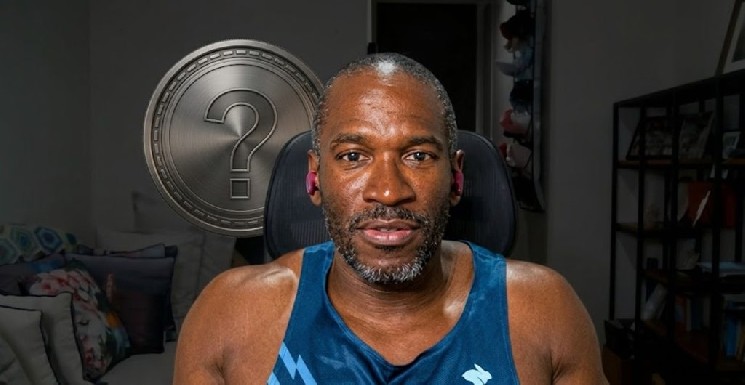
This American Earns $250 Million a Year from Podcasting, and Luo Yonghao Is Learning from Him

深潮Xuất bản vào 2025-12-23Cập nhật gần nhất vào 2025-12-23

Tóm tắt

American podcaster Joe Rogan earns $250 million annually from his hugely successful show, "The Joe Rogan Experience." The article details his unconventional path from comedian, reality TV host, and UFC commentator to becoming the world's most influential podcaster. His long-form, casual interview style, often lasting over three hours, has attracted top guests like Elon Musk (in a famous 2018 episode where Musk smoked cannabis), Donald Trump (a key 2024 election interview), and Nvidia CEO Jensen Huang. Rogan's success is attributed to his "outsider" approach, creating a space where guests can speak freely, unlike traditional media. This has built immense trust with his primarily young, male audience who are skeptical of mainstream news. His 2020 exclusive deal with Spotify was worth $200 million, and he renewed it in 2024 for $250 million without exclusivity. The article explores his significant cultural impact, notably his role in the 2024 U.S. election where Trump's appearance on his show was widely credited with reaching crucial voters. It also notes attempts to replicate his model in China, such as Luo Yonghao (罗永浩), but highlights challenges like a preference for short-form content and different media environment. Finally, it addresses the controversies surrounding Rogan, including spreading COVID-19 and AIDS misinformation, which critics say make him a hub for conspiracy theories, while supporters value his anti-establishment stance.

Written by: David, Deep Tide TechFlow

You might not listen to podcasts, but you must have seen this scene.

In 2018, Musk holding a rolled cigarette, surrounded by smoke, became one of his most viral iconic moments.

However, few people know where this scene took place, and even fewer care about who was sitting opposite him.

Actually, this was the recording of an American podcast.

The host handed Musk a cigarette mixed with marijuana and tobacco. Musk asked, "This is legal, right?" and then took a puff.
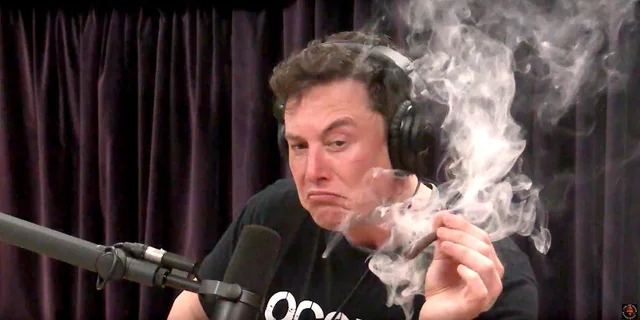
The next day, Tesla's stock price dropped by 9%.

To date, this episode has over 69 million views on YouTube, making it the most-watched episode in the podcast's history.

What kind of show, what kind of host, could make the world's richest man do such a thing on camera?

During the 2024 U.S. presidential election, Trump also spent three hours on this show for an interview. In his victory speech, he specifically thanked the host by name; two weeks ago, NVIDIA CEO Jensen Huang also sat in this studio, talking about AI and the chip war for two and a half hours, garnering over 2.8 million views within two weeks.

His name is Joe Rogan. His show, "The Joe Rogan Experience," is currently the world's largest podcast.

From Comedian to Podcast King: A Show Worth $250 Million

Joe Rogan's podcast influence is built on an unconventional personal resume.

Comedian, reality show host, UFC commentator. Put these three identities together, and it hardly seems like the profile of someone who would create the world's largest podcast.

He is not a traditional interview host, not the kind of straight-laced, professionally trained media personality. His background is actually in entertainment and the fighting world, not journalism.

But it is precisely this "unconventional" path that allowed him to create something completely different from traditional media; his ability to connect and his viewership far surpass many professional media programs.
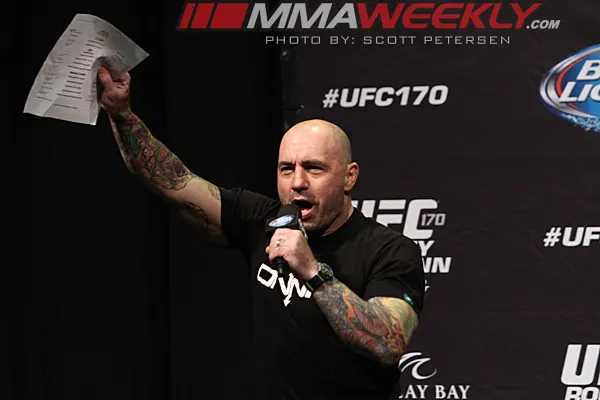
Initially, Joe Rogan was a comedian, doing stand-up in Boston clubs in the 90s. Later, he moved to Los Angeles, acted in sitcoms for a few years, and hosted a reality show called "Fear Factor."

The show followed a sensationalist route, making contestants eat insects, jump from tall buildings, relying on gross-out and刺激 for ratings. In today's short video environment, it would definitely be categorized as vulgar but high-traffic content.

But what really made him break through was another job.

Starting in 1997, he worked as a commentator for the UFC, sitting cageside to commentate mixed martial arts fights, a job he held for over twenty years. This work solidified his standing in the fighting community and accumulated a large loyal male audience.
In 2009, he started recording podcasts at home.

Like the starting point of many podcasts, the equipment was simple, there were no sponsors, and no business plan. But each episode often lasted two to three hours, chatting with friends or guests about anything.

Looking back, all those messy previous experiences actually came in handy.

Having been a comedian, he knew how to make conversations interesting and rhythmic. Having hosted a reality show, he was also accustomed to staying relaxed in front of the camera. Being a UFC commentator for twenty years meant this audience was already used to listening to him talk.

Moreover, he isn't an expert in any particular field, which gives him an unconventional advantage:

He can unabashedly ask "dumb questions."

Facing a physicist, he'll ask about the most basic concepts; facing a politician, he doesn't press for policy details, instead asking "what do you really think." This style is something you simply don't see in traditional media.

Television interviews have strict time limits, hosts must quickly get to the point. News interviews emphasize confrontation, journalists must dig out what the interviewee doesn't want to say.

Rogan's show does the opposite, giving you three hours, unedited, uninterrupted, talking about whatever you want.

The result is that many celebrities say things on his show they wouldn't say elsewhere. Musk smoking marijuana is just one example. Zuckerberg came on to talk about MMA training, looking more like a normal person than in any Congressional hearing.

Slowly, Joe Rogan's podcast became the go-to place for celebrities to "show their real side." Traditional media interviews are performances; here, they can be themselves.

As various celebrities appeared, the show became increasingly valuable.

In 2020, Spotify acquired the exclusive distribution rights to "The Joe Rogan Experience" for $200 million, the largest deal in podcast industry history at the time.

In 2022, Rogan faced a media storm for negative comments about certain COVID-19 vaccines on his podcast, leading to protests from musicians pulling their music from Spotify.

Right at this critical moment, another video platform, Rumble, publicly offered $100 million to poach his podcast, but Rogan didn't bite.

In 2024, he renewed his deal with Spotify for distribution rights, but the price increased to $250 million.
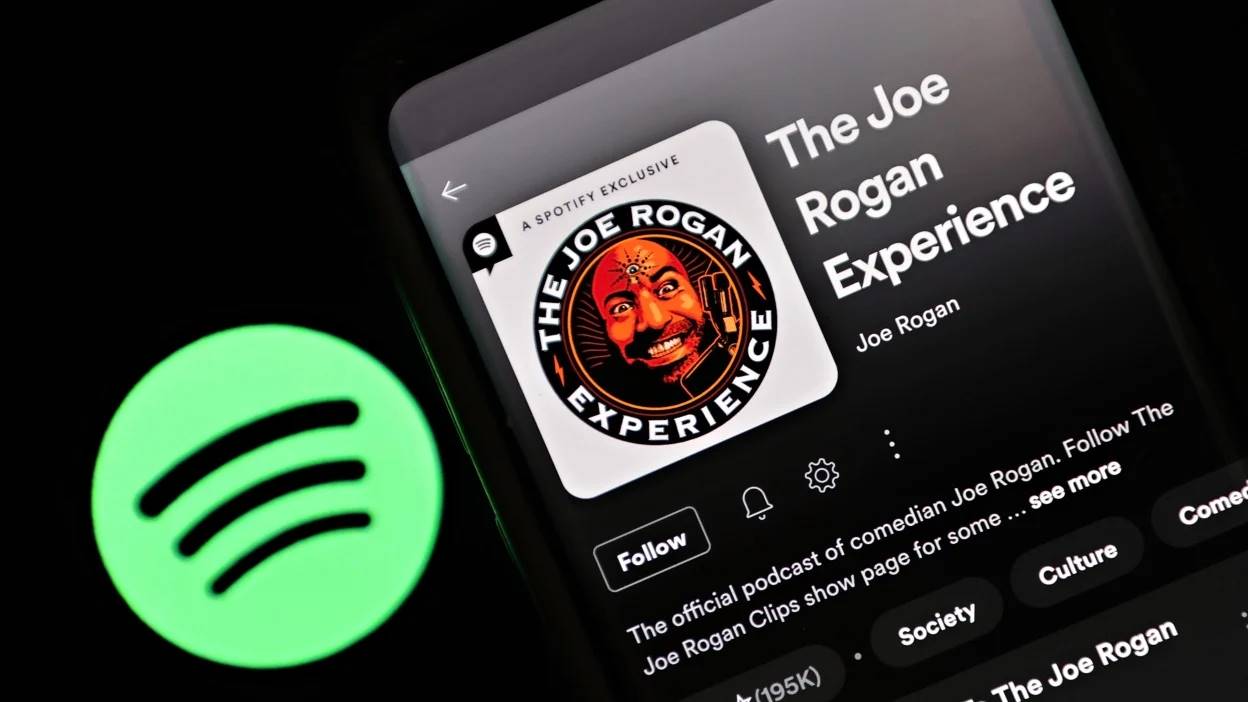
Furthermore, this time he no longer accepted exclusivity; the show returned to being available simultaneously on Spotify, YouTube, and Apple Podcasts. Spotify paid more money but got fewer rights.

In 2025, "The Joe Rogan Experience" simultaneously topped the annual podcast charts on Spotify, Apple Podcasts, and YouTube for the first time.

A chat show that started recording at home sixteen years ago is now valued higher than many traditional media companies.

Podcast Chats, Precise Vote Pulling

On October 25, 2024, during the final stretch of the election campaign, Trump sat down in Rogan's Austin studio.

The episode lasted a full three hours. After recording, Trump rushed to a campaign rally in Michigan, making thousands of supporters wait an extra three hours.

What did they talk about for three hours?

UFOs. Trump said he interviewed fighter pilots who told him they saw spherical objects moving four times faster than an F-22 fighter jet.

The White House bed. He genuinely described his feelings upon first entering the Lincoln Bedroom in the White House, thinking the bed was huge because Lincoln was six foot six.

Tariffs. Trump also proposed replacing income tax entirely with tariffs. Rogan asked: "Are you serious?"

Trump said: "Of course, why not? In the 1880s, when our country was at its wealthiest, it was based on tariffs."

These topics seem unrelated, but they share one commonality:

They are things traditional political interviews would absolutely never discuss.

TV networks ask about policy details, press on controversial statements, and stick to time limits. No serious political journalist would let a presidential candidate spend ten minutes talking about UFOs and Lincoln's bed.
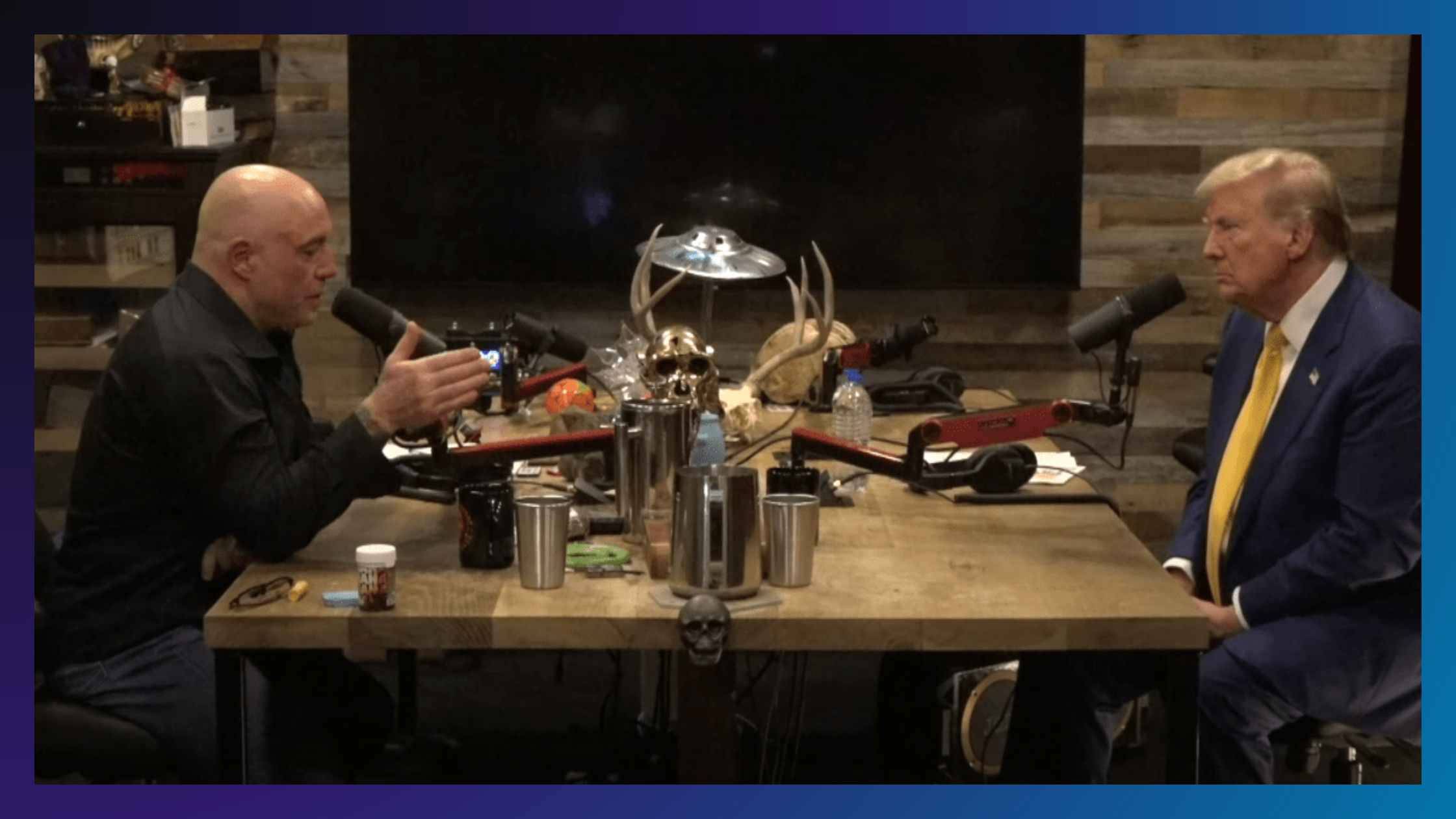
But this is precisely the characteristic of Rogan's show. Three hours, no interruptions, no set agenda, talk about whatever you want.

The audience sees not a candidate constrained by media frameworks, but a complete Trump: curious, with outrageous ideas, capable of casual conversation.

Rogan's own evaluation actually pinpoints the show's effect quite well:

"You say a lot of crazy things, but when traditional media takes those things and makes news out of them, it actually makes you more popular. Because people are tired of that scripted politician-speak. Even if they disagree with you, at least they know this person is real."

This sense of authenticity is especially effective for Rogan's audience.

Data from foreign research institutions shows that 80% of the show's listeners are male, with over half aged 18 to 34. Politically, 35% identify as independent, 32% lean Republican, and 27% lean Democratic. This group shares a common characteristic:

They don't watch traditional TV news much, generally distrust mainstream media, but they spend hours each week listening to Rogan chat.

In other words, this is a group that is hard for traditional political communication to reach. And Trump spending three hours sitting across from a host they trust, speaking in a relaxed, informal manner, was far more effective than any campaign ad.

After the episode went live, YouTube views quickly surpassed 50 million.

The entire video was cut into countless clips, spreading on X, TikTok, and Instagram. Every soundbite, every outrageous statement, became standalone content, reaching people who would never click on a three-hour video.

Meanwhile, Trump's presidential election opponent, Harris, did not appear on the show.

Reportedly, there were talks, and Rogan publicly invited her. But Harris's team wanted to limit the duration to under an hour, which Rogan refused. He said on his show:

"It's not that I didn't want to invite her, it's that she didn't want to come."

For comparison, Trump's episode garnered over 50 million views, while Harris's appearance on another podcast, "Call Her Daddy," got 600,000 views.

The election ended with Trump's victory. In his victory speech, UFC President Dana White specifically thanked Joe Rogan, listing him as one of the key contributors to the victory.

A podcast being named in the thank-you list of a presidential victory speech is a first in American political history.

Chinese Mirror: Attempts by Luo Yonghao and Others

Can Joe Rogan's model be replicated in China?

Some are trying.

In June 2025, Luo Yonghao revealed at an AI conference that DeepSeek founder Liang Wenfeng suggested he leverage his "talent for speaking." A few months later, he launched a video podcast on Bilibili called "Luo Yonghao's Crossroads," positioning it as a counterpart to Joe Rogan and Lex Fridman.
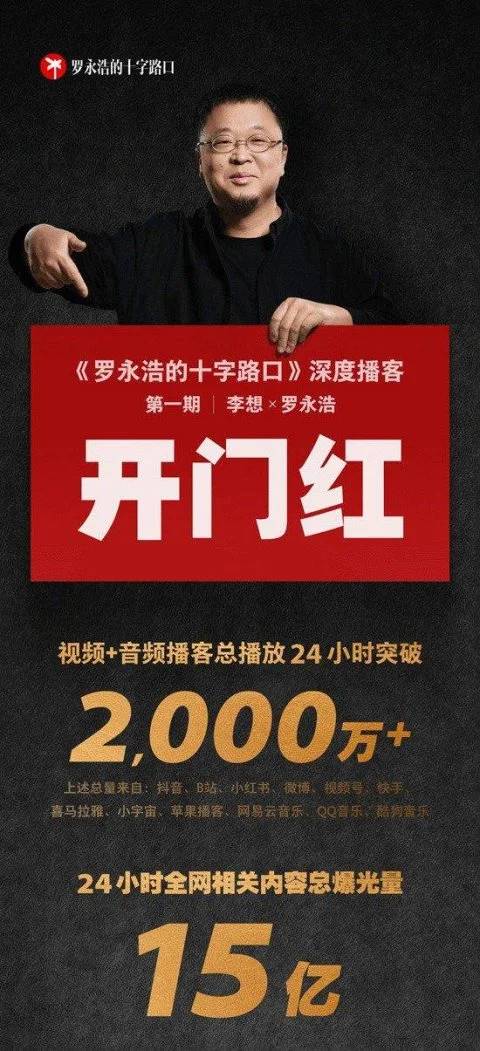
The format is very similar to The Joe Rogan Experience: long conversations, minimal editing, each episode three to five hours.

The first guest was Li Xiang, founder of Li Auto. The two talked for four hours, from childhood trauma to his relationship with Wang Xing, daring to ask and answer anything. The reaction in the comments was:

In the short video era, this kind of "long and satisfying super-sized cup" is too rare.

Luo Yonghao isn't the only one. Chen Luyu, Yu Qian, Li Dan, Yang Di—these famous hosts have all set up shop on Bilibili doing video podcasts. Bilibili has also made heavy investments, pouring billions of level traffic support during the summer, providing free recording studios in Beijing, Shanghai, Guangzhou, and Hangzhou, and planning to launch AI creation tools专属 for podcasts.

It seems that China's video "podcast元年" (first year of podcasts) has finally arrived, but it's not that simple.

When Luo Yonghao was in conversation with Tim from '影视飓风' (Cinephile Storm), he mentioned his video views were around 20-30 million, while Tim believed "you need to reach 100 million to be considered hot." This actually reveals a structural problem:

In China's internet traffic ecosystem, long-form content is inherently at a disadvantage.

Over the past few years, users have been trained by short videos into the habit of "watching a movie in three minutes." The algorithms of Douyin (TikTok) and Kuaishou reward completion rates; a three-hour video has almost no place in the recommendation pool.

More ironically, the highlight moments of many long video podcasts are often spread through几十秒 (dozens of seconds) clips on Douyin and Xiaohongshu.

At the same time, monetization is also a challenge.

The U.S. podcast industry's advertising revenue exceeded $2 billion in 2024, with top hosts securing exclusive contracts worth hundreds of millions of dollars. In China, a podcast brand with nearly 500,000 subscribers might charge less than 40,000 RMB for a single voiced ad, with annual net income possibly only around 100,000 RMB.

YouTube has a mature AdSense revenue-sharing system; the longer the video, the more ad slots, the higher the income—this incentivizes long-form content through its profit mechanism. Bilibili's monetization capability is far from reaching this level.

There's an even more fundamental issue:

A large part of Rogan's influence comes from his ability to host people like Trump, Musk, and Jensen Huang, and these people are willing to say things on his show they wouldn't say elsewhere.

This status as a "primary source of information" requires long-accumulated trust and a unique media environment.

Luo Yonghao can invite Li Xiang, He Xiaopeng, Zhou Hongyi—this is already the top tier of China's tech circle. But there are natural boundaries regarding the openness of topics.

So, can Joe Rogan's model be replicated in China?

The form can be learned, but the soil is different.

Controversy and Boundaries

Writing this far, there's an unavoidable question: Joe Rogan is a controversial figure.

In 2022, he sparked a storm by questioning the effectiveness of COVID-19 vaccines on his show. Spotify did not drop Rogan but added "content advisory" labels to all episodes discussing COVID-19 and removed over 70 old episodes.

This wasn't his first brush with trouble.

In 2024, he and a guest discussed the origins of AIDS on his show, spreading some claims that have been refuted by the medical community, drawing public criticism from the American Foundation for AIDS Research.

A Yale University study found that among the top ten most popular podcasts in the U.S., eight had spread erroneous or misleading information about climate change, with Rogan's show among them.

His show is also a hub for various American conspiracy theories.

From the Kennedy assassination to UFOs, from big pharma to government surveillance, he maintains an "open attitude" towards these topics. Critics argue this provides a platform for misinformation, while his supporters believe it challenges mainstream narratives.

In July 2025, he posted on X:

"Salute to those who still don't believe in conspiracy theories, your ability to hold your ground is admirable." This post received over 15 million views.

This is also the complexity of Joe Rogan.

He is not a person of consistent立场 (stance). For example, supporting same-sex marriage, marijuana legalization, and universal healthcare are typical liberal positions. But he also questions mainstream media and provides a platform for controversial figures, which also makes him a darling of conservatives.

His show's influence stems precisely from the fact that he doesn't belong to any single camp. Those who have lost trust in mainstream media find an "anti-establishment" alternative in him.

But the same特质 (trait) also makes him a node for spreading misinformation. When someone with an audience of hundreds of millions says "I'm just asking questions," the questions themselves shape public perception.

This is also the inherent tension of the podcast medium:

Its charm lies in being real, relaxed, and unlimited, but when its influence reaches a certain scale, "unlimited" itself becomes a problem.

Joe Rogan is a product of this era, and also a mirror of it.

Tiền kỹ thuật số thịnh hành

Câu hỏi Liên quan

QWho is Joe Rogan and what is the name of his podcast?

AJoe Rogan is a comedian, UFC commentator, and the host of 'The Joe Rogan Experience', which is currently the world's largest podcast.

QWhat was the financial value of Joe Rogan's podcast deal with Spotify in 2024?

AIn 2024, Joe Rogan renewed his deal with Spotify for his podcast, which was valued at $250 million.

QHow did Joe Rogan's interview with Donald Trump impact the 2024 US election according to the article?

AThe three-hour interview on Rogan's podcast was highly effective in reaching an audience distrustful of mainstream media. It was widely disseminated in clips and was credited as a significant factor in Trump's victory, with Rogan being thanked in Trump's victory speech.

QWhat are some of the challenges mentioned for replicating Joe Rogan's podcast success in China?

AChallenges include a user base trained for short-form video content, a less mature monetization system for long-form podcasts compared to the US, and natural boundaries on the openness of topics that can be discussed.

QWhat major controversy is Joe Rogan associated with, as discussed in the article?

AJoe Rogan has been involved in several controversies, most notably for spreading misinformation, such as questioning the efficacy of COVID-19 vaccines and discussing debunked theories about AIDS origins, leading to criticism from health organizations and researchers.

Nội dung Liên quan

$GCOIN Của Playnance Được Niêm Yết Trên KoinBX Giữa Lúc Tăng Trưởng Nhanh Ở Ấn Độ

Playnance, hệ sinh thái web3 igaming chạy bằng blockchain, đã thông báo niêm yết token gốc $GCOIN trên sàn KoinBX vào ngày 18 tháng 6. Động thái này nhằm mở rộng khả năng tiếp cận cho một trong những cộng đồng đang phát triển nhanh nhất của họ, đặc biệt là tại Ấn Độ. Tại Ấn Độ, hơn 130 đối tác trong chương trình "Be the Boss" của Playnance đã tham gia, xây dựng các cộng đồng thu hút hàng nghìn người chơi tích cực. Mô hình này cho phép người tham gia thành lập và quản lý cộng đồng chơi game của riêng họ, đồng thời nhận phần thưởng dựa trên hoạt động. Giám đốc điều hành Pini Peter nhấn mạnh Ấn Độ là một thị trường sôi động và việc niêm yết trên KoinBX là bước đi tự nhiên để $GCOIN dễ tiếp cận hơn. $GCOIN là token tiện ích cốt lõi của hệ sinh thái, được sử dụng để thưởng cho sự tham gia, gắn kết lợi ích giữa người chơi và "Boss", cũng như khuyến khích hoạt động trên toàn mạng lưới Playnance. Việc niêm yết trên KoinBX là một phần trong kế hoạch mở rộng toàn cầu của công ty, hướng tới mục tiêu tăng tính hữu dụng và khả năng tiếp cận của $GCOIN. Được thành lập năm 2020, Playnance là công ty cơ sở hạ tầng iGaming Web3, chuyên phát triển các sản phẩm trực tiếp, phi lưu ký và trên chuỗi, với mục tiêu thu hút người dùng Web2 truyền thống vào môi trường blockchain.

TheNewsCrypto38 phút trước

$GCOIN Của Playnance Được Niêm Yết Trên KoinBX Giữa Lúc Tăng Trưởng Nhanh Ở Ấn Độ

TheNewsCrypto38 phút trước

STRC Rơi Xuống Mức Thấp Nhất Lịch Sử, Cỗ Máy Vĩnh Cửu Của Saylor Gặp Trục Trặc

Năm ngoái, Michael Saylor giới thiệu cổ phiếu ưu đãi STRC như một "động cơ tín dụng kỹ thuật số", một cỗ máy vĩnh cửu: cổ tức cao cho nhà đầu tư, công ty dùng tiền huy động mua Bitcoin, giá Bitcoin tăng giữ STRC ổn định, cho phép phát hành thêm và mua thêm. Dưới một năm, cỗ máy đã tắc. Ngày 19/6, STRC lao dốc xuống 85,32 USD, mức thấp kỷ lục, chiết khấu hơn 17% so với mệnh giá 100 USD. Khối lượng giao dịch tăng vọt, RSI cho thấy bán quá mức. STRC được thiết kế để giao dịch quanh 100 USD nhờ cơ chế cổ tức thả nổi. Khi giao dịch trên mệnh giá, công ty mẹ MicroStrategy (MSTR) có thể phát hành thêm để huy động tiền mua Bitcoin. Đây là bánh răng trung tâm trong mô hình vốn của Saylor. Sự sụp đổ có ba nguyên nhân chính: 1. **Bitcoin giảm mạnh**: Từ đỉnh lịch sử, BTC đã giảm hơn 50%, xuống quanh 63.000 USD, làm suy yếu cốt lõi câu chuyện. 2. **Khả năng chi trả cổ tức bị nghi ngờ**: Sau khi MicroStrategy dùng 1,5 tỷ USD tiền mặt trái phiếu, dự trữ tiền mặt để chi trả cổ tức STRC bị thu hẹp. Công ty sau đó đã bán 32 Bitcoin (khoảng 2,5 triệu USD) để trả cổ tức. Đây là lần bán Bitcoin đầu tiên kể từ năm 2022, làm rạn nứt lời hứa "không bao giờ bán", gây mất niềm tin. 3. **Đối thủ cạnh tranh**: Cổ phiếu ưu đãi SATA của Strive, với lợi suất cao hơn và cơ cấu vốn ưu tiên hơn, đang thu hút dòng tiền, khiến chênh lệch giá với STRC lên mức kỷ lục. Vòng xoáy ngược đã kích hoạt: Bitcoin giảm → STRC dưới mệnh giá → ngừng phát hành huy động vốn → mất kênh mua Bitcoin → buộc phải bán Bitcoin trả cổ tức → niềm tin giảm → STRC giảm sâu hơn. Mặc dù Saylor lập luận mô hình chỉ cần Bitcoin tăng 2,3% mỗi năm để duy trì và số Bitcoin bán ra là rất nhỏ, thị trường đang nghi ngờ. STRC kiểm tra niềm tin vào mô hình "công ty kho bạc Bitcoin" và khả năng duy trì cỗ máy tài chính có đòn bẩy của nó trong một chu kỳ thị trường khó khăn.

marsbit57 phút trước

STRC Rơi Xuống Mức Thấp Nhất Lịch Sử, Cỗ Máy Vĩnh Cửu Của Saylor Gặp Trục Trặc

marsbit57 phút trước

Hướng Dẫn Mua Đáy bởi Grayscale: Đánh Giá Giá Trị Tiền Mã Hóa Thông qua Dòng Tiền

Hướng dẫn đầu tư trong thời kỳ giảm giá: Đánh giá giá trị tiền mã hóa dựa trên dòng tiền (Grayscale). Bài viết lập luận rằng các tài sản crypto tạo ra dòng tiền, như token DeFi, có thể được định giá bằng các phương pháp truyền thống như phân tích dòng tiền chiết khấu (DCF) hoặc hệ số P/E. Báo cáo lấy Aave làm ví dụ nghiên cứu điển hình. Aave là giao thức cho vay phi tập trung hàng đầu, có dữ liệu tài chính minh bạch và cơ chế chuyển đổi giá trị rõ ràng cho người nắm giữ token AAVE thông qua quản trị DAO, ví dụ như mua lại token. Phân tích của Grayscale chỉ ra rằng với mức giá khoảng 75 USD, AAVE đang được định giá thấp hơn giá trị hợp lý. Dựa trên dự báo thu nhập ròng khoảng 60 triệu USD vào năm 2026 và áp dụng hệ số P/E 20-25x tương đương với các công ty fintech, giá trị vốn hóa hợp lý của AAVE là 1.2-1.5 tỷ USD, tương đương giá token 80-100 USD. Trong kịch bản cơ sở, giá trị hợp lý có thể lên tới 175 USD trong vòng một năm nếu việc áp dụng stablecoin và tài sản được mã hóa (RWA) tăng tốc. Bài viết nhấn mạnh sự khác biệt giữa tài sản dạng hàng hóa (như Bitcoin) và tài sản tạo ra dòng tiền. Nó kết luận rằng thị trường crypto đang trưởng thành, phần thưởng sẽ dành cho các dự án có mô hình kinh doanh bền vững, cơ chế nắm bắt giá trị rõ ràng và nền tảng tài chính vững chắc, chứ không còn là các dự án dựa trên câu chuyện thuần túy.

marsbit2 giờ trước

Hướng Dẫn Mua Đáy bởi Grayscale: Đánh Giá Giá Trị Tiền Mã Hóa Thông qua Dòng Tiền

marsbit2 giờ trước

Sau khi bán dẫn dẫn đầu đà tăng, vốn đang mua đơn hàng AI hay là sự phục hồi vĩ mô?

**Tóm tắt:** Sau khi tin tức địa chính trị Trung Đông được cải thiện, thị trường chứng khoán Mỹ, đặc biệt là nhóm công nghệ và bán dẫn, đã tăng mạnh vào ngày 18/6. Bài viết phân tích rằng sự hạ nhiệt rủi ro ở eo biển Hormuz (làm giảm áp lực lạm phát và lãi suất) chủ yếu mở ra cánh cửa phục hồi định giá cho các cổ phiếu tăng trưởng, thay vì phản ánh sự cải thiện cơ bản đột ngột của AI. Trọng tâm của đợt tăng này nằm ở sự sắp xếp lại *bên trong* lĩnh vực công nghệ. Vốn đổ vào không phải là công nghệ nói chung mà có chọn lọc tập trung vào chuỗi phần cứng hạ tầng AI như chip, kết nối quang, bộ nhớ và một số công ty sản xuất trong nước (ví dụ: Intel). Điều này cho thấy nhà đầu tư đang chuyển từ câu chuyện xa vời sang tìm kiếm những doanh nghiệp có thể chứng minh được doanh thu và đơn hàng thực tế từ làn sóng đầu tư trung tâm dữ liệu AI. Trường hợp của Intel tăng mạnh nhờ tin hợp tác với Apple chủ yếu dựa trên yếu tố chính sách và kỳ vọng, cần được xác minh bằng hợp đồng và hiệu quả tài chính cụ thể. Do đó, bản chất của đợt tăng giá này chưa hẳn là sự trở lại mạnh mẽ của chu kỳ AI, mà là sự phục hồi có chọn lọc định giá rủi ro. Tính bền vững của xu hướng sẽ phụ thuộc vào các yếu tố như chi tiêu vốn của các nhà cung cấp dịch vụ đám mây, đơn hàng máy chủ AI và hướng dẫn doanh thu từ các công ty phần cứng trong các báo cáo tài chính sắp tới.

marsbit2 giờ trước

Sau khi bán dẫn dẫn đầu đà tăng, vốn đang mua đơn hàng AI hay là sự phục hồi vĩ mô?

marsbit2 giờ trước

Kraken Thêm Giao Dịch Token On-Chain Solana Trực Tiếp Trong Ứng Dụng

Kraken đã tích hợp giao dịch token trực tiếp trên chuỗi Solana vào ứng dụng chính của mình, cho phép người dùng đủ điều kiện tại Mỹ và hơn 100 quốc gia truy cập khoảng 2.500 token dựa trên Solana. Tính năng này nhằm đơn giản hóa giao dịch on-chain: người dùng không cần ví riêng, cụm từ khôi phục hay chuyển đổi ứng dụng, vì mọi giao dịch đều được thực hiện ngay trong giao diện quen thuộc của Kraken. Solana được chọn làm mạng khởi đầu do thị trường token năng động, thanh khoản hình thành sớm và nhu cầu lớn từ giới đầu tư bán lẻ. Kraken giải quyết khoảng cách giữa sàn tập trung và DeFi bằng cách hiển thị tài sản on-chain cùng với số dư hiện có, giúp trải nghiệm quản lý danh mục thống nhất. Công nghệ ví nhúng của Privy và các giao thức DEX Solana xử lý phần kỹ thuật phía sau, giảm bớt thao tác phức tạp cho người dùng. Tuy nhiên, Kraken cảnh báo rằng các token này chưa được đánh giá như niêm yết truyền thống, nên rủi ro thị trường vẫn cao. Động thái này phản ánh xu hướng các sàn lớn đang tìm cách thu hút hoạt động DeFi vào giao diện bán lẻ chủ đạo. Nếu thành công, Kraken có thể mở rộng mô hình sang các chuỗi khác, giúp giao dịch phi tập trung tiếp cận đông đảo người dùng hơn.

bitcoinist2 giờ trước

Kraken Thêm Giao Dịch Token On-Chain Solana Trực Tiếp Trong Ứng Dụng

bitcoinist2 giờ trước

Giao dịch

Giao ngay
Hợp đồng Tương lai

Bài viết Nổi bật

Làm thế nào để Mua COPPER

Chào mừng bạn đến với HTX.com! Chúng tôi đã làm cho mua Copper (COPPER) trở nên đơn giản và thuận tiện. Làm theo hướng dẫn từng bước của chúng tôi để bắt đầu hành trình tiền kỹ thuật số của bạn.Bước 1: Tạo Tài khoản HTX của BạnSử dụng email hoặc số điện thoại của bạn để đăng ký tài khoản miễn phí trên HTX. Trải nghiệm hành trình đăng ký không rắc rối và mở khóa tất cả tính năng. Nhận Tài khoản của tôiBước 2: Truy cập Mua Crypto và Chọn Phương thức Thanh toán của BạnThẻ Tín dụng/Ghi nợ: Sử dụng Visa hoặc Mastercard của bạn để mua Copper (COPPER) ngay lập tức.Số dư: Sử dụng tiền từ số dư tài khoản HTX của bạn để giao dịch liền mạch.Bên thứ ba: Chúng tôi đã thêm những phương thức thanh toán phổ biến như Google Pay và Apple Pay để nâng cao sự tiện lợi.P2P: Giao dịch trực tiếp với người dùng khác trên HTX.Thị trường mua bán phi tập trung (OTC): Chúng tôi cung cấp những dịch vụ được thiết kế riêng và tỷ giá hối đoái cạnh tranh cho nhà giao dịch.Bước 3: Lưu trữ Copper (COPPER) của BạnSau khi mua Copper (COPPER), lưu trữ trong tài khoản HTX của bạn. Ngoài ra, bạn có thể gửi đi nơi khác qua chuyển khoản blockchain hoặc sử dụng để giao dịch những tiền kỹ thuật số khác.Bước 4: Giao dịch Copper (COPPER)Giao dịch Copper (COPPER) dễ dàng trên thị trường giao ngay của HTX. Chỉ cần truy cập vào tài khoản của bạn, chọn cặp giao dịch, thực hiện giao dịch và theo dõi trong thời gian thực. Chúng tôi cung cấp trải nghiệm thân thiện với người dùng cho cả người mới bắt đầu và người giao dịch dày dạn kinh nghiệm.

Tổng lượt xem 5Xuất bản vào 2026.06.18Cập nhật vào 2026.06.18

Làm thế nào để Mua COPPER

XAG là gì

Hợp đồng vĩnh viễn XAGUSDT là ký hiệu giao dịch cho bạc được định giá bằng đô la Mỹ, đại diện cho 1 ounce troy bạc.

Tổng lượt xem 12Xuất bản vào 2026.06.18Cập nhật vào 2026.06.18

XAG là gì

Làm thế nào để Mua XAG

Chào mừng bạn đến với HTX.com! Chúng tôi đã làm cho mua Silver (XAG) trở nên đơn giản và thuận tiện. Làm theo hướng dẫn từng bước của chúng tôi để bắt đầu hành trình tiền kỹ thuật số của bạn.Bước 1: Tạo Tài khoản HTX của BạnSử dụng email hoặc số điện thoại của bạn để đăng ký tài khoản miễn phí trên HTX. Trải nghiệm hành trình đăng ký không rắc rối và mở khóa tất cả tính năng. Nhận Tài khoản của tôiBước 2: Truy cập Mua Crypto và Chọn Phương thức Thanh toán của BạnThẻ Tín dụng/Ghi nợ: Sử dụng Visa hoặc Mastercard của bạn để mua Silver (XAG) ngay lập tức.Số dư: Sử dụng tiền từ số dư tài khoản HTX của bạn để giao dịch liền mạch.Bên thứ ba: Chúng tôi đã thêm những phương thức thanh toán phổ biến như Google Pay và Apple Pay để nâng cao sự tiện lợi.P2P: Giao dịch trực tiếp với người dùng khác trên HTX.Thị trường mua bán phi tập trung (OTC): Chúng tôi cung cấp những dịch vụ được thiết kế riêng và tỷ giá hối đoái cạnh tranh cho nhà giao dịch.Bước 3: Lưu trữ Silver (XAG) của BạnSau khi mua Silver (XAG), lưu trữ trong tài khoản HTX của bạn. Ngoài ra, bạn có thể gửi đi nơi khác qua chuyển khoản blockchain hoặc sử dụng để giao dịch những tiền kỹ thuật số khác.Bước 4: Giao dịch Silver (XAG)Giao dịch Silver (XAG) dễ dàng trên thị trường giao ngay của HTX. Chỉ cần truy cập vào tài khoản của bạn, chọn cặp giao dịch, thực hiện giao dịch và theo dõi trong thời gian thực. Chúng tôi cung cấp trải nghiệm thân thiện với người dùng cho cả người mới bắt đầu và người giao dịch dày dạn kinh nghiệm.

Tổng lượt xem 7Xuất bản vào 2026.06.18Cập nhật vào 2026.06.18

Làm thế nào để Mua XAG

Thảo luận

Chào mừng đến với Cộng đồng HTX. Tại đây, bạn có thể được thông báo về những phát triển nền tảng mới nhất và có quyền truy cập vào thông tin chuyên sâu về thị trường. Ý kiến ​​của người dùng về giá của A (A) được trình bày dưới đây.

活动图片