The More Frequently They Are Updated, the More Similar Claude Code and Codex Become

marsbitXuất bản vào 2026-04-19Cập nhật gần nhất vào 2026-04-19

Tóm tắt

OpenAI's recent release of GPT-5.4-Cyber demonstrates a striking convergence with Anthropic's Claude Mythos, reflecting a broader trend of product and strategic alignment between the two AI giants. This is particularly evident in their flagship coding assistants, Codex and Claude Code, which have evolved from distinct philosophies into increasingly similar tools. Initially, Codex emphasized speed and real-time interaction, acting like a fast, junior developer, while Claude Code focused on handling extreme complexity with methodical, large-context analysis. However, both have adopted near-identical solutions to core challenges, such as using isolated sub-tasks or agent teams to prevent context pollution during large-scale code modifications. Benchmark results show a tight race: Codex leads in terminal tasks, while Claude Code excels in complex software engineering benchmarks. Community feedback highlights nuanced differences; Claude Code is faster but can accumulate technical debt, whereas Codex is slower but more deliberate and autonomous. The open-source framework OpenClaw has accelerated this homogenization by standardizing workflows, eroding proprietary advantages. Ultimately, the competition has shifted from pure capability to ecosystem strategy, pricing, and user experience. As these tools become ubiquitous, the developer's role evolves toward higher-level problem definition and architectural thinking, beyond automated code generation.

A few days ago, OpenAI officially released the new large model GPT-5.4-Cyber. Like many netizens, this model also gave us an extremely strong sense of déjà vu.

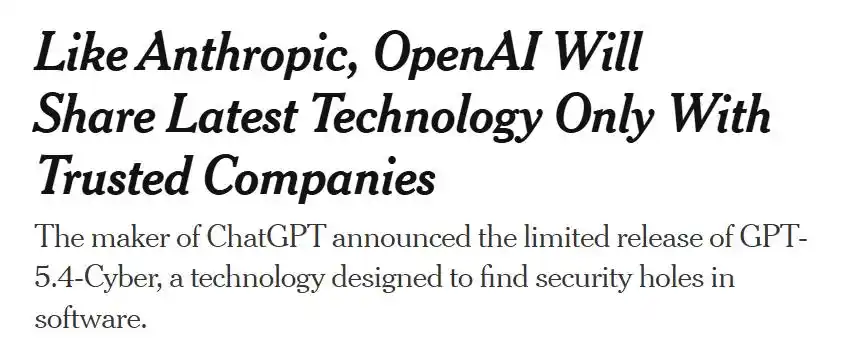
This new model, in terms of target user base, application scenarios, and even promotional strategy, almost completely mirrors Anthropic's recently released Claude Mythos. This "close-quarters combat" posture has reached a point of being completely unabashed. Even The New York Times pointed out sharply in the headline of its latest report: "Like Anthropic, OpenAI...".
This trend of homogenization is by no means limited to the underlying base models. If you look at the series of products recently released by these two companies, you will find that they are becoming mirror images of each other!

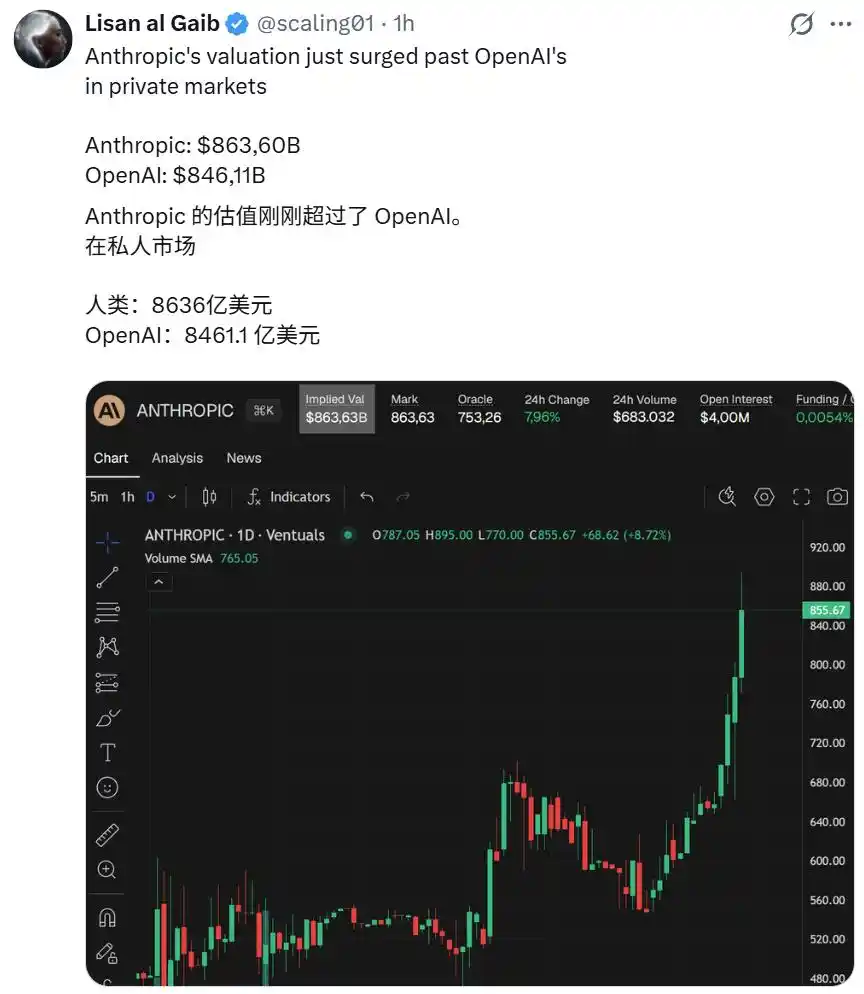
Under the shadowless lamp of the capital market, this convergence is even more obvious. Currently, the valuations of the two companies in the secondary market are very close, with Anthropic's even being slightly higher than OpenAI's recently, thanks to its rapid advance in the enterprise market. Capital has the most sensitive nose; in their eyes, these two unicorns are growing the same horns.
It seems that the homogenization of the underlying large models will inevitably lead to the convergence of upper-layer applications.

Today, what I want to discuss with you are the two benchmark tools representing the highest level of AI-assisted programming today: OpenAI's Codex and Anthropic's Claude Code. From once going their separate ways to now converging on the same path, how did they gradually grow to look the same?

From Divergence to Convergence: The Evolution History of the Two Titans

Rewind the clock a few years, and Codex and Claude Code were products of completely different technological philosophies.

Codex's underlying logic is "the ultimate martial art is unsurpassable speed." It is like a senior developer with 5 years of experience following behind you, ready to complete your code at any time.
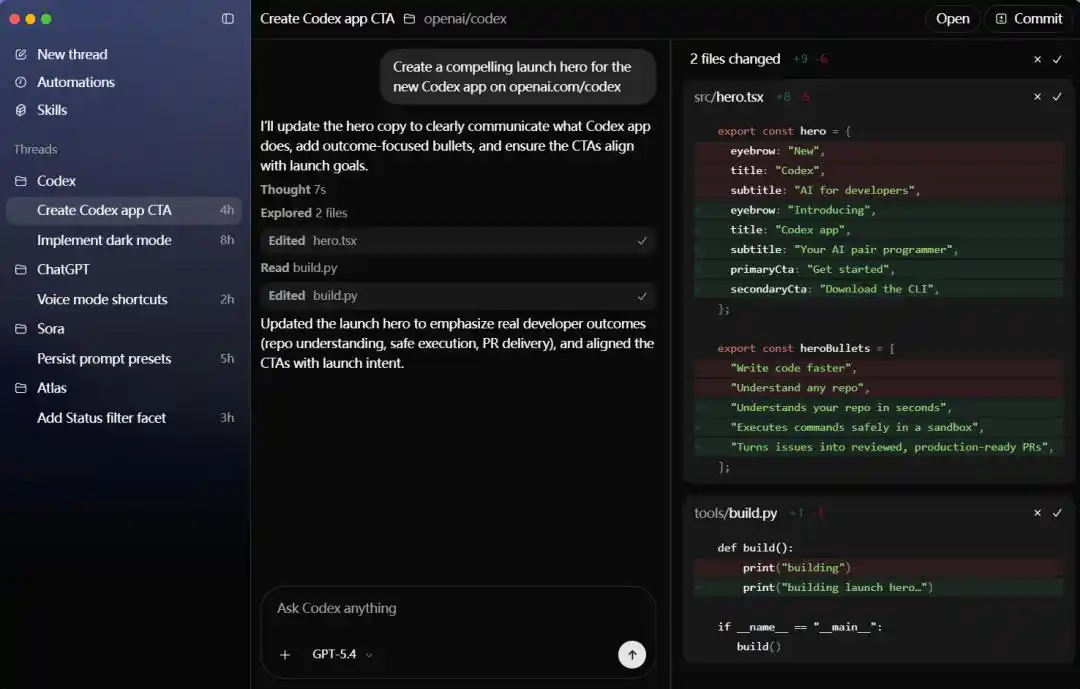
In OpenAI's conception, Codex is a lightweight, highly interactive terminal agent focused on rapid iteration and interactive programming. Its execution speed is extremely fast; with the support of Cerebras WSE-3 hardware, it can achieve a throughput of 1000 tokens per second. In specific workflows, Codex offers three clear approval modes: suggestion, auto-edit, and full-auto, keeping the developer always in the loop. This design philosophy fits perfectly with geek developers who need to quickly build prototypes and handle high-frequency interactions.

In contrast, Claude Code, from its birth, carried a cold and restrained "architect" attribute.
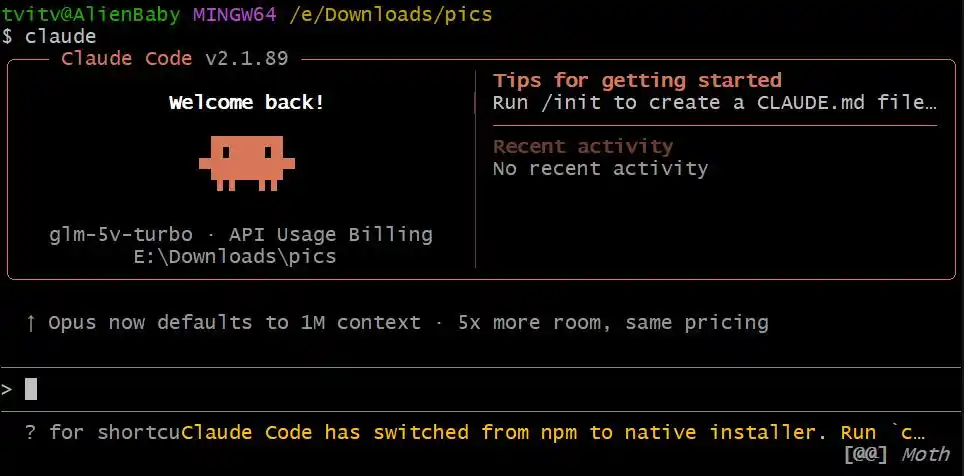
Anthropic infused it with the genes to handle extremely complex tasks. It relies on a massive context window of up to 1 million tokens and unique "compression" technology to achieve infinite conversation. Claude Code's creed is "global control, plan before acting." Before performing any action, it uses agent search technology to thoroughly understand the context of the entire codebase, then coordinates multi-file consistency modifications. For enterprise-level refactoring tasks involving tens of thousands of lines of code migration, Claude Code has shown astonishing dominance.

However, as time passed and application scenarios continued to expand, these two tools, which originally had very different personalities, began to copy each other's homework.
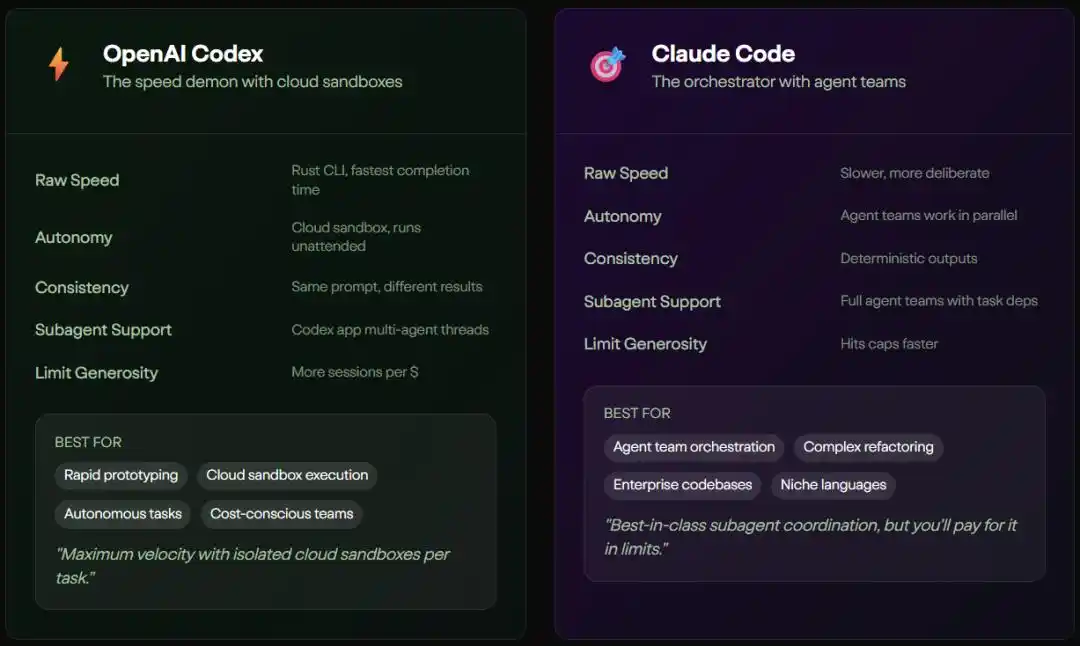
Image source: MorphLLM

The biggest bottleneck a monolithic AI model faces when handling complex projects is context pollution. You ask the AI to refactor an authentication module; after it reads 40 files, it often forgets the design pattern of the first file. To solve this pain point, the two companies came up with almost identical answers: assign an independent context window for each subtask.

OpenAI quickly launched a new macOS desktop application, isolating tasks into different threads by project and running them independently in a cloud sandbox. Anthropic introduced an agent team architecture, allowing developers to spawn multiple sub-agents that share task lists and dependencies and work in parallel in their own independent windows. You'll find that whether it's called a "cloud sandbox" or an "agent team," their core engineering concepts have completely converged.

On the benchmark test scorecards, they also show a delicate balance. GPT-5.3-Codex leads in the terminal task Terminal-Bench 2.0 with a score of 77.3%. Claude Code scored 80.8% on the complex SWE-bench Verified leaderboard. They have both achieved the extreme in their areas of strength while desperately trying to弥补 (compensate for) their own shortcomings.

The OpenClaw Effect: The Invisible Hand Toppling the Walls

If the internal strategies of the two companies determine the internal cause of their homogenization, then the pressure from the entire open-source ecosystem is an external force that cannot be ignored. Here, we must mention the profound impact OpenClaw has had on the entire AI programming tools track.

As a workflow framework launched by the open-source community, the emergence of OpenClaw can be said to have toppled the ecological walls painstakingly built by the giants. It standardized the interaction process between large models and local terminal toolchains. In the past, how to elegantly allow large models to call local Git commits, how to safely run test scripts in a sandbox, how to perform multi-step reasoning verification—these were all proprietary "black technologies" that Codex and Claude Code were proud of.

But OpenClaw abstracted these processes into a universal protocol. This means that developers no longer need to be locked into a specific platform for a particular collaboration mode. The open-source community's狂欢 (carnival) made standardization an irreversible tide. Faced with this situation, both OpenAI and Anthropic had to lower their姿态 (posture) to兼容 (compatible) with this open standard.

When the underlying technical barriers were leveled by open-source forces like OpenClaw, when all advanced features became standard industry配置 (configurations), the only way out for Codex and Claude Code was to engage in endless involution at the more subtle level of user experience. This is also why we feel they are becoming more and more similar—because under a standardized framework, there is often only one optimal solution—just like convergent evolution in biology.

Codex is Catching Up to Claude Code

Although Claude Code and Codex are on the path of convergent evolution, differences between the two still exist, and Codex is even preferred by developers in some aspects.

The other day, on the r/ClaudeCode community, a senior engineer with 14 years of experience who had worked at tech giants, u/Canamerican726, shared an extremely hardcore evaluation.

Specifically, he invested 100 hours using Claude Code and 20 hours using Codex in a complex project containing 80,000 lines of code.
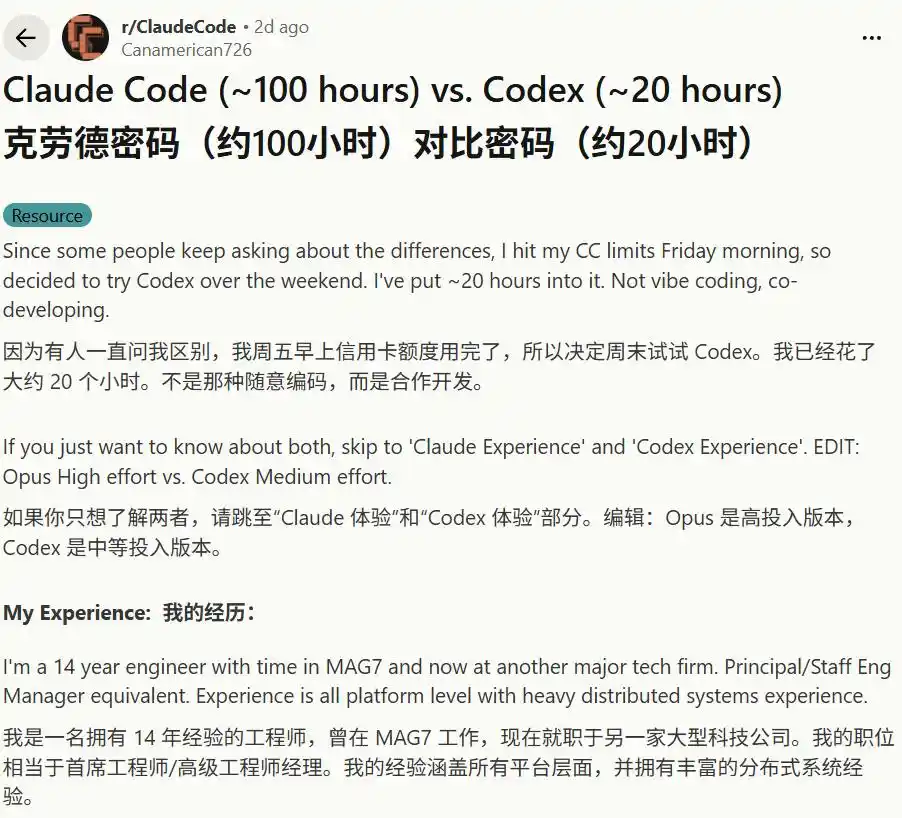
From his perspective, using Claude Code was like instructing an engineer chased by a deadline; it sprinted extremely fast but often ignored the specifications written by the developer in CLAUDE.md, and liked to continuously pile code into existing files to complete tasks, lacking refactoring thinking.

In contrast, Codex felt more like a steady veteran with 5 to 6 years of experience. Its processing speed was 3 to 4 times slower, but it would proactively stop to think and refactor code midway, and strictly adhere to instruction boundaries. This high degree of autonomy allowed this engineer to dare to throw tasks directly at it and then放心地 (feel at ease) go do other things.

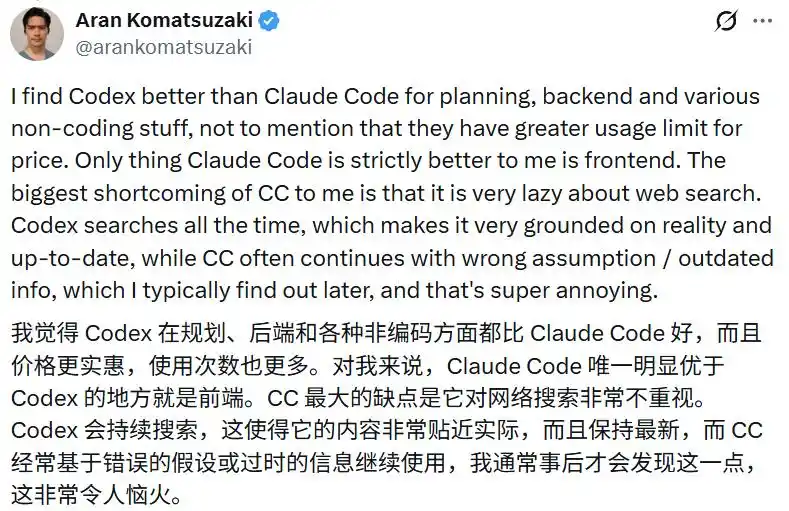
The same voices appear on social networks like X. Researcher Aran Komatsuzaki mentioned, based on his own experience, that Claude Code still has the advantage in the front-end field, but in back-end planning and keeping information updated, Codex, which frequently calls web search, is显然 (clearly) more solid.
The comment section is filled with bloody lessons总结 (summaries) from real business scenarios. Some developers pointed out极其犀利地 (extremely sharply) that models based on Opus, although fast, often accumulate a large amount of "code cleaning debt" for projects; Codex is slow, but can clean the floor顺手 (in passing) while moving forward. I even saw users summarizing a survival rule, suggesting that everyone immediately start a new session when context window usage reaches 70%, otherwise it is extremely easy to receive系统附赠的 (system-attached) hidden bugs.
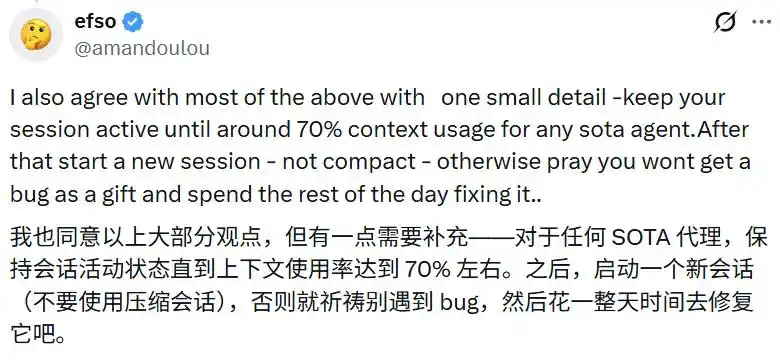
These real complaints from the front line clearly show that when the ability panels of the two great tools increasingly overlap, what ultimately determines which camp developers belong to is often these tiny experience gaps related to "pit-filling costs" and "maintenance mental load." Of course, there are some special difficulties for Chinese users, such as:
Cold Thinking: The Ecosystem Battle Behind Homogenization

Of course, the pros and cons of Codex and Claude Code also depend on the developers themselves and their own abilities. As summarized in the evaluation report by u/Canamerican726 mentioned above: If you don't understand software engineering, both tools will output糟糕的 (poor) results; tools are not equivalent to skills.

This sentence punctures a certain illusion long营造 (created) by AI programming tools. We once thought that with a powerful enough AI assistant, even a Vobe Coder with no foundation could single-handedly create enterprise-level applications. But the reality is that Claude Code needs an extremely focused and highly skilled "pilot," otherwise it can easily get lost in a huge codebase. Codex, although more independent, also requires developers to provide accurate system context to发挥最大效用 (achieve maximum utility).

So, in today's world of highly homogenized tool capabilities, where have the moats of these two companies转移 (moved) to?

The answer lies in those boring financial statements and pricing strategies. For the same task, the number of tokens consumed by Claude Code is often 3 to 4 times that of Codex. The usage cost is higher. For enterprise teams, using Claude Code costs $100 to $200 per developer per month. Codex, on the other hand, bundles its capabilities into more affordable subscription plans and has accumulated a large number of basic users through the vast GitHub community.
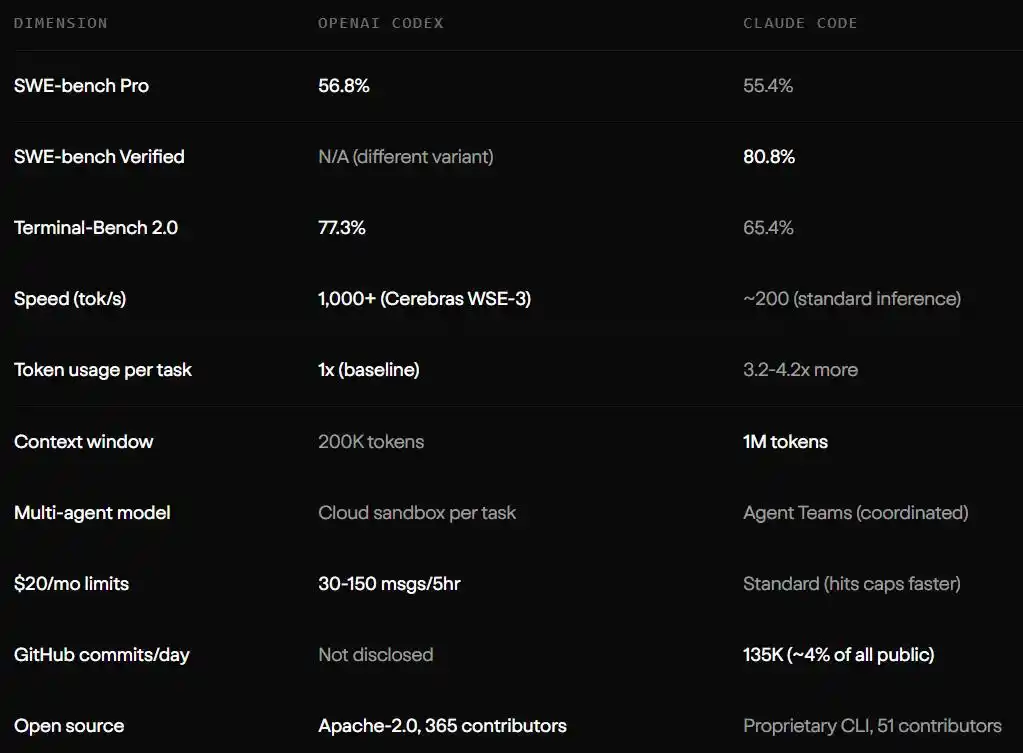
Image source: MorphLLM

Anthropic's ambition is to deeply embed Claude Code into the workflows of tech giants who are not short of money. For example, Stripe had 1370 engineers use Claude Code to complete a cross-language code migration in 4 days that would have taken 10 people weeks. Ramp company relied on it to reduce event response time by 80%. OpenAI, relying on its ubiquitous ecological penetration, has made Codex the default choice for many ordinary developers.

This is no longer a单纯 (pure) technical competition, but a war of attrition about ecological binding, pricing strategies, and reshaping user habits.

The Developer's Crossroads

Looking back at the technological evolution of the past year, the release of GPT-5.4-Cyber is just a small footnote in this long battle. Codex and Claude Code moving towards "the same face" marks the official entry of AI programming tools from an early testing phase full of variables and novelty into a mature and boring industrialized production phase.

Now, Claude Code automatically generates 135,000 GitHub commits daily, a number that already accounts for 4% of all public commits on the entire network. We can foresee that in the near future, most boilerplate code, basic test cases, and常规的 (routine) code refactoring will be silently completed in the background by these AI agents that look more and more alike.
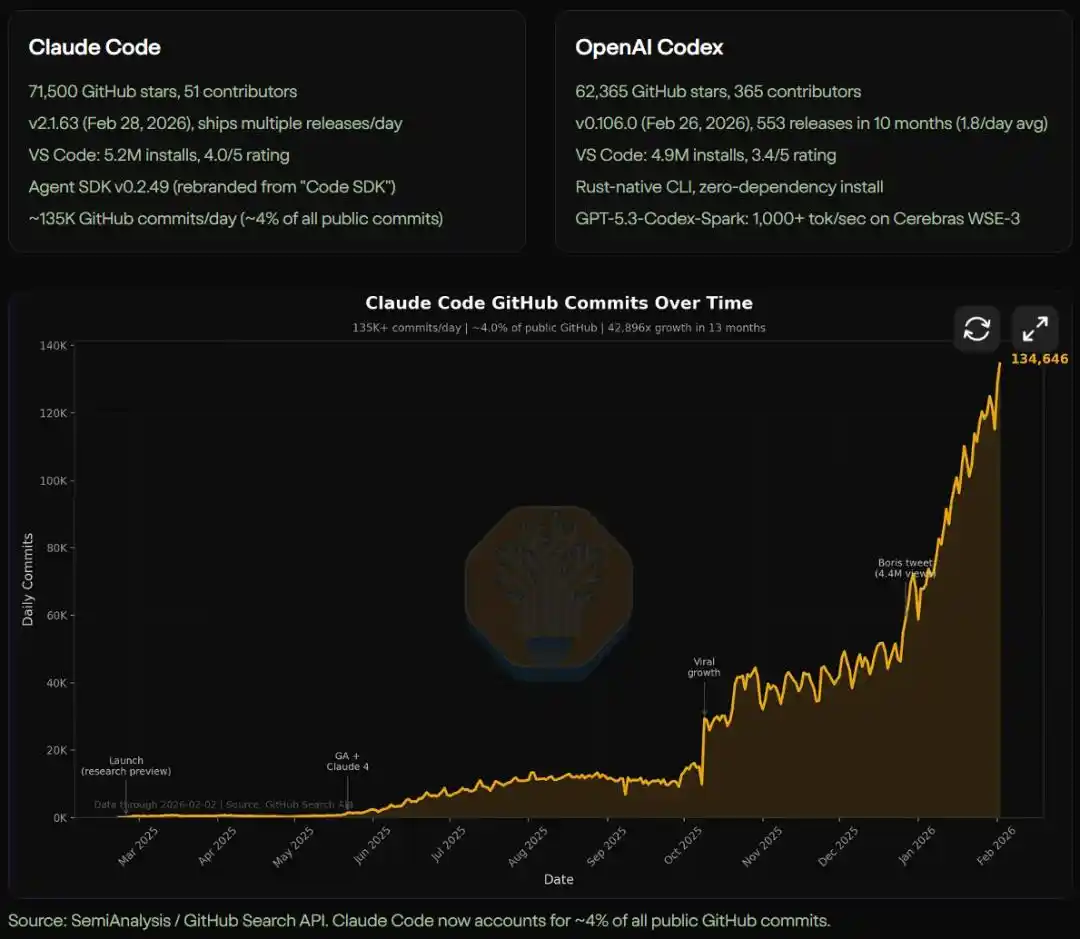
Image source: MorphLLM & SemiAnalysis / GitHub Search API

Facing two super tools that are infinitely接近 (approaching) in capability and模仿 (imitating) each other in experience, what core value do we, as human developers, have left? Perhaps, the tool红利期 (dividend period) is about to end completely. When everyone holds equally sharp weapons, what truly determines victory will no longer be who has better code completion speed, but who can better define problems, who has a broader system architecture vision, and who can find that unique irreplaceability belonging to humans in this code world filled with AI.

By the way, which one do you choose?

Reference Links

https://www.morphllm.com/comparisons/codex-vs-claude-code

https://www.reddit.com/r/ClaudeCode/comments/1sk7e2k/claude_code_100_hours_vs_codex_20_hours/

https://x.com/arankomatsuzaki/status/2044270102003196007

https://www.nytimes.com/2026/04/14/technology/openai-cybersecurity-gpt54-cyber.html

This article is from the WeChat public account "机器之心" (ID: almosthuman2014), author: 机器之心 (Machine Heart)


Câu hỏi Liên quan

QWhat is the main trend observed between OpenAI's Codex and Anthropic's Claude Code according to the article?

AThe main trend is that Codex and Claude Code are becoming increasingly similar and homogeneous in their capabilities and approaches, evolving from distinct technical philosophies to convergent solutions.

QHow did the initial technical philosophies of Codex and Claude Code differ?

ACodex was initially designed as a lightweight, high-interaction terminal agent focused on speed and iterative programming, while Claude Code was built as a high-level 'architect' focused on handling extremely complex tasks with a massive context window and thorough codebase analysis.

QWhat external factor is cited as a significant force pushing Codex and Claude Code towards standardization and homogeneity?

AThe OpenClaw open-source workflow framework is cited as a major external force that standardized the interaction between large models and local toolchains, breaking down proprietary barriers and forcing both platforms to adopt common protocols.

QAccording to user feedback, what is a key practical difference in how Codex and Claude Code handle complex coding tasks?

AUser feedback indicates that Claude Code often works very fast but can accumulate 'code cleaning debt' by ignoring specifications and stacking code, while Codex is slower but more thoughtful, proactively refactoring code and strictly adhering to instruction boundaries.

QWhere has the competitive battleground between Codex and Claude Code shifted, now that their technical capabilities are converging?

AThe competition has shifted to ecosystem strategy, pricing models, and user habit formation, with Anthropic targeting deep integration into well-funded enterprise workflows and OpenAI leveraging its broad GitHub community penetration and more affordable subscription plans.

Nội dung Liên quan

Thêm một công ty bỏ kho bạc Bitcoin: Từ sự tham gia ồn ào đến việc thanh lý thua lỗ chỉ trong 11 tháng

Công ty bán dẫn Pháp Sequans Communications đã chính thức chấm dứt chiến lược dự trữ Bitcoin sau chưa đầy một năm triển khai. Kế hoạch bắt đầu vào tháng 6/2025 nhằm đối phó với nguy cơ bị hủy niêm yết trên NYSE, với mục tiêu nắm giữ hơn 3000 Bitcoin như tài sản dự trữ dài hạn. Công ty từng hợp tác với Swan Bitcoin và Coinbase Prime, huy động được 3,84 tỷ USD thông qua phát hành cổ phiếu và trái phiếu chuyển đổi được thế chấp bằng chính số Bitcoin mua vào. Tuy nhiên, chiến lược nhanh chóng thất bại. Sequans đã mua vào đỉnh với giá trung bình khoảng 116.643 USD/Bitcoin trong khi giá hiện tại chỉ khoảng 73.000 USD. Để trả nợ, công ty buộc phải bán dần số Bitcoin nắm giữ, vi phạm nguyên tắc "không bán" của trường phái tích trữ doanh nghiệp. Đến nay, họ đã bán hết Bitcoin để thanh toán toàn bộ trái phiếu chuyển đổi và đang lên kế hoạch bán nốt 658 Bitcoin còn lại. Kết quả là một thất bại nặng nề: công ty ghi nhận khoản lỗ chưa thực hiện hàng chục triệu USD từ Bitcoin, tổng lỗ ròng năm 2025 lên tới 145,1 triệu USD. Giá cổ phiếu (SQNS) đã giảm hơn 80% kể từ khi bắt đầu kế hoạch và giảm 97% trong 5 năm. Giám đốc điều hành Georges Karam tuyên bố công ty sẽ tập trung trở lại vào hoạt động kinh doanh bán dẫn chính cho IoT.

marsbit17 phút trước

Thêm một công ty bỏ kho bạc Bitcoin: Từ sự tham gia ồn ào đến việc thanh lý thua lỗ chỉ trong 11 tháng

marsbit17 phút trước

Nghiên cứu mới nhất của BIS: Stablecoin và Tương lai của Cổ diện Tiền tệ Toàn cầu

BIS Nghiên cứu Mới Nhất: Stablecoin và Tương lai Của Cục diện Tiền tệ Toàn cầu Nghiên cứu của Ngân hàng Thanh toán Quốc tế (BIS) phân tích tác động của stablecoin đến hệ thống tiền tệ quốc tế. Stablecoin, từ một công cụ nhỏ trong lĩnh vực tiền mã hóa, đã phát triển thành tài sản số mới với chức năng thanh toán xuyên biên giới và dự trữ giá trị. **Thị trường:** Quy mô thị trường stablecoin đã tăng vọt, vượt 3000 tỷ USD vào năm 2026, với sự thống trị tuyệt đối của stablecoin neo theo USD (chiếm 98% giá trị vốn hóa). Ứng dụng chủ yếu vẫn trong hệ sinh thái tiền mã hóa. **Cơ chế hoạt động:** Stablecoin vận hành theo mô hình "lưu thông trên chuỗi, dự trữ ngoài chuỗi", bản chất là trái quyền tư nhân dưới dạng số hóa của USD ngoài khơi, mở rộng thanh khoản USD thông qua đổi mới công nghệ. **Tác động toàn cầu:** * **Củng cố vị thế USD:** Stablecoin chủ yếu neo theo USD, làm giảm ma sát sử dụng USD, có thể thúc đẩy "đô la hóa số" ở các thị trường mới nổi. * **Thách thức chủ quyền tiền tệ:** Tại các nền kinh tế mới nổi có lạm phát cao, stablecoin trở thành kênh trú ẩn và chuyển vốn, làm xói mòn hiệu lực chính sách tiền tệ và kiểm soát vốn, làm trầm trọng thêm "nghịch lý tam nan". * **Chức năng tiền tệ:** Tác động trực tiếp nhất đến chức năng phương tiện trao đổi và dự trữ giá trị trong khu vực tư nhân; tác động đến chức năng đơn vị tính toán và khu vực chính thức còn hạn chế. **Ba kịch bản tương lai:** 1. **Ứng dụng hẹp (Kịch bản cơ sở):** Stablecoin vẫn chủ yếu trong hệ sinh thái tiền mã hóa. 2. **Đô la hóa số (Kịch bản rủi ro cao):** Stablecoin USD trở thành tiêu chuẩn thực tế ở các thị trường mới nổi, đe dọa nghiêm trọng chủ quyền tiền tệ. 3. **Tích hợp stablecoin nội tệ (Kịch bản lý tưởng):** Các thị trường mới nổi phát triển stablecoin neo theo nội tệ, kết nối với hệ thống thanh toán và CBDC để cân bằng hiệu quả và chủ quyền. **Đề xuất chính sách:** Cần có sự phối hợp giám sát toàn cầu, tiêu chuẩn hóa quy định, tăng cường phòng thủ trong nước (như phát triển CBDC) và ngăn chặn các hoạt động bất hợp pháp. Stablecoin là con dao hai lưỡi, vừa có thể nâng cao hiệu quả thanh toán, vừa có thể gây rủi ro. Tương lai sẽ là sự cùng tồn tại giữa tiền tệ công (CBDC) và tiền tệ tư nhân (stablecoin).

marsbit21 phút trước

Nghiên cứu mới nhất của BIS: Stablecoin và Tương lai của Cổ diện Tiền tệ Toàn cầu

marsbit21 phút trước

Nghiên cứu mới nhất của BIS: Stablecoin và Tương lai của Cục diện Tiền tệ Toàn cầu

BIS: Tương lai của Stablecoin và Cục diện Tiền tệ Toàn cầu Nghiên cứu mới nhất của Ngân hàng Thanh toán Quốc tế (BIS) phân tích sâu sắc tác động của stablecoin đối với hệ thống tiền tệ quốc tế. Thị trường stablecoin đã phát triển nhanh chóng, với tổng vốn hóa vượt 3000 tỷ USD vào năm 2026, bị chi phối bởi các stablecoin neo theo USD như USDT và USDC. Báo cáo nhận định stablecoin hoạt động như một hình thức trái quyền tư nhân phi tập trung của USD, mở rộng tính thanh khoản đồng đô la ra toàn cầu. Về ngắn hạn, chúng có khả năng củng cố vị thế thống trị của đồng USD. Đối với các nền kinh tế mới nổi và đang phát triển (EMDEs), stablecoin USD trở thành kênh "đô la hóa kỹ thuật số", cho phép người dân trữ giá trị và thực hiện thanh toán xuyên biên giới, từ đó có thể làm xói mòn chủ quyền tiền tệ, làm giảm hiệu quả chính sách tiền tệ và khiến các biện pháp kiểm soát vốn trở nên kém hiệu quả. Báo cáo đưa ra ba viễn cảnh tương lai: 1. **Áp dụng hạn chế (Kịch bản cơ sở):** Stablecoin chủ yếu tồn tại trong hệ sinh thái tiền mã hóa. 2. **Đô la hóa kỹ thuật số (Kịch bản rủi ro cao):** Stablecoin USD trở thành phương tiện thanh toán và dự trữ giá trị phổ biến tại các EMDEs, gây ra rủi ro nghiêm trọng cho ổn định tài chính. 3. **Tích hợp stablecoin nội tệ (Kịch bản lý tưởng):** Các EMDEs phát triển stablecoin neo theo đồng nội tệ được quản lý chặt chẽ, kết nối với hệ thống thanh toán trong nước và CBDC để tăng hiệu quả mà vẫn giữ được chủ quyền. Để quản lý những thách thức này, báo cáo nhấn mạnh sự cần thiết của việc **hài hòa tiêu chuẩn quản lý toàn cầu**, **tăng cường hợp tác xuyên biên giới**, **nâng cấp khả năng phòng thủ trong nước** (như phát triển CBDC và hệ thống thanh toán hiệu quả), và **kiểm soát các hoạt động bất hợp pháp**. Tương lai sẽ là sự cạnh tranh giữa tiền tệ pháp định, CBDC và stablecoin tư nhân, đòi hỏi sự phối hợp quốc tế để đón nhận lợi ích công nghệ trong khi vẫn bảo vệ được an toàn tài chính và chủ quyền tiền tệ.

链捕手27 phút trước

Nghiên cứu mới nhất của BIS: Stablecoin và Tương lai của Cục diện Tiền tệ Toàn cầu

链捕手27 phút trước

"Công ty một người" bùng nổ: Người kiếm trăm triệu mỗi năm, kẻ thu nhập co lại 90%

"Mô hình 'công ty một người' (One Person Company - OPC) đang trở thành xu hướng trong thời đại AI, cho phép cá nhân khởi nghiệp độc lập với chi phí thấp. Năm 2026 được coi là năm khởi đầu, với hơn 16 triệu OPC tại Trung Quốc. Tuy nhiên, thành công không phải là điều đảm bảo, với hơn 52% có thu nhập dưới 7.000 tệ/tháng. Bài viết chia sẻ câu chuyện của bốn nhà sáng lập: • **Anh Zhang (lĩnh vực game):** Phát triển 6 game tương tác bullet chat (đạn màn hình) trong một năm, doanh thu ~200 triệu tệ, thu nhập cá nhân 80-100 triệu tệ. AI đảm nhận ~70% công việc đồ họa và hỗ trợ viết code, giúp giảm chi phí sản xuất từ 2 triệu tệ xuống còn 1.000-1.500 tệ/game và rút ngắn chu kỳ phát triển từ 2-4 tháng xuống còn 15 ngày. • **Chị October (nghiên cứu vật liệu tại Nhật Bản):** Thu nhập gấp ~3 lần mức lương văn phòng trung bình, đạt ~150 triệu yên/năm. AI được sử dụng cho mọi công đoạn như dịch thuật, tư vấn pháp lý, xử lý đơn hàng. Thị trường Nhật ít cạnh tranh khốc liệt nhưng rào cản ngành và yêu cầu tín dụng rất cao. • **Anh Xiao Tao (công nghệ sinh học):** Thu nhập tăng gấp đôi so với đi làm thuê. Anh sử dụng AI Agent (như DeepSeek, Claude) để tự động hóa ~80% công việc phân tích dữ liệu và báo cáo lặp đi lặp lại, tập trung vào 20% công việc đòi hỏi phán đoán chuyên môn và giao tiếp với khách hàng. • **Anh A Yuan (thương mại điện tử xuyên biên giới):** Chuyển từ vị trí vận hành tại tập đoàn lớn (thu nhập ~6 triệu tệ/năm) sang khởi nghiệp OPC ở thị trường Mexico. AI thay thế ~60% công việc như chọn sản phẩm, tạo nội dung. Tuy nhiên, sau 2 tháng, doanh thu chỉ đạt hơn 10.000 tệ, lợi nhuận khoảng 1.000 tệ, thu nhập giảm ~90%. Anh khuyên không nên khởi nghiệp bồng bột và nhấn mạnh giá trị học hỏi thực tế từ việc tự kinh doanh. Các câu chuyện cho thấy AI là công cụ đắc lực giảm chi phí, rút ngắn thời gian và tự động hóa, nhưng không đảm bảo thành công. Yếu tố then chốt vẫn là kinh nghiệm ngành, khả năng sáng tạo, quản lý, nguồn khách hàng và hiểu biết về thị trường cụ thể. Mô hình OPC phù hợp nhất với những người có chuyên môn sẵn và nguồn lực khách hàng, chứ không phải cho người mới bắt đầu hoàn toàn."

marsbit34 phút trước

"Công ty một người" bùng nổ: Người kiếm trăm triệu mỗi năm, kẻ thu nhập co lại 90%

marsbit34 phút trước

Giải mã báo cáo của Goldman Sachs: Thiếu hụt bộ nhớ kéo dài đến năm 2028, tiếp tục mua vào

Bài báo từ Goldman Sachs nhấn mạnh rằng chu kỳ tăng trưởng bộ nhớ bán dẫn (DRAM, NAND, HBM) hiện tại sẽ kéo dài hơn dự kiến, với tình trạng thiếu hụt kéo dài đến năm 2028 do nhu cầu từ máy chủ AI, nguồn cung hạn chế và các hợp đồng dài hạn. Báo cáo nâng mục tiêu giá cổ phiếu cho Samsung Electronics, SK Hynix và nâng hạng mua cho Kioxia. Các công ty khác trong chuỗi cung ứng AI cũng được đề xuất mua, bao gồm MediaTek (chuyển đổi sang chip AI), Eoptolink (mô-đun quang), Biren (chip AI Trung Quốc), Huaqin (gia công AI), Lenovo (AI PC), cùng các công ty như GDS và VNET. Báo cáo cũng đề cập đến các lĩnh vực khác như bất động sản Trung Quốc (trong kịch bản lạc quan), BYD (xe thông minh), thiết bị bán dẫn Nhật Bản và Panasonic. Một chủ đề vĩ mô được nêu bật là sự va chạm giữa đầu tư AI bùng nổ và khủng hoảng năng lượng, có lợi cho các nước xuất khẩu công nghệ. Lưu ý quan trọng: Tất cả xếp hạng và dự báo là quan điểm của nhà phân tích Goldman Sachs, không phải lời khuyên đầu tư. Độc giả nên tập trung vào logic tổng thể và các giả định đằng sau báo cáo.

marsbit1 giờ trước

Giải mã báo cáo của Goldman Sachs: Thiếu hụt bộ nhớ kéo dài đến năm 2028, tiếp tục mua vào

marsbit1 giờ trước

Giao dịch

Giao ngay
Hợp đồng Tương lai
活动图片




