Macro Distortion, Liquidity Restructuring, and the Repricing of Real Returns

marsbitXuất bản vào 2025-12-23Cập nhật gần nhất vào 2025-12-23

Tóm tắt

In an increasingly unreliable macroeconomic environment, this article examines the distortion of data, the resurgence of geopolitical risks, and the reevaluation of genuine yield sources. Key points include: - The unadjusted U.S. CPI for November came in at 2.7%, below expectations, but New York Fed President John Williams signaled caution, citing "technical factors" and the need for further validation. This reflects a broader loss of trust in macroeconomic data reliability. - Geopolitical tensions, including U.S. pressure on Venezuela and potential Israeli strikes on Iran, are reintroducing inflation risks. These conflicts could disrupt oil supply chains and reignite global inflationary pressures. - In this context, the focus shifts from anticipating further rate cuts to identifying durable income sources: short-duration U.S. Treasuries, credit assets with clear cash flows, and structured trade or consumer finance assets. - R2 is positioned not as a predictive tool but as an adaptive system that offers transparent, verifiable yields from real-world assets—immune to policy shifts, liquidity illusions, and unexplained returns. The conclusion emphasizes building resilient income structures that remain valid across multiple macro scenarios, prioritizing clarity, sustainability, and risk-aware returns over speculative positioning.

In an "Unreliable World," How Do We Understand the Role of Safe Assets and R2?

I. When Macro Data Begins to Distort, the Real Market Problems Are Just Beginning

In November, the U.S. unadjusted CPI year-on-year recorded 2.7%, significantly lower than the previous value of 3.0% and the market expectation of 3.1%.

On the surface narrative, this is an ideal data point indicating "significant inflation decline, room for rate cuts opens up."

But the problem is: this is not a data point that can be unconditionally trusted.

On December 19th, the statement by John Williams, President of the New York Fed and permanent FOMC voting member, in fact gave a clear hint: the November CPI year-on-year of 2.7% was influenced by "technical factors," the current policy rate of 3.5%–3.75% is in a favorable position, there is no need to rush for further rate cuts, and we need to wait for December data to verify the true inflation trend.

This is a very typical and very important signal: not denying the data itself, but denying its guiding significance for the policy path.

Against the backdrop of the U.S. government shutdown in October, using data from earlier months to "estimate" the missing interval and assuming zero growth itself carries strong technical assumptions. This type of processing method may smooth the inflation path in the short term, but it is difficult to convince:

  • Officials within the Fed who still insist on independent judgment
  • Even more difficult to convince market participants who truly understand the inflation structure

What does this mean?

When macro data is technically "adjusted," policy becomes more cautious instead. Before there is sufficiently credible verification, maintaining the interest rate unchanged is often the higher probability choice.

Macro has not become simpler; it has just become less reliable.

II. Geopolitical Risk Becomes an "Inflation Variable" Again, Not Just Noise

If data distortion affects the credibility of policy judgment, then geopolitical conflict affects the structure of inflation itself.

Recently, the United States has continued to increase its blockade efforts against Venezuela, having seized a third oil tanker carrying Venezuelan crude oil, even though the tanker was flying the flag of a Panamanian state-owned enterprise. This action has substantially reduced Venezuela's outbound ships and has begun to affect its fiscal situation.

The U.S. intention is not complicated: to besiege the Maduro regime through sustained fiscal pressure.

But at the same time, the market is reassessing another, more dangerous risk line: multiple sources of information indicate that Israel is evaluating the possibility of another strike against Iran, citing that Iran's monthly missile production may have reached 3,000.

In the last round of the Iran-Israel conflict, Iran, through large-scale missile counterattacks, substantially breached Israel's air defense system, ultimately forcing the U.S. to directly intervene and use B-2 bombers to strike Iranian nuclear facilities before the conflict temporarily subsided.

If Israel chooses a surprise attack without declaration of war this time, Iran is highly likely to respond with high-intensity missile strikes. Even if its inventory is lower than last time, it is enough to cause real damage to Israel, thereby forcing the U.S. to intervene deeply again.

This will bring a series of chain reactions:

  • The Middle East remains the core region of the petrodollar system
  • Tensions in the Strait of Hormuz, the Red Sea, and the Suez Canal will rise significantly
  • Even under the macro narrative of "supply surplus," crude oil prices may still rebound sharply
  • Imported inflation re-enters the global price system, affecting the U.S. inflation path

In such an environment, the intensity of the U.S. blockade against Venezuela may instead be forced to adjust, and the geopolitical landscape enters a new state of uncertainty.

The macro world is shifting from algorithm-driven optimistic expectations back to risk-driven real structures.

III. In Such an Environment, What Truly "Constitutes" Return?

When data credibility declines, geopolitical risks return, and monetary policy paths are highly uncertain, the core concerns of the market have already changed.

It is no longer: "Can we get one more rate cut?"

But rather:

  • Which returns are independent of policy direction
  • Which cash flows are independent of secondary market liquidity
  • Which assets remain valid even in a high-interest-rate + high-uncertainty environment

The answer is not new; it has long existed in the real world:

  • Short-duration U.S. Treasury bonds
  • Credit assets with clear cash flow paths
  • Trade and consumer finance assets with clear structures and definite maturities

What is truly scarce is not these assets themselves, but how to bring them on-chain in a transparent, verifiable, and executable manner.

IV. The Role of R2: Not to Predict the World, But to Adapt to It

What R2 does is provide a more certain return structure in a phase of policy fluctuations, geopolitical instability, and data distortion:

  • Not reliant on whether rate cuts occur
  • Not creating illusions of secondary market liquidity
  • Not promising returns with unexplainable sources

R2 focuses on returns that already exist in the real world:

  • Treasury and credit assets with definite maturities
  • Traceable, clearable cash flows
  • Return structures that are inherently valid in a high-interest-rate environment

When CPI is technically distorted, when inflation is again affected by geopolitical variables, and when monetary policy has to act cautiously, the importance of real returns is magnified, not diminished.

In Conclusion: From "Getting It Right Once" to "Being Valid Long-Term"

The macro world is undergoing a critical turning point:

  • Data is no longer naturally credible
  • Risks are no longer distant
  • Policy is no longer unidirectional

In such an environment, what is truly important is no longer "betting on the right direction once," but constructing a return structure that remains valid under most macro scenarios.

The goal of R2 is not to predict how the world will change, but to ensure: no matter how the world changes, users understand what their capital is doing, where the returns come from, and how risks are constrained. This is the truly scarce capability for the next phase.


Tiền kỹ thuật số thịnh hành

Câu hỏi Liên quan

QWhy is the November US CPI data considered unreliable by some officials and market participants?

AThe November US CPI data is considered unreliable because it was influenced by 'technical factors', including the use of earlier months' data to estimate missing period during the government shutdown and assuming zero growth for that interval, which creates strong technical assumptions that undermine its credibility for policy guidance.

QHow are geopolitical risks, particularly involving Venezuela and Iran, impacting inflation and global markets?

AGeopolitical risks, such as the US blockade on Venezuela reducing its oil exports and potential Israeli strikes on Iran, could lead to heightened tensions in the Middle East, disrupt oil supply chains, cause crude price volatility, and reintroduce input-driven inflation into the global economy, affecting inflation trajectories.

QWhat types of assets are considered 'real yield' or reliable in a high-rate, high-uncertainty macro environment?

AIn a high-rate, high-uncertainty environment, reliable assets include short-duration US Treasuries, credit assets with clear cash flow paths, and structured trade or consumer finance assets with transparent terms, as they provide yields that are not dependent on policy directions or secondary market liquidity.

QWhat role does R2 play in the current macroeconomic context according to the article?

AR2 provides a certain yield structure that adapts to the macro environment by focusing on real-world assets like Treasuries and credit with traceable cash flows, without relying on rate cuts, secondary market liquidity, or unexplained returns, ensuring clarity and sustainability amid data distortion and geopolitical risks.

QWhat shift in investment strategy does the article suggest is necessary given the changing macro conditions?

AThe article suggests a shift from trying to 'bet correctly once' on policy directions to building a yield structure that remains valid across most macro scenarios, emphasizing transparency, source of returns, and risk constraints, rather than predicting unpredictable changes.

Nội dung Liên quan

Các nhà đầu tư XRP có lời trở lại, nhưng cầu Spot đã biến mất: Liệu $1.10 có giữ được?

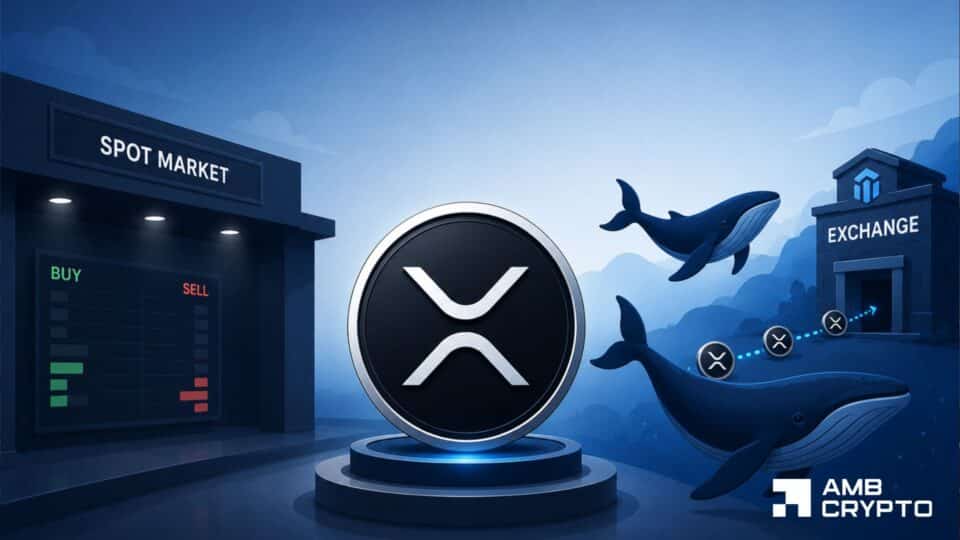
Cấu trúc thị trường gần đây của XRP đang gửi đi những tín hiệu trái chiều khi hoạt động dịch chuyển khỏi giao dịch Spot sang thị trường phái sinh. Giá củng cố trong khoảng $1.086 và $1.113 bất chấp khối lượng giao dịch giảm dần, cho thấy chưa bên mua hay bên bán nắm lợi thế quyết định. Điều đáng chú ý là Mở Interest (OI) cho XRP lại tăng khoảng 5.9% lên 423.8 triệu XRP, và tỷ lệ đòn bẩy ước tính tăng lên 0.162. Sự phân kỳ này quan trọng vì phái sinh có thể duy trì vị thế mà không cần thêm vốn mới vào thị trường. Trong khi dòng tiền vào/ra thị trường Spot sụp đổ ~99%, các nhà giao dịch sử dụng đòn bẩy ngày càng trở thành lực lượng chi phối chính trong việc định giá XRP, giải thích cho sự củng cố giá. Tuy nhiên, nếu nhu cầu Spot không quay trở lại để xác nhận các vị thế này, mức đòn bẩy ngày càng tăng khiến XRP dễ bị tổn thương trước một đợt thanh lý mạnh nếu tâm lý đột ngột thay đổi. Về khía cạnh tích cực, các nhà nắm giữ ngắn hạn (STH) của XRP cuối cùng đã quay trở lại trạng thái có lãi khi chỉ số MVRV 30 ngày vượt lên mức trung tính, đạt 1.03. Sự cải thiện này tương đồng với xu hướng phục hồi tâm lý nhà đầu tư trên các tài sản vốn hóa lớn khác như Bitcoin, Ethereum. Tuy nhiên, sự thay đổi về khả năng sinh lời này cũng làm thay đổi cấu trúc động lực trên thị trường. Khi ngày càng nhiều người nắm giữ ngắn hạn thoát khỏi các khoản lỗ tiềm ẩn, áp lực giữ tài sản thường nhường chỗ cho xu hướng muốn chốt lời. Mặc dù altcoin này vẫn nằm dưới vùng bán lịch sử, hành động giá ngày càng khó duy trì do thiếu nhu cầu mới và khả năng xuất hiện áp lực chốt lời. Tóm lại, trong khi các nhà nắm giữ XRP đã có lãi trở lại, đợt tăng giá chủ yếu được thúc đẩy bởi đòn bẩy trên thị trường phái sinh hơn là nhu cầu Spot thực tế. Mức hỗ trợ $1.10 đang gặp rủi ro khi áp lực chốt lời gia tăng và những nghi ngờ về tính bền vững của xu hướng hiện tại ngày càng lớn.

ambcrypto48 phút trước

Các nhà đầu tư XRP có lời trở lại, nhưng cầu Spot đã biến mất: Liệu $1.10 có giữ được?

ambcrypto48 phút trước

Kalshi tuyên bố kháng cáo sau khi thẩm phán Washington cho rằng thị trường dự đoán có khả năng vi phạm luật cờ bạc của tiểu bang

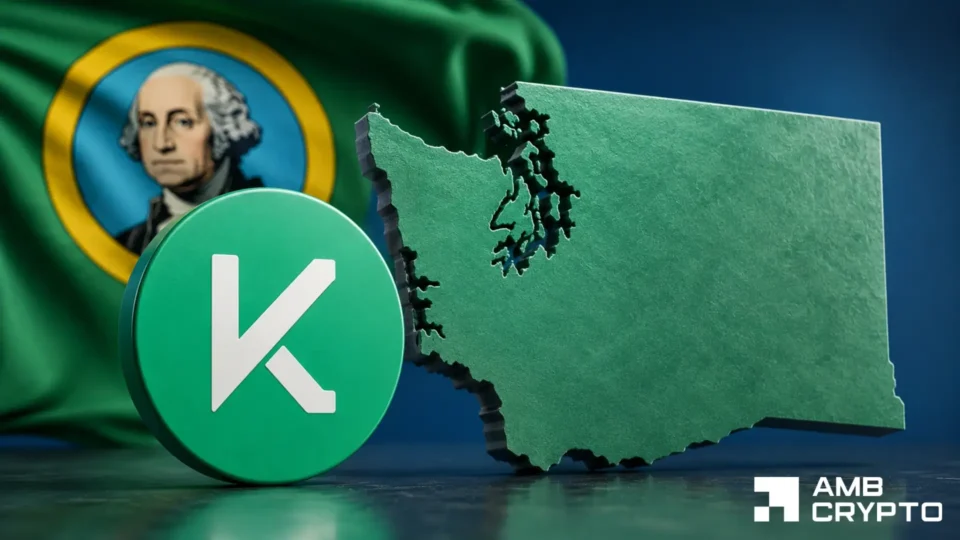
Kalshi tuyên bố sẽ kháng cáo sau khi một thẩm phán tại Washington ra lệnh cấm sơ bộ, xác định rằng nền tảng giao dịch dự đoán này có khả năng vi phạm luật cờ bạc và bảo vệ người tiêu dùng của tiểu bang. Văn phòng Tổng chưởng lý Washington cho rằng Kalshi hoạt động như một doanh nghiệp cá cược trực tuyến bất hợp pháp, cho phép người dùng đặt cược vào nhiều sự kiện từ thể thao đến bầu cử. Kalshi phản đối phán quyết, khẳng định thị trường dự đoán thuộc thẩm quyền quản lý độc quyền của Ủy ban Giao dịch Hàng hóa Tương lai (CFTC) theo Đạo luật Trao đổi Hàng hóa, và các tiểu bang không có quyền điều chỉnh. Tuy nhiên, tòa án Washington nhận định đạo luật liên bang không có hiệu lực áp đảo luật cờ bạc của tiểu bang trong trường hợp này. Vụ việc có thể tạo tiền lệ quan trọng cho việc giám sát các thị trường dự đoán trên toàn quốc, làm rõ sự cạnh tranh thẩm quyền giữa cơ quan liên bang và luật cờ bạc của các tiểu bang. Lệnh cấm chính thức dự kiến được ban hành vào ngày 5/8.

ambcrypto1 giờ trước

Kalshi tuyên bố kháng cáo sau khi thẩm phán Washington cho rằng thị trường dự đoán có khả năng vi phạm luật cờ bạc của tiểu bang

ambcrypto1 giờ trước

Thiết lập 70K USD của Bitcoin đã ở đây dù nhu cầu Spot yếu – Đây là cách!

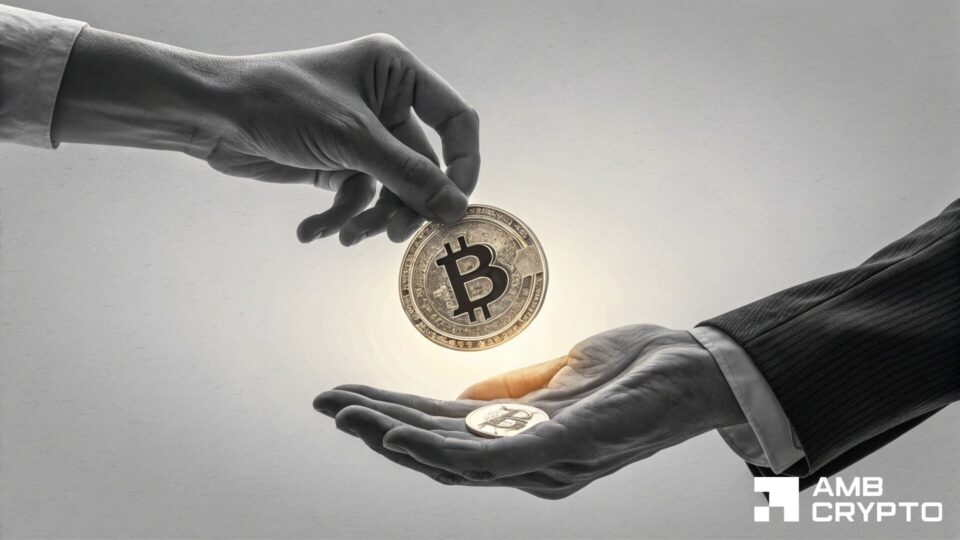
Thị trường đang cho thấy Bitcoin có thể phải đối mặt với nhiều biến động hơn. Báo cáo từ Glassnode chỉ ra rằng đã có hoạt động chốt lời mạnh quanh mức 65.000 USD, trong khi áp lực bán gia tăng. Nhu cầu mua spot, dù phục hồi vào đầu tháng 7, hiện đã suy yếu trở lại, làm dấy lên lo ngại về nguy cơ xảy ra sự kiện thanh lý các vị thế mua (long liquidation) nếu thiếu lực mua mới. Tuy nhiên, dữ liệu phái sinh cho thấy các vị thế mua kỳ vọng giá lên (bullish positioning) và đòn bẩy đang gia tăng trở lại, với tỷ lệ funding rate dương tăng hơn 20% trong vòng chưa đầy 72 giờ. Điều này có thể khiến Bitcoin dễ bị tổn thương trước một đợt điều chỉnh mạnh nếu nhu cầu spot vẫn yếu. Một yếu tố tích cực nổi bật là hành vi của cá voi Bitcoin. Trong 60 ngày qua, họ đã tích lũy 66.700 BTC bất chấp đợt điều chỉnh giảm gần 25%, trong khi các nhà đầu tư cỡ trung bình lại bán ra. Hành động này báo hiệu sự chuyển giao cổ phiếu từ tay những người nắm giữ ngắn hạn (STH) sang tay những người nắm giữ dài hạn (LTH) kiên định hơn, một dấu hiệu thường xuất hiện trước một xu hướng tăng bền vững. Do đó, dù nhu cầu spot yếu, cấu trúc thị trường hiện tại—với sự tích lũy của cá voi và định vị phái sinh—có khả năng hỗ trợ Bitcoin hướng tới mốc 70.000 USD, thay vì tạo ra một cái bẫy tăng giá (bull trap).

ambcrypto1 giờ trước

Thiết lập 70K USD của Bitcoin đã ở đây dù nhu cầu Spot yếu – Đây là cách!

ambcrypto1 giờ trước

Giao dịch

Giao ngay

Bài viết Nổi bật

Làm thế nào để Mua SAFE

Chào mừng bạn đến với HTX.com! Chúng tôi đã làm cho mua Safe (SAFE) trở nên đơn giản và thuận tiện. Làm theo hướng dẫn từng bước của chúng tôi để bắt đầu hành trình tiền kỹ thuật số của bạn.Bước 1: Tạo Tài khoản HTX của BạnSử dụng email hoặc số điện thoại của bạn để đăng ký tài khoản miễn phí trên HTX. Trải nghiệm hành trình đăng ký không rắc rối và mở khóa tất cả tính năng. Nhận Tài khoản của tôiBước 2: Truy cập Mua Crypto và Chọn Phương thức Thanh toán của BạnThẻ Tín dụng/Ghi nợ: Sử dụng Visa hoặc Mastercard của bạn để mua Safe (SAFE) ngay lập tức.Số dư: Sử dụng tiền từ số dư tài khoản HTX của bạn để giao dịch liền mạch.Bên thứ ba: Chúng tôi đã thêm những phương thức thanh toán phổ biến như Google Pay và Apple Pay để nâng cao sự tiện lợi.P2P: Giao dịch trực tiếp với người dùng khác trên HTX.Thị trường mua bán phi tập trung (OTC): Chúng tôi cung cấp những dịch vụ được thiết kế riêng và tỷ giá hối đoái cạnh tranh cho nhà giao dịch.Bước 3: Lưu trữ Safe (SAFE) của BạnSau khi mua Safe (SAFE), lưu trữ trong tài khoản HTX của bạn. Ngoài ra, bạn có thể gửi đi nơi khác qua chuyển khoản blockchain hoặc sử dụng để giao dịch những tiền kỹ thuật số khác.Bước 4: Giao dịch Safe (SAFE)Giao dịch Safe (SAFE) dễ dàng trên thị trường giao ngay của HTX. Chỉ cần truy cập vào tài khoản của bạn, chọn cặp giao dịch, thực hiện giao dịch và theo dõi trong thời gian thực. Chúng tôi cung cấp trải nghiệm thân thiện với người dùng cho cả người mới bắt đầu và người giao dịch dày dạn kinh nghiệm.

Tổng lượt xem 313Xuất bản vào 2024.12.13Cập nhật vào 2026.06.02

Làm thế nào để Mua SAFE

Thảo luận

Chào mừng đến với Cộng đồng HTX. Tại đây, bạn có thể được thông báo về những phát triển nền tảng mới nhất và có quyền truy cập vào thông tin chuyên sâu về thị trường. Ý kiến ​​của người dùng về giá của SAFE (SAFE) được trình bày dưới đây.

活动图片