Polymarket, the largest crypto prediction market in the world, is under fire after bettors allegedly sent death threats to Times of Israel military reporter Emanuel Fabian.
A Bombing Report Turned Into A Bombing Of Threats
A routine war report from Emanuel Fabian for The Times of Israel on Monday triggered a bombarding of harrasment for the journalist. After reporting that an Iranian ballistic missile “struck an open area” near Beit Shemesh on March 10, he was bombarded with messages, including explicit death threats, urging him to rewrite the article as “intercepted fragments”, claims WuBlockchain.
No injuries are reported in Iran’s latest ballistic missile attack on Israel, the fourth today.
One missile struck an open area just outside Beit Shemesh, first responders say and footage shows.
Sirens had sounded across the Jerusalem area, the West Bank, and parts of southern... pic.twitter.com/j6sovAsDwz
— Emanuel (Mannie) Fabian (@manniefabian) March 10, 2026
More than $14 million were bet on whether Iran would strike Israel on that exact date, with rules stating that intercepted missiles would not count as a “Yes” result. Bettors contacted Fabian via email and WhatsApp, in some cases revealing knowledge of his home and family, and even offering bribes in exchange for edits before escalating to threats. According to Binance Square, one bettor claimed Fabian’s wording cost them around $900,000, and threatened the journalist with “settling” him for the same amount if he didn’t change his report.
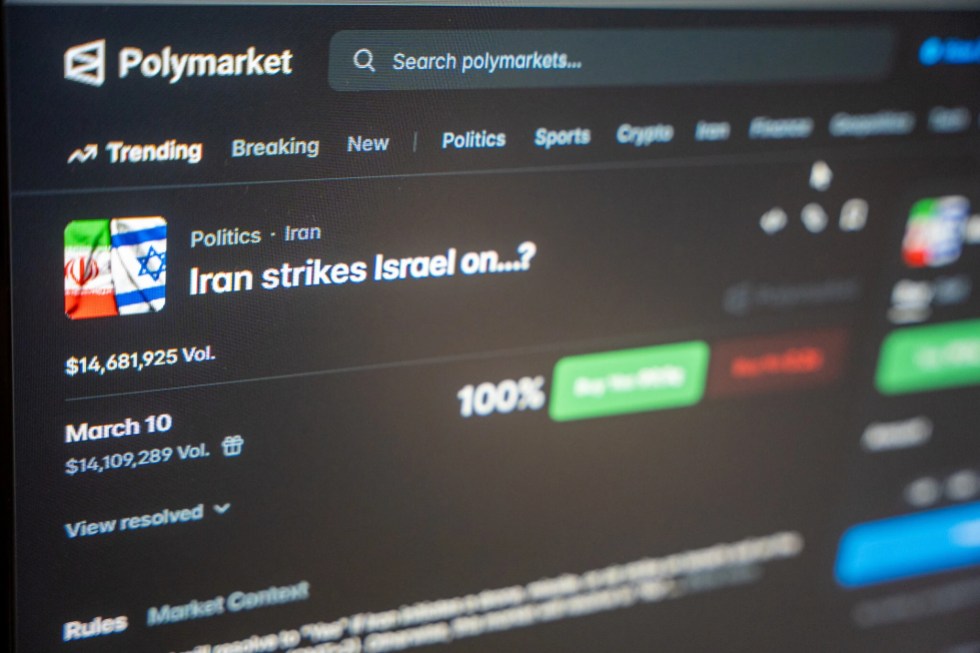
A photo taken on March 16, 2026, shows a bet on Polymarket titled ‘Iran strikes Israel on...?’ Source: Emanuel Fabian for The Israel Times.
Clarifying The Facts
Fabian defended himself citing IDF information and footage of the blast, arguing that the explosion matched a full warhead detonation, not small interceptor debris:
I told Aviv that, from what I know from the Israeli military, the impact outside Beit Shemesh was indeed a missile warhead and not just fragments. I added: “The footage also shows a massive explosion of hundreds of kilograms of explosives from the warhead. Normally, a fragment does not produce such an explosion.”
Ironically enough, the IDF later confirmed that the missile which exploded in an open area outside Beit Shemesh had not been intercepted, with Fabian’s own reporting that “one missile struck an open area just outside Beit Shemesh” treats it as a direct hit, not debris from an interceptor.
Enraged Polymarket bettors, of course, didn’t take the clarification into account.
Another “Crypto Degen Casino” Accusation
Fabian echoed accusations of Polymarket “being plagued by manipulation and insider trading”. This is not the first time this week that Polymarket is accused of insider trading: just yesterday, Argentinian authorities ordered a full national ban of Polymarket after it “predicted” inflation data back in February.
Polymarket responded condemning the behavior, said it had banned the involved accounts, and pledged to hand over identifying information to law‐enforcement agencies:
Polymarket condemns the harassment and threats directed at Emanuel Fabian, or anyone else for that matter. This behavior violates our terms of service and has no place on our platform or anywhere else.
Polymarket condemns the harassment & threats directed at Emanuel Fabian — or anyone else for that matter.
This behavior violates our Terms of Service & has no place on our platform. We’ve banned the accounts for all involved & will pass their info to the relevant authorities.
— Polymarket (@Polymarket) March 16, 2026
This episode follows earlier concerns around alleged insider trading on Iran‐strike markets and controversial resolutions on other high‐stakes political bets, raising fresh questions about governance, ethics, and oracles in crypto prediction markets.
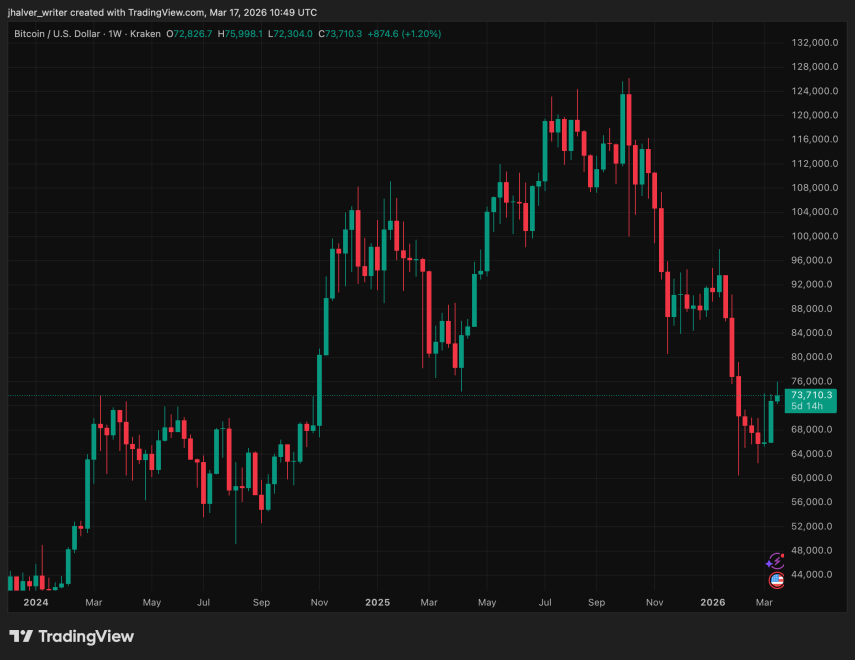
BTC’s price is on the highs $73k on the daily chart. Source: BTCUSD on Tradingview
Cover image from Perplexity, BTCUSD chart from Tradingview