Crypto and AI Need Female Executives

比推Xuất bản vào 2026-01-21Cập nhật gần nhất vào 2026-01-21

Tóm tắt

The article "Crypto and AI Need Female Executives" highlights the rising prominence of women in leadership roles within the AI industry and draws parallels to their earlier influence in the crypto sector. It cites examples such as CZ Chen, COO of Manus (acquired by Meta), and MiniMax’s 31-year-old COO Yun Yeyi, who played a crucial role in the company’s IPO and commercial strategy. Globally, figures like Daniela Amodei of Anthropic, Lila Ibrahim of DeepMind, and Mira Murati of Thinking Machines Lab further illustrate this trend. The author notes that both crypto and AI are highly technical fields often led by founders strong in engineering but weaker in communication, marketing, and public relations—areas where female executives excel. Women like Binance’s He Yi and Matrixport’s Cynthia Wu previously helped bridge the gap between complex technology and mass adoption in crypto. The piece argues that the presence of women in operational and marketing roles signals an industry’s shift from pure technological development to commercialization and mainstream acceptance. As AI continues to attract top female talent, crypto—now lacking in narrative-building and user-friendly leadership—risks being left behind. The movement of talented female executives toward AI, the author concludes, is a marker of the industry’s growing maturity and commercial viability.

Author: Alice, Deep Tide TechFlow

Original Title: Crypto and AI Need Female Executives


Recently, an interesting phenomenon has been observed in the AI industry: more and more female executives are stepping into the spotlight.

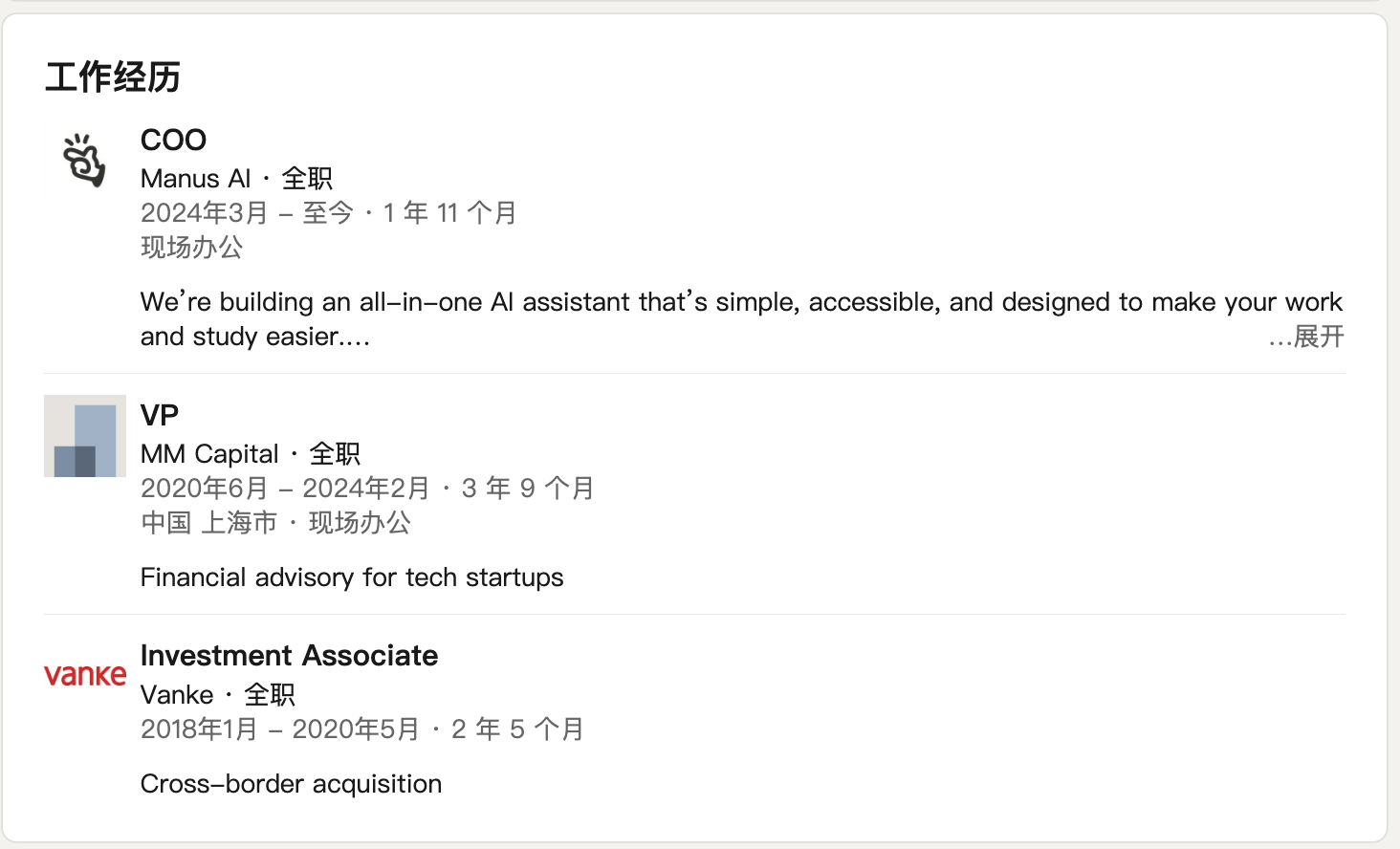
On December 30th, Meta announced it would acquire Manus for $2 billion, bringing 90s-born COO CZ Chen into the public eye. With an undergraduate degree from Shanghai University of Finance and Economics and a master's from Columbia University, she began her career in 2018, working at Vanke and FA institutions before making her final leap to Manus in 2024, achieving financial freedom.
On January 9th, at MiniMax's bell-ringing ceremony, standing alongside 36-year-old founder Yan Junjie was a 94-born woman, Yun Yeyi.
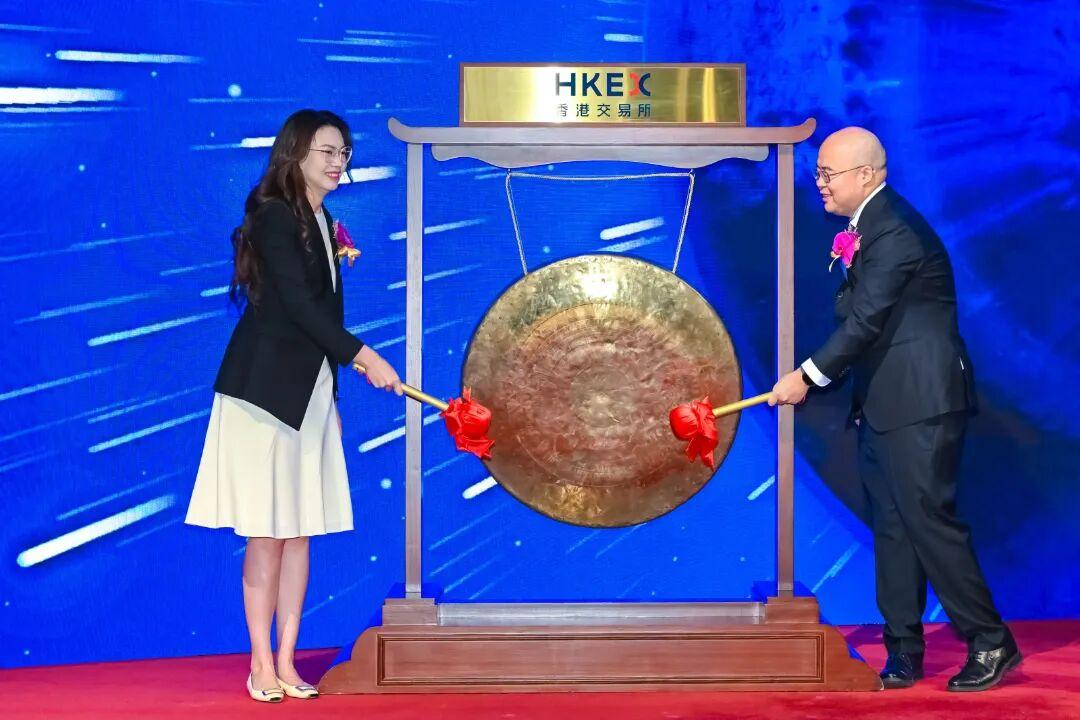
This 31-year-old COO now has a net worth of HKD 4.8 billion.

What is Yun Yeyi's background?

She studied electronic engineering at Johns Hopkins University, with minors in economics and mathematics. After graduating in 2017, she joined SenseTime, rising from financing manager to assistant to CEO Xu Li, and then to director of the new business department, witnessing SenseTime's journey from unicorn to Hong Kong listing.

In 2022, when Yan Junjie decided to leave SenseTime to found MiniMax, Yun Yeyi followed almost without hesitation.

Her value goes beyond just following.

MiniMax's prospectus shows that Yun Yeyi handles almost everything except technical R&D: products, commercialization, board matters, operations, management... Her annual salary is $1.479 million, more than all other executive directors combined, a figure that speaks for itself.

It's not just in China; globally, female influence in the AI circle is undeniable.

Daniela Amodei, with a background in English literature, worked at Stripe and OpenAI before co-founding Anthropic with her brother Dario in 2021. As president, she focuses on daily operations and commercialization, driving the marketization of Claude products.

Lila Ibrahim, former Intel executive, joined DeepMind in 2018 as its first COO, responsible for daily operations, partnerships, social impact, external affairs, and government relations.

Mira Murati, the Albanian-born former CTO of OpenAI, came to the U.S. on a scholarship at 16. From the Tesla Model X team to OpenAI, she eventually left to found Thinking Machines Lab, now valued at $9 billion...

This scene feels familiar.

From 2017 to 2021, the golden age of crypto was star-studded, with one bright spot being female CMOs and COOs.

The most well-known is undoubtedly Binance co-founder and CMO He Yi (now co-CEO). From Shanghai to Tokyo, then from Malta to Paris and Dubai, every strategic move involved her, helping the company become the world's largest cryptocurrency exchange.

Lisa Loud, from Apple engineer to PayPal's Canadian market head, jumped to BitMEX as CMO in 2017. BitMEX later became the world's largest crypto derivatives trading platform.

Cynthia Wu, COO of Matrixport, former vice president of product development at HKEX, brought traditional finance experience to crypto financial services, helping the company become one of Asia's largest digital asset service platforms.

......

Once, crypto was the world's asset focus, and the spotlight naturally fell on these female executives at the center stage.

But the tide receded, and the protagonists changed.

Now, AI is the focus of the spotlight, so we see Daniela Amodei on the Forbes rich list and Yun Yeyi radiant at MiniMax's listing ceremony.

Fundamentally, Crypto and AI are strikingly similar: "both cutting-edge and rustic."

Cutting-edge is reflected in the technology itself: blockchain reconstructs trust mechanisms, AI reconstructs productivity—both are underlying technologies that can change the world.

Rustic is reflected in the founder profile: mostly technical backgrounds, fluent in code but unfamiliar with marketing, especially government and public relations.

This is where female COOs/CMOs add value. They are the bridge between technical geniuses and the external world, capable of deep dialogue with technical teams and telling compelling stories to investors and users.

Daniela Amodei transformed AI safety philosophy into executable business strategies, helping Claude break through in the shadow of ChatGPT. Yun Yeyi brought MiniMax from the lab to the C-end market. He Yi long served as the chief customer officer, personally answering user questions and building trust.

When a product moves beyond the pure technical stage and increasingly targets the C-end, the advantages of female executives become more apparent.

After all, PR and products require not adversarial thinking but empathy.

From another perspective, capable female executives vote with their feet. They go where they can施展才华 and create value. If they start leaving an industry, it indicates the disappearance of commercial certainty.

The crypto industry's current problem is obvious: a lack of talent that can transform technology into products accepted by the masses. Mass adoption and positive externalities remain empty talk. Observing any emerging industry reveals this pattern: when female executives with technical understanding, business acumen, and narrative skills begin to rise, the industry truly shifts from technology-driven to commercialization and mass adoption.

Their emergence marks the true maturity of an industry.

The AI circle has already undergone this transition. Female executives like Daniela Amodei and Yun Yeyi are driving productization, bringing AI from lab algorithms into daily life and the business world.

As for the crypto industry, if it can't retain "elites who can speak human language," it deserves to remain stuck in the mud of PVP.

The flow of talent is the industry's weather vane.

Where they go, value is created; where they leave, bubbles often burst.


Original link:https://www.bitpush.news/articles/7604790

Câu hỏi Liên quan

QWhat is the trend observed in the AI industry regarding female executives, as mentioned in the article?

AThe article notes an increasing trend of female executives taking prominent roles in the AI industry, such as COOs and CMOs, who are driving commercialization and productization of AI technologies.

QWho is Yun Yeyi, and what is her role at MiniMax?

AYun Yeyi is the 31-year-old COO of MiniMax, with a background in electronic engineering and economics from Johns Hopkins University. She handles almost all non-technical aspects of the company, including product, commercialization, board matters, operations, and management, with an annual salary of $1.479 million.

QHow does the article compare the roles of female executives in Crypto and AI industries?

AThe article highlights that both Crypto and AI industries benefit from female COOs and CMOs who act as bridges between technical teams and the external world. They excel in marketing, government relations, and storytelling, which are crucial for turning complex technologies into widely accepted products.

QWhat common characteristic do Crypto and AI share, according to the article?

ACrypto and AI are both described as 'cutting-edge yet rustic.' They are cutting-edge in terms of technology (blockchain redefining trust mechanisms and AI redefining productivity), but rustic in that founders are often technical experts who lack skills in marketing and external relations.

QWhat does the article suggest about the movement of talented female executives between industries?

AThe article suggests that the movement of talented female executives indicates where value is being created. Their presence signals industry maturity and successful commercialization, while their departure often points to fading commercial certainty and bubble bursts, as seen in Crypto's decline and AI's rise.

Nội dung Liên quan

Polymarket Bị Kẹt: Bài Kiểm Tra Thực Sự Sau Khi Vượt Qua Giai Đoạn Lưu Lượng Tăng Đột Biến

Polymarket, nền tảng dự đoán thị trường hàng đầu, đang đối mặt với thách thức lớn khi trải nghiệm giao dịch xuống cấp do hạ tầng không theo kịp đà tăng trưởng. Phó chủ tịch kỹ thuật Josh Stevens thừa nhận vấn đề và công bố kế hoạch cải tổ toàn diện, bao gồm: giảm độ trễ dữ liệu, sửa lỗi hủy lệnh, xây dựng lại hệ thống order book (CLOB), nâng cao hiệu suất website, và quan trọng nhất là di chuyển chain (chain migration). Nguyên nhân sâu xa nằm ở việc Polymarket không còn là ứng dụng dự đoán đơn thuần mà đã phát triển thành một nền tảng giao dịch tần suất cao. Polygon, từng là lựa chọn chi phí thấp hoàn hảo, giờ đây trở thành rào cản kỹ thuật. Động thái này ngay lập tức thu hút sự quan tâm của các blockchain khác như Solana, Sui, Algorand... trong khi Polygon nỗ lực giữ chân ứng dụng quan trọng này - nguồn đóng góp phí giao dịch đáng kể cho hệ sinh thái của họ. Bài kiểm tra thực sự của Polymarket không chỉ là chọn chain mới, mà là xây dựng một hệ thống giao dịch đủ mạnh và ổn định để giữ chân người dùng trong giai đoạn tăng trưởng mới, nơi độ tin cậy quan trọng hơn bao giờ hết.

Odaily星球日报14 giờ trước

Polymarket Bị Kẹt: Bài Kiểm Tra Thực Sự Sau Khi Vượt Qua Giai Đoạn Lưu Lượng Tăng Đột Biến

Odaily星球日报14 giờ trước

Điều chỉnh kỳ vọng giảm cho chu kỳ tăng giá tiếp theo của BTC

Tác giả Alex Xu, một nhà đầu tư Bitcoin lâu năm, đã chia sẻ quyết định giảm dần tỷ trọng BTC trong danh mục đầu tư của mình, từ vị thế lớn nhất xuống còn khoảng 30%, và giải thích lý do cho việc điều chỉnh kỳ vọng về đỉnh giá trong chu kỳ bull market tiếp theo. Các lý do chính bao gồm: 1. **Năng lượng tăng trưởng tiềm năng giảm:** Các chu kỳ trước được thúc đẩy bởi việc mở rộng đối tượng đầu tư theo cấp số nhân (từ cá nhân đến tổ chức). Chu kỳ tới cần sự chấp nhận từ các quỹ đầu tư quốc gia hoặc ngân hàng trung ương, điều này khó xảy ra trong 2-3 năm tới. 2. **Chi phí cơ hội cá nhân:** Tìm thấy nhiều cơ hội đầu tư hấp dẫn khác (cổ phiếu công ty) với mức giá hợp lý. 3. **Tác động tiêu cực từ sự thu hẹp của ngành crypto:** Nhiều mô hình Web3 (SocialFi, GameFi...) không thành công, dẫn đến sự thu hẹp của toàn ngành và làm chậm tốc độ tăng trưởng số người nắm giữ BTC. 4. **Áp lực từ nhà mua lớn nhất (MicroStrategy):** Chi phí huy động vốn của MicroStrategy tiếp tục tăng cao (lãi suất 11.5%), có thể làm giảm tốc độ mua vào và gây áp lực bán. 5. **Sự cạnh tranh từ Vàng được token hóa:** Sản phẩm vàng token hóa (tokenized gold) đã thu hẹp khoảng cách về tính dễ chia nhỏ, dễ mang theo và dễ xác minh so với BTC. 6. **Vấn đề ngân sách bảo mật:** Phần thưởng khối giảm sau mỗi lần halving làm trầm trọng thêm vấn đề ngân sách cho bảo mật mạng lưới. Tác giả vẫn giữ một phần BTC đáng kể và sẵn sàng mua lại nếu các lý kiến trên được giải quyết hoặc xuất hiện các yếu tố tích cực mới, với điều kiện giá cả phù hợp.

marsbit14 giờ trước

Điều chỉnh kỳ vọng giảm cho chu kỳ tăng giá tiếp theo của BTC

marsbit14 giờ trước

Giao dịch

Giao ngay
Hợp đồng Tương lai

Bài viết Nổi bật

Làm thế nào để Mua ALICE

Chào mừng bạn đến với HTX.com! Chúng tôi đã làm cho mua My Neighbor Alice (ALICE) trở nên đơn giản và thuận tiện. Làm theo hướng dẫn từng bước của chúng tôi để bắt đầu hành trình tiền kỹ thuật số của bạn.Bước 1: Tạo Tài khoản HTX của BạnSử dụng email hoặc số điện thoại của bạn để đăng ký tài khoản miễn phí trên HTX. Trải nghiệm hành trình đăng ký không rắc rối và mở khóa tất cả tính năng. Nhận Tài khoản của tôiBước 2: Truy cập Mua Crypto và Chọn Phương thức Thanh toán của BạnThẻ Tín dụng/Ghi nợ: Sử dụng Visa hoặc Mastercard của bạn để mua My Neighbor Alice (ALICE) ngay lập tức.Số dư: Sử dụng tiền từ số dư tài khoản HTX của bạn để giao dịch liền mạch.Bên thứ ba: Chúng tôi đã thêm những phương thức thanh toán phổ biến như Google Pay và Apple Pay để nâng cao sự tiện lợi.P2P: Giao dịch trực tiếp với người dùng khác trên HTX.Thị trường mua bán phi tập trung (OTC): Chúng tôi cung cấp những dịch vụ được thiết kế riêng và tỷ giá hối đoái cạnh tranh cho nhà giao dịch.Bước 3: Lưu trữ My Neighbor Alice (ALICE) của BạnSau khi mua My Neighbor Alice (ALICE), lưu trữ trong tài khoản HTX của bạn. Ngoài ra, bạn có thể gửi đi nơi khác qua chuyển khoản blockchain hoặc sử dụng để giao dịch những tiền kỹ thuật số khác.Bước 4: Giao dịch My Neighbor Alice (ALICE)Giao dịch My Neighbor Alice (ALICE) dễ dàng trên thị trường giao ngay của HTX. Chỉ cần truy cập vào tài khoản của bạn, chọn cặp giao dịch, thực hiện giao dịch và theo dõi trong thời gian thực. Chúng tôi cung cấp trải nghiệm thân thiện với người dùng cho cả người mới bắt đầu và người giao dịch dày dạn kinh nghiệm.

Tổng lượt xem 219Xuất bản vào 2024.12.11Cập nhật vào 2025.03.21

Làm thế nào để Mua ALICE

Thảo luận

Chào mừng đến với Cộng đồng HTX. Tại đây, bạn có thể được thông báo về những phát triển nền tảng mới nhất và có quyền truy cập vào thông tin chuyên sâu về thị trường. Ý kiến ​​của người dùng về giá của ALICE (ALICE) được trình bày dưới đây.

活动图片













