Bloomberg: Assisting Turkey in Freezing $1 Billion in Assets, Tether Is Reshaping Compliance Boundaries

marsbitXuất bản vào 2026-02-15Cập nhật gần nhất vào 2026-02-15

Tóm tắt

On January 30, Turkish authorities froze over $500 million in assets linked to Veysel Sahin, who is accused of operating an illegal gambling platform and money laundering. The operation was executed by an unnamed cryptocurrency company, later revealed to be Tether Holdings SA, the issuer of the $185 billion stablecoin USDT. Tether has been cooperating with global law enforcement agencies to combat crypto-related crimes, including money laundering and sanctions evasion. Tether CEO Paolo Ardoino stated that the company follows legal procedures when assisting authorities, including the U.S. Department of Justice and FBI. The freeze is part of a broader Turkish operation that has seized over $1 billion in assets. A second individual under investigation for similar charges had an additional $500 million in crypto assets frozen, though it is unclear if Tether tokens were involved. According to Elliptic, Tether and its competitor Circle have blacklisted approximately 5,700 wallets holding around $2.5 billion in assets, with three-quarters of them containing USDT. Tether claims to have assisted law enforcement in 62 countries, freezing $3.4 billion in USDT tied to illicit activities. This marks a significant shift from Tether’s earlier conflicts with U.S. regulators, including a 2021 settlement over misrepresenting reserves. The company has recently re-entered the U.S. market with a compliant stablecoin, USAT, and has gained recognition for its cooperation with authorities. Despit...

On January 30, Turkish authorities announced the freezing of assets worth over $500 million in the name of Veysel Sahin, who is accused of operating an illegal gambling platform and suspected of money laundering. The Istanbul Chief Prosecutor revealed that an unnamed cryptocurrency company carried out the freezing operation at the request of the Turkish government.

This company is Tether Holdings SA, the issuer of the stablecoin USDT with a market capitalization of $185 billion. Recently, the company has actively assisted governments worldwide in combating various cryptocurrency-related criminal activities, including money laundering, drug trafficking, and sanctions evasion.

Tether CEO Paolo Ardoino stated in a recent interview with Bloomberg News: "Law enforcement agencies approach us, provide relevant information, we verify the information, and then take action in accordance with the laws of the country. We follow this process when cooperating with agencies such as the U.S. Department of Justice and the FBI."
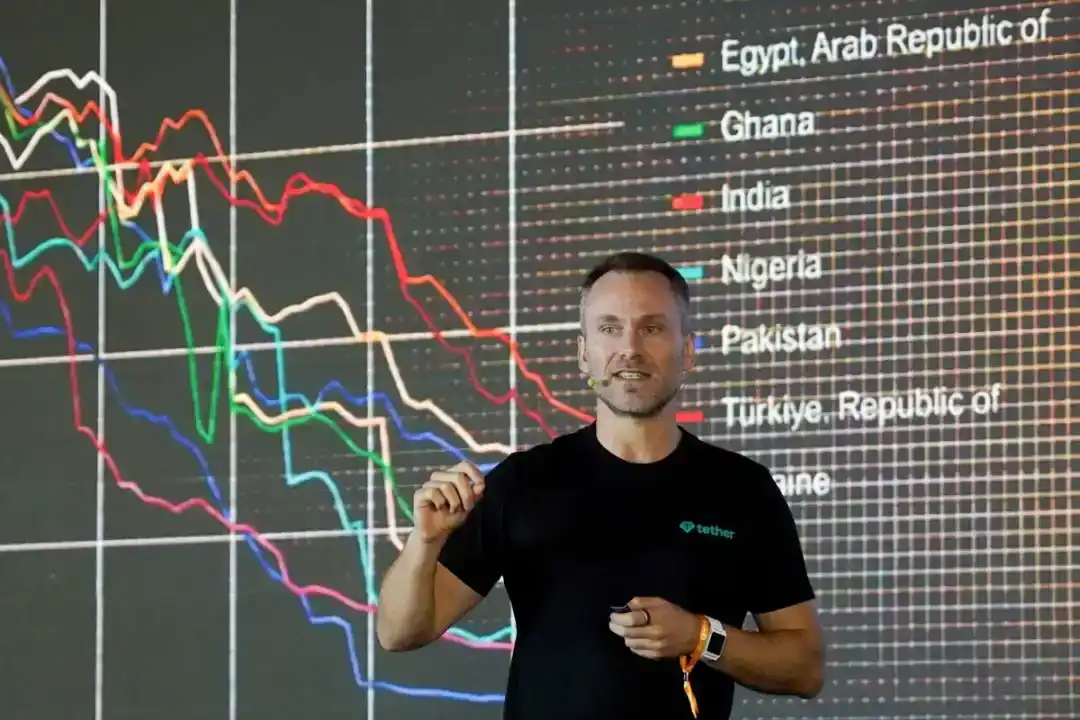
Tether declined to comment further on the case. Bloomberg was unable to reach Sahin. A Turkish official also refused to disclose the name of the company mentioned in the prosecutor's statement.

The frozen assets of 460 million euros (approximately $544 million) are part of a large-scale law enforcement operation in Turkey, with the total value of frozen assets in the case now exceeding $1 billion. According to Turkish television NTV, a few days after the announcement of Sahin's asset freeze, another individual was investigated for suspected money laundering and illegal gambling, and crypto assets worth $500 million in their name were also frozen. However, it is currently unclear whether this asset freeze involved tokens issued by Tether.

A Turkish official, who spoke anonymously on sensitive legal matters to Bloomberg, revealed that authorities discovered the "financial traces" of these suspected illegal proceeds by tracking fund flows and analyzing crypto assets. The official also stated that similar asset freezes would be implemented in the future against individuals involved in illegal gambling and payment systems.

For Tether, this freezing operation is just one of its increasingly frequent asset freezes, highlighting the growing efforts of this cryptocurrency giant to cooperate with global law enforcement agencies.

A report released by analytics firm Elliptic in January showed that by the end of 2025, Tether and its competitor Circle Internet Group Inc. had blacklisted approximately 5,700 wallets, involving assets of about $2.5 billion, a figure that was negligible two years ago. At the time of freezing, three-quarters of these wallets held USDT.

Arda Akartuna, Head of Crypto Threat Intelligence for Asia-Pacific at Elliptic, said: "As the legitimate application of cryptocurrencies and the integration into global payments accelerate, illegal usage has also increased, prompting stablecoin issuers to intervene more actively."

Tether often publicizes its efforts to combat criminal activities, including in communications aimed at attracting potential investors. The company is seeking funding at a valuation of up to $500 billion. According to its website, Tether has assisted law enforcement agencies in 62 countries in handling over 1,800 cases, freezing $3.4 billion worth of USDT related to suspected illegal activities.

Nathan McCauley, Co-founder and CEO of Tether's partner Anchorage Digital Bank, stated in an interview: "They (Tether) are extremely proactive in their cooperation. Among stablecoin issuers, the company has the 'recognized best reputation' with law enforcement agencies."

Anchorage is the issuer of Tether's compliant dollar stablecoin USAT, which was launched in late January, marking Tether's return to the U.S. market.

This represents a significant shift from the tense relationship between Tether and U.S. regulators a few years ago. After clashing with regulators in 2018, Tether largely exited the U.S. market and paid a $41 million settlement in 2021 to resolve allegations of misrepresenting its reserves.

However, the second Trump administration has shown a welcoming attitude towards the cryptocurrency industry. Last year, Ardoino attended, along with several other executives, the ceremony where President Trump signed the stablecoin regulatory bill.
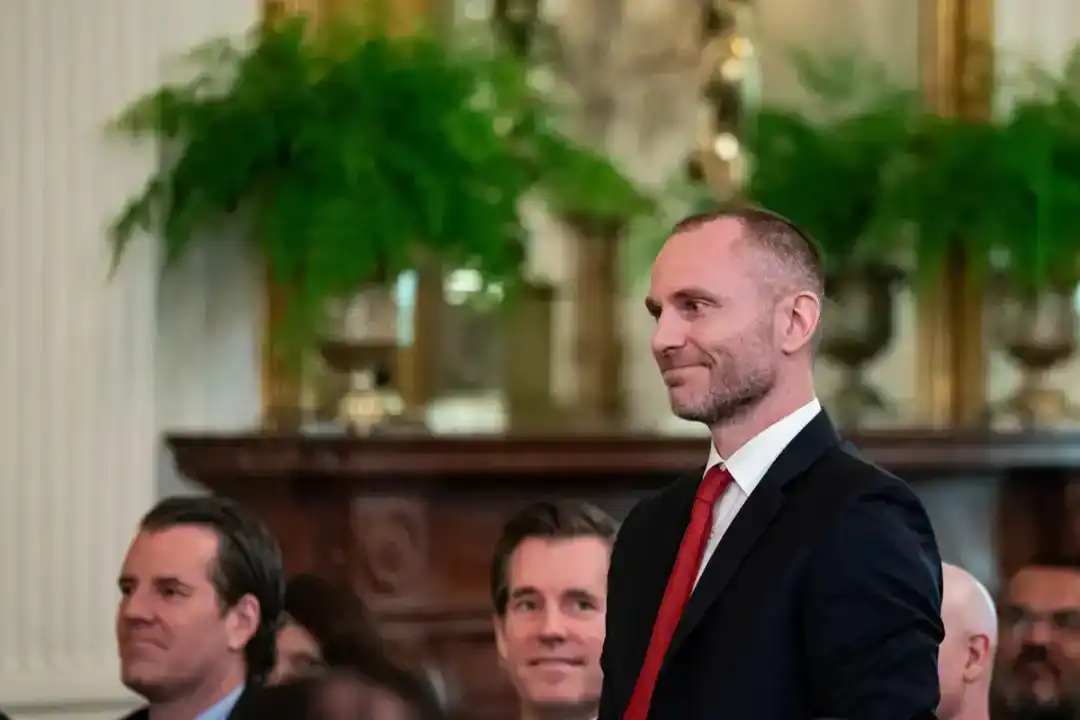
Even so, Tether's USDT continues to face scrutiny from authorities due to its widespread use by criminals.

On January 9, the U.S. Attorney's Office for the Eastern District of Virginia announced charges against a Venezuelan citizen for laundering $1 billion using USDT. A recent report from Elliptic showed that the Central Bank of Iran purchased over $500 million worth of USDT to alleviate its currency crisis and evade U.S. sanctions.

Fugitive Sahin is accused of leading an organization that laundered money for illegal online gambling platforms. According to local media, Sahin was sentenced to 10 years in prison in 2017, released in 2023, and sentenced to another 21 years in prison one month later. His current whereabouts are unknown, but the state-run Anadolu Agency reported on January 30 that "the relevant authorities are advancing the legal process for his extradition back to Turkey."


Câu hỏi Liên quan

QWhat was the unmentioned cryptocurrency company that assisted Turkish authorities in freezing assets, and what is its significance in the market?

AThe unmentioned cryptocurrency company was Tether Holdings SA, the issuer of the USDT stablecoin with a market capitalization of $185 billion. It is a major player in the cryptocurrency market, providing a widely used stablecoin.

QAccording to the article, what specific actions has Tether taken to assist global law enforcement agencies?

ATether has been actively assisting global law enforcement by freezing assets linked to crimes such as money laundering, drug trafficking, and sanctions evasion. They verify information provided by authorities and take action in accordance with the laws of the relevant countries.

QHow does the article describe the shift in Tether's relationship with U.S. regulators over the years?

AThe article describes a significant shift. After a 2018 conflict with regulators and a 2021 settlement over misrepresenting reserves, Tether largely exited the U.S. market. However, the current U.S. administration is more welcoming, and Tether CEO recently attended a ceremony for a stablecoin regulatory bill, marking a return to the market.

QWhat statistics does the article cite from Elliptic regarding the scale of frozen assets by stablecoin issuers?

AAn Elliptic report stated that by the end of 2025, Tether and its competitor Circle had blacklisted approximately 5,700 wallets, involving around $2.5 billion in assets. Three-quarters of these wallets held USDT at the time of freezing.

QBeyond the Turkish case, what other examples of alleged criminal use of USDT are mentioned in the article?

AThe article mentions a U.S. case where a Venezuelan citizen was charged with laundering $1 billion using USDT. It also cites an Elliptic report that Iran's central bank purchased over $500 million in USDT to mitigate a currency crisis and circumvent U.S. sanctions.

Nội dung Liên quan

Từ Hàn Quốc đến Mỹ: Nhờ AI, Lao Động Chân Tay Ngày Càng 'Lên Ngôi'

Trí tuệ nhân tạo (AI) đang định hình lại thị trường lao động. Bằng đại học 4 năm không còn là "tấm vé an toàn", trong khi các nghề kỹ thuật như thợ điện, thợ hàn, thợ sửa ống nước đang có nhu cầu cao và mức lương hấp dẫn chưa từng thấy. Thanh niên từ Mỹ đến Hàn Quốc đang thay đổi quan điểm về giáo dục và nghề nghiệp. Số liệu cho thấy sự chuyển dịch rõ rệt: doanh thu trường dạy nghề ở Mỹ tăng mạnh 11.4%, trong khi các đợt sa thải nhân viên văn phòng do AI cũng lên mức cao kỷ lục. Áp lực AI thay thế lao động trí thức, cộng với nhu cầu mở rộng cơ sở hạ tầng và trung tâm dữ liệu, đang đẩy cung-cầu nghiêng về lao động kỹ thuật. Khảo sát cho thấy 60% thế hệ Z có kế hoạch làm nghề lao động kỹ thuật vào năm 2026, vì tin rằng những nghề này có tính an toàn nghề nghiệp cao hơn trước AI. Nhiều nghề kỹ thuật hiện có mức lương trung bình ngang bằng hoặc vượt các nghề yêu cầu bằng đại học. Mô hình học việc "vừa học vừa làm" hấp dẫn, và công việc này khó bị AI thay thế hoặc gia công ra nước ngoài. Tại Hàn Quốc, học sinh tốt nghiệp trung học bán dẫn có tỷ lệ có việc làm ngay lên tới 96.4%. Tuy nhiên, ngành này đang đối mặt với khoảng trống kép: làn sóng nghỉ hưu ồ ạt và nhu cầu mở rộng cơ sở hạ tầng. Dự báo Mỹ sẽ thiếu hụt hàng triệu lao động có kỹ năng. Nhiều tập đoàn lớn như Meta, Lowe's đã đầu tư hàng trăm triệu USD vào các chương trình đào tạo. Dù nhu cầu thị trường rõ ràng, định kiến xã hội coi trọng bằng đại học hơn học nghề vẫn tồn tại. Các chuyên gia nhấn mạnh cần có những nỗ lực chủ động từ ngành công nghiệp để thu hẹp khoảng cách nhận thức này, thông qua các chương trình trải nghiệm thực tế cho giới trẻ, nhằm giải quyết tận gốc tình trạng thiếu hụt lao động kỹ thuật.

marsbit35 phút trước

Từ Hàn Quốc đến Mỹ: Nhờ AI, Lao Động Chân Tay Ngày Càng 'Lên Ngôi'

marsbit35 phút trước

Từ TPU đến Agent Tự Tiến Hóa: Jeff Dean Nhìn Nhận Bước Tiếp Theo của AI Như Thế Nào?

Trong buổi phỏng vấn tại YC Startup School 2026, Jeff Dean chia sẻ tầm nhìn về tương lai của AI. Ông nhấn mạnh rằng cuộc cạnh tranh AI không còn là ai có mô hình lớn hơn, mà là ai có thể tổ chức trí thông minh hiệu quả hơn. Điểm then chốt là sự chuyển dịch từ việc huấn luyện các mô hình đơn thuần sang xây dựng các hệ thống "Agent" có khả năng làm việc lâu dài, tự động thử nghiệm, xác minh và tích lũy kinh nghiệm. Các Agent này cần được trang bị công cụ, bộ nhớ, môi trường thực thi và cơ chế phản hồi rõ ràng. Jeff Dean cho rằng cơ hội cho các startup nằm ở những lĩnh vực chuyên biệt nơi các mô hình phổ thông hiện có tỷ lệ thành công rất thấp (gần 0-1%), nhờ vào dữ liệu độc quyền, công cụ đánh giá chuyên môn hoặc mô hình chuyên sâu. Ông cũng dự đoán phần cứng chuyên dụng cho suy luận (inference) với độ trễ thấp và tiêu thụ năng lượng thấp sẽ là chìa khóa. Khi chi phí tạo mã trở nên rẻ hơn, giá trị thực sự sẽ nằm ở khả năng xác định vấn đề đáng giải quyết, thiết kế thông số kỹ thuật rõ ràng và có "khiếu" thẩm định. Tương lai của AI là xây dựng các hệ thống có thể tự động hóa phương pháp khoa học, chạy các vòng lặp thử nghiệm với tốc độ cao để khám phá và cải tiến không ngừng.

marsbit37 phút trước

Từ TPU đến Agent Tự Tiến Hóa: Jeff Dean Nhìn Nhận Bước Tiếp Theo của AI Như Thế Nào?

marsbit37 phút trước

Qualcomm: Cơn sốt AI dịu dần, khi nào điện thoại mới thoát khỏi 'bóng mây'?

Qualcomm (QCOM.O) công bố báo cáo tài chính quý III năm tài chính 2026 (kết thúc tháng 6/2026) với doanh thu 9,95 tỷ USD, giảm 4% so với cùng kỳ, vượt kỳ vọng thị trường. Tuy nhiên, lợi nhuận gộp giảm 2,5 điểm phần trăm xuống 53,1% do chi phí sản xuất và lưu trữ tăng. Mảng kinh doanh bán dẫn (QCT) chịu ảnh hưởng nặng từ smartphone, doanh thu giảm 19,6% xuống 5,09 tỷ USD. Nguyên nhân do sản lượng điện thoại Android (trừ Apple) giảm 11% và xu hướng các hãng sử dụng nền tảng cũ để tiết kiệm chi phí. Trong khi đó, mảng ô tô tăng trưởng mạnh 61% lên 1,59 tỷ USD nhờ Snapdragon Digital Chassis, và IoT tăng 9% lên 1,83 tỷ USD. Lợi nhuận hoạt động cốt lõi giảm 41% do áp lực biên lợi nhuận và chi phí hoạt động tăng. Dự báo quý tới, doanh thu dự kiến 9,7-10,5 tỷ USD, phù hợp với kỳ vọng, nhưng EPS (Non-GAAP) dự báo thấp hơn. Trong bối cảnh thị trường điện thoại trì trệ, Qualcomm đang tìm kiếm tăng trưởng từ AI, bao gồm AI trên thiết bị (AI Phone, AI PC) và đặc biệt là trung tâm dữ liệu AI với bốn hướng: bộ tăng tốc AI, CPU thương mại, chip tùy chỉnh và sản phẩm kết nối. Công ty đặt mục tiêu doanh thu 15 tỷ USD cho mảng trung tâm dữ liệu vào năm tài chính 2029, nhưng hiện tại thị trường vẫn đang thận trọng. Giá cổ phiếu đã giảm từ đỉnh 250 USD xuống dưới 160 USD, phản ánh lo ngại về chi tiêu AI và hiệu suất cơ bản hiện tại.

marsbit39 phút trước

Qualcomm: Cơn sốt AI dịu dần, khi nào điện thoại mới thoát khỏi 'bóng mây'?

marsbit39 phút trước

Sự cố Coldcard kích hoạt làn sóng Bitcoin, củng cố tiền điện tử 'tăng giá': Hodler's Digest, 2 tháng 8

Sự kiện khai thác lỗ hổng trên ví cứng Coldcard đã dẫn đến việc mất khoảng 90 triệu USD Bitcoin, khiến nhiều nhà đầu tư nhỏ chuyển tiền gấp sang các sàn tập trung. Dữ liệu cho thấy khối lượng giao dịch Bitcoin dưới 1 BTC đạt mức cao nhất hàng ngày kể từ năm 2022. Trong bối cảnh đó, ngành công nghiệp tiền mã hóa được cho là đang bước vào giai đoạn củng cố lớn nhất, với doanh thu ngày càng tập trung vào một số ít giao thức hàng đầu như Hyperliquid và Pump.fun. Nhà phân tích Lorenzo Valente của ARK Invest nhận định xu hướng này là "cực kỳ tích cực" cho không gian crypto, dù nó có thể đi kèm với nhiều vụ sáp nhập, phá sản và đóng cửa dự án. Mặt khác, báo cáo thu nhập quý II của các công ty lớn như Coinbase và MicroStrategy cho thấy kết quả ảm đạm, với thua lỗ gia tăng. Đồng thời, những bất ổn về mặt pháp lý vẫn tiếp diễn, như sự bế tắc của Dự luật Clarity Act tại Mỹ hay các cáo buộc nhắm vào nhà sáng lập Telegram Pavel Durov từ Nga và Australia. Cuối tuần, thị trường chung đi xuống, với Bitcoin giảm 3%. Grayscale đưa ra dự báo lạc quan rằng Bitcoin có thể đã chạm đáy sớm hơn chu kỳ truyền thống, mặc dù nhiều tín hiệu tương tự trước đó vẫn chưa ứng nghiệm.

cointelegraph56 phút trước

Sự cố Coldcard kích hoạt làn sóng Bitcoin, củng cố tiền điện tử 'tăng giá': Hodler's Digest, 2 tháng 8

cointelegraph56 phút trước

Giao dịch

Giao ngay
活动图片




