A settled stablecoin issue is back on the table as Senate prepares vote

ambcryptoXuất bản vào 2026-01-07Cập nhật gần nhất vào 2026-01-07

Tóm tắt

The U.S. Senate Banking Committee is set to mark up market structure legislation, reopening debate on whether stablecoin issuers should be allowed to offer rewards—an issue previously addressed under the GENIUS Act. This reintroduces uncertainty in an area many believed settled. Supporters argue rewards are key for competition in payments, not financial stability, and warn restrictions could limit consumer choice as commerce moves onchain. Opponents' concerns over deposit drains from community banks are challenged by studies showing no meaningful impact. The outcome may affect the U.S. dollar's competitiveness globally, especially as other jurisdictions explore interest-bearing currencies. The markup will determine whether earlier compromises hold or if new restrictions emerge, impacting stablecoin adoption and use.

The U.S. Senate Banking Committee is set to mark up its long-awaited market structure legislation next week.

This will reopen debate over whether stablecoin issuers should be allowed to offer rewards — an issue Congress had previously addressed under the GENIUS Act.

The renewed focus on stablecoin rewards has surfaced late in the legislative process. It has introduced uncertainty around a policy area that industry participants believed had already been resolved.

The outcome of the markup could shape how stablecoins compete in payments and onchain commerce as lawmakers finalise the framework governing digital assets.

Stablecoin returns to the agenda

Under the GENIUS Act, Congress established guardrails for stablecoins without prohibiting rewards. This structure was intended to balance consumer protection with innovation in digital payments.

Revisiting the issue as part of the broader market structure bill risks reopening compromises that were reached earlier in the legislative cycle.

The Senate Banking Committee’s markup next week will determine whether provisions restricting rewards are added, removed, or clarified before the bill advances.

Lawmakers have not yet signalled a consensus, raising the prospect of late-stage amendments.

Payments economics at the centre of the debate

Supporters of stablecoin rewards argue that the issue is less about financial stability and more about competition in payments.

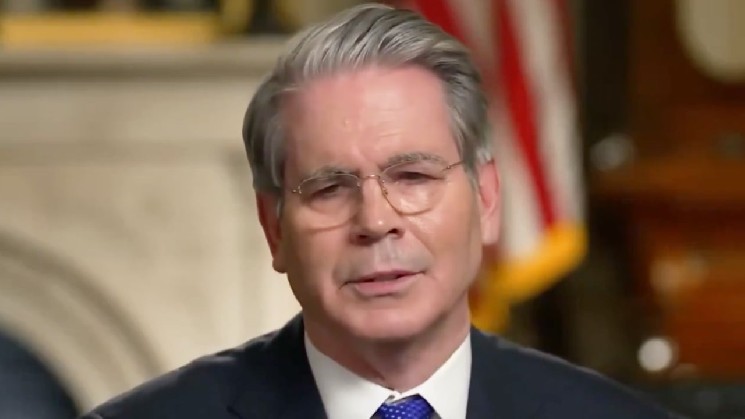
In a post, Faryar Shirzad, chief policy officer at Coinbase, warned that reopening the rewards debate could undermine consumer choice as commerce increasingly moves onchain.

Shirzad argued that stablecoins primarily compete with card networks and other payment rails rather than with bank lending.

He pointed to data showing that U.S. banks generate significant revenue from payment-related activities, including card fees and interest on reserves, and framed opposition to rewards as rooted in protecting those revenue streams.

Evidence cited on deposits and lending

The argument that stablecoin rewards could drain deposits from community banks has also been challenged with empirical research.

Shirzad cited a study by Charles River Associates that found no meaningful relationship between growth in USDC and community bank deposits, suggesting the two serve different users and use cases.

Academic research has reached similar conclusions. Studies from Cornell University indicate that stablecoins do not materially reduce bank lending and that rewards would need to approach levels well above current offerings to meaningfully affect deposits.

Current reward rates in the market remain far below those thresholds.

Broader implications for the U.S. dollar

Beyond domestic payments, the debate carries geopolitical overtones.

Shirzad pointed to moves by other jurisdictions, including China’s experimentation with interest-bearing features in its digital yuan, as evidence that restricting rewards could weaken the U.S. dollar’s competitiveness in onchain commerce.

While such arguments are contested, they highlight how stablecoin policy is increasingly viewed through the lens of payments leadership and currency influence, not just crypto regulation.

What happens next

The Senate Banking Committee’s markup will determine whether the market structure bill preserves the GENIUS Act’s treatment of stablecoin rewards or reopens the issue for further negotiation.

Any change could ripple through an industry that has been operating under the assumption of regulatory continuity.

For now, the return of the rewards debate underscores the fragility of late-stage legislative compromises.

As Congress moves to finalise digital asset rules, even previously settled issues remain subject to revision — with implications for how stablecoins are used, priced, and adopted in the U.S. financial system.


Final Thoughts

  • The return of the stablecoin rewards debate ahead of next week’s Senate markup highlights how late-stage legislative changes can reintroduce regulatory uncertainty, even on issues previously addressed by Congress.
  • How lawmakers handle rewards could shape competition in digital payments, influencing whether stablecoins evolve as consumer-facing payment tools or remain more limited instruments.

Câu hỏi Liên quan

QWhat is the main legislative event that has reopened the debate on stablecoin rewards?

AThe U.S. Senate Banking Committee's markup of its long-awaited market structure legislation next week.

QAccording to Coinbase's chief policy officer, what do stablecoins primarily compete with, rather than bank lending?

AStablecoins primarily compete with card networks and other payment rails.

QWhat did the study by Charles River Associates find regarding the relationship between USDC growth and community bank deposits?

AIt found no meaningful relationship between growth in USDC and community bank deposits, suggesting they serve different users and use cases.

QWhat potential geopolitical consequence did Faryar Shirzad warn about if stablecoin rewards are restricted?

AHe warned that restricting rewards could weaken the U.S. dollar's competitiveness in onchain commerce, citing China's experimentation with interest-bearing features in its digital yuan.

QWhat was the intended purpose of the guardrails established for stablecoins under the GENIUS Act?

AThe structure was intended to balance consumer protection with innovation in digital payments without prohibiting rewards.

Nội dung Liên quan

Samsung SDS có kế hoạch mở rộng hoạt động trong lĩnh vực stablecoin với nhà điều hành Upbit — Công ty Dunamu

Giám đốc điều hành Samsung SDS, ông Lee Chun-hee, đã công bố chiến lược mở rộng hoạt động trong lĩnh vực stablecoin thông qua quan hệ đối tác với Dunamu - công ty vận hành sàn giao dịch tiền mã hóa lớn nhất Hàn Quốc Upbit. Thông tin được chia sẻ trong hội nghị truyền hình công bố kết quả tài chính quý II/2026. Samsung SDS không phải là tân binh trong lĩnh vực này, vì họ đã có kinh nghiệm từ các dự án chứng khoán mã hóa và cơ sở hạ tầng stablecoin. Công ty kỳ vọng sẽ kết hợp dịch vụ CNTT, giải pháp điện toán đám mây và năng lực bảo mật của mình với chuyên môn blockchain của Dunamu để vươn lên dẫn đầu thị trường. Đầu tư chiến lược này là một phần trong kế hoạch tăng trưởng của Samsung SDS, bổ sung vào danh mục công nghệ hiện có bao gồm điện toán đám mây, dịch vụ CNTT doanh nghiệp, an ninh mạng và AI. Công ty định vị mình là nhà cung cấp cơ sở hạ tầng nền tảng cho các dịch vụ tài sản số, thay vì hướng đến người dùng cuối. Chiến lược được đưa ra trong bối cảnh khung pháp lý về tài sản số và stablecoin tại Hàn Quốc vẫn đang được phát triển. Mặc dù chưa công bố thời điểm cụ thể cho việc ra mắt sản phẩm hay dự án chung với Dunamu, ông Lee nhấn mạnh đây là một chiến lược dài hạn nhằm nắm bắt cơ hội trên thị trường tài sản số đang nổi lên của Hàn Quốc.

cryptonews.ru3 phút trước

Samsung SDS có kế hoạch mở rộng hoạt động trong lĩnh vực stablecoin với nhà điều hành Upbit — Công ty Dunamu

cryptonews.ru3 phút trước

Sự phát triển của các dịch vụ Coinbase không thể bù đắp cho sự suy thoái của thị trường trong quý 2

Sàn giao dịch Coinbase (NASDAQ: COIN) đã báo cáo doanh thu quý II đạt 1,2 tỷ USD, thấp hơn dự báo của các nhà phân tích. Công ty lỗ 1,36 USD trên mỗi cổ phiếu, và giá cổ phiếu đã giảm hơn 7% sau thông báo này. Đây là quý thứ ba liên tiếp Coinbase không đạt kỳ vọng về doanh thu và lợi nhuận. Doanh thu từ giao dịch và từ các dịch vụ đăng ký đều giảm. Coinbase đang nỗ lực đa dạng hóa, giảm sự phụ thuộc vào phí giao dịch bằng cách phát triển các sản phẩm dịch vụ như USDC, Coinbase One và Base. Mặc dù khối lượng giao dịch tiền điện tử giảm, số lượng người đăng ký trả phí Coinbase One đã đạt mức kỷ lục trong quý. CEO Brian Armstrong nhấn mạnh rằng Coinbase không còn chỉ phụ thuộc vào giá Bitcoin, mà đang xây dựng cơ sở hạ tầng cho tài chính được cập nhật bằng tiền điện tử. Ông cũng đề cập đến chiến lược "Everything Exchange" nhằm cung cấp nhiều sản phẩm để đáp ứng các xu hướng thị trường khác nhau và tạo ra nguồn doanh thu ổn định hơn từ phí đăng ký và dịch vụ. Công ty cũng thảo luận về kế hoạch hỗ trợ các tác nhân AI trong tương lai và tiếp tục phát triển stablecoin USDC để cạnh tranh trên thị trường.

cryptonews.ru6 phút trước

Sự phát triển của các dịch vụ Coinbase không thể bù đắp cho sự suy thoái của thị trường trong quý 2

cryptonews.ru6 phút trước

Bessent phê phán gay gắt những người phản đối dự luật CLARITY và yêu cầu Thượng viện hành động ngay lập tức

Bộ trưởng Tài chính Scott Bessent đã chỉ trích gay gắt những người phản đối Đạo luật CLARITY và yêu cầu Thượng viện hành động ngay lập tức. Ông nhấn mạnh đây là dự luật lưỡng đảng, đã vượt qua nhiều giai đoạn lập pháp và được Hạ viện thông qua hơn một năm trước. Bessent cho rằng việc trì hoãn của các thượng nghị sĩ Dân chủ sẽ làm suy yếu vị thế lãnh đạo của Mỹ trên thị trường tiền số toàn cầu đang phát triển nhanh chóng. Ông bảo vệ các biện pháp bảo vệ người tiêu dùng và nhà phát triển trong dự luật, khẳng định nó tăng cường nghĩa vụ tuân thủ cho các trung gian tài sản số và bảo vệ các nhà phát triển phần mềm không giám sát. Bessent cũng nêu ra sự ủng hộ từ Hiệp hội Cảnh sát Huynh đệ sau khi dự luật được sửa đổi. Áp lực chính trị đang gia tăng khi Thượng viện phải đối mặt với lịch trình bận rộn trước bầu cử giữa kỳ. Bảy thượng nghị sĩ Dân chủ tiếp tục tìm cách thắt chặt các quy định về đạo đức và bảo vệ người tiêu dùng. Một bản cập nhật dự luật dài 616 trang, công bố ngày 22/7, mở rộng giám sát liên bang đối với tiền điện tử, phân chia quyền giám sát giữa SEC và CFTC. Bessent kết luận rằng đây là lựa chọn then chốt cho năng lực cạnh tranh của Mỹ và kêu gọi Thượng viện bỏ phiếu ngay lập tức.

cryptonews.ru7 phút trước

Bessent phê phán gay gắt những người phản đối dự luật CLARITY và yêu cầu Thượng viện hành động ngay lập tức

cryptonews.ru7 phút trước

Hiệp hội Công nghệ Tiêu dùng kêu gọi Thượng viện bỏ phiếu thông qua Dự luật CLARITY Act

Hiệp hội Công nghệ Tiêu dùng (CTA) đã kêu gọi Thượng viện Hoa Kỳ thông qua Dự luật CLARITY để thiết lập các quy tắc liên bang rõ ràng về tài sản kỹ thuật thuật số, nhằm thúc đẩy đầu tư, bảo vệ người tiêu dùng và củng cố vị thế dẫn đầu của Mỹ trong lĩnh vực blockchain. Dự luật đã được Hạ viện thông qua vào năm 2025 với sự ủng hộ của cả hai đảng, và hiện trách nhiệm thuộc về Thượng viện. Tại Thượng viện, các cuộc đàm phán đang tập trung vào các quy tắc đạo đức và giám sát thị trường. Một bản cập nhật của dự luật đã được công bố, nhưng vẫn vấp phải sự phản đối, đặc biệt từ Thượng nghị sĩ Elizabeth Warren, về những lo ngại xung đột lợi ích. Áp lực chính trị đang gia tăng trước thềm bầu cử giữa kỳ tháng 11. Trong khi các nhóm vận động hành lang hứa hẹn sẽ đánh giá phiếu bầu của các thượng nghị sĩ, các ngân hàng lại tập trung vào cuộc tranh luận về stablecoin, cảnh báo rằng việc cho phép chúng hoạt động như tài khoản có lãi suất có thể ảnh hưởng đến nguồn vốn cho thế chấp và doanh nghiệp nhỏ. Mặc dù còn nhiều bất đồng, những người ủng hộ vẫn coi dự luật là nền tảng cần thiết cho sự phát triển của ngành tài sản kỹ thuật số tại Mỹ.

cryptonews.ru8 phút trước

Hiệp hội Công nghệ Tiêu dùng kêu gọi Thượng viện bỏ phiếu thông qua Dự luật CLARITY Act

cryptonews.ru8 phút trước

Giao dịch

Giao ngay
活动图片