Apple Shares Fall Amid Supply Chain Warnings That Marred Record Quarter

cryptonews.ruXuất bản vào 2026-07-31Cập nhật gần nhất vào 2026-07-31

Tóm tắt

Apple (AAPL) reported Q3 earnings of $109.42 billion, exceeding analysts' expectations. However, its stock fell over 6% after hours as traders focused on a softer sales growth forecast of 9-11% for the current quarter, attributed to supply constraints. The company's profit of $2.02 per share also beat forecasts, though this was partly boosted by tariff compensation. Net income rose to $29.79 billion from $23.43 billion a year ago, and cash reserves stood at $146.52 billion. Strong iPhone sales of $54.25 billion, up nearly 22%, and Mac revenue of $10.35 billion, up almost 29%, were key growth drivers. However, iPad sales declined 6% to $6.19 billion, missing estimates. Wearables revenue slightly exceeded expectations. Services revenue grew 12% to $30.74 billion, though it fell short of Wall Street's target. Apple noted it now has 1.5 billion paid subscriptions. Gross margin hit a record 50.1%, aided by U.S. tariff rebates. Apple's performance in China grew 22% to $18.82 billion. Despite the record quarter, the company's cautious outlook due to supply chain issues overshadowed the results.

Apple Inc. (NASDAQ: AAPL) reported a profit of $109.42 billion in the third fiscal quarter, yet its stock fell more than 6% after the main trading session. Traders focused on the company's softer guidance for the current period, which forecasts sales growth of only 9-11%.

Apple attributed the weaker guidance to supply constraints. This reaction came despite quarterly revenue surpassing analysts' expectations. Analysts at London Stock Exchange (LON: LSEG) had forecast $108.65 billion.

Profit also exceeded analysts' expectations. Apple reported earnings per share of $2.02, higher than the forecasted $1.89. However, this is not a completely accurate comparison, as compensation for customs duties boosted EPS by 11 cents.

Apple's net profit reached $29.79 billion, up from $23.43 billion a year earlier. On a per-share basis, the year-ago result was $1.57. Apple's total revenue grew more than 15% for the third consecutive quarter, and the company's cash holdings stood at $146.52 billion.

Apple's Primary Sales Growth Driven by iPhone and Mac

iPhone sales brought in $54.25 billion, exceeding analyst forecasts of $53.86 billion. Phone sales increased nearly 22% compared to the same quarter last year. This growth occurred late in the iPhone 17 sales cycle, with the next model expected in September.

Mac sales revenue was $10.35 billion, significantly surpassing the forecasted $8.74 billion. This is almost 29% more than a year ago. Apple CEO Tim Cook linked this growth to demand for the MacBook Neo and MacBook Pro.

Neo is a more affordable laptop using a chip based on Apple's iPhone technology. It went on sale in March, shortly before the quarter began.

During the reporting period, Apple raised prices on many Mac models. One such model was the MacBook Neo. Shortages of memory chips and low processor manufacturing capacity led to increased costs and reduced component availability. According to Tim, this was a "challenging situation" that needed to be highlighted during the earnings call.

iPad sales were weaker this quarter. Revenue fell 6% year-over-year to $6.19 billion, missing the forecast of $6.92 billion. Apple stated that the year-over-year comparison was unusually tough because cheaper iPads boosted sales in that period.

Wearables revenue reached $7.88 billion, slightly above analyst expectations of $7.82 billion. Apple also reported that revenue from the wearables and home electronics division grew 6% to $4.9 billion, also exceeding forecasts.

China remained Apple's third-largest regional business. Revenue from this market grew 22% to $18.82 billion. Apple includes Mainland China, Hong Kong, and Taiwan in this regional figure.

Apple Expands Services While Supply Constraints Weaken Next Quarter Guidance

The Services division brought in $30.74 billion, below Wall Street's forecast of $31.22 billion. Nevertheless, revenue from this division grew 12% year-over-year. Apple stated that currency exchange rates outside the US reduced the final figure.

The division earned more money from advertising, the App Store, AppleCare plans, music, streaming video, online storage, and payment products. Tim said Apple now has 1.5 billion paid subscriptions. This figure includes iCloud accounts and subscriptions purchased through the App Store, where Apple takes a cut of each payment.

Gross margin was 50.1%, while analysts expected 47.9%. This figure was aided by refunds related to previously imposed US tariffs. These payments added about two percentage points, bringing the precise margin to a record 50.06%. Excluding the refunds, Apple's margin would have been closer to Wall Street's initial estimate.

The refunds occurred after the US Supreme Court overturned some tariffs imposed by the previous administration of President Donald Trump earlier this year. Under these emergency powers, Apple paid higher import duties on finished products as well as on individual components it brings into the country.

Apple is also preparing a new Siri system that will use technology from Google (NASDAQ: GOOGL, GOOG), part of Alphabet. The voice assistant is expected to launch alongside new iPhone models in September. Investors are questioning Apple's position in artificial intelligence as competing companies release new AI-based products at a faster pace.

"Today, Apple proudly reports a strong quarter ending in June, with double-digit revenue growth for iPhone, Mac, and Services, as well as across all geographic segments," he said. He also mentioned the Siri AI update, new software, and child protection tools introduced during WWDC26.

Apple's CFO Kevan Parekh stated, "We are very pleased with our record results for the quarter, which set new second-quarter records for both earnings per share and operating cash flow." Kevan added that the number of active Apple devices reached a new high across all major product categories and in all regions.

This was Tim's last earnings call as CEO before assuming the chairman role. John has worked at Apple for 25 years and currently heads the company's hardware division. He spoke only briefly during the call.


Câu hỏi Liên quan

QWhy did Apple's stock drop despite reporting record revenue in its fiscal third quarter?

AApple's stock dropped because the company issued a softer forecast for the current period, expecting sales growth of only 9-11%, which traders focused on. This was due to warnings about supply constraints.

QWhich two product divisions were the primary drivers of Apple's sales growth in the quarter?

AThe iPhone and Mac divisions were the primary drivers of sales growth. iPhone sales generated $54.25 billion, up nearly 22% year-over-year, and Mac sales reached $10.35 billion, up almost 29% year-over-year.

QWhat was the main factor that negatively impacted Apple's forecast for the coming quarter?

AThe main factor negatively impacting Apple's forecast was supply constraints. The company cited a shortage of supply, specifically mentioning difficulties with memory chips and processor production capacity.

QHow did the U.S. Supreme Court decision on tariffs affect Apple's gross margin?

AThe U.S. Supreme Court's decision to overturn some tariffs from the previous administration resulted in refunds to Apple. These refunds added about two percentage points, boosting Apple's gross margin to a record 50.1%. Without them, the margin would have been closer to Wall Street's initial estimate.

QWhat upcoming product enhancement did the article mention that involves a partnership with Google/Alphabet?

AThe article mentioned that Apple is preparing a new Siri system that will utilize technology from Google (Alphabet). This AI-powered voice assistant is expected to launch with new iPhone models in September.

Nội dung Liên quan

Doanh Thu Coinbase Giảm Trong Quý 2 Giữa Đà Chậm Lại Của Thị Trường, Nhưng Dịch Vụ Phi Giao Dịch Mở Rộng

Sàn giao dịch tiền mã hóa Coinbase đã bắt đầu quý 2 trong bối cảnh hiệu suất giao dịch tiền mã hóa kém, nhưng vẫn có thể thu lợi nhuận từ các hoạt động kinh doanh phi cốt lõi. Điều này thể hiện rõ trong kết quả tài chính Q2, khi doanh thu của công ty chịu ảnh hưởng từ hành vi người dùng mới thông qua dịch vụ đăng ký, hoạt động stablecoin và thị trường dự đoán. Trong quý 2, công ty kiếm được 1,22 tỷ USD doanh thu, giảm 14% so với quý trước do hoạt động giao dịch yếu. Công ty đã phải chịu khoản lỗ ròng 359 triệu USD trong quý. Doanh thu giao dịch của Coinbase giảm 21% so với quý trước, xuống còn 599 triệu USD. Hơn nữa, tổng khối lượng giao dịch của công ty cũng giảm 24% xuống 146,4 tỷ USD do hoạt động trì trệ trên thị trường tiền mã hóa. Tuy nhiên, bất chấp điều kiện giao dịch yếu, Coinbase đã tăng thị phần lên mức kỷ lục 10,3%, chứng minh hoạt động người dùng liên tục trên nền tảng. Doanh thu từ dịch vụ đăng ký và dịch vụ chiếm 48% tổng doanh thu ròng. Một điểm nhấn chính là hiệu suất mạnh mẽ của phân khúc thị trường dự đoán, với mức tăng trưởng doanh thu 106% so với quý trước. Công ty hiện tạo ra hơn 100 triệu USD hàng năm từ lĩnh vực kinh doanh này. Sự tăng trưởng mạnh này trái ngược hoàn toàn với sự sụt giảm trong doanh thu giao dịch. Coinbase tiếp tục đầu tư vào nhiều sản phẩm khác nhau để theo kịp điều kiện thị trường và nhu cầu của người tiêu dùng.

TheNewsCrypto5 phút trước

Doanh Thu Coinbase Giảm Trong Quý 2 Giữa Đà Chậm Lại Của Thị Trường, Nhưng Dịch Vụ Phi Giao Dịch Mở Rộng

TheNewsCrypto5 phút trước

U Today: Thứ Sáu — Ngày Tồi Tệ Nhất Đối Với Bitcoin

Thống kê những tuần gần đây cho thấy Bitcoin thường giảm giá vào các ngày Thứ Sáu, với mức giảm trung bình hơn 1% trong lợi nhuận hai tuần. Xu hướng tiêu cực cũng xuất hiện vào Thứ Hai và Thứ Tư, nhưng mức giảm thường ở mức vừa phải. Ngược lại, BTC thể hiện sự tăng trưởng vững chắc nhất vào Thứ Ba và thường kết thúc cuối tuần trong vùng tích cực. Tuy nhiên, kết quả trong quá khứ không đảm bảo lặp lại trong tương lai. Biến động tiền mã hóa phụ thuộc vào tình trạng thị trường, sự kiện kinh tế và hành động của các nhà đầu tư lớn. Việc giảm giá vào Thứ Sáu có thể được giải thích bởi sự khác biệt trong giờ hoạt động giữa thị trường tài chính truyền thống và thị trường kỹ thuật số. Giao dịch tiền mã hóa diễn ra 24/7, trong khi thị trường chứng khoán và ngân hàng đóng cửa vào cuối tuần. Do đó, các nhà đầu tư tổ chức, quỹ và các nhà tạo lập thị trường thường đa dạng hóa rủi ro trước đó bằng cách chốt lời, giảm đòn bẩy và đóng các vị thế. Hiện tượng này càng rõ rệt sau một tuần biến động mạnh. Áp lực bổ sung đến từ thị trường phái sinh, khi các hợp đồng tương lai và quyền chọn tuần thường hết hạn vào Thứ Sáu. Khối lượng thanh toán tăng lên vào cuối tháng hoặc cuối quý. Các nhà giao dịch đóng hợp đồng, chuyển vị thế hoặc điều chỉnh chiến lược phòng ngừa rủi ro, dòng lệnh này làm tăng biến động. Thanh khoản cũng có xu hướng giảm vào cuối tuần. Số lượng lệnh lớn trong sổ lệnh giảm đi, khiến cả những đợt bán tương đối nhỏ cũng tác động đáng kể đến giá. Nếu giá chạm các mức ngưỡng quan trọng, các sàn giao dịch sẽ bắt đầu thanh lý các vị thế sử dụng đòn bẩy. Các lệnh bán tự động này có thể đẩy nhanh đà giảm và tạo ra phản ứng dây chuyền.

cryptonews.ru8 phút trước

U Today: Thứ Sáu — Ngày Tồi Tệ Nhất Đối Với Bitcoin

cryptonews.ru8 phút trước

Ngân hàng Nhật Bản ám chỉ việc tăng lãi suất bất chấp giữ nguyên ở mức 1%

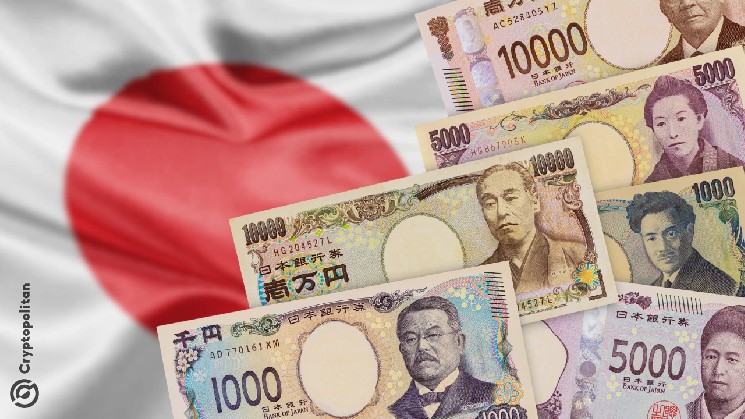
Ngân hàng Nhật Bản (BoJ) đã quyết định giữ nguyên lãi suất cơ bản ở mức 1% vào ngày 31/7, phù hợp với dự đoán của giới phân tích. Tuy nhiên, BoJ đã đưa ra những tín hiệu cứng rắn về tương lai, cảnh báo lạm phát cơ bản có khả năng tăng tốc và vượt quá mục tiêu 2% từ nửa sau năm tài chính hiện tại. Mặc dù hạ dự báo lạm phát cho năm tài chính 2026, BoJ thể hiện sự tin tưởng vững chắc hơn về việc lạm phát sẽ vượt mức dự báo trong dài hạn, do chi phí nhập khẩu tăng từ đồng yên yếu, chính sách giá của doanh nghiệp và các cú sốc năng lượng. Quyết định này được thông qua với tỷ lệ 8 phiếu thuận, 1 phiếu chống từ thành viên Hajime Takata, người muốn tăng lãi suất lên 1,25%. Trong một diễn biến riêng biệt, BoJ được cho là đã can thiệp vào thị trường ngoại hối để hỗ trợ đồng yên, đồng tiền đang gần mức thấp nhất trong 40 năm so với USD. Sự yếu đi của đồng yên được thúc đẩy bởi chênh lệch lãi suất Mỹ-Nhật, giá nhiên liệu cao và kỳ vọng thị trường về việc thắt chặt chính sách tiền tệ. Thị trường hiện chú ý đến động thái tiếp theo của BoJ, với dự đoán về khả năng tăng lãi suất vào tháng 10 hoặc tháng 12, trong bối cảnh Chủ tịch BoJ Kazuo Ueda phải cân bằng giữa áp lực từ chính phủ và kỳ vọng thắt chặt từ thị trường trái phiếu.

cryptonews.ru15 phút trước

Ngân hàng Nhật Bản ám chỉ việc tăng lãi suất bất chấp giữ nguyên ở mức 1%

cryptonews.ru15 phút trước

Giao dịch

Giao ngay
活动图片