When Bitcoin Miners Take to Space

marsbitXuất bản vào 2026-04-01Cập nhật gần nhất vào 2026-04-01

Tóm tắt

SpaceX is reportedly preparing for a historic IPO with a target of $1.75 trillion, while simultaneously advancing plans to deploy AI data centers in orbit, leveraging space’s vacuum for cooling and solar energy for power. This has sparked interest in whether Bitcoin mining—also energy-intensive and dependent on computing hardware—could also move to space. The core idea involves placing mining ASICs on the back of solar panels in orbit, using abundant solar energy to power mining operations. Heat dissipation in vacuum, a key challenge, is manageable through thermal radiation, and communication with mining pools is feasible with low latency via low Earth orbit satellites. However, the economics remain prohibitive. Launch costs, currently around $2,720 per kilogram via Falcon 9, make mining payloads financially unviable. Estimates suggest that with current technology, the payback period would exceed 100 years. SpaceX’s Starship may eventually reduce launch costs below $200/kg, making space mining more feasible. Companies like Starcloud—backed by NVIDIA and top VCs—are already testing orbit-based computing, including AI and planned Bitcoin mining experiments. Others, like SpaceChain and Cryptosat, focus on secure blockchain nodes and cryptographic services in space rather than mining. While orbital mining is not yet economically competitive with terrestrial operations, it represents a long-term vision for radically reducing energy costs and expanding the infrastructure of dec...

According to multiple media reports, Musk's space exploration company SpaceX will soon submit an IPO prospectus to the U.S. Securities and Exchange Commission (SEC), targeting a valuation of $1.75 trillion and an expected financing scale exceeding $75 billion. If successful, this would be the largest IPO in human history, far surpassing the record of $29.4 billion set by Saudi Aramco in 2019, and it will also be the most watched IPO this year.

Interestingly, in February 2026, SpaceX suddenly acquired xAI, another AI company under Musk, and incorporated the "Orbital Data Center" into its core strategy: utilizing the vacuum of space for heat dissipation and continuous solar power supply to send AI computing power into low Earth orbit. Musk believes that, in the long run, space-based AI is the only way to achieve scalable development.

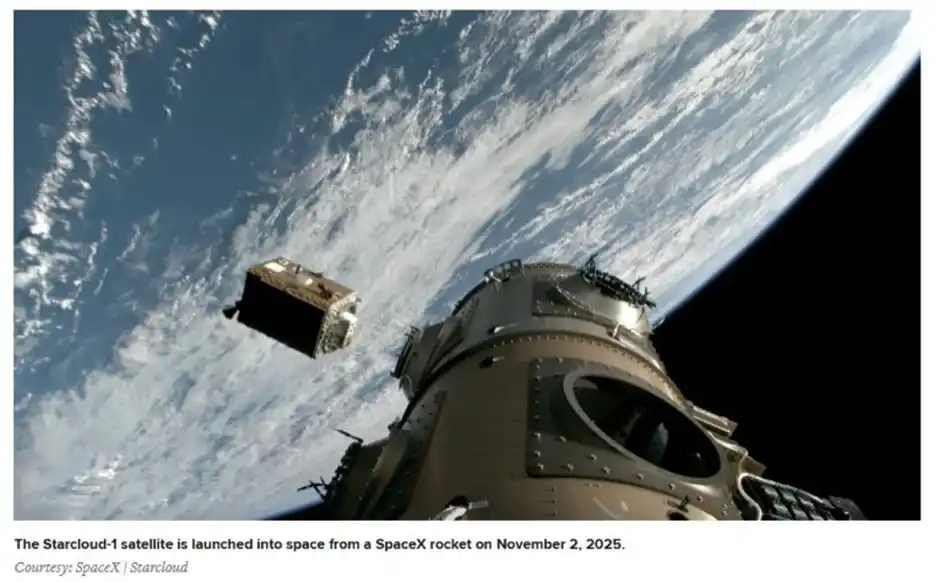
At the same time, NVIDIA is also actively exploring this direction. It has invested in the orbital data center startup Starcloud, which successfully sent an NVIDIA H100 GPU into orbit in November 2025, completing the first-ever training and inference of an AI large language model in space.
As SpaceX sends AI computing power into space, many are also beginning to wonder: since Bitcoin mining also relies on computing chips and can utilize solar power, could it also be moved to space? However, this issue is far more complex than most people imagine.

A Satellite, a Solar Panel, a Miner

Mining is a competitive mathematical calculation. Millions of miners worldwide operate simultaneously, competing to be the first to solve a specific hash value, with the successful one receiving the Bitcoin reward for the current block. This process is called Proof of Work, and its cost is a massive amount of electricity. The continuous power consumption of the global Bitcoin network is approximately 20 gigawatts, equivalent to the total industrial electricity consumption of a medium-sized country. Miners' profit margins are largely determined by electricity prices; once electricity prices rise, profit margins are compressed.

The endless sunlight in space directly addresses the core cost variable of Bitcoin mining: electricity.

In Earth's orbit, solar radiation intensity is about 1,380 watts per square meter, six times the average level on the ground, and is unaffected by clouds, day/night cycles, or seasons. In specific geosynchronous orbits, satellites can receive near-continuous sunlight and generate power persistently. Attaching a miner to the back of a solar panel and sending it into orbit to mine forever is the underlying logic of space mining.

Bitcoin core developer Peter Todd published a technical analysis in December 2024, pushing this idea from concept to an engineering blueprint. He proposed the concept of a "flat-panel miner": installing ASIC chips directly on the back of a solar panel, with the front facing the sun to generate power and the chips on the back consuming electricity to mine, with the entire structure radiating waste heat in both directions.
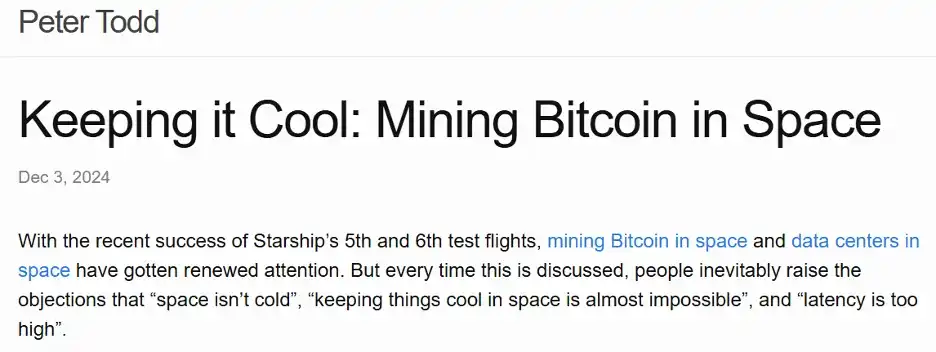
Space heat dissipation is a counterintuitive challenge. On Earth, chip heat can be carried away by air convection; but in the vacuum of space, with no air, heat can only be dissipated through radiation. Todd's calculations show that, without additional cooling devices, the thermal equilibrium temperature of this structure in orbit is about 59°C, well within the normal operating range of the chips. If the temperature is considered too high, simply tilting the entire panel slightly relative to the sun to reduce the illuminated area can further improve heat dissipation.

Communication is surprisingly simple as well. The communication between miners and mining pools essentially involves receiving new block headers and submitting computation results, generating about 10MB of data per day, less than the data consumed by streaming a single song. Communication latency in low Earth orbit (500 to 1,000 km above Earth) ranges from 4 to 30 milliseconds, resulting in a stale block rate (i.e., submitting outdated computation results) of less than 0.01%, on par with the vast majority of ground-based miners, with no substantial difference. In fact, Blockstream began using geosynchronous satellites to broadcast the entire Bitcoin blockchain globally as early as 2017, proving that the combination of satellites and blockchain has never been an unsolved problem.

So, if it's physically feasible and the engineering framework is viable, why isn't it widespread? The reason is the high cost of rocket transportation.

The Uneconomical Math

Using SpaceX's Falcon 9 rocket to send cargo to low Earth orbit currently costs about $2,720 per kilogram.

Peter Todd estimated that a complete 20-kilowatt space mining system, including solar panels, heat radiators, ASIC chip arrays, structural supports, and communication modules, weighs about 1,600 to 2,200 kilograms. At current prices, the launch cost alone would be as high as $4.3 million to $6 million.

How much computing power can this system contribute daily, and how many coins can it mine? Researcher Nick Moran provided the answer: daily revenue is about $92.7, equivalent to roughly $34,000 per year. The payback period exceeds 100 years.

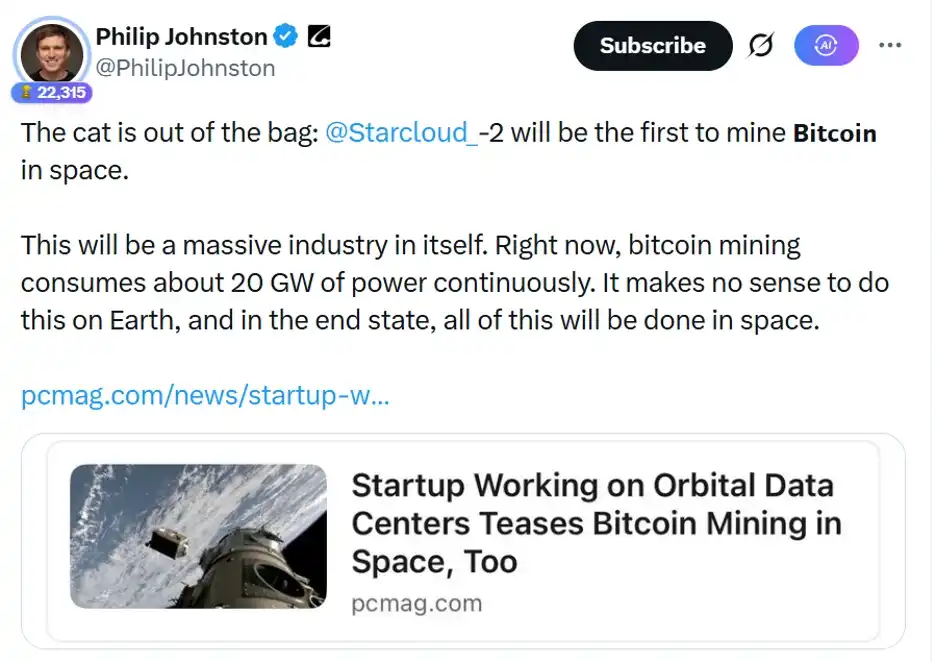
Starcloud's CEO Philip Johnston calculated that launch costs must drop below $200 per kilogram for space mining to have basic commercial logic. This means the cost needs to decrease by another 13.

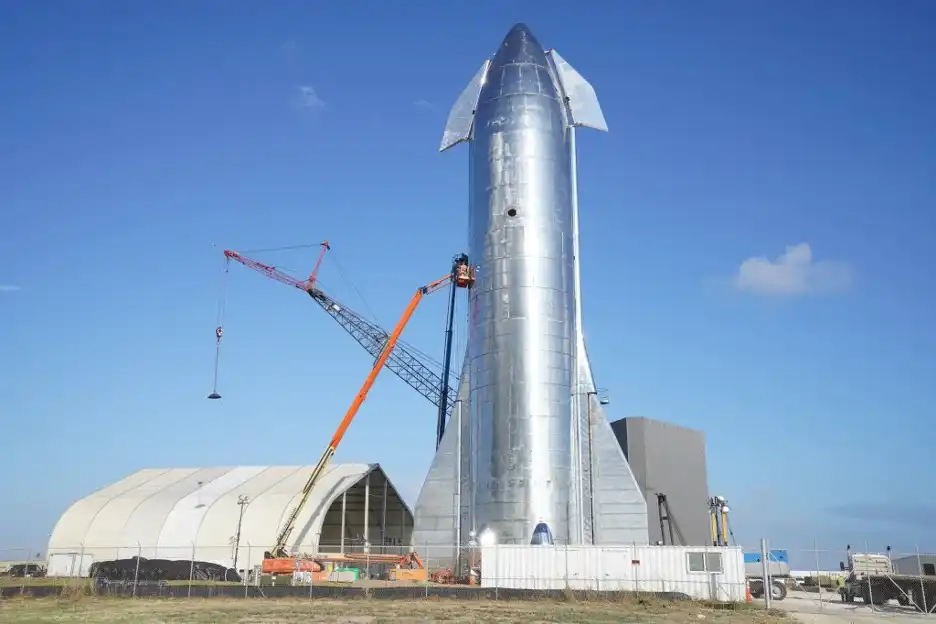
SpaceX's Starship is widely considered the key to achieving this leap. The fully reusable Starship could theoretically reduce the launch cost per kilogram to below $100 or even lower, which is one of the underlying assumptions for the viability of the orbital data center in SpaceX's current IPO vision. However, when this cost curve will materialize, and whether it will, remains an open variable.
Another challenge is the automatic adjustment of Bitcoin's network-wide mining difficulty. The Bitcoin protocol calculates the total network hash rate every two weeks and automatically adjusts the mining difficulty to maintain a block time of approximately 10 minutes. In other words, if a large number of space miners enter the market and the total network hash rate increases significantly, the mining difficulty will rise accordingly, synchronously compressing the profits of all miners, including those in orbit.

Some Are Always Busy Searching for Treasure

Despite this, a number of startups are actively pushing forward with this endeavor.

Starcloud, formerly Lumen Orbit, is currently the company closest to actual implementation and the most important case study in the entire field. Founded in 2024 and headquartered in Redmond, Washington, it is backed by NFX, Y Combinator, a16z's angel fund, Sequoia Capital's angel fund, and NVIDIA. Total funding is approximately $200 million. The company's CTO worked at Airbus Defense and Space for ten years, and the lead engineer previously worked on the Starlink project at SpaceX.

In November 2025, Starcloud successfully sent its first satellite, carrying an NVIDIA H100 GPU, into orbit, ran Google's Gemma language model in space, and sent the first-ever message generated by AI in orbit to Earth. In March 2026, Starcloud announced that its second satellite would carry both Bitcoin ASIC chips and NVIDIA's latest-generation Blackwell GPU, aiming to become the first organization to mine a Bitcoin in space. Additionally, the company has applied to the U.S. Federal Communications Commission (FCC) for a constellation plan deploying up to 88,000 satellites, with a long-term vision of building a total of 5 gigawatts of computing power infrastructure in orbit.
SpaceChain is an OG player in this field, co-founded by former Bitcoin core developer Jeff Garzik and Zheng Zhong. Since 2017, SpaceChain has launched at least seven blockchain payloads to satellites and the International Space Station. In June 2020, Garzik completed the first-ever Bitcoin transaction in space from an orbit 400 km above Earth, for an amount of 0.0099 BTC, using SpaceChain's multisignature wallet node installed on the space station. SpaceChain's core focus is on orbital secure nodes for blockchain transactions, not active mining: locking private keys in space where no hacker or government on Earth can physically access them.

Cryptosat, founded by two Stanford PhDs, currently operates three satellites in orbit, primarily providing tamper-resistant orbital cryptography services. In 2023, Cryptosat participated in the largest trusted setup ceremony in Ethereum's history (KZG Ceremony), generating partial random number parameters through orbital nodes, institutionally ensuring that these parameters could not be controlled by any single ground-based entity. It explores another possibility for space blockchain: not mining, but making the entire crypto-economic system more resistant to attack.

From Orbit to Market: What This Means for the Mining Industry

For currently operating Bitcoin mining companies, space mining does not pose an immediate competitive threat in the short term. However, the fact that numerous startups continue to attempt it indicates that the significant cost reduction potential it represents still holds great attraction and imaginative space for the industry. This also reflects, from a side perspective, the structural cost pressures facing the entire industry.

After the 2024 halving, the network-wide hash rate and difficulty continue to hit record highs, with energy costs accounting for 70% to 90% of total operating expenses. In this context, whoever can obtain clean electricity at the lowest cost and most stably has the deepest moat. Hydroelectric, wind, and associated natural gas resources in the United States, the Middle East, and Africa are becoming the core drivers of a new wave of mining mergers, acquisitions, and site selection.

The logic of space mining is an ultimate extrapolation of this trend: if cheap electricity on the ground will eventually narrow due to competitive demand, then go to where energy is most abundant—the cosmos.

Of course, if the Starcloud-2 satellite manages to mine the first Bitcoin in 2026, it would be equivalent to a grain of sand falling into the ocean compared to the global total hash rate of over 900 exahashes per second (EH/s). But symbolic significance itself has penetrating power. Just like that 0.0099 BTC space transaction in 2020, its value lies not in the amount but in proving that it can be done.

From SpaceX's IPO narrative to NVIDIA's orbital computing power布局, to Starcloud's ASIC satellite plan, an outline is emerging: the cosmos is becoming the competitive arena for the next generation of computing infrastructure. AI computing power led the way, and Bitcoin computing power is following closely behind.

On that day, the global digital network connecting every corner of the Earth, as described in Satoshi Nakamoto's whitepaper, could also break free from Earth and float in the universe, seeking new opportunities.


Câu hỏi Liên quan

QWhat is the core concept behind space-based Bitcoin mining as described in the article?

AThe core concept is to place Bitcoin mining hardware, specifically ASIC chips, on solar panels in Earth's orbit. This setup uses the abundant and constant solar energy in space for power, while the vacuum environment aids in radiating heat away from the mining equipment.

QWhat is the single biggest economic challenge preventing the widespread adoption of space-based Bitcoin mining?

AThe single biggest economic challenge is the extremely high cost of rocket launches to transport the mining equipment into orbit, currently around $2,720 per kilogram using a Falcon 9 rocket, making the payback period over 100 years.

QWhich company, backed by NVIDIA, is a key player in testing both AI and Bitcoin mining operations in space?

AStarcloud (formerly Lumen Orbit) is the company backed by NVIDIA. It successfully sent an NVIDIA H100 GPU into orbit in 2025 and announced plans for a second satellite to carry both Bitcoin ASIC chips and a Blackwell GPU.

QHow does the Bitcoin network's difficulty adjustment mechanism impact the potential profitability of space-based miners?

AThe Bitcoin protocol automatically adjusts the mining difficulty every two weeks based on the total network hashrate. If many space-based miners come online and significantly increase the total hashrate, the difficulty will rise, compressing profit margins for all miners, including those in space.

QBesides mining, what other two applications of blockchain technology in space are mentioned in the article?

AThe two other applications are: 1) Operating secure, tamper-proof orbital nodes for transactions and wallet storage (e.g., SpaceChain's multi-signature wallet on the ISS). 2) Providing trusted setup ceremonies and cryptographic services to enhance the security of crypto-economic systems (e.g., Cryptosat's role in Ethereum's KZG Ceremony).

Nội dung Liên quan

Giao dịch

Giao ngay
Hợp đồng Tương lai

Bài viết Nổi bật

BITCOIN là gì

Hiểu về HarryPotterObamaSonic10Inu (ERC-20) và Vị Trí của Nó trong Không Gian Crypto Trong những năm gần đây, thị trường tiền điện tử đã chứng kiến sự gia tăng mạnh mẽ về sự phổ biến của các đồng meme, thu hút sự quan tâm không chỉ của các nhà giao dịch mà còn của những người tìm kiếm sự gắn kết cộng đồng và giá trị giải trí. Trong số các token độc đáo này là HarryPotterObamaSonic10Inu (ERC-20), một dự án thú vị kết hợp các tham chiếu văn hóa vào cấu trúc tiền điện tử. Bài viết này đi sâu vào các khía cạnh chính của HarryPotterObamaSonic10Inu, khám phá cơ chế, tinh thần hướng tới cộng đồng và sự tương tác của nó với bối cảnh crypto rộng lớn hơn. HarryPotterObamaSonic10Inu (ERC-20) là gì? Như tên gọi của nó, HarryPotterObamaSonic10Inu là một đồng meme được xây dựng trên blockchain Ethereum, được phân loại theo tiêu chuẩn ERC-20. Khác với các tiền điện tử truyền thống có thể nhấn mạnh vào công dụng thực tiễn hoặc tiềm năng đầu tư, token này phát triển dựa trên giá trị giải trí và sức mạnh của cộng đồng. Dự án nhằm mục đích tạo ra một môi trường nơi người dùng gắn bó có thể tập hợp lại, chia sẻ ý tưởng và tham gia vào các hoạt động được truyền cảm hứng từ các hiện tượng văn hóa đa dạng. Một đặc điểm nổi bật của HarryPotterObamaSonic10Inu là không có thuế trên các giao dịch. Yếu tố hấp dẫn này nhằm khuyến khích việc giao dịch và sự tham gia của cộng đồng, không có các khoản phí bổ sung có thể răn đe các nhà giao dịch quy mô nhỏ. Tổng cung của đồng tiền này được đặt ở mức một tỷ token, một con số đánh dấu ý định duy trì sự lưu thông đáng kể trong cộng đồng. Người sáng lập HarryPotterObamaSonic10Inu (ERC-20) Nguồn gốc của HarryPotterObamaSonic10Inu phần nào bị bao trùm trong sự bí ẩn; các thông tin cụ thể về người sáng lập vẫn chưa được biết đến. Sự phát triển của token này thiếu một đội ngũ xác định hoặc một kế hoạch rõ ràng, điều này không phải là hiếm trong lĩnh vực đồng meme. Thay vào đó, dự án đã xuất hiện một cách tự nhiên, với tiến trình phụ thuộc nặng nề vào sự nhiệt tình và tham gia của cộng đồng. Nhà đầu tư của HarryPotterObamaSonic10Inu (ERC-20) Về các khoản đầu tư và hỗ trợ bên ngoài, HarryPotterObamaSonic10Inu cũng vẫn mơ hồ. Token này không liệt kê bất kỳ quỹ đầu tư nào nổi tiếng hoặc sự hỗ trợ tổ chức đáng kể. Thay vào đó, nguồn sống của dự án là cộng đồng cơ sở, điều này định hình sự phát triển và tính bền vững thông qua hành động tập thể và sự tham gia trong không gian crypto. HarryPotterObamaSonic10Inu (ERC-20) hoạt động như thế nào? Với tư cách là một đồng meme, HarryPotterObamaSonic10Inu chủ yếu hoạt động bên ngoài các khuôn khổ truyền thống thường chi phối giá trị tài sản. Có một số khía cạnh đặc biệt định nghĩa cách thức hoạt động của dự án: Giao dịch không thuế: Với không có phí thuế cho các giao dịch, người dùng có thể tự do mua và bán token mà không lo ngại về các khoản chi phí ẩn. Gắn kết cộng đồng: Dự án phát triển dựa trên sự tương tác trong cộng đồng, tận dụng các nền tảng mạng xã hội để tạo ra sự chú ý và thúc đẩy sự tham gia. Các cuộc thảo luận, chia sẻ nội dung và tương tác là những yếu tố quan trọng giúp mở rộng tầm với và tạo sự trung thành giữa các người ủng hộ. Không có tính hữu dụng thực tiễn: Cần lưu ý rằng HarryPotterObamaSonic10Inu không cung cấp giá trị hữu hình nào trong hệ sinh thái tài chính. Thay vào đó, nó được phân loại chủ yếu là một token dành cho giải trí và các hoạt động cộng đồng. Tham chiếu văn hóa: Token này khôn ngoan tích hợp các yếu tố từ văn hóa đại chúng để thu hút sự quan tâm, kết nối với những người yêu thích meme và những người theo dõi crypto. HarryPotterObamaSonic10Inu là một ví dụ về cách mà các đồng meme hoạt động khác biệt so với các dự án tiền điện tử truyền thống hơn, gia nhập thị trường như những cấu trúc xã hội sáng tạo thay vì các tài sản hữu ích. Lịch sử HarryPotterObamaSonic10Inu (ERC-20) Lịch sử của HarryPotterObamaSonic10Inu nổi bật với một số cột mốc đáng chú ý: Sự ra đời: Token này xuất hiện từ một meme lan truyền, thu hút trí tưởng tượng của nhiều người đam mê crypto. Ngày tạo ra cụ thể không có sẵn, điều này nhấn mạnh sự gia tăng tự nhiên của nó. Niêm yết trên các sàn giao dịch: HarryPotterObamaSonic10Inu đã xuất hiện trên nhiều sàn giao dịch khác nhau, tạo điều kiện thuận lợi cho việc truy cập và giao dịch của cộng đồng. Các sáng kiến gắn kết cộng đồng: Các hoạt động liên tục nhằm nâng cao sự tương tác trong cộng đồng, bao gồm các cuộc thi, chiến dịch truyền thông xã hội và tạo nội dung từ người hâm mộ và những người ủng hộ. Kế hoạch mở rộng tương lai: Lộ trình của dự án bao gồm việc ra mắt bộ sưu tập NFT, hàng hóa và một trang thương mại điện tử liên quan đến các chủ đề văn hóa của nó, thu hút thêm sự gắn bó của cộng đồng và cố gắng thêm nhiều khía cạnh cho hệ sinh thái của nó. Các điểm chính về HarryPotterObamaSonic10Inu (ERC-20) Tính chất hướng tới cộng đồng: Dự án ưu tiên sự tham gia và sáng tạo của tập thể, đảm bảo rằng sự tham gia của người dùng là trung tâm trong sự phát triển của nó. Phân loại đồng meme: Nó đại diện cho biểu tượng của tiền điện tử dựa trên giải trí, khác biệt so với các phương tiện đầu tư truyền thống. Không có mối liên hệ trực tiếp với Bitcoin: Dù có sự tương đồng trong tên ký hiệu, HarryPotterObamaSonic10Inu là một thực thể độc lập và không có mối quan hệ nào với Bitcoin hay các tiền điện tử đã được thành lập khác. Tập trung vào sự hợp tác: HarryPotterObamaSonic10Inu được thiết kế để tạo ra một không gian cho sự hợp tác và chia sẻ văn hóa giữa các nhà giữ, cung cấp một con đường cho sự sáng tạo và sự gắn kết trong cộng đồng. Triển vọng tương lai: Tham vọng mở rộng vượt ra ngoài ý tưởng ban đầu vào NFT và hàng hóa vạch ra một con đường cho dự án để có khả năng gia nhập các phương diện chính thống hơn trong văn hóa kỹ thuật số. Khi các đồng meme tiếp tục thu hút trí tưởng tượng của cộng đồng tiền điện tử, HarryPotterObamaSonic10Inu (ERC-20) nổi bật nhờ vào mối liên hệ văn hóa và cách tiếp cận tập trung vào cộng đồng của nó. Trong khi nó có thể không phù hợp với khuôn mẫu điển hình của một token dựa trên tiện ích, bản chất của nó nằm trong niềm vui và tình bạn được duy trì giữa các người ủng hộ, làm nổi bật bản chất đang tiến hóa của tiền điện tử trong một thời đại ngày càng số hóa. Khi dự án tiếp tục phát triển, sẽ rất quan trọng để theo dõi cách mà động lực cộng đồng ảnh hưởng đến hướng đi của nó trong bối cảnh công nghệ blockchain đang thay đổi.

Tổng lượt xem 1.2kXuất bản vào 2024.04.01Cập nhật vào 2024.12.03

BITCOIN là gì

Làm thế nào để Mua BTC

Chào mừng bạn đến với HTX.com! Chúng tôi đã làm cho mua Bitcoin (BTC) trở nên đơn giản và thuận tiện. Làm theo hướng dẫn từng bước của chúng tôi để bắt đầu hành trình tiền kỹ thuật số của bạn.Bước 1: Tạo Tài khoản HTX của BạnSử dụng email hoặc số điện thoại của bạn để đăng ký tài khoản miễn phí trên HTX. Trải nghiệm hành trình đăng ký không rắc rối và mở khóa tất cả tính năng. Nhận Tài khoản của tôiBước 2: Truy cập Mua Crypto và Chọn Phương thức Thanh toán của BạnThẻ Tín dụng/Ghi nợ: Sử dụng Visa hoặc Mastercard của bạn để mua Bitcoin (BTC) ngay lập tức.Số dư: Sử dụng tiền từ số dư tài khoản HTX của bạn để giao dịch liền mạch.Bên thứ ba: Chúng tôi đã thêm những phương thức thanh toán phổ biến như Google Pay và Apple Pay để nâng cao sự tiện lợi.P2P: Giao dịch trực tiếp với người dùng khác trên HTX.Thị trường mua bán phi tập trung (OTC): Chúng tôi cung cấp những dịch vụ được thiết kế riêng và tỷ giá hối đoái cạnh tranh cho nhà giao dịch.Bước 3: Lưu trữ Bitcoin (BTC) của BạnSau khi mua Bitcoin (BTC), lưu trữ trong tài khoản HTX của bạn. Ngoài ra, bạn có thể gửi đi nơi khác qua chuyển khoản blockchain hoặc sử dụng để giao dịch những tiền kỹ thuật số khác.Bước 4: Giao dịch Bitcoin (BTC)Giao dịch Bitcoin (BTC) dễ dàng trên thị trường giao ngay của HTX. Chỉ cần truy cập vào tài khoản của bạn, chọn cặp giao dịch, thực hiện giao dịch và theo dõi trong thời gian thực. Chúng tôi cung cấp trải nghiệm thân thiện với người dùng cho cả người mới bắt đầu và người giao dịch dày dạn kinh nghiệm.

Tổng lượt xem 3.7kXuất bản vào 2024.12.12Cập nhật vào 2025.03.21

Làm thế nào để Mua BTC

$BITCOIN là gì

VÀNG KỸ THUẬT SỐ ($BITCOIN): Phân Tích Toàn Diện Giới thiệu về VÀNG KỸ THUẬT SỐ ($BITCOIN) VÀNG KỸ THUẬT SỐ ($BITCOIN) là một dự án dựa trên blockchain hoạt động trên mạng Solana, nhằm kết hợp các đặc điểm của kim loại quý truyền thống với sự đổi mới của công nghệ phi tập trung. Mặc dù nó chia sẻ tên với Bitcoin, thường được gọi là “vàng kỹ thuật số” do được coi là một kho lưu trữ giá trị, VÀNG KỸ THUẬT SỐ là một token riêng biệt được thiết kế để tạo ra một hệ sinh thái độc đáo trong bối cảnh Web3. Mục tiêu của nó là định vị mình như một tài sản kỹ thuật số thay thế khả thi, mặc dù các chi tiết về ứng dụng và chức năng của nó vẫn đang được phát triển. VÀNG KỸ THUẬT SỐ ($BITCOIN) là gì? VÀNG KỸ THUẬT SỐ ($BITCOIN) là một token tiền điện tử được thiết kế rõ ràng để sử dụng trên blockchain Solana. Trái ngược với Bitcoin, vốn cung cấp một vai trò lưu trữ giá trị được công nhận rộng rãi, token này có vẻ tập trung vào các ứng dụng và đặc điểm rộng hơn. Những khía cạnh đáng chú ý bao gồm: Hạ tầng Blockchain: Token được xây dựng trên blockchain Solana, nổi tiếng với khả năng xử lý các giao dịch nhanh và chi phí thấp. Động lực Cung cấp: VÀNG KỸ THUẬT SỐ có tổng cung tối đa được giới hạn ở 100 triệu triệu token (100P $BITCOIN), mặc dù các chi tiết về nguồn cung lưu hành hiện tại chưa được công bố. Tiện ích: Mặc dù các chức năng chính xác chưa được nêu rõ, có những dấu hiệu cho thấy token có thể được sử dụng cho nhiều ứng dụng khác nhau, có thể liên quan đến các ứng dụng phi tập trung (dApps) hoặc các chiến lược token hóa tài sản. Ai là Người sáng tạo VÀNG KỸ THUẬT SỐ ($BITCOIN)? Hiện tại, danh tính của những người sáng tạo và đội ngũ phát triển đứng sau VÀNG KỸ THUẬT SỐ ($BITCOIN) vẫn không rõ. Tình huống này là điển hình trong nhiều dự án đổi mới trong không gian blockchain, đặc biệt là những dự án liên quan đến tài chính phi tập trung và hiện tượng đồng meme. Mặc dù sự ẩn danh như vậy có thể thúc đẩy một văn hóa cộng đồng, nhưng nó cũng làm gia tăng mối quan ngại về quản trị và trách nhiệm. Ai là Nhà đầu tư của VÀNG KỸ THUẬT SỐ ($BITCOIN)? Thông tin hiện có cho thấy VÀNG KỸ THUẬT SỐ ($BITCOIN) không có bất kỳ nhà đầu tư tổ chức nào hoặc các khoản đầu tư vốn mạo hiểm nổi bật. Dự án dường như hoạt động theo mô hình ngang hàng tập trung vào sự hỗ trợ và chấp nhận của cộng đồng hơn là các con đường tài trợ truyền thống. Hoạt động và tính thanh khoản của nó chủ yếu nằm trên các sàn giao dịch phi tập trung (DEXs), chẳng hạn như PumpSwap, thay vì các nền tảng giao dịch tập trung đã được thiết lập, càng làm nổi bật cách tiếp cận từ cơ sở của nó. Cách VÀNG KỸ THUẬT SỐ ($BITCOIN) Hoạt động Cơ chế hoạt động của VÀNG KỸ THUẬT SỐ ($BITCOIN) có thể được giải thích dựa trên thiết kế blockchain và các thuộc tính mạng lưới của nó: Cơ chế Đồng thuận: Bằng cách tận dụng bằng chứng lịch sử (PoH) độc đáo của Solana kết hợp với mô hình bằng chứng cổ phần (PoS), dự án đảm bảo xác thực giao dịch hiệu quả, góp phần vào hiệu suất cao của mạng lưới. Tokenomics: Mặc dù các cơ chế giảm phát cụ thể chưa được mô tả chi tiết, tổng cung token tối đa khổng lồ cho thấy rằng nó có thể phục vụ cho các giao dịch vi mô hoặc các trường hợp sử dụng ngách vẫn chưa được xác định. Tính tương tác: Có tiềm năng tích hợp với hệ sinh thái rộng lớn hơn của Solana, bao gồm nhiều nền tảng tài chính phi tập trung (DeFi). Tuy nhiên, các chi tiết về các tích hợp cụ thể vẫn chưa được xác định. Thời gian của các sự kiện quan trọng Dưới đây là một thời gian biểu nổi bật các cột mốc quan trọng liên quan đến VÀNG KỸ THUẬT SỐ ($BITCOIN): 2023: Việc triển khai ban đầu của token diễn ra trên blockchain Solana, được đánh dấu bằng địa chỉ hợp đồng của nó. 2024: VÀNG KỸ THUẬT SỐ trở nên nổi bật khi nó có sẵn để giao dịch trên các sàn giao dịch phi tập trung như PumpSwap, cho phép người dùng giao dịch nó với SOL. 2025: Dự án chứng kiến hoạt động giao dịch không thường xuyên và sự quan tâm tiềm năng từ các hoạt động do cộng đồng dẫn dắt, mặc dù chưa có các quan hệ đối tác đáng chú ý hoặc tiến bộ kỹ thuật nào được ghi nhận cho đến nay. Phân tích quan trọng Điểm mạnh Khả năng mở rộng: Hạ tầng Solana hỗ trợ khối lượng giao dịch cao, điều này có thể nâng cao tiện ích của $BITCOIN trong nhiều kịch bản giao dịch khác nhau. Khả năng tiếp cận: Giá giao dịch tiềm năng thấp cho mỗi token có thể thu hút các nhà đầu tư bán lẻ, tạo điều kiện cho sự tham gia rộng rãi hơn nhờ cơ hội sở hữu phân đoạn. Rủi ro Thiếu minh bạch: Việc thiếu các nhà đầu tư, nhà phát triển hoặc quy trình kiểm toán công khai có thể tạo ra sự hoài nghi về tính bền vững và độ tin cậy của dự án. Biến động thị trường: Hoạt động giao dịch phụ thuộc nhiều vào hành vi đầu cơ, điều này có thể dẫn đến sự biến động giá đáng kể và sự không chắc chắn cho các nhà đầu tư. Kết luận VÀNG KỸ THUẬT SỐ ($BITCOIN) nổi lên như một dự án thú vị nhưng mơ hồ trong hệ sinh thái Solana đang phát triển nhanh chóng. Mặc dù nó cố gắng tận dụng câu chuyện “vàng kỹ thuật số”, sự khác biệt của nó so với vai trò đã được thiết lập của Bitcoin như một kho lưu trữ giá trị nhấn mạnh sự cần thiết phải phân biệt rõ hơn về tiện ích và cấu trúc quản trị của nó. Sự chấp nhận và áp dụng trong tương lai có thể sẽ phụ thuộc vào việc giải quyết tình trạng không minh bạch hiện tại và xác định rõ hơn các chiến lược hoạt động và kinh tế của nó. Lưu ý: Báo cáo này bao gồm thông tin tổng hợp có sẵn tính đến tháng 10 năm 2023, và có thể đã có những phát triển xảy ra ngoài khoảng thời gian nghiên cứu.

Tổng lượt xem 86Xuất bản vào 2025.05.13Cập nhật vào 2025.05.13

$BITCOIN là gì

Thảo luận

Chào mừng đến với Cộng đồng HTX. Tại đây, bạn có thể được thông báo về những phát triển nền tảng mới nhất và có quyền truy cập vào thông tin chuyên sâu về thị trường. Ý kiến ​​của người dùng về giá của BTC (BTC) được trình bày dưới đây.

活动图片