What Should You Do First with Claude Fable 5? Give Your Code Repository a Comprehensive Checkup

marsbitXuất bản vào 2026-06-10Cập nhật gần nhất vào 2026-06-10

Tóm tắt

Title: "What You Should Do First with Claude Fable 5: A Comprehensive Audit of Your Codebase" This article introduces a powerful use case for the newly released Claude Fable 5 AI model (June 2026), which is positioned for long-cycle software engineering tasks. It presents a detailed "Audit and Project Improvement" prompt template that transforms the AI from a mere code-writing assistant into a systematic "engineering audit and project improvement collaborator." The core recommendation is to apply this prompt to important code repositories. The prompt guides the AI, acting as a world-class principal engineer, through a rigorous four-stage audit process: 1. **Discovery & Mapping:** Systematically explore the repository to understand its structure, tech stack, purpose, and existing conventions before forming conclusions. 2. **Evidence-Based Audit:** Critically examine specific dimensions—architecture, code quality, security, testing, performance, dependencies, devops, and documentation—citing concrete file paths and line numbers for each finding, and rating their severity. 3. **Improvement Strategy:** Synthesize audit findings into 3-5 key thematic issues, propose target states with underlying principles, and define measurable completion criteria. 4. **Detailed Task Plan:** Break down the strategy into actionable tasks with titles, affected areas, acceptance criteria, effort estimates (S/M/L/XL), risk assessment, and dependencies. Tasks are organized into prioritized mile...

Editor's Note: Claude Fable 5 was released on June 9, 2026. Anthropic positions it as a Mythos-level model excelling at long-cycle software engineering tasks and possessing stronger security features.

After the new model launched, developers quickly began exploring its use in real engineering scenarios. The repository audit prompt shared by @meta_alchemist is a typical example. It enables Fable 5 to do more than just generate code; it acts like a seasoned technical lead, systematically examining a code repository in four phases: first mapping the project structure and tech stack, then checking architecture, security, testing, performance, dependencies, and documentation issues based on actual files and line numbers, followed by formulating improvement strategies, and finally breaking them down into prioritized task milestones with workload estimates. Some users have already used it to address technical debt, uncover security vulnerabilities and efficiency problems missed by older models, while others have encountered early-stage issues like unstable sandbox environments.

Overall, the release of Fable 5 is not just a model capability upgrade; it further pushes AI from being a "code-writing assistant" toward becoming a "collaborator in engineering audit and project improvement."

The following is the original text:

Have you started using Claude Fable 5 yet?

One of the first things you should do is use it to upgrade your core projects, significantly improving all the work you've been pushing forward.

Please run the following "Audit & Project Improvement Prompt" in every code repository important to you (copy and paste directly):

Code Repository Audit & Improvement Plan

You are a world-class, principal-engineer-level software engineer and technical audit expert. Your task is to perform an in-depth analysis of this code repository, provide an honest audit report, and offer a prioritized, actionable improvement plan. Please strictly follow the four phases below in order. Do not skip steps.

All judgments must be based on real file evidence: please cite file paths and line numbers. If something cannot be verified, state that explicitly; do not guess.

Phase 1 / Discovery & Mapping: Read First, Then Judge

Before forming any conclusions, systematically explore the entire code repository:

· Map the directory structure, identifying the project type, languages used, frameworks, and runtime targets.

· Identify entry points, core modules, and the primary data and control flows within the system.

· Read package manifests, lockfiles, build configurations, CI configurations, environment/config files, and all documentation, including README, CONTRIBUTING, ADRs, etc.

· Determine the project's purpose: its goals, intended users, and apparent current maturity level—whether it's a prototype, internal tool, production service, or library.

· Document conventions the project already uses, including naming, module boundaries, error handling patterns, testing style, etc., so subsequent suggestions align with the existing engineering culture rather than fighting against it.

Output for this phase: A concise "Repository Map," including purpose, tech stack, an architectural sketch, key directories with one-line descriptions, and anything that surprised you.

Phase 2 / Audit: Evidence-Based, with Severity

Perform an audit across the following dimensions.

For each finding, record:

a) What you found

b) Where you found it, formatted as: File:Line Number

c) Why it matters, i.e., the concrete consequences, not abstract principles

d) Severity: Critical / High / Medium / Low

Architecture & Design

Module boundaries, coupling/cohesion, circular dependencies, leaky abstractions, God objects/files, layer violations, scalability bottlenecks.

Code Quality

Code duplication, dead code, complexity hotspots (including longest functions, functions with most branches); inconsistent patterns; error handling gaps (e.g., swallowed exceptions, missing edge cases); type safety vulnerabilities.

Security

Hardcoded secrets or credentials, injection risks, unsafe deserialization, missing input validation, authentication/authorization weaknesses, outdated dependencies with known CVEs, overly permissive configurations.

Testing

Test coverage gaps, especially for core business logic; test quality (whether tests verify behavior or just that something runs); missing test types (unit, integration, e2e); flaky test patterns; code that is hard to test.

Performance

N+1 queries, unnecessary allocations or copies, blocking calls in async paths, missing caching or indexing, unbounded growth issues (e.g., memory, files, queues).

Dependencies

Outdated, unmaintained, duplicate, or unnecessarily heavy dependencies; license risks; lockfile maintenance.

Developer Experience & Operations

Build/startup costs, CI/CD gaps, missing linting/formatting enforcement, logging & observability quality, error reporting, deployment paths.

Documentation

README accuracy, onboarding paths, undocumented critical behaviors, outdated documentation contradicting the code.

Rules for This Phase

Prefer 15 high-confidence findings over 50 speculative ones.

Differentiate fact from judgment. For example:

· Fact: "This function has no error handling: src/api/client.ts:142"

· Judgment: "The responsibility boundaries of this module feel unclear"

Clearly label which is which.

Also list what the repository does well. Strengths are equally important, as they determine what should be preserved.

Output for this phase: An "Audit Report." Group by dimension, sort by severity, and include a Strengths section. Don't forget to highlight the ugliest, most urgent issues.

Phase 3 / Improvement Strategy

Synthesize audit findings into a strategic approach:

· Identify 3–5 themes that explain most of the issues, e.g., "No enforced boundaries between layers," "Error handling is too ad-hoc."

· For each theme, propose a target state and the underlying principles.

· Explicitly state trade-offs: which problems you recommend *not* fixing for now, and why (e.g., effort vs. reward mismatch, high risk, project maturity doesn't yet warrant it).

· Define what "done" means—provide measurable signals, e.g., "CI fails on lint errors," "Core module test coverage ≥ 80%," "Critical issues cleared."

Phase 4 / Detailed Task Plan

Translate strategy into an execution plan:

Break the work into discrete tasks. Each task must include:

· Title and a short description

· Affected files/areas

· Acceptance criteria (how to verify it's complete)

· Workload estimate: S = Less than 2 hours, M = Half a day, L = 1–2 days, XL = Needs further breakdown

· Risk of the change itself (i.e., potential to break existing functionality)

· Dependencies on other tasks

Organize tasks into milestones:

Milestone 0

Safety Net: Things that must be in place before safe refactoring, e.g., key path tests, CI gates, backups.

Milestone 1

Critical Fixes: Security issues and correctness problems.

Milestone 2

High-Leverage Improvements: Changes that make all subsequent work easier.

Milestone 3

Quality & Polish: Remaining medium/low-priority items worth addressing.

Call out quick wins separately: high-impact, S-effort tasks that can be done immediately.

For the top three priority tasks, include a brief implementation sketch covering approach, key steps, and potential pitfalls.

Final Delivery Format

Generate a single document containing the following sections:

Executive Summary: No more than 10 sentences. Provide an overall health grade (A–F) with justification; list the top 3 risks and top 3 opportunities.

Repo Map

Audit Report

Improvement Strategy

Task Plan: Including milestones, task table, and quick wins

Open Questions: List information requiring human decisions, e.g., product intent, modules that can be sunset, performance targets, etc.

Constraints

During this audit process, do **not** modify any code. Analyze only.

Do not pad the report. If a dimension is healthy, state that in one sentence and move on.

Calibrate recommendations based on project maturity. Don't recommend enterprise-grade infrastructure for a weekend prototype unless the project owner's goals truly require it.

Analyze the project's real needs and provide suggestions in the most effective way.

If the repository is large, prioritize in-depth analysis of the core 20% of code that handles 80% of the work, and state which areas received only a lighter review.

Câu hỏi Liên quan

QWhat is the main purpose of the 'Code Repository Audit and Improvement Plan' prompt for Claude Fable 5?

AThe main purpose is to use Claude Fable 5 as a senior engineering collaborator to systematically audit a code repository, generate a detailed report on its health, and create a prioritized, actionable improvement plan with milestones and task breakdowns, moving AI's role from a code writer to an engineering auditor.

QWhat are the four stages outlined in the audit prompt for analyzing a code repository?

AThe four stages are: 1) Discovery and Mapping: Systematically explore the repo structure, tech stack, and purpose. 2) Audit: Examine dimensions like architecture, code quality, security, and performance, citing specific file:line evidence and severity. 3) Improvement Strategy: Synthesize findings into 3-5 key themes and define target states and trade-offs. 4) Detailed Task Plan: Break down the strategy into prioritized tasks with estimates, risks, and milestones.

QAccording to the article, what is a key rule during the Audit (Stage 2) to ensure report quality?

AA key rule is to prioritize high-confidence findings over speculative ones. It's better to provide 15 high-confidence findings than 50 speculative ones. Findings must distinguish between facts (e.g., 'this function has no error handling: src/api/client.ts:142') and judgments (e.g., 'this module's responsibility boundaries feel unclear'), and clearly label which is which.

QWhat does the 'Task Plan' (Stage 4) require for each individual task?

AEach task must include: a title and description, affected files/areas, acceptance criteria, a workload estimate (S, M, L, XL), the risk of the change itself, and dependencies on other tasks. The tasks are then organized into milestones: Milestone 0 (safety net), Milestone 1 (critical fixes), Milestone 2 (high-leverage improvements), and Milestone 3 (quality and polish).

QWhat constraint does the prompt place on Claude Fable 5's action during the audit process?

AThe prompt constrains Claude Fable 5 to only perform analysis and not modify any code during the audit process. Its role is purely to examine, report, and plan, not to implement changes.

Nội dung Liên quan

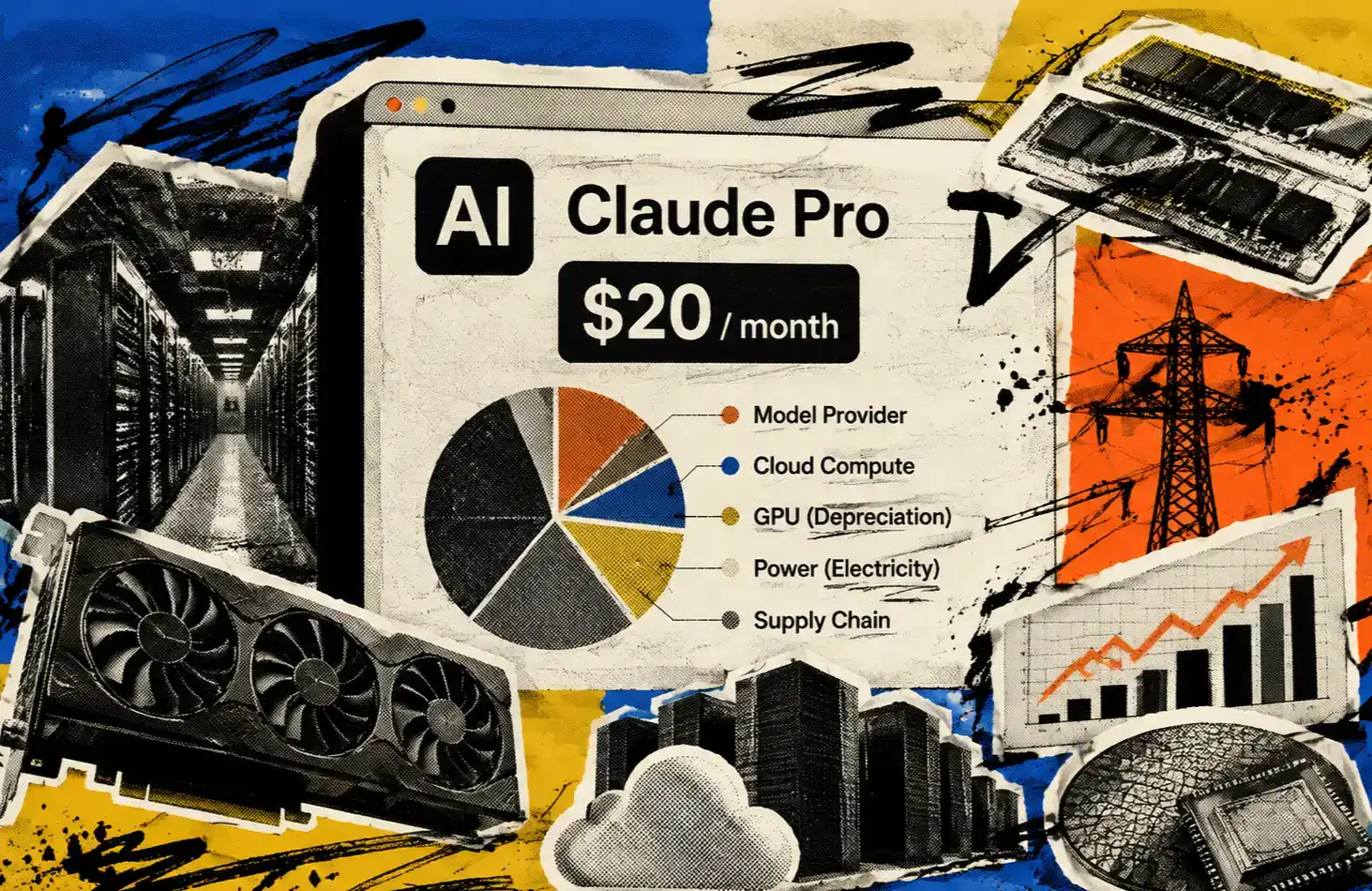
Khoản phí đăng ký bạn trả cho Claude, các công ty module quang có thể nhận được bao nhiêu?

Bản tóm tắt: Một bức tranh ước tính phân bổ 20 USD phí đăng ký Claude Pro hàng tháng của Mỹ cho công ty mô hình, điện toán đám mây, khấu hao GPU, điện năng và chuỗi cung ứng đang khiến các nhà đầu tư thảo luận lại về cách định giá doanh thu ứng dụng AI. Khác với SaaS truyền thống có chi phí biên gần bằng 0, mỗi lần người dùng gọi mô hình AI (suy luận) đều tiêu tốn tài nguyên tính toán, tạo ra mâu thuẫn giữa thuê bao cố định và chi phí biến đổi. Hiện tại, sự tăng trưởng về mức độ sử dụng AI chủ yếu chảy về cơ sở hạ tầng (GPU, HBM, điện, trung tâm dữ liệu), nơi có doanh thu xác định hơn và được định giá cao. Các công ty mô hình cần chứng minh họ có thể cải thiện hiệu quả đủ nhanh (thông qua tối ưu hóa mô hình, bộ nhớ đệm, chip tự nghiên cứu...) để giảm chi phí suy luận trên mỗi đơn vị, vượt qua sự gia tăng về mức độ sử dụng và độ phức tạp tác vụ, từ đó khôi phục cấu trúc lợi nhuận cao như phần mềm. Giá trị của bức tranh này là cảnh báo định giá: nhà đầu tư cần thận trọng với giả định "doanh thu ứng dụng AI bằng doanh thu SaaS", và tập trung vào dữ liệu về tỷ suất lợi nhuận gộp được gia quyền theo mức độ sử dụng thay vì chỉ số người đăng ký.

marsbit5 phút trước

Khoản phí đăng ký bạn trả cho Claude, các công ty module quang có thể nhận được bao nhiêu?

marsbit5 phút trước

Mô hình định giá pre-IPO của OpenAI trên Hyperliquid: Tại sao chỉ tồn tại được nửa năm?

Bài báo phân tích sự thất bại của nền tảng Ventuals, chuyên cung cấp hợp đồng phái sinh giá trước niêm yết (pre-IPO) cho các công ty như OpenAI và Anthropic trên Hyperliquid, chỉ sau 9 tháng hoạt động. Trong khi đó, Trade.xyz, một đối thủ ẩn danh, lại thành công lớn với hợp đồng SpaceX. Sự khác biệt chính nằm ở việc lựa chọn tài sản cơ sở. Trade.xyz chọn SpaceX – một công ty có ngày niêm yết xác định, cung cấp "mức giá thật" để định hướng và kiểm chứng giá trên sàn. Ngược lại, Ventuals chọn OpenAI và Anthropic – những công ty chưa có lịch IPO rõ ràng. Giá hợp đồng của Ventuals phụ thuộc vào một cơ chế oracle thiếu sót: một nửa dựa trên giao dịch cổ phần nội bộ kín và một nửa dựa trên chính đường trung bình giá của hợp đồng, tạo ra một vòng lặp tự tham chiếu đẩy giá lên cao một cách giả tạo, không phản ánh đúng cung cầu thực. Khi đóng cửa, Ventuals định giá thanh lý cuối cùng cho OpenAI là 1.341,80 USD/cổ phiếu và Anthropic là 1.618,90 USD, những con số bị nghi ngờ về độ chính xác. Điều trớ trêu là ngay cả nhân viên và nhà đầu tư của các công ty này lại tham khảo giá này. Sự thất bại của Ventuals làm lộ rõ điểm yếu then chốt của mô hình định giá pre-IPO: thiếu một thị trường công khai, minh bạch để điều chỉnh và xác định giá trị thực. Dù nhu cầu giao dịch tài sản khan hiếm này là có thật và các sàn lớn như Coinbase đang tham gia, thách thức cơ bản về tính hợp lệ của giá cả vẫn tồn tại cho đến khi các công ty này chính thức lên sàn.

marsbit21 phút trước

Mô hình định giá pre-IPO của OpenAI trên Hyperliquid: Tại sao chỉ tồn tại được nửa năm?

marsbit21 phút trước

Nhật hoạt vượt gấp 3-4 lần sản phẩm đứng thứ hai ngành, Tencent WorkBuddy đã xé toang vết nứt nào trong cuộc đua Agent văn phòng?

Vào tháng 6/2026, OpenAI công bố dữ liệu cho thấy người dùng không phải lập trình viên là động lực tăng trưởng chính của Codex. Trùng thời điểm, tại Trung Quốc, WorkBuddy của Tencent đạt DAU cao gấp 3-4 lần sản phẩm đứng thứ hai ngành. Điểm chung: cả hai đều hướng đến người dùng không chuyên kỹ thuật (HR, hành chính, kinh doanh...). Tuy nhiên, cách tiếp cận khác biệt. WorkBuddy không được lên kế hoạch từ đầu. Tiền thân là CodeBuddy - trợ lý AI cho lập trình viên. Nhóm phát triển nhận thấy nhiều nhân viên không kỹ thuật tự dùng nó cho công việc văn phòng (tra cứu, tổng hợp báo cáo...). Từ nhận thức "mã code chỉ là phương tiện, sản phẩm cuối cùng mới là mục đích", đội ngũ đã tạo ra WorkBuddy phiên bản 0.01 vào tháng 1/2026 - một giao diện trò chuyện tối giản, tích hợp sẵn các "Skill" cho tác vụ cụ thể, mở ra là dùng được ngay. Ba quyết định thiết kế then chốt giúp WorkBuddy dễ tiếp cận: 1. **Ngôn ngữ tự nhiên thay thế khái niệm kỹ thuật:** Người dùng chỉ cần nói yêu cầu (ví dụ: "lập bảng so sánh số liệu bán hàng"), hệ thống tự xử lý các bước phức tạp phía sau. 2. **Mẫu kịch bản được đóng gói sẵn:** Tích hợp hơn 20 Skill cho xử lý dữ liệu, nghiên cứu, sáng tạo nội dung... người dùng không cần tự thiết kế quy trình. 3. **Tích hợp nguyên sinh vào hệ sinh thái:** WorkBuddy "trú" trực tiếp trong Tencent Docs và WeChat, trở thành một phần của luồng công việc hiện có, thay vì một công cụ rời rạc. Những yếu tố này phá bỏ rào cản về nhận thức, kịch bản và môi trường, dẫn đến tăng trưởng ấn tượng. Theo báo cáo, lưu lượng truy cập PC của WorkBuddy tháng 5/2026 dẫn đầu thị trường, tốc độ tăng trưởng cao. Làn sóng người dùng không chuyên kỹ thuật bắt đầu từ tháng 3, trùng với thời điểm mở beta công khai. Các sản phẩm nước ngoài như Codex (OpenAI) và Claude Code/Claude Cowork (Anthropic) cũng nhận ra xu hướng này và đang điều chỉnh để thu hút người dùng không kỹ thuật. Tuy nhiên, việc chuyển đổi từ công cụ dành cho nhà phát triển (với giao diện dòng lệnh, IDE) sang giải pháp cho đại chúng cần thời gian. WorkBuddy tận dụng được "khoảng trống" thời gian này nhờ xuất phát điểm gần hơn với người dùng văn phòng phổ thông thông qua các ứng dụng phổ biến sẵn có. Sự khác biệt cơ bản nằm ở triết lý: WorkBuddy theo đuổi "đóng gói theo ngữ cảnh" - đưa agent vào ngay trong phần mềm người dùng đang dùng, giúp đường đi đến agent là ngắn nhất. Trong khi Codex/Claude tập trung vào "năng lực cốt lõi" mạnh mẽ và linh hoạt, đòi hỏi người dùng phải tìm đến và học cách tương tác. Lợi thế dẫn đầu của WorkBuddy hiện tại có thể kéo dài khoảng nửa năm. Để củng cố, Tencent đã ra mắt bản doanh nghiệp với tính năng quản lý và "nhân viên kỹ thuật số" chuyên gia. Tuy nhiên, các đối thủ toàn cầu với nền tảng mô hình mạnh sẽ là thách thức lớn khi họ hoàn thiện lớp tương tác thân thiện hơn. Thành công hiện tại của WorkBuddy cho thấy, khi rào cản sử dụng được gỡ bỏ, người dùng không chuyên sẵn sàng chấp nhận và tạo ra sự bùng nổ về số lượng.

marsbit29 phút trước

Nhật hoạt vượt gấp 3-4 lần sản phẩm đứng thứ hai ngành, Tencent WorkBuddy đã xé toang vết nứt nào trong cuộc đua Agent văn phòng?

marsbit29 phút trước

Trung tâm Khai thác Bitcoin Chuyển thành Trung tâm Dữ liệu AI: Lựa chọn “Bán thân” của Sangha

Tác giả: Tính Toán Lực Tháng 12/2025, Spencer Marr cắt băng khánh thành trang trại khai thác bitcoin Genesis tại Hạt Ector, Texas. Chỉ nửa năm sau, vào tháng 6/2026, công ty Sangha của ông đã xem xét bán, liên doanh hoặc tìm đối tác chiến lược cho Genesis. Lý do không phải là thua lỗ, mà vì nó quá giá trị. Trang trại công suất 19.9MW này được kết nối trực tiếp với một trang trại năng lượng mặt trời 180MW của Hanwha, sử dụng mô hình cung cấp điện "đằng sau đồng hồ" với giá toàn bộ chỉ khoảng $32/MWh, thấp hơn nhiều so với mức trung bình $60-80/MWh. Điều này thu hút sự chú ý của các công ty AI đang khát nguồn điện ổn định và giá rẻ để vận hành GPU. Sangha còn điều chỉnh thỏa thuận kết nối lưới điện để mở rộng công suất trang trại lên 110.4MW, biến Genesis thành một địa điểm sẵn sàng cho AI. Thay vì tự đầu tư mở rộng, Sangha tính toán rằng việc bán "tài sản điện" này cho một bên mua giàu có, như các công ty AI, ở thời điểm định giá cao sẽ có lợi hơn. Câu chuyện của Sangha phản ánh một xu hướng rộng hơn: nhiều doanh nghiệp khai thác bitcoin đang chuyển hướng hoặc kết hợp sang lĩnh vực AI/HPC để nắm bắt cơ hội. Khác với các công ty khai thác đã niêm yết, Sangha hoạt động theo mô hình dự án (SPV), linh hoạt hơn và là mục tiêu hấp dẫn để mua lại. Mô hình "ba bên cùng thắng" ban đầu - nhà sản xuất điện kiếm thêm lợi nhuận, nhà đầu tư nhận bitcoin giá thấp, lưới điện ổn định hơn - giờ có thể kết thúc bằng một thương vụ bán đứt cho bên trả giá cao nhất. Điều này đặt ra câu hỏi về tương lai của những thợ đào bitcoin khi các nguồn điện và vị trí tốt dần chuyển sang phục vụ AI.

marsbit1 giờ trước

Trung tâm Khai thác Bitcoin Chuyển thành Trung tâm Dữ liệu AI: Lựa chọn “Bán thân” của Sangha

marsbit1 giờ trước

Giao dịch

Giao ngay
Hợp đồng Tương lai
活动图片