Earning Bounty with a Forehead Tattoo? pump.fun Keeps Memes Alive Through 'Bounties'

Foresight NewsXuất bản vào 2026-06-08Cập nhật gần nhất vào 2026-06-08

Tóm tắt

The article discusses the launch of pump.fun's new bounty platform "Pump.fun GO," which allows meme coin holders to lock funds as rewards for completing specific, often outrageous, marketing tasks to promote their tokens. Examples include a $50,000 bounty to skydive into a World Cup match in a mascot costume and a bounty for getting a forehead tattoo (with a typo) of a token name. The platform has sparked controversy for its perceived copycat nature compared to existing Web3 bounty platforms and its "crazy" tasks, while also granting pump.fun unilateral authority to approve or reject submissions. The move is analyzed as a strategic effort by pump.fun to revive declining platform revenue and meme coin engagement, following a pattern from its earlier, chaotic live-streaming feature. The core logic is that meme coins, lacking fundamentals, rely on manufactured attention and events, with GO formalizing this by outsourcing promotional stunts to bounty hunters, all aimed at boosting token visibility and price.


Written by: angelilu, Foresight News


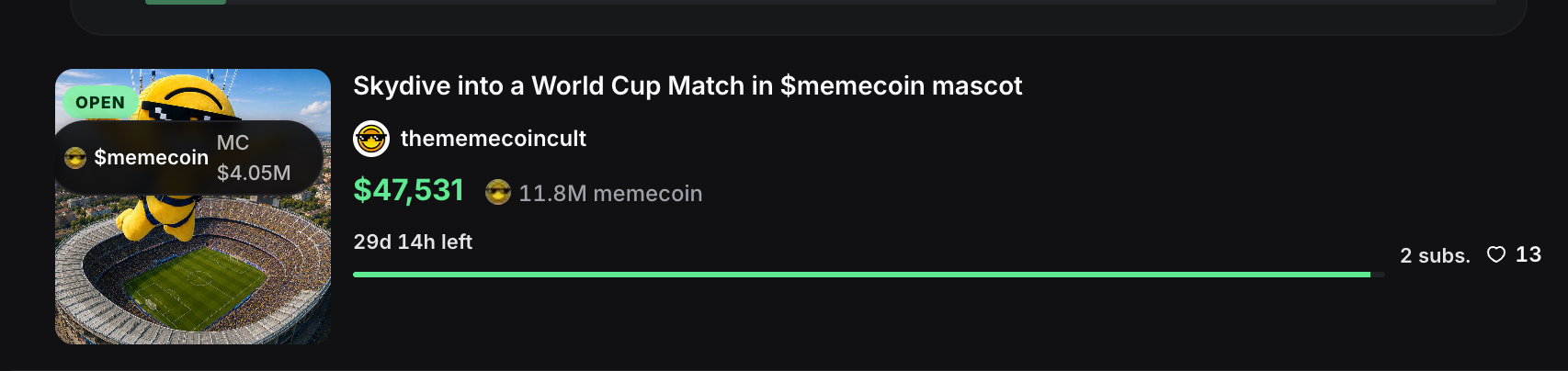
If someone offered you $50,000 to skydive into a World Cup stadium while wearing bizarre costumes to attract the attention of the entire crowd, would you do it?


Most people wouldn't, because in most countries, unauthorized entry into an ongoing sports event constitutes trespassing and can lead to imprisonment. The request is as absurd as a joke, or at least a marketing stunt. But this was precisely the highest-bounty task on the first day of pump.fun's newly launched bounty platform, "Pump.fun GO."


Mechanism of Pump.fun GO


Pump.fun GO attempts to shift the competition for attention around Meme assets from passive dissemination to active output via a task economy. The mechanism of GO isn't complex: an issuer (often a holder of a particular Meme coin) connects a wallet, locks the bounty into an escrow smart contract, and posts a bounty for completing a specific task; a task-taker completes the task, submits proof, and receives the payment after pump.fun's approval. The minimum bounty is $5, with no upper limit. The official launch copy grandly states: "Pay anyone to do anything."


Each task issuer holds a certain Meme coin—the task is a customized marketing campaign for their coin, and the bounty is the promotion fee drawn from their holdings. The coin comes first, the task follows; GO is not a "simple" task platform but an outsourced tool for marketing existing Meme coins.


However, the community's response to this new product is also highly contentious. Firstly, the Web3 bounty platform space already has established professional players like Dework, Gitcoin, and Layer3, leading to accusations that pump.fun is yet another clumsy "copycat." Secondly, the tasks currently listed on the platform often have a "touch of madness," and event adjudication is entirely at the platform's discretion—the terms state: the platform reserves the right to approve, reject, modify, or cancel any task and any submission, with decisions being final and non-appealable.


Why Launch GO Now


But to understand why pump.fun is launching GO now, we must first look at some numbers.


In January 2025, the platform's daily revenue peak exceeded $15 million, with annual cumulative revenue nearing $1 billion. However, by August 2025, daily revenue once fell below $300,000 and has recently hovered around $1 million.


The PUMP token has fallen from its issuance high of $0.006 to today's $0.0016, and SOL has also declined over 55% from its $150 high this year.
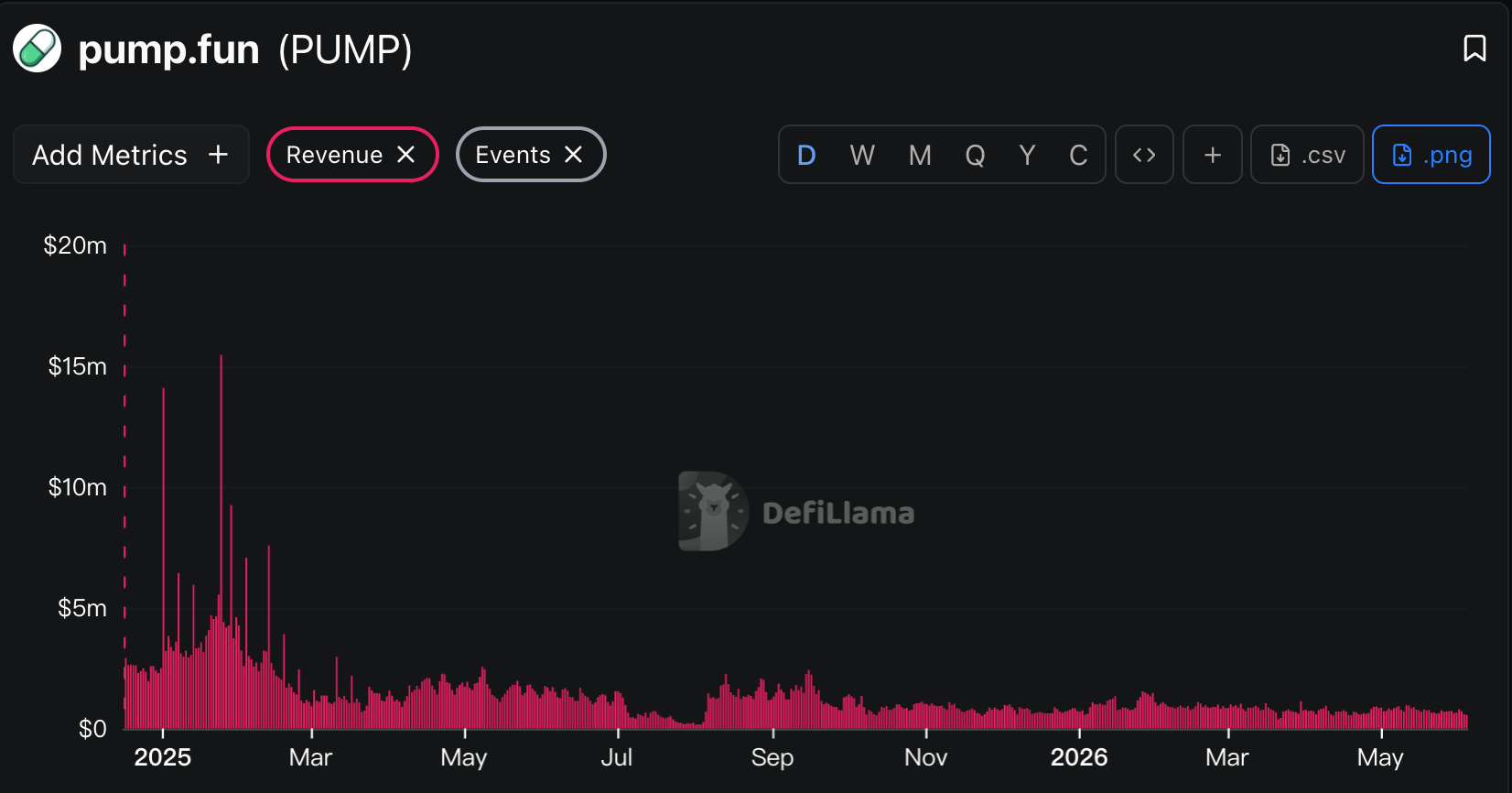


Meanwhile, in April of this year, pump.fun changed its "all revenue used for PUMP buyback and burn" policy to a 50/50 split—half continues for buybacks, and the other half is reserved for product development, hiring, and marketing. GO is the first project funded by this budget allocation.


Hot Content on GO


A closer look at the GO task list reveals that most content is "quite entertaining."


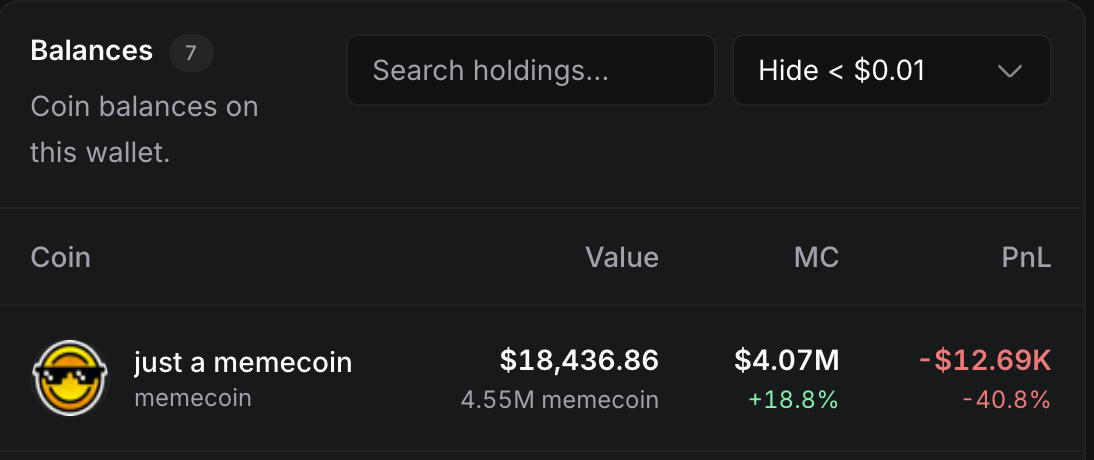
As of writing, the task "requiring the taker to skydive into the World Cup match venue while wearing the memecoin mascot costume throughout" might be "too sensitive" and is no longer displayed on the page. Perhaps related to topping the GO task list that day, the price of the related memecoin rose 18.8% on the day the task was posted, with its market cap exceeding $4 million; its current market cap is $3.73 million.


The bounty issuer "thememecoincult" also posted two other "sensational" tasks: wearing the same mascot costume to break the world record in long-distance running; and spraying the token code and logo on a car while wearing their mascot costume.


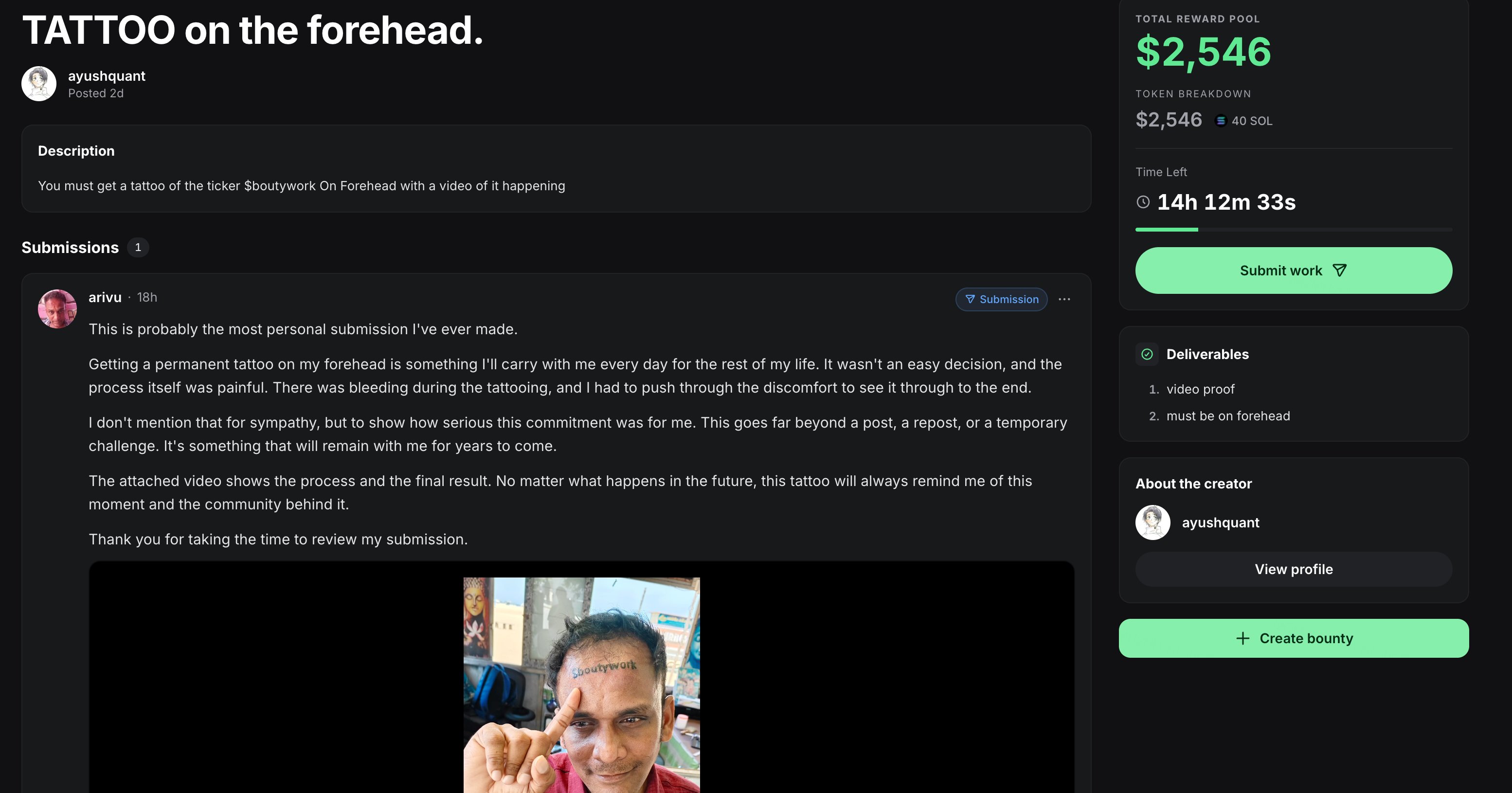
But some are indeed willing to do "crazy" things for the bounty. An Indian man named arivu accepted a bounty task worth 40 SOL (approximately $2,640) to get "$boutywork" tattooed on his forehead as required by the issuer, documenting the entire process in a video. However, there is a missing 'n' compared to the correct spelling "$bountywork." This typo sparked debate over the validity of the reward. Some claimed he wouldn't get a penny, while the issuer side opened a new bounty task for him to correct the tattoo. Ultimately, it's up to the platform to decide whether he receives the bounty after the task concludes.


The story doesn't end there. After the photos and video circulated, the community spontaneously launched a Meme coin featuring the man's photo as its logo. Its current market cap is $220,000, and he reportedly earned $15,000 from transaction fees.


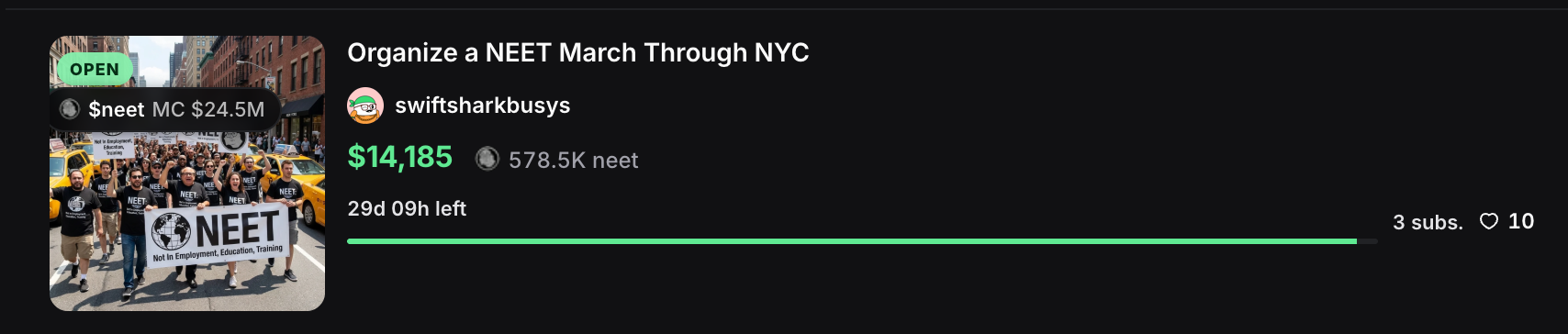
Other popular tasks include: someone offering a $13,728 bounty to "organize a NEET parade through New York City." The logic is to convert on-chain money into offline crowds and signs, film it into a video, bring it back on-chain, and boost the NEET coin price, completing the loop. The related token NEET currently has a market cap of $25.4 million, with 7 submissions.


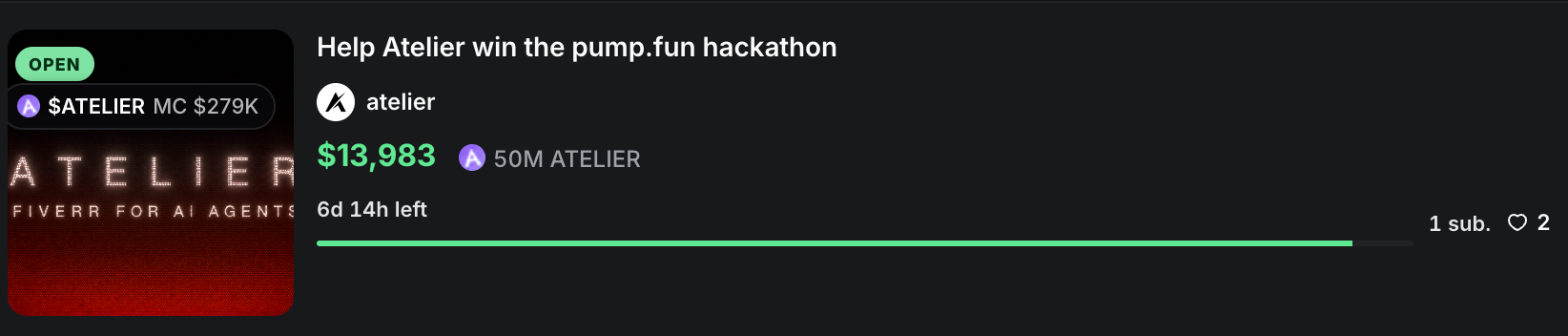
There's also the Atelier project winning pump.fun's hackathon—meaning using pump.fun's own product on its own platform to hire people to win a competition hosted by pump.fun itself.


These tasks lay bare the survival logic of Meme coins. These assets have no fundamentals; their survival depends on sustained attention. Attention comes from events, events need to be created by people, but project teams either can't or dare not do it themselves. GO formalizes this long-implicit chain: lock money into a contract, post a bounty, and wait for someone in the world to claim it.


Here, the employers are a group of token holders, and the takers complete tasks with the goal of making the token more widely known. Ultimately, all proceeds point to the same thing: stop this thing from falling further.


From Livestreams to Bounties


This logic is something pump.fun has already run through once. In 2024, the platform launched a livestreaming feature, which quickly turned into an uncontrolled content experiment: people livestreamed drug use, threatened self-harm, claimed to broadcast from prison, and used Russian roulette to pump prices. The sole purpose was to make the Meme coin rise. In November 2024, livestreaming was urgently taken offline; five months later, it quietly returned with new content moderation policies.


Livestreaming was about getting users to perform voluntarily on stage; GO is about paying people to perform. The underlying logic is exactly the same.


And this time, pump.fun cannot use "too much content to review" as an excuse. Every GO task requires manual platform approval to go live, and every bounty payout requires the platform's nod. What pump.fun learned from "the livestream shutdown" was clearly not "don't do this kind of thing," but rather "continue doing it with a different structure."


Câu hỏi Liên quan

QWhat is the core function of the new 'Pump.fun GO' platform, and how is it different from a general task bounty system?

AThe core function of 'Pump.fun GO' is to serve as a marketing outsourcing tool for existing memecoins. It's not a general task platform. Project holders lock a bounty in a smart contract to create tasks that promote their specific memecoin. The goal is to generate attention and events to sustain or increase the coin's value, differing from platforms that fund general projects or development work.

QAccording to the article, what are two main reasons for the community's controversy surrounding 'Pump.fun GO'?

AFirst, it is seen as a copy of established Web3 bounty platforms like Dework, Gitcoin, and Layer3. Second, the tasks often have a 'senseless' or extreme nature (e.g., illegal trespassing), and the platform has unilateral, non-appealable authority to approve, reject, or modify any task and its submissions.

QWhat significant change did pump.fun make to its revenue distribution policy in April, and how is 'GO' related to this change?

AIn April, pump.fun changed its policy from using 100% of revenue to buy back and burn the PUMP token to a 50/50 split. Half continues for buybacks, and the other half is allocated for product development, hiring, and marketing. 'Pump.fun GO' is the first major initiative funded from this new marketing and development budget.

QDescribe the example of the Indian man 'arivu' and the bounty task. What unexpected outcome did his action lead to?

AA man named arivu from India accepted a 40 SOL (~$2,640) bounty to tattoo '$boutywork' (missing an 'n') on his forehead to promote a memecoin. The spelling error sparked debate about the reward's validity. Subsequently, the community autonomously created a new memecoin using his photo as the logo, which reached a $220,000 market cap, earning him $15,000 in fees from that new coin.

QHow does the article connect the logic behind 'Pump.fun GO' to pump.fun's previous 'live streaming' feature, and what key lesson did the platform learn from the streaming experience?

ABoth features share the same underlying logic: generating attention/events to pump memecoin prices. Live streaming relied on users voluntarily performing extreme acts. GO formalizes this by paying people to perform marketing tasks. The lesson learned from the streaming shutdown wasn't to stop such activities, but to 'change the structure and continue.' GO introduces platform pre-approval for tasks and payouts to maintain more control.

Nội dung Liên quan

Sau ba quý liên tiếp suy giảm, thị trường tiền điện tử có thể đón cửa sổ ổn định trong quý III?

Thị trường tiền mã hóa vừa trải qua quý tồi tệ nhất kể từ năm 2022, với vốn hóa giảm 12.6% xuống 2.1 nghìn tỷ USD, khối lượng giao dịch sụt giảm và dòng tiền rút mạnh khỏi các quỹ ETF Bitcoin. Bitcoin và Ethereum lần lượt giảm 14.2% và 25.4% trong quý, đánh dấu sự đảo ngược so với mối tương quan trước đây với các tài sản rủi ro như Nasdaq. Dòng vốn ETF chứng khoán Mỹ ghi nhận dòng ròng rút khoảng 46.7 tỷ USD trong quý II, báo hiệu áp lực bán. Tuy nhiên, dấu hiệu tích cực ban đầu xuất hiện khi các nhà đầu tư dài hạn bắt đầu tích lũy trở lại và dòng ETF có đợt thu hút ngắn hạn. Toàn bộ thị trường hiện tập trung vào cuộc họp của Cục Dự trữ Liên bang Mỹ (FOMC) vào cuối tháng 7. Các tín hiệu chính sách tiền tệ sẽ quyết định xu hướng: tín hiệu ôn hòa có thể đẩy Bitcoin lên vùng 68,000-84,000 USD, trong khi lập trường cứng rắn có thể kéo giá về vùng 50,000-56,000 USD. Tiến trình pháp lý của Đạo luật CLARITY gần như đình trệ, làm giảm kỳ vọng và gia tăng phí rủi ro cho toàn ngành. Trong bối cảnh ảm đạm, hai lĩnh vực nổi bật là thị trường dự đoán (tăng trưởng 48.7%) và bộ sưu tập kỹ thuật số được mã hóa (tăng ~143%), cho thấy sự chuyển dịch nhu cầu thực tế. Nhìn chung, thị trường thiếu động lực cho một đợt tăng trưởng mạnh dựa trên tâm lý. Các quyết định giao dịch trong quý III sẽ chủ yếu xoay quanh diễn biến giá, lựa chọn chính sách và kỳ vọng lãi suất.

marsbitHôm qua 08:39

Sau ba quý liên tiếp suy giảm, thị trường tiền điện tử có thể đón cửa sổ ổn định trong quý III?

marsbitHôm qua 08:39

Giao Dịch SpaceX, Đã Mở Khóa: SPCXON Được Giao Dịch Trên WEEX

SpaceX đã thực hiện đợt IPO lớn nhất lịch sử vào tháng 6/2026, nhưng nhiều nhà giao dịch không thể tiếp cận do các rào cản như hạn chế môi giới và khu vực. Sàn giao dịch tiền điện tử WEEX đã giới thiệu SPCXON/USDT, một công cụ token hóa cho phép tiếp cận biến động giá của SpaceX thông qua tài khoản crypto được quyết toán bằng USDT, mà không cần môi giới Mỹ hay tài khoản ngân hàng. Sản phẩm này, xây dựng trên nền tảng cổ phiếu token hóa của Ondo, dành cho các nhà giao dịch bên ngoài Hoa Kỳ. Trường hợp đầu tư dựa trên đà tăng doanh thu Starlink và các cột mốc Starship, trong khi các yếu tố cần thận trọng bao gồm định giá cao, lượng cổ phiếu lưu hành công chúng ít và sự kiện mở khóa cổ phiếu nội bộ sắp tới. Lưu ý quan trọng: SPCXON cung cấp mức tiếp xúc với hiệu quả kinh tế, không phải quyền sở hữu cổ phiếu trực tiếp, và có thể giao dịch ở mức cao hơn hoặc thấp hơn giá trị tài sản ròng. WEEX tích hợp SPCXON cùng các sản phẩm TradFi token hóa khác như MicroStrategy (MSTRON) và Micron (MUON) vào một tài khoản thống nhất, cho phép luân chuyển giữa crypto và cổ phiếu dễ dàng. Sàn cũng đang chạy chiến dịch TradFi Trading Challenge với quỹ thưởng $50,000.

TheNewsCryptoHôm qua 08:32

Giao Dịch SpaceX, Đã Mở Khóa: SPCXON Được Giao Dịch Trên WEEX

TheNewsCryptoHôm qua 08:32

BIT Trading Hours: BTC Vẫn Chịu Áp Lực Từ Đường MA 200 Tuần, Bị Từ Chối Có Thể Tái Khởi Động Đợt Giảm, Ngành Lưu Trữ và Bán Dẫn Tăng Mạnh Đêm Qua Bắt Đầu Giảm Trong Khung Giờ Giao Dịch Ban Đêm

Bitcoin (BTC) hiện giao dịch quanh mức $66,000, đối mặt với vùng kháng cự mạnh gần $68,000 - nơi tập trung nhiều lệnh mua trước đó có thể chốt lời. Về mặt kỹ thuật, BTC đang nằm giữa đường trung bình động 200 tuần (MA ~$63,333) và đường trung bình động hàm mũ 200 tuần (EMA ~$68,328). Việc không thể vượt qua mức $68,000 có thể kéo giá về kiểm tra lại vùng hỗ trợ $63,000. Thị trường hiện có tính thanh khoản thấp và được xem là đang trong đợt phục hồi nhẹ. Trên thị trường chứng khoán Mỹ, các chỉ số tương lai giảm nhẹ. Nhóm cổ phiếu bán dẫn và lưu trữ, vốn tăng mạnh vào đêm trước, đã điều chỉnh giảm trong phiên giao dịch ngoài giờ. Tuy nhiên, Super Micro Computer (SMCI) tăng mạnh sau báo cáo doanh thu và đơn đặt hàng tích cực. Dầu thô tăng (trên $91) và lợi suất trái phiếu kho bạc Mỹ tăng cao tiếp tục gây áp lực lên thị trường cổ phiếu và làm dấy lên lo ngại lạm phát. Tại châu Á, thị trường Hàn Quốc phục hồi nhẹ cùng với cổ phiếu công nghệ, trong khi Nhật Bản thận trọng do đồng Yên yếu kỷ lục. Các sự kiện quan trọng sắp tới bao gồm báo cáo thu nhập từ các gã khổng lồ công nghệ như Alphabet, Tesla, IBM; sự kiện AI của AMD; và cuộc họp chính sách tiền tệ của Ngân hàng Trung ương châu Âu.

marsbitHôm qua 08:31

BIT Trading Hours: BTC Vẫn Chịu Áp Lực Từ Đường MA 200 Tuần, Bị Từ Chối Có Thể Tái Khởi Động Đợt Giảm, Ngành Lưu Trữ và Bán Dẫn Tăng Mạnh Đêm Qua Bắt Đầu Giảm Trong Khung Giờ Giao Dịch Ban Đêm

marsbitHôm qua 08:31

Chủ tịch CFTC cũ, Chủ tịch Circle Tarbert: Một mặt khuyên bạn chủ nghĩa dài hạn, mặt kia tự mình thoái vốn 30 triệu USD

Tác giả: Zen, PANews Trước tình cảnh cổ phiếu Circle (CRCL) giảm 70% so với đỉnh và bị hạ xếp hạng, Chủ tịch Heath Tarbert - cựu Chủ tịch CFTC - trong một cuộc phỏng vấn ngày 14/7 đã kêu gọi các nhà đầu tư kiên nhẫn và tập trung vào tầm nhìn dài hạn của công ty. Tuy nhiên, hành động của ông lại trái ngược hoàn toàn. Kể từ khi Circle IPO, Tarbert đã không ngừng bán cổ phiếu CRCL thông qua kế hoạch giao dịch 10b5-1 được lập trước, thu về tổng cộng khoảng 30 triệu USD. Ông chưa từng mua lại cổ phiếu trên thị trường mở, ngay cả khi giá cổ phiếu lao dốc. Bài viết nêu bật sự mâu thuẫn giữa lời nói "chủ nghĩa dài hạn" và hành động "thoái vốn" mạnh tay của Tarbert. Sự nghiệp của ông được mô tả là điển hình của "cánh cửa xoay" chính trị-thương mại Mỹ: từ các vị trí cấp cao tại Bộ Tài chính và CFTC, ông nghỉ hưu chỉ 27 ngày trước khi gia nhập Citadel Securities - một nhà tạo lập thị trường lớn - vào thời điểm công ty này đang đối mặt với cuộc điều tra của Quốc hội sau sự kiện GameStop. Sau đó, ông chuyển sang Circle, nơi ông được cho là đã sử dụng kinh nghiệm và quan hệ quản lý để giúp công ty vượt qua các rào cản pháp lý và niêm yết thành công. Bài báo đặt câu hỏi liệu Tarbert có thực sự tin vào tương lai dài hạn của Circle hay không, khi mà ông liên tục chốt lời trong khi lại khuyên các cổ đông nhỏ lẻ giữ vị thế. Nó gợi ý rằng mô hình của ông là tận dụng tối đa kiến thức về chu kỳ chính sách và cơ hội thị trường để biến các nguồn lực và uy tín tích lũy được thành lợi thế nghề nghiệp và tài chính cá nhân, trong khi rủi ro dài hạn được chuyển sang cho các nhà đầu tư tin tưởng vào những tường thuật công khai của ông.

marsbitHôm qua 08:08

Chủ tịch CFTC cũ, Chủ tịch Circle Tarbert: Một mặt khuyên bạn chủ nghĩa dài hạn, mặt kia tự mình thoái vốn 30 triệu USD

marsbitHôm qua 08:08

Gate Research: Làn sóng "phố Wall hóa" trong các sản phẩm tài chính tiền điện tử - Cạnh tranh hay Hội tụ?

Gate Research Institute: Sự hòa hợp hay cạnh tranh trong làn sóng "phố Wall hóa" các sản phẩm tài chính tiền mã hóa? Từ tầm nhìn ban đầu về một hệ thống tài chính phi tập trung, loại bỏ trung gian của Bitcoin, thị trường tiền mã hóa đang chứng kiến sự hội tụ mạnh mẽ với tài chính truyền thống (TradFi). Các quỹ ETF Bitcoin, tài sản thế giới thực được mã hóa (RWA) và trái phiếu chính phủ trên chuỗi cho thấy các tổ chức như BlackRock, Fidelity đang đưa tài sản mã hóa vào hệ thống phát hành, định giá, lưu ký và phân phối truyền thống. Tuy nhiên, đây không phải là một trò chơi tổng bằng không. Xu hướng này thể hiện sự bổ sung lẫn nhau: TradFi cung cấp khung pháp lý, mạng lưới phân phối rộng và sự tin cậy, trong khi Crypto mang lại tính mở, thanh khoản toàn cầu 24/7 và khả năng thanh toán lập trình được. Hai hướng đi tiêu biểu minh chứng cho sự hội tụ hai chiều: các sàn giao dịch tiền mã hóa (CEX) như Gate mở rộng sang giao dịch cổ phiếu thực, ETF thông qua cơ sở hạ tầng môi giới truyền thống; trong khi các công ty môi giới truyền thống như Robinhood tích hợp tài sản mã hóa và phát triển tài sản mã hóa (như cổ phiếu mã hóa) để thu hút người dùng. Mục tiêu chung của cả hai hướng là tranh giành "tài khoản tài chính tổng hợp" thế hệ tiếp theo - một điểm vào duy nhất nơi người dùng có thể giao dịch đa dạng tài sản từ cổ phiếu, tiền mã hóa đến RWA. Sự tăng trưởng mạnh mẽ của thị trường RWA, đặc biệt là cổ phiếu mã hóa, bất chấp xu hướng thị trường giảm, cho thấy đây là một xu hướng cấu trúc thực sự. Kết luận, "phố Wall hóa" không có nghĩa là thị trường tiền mã hóa bị TradFi thôn tính. Thay vào đó, đây là một sự chuyển đổi hai chiều, nơi cả hai hệ thống đang cùng nhau định hình lại thị trường vốn thành một cấu trúc hỗn hợp hiệu quả và toàn cầu hơn, với trải nghiệm người dùng liền mạch cho nhiều loại tài sản khác nhau.

marsbitHôm qua 08:06

Gate Research: Làn sóng "phố Wall hóa" trong các sản phẩm tài chính tiền điện tử - Cạnh tranh hay Hội tụ?

marsbitHôm qua 08:06

Giao dịch

Giao ngay
活动图片




