Trump Signs Executive Order, Kraken, Coinbase and Others May Gain Access to Fed Payment Channels

marsbitXuất bản vào 2026-05-21Cập nhật gần nhất vào 2026-05-21

Tóm tắt

President Trump has signed an executive order, "Incorporating Financial Technology Innovation into the Regulatory Framework," pressuring the Federal Reserve to reassess its rules on granting non-bank financial companies—including crypto and fintech firms—access to its payment systems, specifically master accounts that connect to the Fedwire settlement system. Currently, such accounts are primarily reserved for depository institutions. The order mandates a review to determine if broader access is permissible and to establish an application process. This move, supported by figures like Senator Cynthia Lummis, aims to reduce barriers to innovation and lower public payment costs by fostering fairer competition. It does not grant immediate access but could pave the way for companies like Kraken, Coinbase, Ripple, and Circle to reduce reliance on intermediary banks, lowering costs and speeding up settlements. A key precedent is the Kansas City Fed granting Kraken's parent company a restricted master account in March, offering limited payment services without interest or credit privileges. This model is seen as a potential template for allowing controlled access while mitigating systemic risk. Other firms like Anchorage, Paxos, and BitGo, which hold specialized banking charters, are also well-positioned to apply. The banking industry, represented by the American Bankers Association, opposes easing access, arguing any institution handling bank-like payments must meet the same stri...

Written by: Oluwapelumi Adejumo

Compiled by: Luffy, Foresight News

U.S. President Trump has formally pressured the Federal Reserve to re-evaluate the highly controversial access rules within the U.S. financial sector, escalating the industry battle over whether crypto firms and fintech companies can directly connect to the central bank's payment systems.

On May 19, Trump signed an executive order directing the Federal Reserve to assess its policies regarding granting payment account access to nonbank financial companies, including those engaged in digital assets, blockchain services, and other fintech businesses.

Titled "Modernizing the Regulatory Framework to Facilitate Financial Innovation," the order requires major federal regulatory agencies to review existing rules and eliminate redundant regulatory provisions that hinder financial innovation.

This order does not immediately grant crypto firms direct access to Federal Reserve payment channels. However, it explicitly authorizes the Federal Reserve to examine whether existing laws permit broader access and, if so, to clarify the application process.

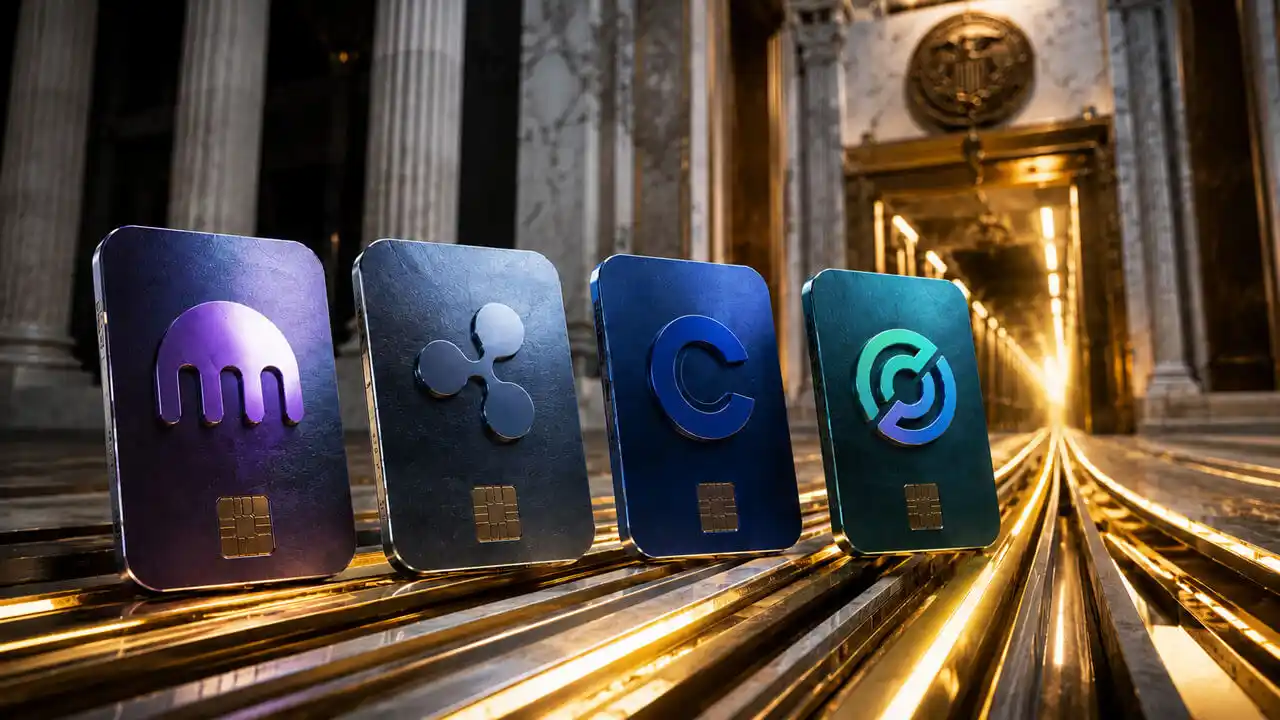
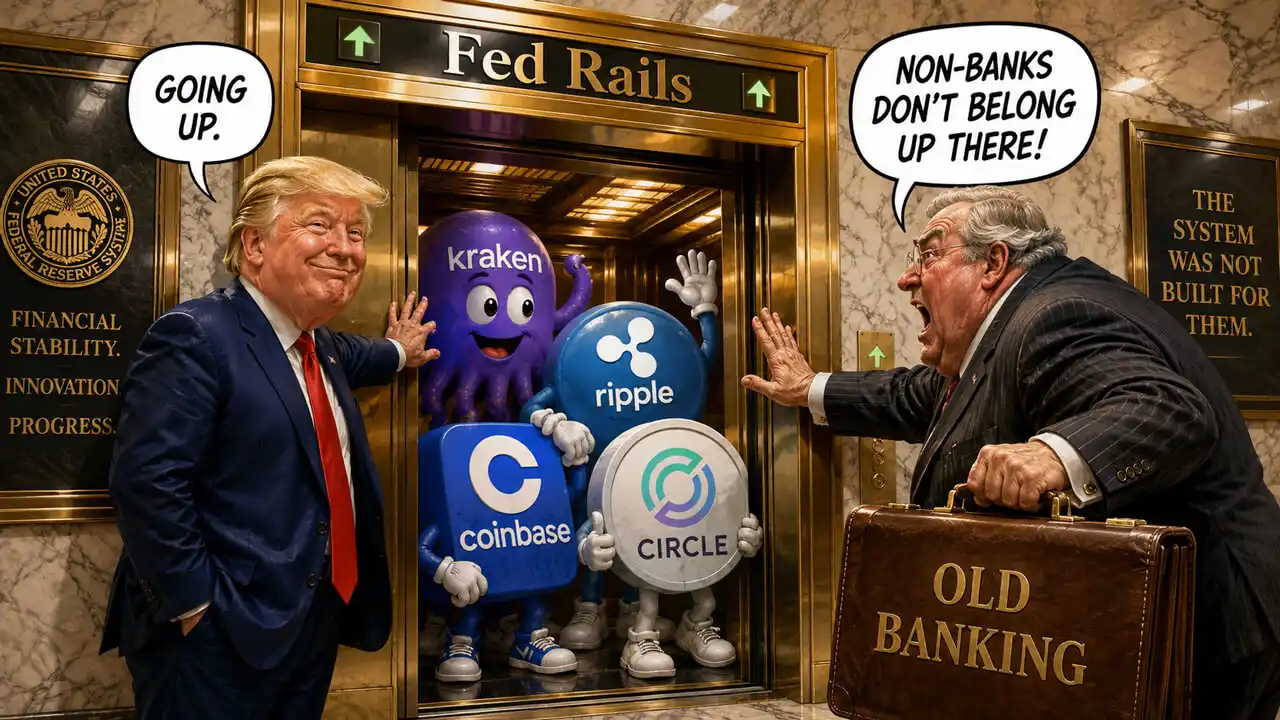
The outcome of this review is crucial, as it will directly determine whether companies like Kraken, Ripple, Coinbase, Circle, Anchorage, Wise, Paxos, and BitGo can reduce their reliance on intermediary banks and move closer to core U.S. dollar wholesale clearing financial infrastructure.
Policy Shift for Fed Master Account Access

The core focus of this executive order is the Federal Reserve master account. Institutions holding such an account gain direct access to the full suite of Federal Reserve payment services, including the interbank large-dollar U.S. funds transfer system, Fedwire.

Under current Fed rules, such accounts are, in principle, only open to depository banking institutions. Consequently, many crypto firms have had to pursue special-purpose banking charters or national trust bank charters in their quest for direct connection eligibility.

Trump's order now requires the Federal Reserve to comprehensively review the access rules for central bank payment accounts, while also clarifying whether the 12 regional Federal Reserve Banks have the statutory authority to independently approve or reject institution account applications.

In March of this year, the Federal Reserve Bank of Kansas City took the lead by approving a restricted master account for Kraken's parent company, Payward, setting the industry's first precedent and making this issue of access increasingly urgent.

In addition, the order instructs regulators to conduct a comprehensive review of barriers to the development of the fintech industry, covering charter licensing rules, third-party risk management guidance, and policies restricting cross-border collaboration between banks and tech companies.

U.S. Senator Cynthia Lummis stated that this new policy corrects the long-standing restricted access situation for the fintech industry. Traditional legacy financial institutions have monopolized core payment channel resources, while emerging tech companies have long been excluded. This order aims to create a level playing field, stimulate industry vitality, and reduce payment costs for the public.

Coinbase Chief Legal Officer Paul Grewal also expressed support for the move. He argued that current payment access rules and third-party risk control guidelines are outdated, favoring traditional financial giants and suppressing innovation, and that regulatory rules urgently need renewal.

This echoes a common demand within the crypto industry: access to the central bank's core payment network has become a competitive barrier. Firms unable to connect directly must rely on bank intermediaries, which not only increases operational costs and slows settlement efficiency but also imposes the additional operational risks of their partner banks.
Kraken Provides a Feasible Model for Crypto Companies

Kraken has provided a practical example for the industry to expand access. In March, the Kansas City Fed granted a master account to its financial entity, Kraken Financial, allowing access to the core U.S. dollar large-value clearing payment channels. This enables the platform to handle institutional user deposits and withdrawals more efficiently, particularly facilitating rapid transfers of large funds between the trading platform, custodians, and partner banks.

However, this account comes with clear limitations: it does not offer the full range of financial services available to regular insured banks, does not earn interest on reserve balances, and cannot access Federal Reserve credit facilities.

This restricted design can reduce central bank systemic risk while allowing crypto firms moderate access to mainstream payment infrastructure. It is likely to become a universal template promoted by regulators in the future—granting firms U.S. dollar transfer and clearing permissions while strictly prohibiting access to high-sensitivity financial privileges like overdraft lending, reserve interest, and emergency liquidity assistance.

Custodia Bank CEO Caitlin Long welcomed the new policy. Her institution has sought access to the Federal Reserve system for years but was rejected in 2023, with the Fed ruling that its crypto-focused business model did not meet statutory access requirements, highlighting the extreme difficulty licensed crypto institutions previously faced in gaining full access.

The implementation of Kraken's restricted account has fundamentally shifted the regulatory stance. Regulators no longer have only the options of "full access" or "complete rejection." Through a tiered permission model, they can gradually guide crypto firms into the mainstream payment system while firmly maintaining risk control bottom lines.

Ripple, Coinbase, and Circle are Prepared for the Next Phase

Ripple, Coinbase, and Circle are among the most direct beneficiaries of this policy relaxation. Ripple has already applied for a Federal Reserve master account and actively supports implementing a lightweight restricted account mechanism that allows non-bank institutions to conveniently use basic payment services without touching the Fed's core financial privileges.

Once successfully implemented, this would significantly boost its RLUSD stablecoin business, enabling efficient reserve fund transfers and user redemption operations. For stablecoin issuers, the efficiency of reserve clearing and fund redemption stability directly determine market confidence. Direct or restricted access to a Federal Reserve account would greatly reduce reliance on bank intermediaries, allowing more flexible U.S. dollar liquidity management during periods of concentrated redemptions or market volatility.

Coinbase and Circle, through their USDC stablecoin businesses and own payment ecosystems, also have strong needs for access. Both institutions have established federal trust bank structures, which not only further integrate them into the federal unified regulatory system but also pave the way for applying for Federal Reserve payment accounts.

Meanwhile, other companies are also waiting in line. Anchorage Digital is already a federally chartered crypto bank; Paxos, BitGo, and Fidelity Digital Assets have successively obtained national trust bank-related approvals from the Office of the Comptroller of the Currency. While such qualifications do not directly translate into Federal Reserve payment account access, they significantly narrow the gap between these firms and compliance standards.

Industry demands are clear: crypto exchanges seek fast fiat currency settlement, stablecoin issuers want autonomous control over reserve funds, asset custodians aim to optimize institutional client fund flow efficiency, and payment companies are eager to reduce heavy reliance on cross-border clearing banks.

Galaxy Digital Head of Research Alex Thorn stated bluntly that it is not only deposit-taking and lending banking institutions that are qualified to conduct wire transfer business; this is a threshold set by modern regulation, not an immutable rule of the financial industry. With multiple forces now competing, traditional banks are actually fighting to maintain their monopoly in the payments industry. The prevailing industry view is that payment channel access eligibility should be determined based on a firm's business attributes, compliance and regulatory rigor, and risk management capabilities, rather than rigidly adhering to traditional banking business models.

Traditional Banks Warn: Access Must Meet Bank-Level Standards

Facing calls for industry openness, the American Bankers Association has clearly expressed opposition. The association believes that any institution conducting bank-like business must be subject to the same stringent regulatory standards and consumer protection rules as traditional banks.

ABA President and CEO Rob Nichols stated publicly: "Without full industry-wide high-standard regulation, the entire financial system and ordinary consumers will face direct risks. Regarding this White House financial innovation executive order, we urge regulatory agencies to uphold the bottom line of safety and soundness of the financial system while promoting innovation, and not to lower access thresholds."

This is the core concern of the banking industry. Direct access to the Federal Reserve payment system is not merely a business privilege; it comes with a suite of high-intensity regulations, including deposit insurance systems, capital adequacy assessments, liquidity controls, and regular business reviews. From the banks' perspective, allowing crypto firms with lightweight licenses and limited business scopes, which lack equivalent compliance obligations and risk management capabilities, to connect to the core payment network could easily sow the seeds of systemic risk.

The Fedwire system is the core hub for global U.S. dollar clearing. Any cyber-attacks, operational failures, compliance breaches, or liquidity crises at an接入 institution could cause settlement disruptions with impacts far beyond the firm's own business scope. Simultaneously, banks invest heavily in compliance areas such as anti-money laundering, customer fund monitoring, and suspicious transaction reporting. Regulators also need to confirm that crypto firms possess equivalent compliance capabilities before allowing them to engage in diverse businesses like trading, asset custody, stablecoin issuance, and payments.

Liquidity diversion is another key concern for banks. If stablecoin issuers and fintech firms can efficiently hold and transfer funds through the Federal Reserve system, they will likely divert existing funds from the traditional banking system.

The restricted account rules proposed by the Fed, by removing benefits like interest and credit, somewhat alleviate this concern, but the banking industry will not readily acquiesce to this shift in the industry landscape.

Although specialized restricted accounts can avoid most risks through permission demarcation, they also raise new regulatory questions: At what point does the level of payment business access granted to a non-bank institution make its operations equivalent to those of a formal bank? This will become a core point of contention for regulators in defining future access boundaries.

Câu hỏi Liên quan

QWhat was the main objective of the executive order signed by former President Trump regarding financial innovation and cryptocurrency companies?

AThe executive order aimed to pressure the Federal Reserve to reassess its policies on granting payment account access to non-bank financial companies, including those in digital assets, blockchain, and fintech. It required federal regulators to review existing rules to eliminate redundant regulations hindering financial innovation and to clarify whether broader access to the Federal Reserve's payment systems is legally permissible for such companies.

QHow does the Federal Reserve's Master Account benefit financial institutions, and what was the previous limitation for crypto companies?

AA Federal Reserve Master Account allows institutions direct access to the Fed's full suite of payment services, including the Fedwire system for large-scale dollar transfers between banks. Previously, such accounts were typically restricted to depository banking institutions, forcing crypto companies to seek special-purpose banking charters or national trust bank licenses to qualify for direct access.

QWhat precedent did the Federal Reserve Bank of Kansas City set for crypto companies in March, and what were the limitations of this account?

AIn March, the Federal Reserve Bank of Kansas City approved a restricted master account for Payward, Inc., the parent company of Kraken. This account, granted to its special-purpose depository institution Kraken Financial, allowed direct access to core dollar payment channels but with key limitations: it did not grant full banking services, did not pay interest on reserves, and did not provide access to Federal Reserve credit facilities.

QWhy are companies like Ripple, Coinbase, and Circle particularly interested in gaining access to Federal Reserve payment channels?

ACompanies like Ripple, Coinbase, and Circle are keen to access Federal Reserve payment channels to reduce reliance on intermediary banks. This would lower operational costs, speed up settlement times, and mitigate risks associated with partner banks. For stablecoin issuers like Circle (USDC) and Ripple (RLUSD), direct access would enhance the efficiency of managing reserve funds and processing redemptions, which is crucial for maintaining market confidence, especially during periods of high volatility or concentrated withdrawals.

QWhat are the primary concerns raised by traditional banks, as represented by the American Bankers Association, regarding expanding access to the Federal Reserve's payment systems?

ATraditional banks, through the American Bankers Association, argue that any institution performing bank-like activities must be subject to the same stringent regulatory standards as traditional banks, including robust consumer protection rules, capital requirements, liquidity management, and anti-money laundering compliance. They warn that allowing crypto firms with lighter regulatory burdens to connect to core payment networks like Fedwire could introduce systemic risks, such as operational failures or compliance gaps, and potentially drain liquidity from the traditional banking system.

Nội dung Liên quan

Thị trường tiền mã hóa đã đáy chưa? Đây là quan điểm của các tổ chức

Chuyên gia từ ba tổ chức nghiên cứu hàng đầu - Galaxy Digital, NYDIG và Standard Chartered - đã đưa ra các nhận định khác nhau về việc thị trường tiền mã hóa đã chạm đáy hay chưa. Galaxy Digital, dựa trên phân tích 13 chỉ số lịch sử, cho rằng Bitcoin chưa chạm đáy và dự đoán vùng đáy tiềm năng trong khoảng 30.000 - 54.000 USD, với mức trung tính là 40.000 - 46.000 USD. NYDIG nhận thấy các chỉ số hiện tại gần với vùng cực trị đáy lịch sử nhưng thiếu đi đợt bán tháo hoảng loạn điển hình, đồng thời nêu lên khả năng chu kỳ hiện tại có thể ít suy giảm hơn nhờ dòng tiền tổ chức. Trái ngược, Standard Chartered tuyên bố đáy đã xuất hiện ở mức 59.000 USD, với lý do áp lực bán từ ETF sẽ giảm bớt và dự báo Bitcoin có thể lên 100.000 USD trong năm nay. Mặc dù có sự khác biệt về điểm đáy cụ thể, cả ba báo cáo đều có chung những kết luận quan trọng cho nhà đầu tư dài hạn: đáy thị trường sẽ xuất hiện trong năm nay, giá hiện tại gần đáy hơn là đỉnh cũ, và một đợt tăng giá mới cho Bitcoin trong tương lai vẫn được kỳ vọng. Vì vậy, thay vì tập trung quá mức vào thời điểm chạm đáy chính xác, trọng tâm nên là triển vọng dài hạn khi các động lực cơ bản của Bitcoin - như nợ công cao, lạm phát, quá trình số hóa và việc áp dụng ngày càng tăng - vẫn tiếp tục mạnh mẽ.

Foresight News1 phút trước

Thị trường tiền mã hóa đã đáy chưa? Đây là quan điểm của các tổ chức

Foresight News1 phút trước

Dự đoán năm 2029: Khi tiền điện tử hoàn toàn 'biến mất', ai sẽ tồn tại trong cuộc đại biến đổi tài chính này?

**Tóm tắt: Dự báo về tình hình tài chính vào năm 2029 - Khi tiền mã hóa "tàng hình"** Bài viết đưa ra một kịch bản cụ thể về sự phát triển của ngành công nghiệp tiền mã hóa từ nay đến năm 2029, tập trung vào ba vấn đề cốt lõi: giá trị của token, ứng dụng công nghệ và sự chuyển đổi thành cơ sở hạ tầng tài chính truyền thống. **Giai đoạn chính:** * **Giữa 2026:** Thị trường hợp đồng vĩnh viễn cho tài sản tư nhân (ví dụ: cổ phần SpaceX, OpenAI) trên các sàn giao dịch phi tập trung như Hyperliquid trở nên phổ biến, cung cấp định giá thời gian thực và cho thấy nhu cầu thực sự là về tài sản chất lượng, không phải token. * **Cuối 2026:** Lĩnh vực "AI + Crypto" suy yếu (trừ thị trường dự đoán). Token hóa tài sản truyền thống (quỹ thị trường tiền tệ, tín dụng tư nhân) tăng tốc một cách thầm lặng trong khuôn khổ pháp lý, tách biệt với thị trường đầu cơ ồn ào. * **Đầu 2027:** Các quỹ blockchain lớn tập trung vào việc xây dựng cơ sở hạ tầng và dịch vụ tuân thủ cho khách hàng tổ chức, với tầm nhìn dài hạn là phục vụ số lượng lớn nhà đầu tư phổ thông đủ điều kiện. * **Giữa đến cuối 2027:** Ba lĩnh vực (hợp đồng vĩnh viễn tài sản tư nhân, stablecoin, token hóa tài sản) đều chạm trần tăng trưởng do các hạn chế pháp lý, đặc biệt là lệnh cấm quảng cáo chứng khoán tư nhân và sự không chắc chắn về chính sách trước cuộc bầu cử Mỹ 2028. * **2028:** Sau bầu cử (giả định đảng Dân chủ thắng), sự không chắc chắn giảm dần. Một sự kiện thanh lý dây chuyền trên thị trường hợp đồng vĩnh viễn làm lộ rõ rủi ro của việc thiếu tài sản cơ sở. Điều này dẫn đến việc nới lỏng quy định, **cho phép công khai quảng cáo việc chuyển nhượng cổ phần tư nhân thứ cấp cho nhà đầu tư đủ điều kiện**, tạo ra một kênh đầu tư hợp pháp mới. * **2029:** Thị trường chứng khoán tư nhân trở thành tâm điểm, thúc đẩy một đợt tăng giá mới dựa trên giá trị thực của các doanh nghiệp công nghệ. Token chỉ có giá trị nếu đại diện cho quyền đòi tài sản thực có hiệu lực pháp lý. Stablecoin tăng trưởng ổn định. Các yếu tố đầu cơ thu hẹp. Chức năng cơ sở hạ tầng tài chính của tiền mã hóa trở nên "tàng hình", được tích hợp hoàn toàn và không còn là chủ đề thảo luận riêng biệt. **Luận điểm trung tâm:** Trở ngại chính của ngành không phải là công nghệ mà là pháp lý. Dấu hiệu then chốt để xác thực dự báo này là việc **nhà đầu tư phổ thông có được kênh tiếp cận hợp pháp với thị trường cổ phần tư nhân vào cuối năm 2028 hay không.**

marsbit41 phút trước

Dự đoán năm 2029: Khi tiền điện tử hoàn toàn 'biến mất', ai sẽ tồn tại trong cuộc đại biến đổi tài chính này?

marsbit41 phút trước

Sau khi Mỹ cấm Fable 5, trí tuệ nhân tạo tăng 47%

Ngày 15/6, cổ phiếu Zhipu (智谱) tại Hồng Kông tăng mạnh tới 47.6% trước khi đóng cửa ở mức +32.82%, đạt vốn hóa thị trường kỷ lục 649,6 tỷ HKD. Động lực trực tiếp đến từ hai sự kiện ngành. Ngày 12/6, Anthropic đã vô hiệu hóa quyền truy cập vào các mô hình hàng đầu Claude Fable 5 và Claude Mythos 5 trên toàn cầu do lệnh kiểm soát xuất khẩu của Mỹ. Sự kiện này cho thấy rủi ro khi các mô hình AI tiên tiến trở nên "không thể truy cập ổn định", đặc biệt đối với các nhà phát triển và doanh nghiệp phụ thuộc vào chúng. Ngay ngày hôm sau (13/6), Zhipu tuyên bố mở mô hình mã nguồn mở mạnh nhất của mình, GLM-5.2, cho tất cả người dùng Coding Plan, với API và trọng số mô hình sẽ được phát hành theo giấy phép MIT. GLM-5.2 tập trung vào nâng cao khả năng xử lý tác vụ dài hạn (Long Horizon Task), hỗ trợ cửa sổ ngữ cảnh 1M token. Sự cố của Anthropic và động thái của Zhipu đánh dấu sự thay đổi trong logic cạnh tranh ngành AI: từ "mô hình nào mạnh hơn" sang "mô hình nào có thể tiếp cận ổn định hơn". Khi AI trở thành cơ sở hạ tầng quan trọng, các yếu tố như tính ổn định, bền vững, khả năng kiểm soát và tính sẵn có đang trở nên quan trọng ngang bằng với năng lực kỹ thuật. Phản ứng nhanh chóng của thị trường vốn cho thấy sự định giá lại này, với lợi thế dần nghiêng về các mô hình mở, dễ tiếp cận và tự chủ.

marsbit45 phút trước

Sau khi Mỹ cấm Fable 5, trí tuệ nhân tạo tăng 47%

marsbit45 phút trước

Hướng dẫn Đăng ký và Gửi bài cho Chuyên mục PANews

**Hướng dẫn Đăng ký và Đăng bài Chuyên mục PANews** Bài viết cung cấp hướng dẫn toàn diện để trở thành tác giả chuyên mục và đăng bài trên PANews. **Yêu cầu về Nội dung Chuyên mục:** * Tập trung vào nội dung sâu về Crypto, Web3, dữ liệu, quan điểm phân tích. * **Không chấp nhận:** Nội dung quảng bá sản phẩm/thương hiệu là chính (nên liên hệ bộ phận thương mại) hoặc nội dung được tạo hàng loạt bằng AI. **Cách Đăng ký Chuyên mục:** * **Trên web:** Truy cập trang chủ PANews, cuộn xuống cuối trang và nhấp "申请专栏" (Đăng ký chuyên mục). Đăng ký bằng số điện thoại/email (chỉ cần mã xác minh để đăng nhập sau này). Điền tên chuyên mục, mô tả, tải lên ảnh đại diện và gửi liên kết đến các bài viết mẫu đã xuất bản. * **Trên điện thoại:** Vào mục "我的" (Của tôi), chọn "投稿与创作" (Đóng góp & Sáng tạo) và điền thông tin. **Hướng dẫn Đăng bài:** 1. Đăng nhập trên trang web. 2. Vào **Trang cá nhân** -> **Trung tâm Sáng tạo**. 3. Sử dụng trình biên tập để tạo và đăng bài viết mới. **Nhúng Video:** * Chỉ hỗ trợ nhúng mã từ nền tảng bên thứ ba (ví dụ: Bilibili). * Sao chép mã nhúng từ video, trong trình biên tập bài viết, chọn **Chèn/Chỉnh sửa phương tiện** -> tab **Nhúng** -> dán mã. * Có thể điều chỉnh kích thước hiển thị video (đề xuất: rộng 100%, cao 560px). **Công cụ Hỗ trợ: PANews Skills** * Bộ kỹ năng AI chính thức của PANews, cho phép các AI Agent tương tác với nền tảng. * **Ba kỹ năng chính:** 1. `panews`: Theo dõi xu hướng, lấy bảng xếp hạng bài đọc bắt buộc, bài viết nổi bật, động thái gọi vốn. 2. `panews-creator`: **Quan trọng cho đăng bài** - Hỗ trợ quản lý chuyên mục, xuất bản bài viết, tải lên hình ảnh. 3. `panews-web-viewer`: Phân tích cú pháp trang web PANews sang Markdown. * **Cách sử dụng `panews-creator`:** * Cài đặt từ GitHub: `https://github.com/panewslab/skills`. * Cần lấy giá trị `authorization` từ tài khoản chuyên mục của bạn: Đăng nhập vào PANews, mở Công cụ Nhà phát triển trình duyệt (F12), vào tab **Network**, tìm một yêu cầu API và sao chép giá trị `authorization` từ phần **Request Headers**.

marsbit55 phút trước

Hướng dẫn Đăng ký và Gửi bài cho Chuyên mục PANews

marsbit55 phút trước

Giao dịch

Giao ngay
Hợp đồng Tương lai

Bài viết Nổi bật

Làm thế nào để Mua ORDER

Chào mừng bạn đến với HTX.com! Chúng tôi đã làm cho mua Orderly (ORDER) trở nên đơn giản và thuận tiện. Làm theo hướng dẫn từng bước của chúng tôi để bắt đầu hành trình tiền kỹ thuật số của bạn.Bước 1: Tạo Tài khoản HTX của BạnSử dụng email hoặc số điện thoại của bạn để đăng ký tài khoản miễn phí trên HTX. Trải nghiệm hành trình đăng ký không rắc rối và mở khóa tất cả tính năng. Nhận Tài khoản của tôiBước 2: Truy cập Mua Crypto và Chọn Phương thức Thanh toán của BạnThẻ Tín dụng/Ghi nợ: Sử dụng Visa hoặc Mastercard của bạn để mua Orderly (ORDER) ngay lập tức.Số dư: Sử dụng tiền từ số dư tài khoản HTX của bạn để giao dịch liền mạch.Bên thứ ba: Chúng tôi đã thêm những phương thức thanh toán phổ biến như Google Pay và Apple Pay để nâng cao sự tiện lợi.P2P: Giao dịch trực tiếp với người dùng khác trên HTX.Thị trường mua bán phi tập trung (OTC): Chúng tôi cung cấp những dịch vụ được thiết kế riêng và tỷ giá hối đoái cạnh tranh cho nhà giao dịch.Bước 3: Lưu trữ Orderly (ORDER) của BạnSau khi mua Orderly (ORDER), lưu trữ trong tài khoản HTX của bạn. Ngoài ra, bạn có thể gửi đi nơi khác qua chuyển khoản blockchain hoặc sử dụng để giao dịch những tiền kỹ thuật số khác.Bước 4: Giao dịch Orderly (ORDER)Giao dịch Orderly (ORDER) dễ dàng trên thị trường giao ngay của HTX. Chỉ cần truy cập vào tài khoản của bạn, chọn cặp giao dịch, thực hiện giao dịch và theo dõi trong thời gian thực. Chúng tôi cung cấp trải nghiệm thân thiện với người dùng cho cả người mới bắt đầu và người giao dịch dày dạn kinh nghiệm.

Tổng lượt xem 490Xuất bản vào 2024.12.10Cập nhật vào 2026.06.02

Làm thế nào để Mua ORDER

Thảo luận

Chào mừng đến với Cộng đồng HTX. Tại đây, bạn có thể được thông báo về những phát triển nền tảng mới nhất và có quyền truy cập vào thông tin chuyên sâu về thị trường. Ý kiến ​​của người dùng về giá của ORDER (ORDER) được trình bày dưới đây.

活动图片