AI Relay Stations: The Hidden Pitfalls Behind Low Costs, How to Screen and Avoid Them?

marsbitXuất bản vào 2026-05-09Cập nhật gần nhất vào 2026-05-09

Tóm tắt

AI Relay Stations: The Hidden Risks Behind Low Costs and How to Avoid Pitfalls AI relay stations are becoming a popular gateway to various models, offering lower prices, a wider selection, and a unified interface for tools like Claude Code and Cursor. However, their appeal masks significant risks. Users may unknowingly surrender prompts, code, business documents, customer data, and even full project contexts. The demand is driven by genuine needs: cost savings compared to expensive official APIs (e.g., GPT, Claude), easier access amid regional restrictions, and the push from AI-powered development tools. But not everyone needs a relay station. Light users should exhaust free official quotas first. Heavy users, like developers, can adopt a layered approach, using top models for critical tasks and cheaper local models for routine work. If a relay station is necessary, follow a careful selection and usage protocol: 1. **Verify First:** Test model authenticity, latency, and stability before purchasing credits. Check the quality of provided documentation. 2. **Isolate Configuration:** Use unique API keys for each service, manage them via environment variables, and set usage limits to control costs and potential damage from leaks. 3. **Classify Your Data:** Develop a habit of data grading before sending requests. Only send non-sensitive, public information directly. Desensitize semi-sensitive data (e.g., internal documents) by removing names and specifics. Never send highly s...

Author: Omnitools

AI relay stations are evolving from niche tools into broader gateways to models. For many users, their appeal is straightforward: lower prices, more models, a unified interface, and the ability to connect to development tools like Claude Code, Codex, and Cursor.

But the problem with relay stations lies precisely here. Users think they're just switching to a cheaper API endpoint; in reality, they might be handing over their prompts, code, business documents, client information, call logs, or even the entire development context of a project.

Omnitools believes the discussion about AI relay stations shouldn't stop at "can it be used?" or "which one is cheapest?". More important questions are: Where does the demand behind relay stations come from? Do users truly need them? And if they must be used, how can risks be controlled?

1. The Market Demand Behind Relay Stations

One obvious conclusion is that relay stations are popular because the demand is real.

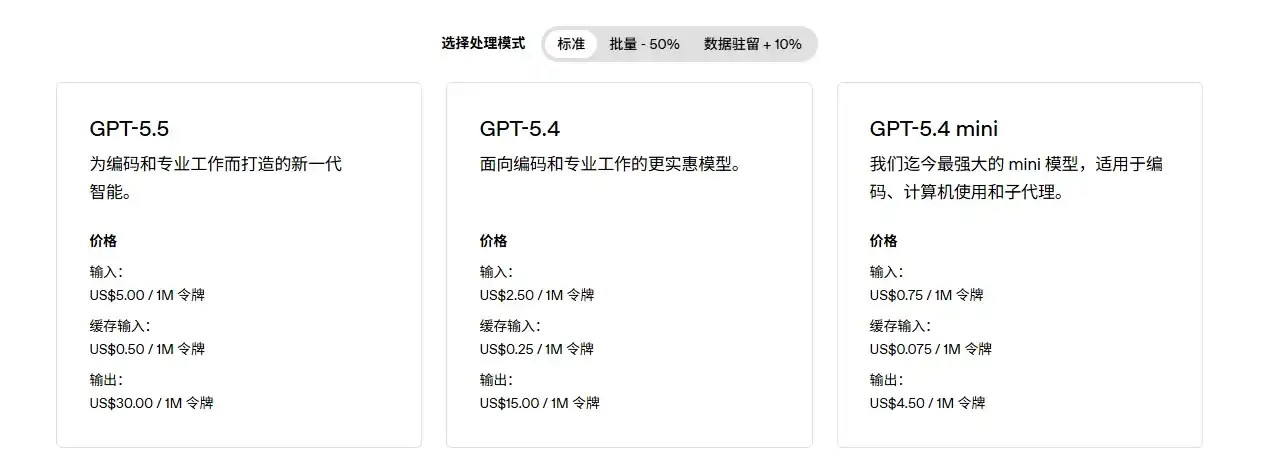
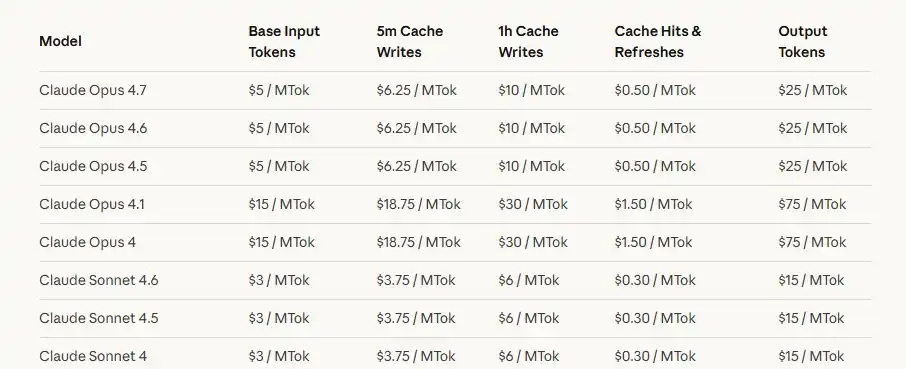
First, there's the price advantage. Official APIs from leading overseas large language models are not cheap. The OpenAI pricing page shows GPT-5.5 input at $5 per million tokens, output at $30 per million tokens; the Anthropic pricing page shows Claude Sonnet 4.7 input at $5 per million tokens, output at $25 per million tokens. For casual chat, these costs aren't obvious, but for long-text processing, code generation, multi-turn agent tasks, and automated workflows, the cost of calls can quickly become noticeable.

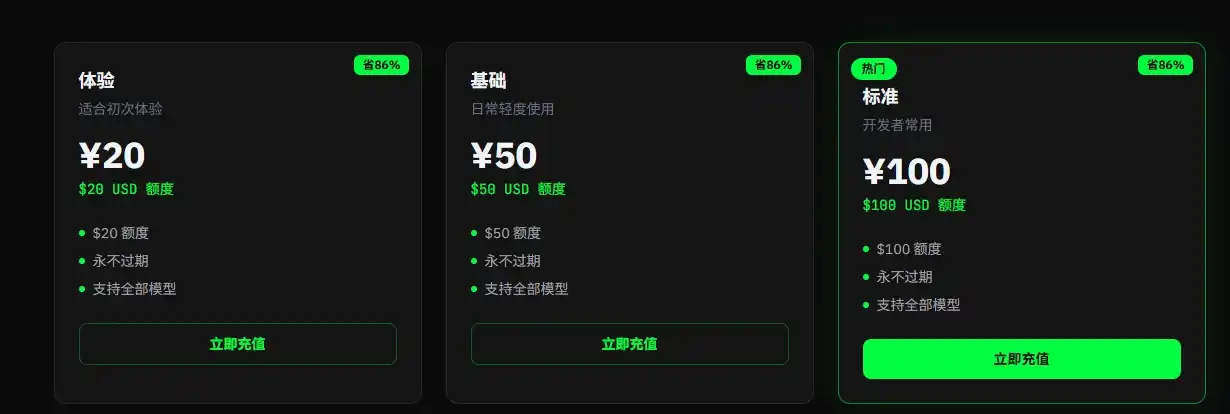
The main selling point of relay stations is offering access to APIs at prices far below official rates, for example, purchasing $1 worth of tokens for 1 RMB, with discounted prices being only about 15% of the official rate. For users with substantial demand, this is tangible cost savings.
Second is access barriers. As access restrictions from US models on users in mainland China become increasingly strict, even ignoring price advantages, using official APIs or plans at full price poses a high verification barrier for many users. Additionally, in usage scenarios, if users want to use Claude, GPT, Gemini, and domestic models simultaneously, they must switch between multiple platforms. Relay stations compress this complexity into a single entry point, acting like an "aggregated socket" in the AI model world—users no longer care which line is behind it, only if it delivers stable power.

Third is the push from development tools. In the past, models were mainly used for Q&A and writing; now, tools like Claude Code, Codex, and Cursor are integrating models into local development workflows. Model calls are no longer just a single chat but could be a code review, a project refactor, or an automatic fix. Furthermore, with the emergence of the "crawfish farming" trend, the demand for tokens has also grown. The heavier the demand, the more likely users are to seek cheaper, higher-capacity, more unified access methods.

Therefore, the booming business of relay stations is driven by real demand, not just another hype cycle.

2. Do You Really Need a Relay Station?

However, not everyone needs to use a relay station.

If you only occasionally ask questions, translate text, summarize public information, or write general copy, you often don't need a relay station. Models and tools like ChatGPT, Gemini, Antigravity, etc., have free tiers. If dealing with verification and accounts is an issue, many large model aggregators are available, some also offering free tiers sufficient for daily use.

For light users, rather than handing data over to an unknown relay station for "cheapness," it's better to first exhaust the free tiers of official and legitimate tools. Free tiers may change, and specific limits should be checked on each platform's official page, but the principle remains: low-frequency demand doesn't require rushing to use a relay.

For heavy programming users, it's also not always necessary to delegate all tasks to expensive models or relay stations. A safer approach is to use models in layers: use stronger large models for requirement breakdown, technical direction, architecture design, and code review; then use cheaper domestic models for more concrete function development, daily operations, etc. Moreover, with domestic models continuously catching up, many are already comparable in capability to top US models for daily development tasks, often at prices cheaper than many relay stations. Take Kimi K2.6 as an example, its output price per million tokens is $4, only 13% of ChatGPT 5.5, a price lower than many relay stations.
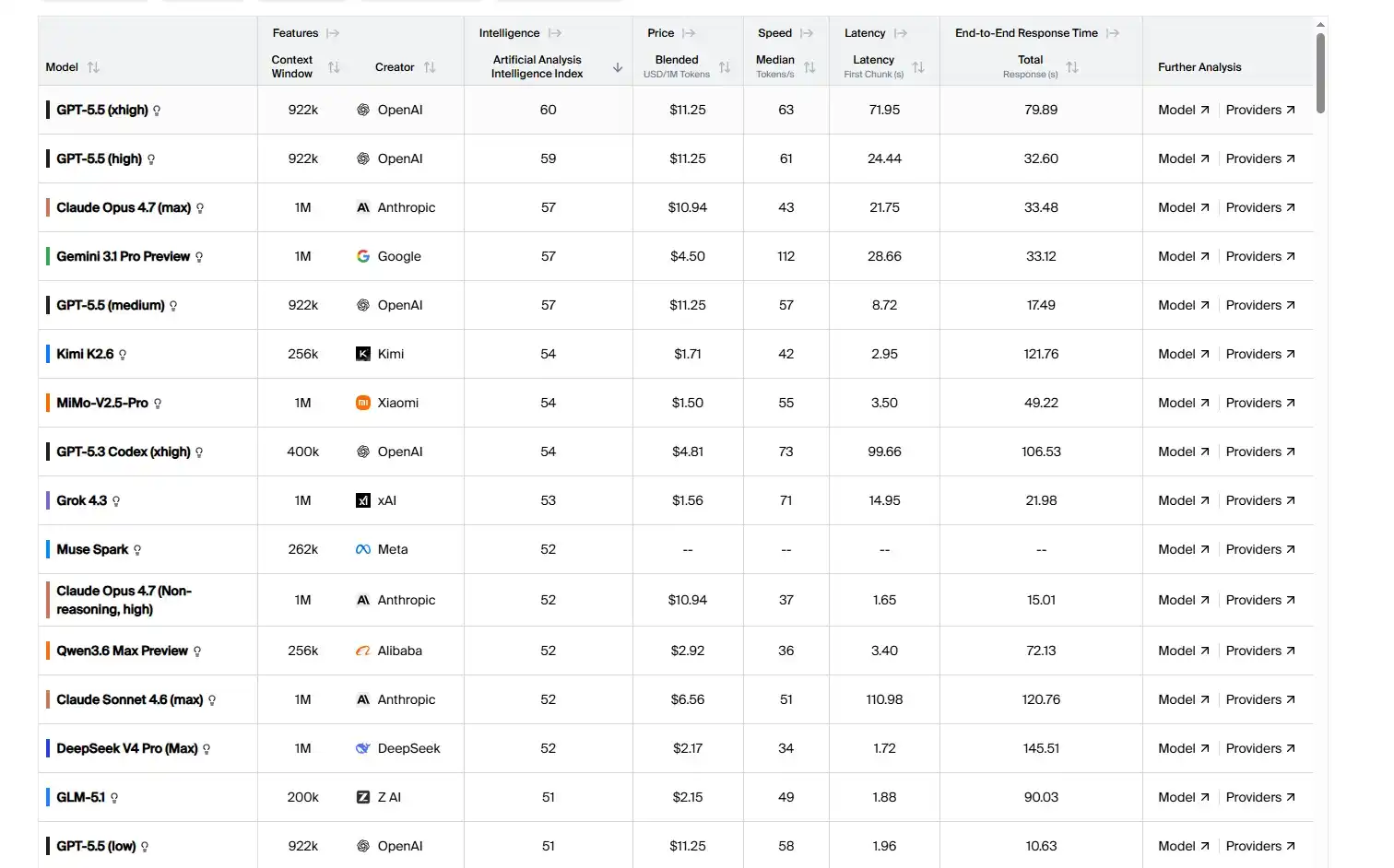
Of course, this method isn't perfect, but it better matches cost structures. Complex tasks most need directional judgment and framework ability; concrete implementation can be broken down into multiple low-risk, low-cost subtasks. For individual developers and small teams, breaking tasks down first, then deciding which stages require high-end models, is usually more rational than directly purchasing large relay station quotas.

Only when users already have continuous, high-frequency, multi-model calling needs—such as long-term use of AI programming tools, processing large volumes of public information, conducting model comparisons, building internal automation workflows—and official quotas are clearly insufficient, do relay stations become a potential option. Even then, they should be a "tool after screening," not the default entry point.

3. How to Choose and Use Relay Stations?

If evaluation confirms the need for a relay station, the next question is no longer "to use or not," but "how to use it without incident." The following is a complete operational process from evaluation to daily use.

Step 1: Verify First, Then Top Up

After getting a relay station address, don't rush to top up. First, do three things:

Verify model authenticity. Call the relay station and the official API with the same prompt, compare output quality, response format, and token usage. Some relay stations might impersonate higher-version models with lower ones, or inject extra system prompts in outputs. A simple test is to ask the model to report its version info, then cross-check with official behavior. While not foolproof, this can filter out obviously problematic platforms.

Test latency and stability. Make 20-50 consecutive calls, observe for frequent timeouts, random errors, or fluctuations in response quality. The relay station path has an extra layer compared to direct connection; if basic stability isn't up to par, issues will only multiply later.

Check documentation quality. A seriously operated relay station usually provides complete API documentation, OpenAI-compatible access instructions, clear model lists, and pricing tables. If a platform's documentation is patchy, or its model list vague, be more cautious.

Step 2: Isolate Configuration, Don't Mix

After confirming basic platform usability, next comes technical isolation. Many users skip this step, but it determines the scope of loss if problems arise.

Use independent API Keys. Don't directly enter the Key you applied for on the official platform into the relay station, nor share the same Key across multiple relay stations. Generate a separate Key for each relay station. If one platform has issues, you can immediately invalidate it without affecting other services.

Manage keys via environment variables. In local development environments, store API Keys in .env files or system environment variables; don't hardcode them into the code. For example, in Cursor, when filling in the API Base URL and Key in settings, ensure these configurations won't be committed to the Git repository. If using command-line tools like Claude Code or Codex, check your shell configuration files to ensure Keys don't appear in version control history.

Set usage limits. Most legitimate relay stations support setting monthly token quotas or spending caps. The first thing after topping up is to set these limits. This isn't just cost control; it's also a safety net. If your Key is accidentally leaked, usage limits can contain the damage.

Step 3: Establish Data Classification Habits

After technical configuration, the most crucial part of daily use is making quick data classification judgments for each call. You don't need to write a security report each time, but develop a reflex-like checking habit.

Before sending, ask yourself one question: If this content appears on a public forum tomorrow, can I accept it?

If the answer is "yes"—like summarizing public materials, general translation, technical discussions on open-source projects, analyzing public documents—then you can directly use the relay station.

If the answer is "not really, but the loss is controllable"—like internal meeting minutes, business document drafts, customer communication templates, code snippets—then anonymize before sending. Specific practices: replace names with role codes ("Client A", "Colleague B"), replace specific amounts with proportions or ranges, replace internal IDs with placeholders, delete database connection strings, internal API endpoints, and descriptions of unpublished business logic. This process doesn't take long, usually a minute or two, but it reduces risk from "might cause trouble" to "basically manageable."

If the answer is "absolutely not"—like private keys, mnemonics, production environment keys, database passwords, unpublished financial data, customer privacy information, complete private codebases—then don't hand it to any relay station, no matter how secure it claims to be.

Step 4: Treat AI Programming Tools Separately

This point deserves special emphasis because AI programming tools have a much larger data exposure surface than ordinary chat.

When you connect a relay station in tools like Cursor, Claude Code, Cline, the model receives not just your actively entered prompt, but may also include: currently open file content, project directory structure, terminal output history, dependency config files (like package.json, requirements.txt), Git commit history, and file paths and environment variable names in error messages.

This means a seemingly ordinary "help me fix this bug" might send far more data to the relay station than you expect.

Operational advice: When using relay stations in AI programming tools, prioritize independent, non-core business-related coding tasks. If you must handle code involving private repositories or production environments, two relatively safe practices exist: one is to only paste anonymized code snippets, not let the tool directly read the entire project; the other is to switch development of sensitive projects back to official APIs or local models, using relay stations only for non-sensitive projects. Neither is perfect, but both are better than handing the entire development context indiscriminately to a third-party proxy.

Step 5: Continuous Monitoring, Be Ready to Exit

Using a relay station is not a one-time decision but an ongoing evaluation process.

Regularly check billing records. Confirm token consumption matches your actual usage. If usage doesn't increase noticeably during a period but charges accelerate, the platform might have adjusted billing rules, or your Key might have abnormal calls.

Monitor platform announcements and community feedback. The operational status of relay stations can change at any time—upstream channel adjustments, quota policy changes, service sudden shutdowns are all possible. If you rely on a relay station as your main access method, at least have a backup plan. It's recommended to register for 2-3 platforms simultaneously, maintain minimum top-ups, and avoid concentrating all calls on a single channel.

Ensure migration readiness. When configuring the relay station, use standard interfaces in OpenAI-compatible format, so switching platforms usually only requires changing the Base URL and API Key, without modifying code logic. If your project is deeply tied to a relay station's private interface or special features, migration costs will rise significantly—another risk to consider in advance.

Ultimately, relay stations are tools, not beliefs. Their value lies in solving real access needs with controllable costs, but this "controllability" needs to be defined and maintained by you. Through verification, isolation, classification, specialized handling, and continuous monitoring, keep the initiative in your own hands.


Câu hỏi Liên quan

QWhat are the primary market demands driving the popularity of AI relay stations?

AThe primary market demands are: 1. Cost advantage: Relay stations offer significantly lower prices compared to official APIs. 2. Access barrier: They circumvent access restrictions for users in regions like mainland China. 3. Unified access: They aggregate multiple AI models into a single entry point, simplifying usage. 4. Demand from development tools: Tools like Claude Code and Cursor integrate models into local workflows, increasing token consumption.

QWhat is the first step recommended for evaluating an AI relay station before using it?

AThe first recommended step is verification before topping up funds. This involves three actions: 1. Verifying model authenticity by comparing outputs with the official API. 2. Testing latency and stability through multiple consecutive calls. 3. Checking the quality of the platform's documentation, API specs, and model list.

QHow should users manage data security when using AI relay stations, especially with coding tools?

AUsers should establish a data classification habit. Before sending any data, ask: 'If this content appeared on a public forum tomorrow, could I accept it?' Based on the answer: send public data directly, desensitize semi-sensitive data (replace names, amounts, IDs), and never send highly sensitive data (keys, passwords, private code, financial data). For AI coding tools, be aware they may send extensive context (file contents, project structure). Handle sensitive projects via official APIs or local models, or only paste sanitized code snippets to relay stations.

QWhat technical isolation measures should be taken when configuring an AI relay station?

AKey technical isolation measures include: 1. Using independent API keys for each relay station, not reusing official keys. 2. Managing keys via environment variables (e.g., .env files) to avoid hardcoding in source code. 3. Setting usage limits (e.g., monthly token caps) immediately after topping up to control costs and limit damage from key leaks.

QAccording to the article, who might not necessarily need to use an AI relay station?

ALight users (e.g., those occasionally asking questions, translating text, summarizing public materials) likely don't need a relay station, as free tiers from official or legitimate aggregator tools may suffice. Heavy programming users may not need it for all tasks either; a safer approach is tiered model usage: using powerful models for planning/architecture and cheaper domestic models for routine implementation, which can be more cost-effective than some relay stations.

Nội dung Liên quan

Kraken Lên Kế Hoạch Cung Cấp Hợp Đồng Tương Lai Vĩnh Viễn Được CFTC Quy Định Cho Nhà Giao Dịch Chuyên Nghiệp Hoa Kỳ

Kraken đang chuẩn bị ra mắt hợp đồng tương lai vĩnh viễn được CFTC quản lý cho các nhà giao dịch chuyên nghiệp đủ điều kiện tại Hoa Kỳ. Sản phẩm sẽ được cung cấp thông qua sàn phái sinh Bitnomial mà Kraken đã mua lại và dự kiến tích hợp vào nền tảng Kraken Pro. Hợp đồng tương lai vĩnh viễn là sản phẩm phái sinh crypto lớn toàn cầu, cho phép giao dịch không ngày đáo hạn. Tại Mỹ, các hạn chế quy định trước đây khiến nhà giao dịch có ít lựa chọn trong nước. Động thái của Kraken nhằm thu hẹp khoảng cách này, cung cấp một con đường được quản lý để tiếp cận sản phẩm chi phối khối lượng giao dịch crypto ở nước ngoài. Việc ra mắt sẽ tập trung vào các nhà giao dịch chuyên nghiệp đủ điều kiện. Các yếu tố cần theo dõi bao gồm điều khoản về tính đủ điều kiện, thiết kế hợp đồng, tài sản được hỗ trợ và quan trọng nhất là thanh khoản khi ra mắt. Thành công của sản phẩm có thể mở đường cho nhiều sản phẩm tương lai vĩnh viễn được quản lý khác tại thị trường Mỹ, đưa sản phẩm phái sinh chủ chốt này tiến gần hơn đến cơ sở hạ tầng thị trường nội địa được quản lý.

bitcoinist5 giờ trước

Kraken Lên Kế Hoạch Cung Cấp Hợp Đồng Tương Lai Vĩnh Viễn Được CFTC Quy Định Cho Nhà Giao Dịch Chuyên Nghiệp Hoa Kỳ

bitcoinist5 giờ trước

Sự Ra Mắt Của Warsh: Chủ Tịch Fed Hiểu Crypto Nhất Lịch Sử Sẽ Mang Đến Bất Ngờ Hay Cú Sốc Cho Thị Trường?

Tân Chủ tịch Cục Dự trữ Liên bang Kevin Warsh, người được mệnh danh là chủ tịch FED "hiểu rõ về Crypto nhất trong lịch sử", sắp có buổi họp báo chính sách đầu tiên trong bối cảnh thử thách ba mặt: lạm phát quay trở lại, áp lực giảm lãi suất từ Tổng thống Trump và kỳ vọng thị trường về việc tăng lãi suất. Khác với người tiền nhiệm, Warsh có cái nhìn sâu sắc về tài sản số, từng coi Bitcoin như "cảnh sát tốt cho chính sách" và nhấn mạnh giá trị sản xuất của ngành công nghiệp blockchain. Tuy nhiên, ông cũng nổi tiếng là người theo chủ nghĩa diều hâu về lạm phát. Sự kết hợp giữa "lãi suất chặt chẽ" và "quy định thân thiện" từ ông có thể trở thành yếu tố cốt lõi định giá tài sản mã hóa. Bài viết phân tích tác động từ ba khía cạnh: 1. **Chuyển đổi khuôn mẫu kỳ vọng quy định:** Từ phòng thủ sang tích hợp và đổi mới, có thể thúc đẩy các khung pháp lý rõ ràng hơn, hỗ trợ ổn định do khu vực tư nhân phát hành. 2. **Định giá lại lộ trình lãi suất và phần bù rủi ro:** Một chủ tịch hiểu biết và giao tiếp rõ ràng có thể giảm bớt phí bảo hiểm bất định, có lợi về cấu trúc cho thị trường. 3. **Tái phân bổ dòng vốn toàn cầu:** Kinh nghiệm đầu tư cá nhân của Warsh truyền tải tín hiệu về sự chấp nhận chính thống, có thể thúc đẩy các quỹ thể chế truyền thống phân bổ tài sản số. Hai kịch bản chính được đưa ra: * **Ngạc nhiên thú vị:** Nếu Warsh thể hiện thái độ ôn hòa và công nhận giá trị của tài sản số, thị trường có thể được tiếp thêm sức mạnh. * **Cú sốc:** Nếu ông phát tín hiệu tăng lãi suất mạnh mẽ, tài sản rủi ro, bao gồm crypto, có thể chịu áp lực bán. Mặc dù Warsh đã bán các khoản nắm giữ liên quan đến crypto để tuân thủ quy tắc đạo đức, nhưng sự hiểu biết thực sự của ông về công nghệ blockchain được kỳ vọng sẽ đặt nền tảng cho việc chính thống hóa tài sản số về lâu dài, vượt ra ngoài các phản ứng thị trường ngắn hạn.

marsbit5 giờ trước

Sự Ra Mắt Của Warsh: Chủ Tịch Fed Hiểu Crypto Nhất Lịch Sử Sẽ Mang Đến Bất Ngờ Hay Cú Sốc Cho Thị Trường?

marsbit5 giờ trước

XRP Ledger Ra Mắt Rebrand XRPLd Cùng Với Bản Nâng Cấp Phiên Bản 3.2.0

Phiên bản 3.2.0 của XRP Ledger đã chính thức ra mắt, đánh dấu một bước nâng cấp quan trọng cho cơ sở hạ tầng blockchain cốt lõi. Lần này, các nhà phát triển đã đổi tên phần mềm vận hành mạng từ "rippled" thành "xrpld" để phù hợp hơn với toàn bộ hệ sinh thái của dự án. Bản cập nhật tập trung chủ yếu vào các cải tiến back-end và hiệu suất thay vì tính năng người dùng mới. Các tối ưu hóa bộ nhớ được giới thiệu có khả năng tiết kiệm tới 40% lượng bộ nhớ máy chủ, đồng thời chuẩn bị kiến trúc phần mềm cho việc mở rộng quy mô trong tương lai. Về mặt bảo mật, bản sửa đổi `fixCleanup3_2_0` mang lại nhiều cải thiện cho các mô-đun như kho lưu ký tài sản đơn, giao thức cho vay, sàn giao dịch phi tập trung và mã thông báo đa năng. Các kiểm tra bất biến mới được thêm vào để đảm bảo tính toàn vẹn của sổ cái khi tài khoản bị xóa. Một khả năng mới cho nhà phát triển là ứng dụng có thể truy xuất thông tin định nghĩa giao thức và máy chủ XRP Ledger mà không cần kết nối trực tiếp, hỗ trợ đáng kể việc phát triển ví, công cụ khám phá chuỗi khối và API. Các thay đổi về khả năng mở rộng và ổn định bao gồm kích thước khối có thể cấu hình, hỗ trợ lưu trữ cơ sở dữ liệu hiệu quả qua nuDB, và việc hỗ trợ máy chủ gRPC cho TLS/mutual TLS trở thành tùy chọn. Cổng kết nối ngang hàng mặc định cũng được đổi từ 51235 sang 2459. Các tính năng kiểm tra bất biến giao dịch tạm thời bị vô hiệu hóa trong phiên bản 3.2.0 do ảnh hưởng đến hiệu suất, nhưng không gây rủi ro bảo mật.

TheNewsCrypto5 giờ trước

XRP Ledger Ra Mắt Rebrand XRPLd Cùng Với Bản Nâng Cấp Phiên Bản 3.2.0

TheNewsCrypto5 giờ trước

AGI không phải là điểm kết thúc, nghiên cứu mới của DeepMind: Hướng tới ASI, tiến bộ AI thực sự mới chỉ bắt đầu

DeepMind mới đây công bố nghiên cứu cho rằng AGI (Trí tuệ nhân tạo phổ quát) không phải là điểm cuối. AI sẽ tiếp tục phát triển vượt qua khả năng của các nhóm chuyên gia con người hàng đầu, hướng tới ASI (Trí tuệ siêu nhân tạo). Báo cáo phân biệt ba khái niệm: AGI (năng lực nhận thức tương đương mức trung bình của con người), ASI (vượt trội con người trong hầu hết lĩnh vực quan tâm), và UAI (giới hạn lý thuyết tối thượng). Nghiên cứu đề xuất bốn con đường tiềm năng để chuyển từ AGI sang ASI: 1. Mở rộng quy mô tính toán, mô hình và dữ liệu. 2. Tiến hóa thuật toán, có thể thay đổi mô hình mới. 3. Tự cải thiện đệ quy, tạo phản hồi tích cực. 4. Điều phối đa tác tử và trí tuệ tập thể. Đồng thời, báo cáo chỉ ra sáu điểm nghẽn chính: giới hạn dữ liệu chất lượng cao, áp lực tài nguyên và kinh tế, hạn chế của mô hình mạng nơ-ron hiện tại, nghiên cứu ngày càng khó khăn, rào cản trừu tượng, cùng các vấn đề quản lý và phản ứng xã hội. Khi AI vượt con người, các phương pháp đánh giá truyền thống sẽ mất ý nghĩa. Cần xây dựng hệ thống đánh giá mới cho thời kỳ hậu AGI. ASI không phải là hệ thống toàn năng, vẫn chịu ràng buộc bởi các quy luật vật lý, độ phức tạp tính toán, dữ liệu, tài nguyên và tốc độ phản hồi thực tế. Tương lai phát triển của AI vẫn chứa nhiều bất định, đòi hỏi một nỗ lực liên ngành quy mô lớn để theo dõi và ứng phó.

marsbit7 giờ trước

AGI không phải là điểm kết thúc, nghiên cứu mới của DeepMind: Hướng tới ASI, tiến bộ AI thực sự mới chỉ bắt đầu

marsbit7 giờ trước

Kraken Ra Mắt Hợp Đồng Perpetual Trước IPO Cho OpenAI Và Anthropic Với Đòn Bẩy Lên Đến 5x

Kraken đã ra mắt hợp đồng tương lai vĩnh viễn (perps) tiền IPO cho hai công ty trí tuệ nhân tạo hàng đầu là OpenAI và Anthropic. Các hợp đồng này cho phép các nhà giao dịch đủ điều kiện mở vị thế mua (long) hoặc bán (short) đối với các công ty tư nhân được theo dõi sát sao này trước khi họ lên sàn chứng khoán, với đòn bẩy lên tới 5x. Sản phẩm này đánh dấu một bước tiến trong việc mở rộng cơ sở hạ tầng phái sinh tiền mã hóa sang các tài sản ngoài chuỗi, cung cấp cho các nhà giao dịch một cách tiếp cận thay thế để có thể tiếp xúc với các công ty tư nhân vốn thường khó tiếp cận. Tuy nhiên, hợp đồng tiền IPO có những rủi ro đặc thù. Khác với các hợp đồng vĩnh viễn cho tiền mã hóa có giá cả minh bạch, định giá công ty tư nhân phụ thuộc vào nhiều yếu tố như các vòng gọi vốn, giao dịch thứ cấp và kỳ vọng về thời điểm IPO. Điều này khiến việc định giá và quản lý rủi ro trở nên phức tạp hơn. Việc sử dụng đòn bẩy cao có thể khuếch đại lợi nhuận nhưng cũng làm gia tăng đáng kể rủi ro thua lỗ và thanh lý. Do đó, các nhà giao dịch cần hiểu rõ bản chất của sản phẩm mới và các rủi ro độc đáo của thị trường tư nhân trước khi tham gia.

bitcoinist7 giờ trước

Kraken Ra Mắt Hợp Đồng Perpetual Trước IPO Cho OpenAI Và Anthropic Với Đòn Bẩy Lên Đến 5x

bitcoinist7 giờ trước

Giao dịch

Giao ngay
Hợp đồng Tương lai

Bài viết Nổi bật

ATWO là gì

I. Giới thiệu Dự ánArena Two là một nền tảng tương tác phi tập trung cho phép người hâm mộ đóng vai trò tích cực, có thể mã hóa trong kết quả sự kiện theo thời gian thực. Khác với các mô hình phát sóng truyền thống khiến người hâm mộ trở thành người xem thụ động, Arena Two tận dụng công nghệ blockchain để cho phép người hâm mộ trực tiếp bỏ phiếu theo thời gian thực và ảnh hưởng đến kết quả trên sân.II. Thông tin TokenTên token: ATWO(Arena Two)III. Liên kết liên quanWebsite:https://arenatwo.com/Explorers:https://basescan.org/token/0x499D35eBE6cEe9B2Ac35Fd003fcBbeeB9CFc7B32Twitter:https://x.com/arenatwoXGhi chú: Giới thiệu dự án đến từ các tài liệu được công bố hoặc cung cấp bởi đội ngũ dự án chính thức, chỉ mang tính tham khảo và không cấu thành lời khuyên đầu tư. HTX không chịu trách nhiệm cho bất kỳ tổn thất trực tiếp hoặc gián tiếp nào phát sinh.

Tổng lượt xem 315Xuất bản vào 2026.05.18Cập nhật vào 2026.06.02

ATWO là gì

ZEST là gì

I. Giới thiệu Dự án1. Zest Protocol là gì?Zest Protocol là một giao thức cho vay gốc Bitcoin được xây dựng trên Stacks Layer 2, cho phép người dùng kiếm lợi suất với BTC hoặc vay tài sản bằng cách thế chấp BTC. Các hợp đồng thông minh của giao thức được viết bằng ngôn ngữ Clarity, hoạt động hoàn toàn trên chuỗi và mã nguồn mở, với thiết kế được lấy cảm hứng từ Aave v3. Zest hiện là giao thức DeFi lớn nhất trên Stacks, với hơn 800 BTC được gửi và tổng giá trị khóa (TVL) đạt đỉnh vượt quá 100 triệu USD. Vào tháng 5 năm 2026, giao thức đã giới thiệu thêm Kho thế chấp Bitcoin, mở rộng khả năng cho vay từ Stacks sang mạng chính Bitcoin. Điều này cho phép người dùng vay stablecoin mà không cần chuyển BTC ra khỏi mạng Bitcoin, cho phép cho vay tự quản lý.2. Zest Protocol hoạt động như thế nào?Zest Protocol bao gồm hai thị trường. Thị trường Stacks được xây dựng trên Aave v3, cho phép người dùng gửi tài sản như sBTC, STX và USDC để kiếm lợi suất hoặc nhận các khoản vay thừa thế chấp. Tỷ lệ LTV tối đa mặc định là 50% (70% đối với sBTC). Thị trường Bitcoin hoạt động thông qua các Kho thế chấp Bitcoin mới được ra mắt. Người dùng vay stablecoin bằng cách khóa BTC trong các kho tự quản lý trên chuỗi Bitcoin. Tài sản thế chấp vẫn ở trên mạng chính Bitcoin trong suốt quá trình, và người dùng giữ quyền quản lý trừ khi vị trí bị thanh lý.3. Ai là người sáng lập Zest Protocol?Tycho Onnasch (Đồng sáng lập): Tốt nghiệp từ Đại học Oxford. Tham gia nghiên cứu và cấp vốn cho Quỹ Internet Mở Stacks. Cựu Giám đốc tại Trust Machines và Người sáng lập Deedmob. Hồ sơ LinkedIn: https://www.linkedin.com/in/tychokoonnasch/.Fernando Foy (Đồng sáng lập): Trước đây làm việc trong lĩnh vực tư vấn CNTT tại Objectif Emploi. Hồ sơ LinkedIn: https://www.linkedin.com/in/fernando-foy/.Emil E. (Đồng sáng lập): Có bằng Thạc sĩ Vật lý từ Đại học Warwick. Cựu Đối tác Kỹ thuật tại Trust Machines, Nhà phát triển Full-Stack cho các dự án Web3, và Nhà khoa học dữ liệu tại HSBC. Hồ sơ LinkedIn: https://www.linkedin.com/in/emil-e-49771a145/.Chi tiết về tài trợ: Vào tháng 5 năm 2024, Zest Protocol thông báo hoàn thành vòng gọi vốn hạt giống 3,5 triệu USD do Tim Draper dẫn đầu, với sự tham gia của Binance Labs, Flow Traders, Trust Machines và những người khác.4. Tokenomics của $ZEST$ZEST là token gốc của Zest Protocol với tổng cung cố định là 1 tỷ token và không có cơ chế lạm phát.Cộng đồng (27.83%): Dùng cho airdrop và khuyến khích người dùng;Phát triển hệ sinh thái (24.82%): Dùng cho thanh khoản, hợp tác, tiếp thị, niêm yết trên sàn giao dịch, v.v.;Nhà đầu tư (22.35%): Hỗ trợ các bên đầu tư đã hỗ trợ sự phát triển ban đầu của Zest Protocol;Đội ngũ (25%): Phân bổ cho các đóng góp chính.Lịch trình vesting: Token của đội ngũ và nhà đầu tư sẽ bị khóa trong 1 năm, sau đó mở khóa theo hình thức tuyến tính trong 3 năm.5. Thời gian của các cột mốc quan trọng2022: Zest Protocol chính thức được thành lập.Tháng 3 năm 2024: Hoàn thành kiểm toán bảo mật và ra mắt thị trường cho vay Stacks trên mạng chính.Vào tháng 2 năm 2026, Thị trường Stacks V2 ra mắt, giới thiệu Nhóm Rủi ro.Vào tháng 5 năm 2026, các Kho thế chấp Bitcoin được giới thiệu, và một nguyên mẫu mạng chính hoạt động hiện đã có sẵn. Điều này cho phép người dùng sử dụng BTC tự quản lý trên Bitcoin L1 làm tài sản thế chấp để vay stablecoin trên các chuỗi EVM, kết thúc việc cầu nối, bọc và quản lý của bên thứ ba. Việc triển khai này được chia thành hai giai đoạn. Giai đoạn 1: Sử dụng các giao dịch đã ký trước để hạn chế việc di chuyển BTC; Giai đoạn 2: Sử dụng BitVM để xác minh. II. Thông tin TokenTên token: ZEST (Zest Protocol)III. Liên kết liên quanWebsite:https://www.zestprotocol.com/Khám phá:https://bscscan.com/token/0x5506599c722389a60580b5213ea1da60d64754a1Twitter:https://twitter.com/ZestProtocolChú ý: Giới thiệu dự án được lấy từ các tài liệu được công bố hoặc cung cấp bởi đội ngũ dự án chính thức, chỉ nhằm mục đích tham khảo và không cấu thành lời khuyên đầu tư. HTX không chịu trách nhiệm cho bất kỳ tổn thất trực tiếp hoặc gián tiếp nào phát sinh.

Tổng lượt xem 158Xuất bản vào 2026.05.19Cập nhật vào 2026.06.02

ZEST là gì

USOIL là gì

Hợp đồng Vĩnh viễn USOILUSDT là ký hiệu giao dịch cho Dầu thô Tây Texas (WTI) được định giá bằng đô la Mỹ, đại diện cho 1 thùng dầu thô.

Tổng lượt xem 143Xuất bản vào 2026.05.25Cập nhật vào 2026.05.25

USOIL là gì

Thảo luận

Chào mừng đến với Cộng đồng HTX. Tại đây, bạn có thể được thông báo về những phát triển nền tảng mới nhất và có quyền truy cập vào thông tin chuyên sâu về thị trường. Ý kiến ​​của người dùng về giá của G (G) được trình bày dưới đây.

活动图片