CertiK Releases Cryptocurrency ATM Fraud Report: Losses Reach $330 Million, AI Scams and Cross-Border Money Laundering Emerge as Major Threats

marsbitXuất bản vào 2026-04-02Cập nhật gần nhất vào 2026-04-02

Tóm tắt

CertiK's "Skynet Cryptocurrency ATM Fraud Report" reveals that losses from such scams reached $330 million in 2025, a 33% year-on-year increase, making it one of the fastest-growing financial crimes in the U.S. The report highlights that these scams have evolved into a highly organized transnational criminal industry, leveraging social engineering and AI technologies. Cryptocurrency ATMs, with 78% located in the U.S., serve as a rapid channel for fraudsters to transfer funds. Victims, often elderly individuals who account for 86% of the losses, are manipulated via phone calls or messages to deposit cash into these machines. The funds are quickly converted into cryptocurrency and transferred to wallets controlled by criminals, making recovery nearly impossible once the transaction is on the blockchain. AI-driven scams, including voice cloning and deepfake videos, have proven 4.5 times more profitable than traditional methods. Criminal networks use automated scripts and employ "smurfing" tactics to bypass transaction limits. The illicit funds are rapidly laundered through mixing services, cross-chain bridges, and decentralized exchanges, often within minutes. The report emphasizes that the only effective intervention point is at the transaction entry level, before funds are on-chain. It calls for enhanced KYC measures, industry-wide intelligence sharing, real-time risk screening, and stronger cross-border law enforcement cooperation to combat this escalating threat.

On March 12, CertiK, the world's largest Web3 security company, released the "Skynet Cryptocurrency ATM Fraud Report." The report reveals that losses from such scams have reached $330 million in 2025, a year-on-year increase of approximately 33%, making it one of the fastest-growing categories of financial crime in the United States.

The report points out that as the number of global cryptocurrency ATM devices continues to grow and criminal organizations increasingly leverage social engineering and AI technology to upgrade their fraudulent tactics, this criminal model has evolved from isolated cases into a highly organized transnational fraud industry.
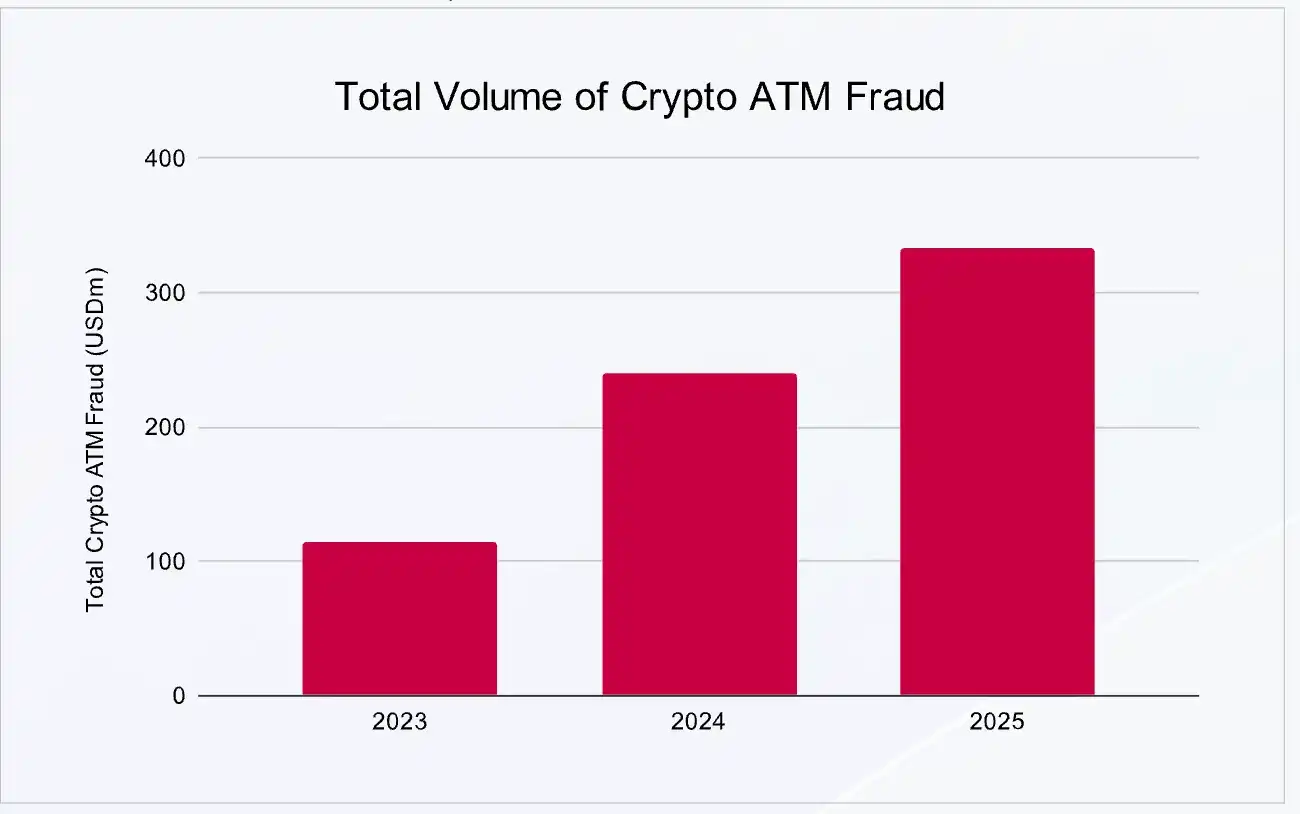
Total Losses from Cryptocurrency ATM Fraud

Cryptocurrency ATMs Become a "Fast Lane" for Fraudulent Fund Transfers

Cryptocurrency ATM fraud refers to a scheme where scammers, via phone calls, text messages, or online social engineering, induce victims to withdraw cash and deposit it into a cryptocurrency ATM. The funds are then converted into digital assets and transferred to wallet addresses controlled by the scammers.

There are currently about 45,000 cryptocurrency ATMs globally, with 78% located in the United States. Users can typically complete the cash-to-cryptocurrency conversion and transfer within 5 minutes, a feature that makes these machines an ideal channel for criminal groups to move funds.
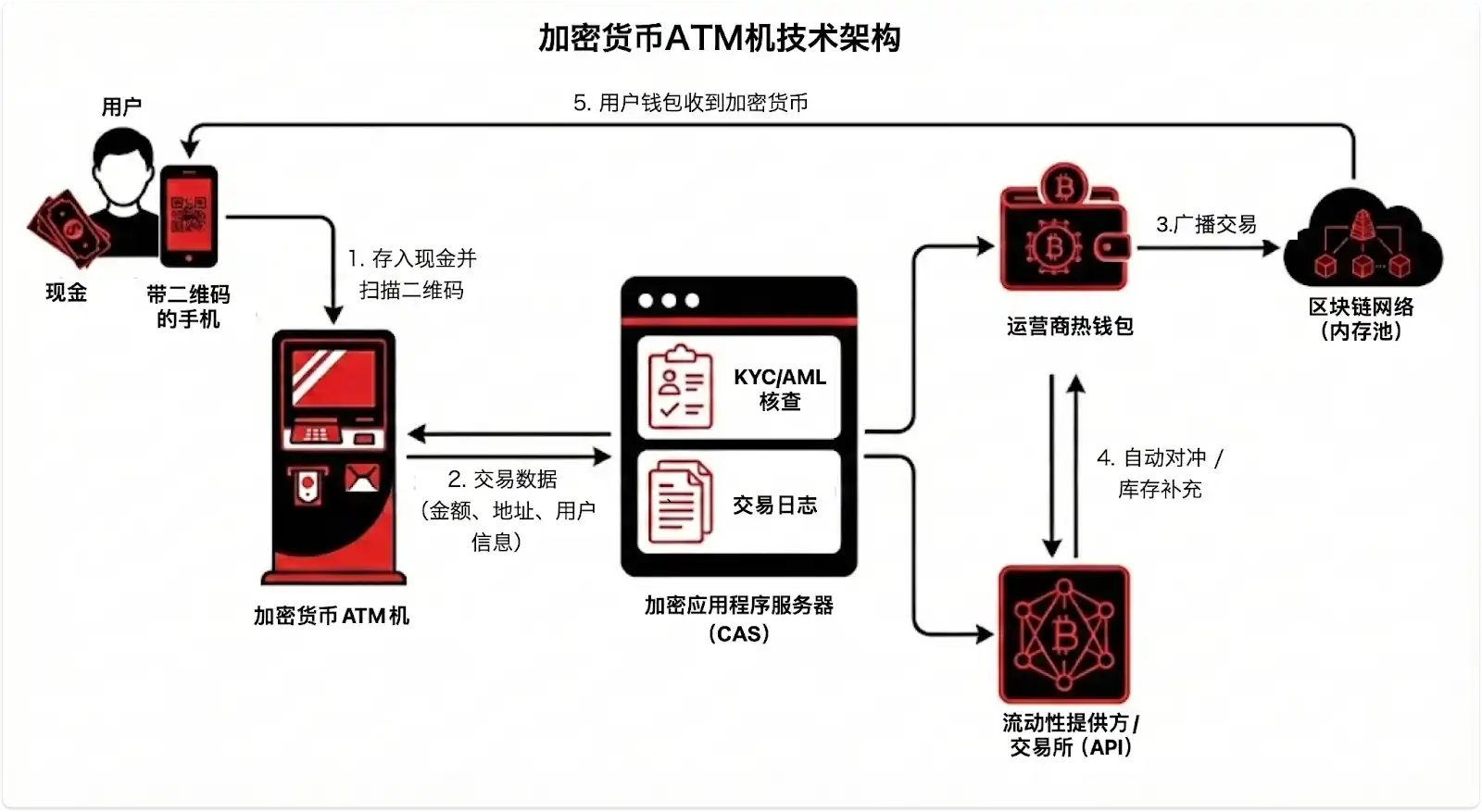
Unlike traditional cryptocurrency attacks, this type of crime does not rely on account intrusion or hacking but instead uses social engineering to trick victims into initiating the operations themselves. Once a transaction is recorded on the blockchain, the funds are almost impossible to recover.

From a technical architecture perspective, cryptocurrency ATMs act merely as front-end terminals connected to back-end crypto application servers (CAS). All transactions are completed through the operator's mixed hot wallets for fund transfers. On-chain records only show transfers from the operator's wallet to the target address and do not record the depositor's identity information. This structure creates a "tracing gap," posing significant challenges for law enforcement investigations.

Elderly Population Accounts for 86% of Total Losses, Protective Warnings Prove Ineffective

The most alarming data in the report highlights the extreme vulnerability of the elderly demographic in this type of fraud. Data shows that 86% of all cryptocurrency ATM fraud losses in the U.S. in 2025 came from people aged 60 and above. A lawsuit filed by the Washington D.C. Attorney General against U.S. ATM operator Athena Bitcoin pointed out that 93% of the deposits at the company's local ATMs were linked to fraudulent crimes, with the median victim age being 71 and the median loss per transaction reaching $8,000.

The report outlines the mainstream types of fraud, whose core objectives are to induce strong emotional fluctuations in victims, impairing their rational judgment; isolate victims from potential helpers; and guide them in real-time through the entire process of cash-to-cryptocurrency conversion.
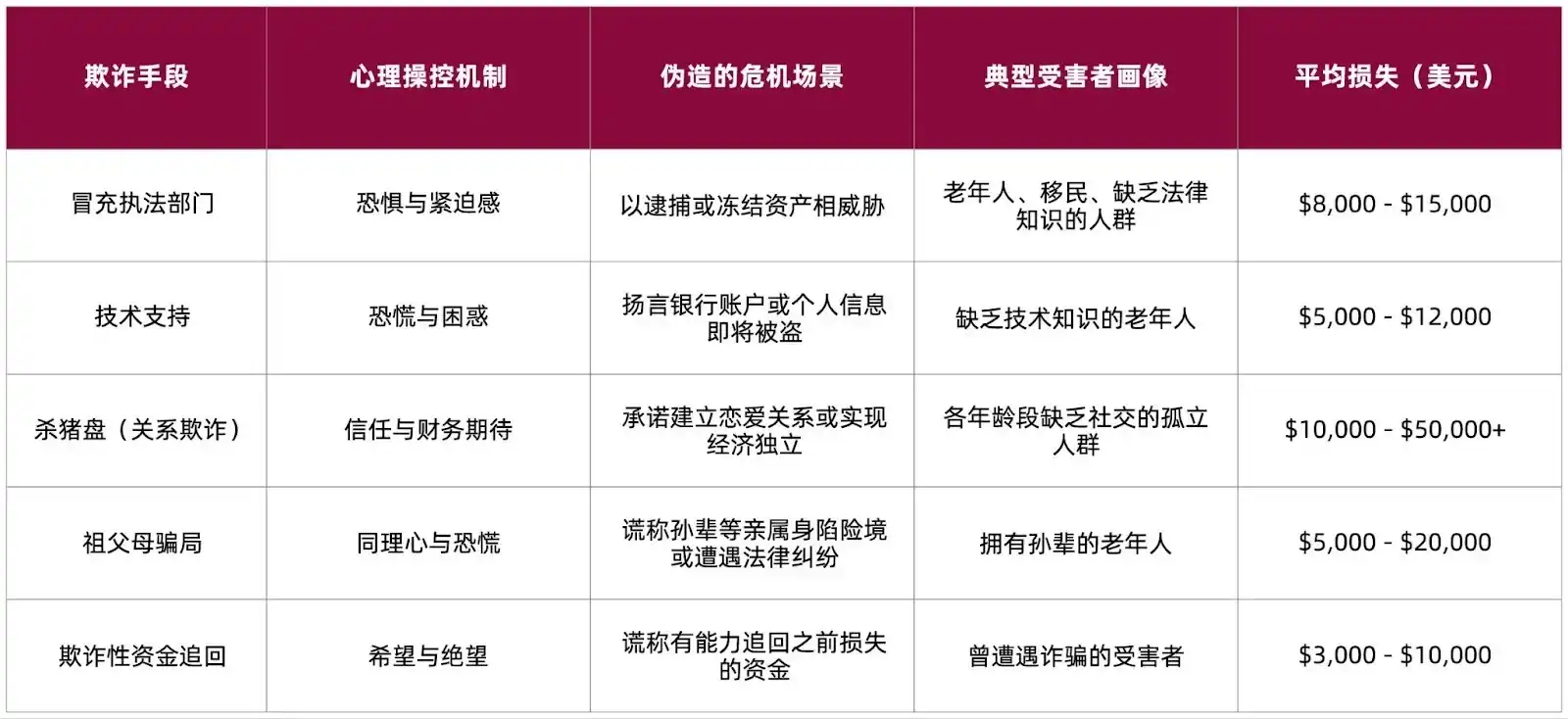
Classification of Cryptocurrency ATM Fraud Methods

"When victims are on a live call with scammers, on-screen warning prompts simply cannot serve as an effective deterrent," the report states. Current protective measures at the ATM level are largely ineffective. Scammers maintain real-time communication with victims throughout the entire process of withdrawing cash and operating the ATM, not only guiding them to bypass on-screen warnings but also prepping them with uniform excuses—such as home renovations or family emergencies—to use in response to inquiries from bank staff, thereby completely cutting off external intervention.

AI Technology is Reshaping Fraud Patterns

The report also notes that AI technology is accelerating the evolution of fraudulent methods. In 2025, AI-driven scams were approximately 4.5 times more profitable than traditional methods. Criminal organizations are beginning to use AI voice cloning, deepfake videos, and automated scripts to carry out more targeted social engineering attacks.

Meanwhile, to evade transaction limit policies gradually being introduced by regulators worldwide, fraud networks are also adopting a "divide and conquer" strategy. This involves inducing a large number of victims to make small transactions across different ATMs, thereby maintaining the overall scale of criminal profits while avoiding regulatory scrutiny.

Industrialized Operations of Transnational Criminal Networks
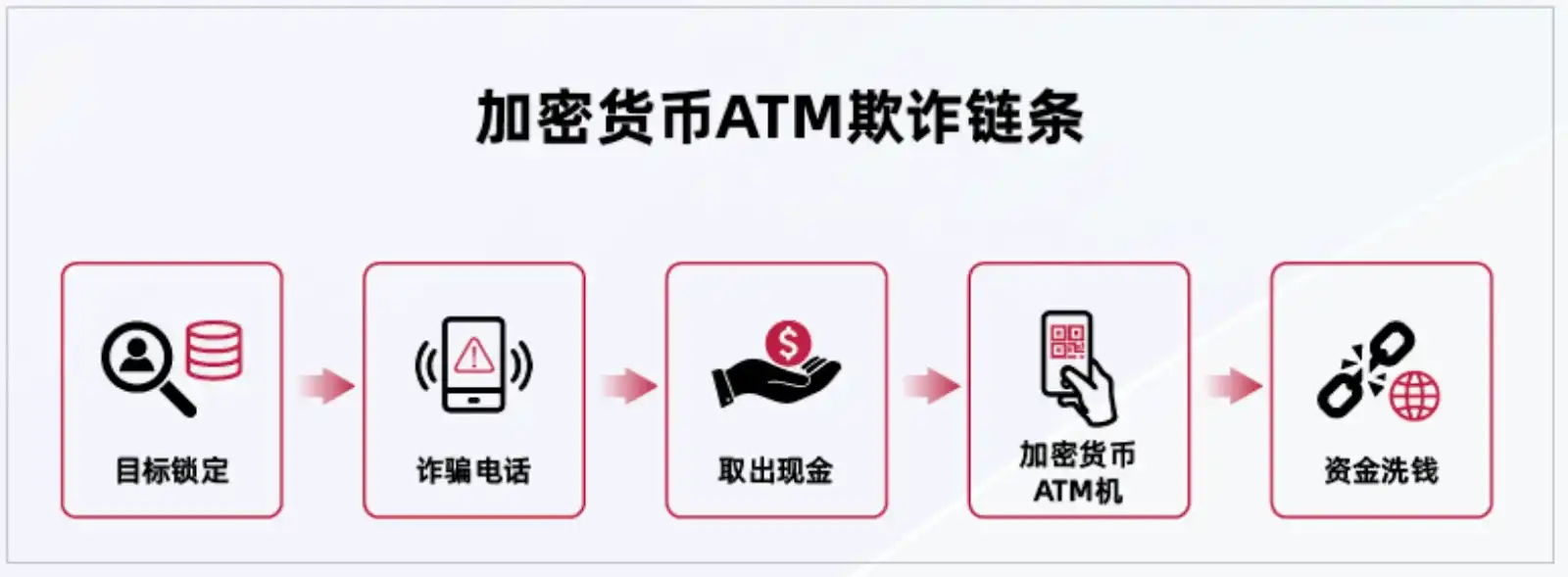
The report reveals that cryptocurrency ATM fraud has evolved from isolated cases into highly organized transnational criminal operations. Criminal organizations employ an industrialized operational model with a detailed division of labor, encompassing data collection, social engineering scams, and fund transfer and money laundering, among other stages.

The increasing efficiency of the money laundering环节 (stage) further amplifies the harm caused by this type of crime. In 2025, Southeast Asian money laundering networks processed approximately $16.1 billion in illicit cryptocurrency funds, accounting for 20% of the traceable global cryptocurrency ecosystem involving illegal activities. These networks operate via Telegram coordination and can settle large transactions within two minutes. After victims deposit cash, the funds are typically routed through mixing services, cross-chain bridges, and decentralized exchanges for multi-layer obfuscation within minutes. Often, the funds have left the traceable scope of the regulatory system before the victim has even ended the scam call.

Transaction Entry Point as a Critical Control Node

In response to the current threat landscape, the report concludes with systematic prevention and control recommendations. It identifies the transaction entry point at the CAS level as the only effective intervention node in the cryptocurrency ATM fraud chain—real-time screening and risk verification of target wallet addresses must be completed before the transaction is recorded on the blockchain.
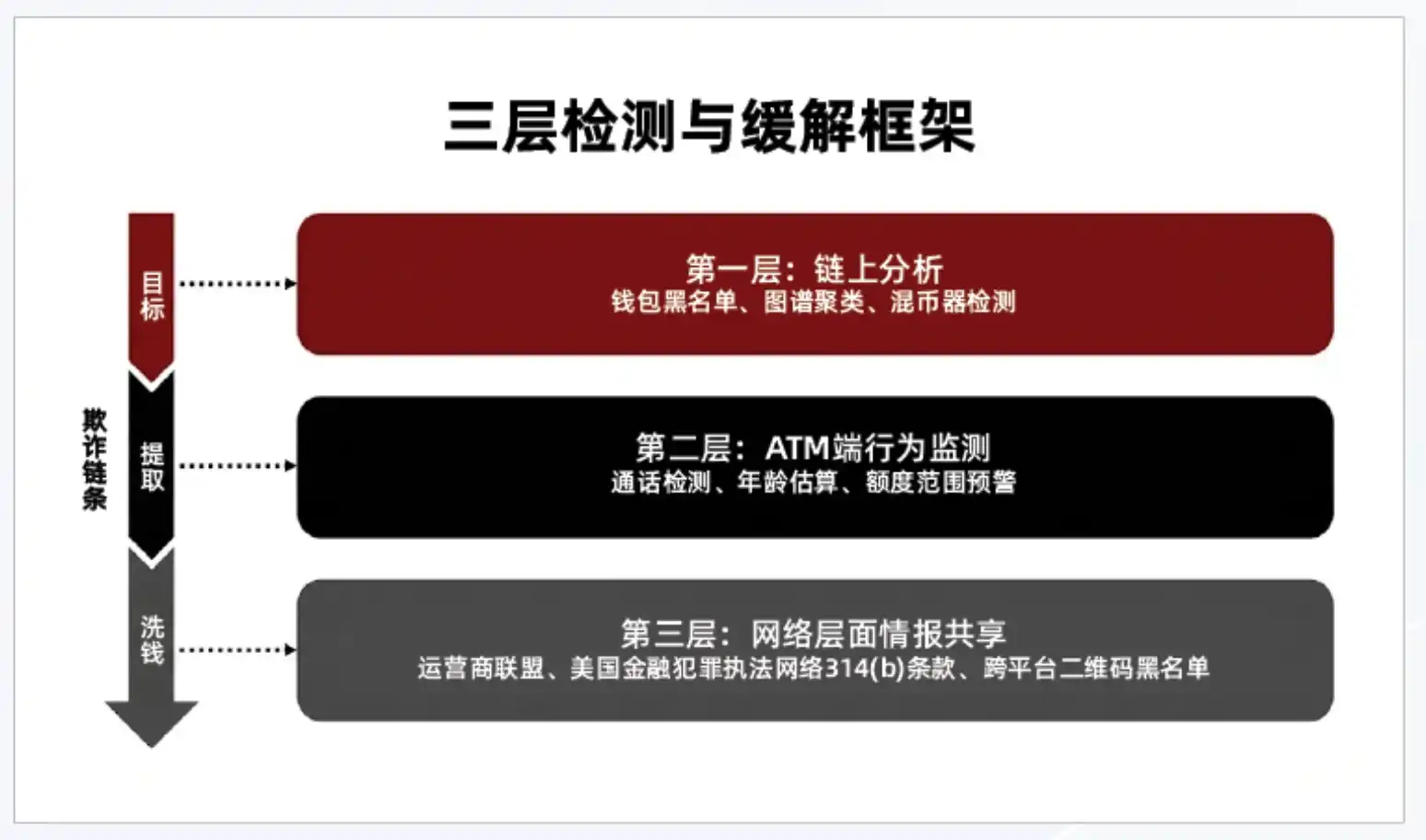
Simultaneously, the report proposes specific measures for consumers, operators, and law enforcement agencies: consumers need to be wary of any陌生来电 (strange calls) requesting payment via cryptocurrency ATMs; operators need to implement tiered KYC, industry-wide intelligence sharing, and pre-transaction risk checks; law enforcement agencies need to enhance blockchain analysis capabilities and promote unified legislation and cross-border law enforcement cooperation.

"The reported $330 million loss in 2025 only reflects the tip of the iceberg of the actual harm," the report warns in its conclusion. As new methods such as AI deepfakes, automated cross-chain money laundering, and "divide and conquer" small transactions become more prevalent, the threat of cryptocurrency ATM fraud will continue to escalate. Only through coordinated efforts in technology, regulation, and law enforcement can the criminal chain be severed within the shrinking intervention window to protect financial consumers, especially the elderly population, from property loss.

Report link: https://indd.adobe.com/view/bfb98f74-c308-4f0d-b9eb-c3bdb86e2785

Tiền kỹ thuật số thịnh hành

Câu hỏi Liên quan

QAccording to the CertiK report, what was the total financial loss attributed to cryptocurrency ATM fraud in 2025?

AThe total financial loss attributed to cryptocurrency ATM fraud in 2025 was $330 million.

QWhich demographic group was identified as the most vulnerable, accounting for the highest percentage of losses?

AAdults aged 60 and older were the most vulnerable demographic, accounting for 86% of all losses in the US.

QHow is AI technology changing the cryptocurrency ATM fraud landscape according to the report?

AAI technology is accelerating the upgrade of fraud methods. In 2025, AI-driven fraud was about 4.5 times more profitable than traditional methods. Criminal organizations are using AI voice cloning, deepfake videos, and automated scripts for more targeted social engineering attacks.

QWhat is the 'traceability fracture' mentioned in the report, and why does it make investigation difficult?

AThe 'traceability fracture' refers to the technical architecture of cryptocurrency ATMs. They act as front-end terminals connected to a backend Crypto Application Server (CAS), with all transactions completed through the operator's mixed hot wallet. On-chain records only show transfers from the operator's wallet to the target address, not the depositor's identity information. This structure creates a break in the chain of evidence, making law enforcement investigation and forensics extremely difficult.

QWhat does the report identify as the only effective point of intervention to prevent these frauds?

AThe report identifies the transaction entry point at the CAS (Crypto Application Server) level as the only effective intervention node. It states that real-time screening and risk verification of the target wallet address must be completed *before* the transaction is put on the blockchain.

Nội dung Liên quan

Lãnh đạo HIVE: GPU phục vụ AI mang lại doanh thu cao gấp 10 lần mỗi giờ so với các trang trại khai thác tiền điện tử

Lãnh đạo HIVE: GPU cho AI mang lại doanh thu gấp 10 lần mỗi giờ so với trang trại khai thác tiền điện tử Trong một cuộc thảo luận gần đây, Chủ tịch HIVE Frank Holmes đã tiết lộ sự chênh lệch lớn về khả năng sinh lời giữa việc cung cấp sức mạnh tính toán cho trí tuệ nhân tạo (AI) và khai thác Bitcoin. Một cụm 504 GPU Nvidia B200 của HIVE trong cơ sở hạ tầng AI của Bell Canada ở Manitoba tạo ra khoảng 2,90 đô la mỗi giờ trên mỗi GPU. Trong khi đó, các giàn khai thác Bitcoin của công ty chỉ tạo ra khoảng 0,12 đô la mỗi giờ – chênh lệch hơn 20 lần. Đây là cốt lõi trong chiến lược của HIVE: đầu tư phần lớn vào kinh doanh AI có lợi nhuận cao hơn, đồng thời vẫn duy trì hoạt động khai thác Bitcoin đáng kể. Năm tài chính 2026, HIVE đạt tốc độ băm trung bình 22,2 EH/s, chiếm khoảng 3% tổng tốc độ băm mạng Bitcoin và khai thác được 2.885 BTC. Doanh thu tổng thể của HIVE năm 2026 đạt 297,8 triệu đô la, tăng 158%. Bộ phận AI và điện toán hiệu suất cao (HPC) mới, BUZZ HPC, đóng góp 19,5 triệu đô la. HIVE đã chuyển hướng sang AI từ sớm, với khoản đầu tư 70 triệu đô la vào chip Nvidia cách đây ba năm, giúp họ có lợi thế khi cơn sốt AI bùng nổ. Công ty đã nhận được đánh giá "Mua" đầu tiên từ một nhà phân tích, ký thỏa thuận cung cấp điện toán đám mây GPU trị giá khoảng 220 triệu đô la với Bell và startup AI Cohere, cũng như huy động 75 triệu đô la thông qua phát hành trái phiếu. Dự án đầy tham vọng nhất của HIVE là một trung tâm dữ liệu AI công suất 320 MW đang được xây dựng ở Vùng Toronto, dự kiến chứa hơn 100.000 GPU. Khi hoạt động đầy đủ vào nửa cuối năm 2027, cơ sở này dự kiến tạo ra khoảng 360 triệu đô la doanh thu định kỳ hàng năm. HIVE không đơn độc trong xu hướng này. Các công ty khai thác đối thủ như MARA, Hut 8 và Terawulf cũng đang chuyển hướng nguồn lực năng lượng hạn chế sang các hợp đồng AI/HPC sinh lời hơn, trước bối cảnh biên lợi nhuận khai thác Bitcoin giảm và giá mỗi hash giảm. Mục tiêu trước mắt của HIVE là tăng gấp mười lần doanh thu hàng năm từ AI/HPC vào cuối năm tài chính, phụ thuộc vào việc đưa vào vận hành đúng hạn trung tâm dữ liệu Toronto và các hợp đồng dịch vụ đám mây GPU tiếp theo.

cryptonews.ru1 giờ trước

Lãnh đạo HIVE: GPU phục vụ AI mang lại doanh thu cao gấp 10 lần mỗi giờ so với các trang trại khai thác tiền điện tử

cryptonews.ru1 giờ trước

“Mỗi ngày không có luật lệ là một mất mát về vốn”: Grayscale gửi kiến nghị đến Thượng viện liên quan đến Đạo luật CLARITY

Công ty Grayscale Investments, nền tảng đầu tư tài sản kỹ thuật số lớn nhất thế giới, đã kêu gọi lãnh đạo Thượng viện Mỹ đưa dự luật CLARITY ra bỏ phiếu trước kỳ nghỉ tháng 8 của Quốc hội. Trong thư ngỏ, Grayscale nhấn mạnh thị trường crypto Mỹ đã hoạt động nhiều năm mà không có khung pháp lý toàn diện, phải chịu sự "điều tiết thông qua hành vi cưỡng chế". Dự luật CLARITY được cho là sẽ thiết lập các quy tắc rõ ràng, phân định thẩm quyền giữa CFTC và SEC. Grayscale cảnh báo mỗi ngày không có sự rõ ràng về quy định là một ngày nhân tài, đổi mới và vốn chảy sang các khu vực pháp lý khác như Singapore hay Abu Dhabi. Công ty cho rằng việc thông qua dự luật sẽ thúc đẩy thị trường ETF, ETP crypto và các công cụ đầu tư có quy định khác tại Mỹ. Dự luật đã vượt qua Ủy ban Ngân hàng và các phiên điều trần, hiện chỉ chờ xem xét tại phiên họp toàn Thượng viện. Grayscale thúc giục bỏ phiếu trước kỳ nghỉ tháng 8. Tuy nhiên, dự luật vẫn gặp chỉ trích. Tổng chưởng lý New York Letitia James lo ngại nó có thể làm suy yếu khả năng chống lừa đảo crypto của các bang. Nhiều ngân hàng lớn cũng đề nghị cấm các cơ chế thưởng cho việc nắm giữ stablecoin, lo sợ rủi ro rút tiền gửi hàng loạt.

cryptonews.ru1 giờ trước

“Mỗi ngày không có luật lệ là một mất mát về vốn”: Grayscale gửi kiến nghị đến Thượng viện liên quan đến Đạo luật CLARITY

cryptonews.ru1 giờ trước

Grayscale nhận định rằng sự xuất hiện của 3.000 kho lưu trữ trực tuyến nắm giữ tài sản trị giá hơn 7 tỷ USD sẽ trở thành bước đột phá tiếp theo trong lĩnh vực tiền điện tử

Grayscale dự đoán rằng kho lưu trữ blockchain (vaults) sẽ là đột phá tiếp theo trong lĩnh vực tiền mã hóa, đi vào xu hướng chính thống. Các kho này gộp vốn của nhà đầu tư vào các chiến lược tạo lợi nhuận, được quản lý bởi các curator chuyên nghiệp, tương tự như CLO truyền thống nhưng vận hành trên blockchain. Điểm khác biệt lớn nằm ở cơ sở hạ tầng: thay vì dựa vào các trung gian, các kho blockchain sử dụng hợp đồng thông minh trên các mạng như Ethereum, Base và Solana để quản lý tài sản và xử lý giao dịch. Điều này mang lại tính minh bạch theo thời gian thực, có khả năng giảm chi phí và tăng tính thanh khoản. Thị trường hiện còn nhỏ, với hơn 3.000 kho nắm giữ tài sản trị giá khoảng 7 tỷ USD, chủ yếu tập trung vào các chiến lược stablecoin. Trong khi đó, thị trường CLO toàn cầu lên tới 1.500 tỷ USD. Trở ngại chính là môi trường pháp lý, đặc biệt tại Mỹ, nơi các quy định về chứng khoán có thể gây ra thách thức nếu các curator có quyền quyết định đáng kể. Sự chấp nhận của các nhà đầu tư tổ chức sẽ phụ thuộc vào việc ngành có thể kết hợp hiệu quả của hợp đồng thông minh với việc đáp ứng các tiêu chuẩn pháp lý và vận hành truyền thống hay không.

cryptonews.ru1 giờ trước

Grayscale nhận định rằng sự xuất hiện của 3.000 kho lưu trữ trực tuyến nắm giữ tài sản trị giá hơn 7 tỷ USD sẽ trở thành bước đột phá tiếp theo trong lĩnh vực tiền điện tử

cryptonews.ru1 giờ trước

Giao dịch

Giao ngay

Bài viết Nổi bật

Làm thế nào để Mua ATM

Chào mừng bạn đến với HTX.com! Chúng tôi đã làm cho mua Atletico De Madrid Fan Token (ATM) trở nên đơn giản và thuận tiện. Làm theo hướng dẫn từng bước của chúng tôi để bắt đầu hành trình tiền kỹ thuật số của bạn.Bước 1: Tạo Tài khoản HTX của BạnSử dụng email hoặc số điện thoại của bạn để đăng ký tài khoản miễn phí trên HTX. Trải nghiệm hành trình đăng ký không rắc rối và mở khóa tất cả tính năng. Nhận Tài khoản của tôiBước 2: Truy cập Mua Crypto và Chọn Phương thức Thanh toán của BạnThẻ Tín dụng/Ghi nợ: Sử dụng Visa hoặc Mastercard của bạn để mua Atletico De Madrid Fan Token (ATM) ngay lập tức.Số dư: Sử dụng tiền từ số dư tài khoản HTX của bạn để giao dịch liền mạch.Bên thứ ba: Chúng tôi đã thêm những phương thức thanh toán phổ biến như Google Pay và Apple Pay để nâng cao sự tiện lợi.P2P: Giao dịch trực tiếp với người dùng khác trên HTX.Thị trường mua bán phi tập trung (OTC): Chúng tôi cung cấp những dịch vụ được thiết kế riêng và tỷ giá hối đoái cạnh tranh cho nhà giao dịch.Bước 3: Lưu trữ Atletico De Madrid Fan Token (ATM) của BạnSau khi mua Atletico De Madrid Fan Token (ATM), lưu trữ trong tài khoản HTX của bạn. Ngoài ra, bạn có thể gửi đi nơi khác qua chuyển khoản blockchain hoặc sử dụng để giao dịch những tiền kỹ thuật số khác.Bước 4: Giao dịch Atletico De Madrid Fan Token (ATM)Giao dịch Atletico De Madrid Fan Token (ATM) dễ dàng trên thị trường giao ngay của HTX. Chỉ cần truy cập vào tài khoản của bạn, chọn cặp giao dịch, thực hiện giao dịch và theo dõi trong thời gian thực. Chúng tôi cung cấp trải nghiệm thân thiện với người dùng cho cả người mới bắt đầu và người giao dịch dày dạn kinh nghiệm.

Tổng lượt xem 391Xuất bản vào 2024.12.11Cập nhật vào 2025.03.21

Làm thế nào để Mua ATM

Thảo luận

Chào mừng đến với Cộng đồng HTX. Tại đây, bạn có thể được thông báo về những phát triển nền tảng mới nhất và có quyền truy cập vào thông tin chuyên sâu về thị trường. Ý kiến ​​của người dùng về giá của ATM (ATM) được trình bày dưới đây.

活动图片













