Abstract
The report attempts to understand the current NFT space by analyzing what the NFT market has gone through between January and May 2022. For the January bull run, we found that the crash in the price of ETH and the popularity of Asian NFTs were the two main catalysts for the bull market. These sparked a lot of interest and brought in many new NFT buyers to the market, especially in the Asian region. However, the bull market has led to an influx of low-quality, cash-grabbing projects in the market. Together with frequently occurring hacks and scams, many NFT investors lost a significant amount of money and the bull market quickly fell apart.
The main themes highlighting the NFT market between February and May were selling and collection rotation. While the total supply of NFT collections is constantly increasing, demand has decreased significantly since January. The new collections from top project teams did not attract new entrant buyers to the NFT market but are still in demand by existing NFT traders. As a result, the emergence of newer, higher-quality collections led to the selling-off of lower-quality NFTs projects, especially those in the Art, Game, and Metaverse categories.
Together, these findings suggest that the NFT market heavily depends on new demand to match up with the ever-increasing supply of NFT collections and projects. Without consistently high demand, this market will be unsustainable as newly released NFTs dilute the market and pulls capital away from older collections. Major catalysts capable of attracting hundreds of thousands of new buyers into the space are essential for the market to experience a bull cycle similar to that of January again. Furthermore, in order for the market to be more sustainable and attractive to investors, tools and platforms should be developed to protect buyers from cash-grab projects and wallet scams.
Market Crash Update
NFTs in the past usually performed well when the price of ETH dropped. However, there are no signs of similar occurrences at the moment, as the crypto market looks set to plunge further due to the UST de-peg. As of 13 May, the NFT-500 index has plunged around 27% in the past week. However, with a 10% increase year to date, the NFT-500 index is still outperforming both the stock and crypto markets.
Introduction
In this report, we will analyze the two main phases of the NFT market in 2022. The bull market in January and the market situation over the past 2 months.
The NFT-500 index tracks the overall price action of the NFT market. From the figure below, we can see that the January bull market ended in February and the market crashed when the Ukraine war began. Between March and May, the market recovered slightly due to the launch of Ape Coin & the Otherside land announcement from Bored Ape Yacht Club.
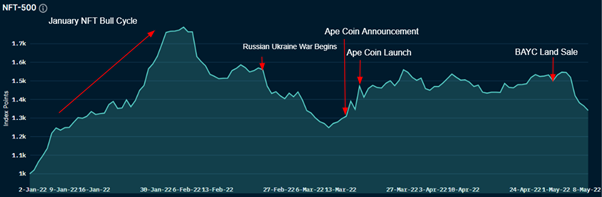
Figure 1. Nansen NFT-500 Index (Source: Nansen)
*Nansen NFT-500 Index
The NFT-500 is a broad market index tracking the market activity of NFTs issued on the Ethereum blockchain (ERC-721 and ERC-1155). The benchmark index consists of 500 NFT collections, weighted by market capitalization and represents an average of 85.14% of the daily market volume since 1 January 2022. This index aims to track the activity and movement of the NFT market. The benchmark index is calculated daily and rebalanced every 30 days, where the index constituents are re-assessed and re-balanced accordingly. (Source: Nansen)
1 Market Stabilization and Consolidation Phase (March-May)
1.1 What was overall the market trend?
The NFT market has calmed down from the January bull run between March and May. The section below uses metrics based on Google search interest, the number of first-time & returning buyers, and trading volume to analyze the market trend over the past two months.
1.1a Lower Search Interest in NFTs
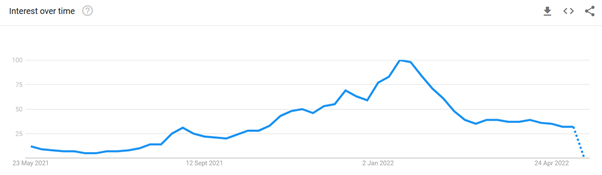
Figure 2. NFT Google Search Interest (Source: Google)
Google search interest for NFTs peaked in January and has dropped significantly since the Russian-Ukraine war began. The current interest, based on Google search volumes, sits at around 30% of the peak in January. A lowered interest in NFT often indicates lower demand from buyers and therefore less money entering the market. This metric is indicative of the public’s interest in NFTs over time.
1.1b Significant Drop in the Number of First-Time & Returning Buyers
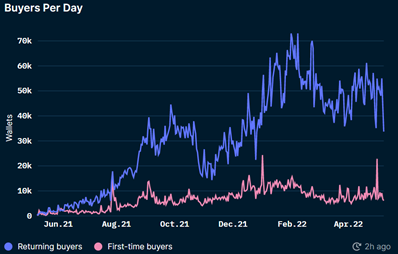
Figure 3. First-Time & Returning Buyers (Source: Nansen)
Having a high number of first-time and returning buyers is an indicator of increasing demand and capital. The number of first-time buyers & returning buyers daily peaked during the NFT craze in January. Since then, the number of first-time buyers dropped from a peak range of 10,000 -15,000 to 5,000 - 10,000. Returning buyers dropped from a range of 50,000 - 70,000 to 35,000 - 60,000. First-time buyers are more likely to purchase multiple NFTs and participate in hyped-up NFT projects due to fear of missing out.
1.1c Significant Drop in Trading Volume
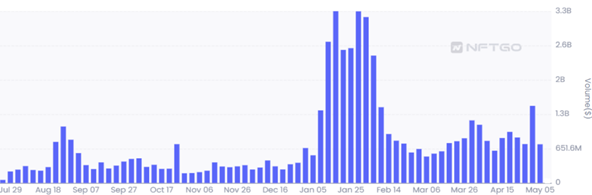
Figure 4. NFT Trading Volume (Source: NFTgo.io)
Trading volume significantly dropped from around US$2.5 billion levels in January to below US$1 billion in May. There exists a high correlation between trading volume, Google search interest, and the number of daily buyers. One single bar on the chart above represents the total volumes over a four-day period.
1.2 Selling Pressure and Market Rotation
The following section analyzes the behavior of sellers and buyers in the market over the past two months. Metrics of daily unique buyers & sellers and Nansen market indexes are used to uncover recent buying and selling trends.
1.2a Unique Buyers and Sellers Inversion
Based on Figure 5 (below), there have been more sellers (Purple) than buyers (Blue) in the last two months. The number of sellers began overtaking buyers on 14 March, as indicated on the graph below. This inversion indicated that there is less demand in the market and NFTs are being bought by a smaller number of buyers.
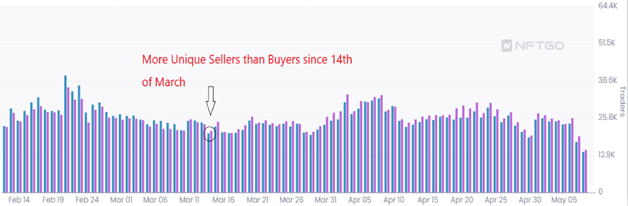
Figure 5. Daily Unique Buyers and Sellers (Source: NFTgo.io)
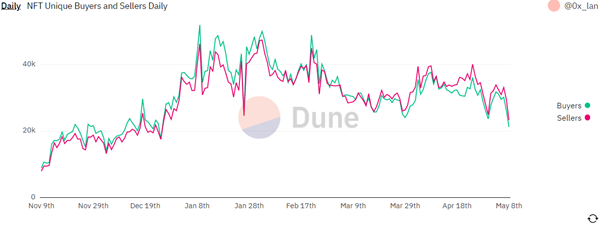
Figure 6. Daily Unique Buyers and Sellers (Source: Dunes, 0x_Ian)
The number of unique traders was on an upward trend from Nov 2021 to January 2022, and the number of unique buyers trended higher than sellers. The inversion in March is a signal that the total supply of NFTs has exceeded total demand. Daily unique buyers averaged around 40,000 in January 2022 and 30,000 in April 2022.
1.3 So Where Does the Selling Occur?
Nansen categorizes NFTs into Social, Metaverse, Game and Art categories and provides indexes for each. Through analyzing the performance of these indexes, we can find out which categories have suffered from the highest selling pressure.
Social: NFTs with a social club utility. These can be profile pics, membership and access passes. (BAYC, MAYC, CryptoPunks, Azuki, etc.)
Game: NFTs related to GameFi, P2E, RPG. (Northern Guide, Creepz, CyberKongz, etc)
Metaverse: NFTs related to avatars, virtual land and assets. (Sandbox, NFT worlds, Meebits, etc)
Art: NFTs related to digital art, generative art and music (Autoglyphs, Art Blocks, etc)
1.3a Selling of Metaverse, Game and Art NFTs
According to data from Figure 7, it appears the majority of selling activity occurred in the Metaverse, Art and Game categories. We can see that Art NFTs experienced a -29% YTD change and gaming NTFs experienced a -42% YTD change. Metaverse NFTs experienced a crash in April due to the Bored Ape land sale announcement. Popular land NFTs such as Sandbox and NFT Worlds have dropped significantly in the last 30 days. NFT worlds dropped 37% in the last 30 days and Sandbox dropped 41%. The reason for this was the launch of the Otherside land by Bored Apes. The three charts below show that these NFTs categories have been experiencing a downward trend since February 2022.
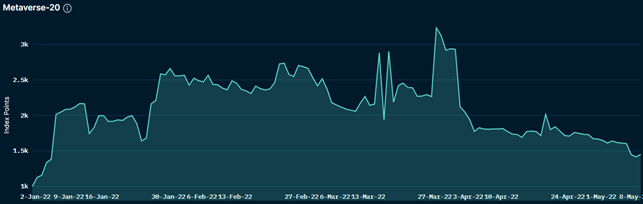
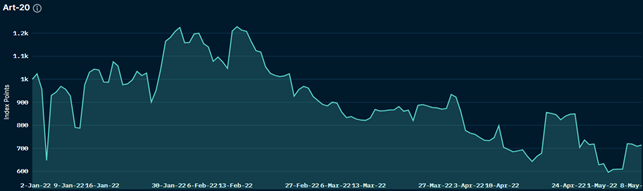
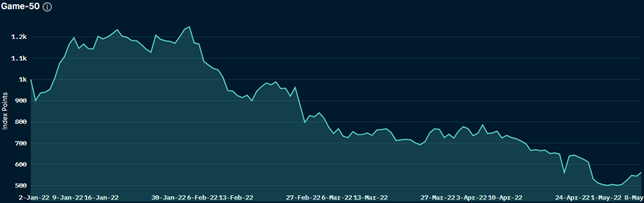
Figure 7. Metaverse -20, Art-20, Game-50 Nansen Indexes (Source: Nansen)
1.3b Buying of Social NFTs
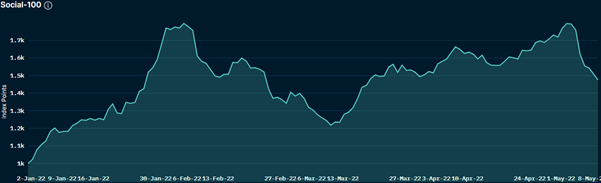
Figure 8. Social-100 Nansen Index (Source: Nansen)
It appears that the market sold off Metaverse, Game and Art NFTs and rotated into Social NFTs. Social NFTs have been the best performing category of NFT over the last three months. There were three main catalysts for the strong popularity of social NFTs. Firstly, it was the announcement of a new 20,000-piece Azuki Beanz collection that pumped the floor price of Azuki to 30ETH. Secondly, it was the successful launch of Moonbirds NFTs which also reached a floor price of 30ETH. The third catalyst was the market’s anticipation of Ape Coin and Bored Ape Land. Before the public land sale took place, the price floor for the BAYC collection price climbed to a peak of 150ETH and the MAYC price floor climbed to 40ETH.
Top 5 Social NFTs in terms of market cap:
1. Bored Ape Yacht Club (BAYC)
2. Mutant Ape Yacht Club (MAYC)
3. CryptoPunks
4. Clonex
5. Azuki
These 5 NFTs account for approximately 66% of total social NFT market cap. BAYC and MAYC together account for 42% and are the main contributors to the recent rise in the Social NFT index.
1.3c More NFT Collections but Fewer Buyers
Multiple blue-chip projects have launched new NFT collections since the January bull market, but these collections did not attract many new entrant buyers. The table below compares their total collection size during the January bull market and now. Their supply has increased substantially, but the number of unique owners did not increase proportionally. These new collections from blue-chip projects have diluted the market and increased the selling pressure on other less popular projects.
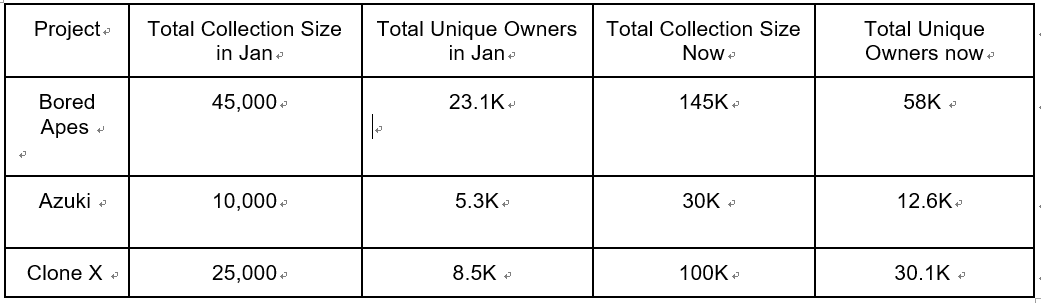
Figure 9. Collection Size and Owner Comparison Table (Source: Huobi, NFTgo.io)
1.3d Flight to Quality
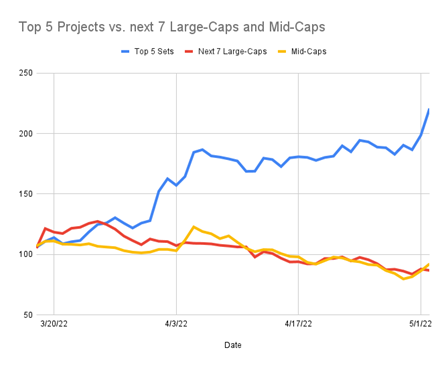
Figure 10. Top 5 projects vs others (Source: [email protected])
NFTs are high-risk, high-reward assets, which appear less favorable as people shift to risk-free assets during the recent global economic downturn. From the diagram above, we can see that the floor price of the top five projects in the space has outperformed other smaller projects by a substantial amount. Buyers are starting to see NFT projects as start-up companies rather than digital art. They favor projects with a strong development team, clear vision, a proven history of roadmap execution and a consistent return on value. These high-quality collections from the top 5 projects are considered the least risky NFT assets available in a bear market.
2 The January Bull Market Phase
The Nansen NFT-500* index almost doubled during the January bull run. The two main catalysts were the crash in ETH price and the launch of PhantaBear. The influence of Jay Chou’s Phantabear led to the rise in popularity of NFTs in the Asia region. The section below analyzes what happened during the January bull market.
2.1 ETH(USD) crash and NFT (ETH) Prices
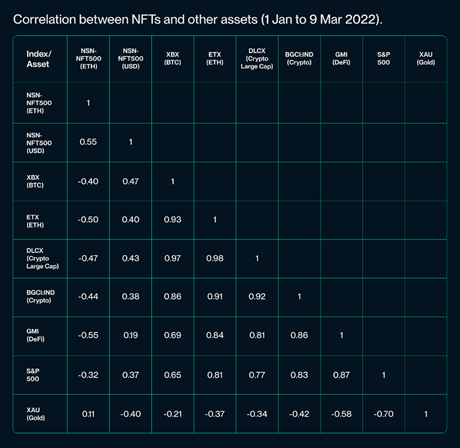
Figure 11. Correlation of NFT Assets (Source: Nansen)
The price action of ETH (USD) is an important factor that influences floor prices and the volume of the NFT market. According to Nansen, the NFT-500 (ETH) index negatively correlated with ETH prices between January and 9 March 2022.
Most NFTs’ are bought and sold in ETH; therefore, cheaper ETH (USD) prices will lead to cheaper NFT prices in USD terms. The crash in price of ETH during January led to high buying volume for the NFT market during that month. This is because rather than holding ETH and letting the cryptocurrency depreciate, many investors decided to purchase blue-chip NFTs such as Bored Ape Yacht Club (BAYC) to hedge the falling ETH price. An example is shown in the following section.
2.1a Hedging Failing ETH Prices with Bored Ape Yacht Club (BAYC)
Since NFTs are bought and sold in ETH, a cheaper ETH (USD) price means cheaper NFTs prices in USD terms. The crash of ETH during January led to a high buying volume that month. Many investors saw this as an opportunity to get into popular collections at a discounted price. Some investors also bought NFTs, such as Bored Apes, as a hedge for the falling ETH price.
During January, the floor price chart of BAYC (Figure 12) shows that its floor price in ETH climbed almost double as ETH price dropped from US$3700 to US$2688. There were no fundamental changes for BAYC during that period.
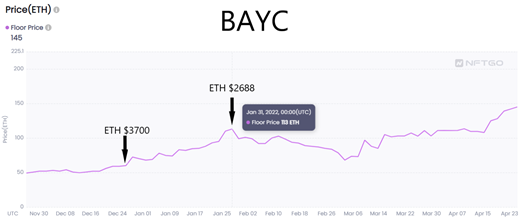
Figure 12. Floor Price Chart of BAYC (Source: NFTgo.io)
2.2 Rise of Asian NFTs
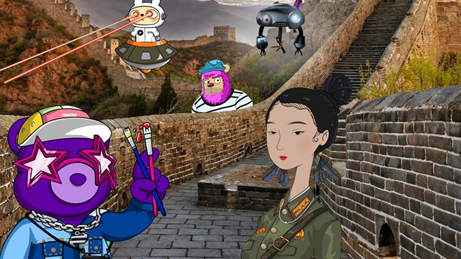
Led by famous pop singer Jay Chou’s NFT project PhantaBear, Asian NFTs became the hottest NFT category during the month of January. PhantaBears and other Asian NFTs projects have brought in massive numbers of new NFT buyers from the Chinese speaking community.
2.2a PhantaBears and Jay Chou
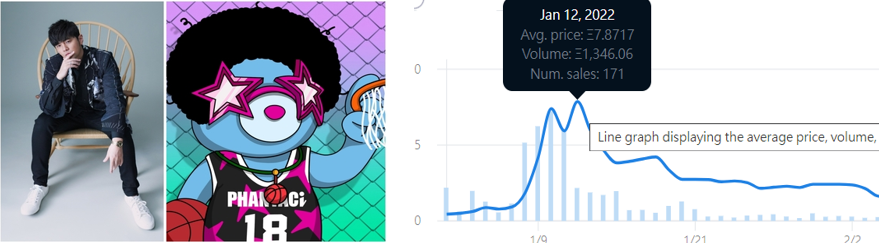
Figure 13. Average Price Chart of PhantaBear (Source: OpenSea)
Launched on 1 January, the PhantaBears collection by Jay Chou was the most popular Asian NFT collection. With a mint price of 0.26ETH, PhantaBear’s average price increased to 7.87ETH in 11 days. The collection brought thousands of Jay Chou fans into the NFT market.
2.2b X Rabbit Club (XRC)
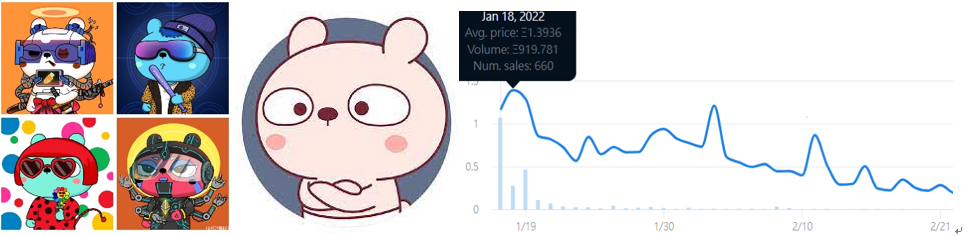
Figure 14. Average Price Chart of X Rabbit Club (Source: OpenSea)
Derived from popular Chinese IP LengTu (冷兔), the X Rabbit Club was the most popular mainland China NFT, priced at 1.39ETH. The collection was one of the first NFTs made in China and had attracted many buyers from the country.
2.2c Ghozali Everyday, 8sian, The Heart Project and others

Figure 15. NFT Images - Ghozali Everyday, 8sian, The Heart Project
Asian NFTs grew so popular during January that every collection related to Asia was doing well. Ghozali Everday, a simple NFT collection of 933 selfies made by a random Indonesian teenager went viral after an Indonesian celebrity chef tweeted about the NFT collection. Ghozali Everyday climbed to a floor price of 0.9ETH at one point and made headlines on every Southeast Asian news outlet.
2.2d Rise in Regional NFT Google Search Interest from Asia
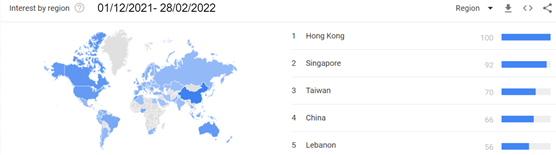
Figure 16. NFT Search Interest by Region (Source: Google Trends)
Google search interest for NFTs peaked during the January bull market. The top four regions interest-wise according to the region data chart were all from Asian Chinese-speaking regions. These are the most affluent regions of Asia, and the target audience of PhantaBears and X Rabbit Club NFTs.
2.2e Significant increase in First Time & Returning Buyers
A large number of first-time and returning buyers is an indicator of increasing demand and capital inflow. As seen in the graph below, the number of new buyers spiked on 1 January, the minting day of PhantaBear. The number of returning buyers climbed from the 40,000 range to 70,000 range in the month of January and daily first-time buyers were almost double that of today.
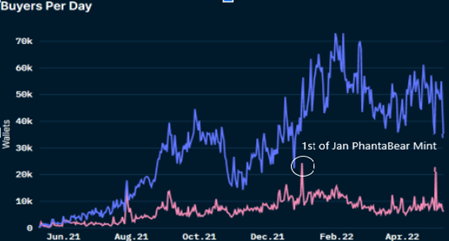
Figure 17. Unique First Time & Returning Buyers (Source: Nansen)
2.3 Why was the Bull Market Unsustainable?
The January NFT bull market craze was a breakout moment for public interest in NFTs. However, the sudden rise in popularity of NFTs was a double-edged sword for the NFT and Web3 space. In the section below, we will discuss the negative side of NFTs as investments, reasons why NFTs are risky assets, and why the public has lost confidence in NFTs, resulting in lower demand.
2.3a Cash-Grabbing Projects
The January bull market not only brought many new buyers into the space but also resulted in the emergence of cash grabbing NFT projects that exploited and deceived buyers. As most NFT projects use the “blind box” model as a launch mechanism, buyers are not able to see what they are getting until the collection is revealed. This led to a fair number of fraud and rug-pull scenarios as the majority of NFT founders were anonymous. A great case-study example of a cash grab scheme would be the Pixelmon NFT game project.
US$70 Million Cash Grab - Pixelmon
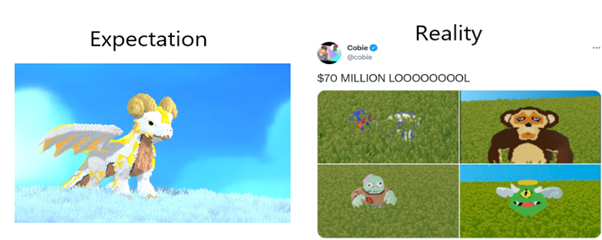
Figure 18. Pixelmon Art (Source: Pixelmon, Twitter@cobie)
The Pixelmon game was marketed as being a high production quality, futuristic multiplayer RPG developed by large gaming studios. The “sneak peaks” released by Pixelmon seemed well-developed, which created a lot of hype and anticipation. However, the actual artwork quality of the NFTs turned out to be of extremely low quality when revealed. As seen in the picture on the right (above, Figure 18), the NFTs turned out to be hilariously ugly 3D models with extremely poor production quality, completely different from the advertised image on the left. The NFTs were sold for 3ETH each during the public sale, which was approximately US$70 million in revenue for the project. As of now, the NFT collection is trading at a floor price of just 0.3ETH. The project appears to be abandoned and its latest tweet was dated three months ago. There are many other similar projects, in which founders deceived buyers in order to obtain revenue from the public sale and subsequently disappeared.
Sell the dream
The current method in which NFTs are launched is unsustainable and unfair to buyers. The current space allows developers to take profits first and then build their visions later. Instead of selling shares and going through funding rounds, Web3 projects can raise capital through a public sale of their NFTs. However, without proper regulation and laws to protect NFT buyers, anonymous founders can take profits and abandon their projects without any legal consequences. The nature of such a fundraising method encourages project teams to “Sell the Dream” – developers create ambitious goals and unrealistic roadmaps to attract attention and hype in order to sell their NFTs at a high price. The project team will be long gone when buyers realize they have been lied to. Buyers gradually lost faith in NFTs as investments as large sums of money got lost to such schemes.
2.3b Hacks, Phishing Links, and Smart Contract Scams
The complex nature of blockchain smart contracts and poorly designed wallet UX have led to the emergence of many scams. Smart contracts are too complicated to understand for the average consumer and smart contract signing UX on MetaMask often appears confusing. All contracts look the same and the average consumer struggles to understand what is getting authorized when they connect their wallets or sign smart contracts. Users are a few wrong clicks away from sending all their assets to a scam smart contract. The frequent incidences of hacks and scams have affected people’s faith in NFTs and blockchain technologies. Due to the nature of blockchain transactions being anonymous, permanent, and unrecoverable, hackers could easily get away with their crimes without legal consequences. According to a survey by Privacy HQ, 9 out of 10 respondents had experienced an NFT scam and half of the respondents had lost access to their NFTs at some point due to hacks or scams. The diagram below shows the common scams respondents have experienced.
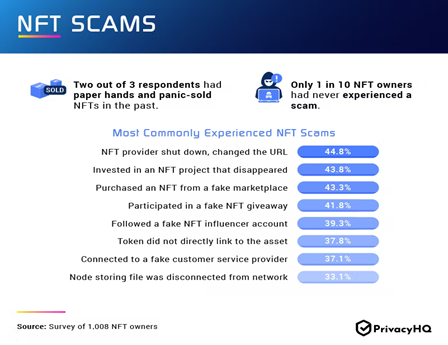
Figure 19. Types of NFT Scams (Source: PrivacyHQ)
3. What Have We Learned?
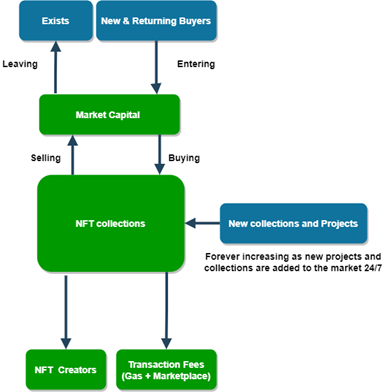
Figure 20. NFT Market Capital Flowchart (Source: Huobi Research Institute)
3.1 Demand
The NFT market demand relies on returning and new buyers to inject new money into the system as they purchase NFTs from current holders and mint new NFTs from creators. New buyers are the driving force behind demand in the market. However, demand does not remain high forever. Major catalysts, such as the Asian NFT craze, were able to bring in new money and buyers to the market in the short term. However, the NFT space is now plagued by low-quality projects, scams and hackers. These have negatively affected the public's faith and interest, resulting in NFTs being seen as speculative assets.
3.2 Supply
Unlike demand, the supply of NFTs in the market will only go up as new collections and projects are launched daily. When new, popular NFT collections enter the market, two scenarios will happen:
3.4 Scenario 1: January Bull Market (Demand > Supply)
New, popular NFT collections successfully spark the public’s interest in NFTs. They attract high volumes of new and returning buyers into the market. This was what happened in January when PhantaBear and Asia NFTs brought in a swarm of Asian NFT buyers. The sudden influx of buyers had caused market demand to exceed supply, therefore pumping the floor price of basically every NFT collection. Opportunistic project teams saw this as a profit-making opportunity and launched low-effort, low-quality projects for a quick money grab. Such creators absorb large amounts of capital and liquidity out of the market. Demand will eventually go down, shaking public confidence in the market as more people lose money from scams, hacks, and low-quality collections.
1.4 Scenario 2: Market in the last 2 months (Supply > Demand)
New, popular NFT collections do not attract new buyers into the market and public interest in NFTs remains low. However, the new collections are in demand from existing NFT traders who hold other NFT collections. As a result, traders sell off outdated NFT collections to raise capital to purchase new collections. These new collections dilute the current market and increase the selling pressure on older NFTs. This is what has been happening in the market over the past two months.
4. The Road Ahead for NFTs
4.1 A Safer and More Consumer-Friendly Space
The NFT current space is full of hacks, scams and money-grabbing projects. Consumer confidence and public interest in NFTs will not improve when people are viewing NFTs as scams and highly risky assets. We would like the NFT landscape to gradually develop into a more regulated and safer space that protects consumers from hacks and scam projects. The industry should work together to develop smart contract risk-identifying tools and standardize UX designs for minting and transferring NFTs assets to avoid confusion. Third-party platforms that screen project founders and teams should be developed to protect the NFT space from low-quality, scam projects.
4.2 More Utility Apart from Art
Many buyers who bought into the January craze feel cheated by NFT projects. At the moment, many believe that NFTs are get-rich-fast schemes for the development team, in addition to being pump-and-dump schemes for market flippers. The majority of NFT projects are still in the early development stages of their promised roadmaps, offering no actual utility other than art. We would like to see actual utilities arise from NFTs as projects execute and deliver according to their roadmap, apart from being art collectibles with access passes to private Discord communities.
4.5 Final Takeaway
The NFT market is currently oversupplied with low-quality projects. Public interest in NFTs has gone down due to poor market conditions and a lack of confidence in NFTs due to scam projects and hacks. The trend with the selling-off of lower-effort projects is expected to continue, and the market will continue to rotate between low-quality projects to the higher-quality projects in the space. A period of market consolidation and reform is needed for the public to regain interest in and trust NFTs again. We would like to see the space become a healthier and safer place, with responsible projects that deliver on their promises to its NFT holders, standardized UX design for smart contracts, and screening platforms that protect NFT buyers from scams and money-grabbing project developers.
About Huobi Research Institute
Huobi Blockchain Application Research Institute (referred to as "Huobi Research Institute") was established in April 2016. Since March 2018, it has been committed to comprehensively expanding the research and exploration of various fields of blockchain. As the research object, the research goal is to accelerate the research and development of blockchain technology, promote the application of blockchain industry, and promote the ecological optimization of the blockchain industry. The main research content includes industry trends, technology paths, application innovations in the blockchain field, Model exploration, etc. Based on the principles of public welfare, rigor and innovation, Huobi Research Institute will carry out extensive and in-depth cooperation with governments, enterprises, universities and other institutions through various forms to build a research platform covering the complete industrial chain of the blockchain. Industry professionals provide a solid theoretical basis and trend judgments to promote the healthy and sustainable development of the entire blockchain industry.
Official website:
https://research.huobi.com/
Consulting email:
Twitter: @Huobi_Research
https://twitter.com/Huobi_Research
Medium: Huobi Research
https://medium.com/huobi-research
Disclaimer
1. The author of this report and his organization do not have any relationship that affects the objectivity, independence, and fairness of the report with other third parties involved in this report.
2. The information and data cited in this report are from compliance channels. The sources of the information and data are considered reliable by the author, and necessary verifications have been made for their authenticity, accuracy and completeness, but the author makes no guarantee for their authenticity, accuracy or completeness.
3. The content of the report is for reference only, and the facts and opinions in the report do not constitute business, investment and other related recommendations. The author does not assume any responsibility for the losses caused by the use of the contents of this report, unless clearly stipulated by laws and regulations. Readers should not only make business and investment decisions based on this report, nor should they lose their ability to make independent judgments based on this report.
4. The information, opinions and inferences contained in this report only reflect the judgments of the researchers on the date of finalizing this report. In the future, based on industry changes and data and information updates, there is the possibility of updates of opinions and judgments.
5. The copyright of this report is only owned by Huobi Blockchain Research Institute. If you need to quote the content of this report, please indicate the source. If you need a large amount of reference, please inform in advance (see "About Huobi Blockchain Research Institute" for contact information) and use it within the allowed scope. Under no circumstances shall this report be quoted, deleted or modified contrary to the original intent.