Whale moves $16M into altcoins – Are DeFi tokens near a bottom?

ambcryptoОпубліковано о 2026-03-24Востаннє оновлено о 2026-03-24

Анотація

A whale withdrew $16.06 million from Binance on March 24, 2026, to acquire a basket of DeFi-related altcoins, signaling potential early positioning amid a prolonged market downturn. The purchases included $4.07M in ENA, $3.64M in AAVE, $2.37M in AVAX, $2.13M in UNI, $2.05M in ONDO, and $1.81M in PENDLE. Most of these tokens remain more than 80% below their 2025 highs, but some show tentative signs of stabilization or minor bullish momentum. While one whale’s action doesn’t confirm a market-wide reversal, it suggests strategic accumulation at perceived lows. If these assets hold their current structure and begin to recover, it could indicate an early rotation into DeFi tokens.

Altcoins are under pressure, but whales are beginning to circle back in.

Most tokens remain far below their 2025 highs, while many holders have endured four years of pain with almost nothing to show for it. However, this wallet did not chase strength. It targeted battered DeFi-linked names near the floor. So, what exactly did it buy?

Whale pulls $16M in altcoins from Binance

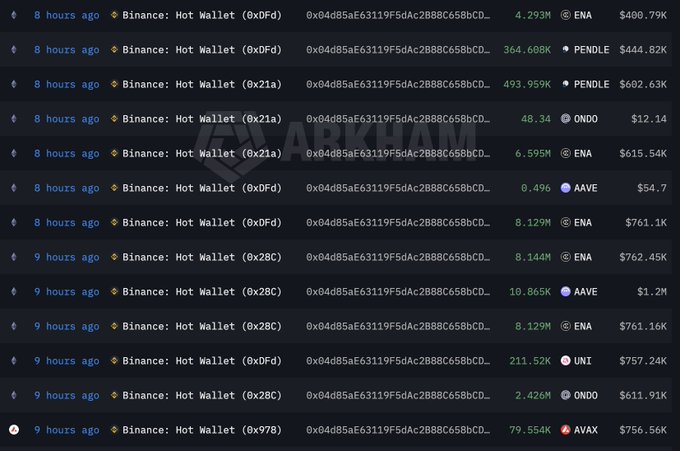
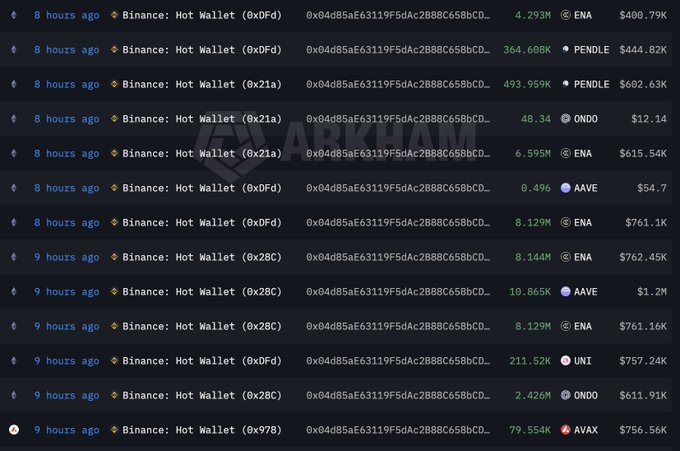
On the 24th of March 2026, whale 0x04d8 pulled $16.06 million from Binance.
Source: Lookonchain

The wallet loaded 43.49 million ENA valued at $4.07 million, 32,872 AAVE worth $3.64 million, 249,741 AVAX worth $2.37 million, 595,886 UNI worth $2.13 million, 8.07 million ONDO worth $2.05 million, and 1.49 million PENDLE valued at $1.81 million.

Was that random? No. The wallet leaned hard into DeFi-linked names. Therefore, this looked less like blind gambling and more like early positioning. Someone stepped into weakness while most of the market kept staring at broken charts and broken confidence.

Big bet lands on DeFi-linked names

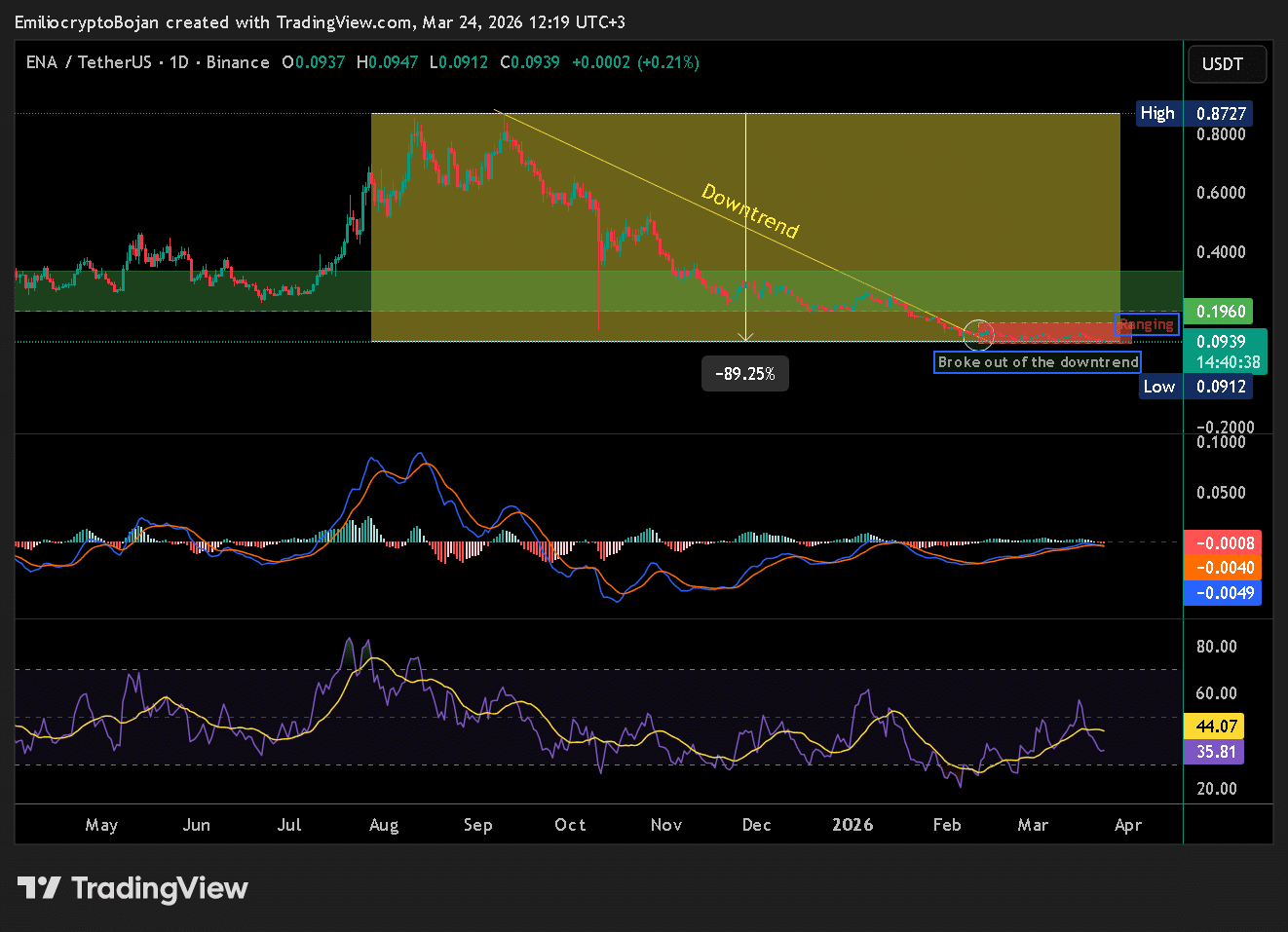
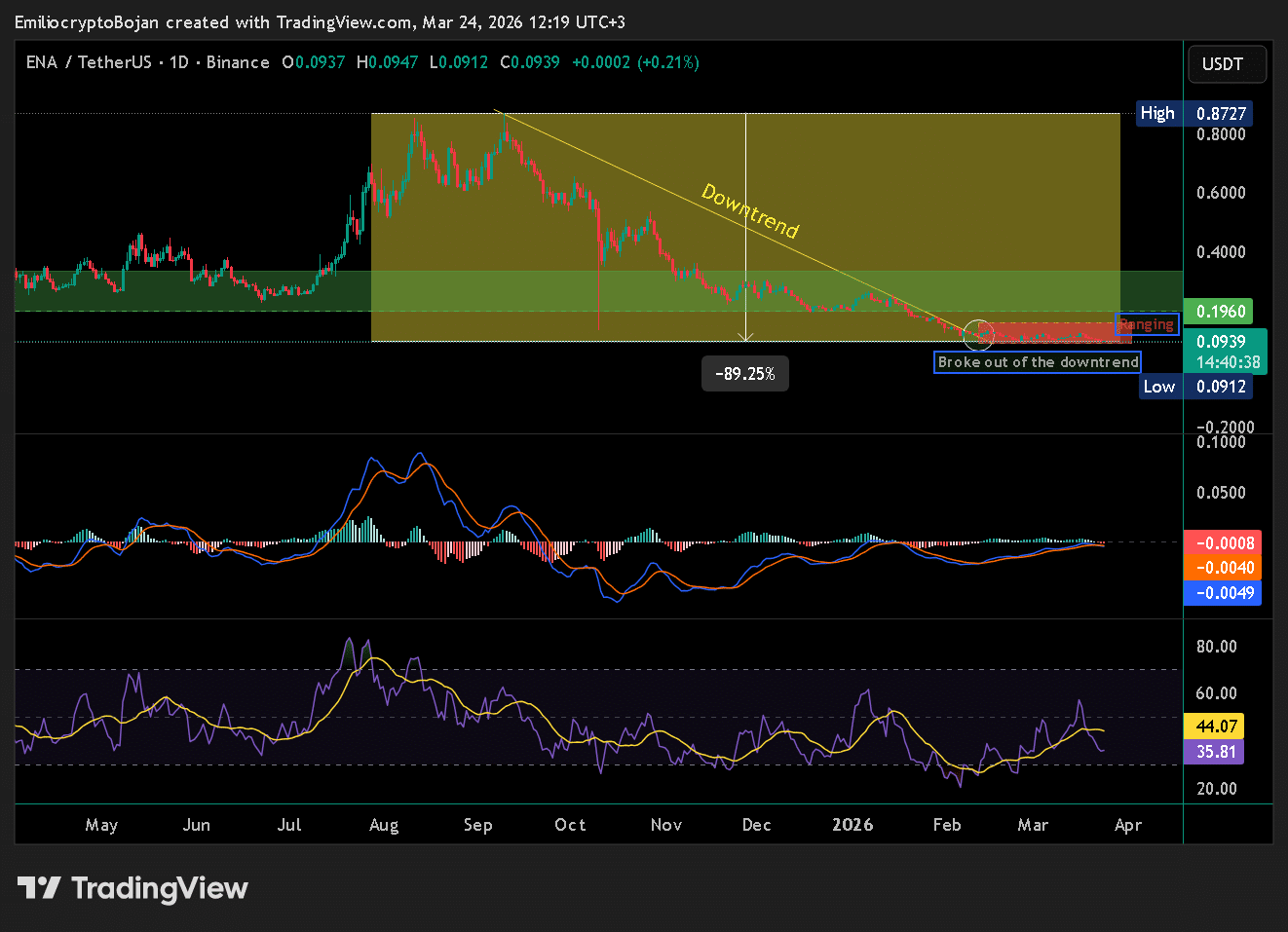
At press time, Ethena [ENA] had broken out of its downtrend after an 89% collapse from its 2025 high near $0.8727, then started ranging sideways near the lows.
Source: TradingView

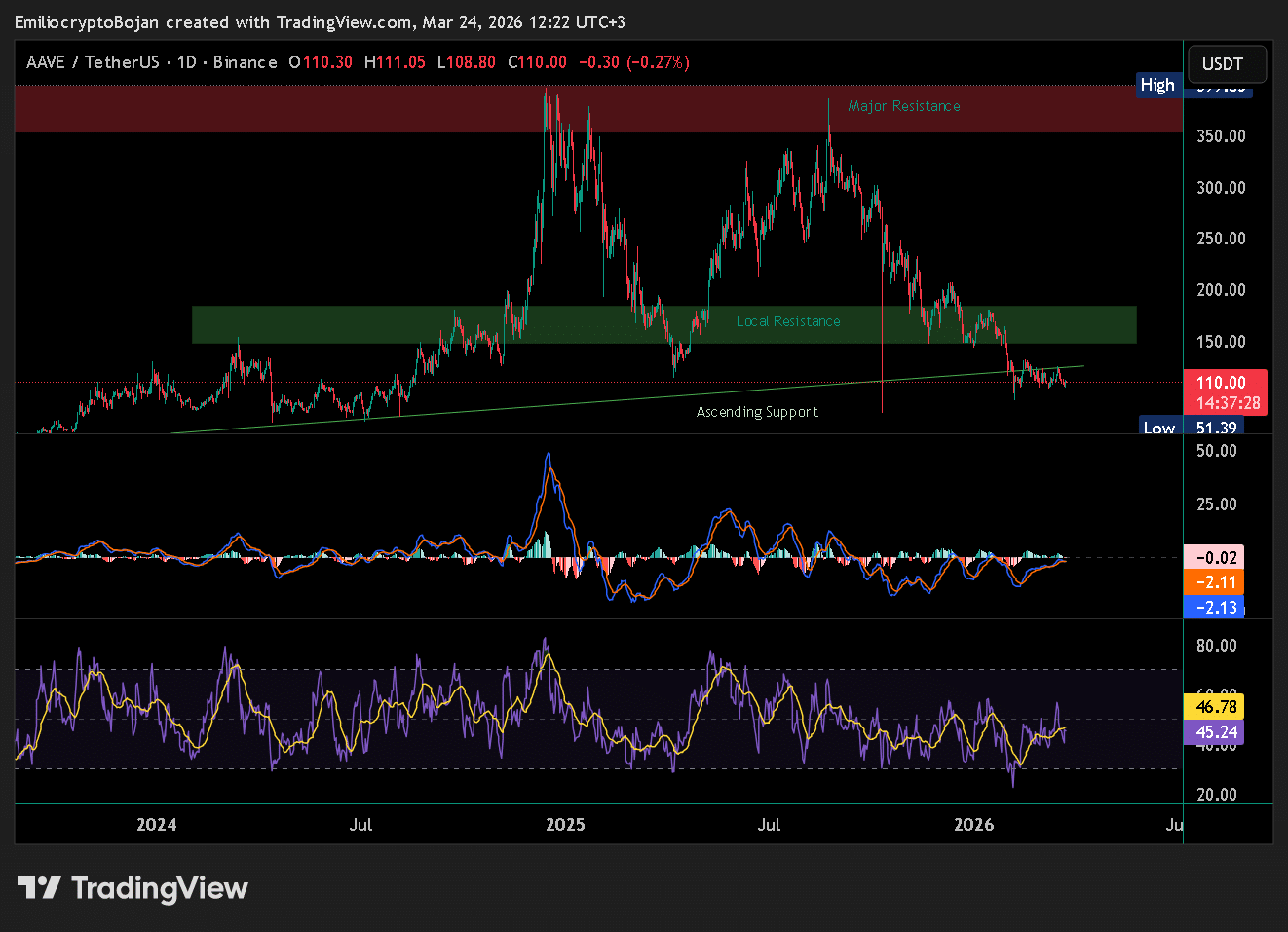
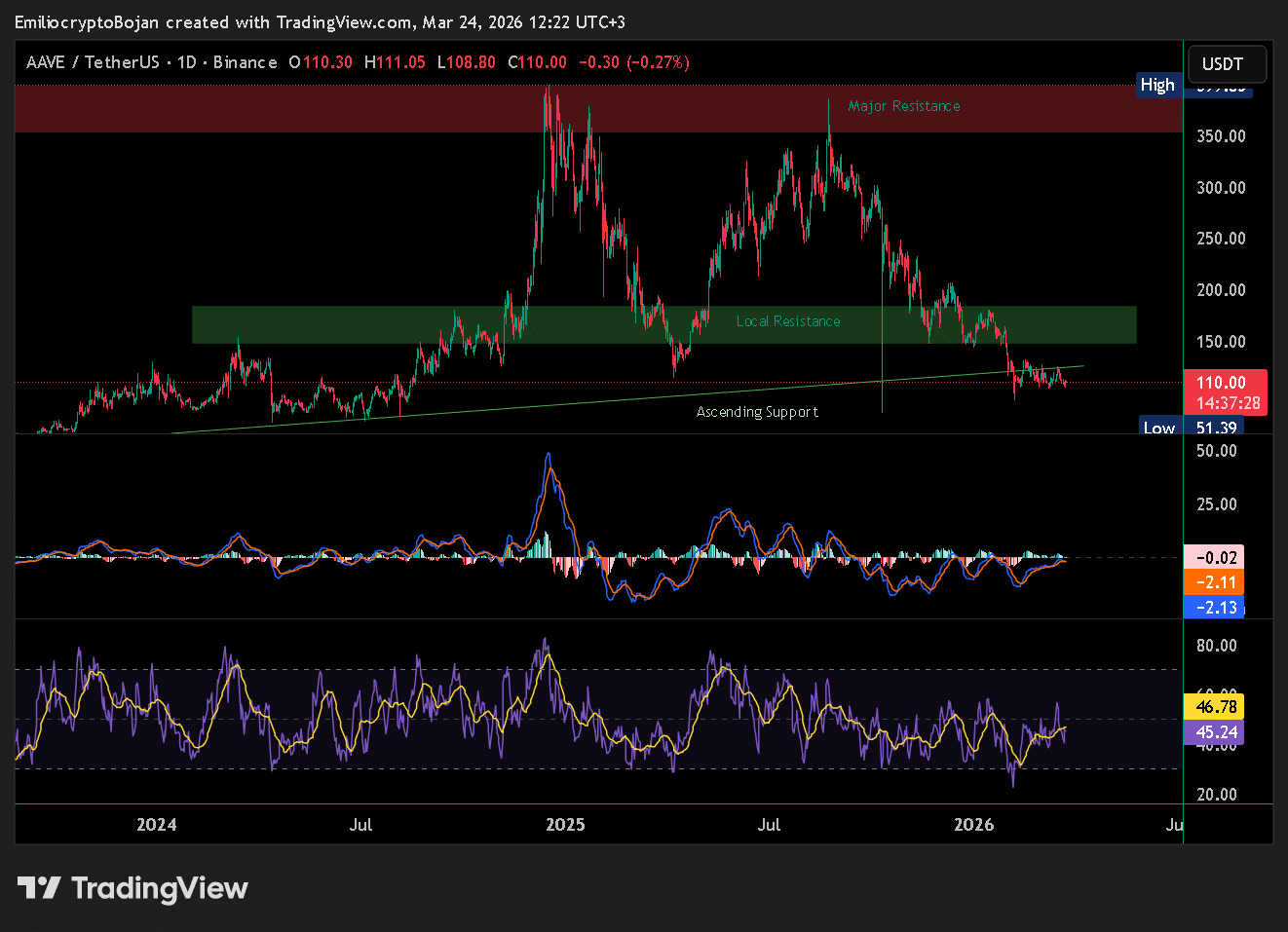
Aave [AAVE] showed signs of weakness. After peaking near 399 in 2024 and 387 later, it completed a double top, dropped hard, and even lost ascending support around 123.
Source: TradingView

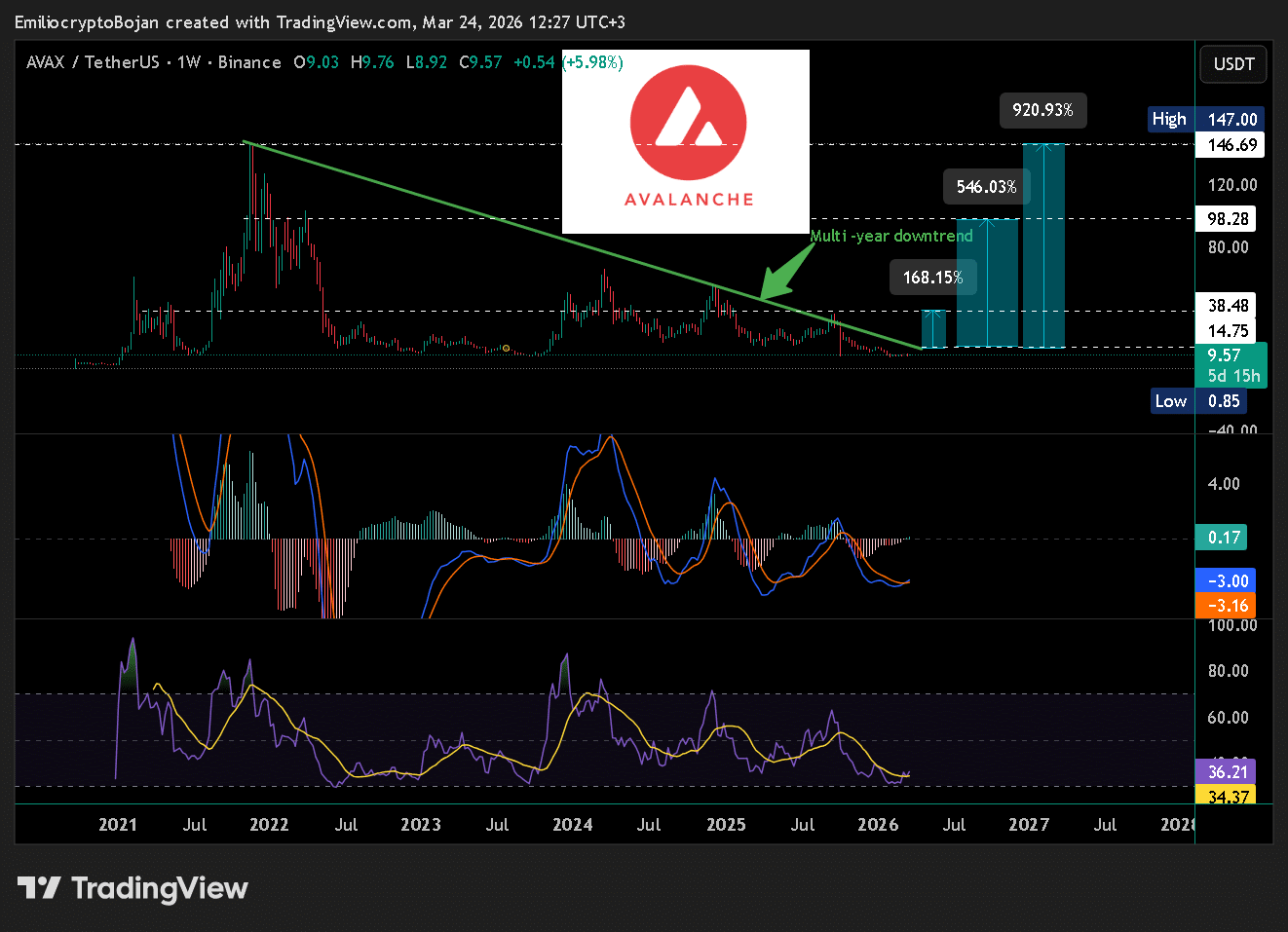
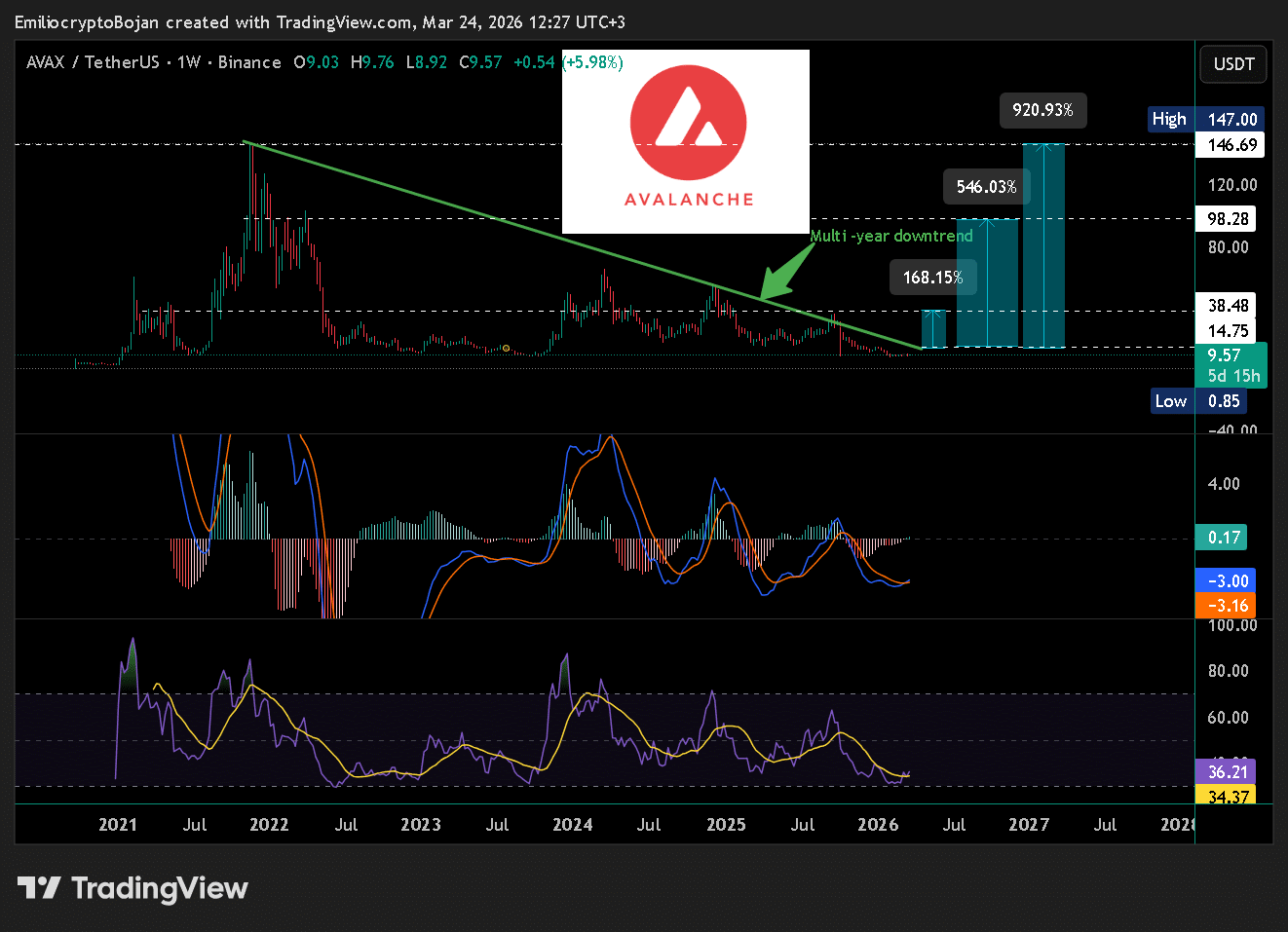
Avalanche [AVAX] looked more constructive. It had flashed a bullish MACD crossover and started pressing against a multiyear downtrend, with $14.75 and $38.48 as early targets if that line broke.
Source: TradingView

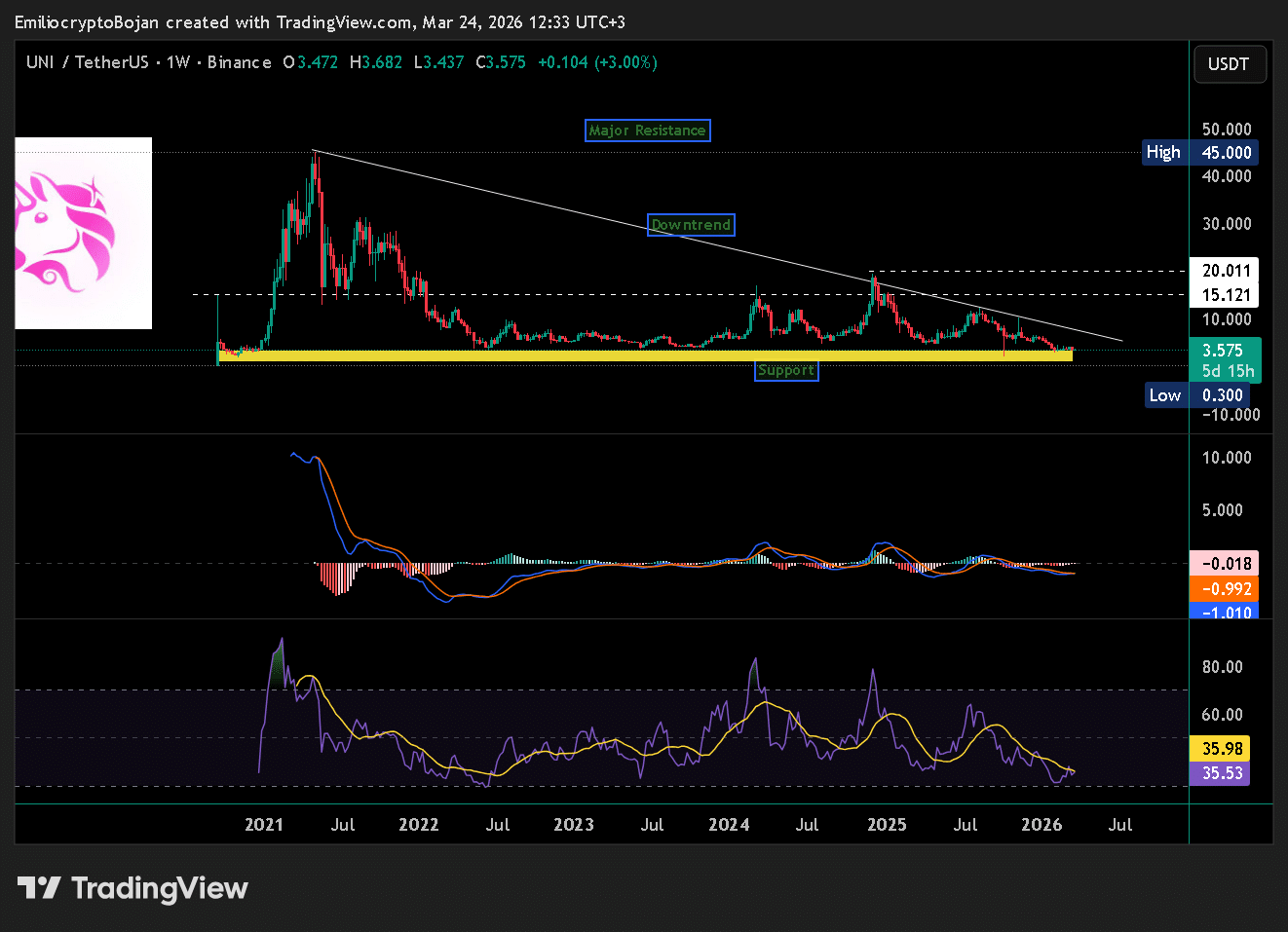
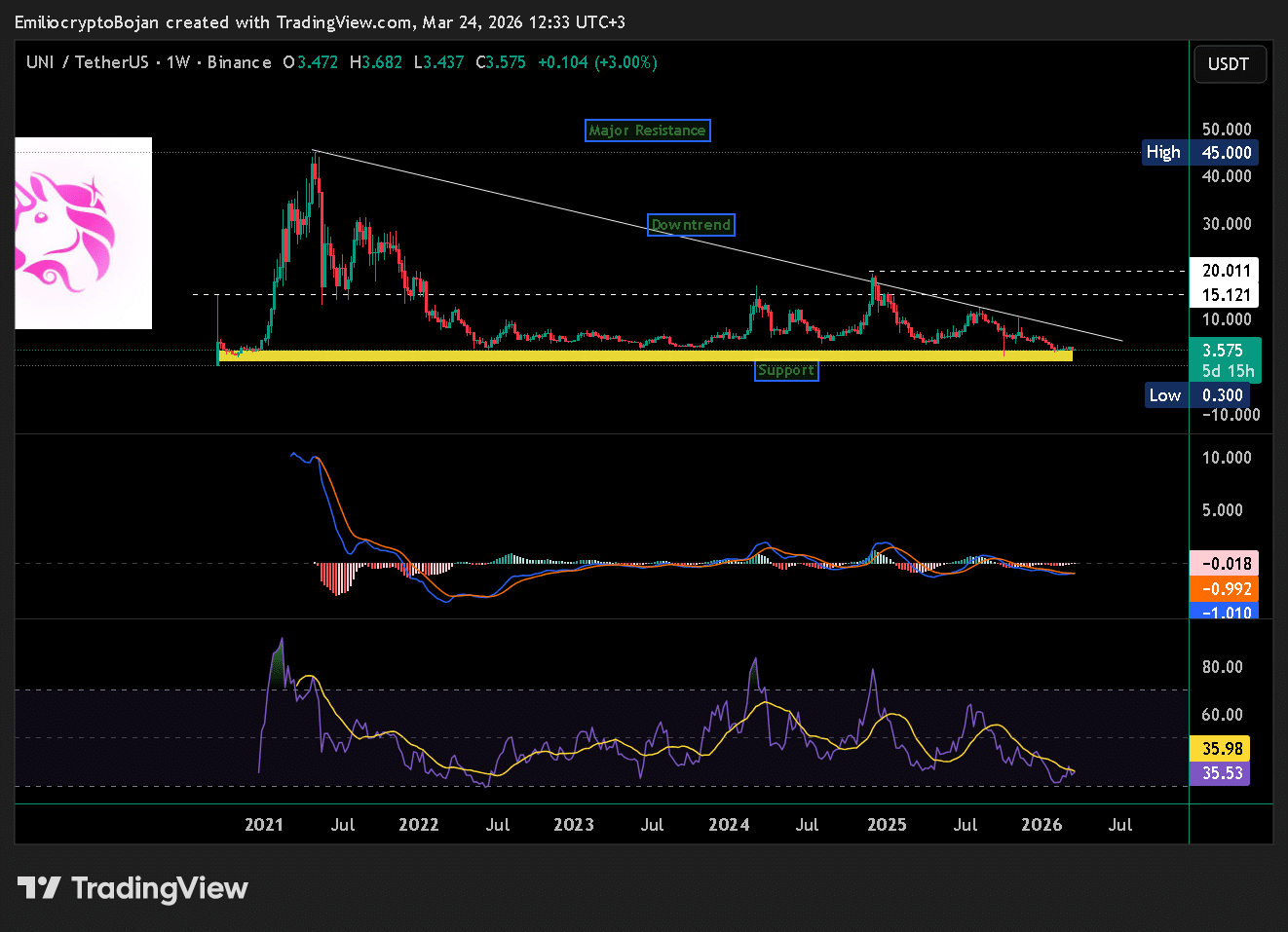
Uniswap [UNI] followed a similar script, still trading near support while leaning toward its own multiyear downtrend, with $15 and $20 standing out before any real test of $45.
Source: TradingView

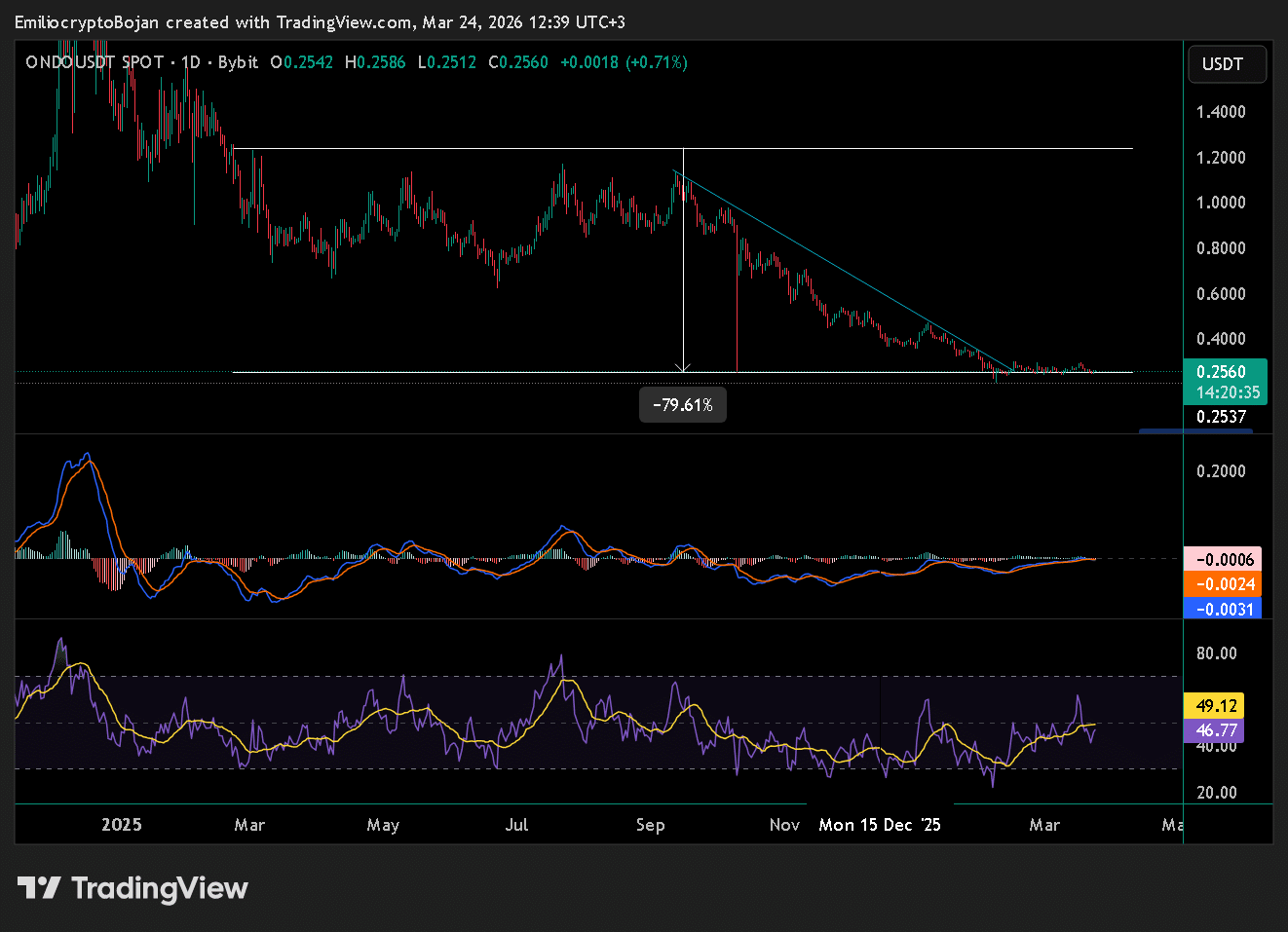
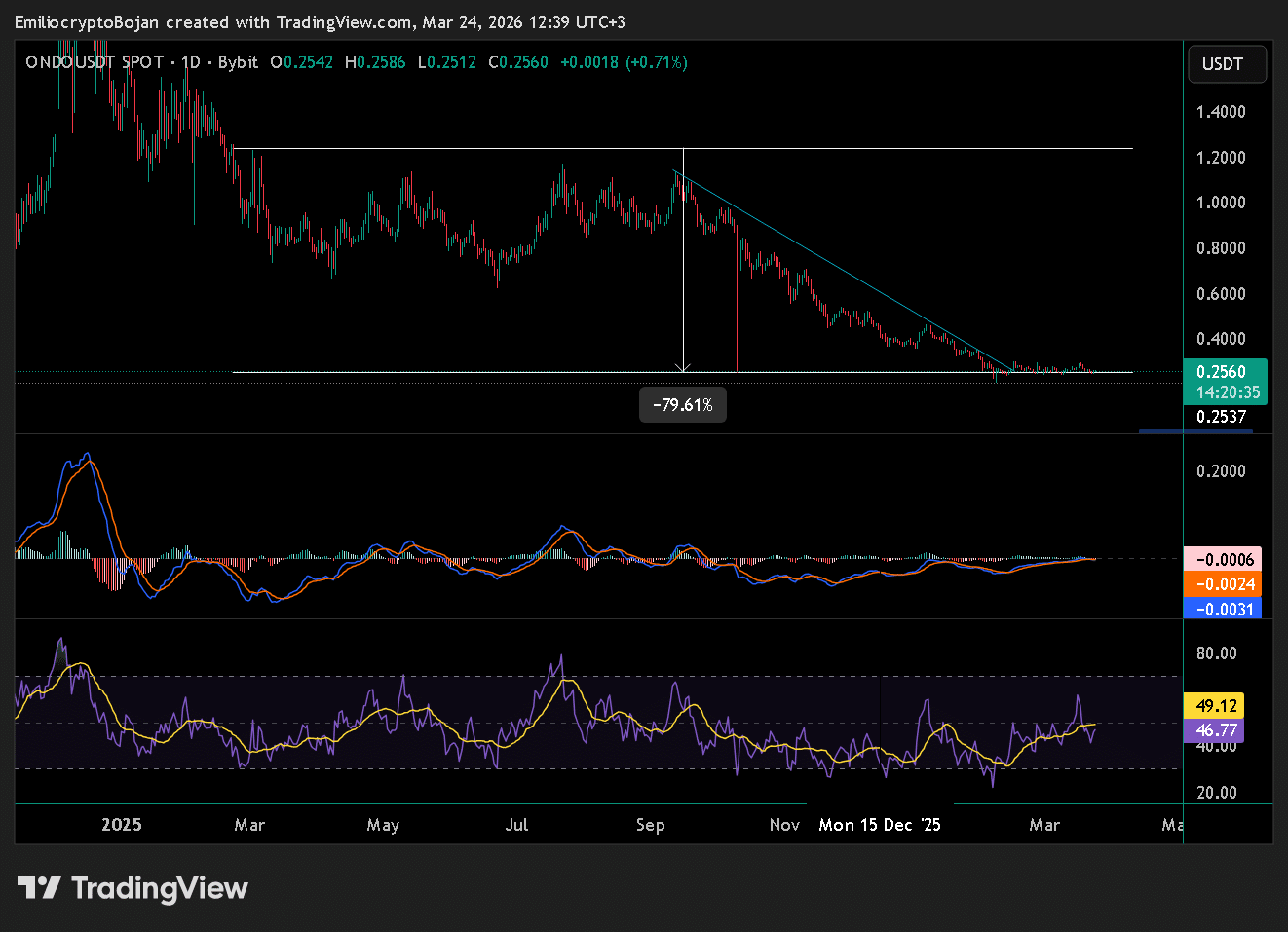
Ondo [ONDO] had already broken out of its downtrend after a 78%+ drawdown from its 2025 high and then moved sideways.
Source: TradingView

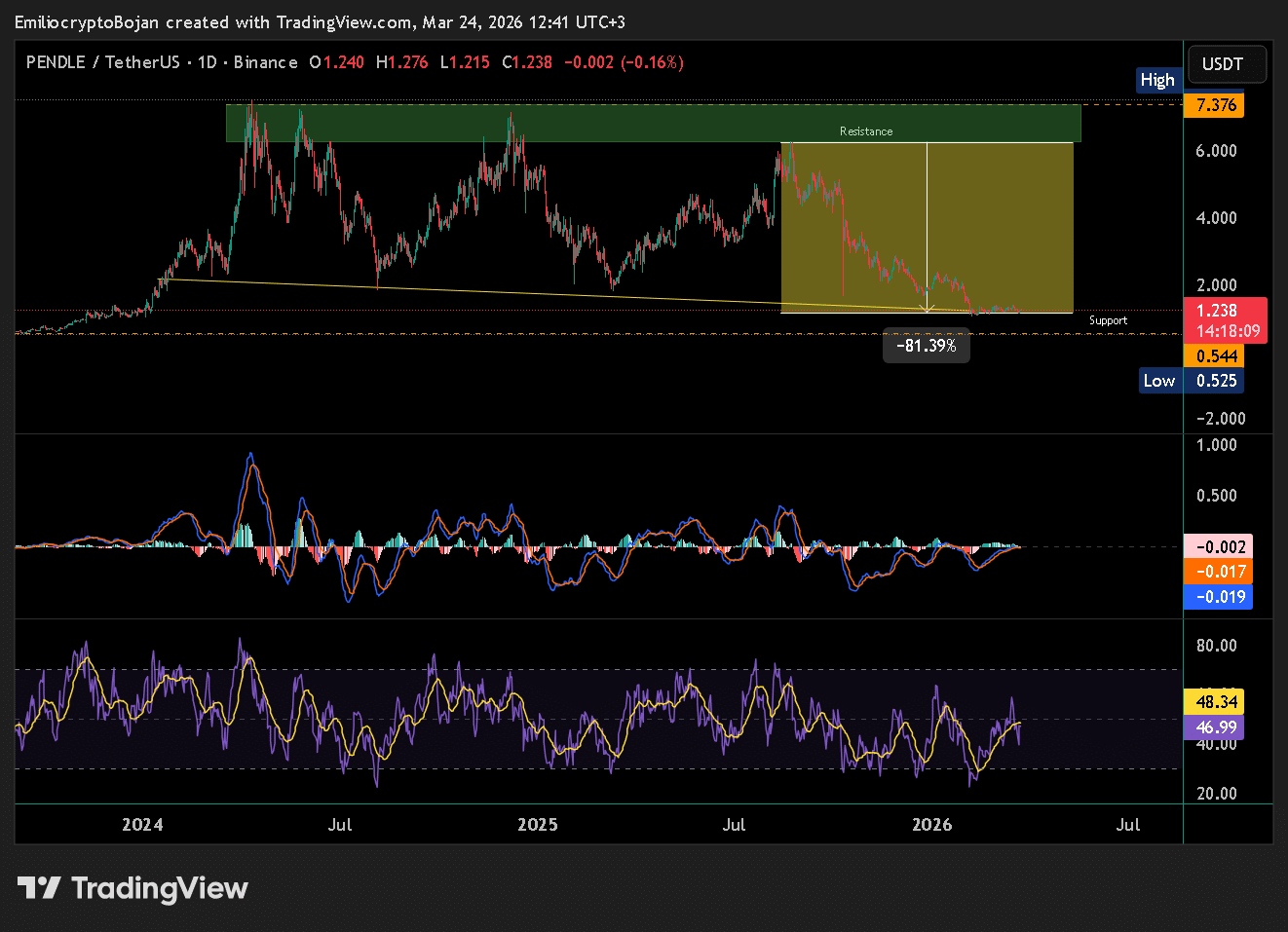
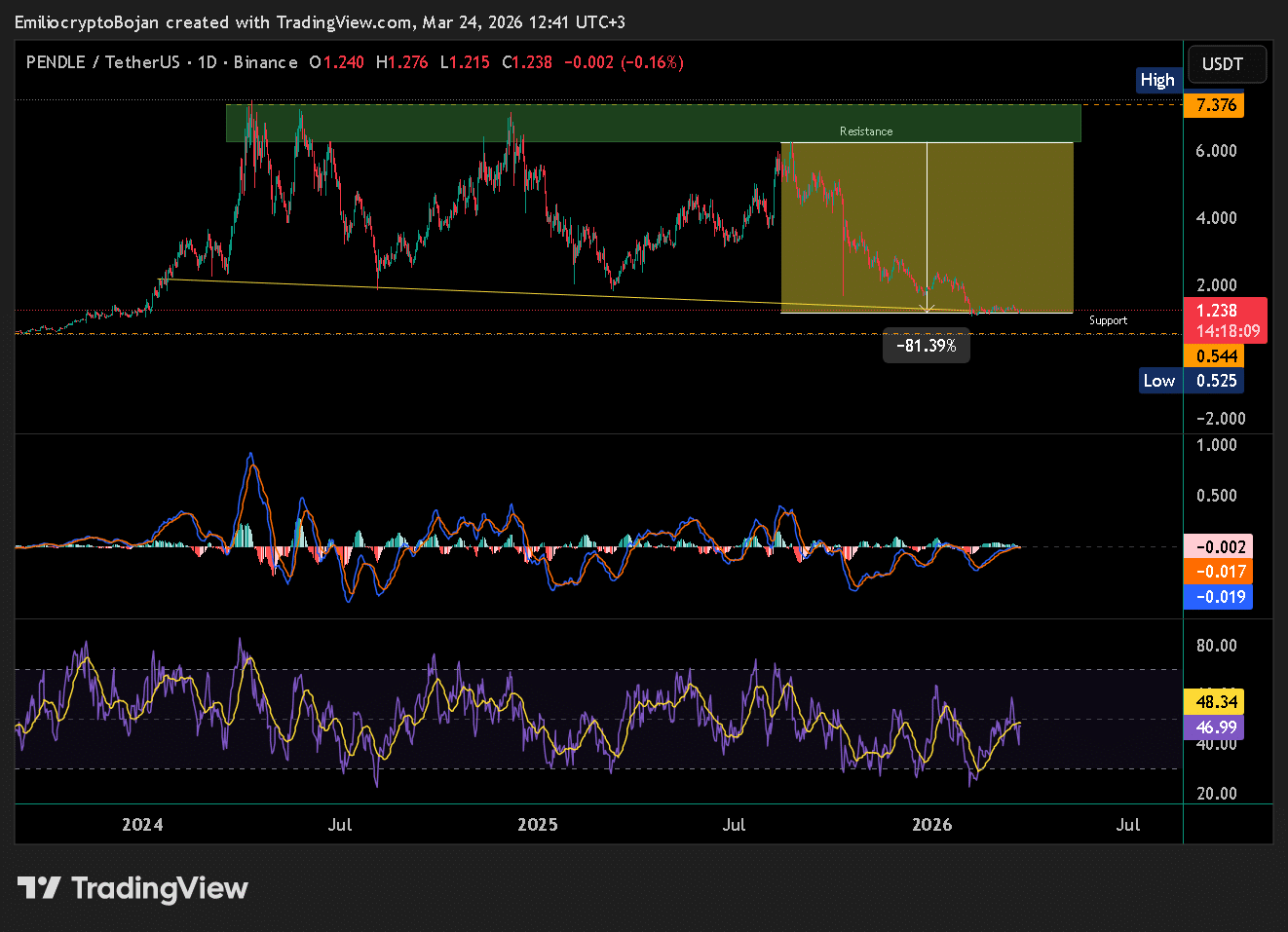
Pendle [PENDLE] stayed above the $1 support zone, while lower-timeframe momentum started picking up.
Source: TradingView

Even so, most of these names were still trading more than 80% below their 2025 highs.

Is a DeFi rotation about to begin?

Was this the sign of a DeFi rotation? Not yet. One wallet did not repair a market that had punished altcoin holders for years. However, these were the kind of withdrawals whales made near bottoms, not tops.

The real takeaway is that the wallet bought into altcoin weakness. If these assets continue to hold sideways and begin reclaiming structure, talk of a DeFi rotation will quickly stop sounding premature.


Final Summary

  • This whale targeted damaged DeFi names at depressed levels, and that made the move serious.
  • If structure kept improving across this basket, the market could be witnessing early rotation.

Пов'язані питання

QWhat specific altcoins did the whale purchase with the $16 million withdrawn from Binance, and what were their respective values?

AThe whale purchased 43.49 million ENA ($4.07M), 32,872 AAVE ($3.64M), 249,741 AVAX ($2.37M), 595,886 UNI ($2.13M), 8.07 million ONDO ($2.05M), and 1.49 million PENDLE ($1.81M).

QAccording to the article, what common characteristic did all of the purchased tokens share?

AAll of the purchased tokens were DeFi-linked names, indicating the whale was making a targeted bet on the decentralized finance sector.

QWhat was the technical condition of Avalanche (AVAX) at the time of the article, and what were its potential price targets?

AAvalanche (AVAX) had flashed a bullish MACD crossover and was pressing against a multiyear downtrend. The early price targets if the downtrend broke were $14.75 and $38.48.

QDoes the article conclude that a DeFi market rotation is definitively underway based on this single whale's action?

ANo, the article states that one wallet does not repair a market and that it is not yet a sign of a DeFi rotation. However, it notes that these are the types of withdrawals whales make near bottoms.

QWhat is the key takeaway from the whale's investment strategy as described in the final summary?

AThe key takeaway is that the whale targeted damaged DeFi names at depressed levels, making the move serious. If the price structure improves across this basket of tokens, it could signal an early stages of a market rotation.

Пов'язані матеріали

Dalio's Latest Warning: Don't Get Carried Away by AI, Real Returns on US Stocks in the Next 5-10 Years Could Be -5% to -10%

Ray Dalio, founder of Bridgewater Associates, warns investors against excessive concentration in AI stocks. He argues the current market, dominated by a few AI giants, mirrors historical patterns where revolutionary new technologies lead to high risk, volatility, and uncertainty. While acknowledging AI's transformative potential, Dalio emphasizes that most investors fail at this stage of the cycle by over-concentrating in a handful of leading companies. He cites inherent risks: companies cannot accurately forecast investment needs or external shocks (e.g., monetary policy, geopolitics, taxes), face potential disruption from future technologies and international competition (notably from China), and experience significant price swings. Dalio's core advice is diversification, calling it his "Holy Grail of Investing." He presents a mathematical case that a well-diversified portfolio of 15-20 uncorrelated, good bets offers a superior risk-adjusted return compared to a concentrated position. Dalio also offers a cautious outlook, suggesting U.S. stocks may deliver real returns of -5% to -10% over the next 5-10 years based on valuation and bubble indicators. He concludes that in the face of high uncertainty, the prudent strategy is not to avoid betting entirely, but to avoid large, concentrated bets where one lacks sufficient informational edge. Instead, investors should build a strategically balanced, diversified portfolio.

marsbit49 хв тому

Dalio's Latest Warning: Don't Get Carried Away by AI, Real Returns on US Stocks in the Next 5-10 Years Could Be -5% to -10%

marsbit49 хв тому

Rain Valuation Approaches $20 Billion: The Battle for U-Cards Extends to Rewards Systems

Rain, a stablecoin payments infrastructure company, is shifting the competitive focus for U Cards from simple issuance to user retention and repeated usage. On June 15, Rain launched "Rain Rewards," an embedded loyalty program capability within its card-issuing infrastructure. This allows partner businesses—like fintech platforms and neobanks—to configure branded loyalty points, earning rules, redemptions, and merchant promotions directly within their card products. The system, built from the 2025 acquisition of Uptop, ensures points are only issued upon final transaction settlement, preventing liabilities from refunds. Trials, such as with Avalanche Card, reportedly boosted spending by 25% among enrolled users. Founded by Farooq Malik and Charles Yoo-Naut, Rain evolved from a tool for managing Web3 company expenses into a full-stack enterprise platform. It is a Principal Member of Visa and Mastercard, enabling partners to issue stablecoin-backed cards and wallets while leveraging traditional payment networks. Notably, the popular U Card Plasma One is issued by Rain under Visa's authority. Rain also integrates with Visa's stablecoin settlement pilot, using USDC for network settlement. Rain's rapid funding reflects growing institutional interest in stablecoin payment infrastructure. It raised a $245 million Series A in March 2025, a $58 million Series B in August 2025, and a $250 million Series C in January of this year, reaching a $19.5 billion valuation. Annualized transaction volume exceeds $3 billion, serving over 200 partners including Western Union and Nuvei. Beyond cards, Rain is expanding into programmable payments. Its June 2026 "Agent Control Layer" allows businesses to set spending rules—like merchant categories, amounts, and frequency—for AI agents before transactions occur. This positions Rain not as a single product but as an operating system for stablecoin payments, handling everything from card issuance and wallet management to rewards, on/off-ramps, and automated compliance. The goal is to enable seamless, often invisible, real-world spending of on-chain assets.

Foresight News52 хв тому

Rain Valuation Approaches $20 Billion: The Battle for U-Cards Extends to Rewards Systems

Foresight News52 хв тому

Google TPU Shipments Revised Up by 50%

Recent industry research indicates a significant upward revision in the shipments of Google's TPU (Tensor Processing Unit) chips. Previous expectations for 2027 were set at around 10 million units, but new estimates now point to 15 million units, a 50% increase. This substantial boost directly translates to higher demand across the entire supporting supply chain. Google's TPU clusters utilize a standardized all-optical interconnect architecture. Consequently, key hardware components are deeply integrated and scaled in fixed ratios with the chips. The 15 million TPU target will drive corresponding demand increases for NPO optical engines (roughly a 1:1 match), 1.6T optical modules, OCS optical switches, high-end server power supplies, fiber optics & MPO connectors, and liquid cooling solutions. Among these, liquid cooling is highlighted as the sector experiencing the most significant transformation and offering the most stable potential for excess returns. As next-generation TPU chips reach power levels where traditional air cooling is insufficient, liquid cooling becomes essential. 2026 is forecasted as the first year of substantial adoption for Google's liquid cooling solutions. This shift, coupled with delivery and capacity bottlenecks faced by incumbent overseas manufacturers, is creating a prime window for domestic Chinese suppliers to enter and secure Google's core supply chain. The market size for Google-specific liquid cooling is projected to potentially triple from a baseline of hundreds of billions to around 300 billion units by 2028. The logic for the fiber optic sector is also being rewritten. Once considered a cyclical commodity tied to telecom operator procurement, fiber is now a strategic and scarce resource for AI Data Centers (AIDC). A severe supply-demand imbalance, driven by the long lead time for preform production (18-24 months) and surging demand from cloud giants, is supporting strong performance. Chinese fiber manufacturers are well-positioned to capture a significant share of global AIDC demand, with exports potentially reaching 200-300 million core kilometers in 2026. Overall, the investment focus within the AI computing industry is shifting from pure "chip performance speculation" towards the more certain incremental growth in computing infrastructure and its supporting ecosystem. The upward revision in Google TPU shipments, along with the potential for further doubling by 2028, is seen as solidifying performance visibility for the entire supporting supply chain over the next two years.

marsbit2 год тому

Google TPU Shipments Revised Up by 50%

marsbit2 год тому

Торгівля

Спот
Ф'ючерси
活动图片