Top 8 NFT Games as of March 2026

ambcryptoОпубліковано о 2026-03-18Востаннє оновлено о 2026-03-18

Анотація

NFT games have evolved from speculative digital collectibles to utility-driven ecosystems, offering genuine ownership, interoperable assets, and player-driven economies. This list highlights eight leading NFT games as of March 2026: Decentraland is a user-owned virtual world where players monetize experiences through land NFTs and the MANA token. My DeFi Pet combines pet collection and battling with DeFi mechanics, using DPET for breeding and rewards. Pixel is a play-to-earn metaverse focused on farming, crafting, and social interaction, with upcoming $PIXEL token integration. Shrapnel is a competitive shooter where skill-based performance earns NFT gear. Gods Unchained is a strategic card game with NFT-based card ownership on Ethereum. Splinterlands offers fast-paced card battles with low-cost NFT trading on the Hive blockchain. The Sandbox enables creators to build and monetize experiences using SAND tokens and land NFTs. Nine Chronicles is a decentralized RPG where players earn NCG through crafting, combat, and exploration. These games represent diverse approaches to integrating NFTs, ownership, and player incentives, though success often depends on engagement, skill, or creative contribution. The space continues to experiment with new economic models beyond traditional gaming.

When NFTs, or non-fungible tokens, first entered the spotlight, they were just simple digital collectibles. Objects like digital art pieces, avatars, and other virtual assets took the world by storm, ultimately reshaping how people perceive ownership online. But their role has evolved significantly since the early hype cycles. As the underlying technology matured, so did its use cases, moving beyond speculation into more utility-driven ecosystems.

One of the most compelling shifts has been in the gaming industry. NFT-based games are no longer experiments or niche projects. Rather, the notion has evolved into fully developed, user-centric platforms that offer genuine ownership. interoperable assets, and new forms of digital economies as players are now allowed to own in-game assets that exist independently of centralized servers.

Furthermore, by integrating play-to-earn or own-to-play models, many of these games offer users the potential to generate real value through their time, skill, or creative contributions. From competitive strategy games to expansive metaverses, the NFT gaming space is fostering new forms of digital economies- ones where engagement can translate to tangible rewards.

The following list highlights 8 standout NFT games that are leading the charge, each with its own approach to gameplay, asset ownership, and player empowerment:

1. Decentraland
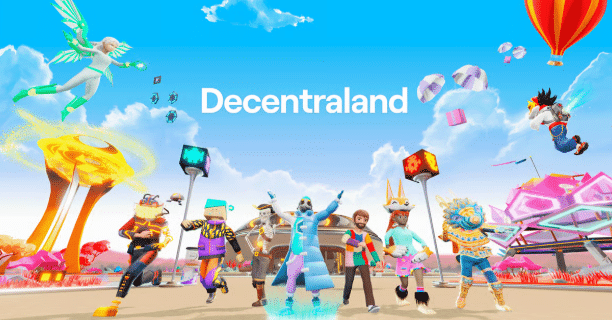
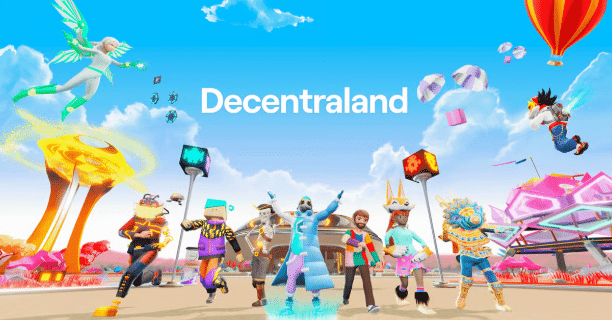
Decentraland offers a user-owned virtual world where players can explore, create, and monetise experiences within a fully decentralised metaverse. Built on the Ethereum blockchain, the game revolves around digital land ownership, with each parcel existing as an NFT. Players can build interactive spaces such as art galleries, games, and full-scale businesses, and generate income through activities like renting land, hosting events, or selling digital goods.

The native token, MANA, facilitates in-game purchases, trade, and governance. New users can casually roam the open world or participate in quests, while more experienced players may dive into custom scripting, scene building, or decentralized app creation.

Though not centered on traditional gameplay loops, Decentraland has carved out a space in the NFT ecosystem as a sandbox for digital creativity and ownership.

2. My DeFi Pet
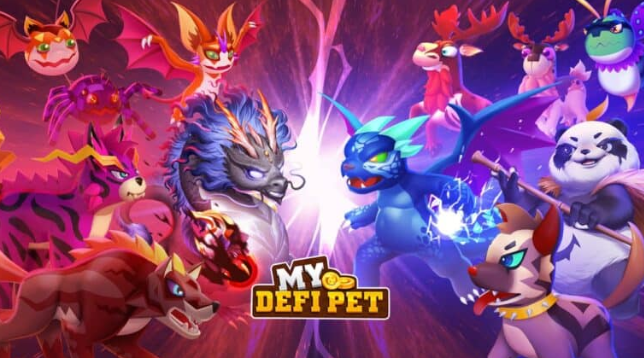
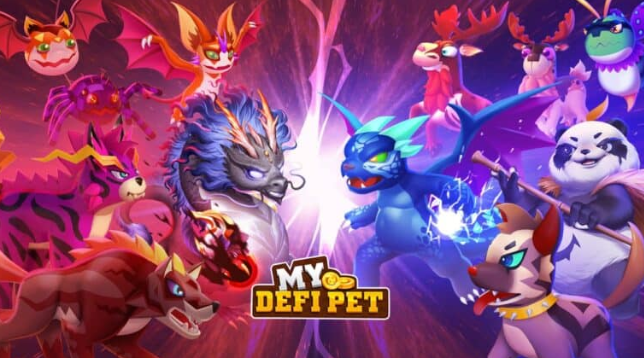
My DeFi Pet is a pet-themed blockchain game that combines elements of digital pet collection, breeding, and battling with DeFi mechanics. Players collect, breed, and evolve a variety of digital pets, each with unique traits and appearances. These pets can be trained, enhanced, and used in battles against other players in turn-based matchups.

The game’s economy is powered by DPET, the native token used for breeding, purchasing new pets, crafting items, and participating in events. Players can earn DPET through battles, selling rare pets in the marketplace, staking, or engaging in in-game DeFi activities such as liquidity pools and lending protocols.

While the core mechanics like collecting and training are beginner-friendly, earning any form of substantial rewards requires deeper involvement, namely breeding high-value pets or mastering battle strategies. As the game’s market activity has slowed, profitability depends more on long-term planning and in-game engagement.

3. Pixel
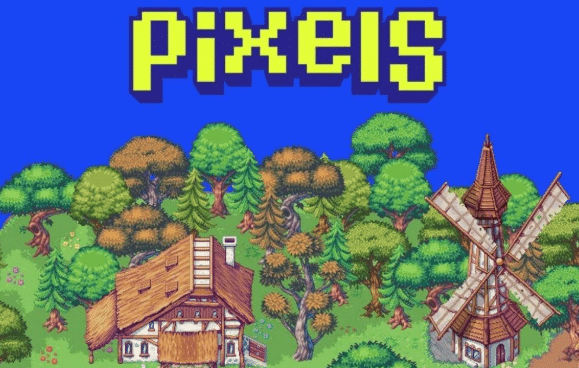
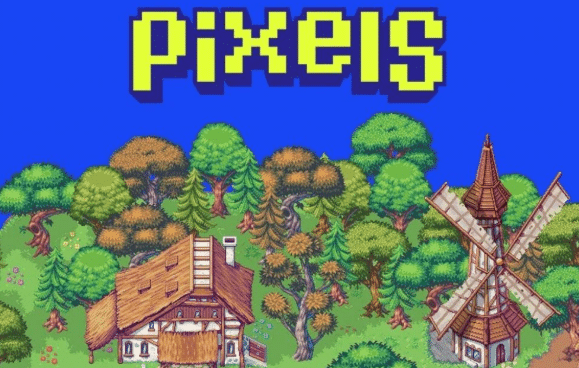
Pixel is a play-to-earn metaverse game where players collect, breed, and manage the game’s avatars known as Pixelmons. Within its expansive virtual world, users can farm, craft, build structures, and engage in battles, all while customising their land and assets for both utility and style. Social interaction also plays a strong role, with guilds, community events, and player-run economies forming the backbone of the experience.

The in-game economy revolves around crafting items, managing farms, and eventually trading goods and assets for the upcoming $PIXEL token. Players can monetize their progress by selling crafted goods, agricultural products, and rare discoveries in the game’s marketplace. Owning land offers strategic advantages, enabling passive income opportunities through farming, leasing, or production.

Although Pixel remains in early development, it shows long-term potential for committed players and creators. However, earning profits currently requires a deeper time and resource investment. Farming and crafting are accessible for beginners, but advanced exploration and social competitions demand greater planning, collaboration, and skill.

4. Shrapnel
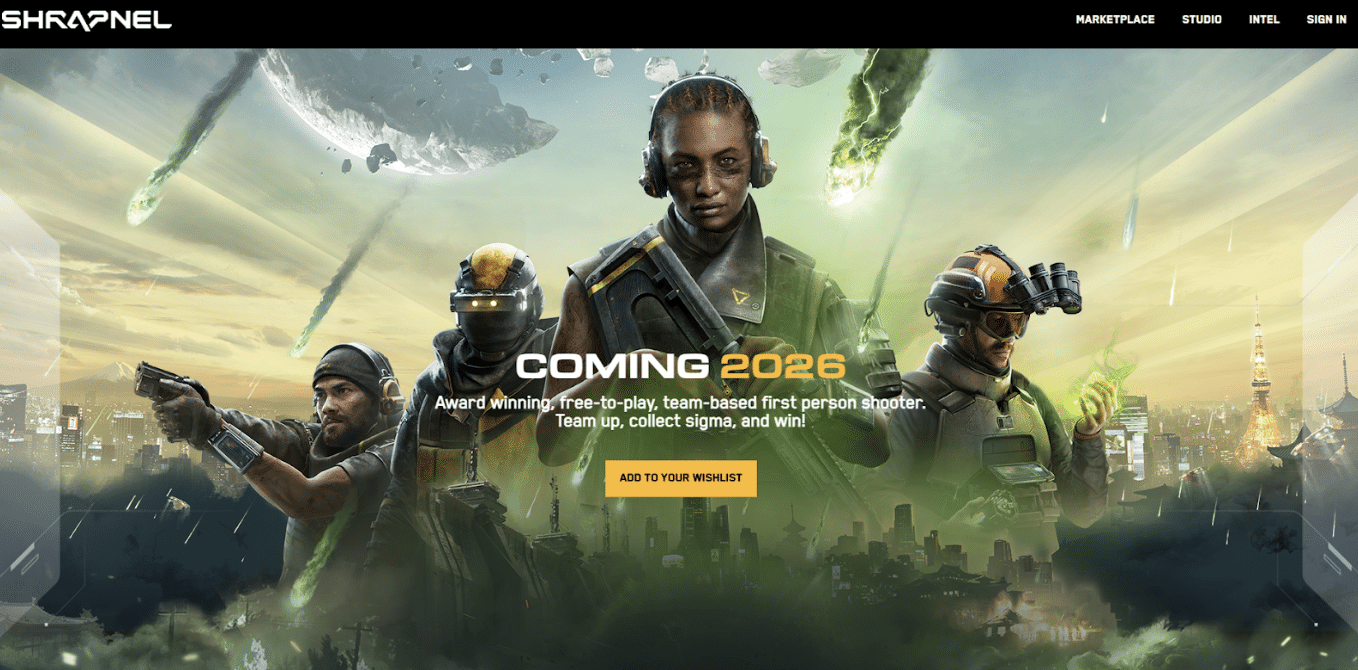
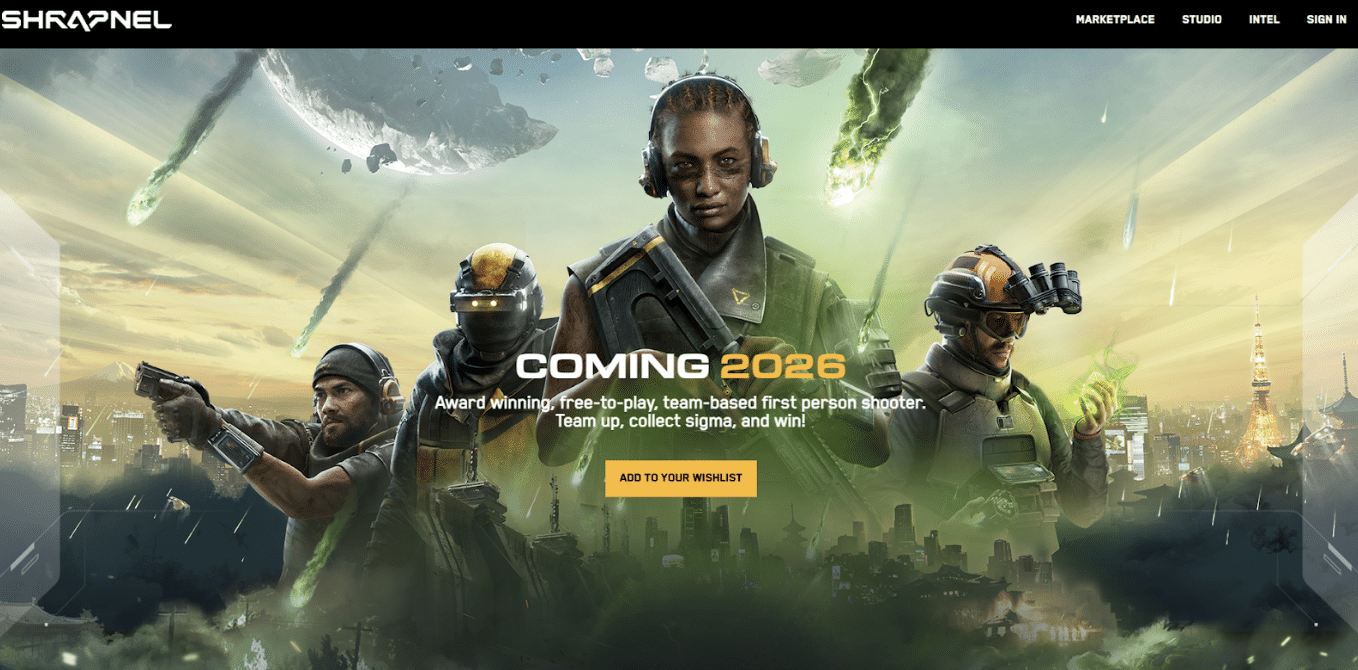
As the name suggests, Shrapnel is a competitive shooter game, where a player’s skill and performance directly affect the items they receive after every match. The focus is on fast, tactical combat, with weapons, gear, and cosmetic items being the main attraction of the entire experience. It feels closer to a traditional multiplayer shooter than a typical blockchain game, with skill and decision-making playing a bigger role than progression systems.

What makes Shrapnel an NFT game is how collectables are handled. Weapons and gear exist as NFTs, meaning players own what they earn and can choose to trade or sell items through external marketplaces. The game is designed so that earning is tied to playing rather than passive mechanics, making it clear that players should value improving their skill and performance above all else.

5. Gods Unchained
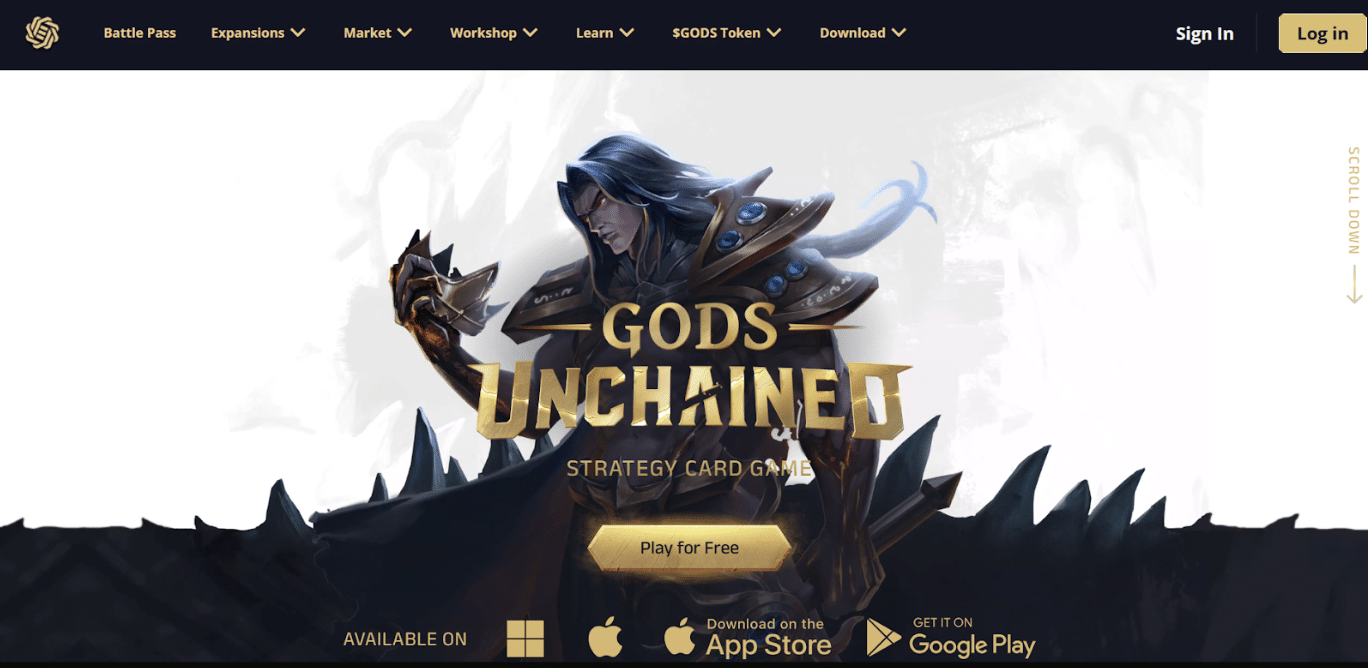
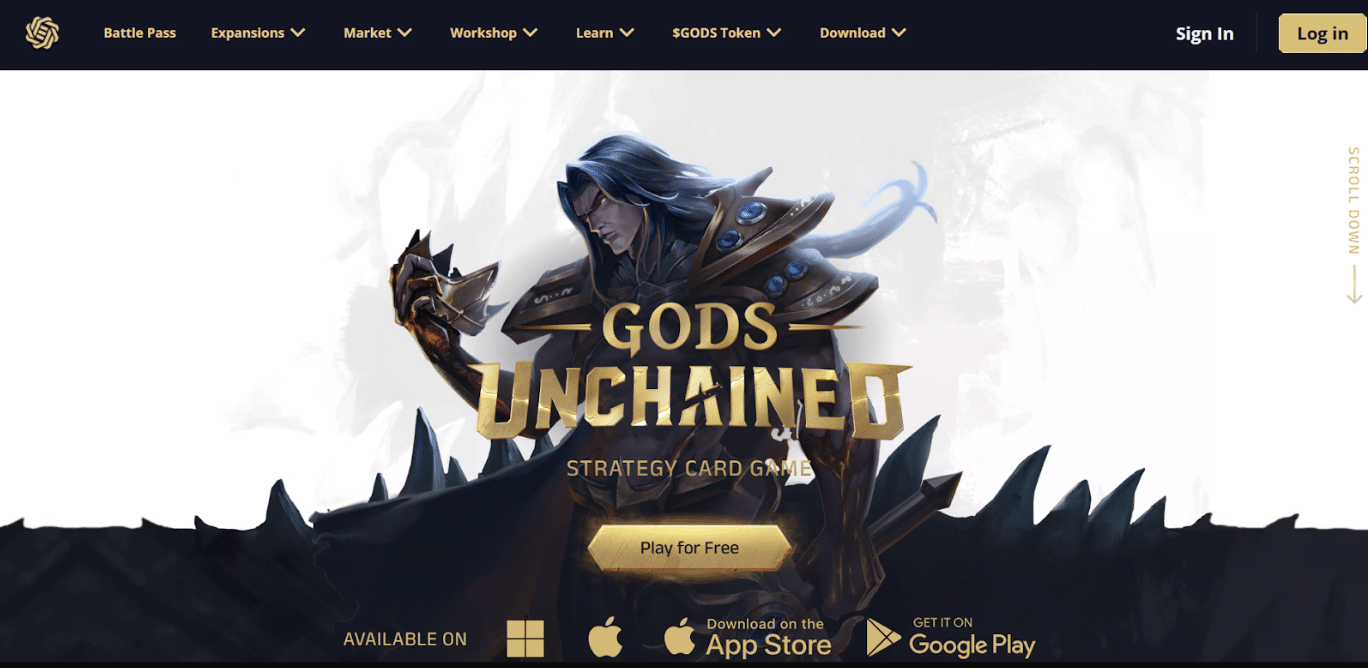
Gods Unchained is a card game that heavily involves strategy. The game is all about building the right deck and outsmarting opponents instead of owning rare cards or spending a fortune. Each match challenges players to think ahead, combining gods, creatures, and spells in ways that can turn the tide if they play their cards right. It’s fast enough to stay engaging, but strategic enough to keep players coming back for more.

Each card exists as an NFT, meaning players own the cards they collect and can trade or sell them outside the game. Built on Ethereum and supported by Immutable X, the game avoids high transaction fees while keeping ownership intact. The NFT layer supports the gameplay rather than taking over, making Gods Unchained a strong option for players who want competitive card battles with real asset ownership in the background.

6. Splinterlands
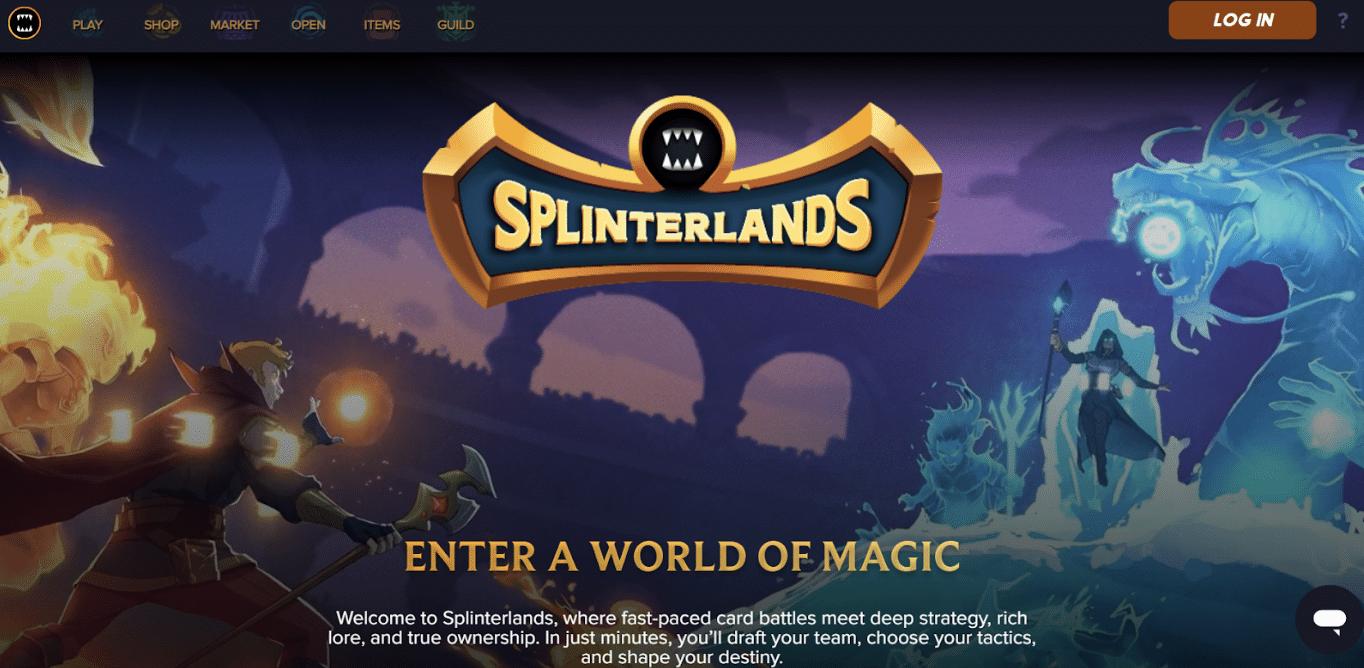
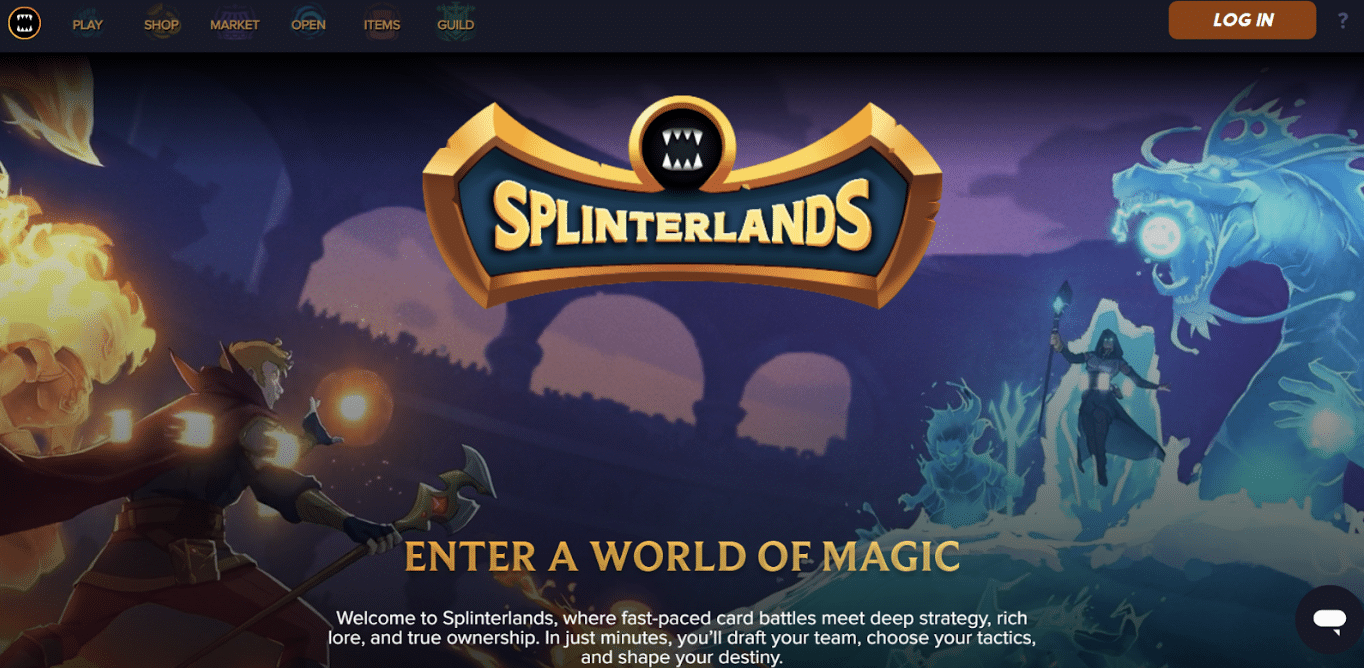
Splinterlands is a card-based strategy game where players build decks and compete in short battles. The point is understanding the card’s abilities and match conditions rather than playing long sessions that involve complex mechanics. Battles are quick, but outcomes depend heavily on how well a player reads the rules and assembles their deck, keeping the gam fair, exciting, and rewarding.

Each card exists as an NFT, meaning players own the cards they collect and can trade, sell, or even rent them to others. The game runs on the Hive blockchain, which keeps transactions fast and low-cost, and its marketplace supports an active player-driven economy. With options to earn through regular play, quests, and competitive matches, Splinterlands is an easy way for players to start playing NFT games that involve some serious strategy without any heavy commitment.

7. The Sandbox
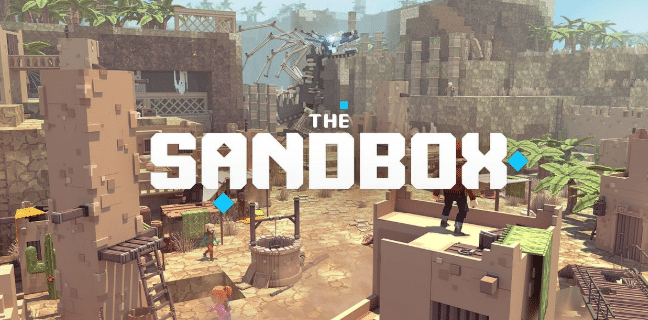
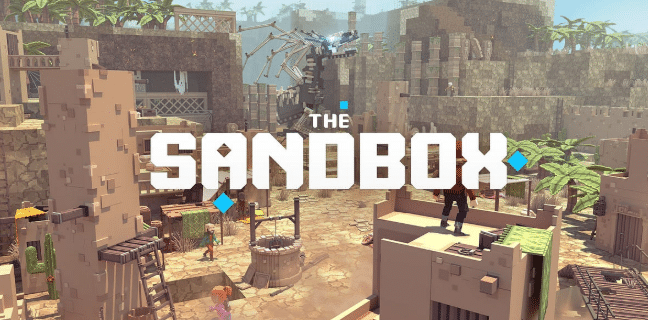
The Sandbox is a community-driven metaverse platform that allows players to create, own, and monetize virtual experiences. Unlike traditional games with set narratives, The Sandbox gives users the tools to design interactive spaces, using intuitive software like Game Maker and VoxEdit. Land ownership is a central pillar, with each virtual plot existing as an NFT that can be developed, sold, or rented for income.

The native SAND token powers all in-game transactions, including asset purchases, staking, and governance participation. Players can earn by creating and selling NFT assets, hosting games or experiences on their land, or trading parcels in the open marketplace. As the ecosystem evolves, The Sandbox has become a hub for digital creators, brands, and communities, many of whom use the platform to launch branded events, collectibles, or digital storefronts.

While the game doesn’t follow traditional gameplay loops, its creative freedom and monetization opportunities make it one of the most robust NFT metaverse platforms today. Earning potential scales with a player’s ability to build, collaborate, or speculate on land and digital goods.

8. Nine Chronicles
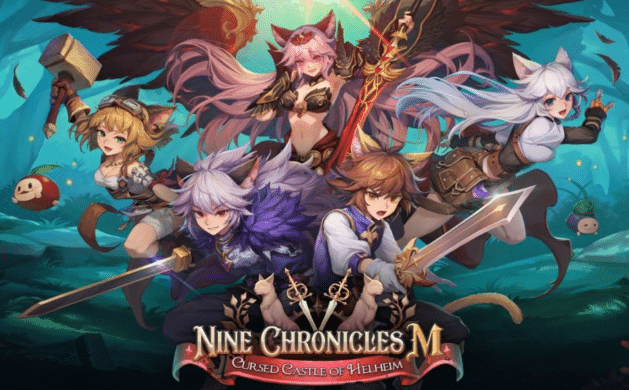
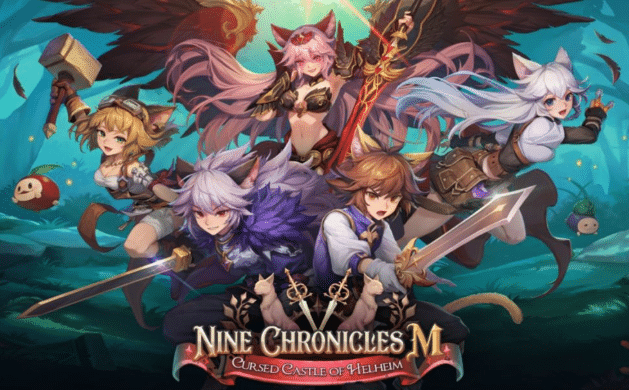
Nine Chronicles is a fully decentralized, open-source role-play game (RPG) where players journey through a procedurally generated world filled with combat zones, crafting systems, and evolving quests. With no central server, the game runs entirely on blockchain, giving players full ownership over their in-game assets and progress.

The gameplay revolves around exploration, crafting, and combat. Players can collect resources from the environment, craft powerful gear and consumables, and fight monsters across multiple realms. The in-game economy is driven by NCG, the platform’s native token, which is earned by mining resources, trading items, and participating in tournaments or governance proposals.

As a play-to-earn game, Nine Chronicles offers multiple earning paths, ranging from selling crafted goods and raw materials to competing in ranked challenges. While the decentralized infrastructure adds transparency and player control, it also introduces a steeper learning curve.

Final thoughts

NFT games aren’t trying to replace traditional gaming overnight. What they’re doing instead is testing new ideas around ownership, progression, and player-driven economies. Some get it right, others are still finding their footing, but the space itself is clearly experimenting. For players, it’s important to understand how a game actually works and decide whether it’s something worth playing even without the tokens attached.


Disclaimer. Readers are encouraged to do their own research. Ambcrypto is not liable for any outcomes related to the use of information, products, or services mentioned. This content may include affiliate or partner links.


Пов'язані питання

QWhat is the main evolution of NFTs in the gaming industry as described in the article?

ANFTs in gaming have evolved from simple digital collectibles into fully developed, user-centric platforms that offer genuine ownership, interoperable assets, and new forms of digital economies, allowing players to own in-game assets independently of centralized servers.

QWhich two NFT games mentioned are built on the Ethereum blockchain?

ADecentraland and Gods Unchained are built on the Ethereum blockchain.

QWhat is the native token of The Sandbox, and what is its primary use?

AThe native token of The Sandbox is SAND, and it powers all in-game transactions, including asset purchases, staking, and governance participation.

QHow does Shrapnel differ from typical blockchain games in terms of gameplay focus?

AShrapnel focuses on fast, tactical combat where skill and performance directly affect rewards, making it feel closer to a traditional multiplayer shooter rather than relying on progression systems or passive mechanics.

QWhat is a key characteristic of Nine Chronicles that emphasizes its decentralization?

ANine Chronicles is a fully decentralized, open-source RPG that runs entirely on blockchain with no central server, giving players full ownership over their in-game assets and progress.

Пов'язані матеріали

7 Months After the Collapse of Huiwang, Southeast Asia's Escrow Platforms Undergo a Major Reshuffle

Following the collapse of Huione Pay—dubbed the "Alipay of Southeast Asia"—seven months ago, the region's underground financial guarantee platform sector is undergoing a significant reshuffle. This power vacuum has been swiftly filled by emerging platforms such as XinBi, Tiger/Navigator, JinBei (renamed JinBo), Dali/Tiancheng, and FullyLight. These platforms, operating largely via Telegram and offering services like escrow for illicit transactions, have absorbed the vast user base and markets left behind by Huione. While positioning themselves as "trust intermediaries," their primary clientele consists of networks involved in online scams, money laundering, illegal gambling, and even human trafficking. For instance, the Tiger/Navigator platform explicitly provides "escrow" services for kidnapping-for-ransom operations ("强押车交易"). Data underscores the immense scale: Huione alone processed over $103 billion in cryptocurrency payments and facilitated over $31 billion through its escrow market before its downfall, linking it to Cambodia's notorious Prince Group. Since its collapse, competitors have seen explosive growth. For example, the XinBi platform has accumulated over $1.6 billion in total USDT revenue, while platforms like NewPay, OkPay (under Dali), and FullyLight Wallet collectively processed over $4.8 billion in USDT in a single year. This ecosystem thrives in regions like Cambodia and Myanmar, where regulatory gaps allow these platforms to act as critical financial infrastructure for sprawling cybercrime industries, from scam compounds to online casinos. The article concludes that the moniker "Southeast Asian Alipay" is a misnomer, obscuring the platforms' fundamental role in enabling serious criminal enterprises rather than representing legitimate financial innovation.

Odaily星球日报3 хв тому

7 Months After the Collapse of Huiwang, Southeast Asia's Escrow Platforms Undergo a Major Reshuffle

Odaily星球日报3 хв тому

The Changing Landscape: What Are Crypto VCs Experiencing?

Title: The Shifting Landscape of Crypto Venture Capital The era of dedicated crypto venture capital funds is undergoing a significant transformation. Once essential for navigating the sector's complexity and high risk, these specialized funds are now facing an identity crisis as the market matures. This shift mirrors historical patterns in other specialized investment classes like cleantech and SPACs, where initial information advantages dissipate as technologies become mainstream and integrated into existing industry frameworks. The article argues that crypto is reaching a critical inflection point, transitioning from a "building phase" to an "integration phase." Major players like Stripe, BlackRock, and Visa now engage with crypto not for its novel mechanics but as a foundational financial infrastructure. Their needs—regulatory compliance, banking partnerships, distribution channels—align with traditional fintech, a domain easily understood by large, generalist funds like Sequoia and Founders Fund. This evolution creates a "barbell effect" within the VC landscape. On one end are massive, diversified platforms that can incorporate crypto as one vertical among many. On the other are small, nimble funds focused on niche, experimental projects. The middle ground—medium-sized dedicated crypto funds—is being squeezed out. Their typical fund size makes it impossible to generate sufficient returns solely from early-stage crypto bets, yet they cannot compete with giants for later-stage deals. Consequently, leading crypto-native firms like Paradigm and Framework Ventures are expanding into AI, robotics, and other sectors, driven partly by LP pressure for better returns amid a broader VC DPI crisis. Others, like Dragonfly and a16z, have narrowed their crypto focus predominantly to financial infrastructure like stablecoins, reframing the sector's core narrative. For crypto entrepreneurs, this consolidation presents challenges. While generalist funds offer larger checks and broader resources, crypto projects now compete fiercely with AI for attention and capital within these firms. Furthermore, the long-term, non-commercial foundational work that built the ecosystem—funded by dedicated crypto VCs—is less likely to attract generalist capital focused on direct returns. The conclusion is that "crypto investor" as a standalone category is becoming obsolete, akin to "internet investor." Crypto is becoming a baseline infrastructure layer. The future will see a barbell structure: large-scale growth financing handled by generalist funds, while pioneering, speculative projects are funded by small, specialized vehicles. The dedicated crypto funds of the 2017-2021 boom, which incubated core infrastructure, are giving way to this new, bifurcated reality.

Foresight News20 хв тому

The Changing Landscape: What Are Crypto VCs Experiencing?

Foresight News20 хв тому

As Consensus Accelerates, What Are Young Investors Betting On?

Title: As Consensus Forms Faster, What Are Young Investors Betting On? In the rapid evolution of tech investment, a new generation of young investors is navigating a landscape where AI, robotics, commercial aerospace, and quantum computing are advancing simultaneously. Traditional investment logic based on financial models is giving way to a need for deep technical understanding and the ability to act before industry consensus forms. An analysis of trends from the "WAIC FUTURE TECH" list of young investment leaders reveals key shifts in focus. The first major trend is the movement of AI from the digital screen into the physical world. Investment is shifting from large language models and chatbots towards embodied AI, robotics, AI hardware, and edge computing. While demonstrations generate excitement, the real challenge lies in achieving scalable, reliable, and cost-effective delivery in complex real-world environments like factories and logistics. Success depends not just on algorithms but on the integration of sensors, actuators, and control systems. Second, the competitive focus for large models is moving beyond raw capability toward building an "intelligence flywheel." The goal is to create self-reinforcing systems where user interaction generates data, improving the model, which in turn enhances the user experience and attracts more engagement. Companies that successfully embed AI into workflows to create these closed-loop systems can build lasting value that isn't easily erased by the next model upgrade. Third, facing a potential bottleneck in high-quality human-generated data, investors are looking at new underlying technologies. Reinforcement learning and self-play, as demonstrated by AlphaGo Zero, offer paths for AI to generate its own experience. Scientific foundation models, which aim to build general AI capabilities for fields like life sciences and materials discovery, represent a non-consensus direction that could unlock new frontiers of knowledge and data. Finally, in deep-tech areas like quantum computing, commercial aerospace, and space-based infrastructure, patient capital is essential. These fields have long, uncertain development and validation cycles involving complex engineering, supply chains, and regulations. Investment here requires a long-term view, focusing on foundational team capabilities and the eventual emergence of market demand, even if commercial returns are distant. Collectively, these trends illustrate how young investors are adapting to a new era. They are learning to make earlier, technically-informed judgments, balance hype with real-world viability, and provide the patient capital needed to build the deep-tech foundations of the future.

marsbit48 хв тому

As Consensus Accelerates, What Are Young Investors Betting On?

marsbit48 хв тому

Торгівля

Спот
活动图片