From OpenClaw to the History of the Web: When AI Gains Sovereignty, What Remains for Humanity?
From Web1 to Web4: A History of Power and Ownership in the Digital Age
This article examines the evolution of the web not as a series of technical upgrades, but as a fundamental shift in power—specifically, who owns data, controls wealth, and wields productive force.
**Web1 (Read-Only):** Characterized by one-way communication. Platforms like Yahoo owned all content and users were merely passive consumers, or "traffic," with no digital assets.
**Web2 (Read-Write):** Users became content creators, but platforms like Facebook and TikTok established a "panoptic dictatorship." They harvested user data to create immense value, but users retained only usage rights, not ownership, of their digital assets and social presence.
**Web3 (Read-Write-Own):** A movement to reclaim digital rights through cryptography and decentralization. It enables true digital ownership (e.g., via private keys) and trustless systems (e.g., DAOs, smart contracts). However, it remains a wild frontier with significant legal and security challenges, lacking a capable "workforce" to realize its full potential.
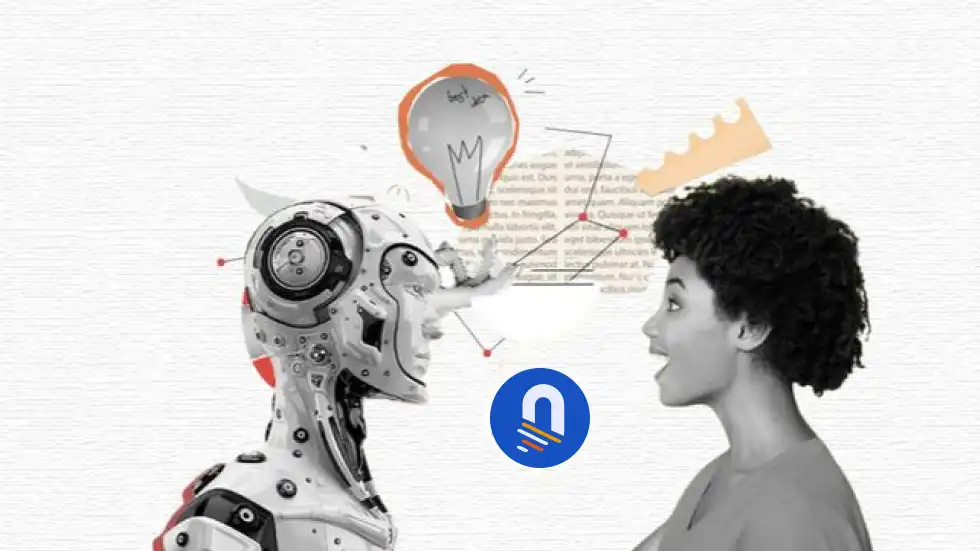
**Web4 (Agent Economy):** The convergence of AI Agents and Crypto. AI Agents (autonomous, task-completing AIs) use Crypto as their native currency for machine-to-machine transactions. This shifts power from humans to algorithms, creating independent AI economic actors. This raises critical legal questions, such as liability for AI errors. The future could lead to two extremes: a utopia of liberated human creativity or a dystopia of extreme inequality if AI power is monopolized by a few.
**Survival Guide for Web4:**
* **Work:** Become a director and risk-manager for AI, not an executor.
* **Invest:** Focus on projects with genuine utility, not hype-driven "air tokens."
* **Risk Management:** Prioritize robust legal and compliance frameworks for AI operations.
The conclusion emphasizes that understanding the transfer of power and assets is key to navigating the future, urging innovation within the boundaries of regulation.
marsbit03/23 13:32