# Пов'язані статті щодо Knowledge Gap

Центр новин HTX надає останні статті та поглиблений аналіз на тему "Knowledge Gap", що охоплює ринкові тренди, оновлення проєктів, технологічні розробки та регуляторну політику в криптоіндустрії.

Only 67 of Top 1000 Crypto Projects Have Wikipedia Pages, ChatGPT's 'Understanding' of Crypto Industry Being Distorted

A study by crypto communications firm Chainstory reveals a significant information gap: only 67 of the top 1,000 cryptocurrencies by market capitalization have a Wikipedia page, representing less than 7% coverage. This includes major projects like the $15 billion Hyperliquid and the $5 billion Sui. The coverage rate declines sharply from 80% for the top 10 assets to near zero for those ranked 1,001 to 10,000. This gap is critical because Wikipedia is the single most cited source for AI models like ChatGPT, accounting for approximately 7.8% of all its citations. Consequently, AI tools have a systemic blind spot and lack authoritative, foundational information for the vast majority of crypto projects, often leading to factual errors when discussing them. The low coverage stems from Wikipedia's strict notability guidelines for cryptocurrencies, which deem crypto-native media outlets like CoinDesk and Cointelegraph as "generally unreliable." Instead, Wikipedia requires coverage from mainstream financial publications like Reuters or Bloomberg, which rarely report on many niche crypto sectors. This creates a catch-22 where the media covering the industry aren't trusted, and the trusted media don't cover it. The cumbersome Wikipedia article creation and review process, where projects have no right to appeal deletions, further exacerbates the problem.

marsbit07/15 05:20

Only 67 of Top 1000 Crypto Projects Have Wikipedia Pages, ChatGPT's 'Understanding' of Crypto Industry Being Distorted

marsbit07/15 05:20

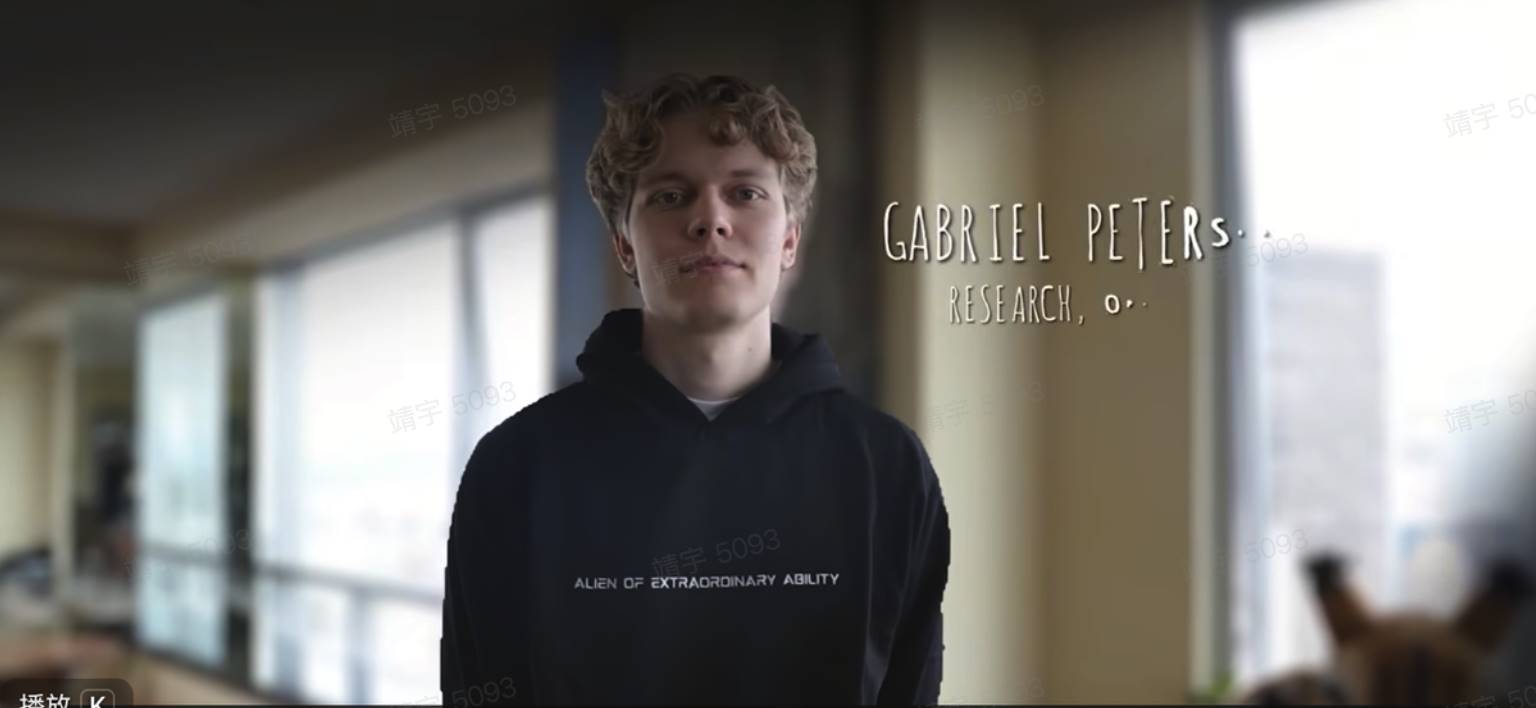
I Dropped Out of High School, Learned with AI, and Made a Comeback as an OpenAI Researcher

The article tells the story of Gabriel Petersson, who dropped out of high school in Sweden and eventually became a research scientist at OpenAI working on the Sora video project. He achieved this through a self-directed, AI-powered learning method he calls "recursive knowledge filling." Instead of following a traditional "bottom-up" educational path, he starts with a concrete project and uses AI to deeply understand each component through relentless questioning. He treats AI not as a tool to generate answers, but as an infinitely patient tutor. For example, to learn about diffusion models, he began by asking an AI for the core concepts, then had it generate code. He then interrogated every part of that code, asking "why" and "how" until he built an intuitive understanding from the top down. This method allows him to rapidly acquire the essence of a subject in days rather than years. The author contrasts this with how most people use AI, which often leads to a decline in their own critical thinking and skills, as evidenced by research. The key difference is mindset: using AI as a "co-pilot for thinking" rather than an "answer generator." The article concludes with a five-step framework for applying this method to learn any subject and suggests that this approach could lead to a future of more "one-person companies" where individuals use AI to master multiple disciplines. The core advice is to never stop at the first answer—to keep asking questions.

深潮12/17 02:20

I Dropped Out of High School, Learned with AI, and Made a Comeback as an OpenAI Researcher

深潮12/17 02:20

活动图片