# Пов'язані статті щодо Era

Центр новин HTX надає останні статті та поглиблений аналіз на тему "Era", що охоплює ринкові тренди, оновлення проєктів, технологічні розробки та регуляторну політику в криптоіндустрії.

AI Era, Industrial Revolution, and Future Civilization Interview — Zhang Dingwen: The Future Does Not Belong to Chasers

"AI Era, Industrial Revolution and Future Civilization: An Interview with Zhang Dingwen – The Future Does Not Belong to Those Who Chase" In this interview, entrepreneur Zhang Dingwen reflects on his entrepreneurial journey and philosophy, moving beyond discussions of financing or success to emphasize understanding the "era" itself. He argues that true entrepreneurs should not chase short-term trends ("winds"), but position themselves in the direction of long-term technological and societal evolution. Zhang shares key lessons from his early days, including the realization that user value does not automatically translate to commercial value. For him, the core of entrepreneurship is not building a company but constantly upgrading one's own "cognition" – the ability to interpret information, ask the right questions, and understand the underlying "causes" behind business outcomes, not just the effects. His thinking has evolved from a focus on creating good products to a strategic focus on building "entrances" – platforms that naturally connect users to digital services. He sees smart wearables, like watches, not merely as hardware but as potential future gateways combining technological, financial, social, and even fashion attributes to create sustained user relationships and ecosystems. Ultimately, Zhang's vision transcends individual products or companies. He discusses business competition in three stages: product, platform, and finally, "civilization" – where the greatest companies influence how society operates by defining new rules and ways of life. He believes the mission of a truly great enterprise is to solve problems of its time, build enduring trust, and contribute lasting value, leaving behind not just wealth but a positive impact on how the world works. The future, he concludes, belongs not to the fastest, but to those with the correct long-term direction and a commitment to continuous learning and evolution.

marsbit07/21 08:29

AI Era, Industrial Revolution, and Future Civilization Interview — Zhang Dingwen: The Future Does Not Belong to Chasers

marsbit07/21 08:29

But Bin's Latest Speech: Do Not Miss Out on a Great Era

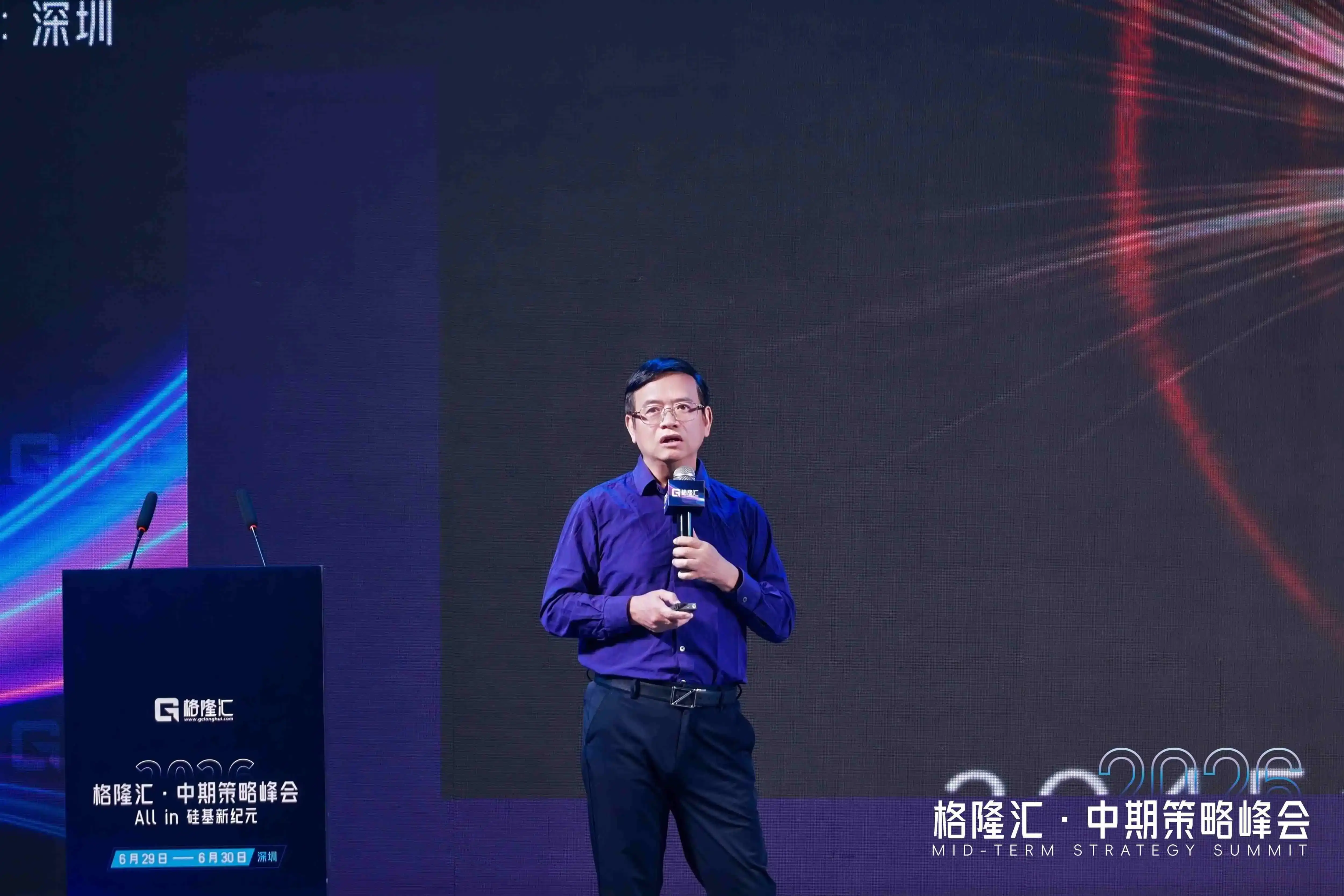
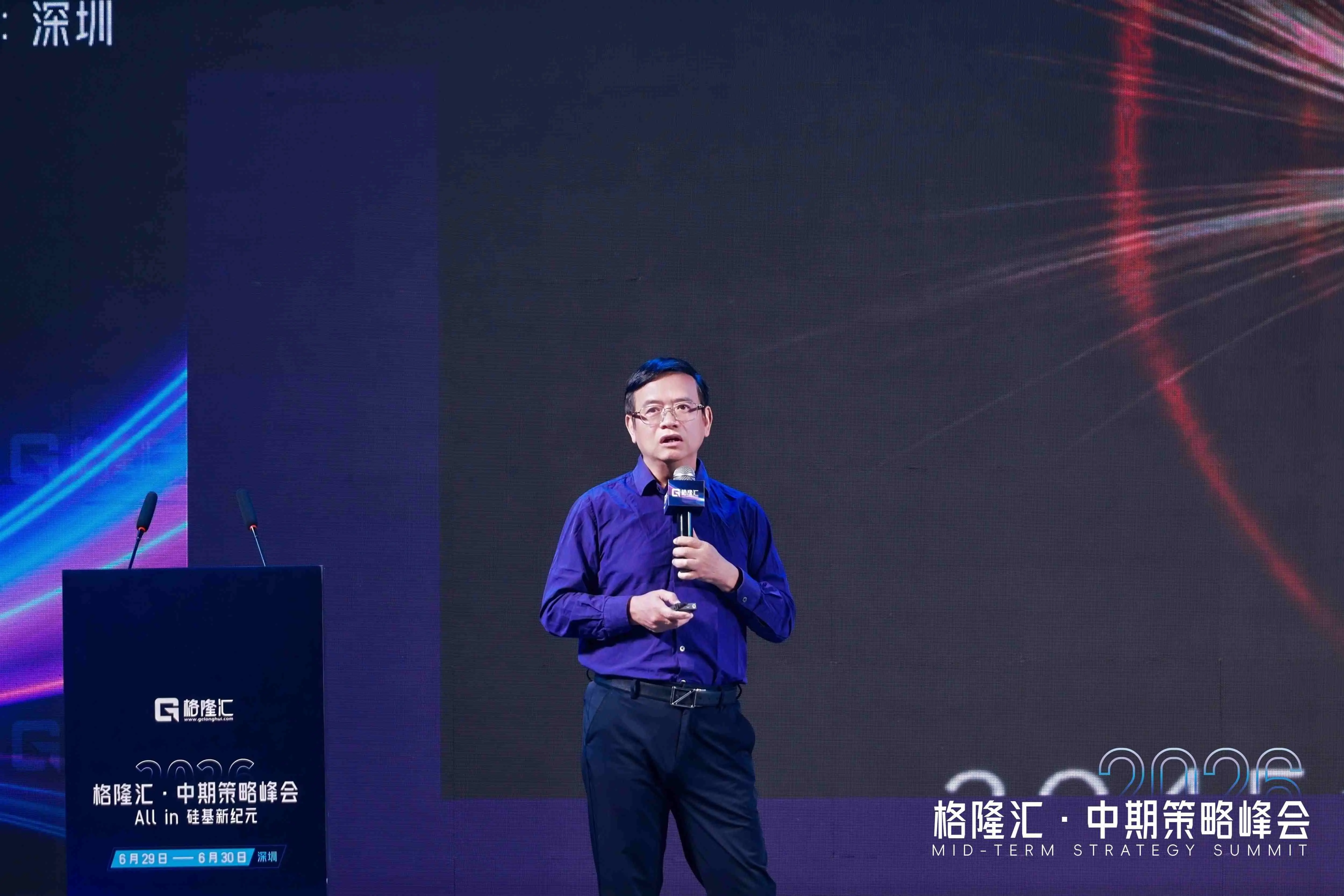
Dan Bin's Latest Speech: Don't Miss a Great Era On June 29th, Dan Bin, Chairman of Dongfang Harbor (东方港湾), delivered a keynote speech titled "Don't Miss a Great Era" at the "2026—All in the Silicon-based New Epoch" Mid-Year Strategy Summit. Addressing concerns about an AI bubble, Dan Bin argued from an industrial cycle perspective that "the risk of missing an era may be greater than worrying about short-term bubbles." He views humanity as standing at the dawn of the AI era, which could be more disruptive than the electronics, internet, and mobile internet eras. He posits that the AI wave is unlikely to end in just three or four years. Using the internet era's decade-long rhythm as a reference point—with ChatGPT's late 2022 launch as the starting line—a key risk assessment window may only arrive around 2033. Dan Bin emphasized that technological progress is the primary driver of long-term capital market growth, while factors like trade wars or interest rate hikes are secondary. Expanding to a civilizational scale, Dan Bin presented a thought experiment on silicon-based life potentially supplementing or succeeding carbon-based life as a direction for extending Earth's civilization, especially over cosmic timescales spanning billions of years. On geopolitics, he noted that AI is already rewriting warfare rules, as seen in conflicts like Ukraine, and that neither the U.S. nor China can afford to lose the AI race, with each leveraging different strengths. Reflecting on investment lessons, Dan Bin cited Warren Buffett's and Charlie Munger's admitted "regrets" about missing major tech opportunities like Microsoft, underscoring the need for continuous cognitive evolution. His firm, Dongfang Harbor, is deepening its research in foundational AI areas like computing power and storage. Dan Bin concluded by urging investors to maintain a long-term perspective, embrace the epochal shift, and rationally hold onto the opportunities presented by this transformative age. He closed with a poetic reminder: "The tide never turns back... Born in this time is a great fortune in itself. Don't let hesitation trap your steps, nor short-sightedness waste the years—do not miss this magnificent era that belongs to us."

marsbit07/02 15:16

But Bin's Latest Speech: Do Not Miss Out on a Great Era

marsbit07/02 15:16

Latest Speech by Dan Bin: Do Not Miss Out on a Great Era

Dan Bin, Chairman of Dongfang Harbor, delivered a keynote speech titled "Don't Miss a Great Era" at the Glonghui "2026—All in Silicon-Based New纪元" Mid-Year Strategy Summit on June 29th. Addressing concerns about an AI bubble, he argued from an industrial cycle perspective that the risk of missing an entire epoch far outweighs the risk of short-term泡沫. He positioned humanity at the dawn of the AI era, which he views as potentially more disruptive than the electronic, internet, and mobile internet eras. Dan Bin suggested the AI wave is unlikely to end in just three to four years. Drawing a parallel to the internet era's decade-long cycle starting from the 1994 Netscape IPO, he indicated that with ChatGPT's late-2022 launch as a marker, a key risk assessment point might not arrive until around 2033. He emphasized that technological progress is the primary driver of long-term capital market growth, with factors like trade wars and interest rates being secondary. Expanding his perspective to a civilizational scale, Dan Bin presented a thought experiment on silicon-based life potentially replacing carbon-based life as a direction for延续 Earth's civilization, especially given cosmic timescales and interstellar travel challenges. He noted AI's必然 weaponization, citing examples from the Russia-Ukraine war, and stated that neither the U.S. nor China can afford to lose the AI race, with each having distinct competitive advantages. Reflecting on investment lessons, he mentioned Warren Buffett's recent moves into tech like Google and查理·芒格's expressed regret about missing Microsoft's massive growth, underscoring the need for continuous认知迭代. Dan Bin concluded by urging investors to maintain a long-term perspective, focus on core technological trends, and rationally embrace the opportunities of this transformative era, so as not to辜负 this "great时代" defined by波澜壮阔 change.

链捕手07/02 15:11

Latest Speech by Dan Bin: Do Not Miss Out on a Great Era

链捕手07/02 15:11

In the AI Era, What's Left for Bitcoin?

As Bitcoin falls below $60,000, the author reflects on the relationship between AI and Bitcoin, seeing them as two sides of the same coin. In the AI era, the cost of generating content has plummeted, making fake text, images, and videos increasingly easy and cheap to produce. This has led to a fundamental shift: while AI dramatically lowers the cost of information production, it also undermines trust and authenticity online. What becomes truly valuable is not more content, but the ability to verify what is real—"verifiability." This perspective offers a new lens for Bitcoin. Its massive energy consumption, often criticized as wasteful, is reinterpreted. While AI burns energy to enhance "capability" and efficiency, Bitcoin burns energy to produce "verifiability." Its purpose is not to be trusted but to enable a system where no trust in intermediaries—banks, platforms, or developers—is needed. Every transaction and the entire ledger's history is secured by cryptography and a decentralized network of nodes, making it independently verifiable. AI cannot forge a transaction on the Bitcoin network because the system is designed for proof, not generation. The author draws a historical parallel to the Renaissance: the printing press drastically reduced the cost of copying knowledge, while double-entry bookkeeping reduced the cost of trust in commerce. Today, AI is the new printing press, reducing content creation costs to near zero. Blockchain, and Bitcoin as its pioneer, may be the modern equivalent of double-entry bookkeeping—a foundational technology for verifying digital asset ownership and historical records without centralized authorities. Thus, AI and blockchain are not competitors. AI lowers the cost of creation; blockchain lowers the cost of verification. In an age where AI can generate anything, true scarcity may lie not in more content, but in independently verifiable facts. Whether the market will reprice Bitcoin accordingly remains uncertain, but its core value proposition as a "machine for producing verifiability" becomes strikingly relevant.

marsbit06/30 15:57

In the AI Era, What's Left for Bitcoin?

marsbit06/30 15:57

Cook's Curtain Call and Ternus Takes the Helm: The Disruption and Reboot of Apple's 4 Trillion Dollar Empire

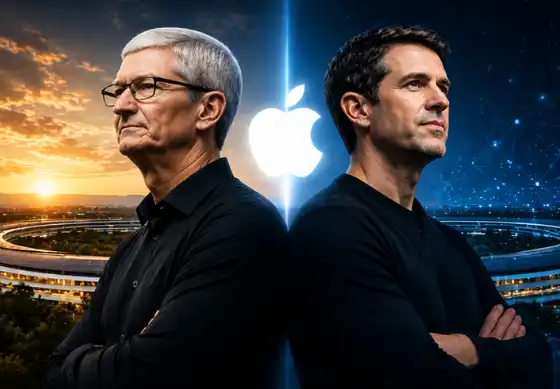
Tim Cook has officially announced he will step down as CEO of Apple in September, transitioning to executive chairman after a 15-year tenure during which he grew the company’s market value from around $350 billion to nearly $4 trillion. He will be succeeded by John Ternus, a 50-year-old hardware engineering veteran who has been groomed for the role through increasing public visibility and internal responsibility. Ternus’s appointment signals a strategic shift toward hardware and engineering leadership, with Johny Srouji—head of Apple Silicon—taking on an expanded role as Chief Hardware Officer. This consolidation aims to strengthen Apple’s core technological capabilities. However, Cook’s departure highlights a significant unresolved issue: Apple’s delayed and fragmented approach to artificial intelligence. Despite early efforts, such as hiring John Giannandrea from Google in 2018, Apple’s AI initiatives—particularly around Siri—have struggled with internal restructuring and reliance on external partnerships, including with Google. The transition comes at a critical moment as Apple faces paradigm shifts with the rise of artificial general intelligence (ASI). The company’s closed ecosystem of hardware, software, and services—once a major advantage—now presents challenges in adapting to an AI-centric world where intelligence may matter more than the device itself. Ternus must quickly articulate a clear AI strategy, possibly starting at WWDC, to reassure markets and redefine Apple’s role in a new technological era. His task is not only to maintain Apple’s operational excellence but also to reinvigorate its capacity to innovate and lead in the age of AI.

marsbit04/22 00:08

Cook's Curtain Call and Ternus Takes the Helm: The Disruption and Reboot of Apple's 4 Trillion Dollar Empire

marsbit04/22 00:08

活动图片