# Пов'язані статті щодо De-dollarization

Центр новин HTX надає останні статті та поглиблений аналіз на тему "De-dollarization", що охоплює ринкові тренди, оновлення проєктів, технологічні розробки та регуляторну політику в криптоіндустрії.
Iran's Impact on the Dollar: The Perfect Storm of Petrodollars

The report analyzes the profound impact of the Iran conflict on the petrodollar system, the cornerstone of dollar hegemony since 1974. It argues that the system, where global oil purchases in dollars lead to surplus recycling into U.S. Treasuries, is under unprecedented strain from three layers of pressure: pre-existing structural cracks, new shocks from the conflict, and the long-term threat of energy transition. Key structural cracks include the U.S. no longer being the primary buyer of Middle Eastern oil due to its shale revolution, Saudi Arabia's push for defense autonomy, the development of alternative payment infrastructure like Project mBridge, and sanctions driving de-dollarization. The conflict itself is damaging U.S. security credibility, shifting control of the Strait of Hormuz, and potentially forcing a shift to yuan-for-oil arrangements. The analysis details five complex mechanisms linking oil prices and U.S. Treasury yields, which can push in opposite directions. Crucially, the old logic is failing: oil producers, damaged by conflict, may become net sellers of U.S. debt to fund reconstruction, just as U.S. fiscal deficits and debt supply surge. While short-term buffers exist, like U.S. energy independence, the long-term trend points towards a world with less dollar dominance. The core conclusion is that a world focused on defense and energy self-sufficiency will inherently hold fewer dollar reserves, signaling a slow but structural decline in the petrodollar system.

marsbit04/13 10:01

Iran's Impact on the Dollar: The Perfect Storm of Petrodollars

marsbit04/13 10:01

Non-Dollar Stablecoins Are Winning the Wrong Battle

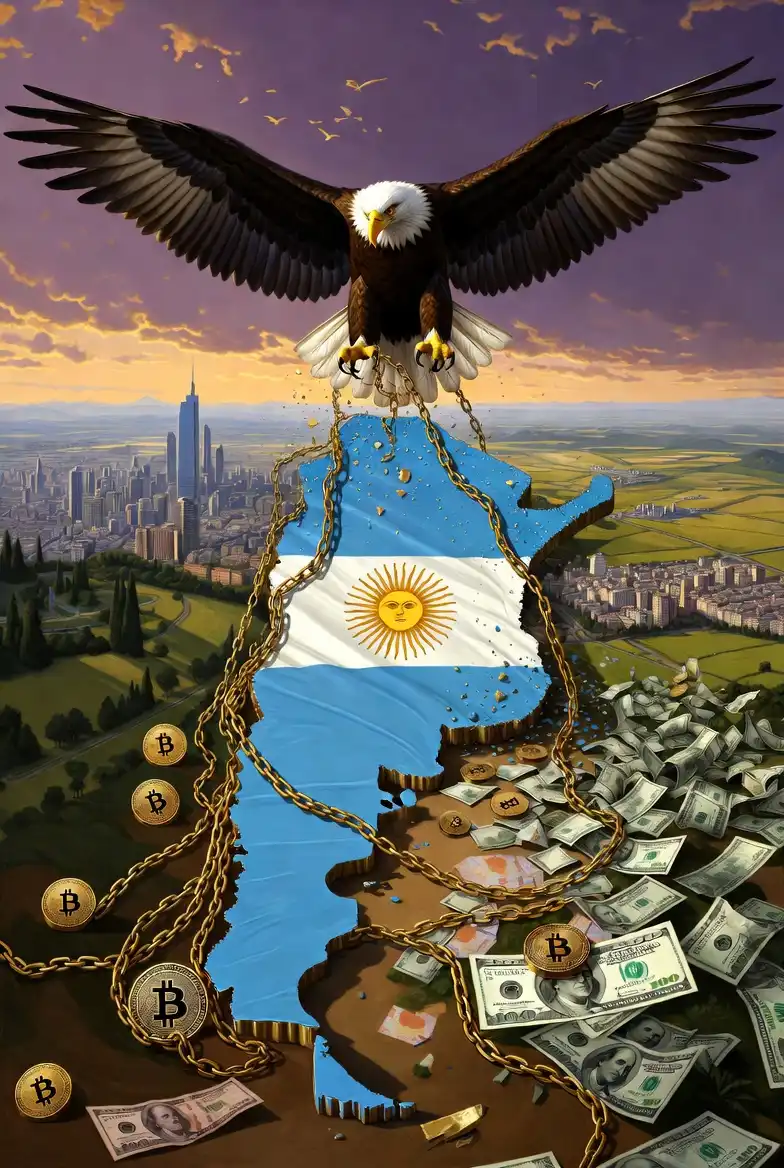
The article argues that non-USD stablecoins (euros, local currencies) create a misleading impression of challenging dollar dominance by merely changing the currency label, without altering the underlying monetary power structure. True monetary sovereignty is analyzed through three layers: 1. **Pricing Layer (most visible):** The currency unit used for pricing. Non-USD stablecoins win here, but this is a superficial, low-cost change—like changing a shop's sign without changing its ownership. 2. **Settlement Layer (most valuable):** The actual infrastructure (banking, payments, compliance, liquidity networks) through which money moves. This "plumbing" is controlled by existing players. Changing the currency flowing through these pipes doesn't change who owns them. 3. **Freeze Layer (most powerful):** The ultimate authority to freeze, blacklist, or halt transactions. This final control often remains with external entities enforcing KYC/AML and sanctions. The case of Argentina's $LIBRA token scandal is used to illustrate that such initiatives are often not genuine innovation but a symptom of a failing local currency. When a national currency loses its pricing power and trust (e.g., due to hyperinflation), external digital credit (like dollar-based or crypto narratives) rushes in to fill the void. The dependency merely shifts from traditional dollar systems to on-chain dollar networks; the underlying power dynamics remain. The conclusion is that non-USD stablecoins are expanding monetary expression but not rewriting monetary power. The real battle isn't about which currency is used for pricing, but about who controls the settlement infrastructure and the ultimate authority to freeze assets. Until that changes, "de-dollarization" remains superficial.

marsbit04/09 00:08

Non-Dollar Stablecoins Are Winning the Wrong Battle

marsbit04/09 00:08

Iran's Path to 'De-Dollarization': When Weapons Begin to Be Settled in Cryptocurrency

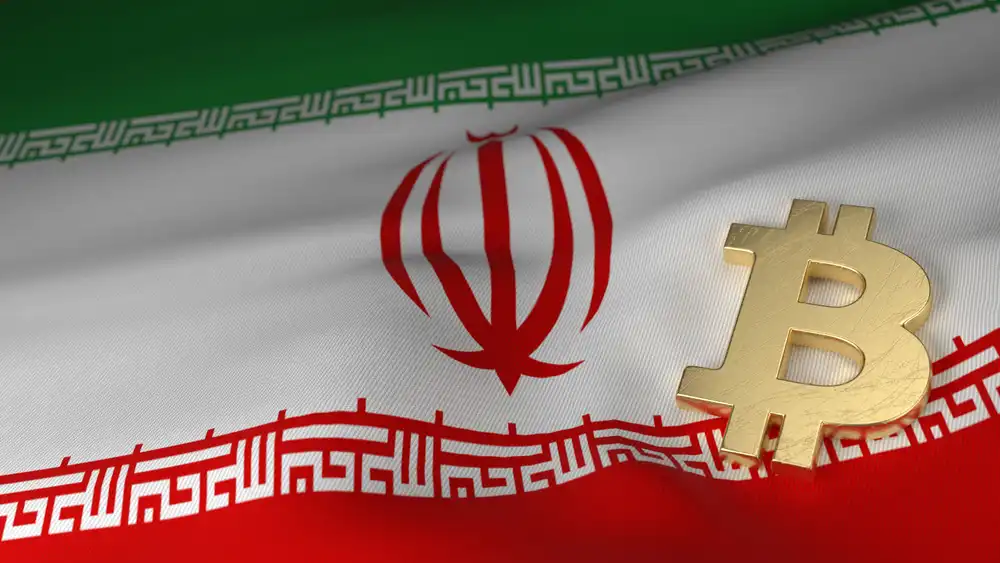
Iran's "De-Dollarization" Path: When Weapons Begin to Be Settled in Cryptocurrency Iran has officially integrated cryptocurrency into its national survival and foreign strategy, as evidenced by its defense export center Mindex accepting crypto, barter, or rial for military contracts as of January 2026. This move highlights crypto’s role as an "anti-sanction financial tool" in one of the most sanctioned and regulated sectors: arms trade. Driven by severe constraints—including a depreciating rial, severed international banking ties, and high-risk energy and weapon export channels—Iran has turned to crypto to meet economic targets. In 2025, parliamentary leaders emphasized that without crypto, Iran could not achieve its goal of a 10% digital economy share. Iran is now the world’s fourth-largest cryptocurrency mining hub, leveraging subsidized electricity. Stablecoins, especially USDT, have also become critical for liquidity—reportedly facilitating around $1.5 billion in transactions linked to entities like the Islamic Revolutionary Guard Corps. During a nationwide internet blackout in January 2026, crypto demonstrated resilience through offline workarounds like satellite networks (Starlink, Blockstream), Bluetooth mesh systems (Bitchat), and SMS-based Bitcoin transfers (Machankura). Iran’s experience reflects a broader trend: nations like Russia and Venezuela are also using crypto to bypass sanctions, transforming it from a financial innovation into a strategic geopolitical tool for value transfer and access to global markets.

marsbit01/17 02:32

Iran's Path to 'De-Dollarization': When Weapons Begin to Be Settled in Cryptocurrency

marsbit01/17 02:32

活动图片