# Пов'язані статті щодо BNPL

Центр новин HTX надає останні статті та поглиблений аналіз на тему "BNPL", що охоплює ринкові тренди, оновлення проєктів, технологічні розробки та регуляторну політику в криптоіндустрії.
Why Hasn't the U.S. Seen the Rise of 'Huabei' or 'Jiebei'?

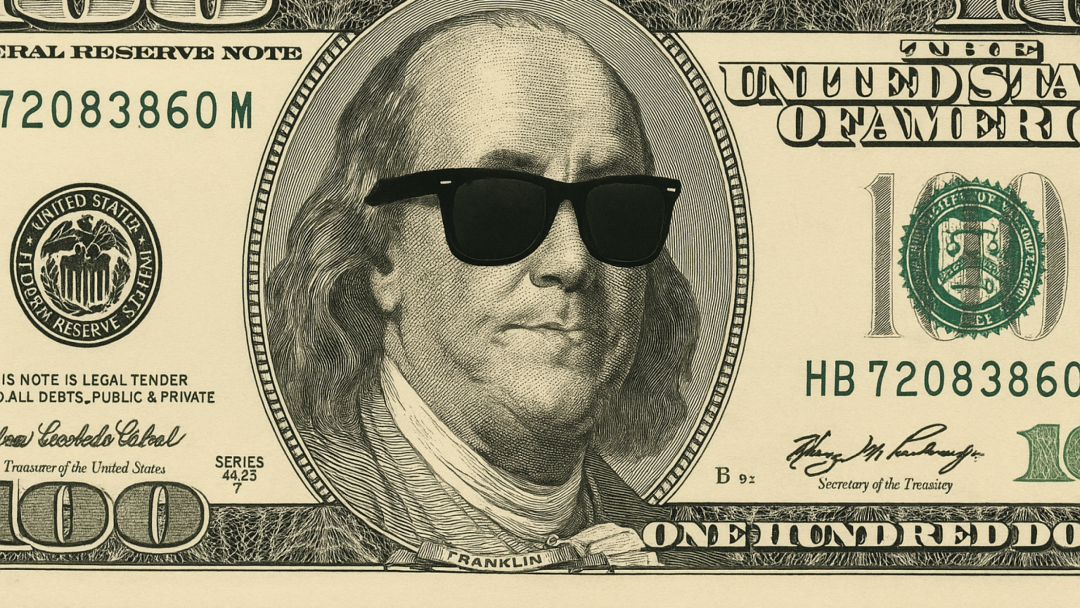
The article explores why the U.S. lacks large-scale consumer credit products like China's "Huabei" and "Jiebei," despite having a developed financial sector. Key reasons include: 1. **Structural Barriers**: A fragmented federal and state regulatory system, reinforced by post-2008 reforms like the Dodd-Frank Act, raises compliance costs and protects traditional banks, stifling fintech innovation. 2. **Credit Card Dominance**: Credit cards, used by 70-80% of adults, form a $1.28 trillion debt market with high APRs (avg. 22.3%). This system cross-subsidizes users who pay in full with those carrying balances, creating a predatory yet entrenched ecosystem. 3. **Data Privacy Laws**: Strict regulations (e.g., FCRA, CCPA) prevent tech giants from leveraging behavioral data for credit scoring, unlike in China where such data fuels fintech models. 4. **Capital Market Disincentives**: Wall Street penalizes tech firms entering finance due to lower valuations associated with heavy regulation and risk, as seen in Apple’s failure with Apple Card. 5. **Banking Oligopoly**: Major banks control consumer lending, leveraging lobbying power and consumer habits to maintain high-cost credit, while alternatives like payday loans (400% APR) or "unbanked" services remain niche or exploitative. Ultimately, regulatory, structural, and corporate interests collectively block the emergence of accessible, low-cost digital lending in the U.S.

Odaily星球日报04/24 04:11

Why Hasn't the U.S. Seen the Rise of 'Huabei' or 'Jiebei'?

Odaily星球日报04/24 04:11

The Payment Empire PayPal Might Be Bought Out

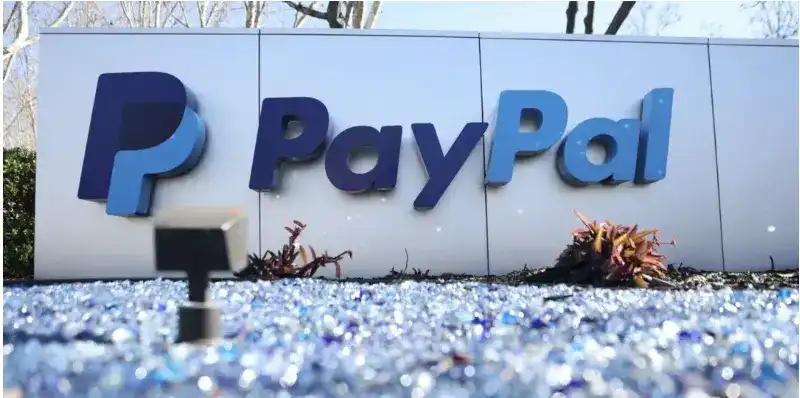
The once-dominant global payment giant PayPal is reportedly facing a potential acquisition, as its market value plummeted from a pandemic peak of $363 billion to a recent low of $38 billion—a nearly 90% drop over five years. Despite its pioneering role in enabling cross-border e-commerce, particularly for Chinese exporters in the mid-2000s, PayPal has struggled to keep pace with newer, more agile competitors like Stripe, Apple Pay, and various neobanks. Recent financial performance has been weak, with active user growth slowing to just 1% and transaction volume declining. The abrupt departure of its CEO and appointment of a new leader from HP—known for cost-cutting rather than product innovation—has fueled market skepticism. Critics, including former executive David Marcus, argue that PayPal lost its "mojo" by shifting from a product-driven to a finance-oriented culture, sacrificing long-term vision for short-term financial optimization. While subsidiary Venmo shows strong revenue growth and has become a verb among U.S. millennials, it faces challenges: user growth is stagnant, it remains confined to the U.S., and it lacks deeper integration like Stripe or the hardware-level ease of Apple Pay. PayPal’s bets on stablecoins (PYUSD) and AI-driven agentic payments are still unproven in highly competitive fields. Despite valuable assets—including Braintree’s infrastructure, a leading BNPL service, and 400 million active accounts—PayPal’s future as an independent company is uncertain. Market confidence now seems higher in a potential acquisition than in its standalone prospects, marking a dramatic fall for a former fintech disruptor.

marsbit02/24 11:44

The Payment Empire PayPal Might Be Bought Out

marsbit02/24 11:44

活动图片