# Пов'язані статті щодо Bias

Центр новин HTX надає останні статті та поглиблений аналіз на тему "Bias", що охоплює ринкові тренди, оновлення проєктів, технологічні розробки та регуляторну політику в криптоіндустрії.

Fired by Google Over a 14-Page Paper, Over 4,000 Rallied for Her. 6 Years Later: She Almost Predicted the Entire AI Era Back Then.

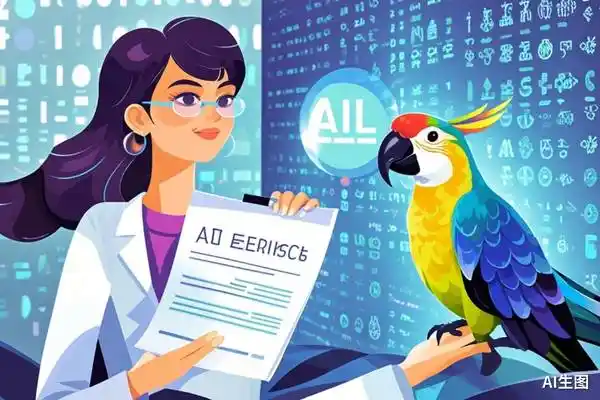
In late 2020, Google AI researcher Timnit Gebru was effectively dismissed following a conflict over a 14-page, unpublished research paper she co-authored titled "On the Dangers of Stochastic Parrots." The paper, which has since been cited over 14,000 times, raised critical early warnings about the risks of large language models (LLMs). It argued that these models, trained on vast, biased internet data, are essentially "stochastic parrots" that mimic language without true understanding, potentially amplifying societal biases, generating plausible but false information (later termed "AI hallucination"), consuming massive energy, and obscuring their training data contents. Gebru's stance led to a clash with Google management, who requested the paper's withdrawal. Her subsequent internal criticism of the company's diversity efforts and handling of the matter culminated in her termination, which sparked protests from over 4,000 Google employees and researchers. Six years later, the paper's predictions have proven remarkably prescient. Issues like AI hallucination, embedded bias (evident in resume screening and healthcare algorithms), soaring energy consumption from AI data centers, unvetted training data containing harmful content, and the risk of "model collapse" from AI-generated internet content have become central industry challenges. The incident also highlighted concerns about AI development being driven primarily by commercial competition within a handful of powerful tech companies, often at the expense of ethical considerations. After leaving Google, Gebru founded the Distributed AI Research Institute (DAIR) to explore these issues independently. The controversy underscores how her early, critical insights into the fundamental limitations and societal impacts of LLMs anticipated many of the most pressing dilemmas in today's AI era.

marsbit06/08 10:30

Fired by Google Over a 14-Page Paper, Over 4,000 Rallied for Her. 6 Years Later: She Almost Predicted the Entire AI Era Back Then.

marsbit06/08 10:30

a16z: AI Makes Everyone 10x More Efficient, But No Company Becomes 10x More Valuable

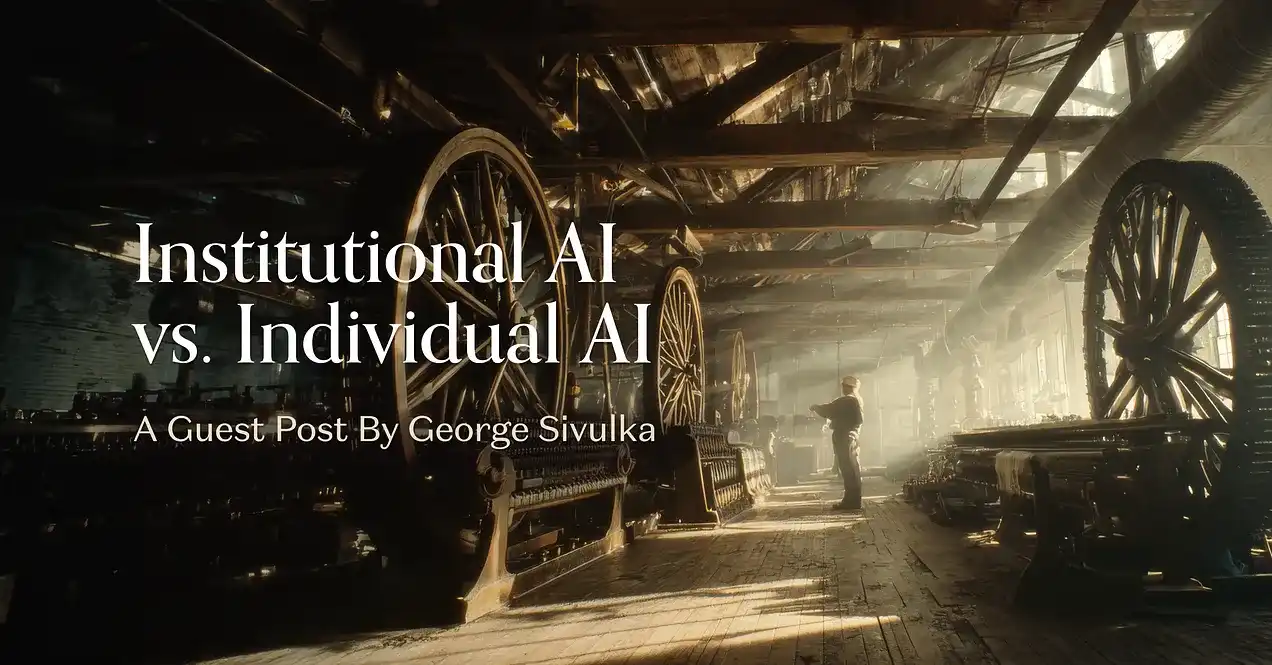
a16z investor George Sivulka argues that while AI has dramatically increased individual productivity by 10x, it hasn’t translated into a 10x increase in company value. The core issue is not the technology itself, but the failure to redesign organizations around it—much like factories in the 1890s initially replaced steam engines with electric motors but didn’t see real gains until they fully redesigned assembly lines decades later. Sivulka distinguishes between “Personal AI” (e.g., ChatGPT) and “Organizational AI,” outlining seven key dimensions where they differ: 1. **Coordination:** Personal AI creates chaos; Organizational AI coordinates teams and agents toward unified goals. 2. **Signal:** Personal AI generates noise and low-quality output; Organizational AI filters noise to find valuable signals. 3. **Bias:** Personal AI reinforces user bias; Organizational AI introduces objectivity and challenges assumptions. 4. **Edge Advantage:** Personal AI optimizes for general usage; Organizational AI leverages domain-specific expertise for competitive advantage. 5. **Outcome:** Personal AI saves time; Organizational AI drives revenue growth. 6. **Enablement:** Personal AI gives a tool; Organizational AI embeds processes and enables organizational change. 7. **Promptless:** Personal AI requires human prompts; Organizational AI acts autonomously without human intervention. True value, Sivulka concludes, will come from rebuilding organizations and processes around AI—not just adopting the technology. The future belongs to companies that build “Organizational AI” systems that integrate deeply with institutional workflows.

marsbit03/13 04:40

a16z: AI Makes Everyone 10x More Efficient, But No Company Becomes 10x More Valuable

marsbit03/13 04:40

活动图片