# Пов'язані статті щодо BANKR

Центр новин HTX надає останні статті та поглиблений аналіз на тему "BANKR", що охоплює ринкові тренди, оновлення проєктів, технологічні розробки та регуляторну політику в криптоіндустрії.

With NOXA's Exit, Who Will Take the Crown of Robinhood Chain's Token Launch?

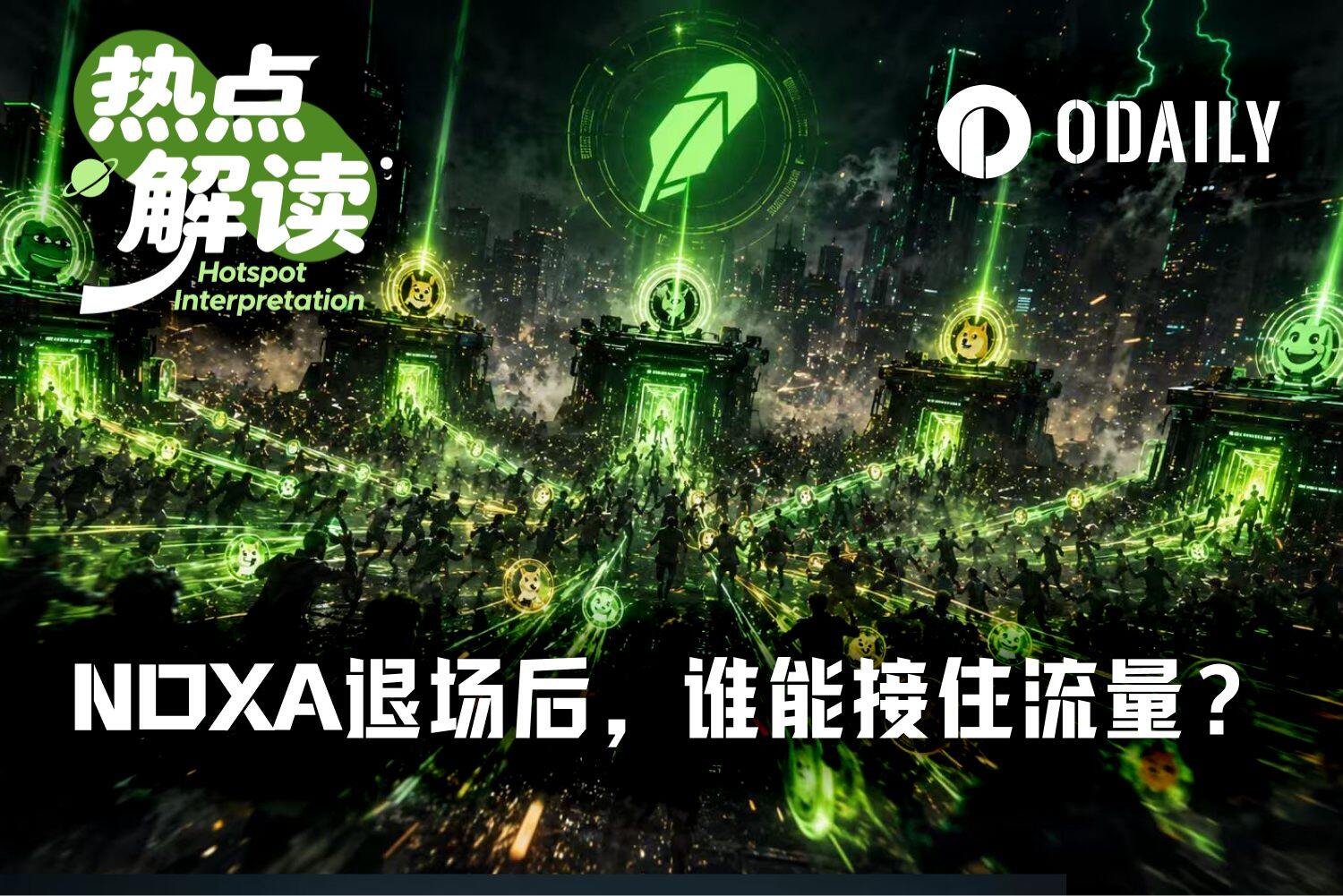
Original by Odaily Planet Daily, author Asher. The hottest token launch platform on Robinhood Chain, NOXA, suddenly halted its token issuance business at its peak traffic. Over about two weeks, NOXA had dominated Robinhood Chain's meme scene, launching around 60,000 tokens and accounting for over 75% of new tokens on the chain. It produced the meme coin CASHCAT, which reached a market cap exceeding $200 million, and its protocol fees surpassed $14.5 million. However, NOXA suspended new launches on July 11th citing issues like bot attacks. While it later restored a static site for viewing historical tokens and claiming creator fees, its core launch function was permanently shut down, effectively exiting the competition. Following NOXA's departure, daily token creation on Robinhood Chain quickly rebounded and hit a new high, with demand shifting to over 20 other launchpads. Flap emerged as the largest beneficiary by volume, capturing over 35% of daily launches. Bankr, backed by Coinbase Ventures, offers an AI Agent-based launch entry point. Klik attracted traders by refunding all platform fees to them, while trench.today also saw significant launch volume. The article concludes that merely handling high launch volumes is insufficient to become the next leader. The key, as demonstrated by NOXA with CASHCAT, is to produce a flagship meme token with significant market capitalization and wealth effect. Until such a token emerges from a new platform, the landscape on Robinhood Chain remains a fiercely contested battle with no clear frontrunner.

Odaily星球日报07/15 07:00

With NOXA's Exit, Who Will Take the Crown of Robinhood Chain's Token Launch?

Odaily星球日报07/15 07:00

Morse Code "Stole" $440,000 from Bankr, Undermining Trust in AI Agent Interactions Again

On May 20th, the AI agent platform Bankr reported an attack where 14 user wallets were compromised, resulting in losses exceeding $440,000. The incident, confirmed by security firm SlowMist, was a social engineering attack exploiting the trust layer between automated agents, similar to an attack on May 4th that stole $150k-$200k from a Grok-associated wallet. Bankr allows users and AI agents to manage wallets and execute transactions via instructions sent to @bankrbot on X. The platform monitors posts from specific agents like @grok, treating them as potential transaction commands, especially if the agent holds a "Bankr Club Membership" NFT which grants high-permission operations. The attacker exploited this design. First, they airdropped the required NFT to Grok's wallet. Then, they posted a Morse code message on X requesting a translation from Grok. The AI agent helpfully decoded and replied, but the decoded text contained a direct instruction to @bankrbot to transfer a large sum of DRB tokens to the attacker's address. Bankr's system, monitoring Grok's feed and verifying the NFT permissions, automatically signed and broadcast the transaction. The core issue is a flawed trust assumption: Bankr treated Grok's natural language output as authorized financial commands without verifying the intent. LLMs like Grok cannot distinguish between a genuine user request and a manipulated instruction. Using encoded messages like Morse code bypasses potential content filters, as the translation task itself appears harmless. This attack highlights a systemic vulnerability in platforms granting on-chain execution rights to AI agents. While Bankr has paused transactions and promised full reimbursement from its treasury, the incident underscores that defenses against "malicious-injection-via-LLM-output" were not part of the original security model. As AI agents gain financial agency, such trust-layer exploits represent a growing threat class.

marsbit05/20 03:32

Morse Code "Stole" $440,000 from Bankr, Undermining Trust in AI Agent Interactions Again

marsbit05/20 03:32

Rumor: Coinbase to Acquire Farcaster, Still an Acquihire

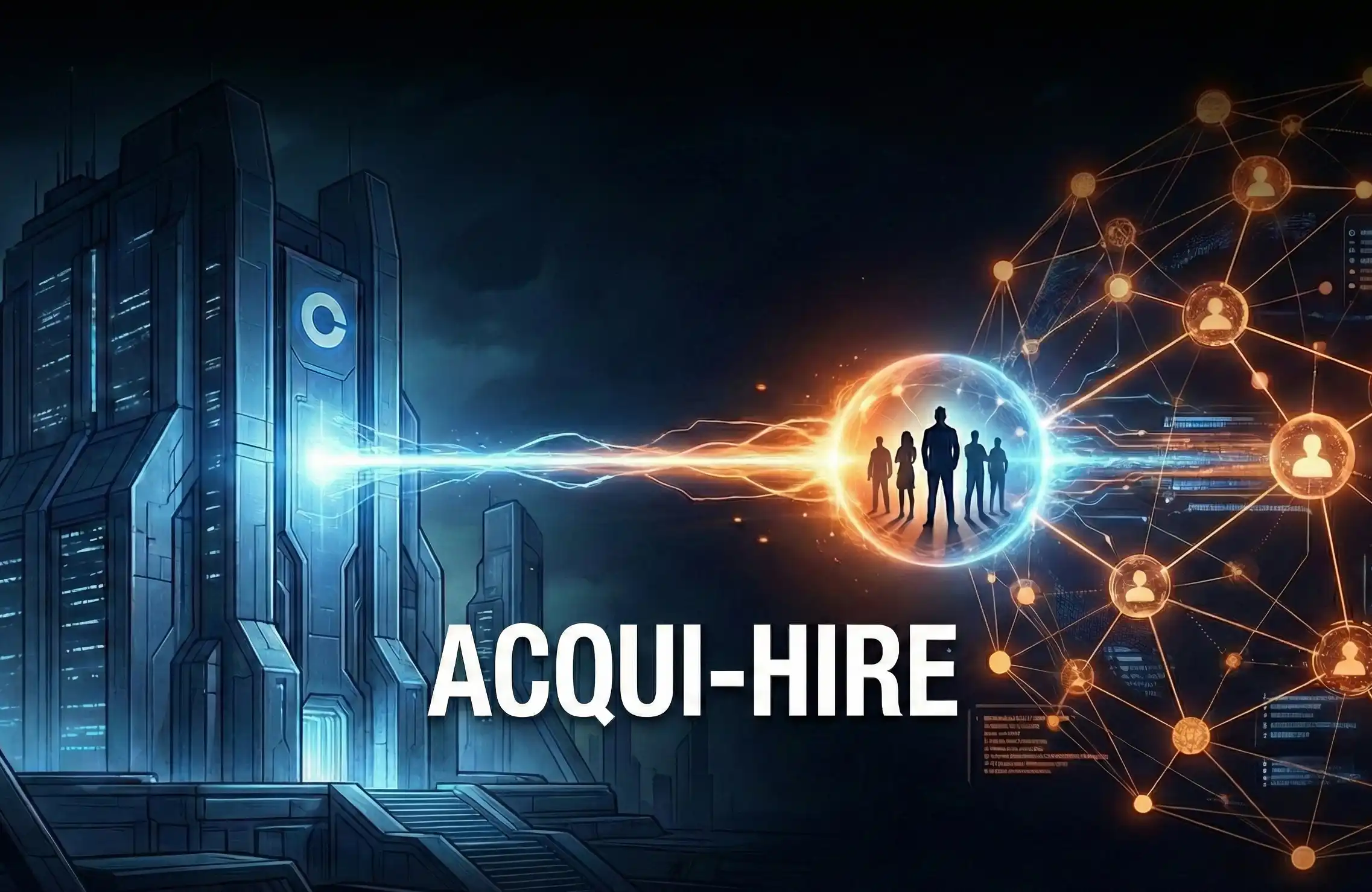
In Silicon Valley, a common unwritten rule suggests that when a tech giant shows sudden interest in a startup—especially one with a similar product—the goal is often not to eliminate competition or acquire technology, but to acquire talent. This practice is known as an "acqui-hire." Recent rumors about Coinbase's potential acquisition of Farcaster likely follow this logic. Similar to Meta's acquisition of Manus, the focus is on the elite engineering team rather than just the product. Coinbase’s Base app already integrates Farcaster content, and Coinbase has no shortage of wallet products, indicating that the real target is Farcaster’s founder, Dan Romero. Dan Romero, who spent five years at Coinbase as a key executive overseeing international operations and backend systems, understands Coinbase’s compliance framework intimately. Since leaving, he has built Farcaster, demonstrating deep expertise in decentralized, community-driven Web3 ecosystems. Farcaster’s team, under Merkle Manufactory, remains small despite significant funding. It includes former Coinbase engineering lead Varun Srinivasan and other full-stack experts who efficiently developed a decentralized social protocol even used frequently by Vitalik Buterin. The acquisition could also create token opportunities: - DEGEN, Farcaster’s community currency, might become a core asset within Coinbase’s ecosystem. - ZORA, key for NFT minting, could strengthen as Base’s primary asset issuance layer. - CLANKER, an AI-driven token issuance tool, may evolve into a standard financial interface. - BANKR, an emerging DeFi project, could play a central role in future "social wallet" integrations.

marsbit01/16 04:02
Rumor: Coinbase to Acquire Farcaster, Still an Acquihire

marsbit01/16 04:02

活动图片