# Пов'язані статті щодо Asia

Центр новин HTX надає останні статті та поглиблений аналіз на тему "Asia", що охоплює ринкові тренди, оновлення проєктів, технологічні розробки та регуляторну політику в криптоіндустрії.

I've Been a VC in Web3 for Nine Years: Asian Funds Are Experiencing "Hell Mode"

After nine years as a Web3 VC, the author observes a severe downturn in Asia's crypto venture capital scene, with many funds disappearing or pivoting away. The market has cooled dramatically since the 2021-2024 frenzy, leading to fewer deals and active investors. IOSG Ventures, a firm that has endured three market cycles, has adapted its strategy: shifting from 80-90% early-stage investments to a 50% early-stage, 30% post-TGE, and 20% OTC portfolio to find better value and liquidity. The current bear market is described as "hell mode" for Asian funds due to scarce LP capital, forcing extreme precision in targeting only top projects. The author argues the core industry problem has been the disconnect between tokens and real value, where tokens served as fundraising tools without granting holders rights to protocol revenue. A positive shift is emerging where projects like Uniswap and Morpho are programmatically binding token value to protocol profits. Investment focus has moved towards fundamentals: real-yield financial infrastructure (stablecoins, lending) and crypto-native AI infrastructure, while avoiding narrative-driven projects. The conclusion is that true, durable companies are born in pessimistic times when focus shifts to real user needs and sustainable business models. The industry's future will be shaped by those who remain after the泡沫 dissipates.

marsbitВчора 03:41

I've Been a VC in Web3 for Nine Years: Asian Funds Are Experiencing "Hell Mode"

marsbitВчора 03:41

IOSG Founder: Please Tell Vitalik the Truth, May the OGs Who Enjoyed the Industry's Dividends Illuminate the Young

**Summary: An Urgent Call for Leadership and Renewal in Web3** In a candid and urgent article, the founder of IOSG Ventures voices deep concerns about the current state and future of the Web3 ecosystem, framing it as a critical turning point. The author's recent experience at a global tech conference highlighted a concerning trend: many former crypto professionals are now rebranding as founders in AI, biotech, and robotics, representing a "great self-rescue" but also a potential exodus. Key problems identified include a broken feedback loop within the ecosystem, a mass departure of developers to AI, and a severe lack of positive societal recognition for Web3, making it difficult for practitioners to take pride in their work. The author expresses worry that Ethereum, despite its foundational role, missed crucial windows for building mainstream applications by over-focusing on technical narratives like ZK and L2 during the last bull market. A significant concern is that **Vitalik Buterin might be living in an information bubble**, shielded from the community's real struggles by those with vested interests, hindering necessary reforms. The piece draws a stark contrast between U.S. and Chinese "OGs" (industry veterans). While many American OGs continue to reinvest their wealth and efforts into building the ecosystem, the author observes that a significant portion of Chinese OGs have cashed out or pivoted to other sectors like AI, leaving the Asian Web3 ecosystem with a severe funding crisis and weakened "blood-making" capacity. The central appeal is a call to action. The author urges **OGs who have benefited from the industry's growth to "light the way" for the next generation** through mentorship, grants, and direct support—not just large investments, but practical help like referrals, mailing list access, or small grants. Buterin is asked to re-engage with the grassroots, break out of his information bubble, and lead the community through this challenging bear market, which is described as the best time to build the next foundational product. For current builders and founders, the advice is to find their "why," build alliances for mutual support, continue learning (including about AI), and maintain personal well-being without letting token prices define self-worth. The author concludes that the industry's survival depends not on any single leader, but on every remaining believer becoming a "lighthouse" to guide others, ensuring the ecosystem has a future worth building for.

链捕手05/22 00:24

IOSG Founder: Please Tell Vitalik the Truth, May the OGs Who Enjoyed the Industry's Dividends Illuminate the Young

链捕手05/22 00:24

Attracting Global Capital, Asia's New 'Super Cycle' Is Unfolding

Investors are turning to Asia as the next frontier for global equity growth, with a new "super cycle" unfolding across the region. Driven by the AI revolution, Asian markets, particularly South Korea, have seen significant rallies. According to Morgan Stanley analysis, the underlying drivers of Asia's industrial cycle are shifting from traditional sectors like real estate and manufacturing to massive investments in AI infrastructure, energy security and transition, and supply chain resilience. Fixed asset investment in Asia is projected to grow from around $11 trillion in 2025 to $16 trillion by 2030, with a 7% annual growth rate from 2026-2030. The AI wave is a primary catalyst, driving immense capital expenditure for chips, servers, data centers, and power systems. Asia is central to this hardware supply chain. In China, AI investment is focused on building a full-system domestic capability, with the local AI chip market potentially reaching $86 billion by 2030. Beyond AI, China's export story is expanding from EVs and batteries to robotics. The country already captures about half of new global industrial robot demand and over 90% of humanoid robot shipments. This growth phase mirrors the early stages of China's EV export boom. Simultaneously, energy security investments, spurred by AI's massive power needs, are rising, with China benefiting from its leadership in solar, batteries, and EVs. Regional defense spending is also increasing structurally, supporting demand for advanced manufacturing. The main beneficiaries are China, South Korea, and Japan, positioned in core supply chain areas. However, risks remain, including potential overcapacity, profit margin pressures from competition, persistent technological restrictions, geopolitical friction, and workforce displacement due to AI-driven automation. Market volatility is also expected to increase as investor expectations diverge on the realization of these capital investment and export themes.

marsbit05/11 04:18
Attracting Global Capital, Asia's New 'Super Cycle' Is Unfolding

marsbit05/11 04:18

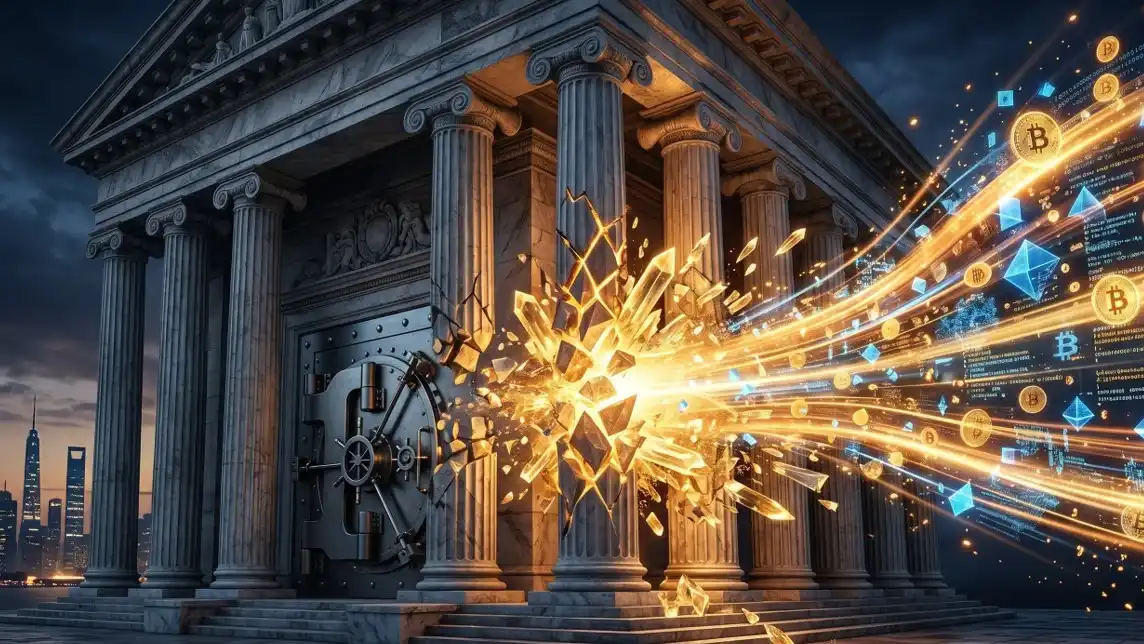
Banking's Breaking Point: Structural Reshaping of Global Bitcoin Adoption from Michael Saylor's Prophecy

Banking's Breaking Point: Structural Reshaping of Global Bitcoin Adoption Through Michael Saylor's Lens In a recent statement, MicroStrategy founder Michael Saylor predicted a wave of imminent adoption announcements regarding Bitcoin from major traditional banks. This forecast is seen as a recognition of the deep, structural shifts occurring within global financial plumbing, rather than mere market hype. The long-standing barriers between crypto and traditional finance are rapidly eroding, propelled initially by the approval of US spot Bitcoin ETFs, which unleashed hundreds of billions in institutional capital. This movement is now spreading globally from North America to Europe, the Middle East, and Asia. In the US, the catalyst is an "assets under management" anxiety. Giants like BlackRock and Fidelity, via their ETFs, have made crypto accessible to traditional brokerage accounts, forcing major banks to build behind-the-scenes infrastructure—as authorized participants, prime brokers, and OTC liquidity providers—or risk losing high-net-worth clients and AUM. Europe's adoption, driven by the clarity of the Markets in Crypto-Assets (MiCA) regulation, focuses on compliance and infrastructure building. Banks like Standard Chartered (with Zodia Custody), BNP Paribas, and Societe Generale are moving into custody, trading, and tokenization, aiming to leverage their established trust and settlement networks for the coming tokenized era. In the Middle East, adoption carries geopolitical and strategic hedging motives. Sovereign wealth funds and local banks in jurisdictions like the UAE are building integrated ecosystems, using Bitcoin as "digital gold" to diversify away from traditional dollar-centric systems amid de-globalization trends. Asia is undergoing a top-down institutional overhaul. Hong Kong approved the region's first spot crypto ETFs, with banks like ZA Bank facilitating fiat rails. Singapore's DBS Bank runs a digital exchange attracting institutional funds, while Japanese giants like SBI Holdings expand through mergers, responding to high retail crypto penetration. Saylor's prediction reflects an irreversible, structural convergence. Global banking's embrace of Bitcoin is being driven by a combination of competitive pressure in the US, regulatory clarity in Europe, sovereign strategy in the Middle East, and institutionalization in Asia, painting a clear picture of widespread, imminent adoption.

marsbit05/08 12:53

Banking's Breaking Point: Structural Reshaping of Global Bitcoin Adoption from Michael Saylor's Prophecy

marsbit05/08 12:53

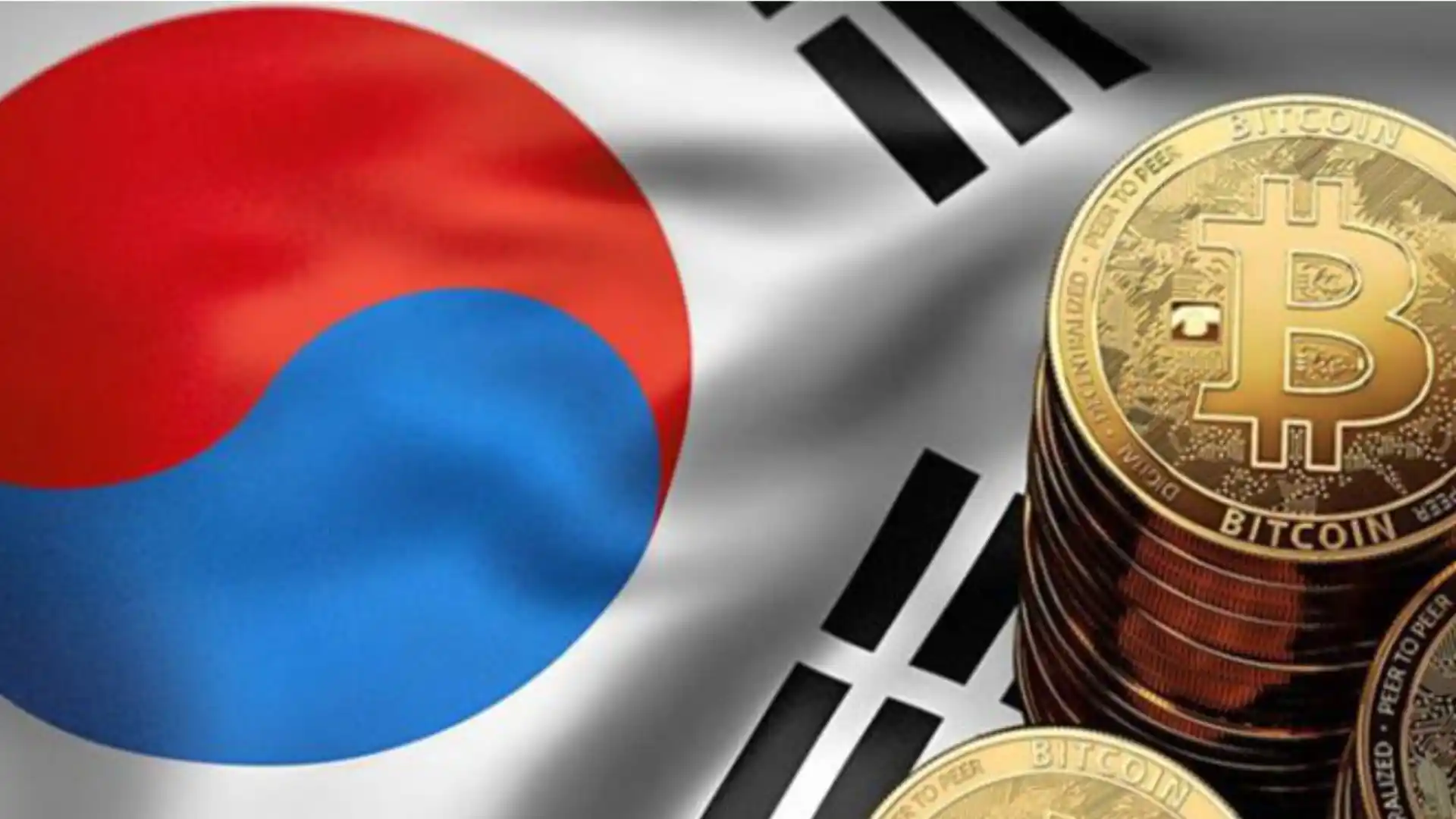
Circle CEO's Seoul Visit: No Korean Won Stablecoin Issuance, But Met All Major Korean Banks

Circle CEO Jeremy Allaire's recent activities in Seoul indicate a strategic shift for the company, moving away from issuing a Korean won-backed stablecoin and instead focusing on embedding itself as a key infrastructure provider within Korea’s financial and crypto ecosystem. Despite Korea accounting for nearly 30% of global crypto trading volume—with a market characterized by high retail participation and altcoin dominance—Circle has chosen not to compete for the role of stablecoin issuer. Instead, Allaire met with major Korean banks (including Shinhan, KB, and Woori), financial groups, leading exchanges (Upbit, Bithumb, Coinone), and tech firms like Kakao. This approach reflects a broader industry transition: the core of stablecoin competition is shifting from issuance rights to systemic positioning. With Korean regulators still debating whether banks or tech companies should issue stablecoins, Circle is avoiding regulatory uncertainty by strengthening its role as a service and technology partner. The company is deepening integration with trading platforms, building connections, and promoting stablecoin infrastructure. This positions Circle to benefit regardless of which entity eventually issues a won stablecoin. Allaire also noted the potential for a Chinese yuan stablecoin in the next 3–5 years, underscoring a regional trend of stablecoins becoming more regulated and integrated with traditional finance. Ultimately, Circle’s strategy highlights that future influence in the stablecoin market will belong not necessarily to the issuers, but to the foundational infrastructure layers that enable cross-system transactions.

marsbit04/23 01:21

Circle CEO's Seoul Visit: No Korean Won Stablecoin Issuance, But Met All Major Korean Banks

marsbit04/23 01:21

活动图片