Supporting Roles and Below May Use AI Actors, Director Yu Zheng Claims Real Performance Cannot Be Replaced by Technology

marsbitОпубліковано о 2026-03-18Востаннє оновлено о 2026-03-18

Анотація

Recent discussions about "replacing supporting and minor roles with AI actors" have sparked heated debates on social platforms, indicating that generative AI technology is now moving beyond special effects and entering the core of character portrayal in film and television production. Prominent screenwriter Yu Zheng has publicly responded, emphasizing the irreplaceable value of real human performance. While AI actors, powered by digital generation technology, are already performing complex actions and creating unique character appearances—particularly in short-form dramas where they significantly reduce costs and shorten production cycles—their limitations are becoming increasingly clear. AI still struggles to convey emotional depth and a sense of humanity, and audiences often find it difficult to form genuine emotional connections with digital characters. This trend reflects an ongoing tension between technology and art in the industry. As Yu Zheng noted, AI may represent a temporary trend that filters out mediocre output, but true creative expression still relies on human thought and emotion. As both digital models and human performances continue to coexist, the industry must confront the challenge of balancing technological efficiency with artistic and emotional authenticity.

Recently, the discussion about "using AI actors for supporting roles and below" has topped the trending list on social platforms, marking that the penetration of generative AI technology into the film and television production process has deeply advanced from special effects assistance to character replacement. Prominent screenwriter Yu Zheng publicly responded to this, emphasizing the irreplaceability of real performances.
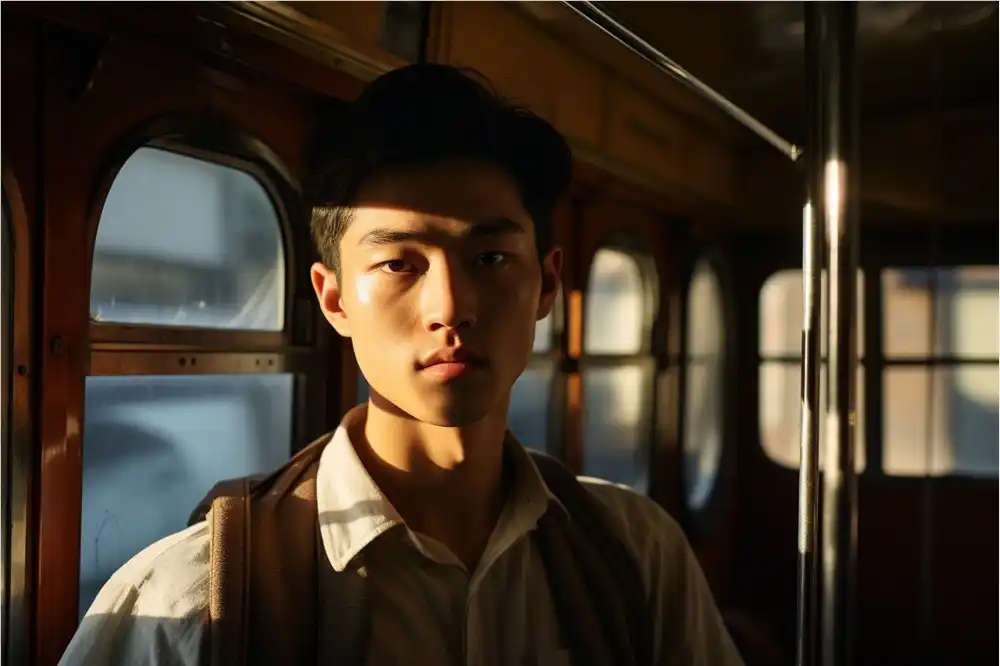
Currently, AI actors, leveraging digital generation technology, can perform high-difficulty actions and create special character images, demonstrating significant cost reduction and efficiency improvement in short film production, greatly shortening development cycles. However, the limitations behind the technological benefits are increasingly evident: digital algorithms still lack the ability to convey emotional depth and the warmth of life, and the audience's psychological defense mechanisms make it difficult for AI images to establish emotional resonance among peers.

This trend reflects that the film and television industry is in a period of intense friction between technology and art. As Yu Zheng stated, AI may be a temporary trend; it serves more as a screening mechanism to eliminate mediocre output, while the core of creation still needs to return to human thought and emotions. In the current era where digital models and real performances coexist, how to balance technological leverage and humanistic care has become an issue the industry must face directly.


Пов'язані питання

QWhat is the main topic of the article that sparked online discussion?

AThe main topic is the proposal to use AI actors for supporting roles (specifically 'male second lead and below') in film and television productions.

QWhat is director Yu Zheng's stance on the use of AI actors?

ADirector Yu Zheng believes that real human performance is irreplaceable and cannot be substituted by technology.

QWhat are two main advantages of using AI actors mentioned in the article?

AThe two main advantages are significant cost reduction and efficiency improvement, as well as the ability to perform difficult actions and create special character appearances.

QWhat key limitation does AI technology currently face in acting, according to the article?

AThe key limitation is that digital algorithms lack the ability to convey emotional depth and a sense of life's warmth, making it difficult for AI characters to establish emotional resonance with audiences.

QHow does the article describe the current state of the film and television industry regarding this technology?

AThe article describes the industry as being in a period of intense friction between technology and art, where it must confront the challenge of balancing technological leverage with humanistic care.

Пов'язані матеріали

IREN's Insanity: Selling Miners, Buying GPUs, Stock Price Up 16%

IREN, a Bitcoin mining company, saw its stock price surge 16% after releasing its quarterly earnings on May 8th. The surge was not driven by Bitcoin's price, but by the company's radical strategic shift away from cryptocurrency mining and towards AI infrastructure. The company reported a $140 million impairment charge after decommissioning and listing for sale 5,800 of its Bitmain S21 Pro mining rigs. It also maintains a policy of selling all mined Bitcoin daily, holding zero crypto assets. Despite this dismantling of its core business, investor sentiment was positive due to IREN's aggressive pivot into AI. This shift is backed by massive, long-term contracts. IREN announced a new 5-year, $3.4 billion collaboration with NVIDIA, which includes an equity investment commitment. This follows a previously secured 5-year, $9.7 billion GPU cloud services agreement with Microsoft. To support these deals, IREN acquired European data center capacity and cloud software capabilities. Management targets 480 megawatts of AI capacity, 150,000 GPUs, and $3.7 billion in annual recurring revenue by late 2026. While other North American miners are exploring hybrid "mining + AI" models, IREN is making a clean break, betting entirely on the booming demand for AI compute power. The move highlights a broader industry trend where the value of mining hardware is declining while GPU-based AI infrastructure is in critically short supply.

marsbit3 год тому

IREN's Insanity: Selling Miners, Buying GPUs, Stock Price Up 16%

marsbit3 год тому

Торгівля

Спот
Ф'ючерси
活动图片

