Morning Post | Michael Saylor Says This Week's Buy Was Bonds, Not Bitcoin; StablR Suffers Attack Losing Approximately $2.8 Million; US Congress Reintroduces Bitcoin Reserve Bill

链捕手Опубліковано о 2026-05-25Востаннє оновлено о 2026-05-25

Анотація

This cryptocurrency industry digest covers key developments from May 25. MicroStrategy's Michael Saylor clarified the company purchased bonds, not Bitcoin, this week. In regulatory news, the US Congress reintroduced a Bitcoin reserve bill, with Republican backing aiming to accumulate 5% of global supply. The legal and audit firms for the collapsed FTX agreed to a $66 million settlement over fraud allegations. Several CFTC officials skeptical of prediction market oversight were reportedly suspended and forced out. On the security front, the StablR stablecoin was attacked and de-pegged, resulting in an estimated $2.8 million loss for the attacker. The Ethereum Foundation faced criticism, though a researcher defended its core protocol-building mission over influencing ETH's price. Market data from GMGN showed the top 24-hour trending meme tokens on ETH were HEX, SHIB, LINK, PEPE, and mUSD. On Solana, leaders were TROLL, neet, WORLDCUP, HANTA, and Buttcoin. Base chain's top tokens included TOSHI, KEYCAT, BRETT, CLANKER, and LUNA. Featured articles included an a16z analysis arguing tokenization, or real-world assets (RWA), is fundamentally transforming asset nature and financial systems, with the market growing tenfold to ~$34 billion in two years. Another piece deconstructed Hyperliquid's success through a five-layer financial stack framework, emphasizing the critical importance of building from a robust settlement layer upward.

Compiled by: ChainCatcher


Key News:

  • Former FTX Law Firm and Auditor Agree to Pay $66 Million to Settle Fraud Allegations
  • StablR Stablecoin Depegs After Attack, Attacker Profited Approximately $2.8 Million
  • Ethereum Foundation Frequently Criticized, Researcher Defends Its Mission is to Build Protocol, Not Pump ETH
  • Multiple CFTC Officials Who Questioned Prediction Market Regulation Suspended and Forced to Resign
  • US Congress Reintroduces Bitcoin Reserve Bill, Republicans Plan to Push for Accumulating 5% of Global Bitcoin
  • Michael Saylor: This Week's Buy Was Bonds, Not Bitcoin

What Happened in the Past 24 Hours?

US Congress Reintroduces Bitcoin Reserve Bill, Republicans Plan to Push for Accumulating 5% of Global Bitcoin

Meme Top Charts

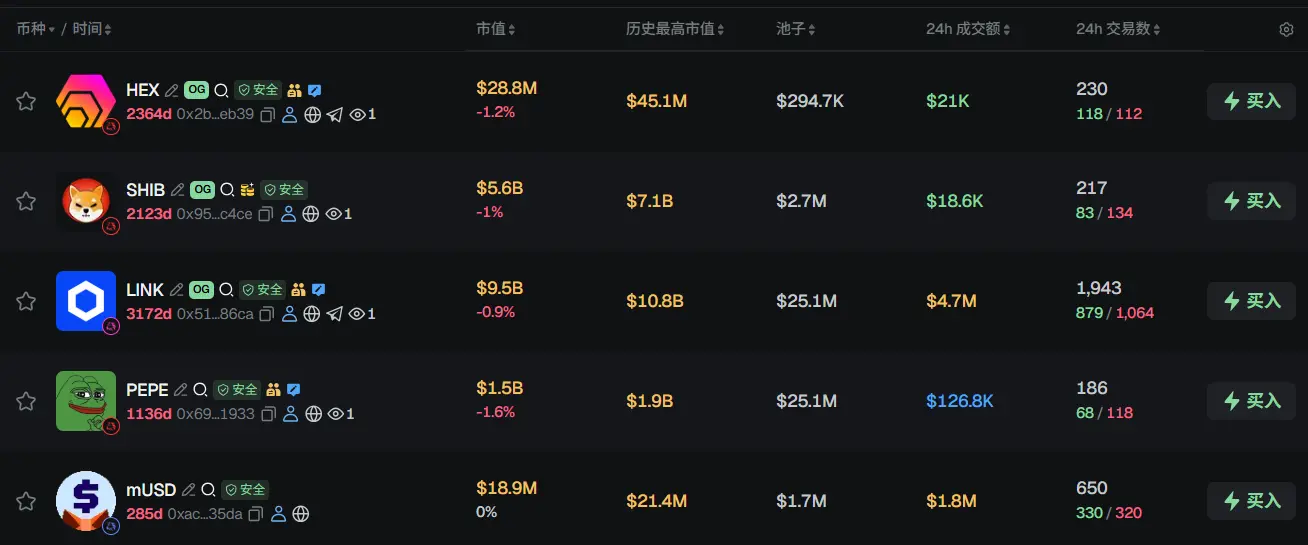
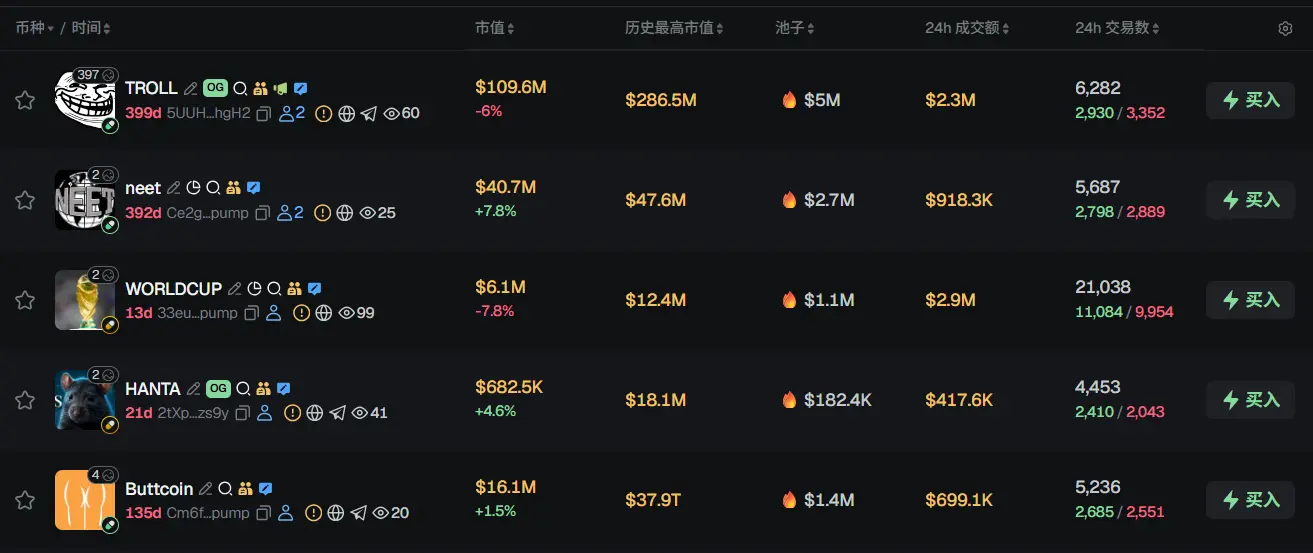
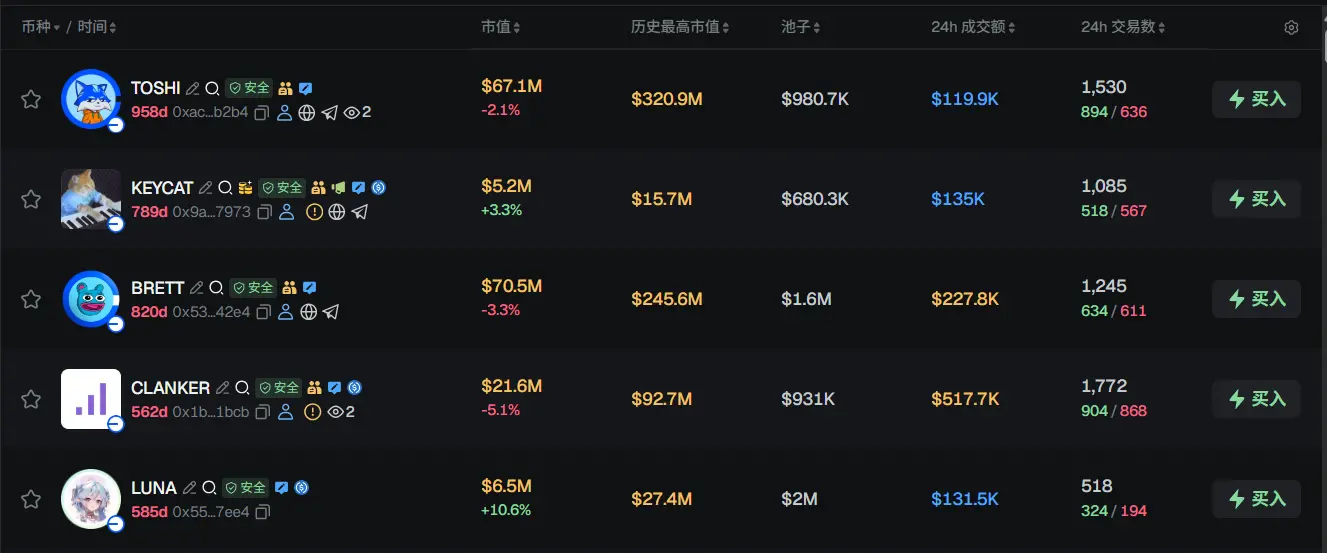
According to meme token tracking and analysis platform GMGN market data, as of May 25th, 09:00,

Top 5 popular ETH tokens in the past 24h are: HEX, SHIB, LINK, PEPE, mUSD
Top 5 popular Solana tokens in the past 24h are: TROLL, neet, WORLDCUP, HANTA, Buttcoin
Top 5 popular Base tokens in the past 24h are: TOSHI, KEYCAT, BRETT, CLANKER, LUNA
What are the Must-Read Articles in the Past 24 Hours?

a16z: 7 Charts to Understand How Tokenization Changes the Nature of Assets

Tokenized Assets, also known as 'Real World Assets (RWA)', are changing the form of assets, how they flow, and how the financial system is built.

Just last month, the tokenized asset market size surpassed $30 billion, currently hovering around $34 billion (excluding stablecoins). This scale is roughly equivalent to a regional bank or a top-tier university endowment fund. While still very small compared to the global financial system, it is already large enough to have real impact.

Just two years ago, the tokenized asset market was less than $3 billion, but then the market underwent dramatic changes: the US GENIUS Act brought a clearer regulatory framework for stablecoins, institutional-grade on-chain infrastructure matured, and a large number of financial institutions began deploying blockchain technology almost simultaneously. It was under the push of these factors that the tokenized asset market grew 10-fold in less than two years.

Decoding the Secret to Hyperliquid's Success Through a Five-Layer Financial Stack

The construction of institutional-grade financial infrastructure often follows a pattern. You don't start with the most expressive product and then work backwards.

You start with the settlement layer, prove it works under stress, and then unlock all the features that depend on it.

The New York Stock Exchange didn't add derivatives before it had a well-functioning stock market. The Chicago Mercantile Exchange didn't launch options before it launched futures.

This order is not arbitrary. The order of the foundational layers determines the possibilities of the superstructure.

Hyperliquid understands this well.

Пов'язані питання

QWhat is Michael Saylor's recent purchase, according to the title and the 'Important News' section of the article?

AAccording to the article, Michael Saylor stated that the purchase made this week was bonds, not Bitcoin.

QWhat is the reported loss from the StablR attack mentioned in the article?

AThe StablR stablecoin project suffered an attack resulting in a loss of approximately 2.8 million USD.

QWhat legislation related to Bitcoin is being promoted again by the US Congress, as per the article?

AThe US Congress is once again promoting a Bitcoin reserve bill. Specifically, Republicans are reportedly pushing a plan to accumulate 5% of the world's Bitcoin.

QWhich two companies related to FTX agreed to a settlement over fraud allegations, and for what amount?

AFTX's former law firm and auditing agency agreed to pay 66 million USD to settle fraud allegations.

QWhat is the core argument made by the Ethereum Foundation researcher mentioned in the 'Important News' section?

AThe researcher defended the Ethereum Foundation, stating that its mission is to build the protocol, not to pump the price of ETH.

Пов'язані матеріали

The Value Distribution of Stablecoins

**Summary: The Value Distribution of Stablecoins** The article argues that stablecoins are evolving from mere trading tools into broader channels for dollar access. It divides the stablecoin ecosystem into four layers to analyze how value is distributed: 1. **Issuance Layer:** Mints stablecoins, holds reserve assets, and captures the spread between reserve yield and user costs (e.g., Tether, Circle). This layer currently earns the largest profit margin. 2. **Infrastructure Layer:** Connects stablecoins to the traditional financial system, handling fiat on/off-ramps, banking integration, compliance (KYC/AML), and asset management (e.g., Bridge, BVNK). This is the "unglamorous" but critical work, building the essential bridges between crypto and real-world finance. 3. **Acquiring/Distribution Layer:** Integrates stablecoins into merchant systems, manages payment flows, and provides enterprise financial software (e.g., Stripe, Coinbase). They act as the access point for businesses. 4. **Application Layer:** The end-users and businesses that ultimately use stablecoins for payments, settlements, or as a store of value. They benefit from convenience but have little pricing power. The core thesis is that while the issuance layer currently dominates profits, the often-overlooked **infrastructure layer holds significant long-term potential**. The real challenge and barrier to mass adoption is not the on-chain transfer of stablecoins (which is simple), but the complex "last mile" integration into existing business workflows, banking systems, and regulatory frameworks across different countries. Companies in this layer are currently in a "land grab" phase, investing heavily to build networks, secure bank partnerships, and establish compliance pathways. While their position is currently pressured by the profitable issuers above and distribution platforms below, the article suggests that if stablecoins become a default financial rail for businesses, the infrastructure providers who have done the hard work of integration will ultimately gain strong pricing power and become entrenched, essential players.

marsbit5 год тому

The Value Distribution of Stablecoins

marsbit5 год тому

The Value Distribution of Stablecoins

The Value Distribution of Stablecoins The article argues that stablecoins are evolving from a mere trading tool into a broad "dollar channel." It analyzes the industry's value chain through four layers: 1. **Issuance Layer (e.g., Tether, Circle):** The top layer that mints stablecoins, holds reserve assets, and captures the thickest interest rate spread. 2. **Infrastructure Layer (e.g., Bridge, BVNK):** Connects stablecoins to the traditional financial system, handling critical but complex "dirty work" like fiat on/off-ramps, banking integration, compliance (KYC/AML), and cross-border settlement. 3. **Acquiring/Distribution Layer (e.g., Stripe, Coinbase):** Embeds stablecoins into merchant systems, manages payment flows, and integrates with enterprise software. 4. **Application Layer:** End-users and businesses that ultimately use stablecoins for payments, settlement, or storing value. The author posits that while the issuance layer currently captures the most profit, the most overlooked and potentially critical layer is infrastructure. The core challenge for stablecoin adoption isn't the on-chain transfer (which is simple), but bridging the gap between blockchain and the real-world financial system. This involves solving practical problems for businesses: fiat conversion, reconciliation, tax handling, and user onboarding. Infrastructure companies are currently in a difficult "land-grab" phase—building networks, securing banking relationships, and achieving compliance country-by-country. They face pressure from both the profitable issuance layer above and distribution platforms below. However, the author suggests this layer is building a crucial moat. Once stablecoins become a default business rail, the infrastructure players who have done the hard work of integration may gain significant, durable value and pricing power.

链捕手6 год тому

The Value Distribution of Stablecoins

链捕手6 год тому

Торгівля

Спот
Ф'ючерси

Популярні статті

Як купити BILL

Ласкаво просимо до HTX.com! Ми зробили покупку Billions Network (BILL) простою та зручною. Дотримуйтесь нашої покрокової інструкції, щоб розпочати свою криптовалютну подорож.Крок 1: Створіть обліковий запис на HTXВикористовуйте свою електронну пошту або номер телефону, щоб зареєструвати обліковий запис на HTX безплатно. Пройдіть безпроблемну реєстрацію й отримайте доступ до всіх функцій.ЗареєструватисьКрок 2: Перейдіть до розділу Купити крипту і виберіть спосіб оплатиКредитна/дебетова картка: використовуйте вашу картку Visa або Mastercard, щоб миттєво купити Billions Network (BILL).Баланс: використовуйте кошти з балансу вашого рахунку HTX для безперешкодної торгівлі.Треті особи: ми додали популярні способи оплати, такі як Google Pay та Apple Pay, щоб підвищити зручність.P2P: Торгуйте безпосередньо з іншими користувачами на HTX.Позабіржова торгівля (OTC): ми пропонуємо індивідуальні послуги та конкурентні обмінні курси для трейдерів.Крок 3: Зберігайте свої Billions Network (BILL)Після придбання Billions Network (BILL) збережіть його у своєму обліковому записі на HTX. Крім того, ви можете відправити його в інше місце за допомогою блокчейн-переказу або використовувати його для торгівлі іншими криптовалютами.Крок 4: Торгівля Billions Network (BILL)Легко торгуйте Billions Network (BILL) на спотовому ринку HTX. Просто увійдіть до свого облікового запису, виберіть торгову пару, укладайте угоди та спостерігайте за ними в режимі реального часу. Ми пропонуємо зручний досвід як для початківців, так і для досвідчених трейдерів.

389 переглядів усьогоОпубліковано 2026.05.07Оновлено 2026.06.02

Як купити BILL

Обговорення

Ласкаво просимо до спільноти HTX. Тут ви можете бути в курсі останніх подій розвитку платформи та отримати доступ до професійної ринкової інформації. Нижче представлені думки користувачів щодо ціни BILL (BILL).

活动图片