K33 Taps Bitcoin Holdings to Launch Crypto-Backed Lending

TheNewsCryptoОпубліковано о 2026-01-19Востаннє оновлено о 2026-01-19

Анотація

K33, a digital asset brokerage listed on Nasdaq First North, has launched a crypto-backed lending service for Nordic investors. The new product allows clients to borrow USDC using Bitcoin and other cryptocurrencies as collateral, enabling them to access liquidity without selling their long-term holdings. According to CEO Torbjørn Bull Jenssen, this aligns with the firm’s Bitcoin treasury strategy and offers a regulated lending solution in a region where adoption has been limited by regulatory and infrastructure challenges. The move aims to expand K33’s product offerings, increase client engagement, and generate revenue. In contrast, decentralized finance platforms like World Liberty Financial are also expanding crypto lending services, reflecting growing demand for alternative financing models.

K33 is introducing a new way for Nordic investors to get into their crypto holdings without selling. The company’s latest product allows clients to borrow USDC with Bitcoin and other cryptos as collateral, making it one of the region’s first crypto-backed lending businesses. The product offering liquidity while maintaining long-term exposure to digital assets.

K33 Leverages Bitcoin Holdings for Regulated Lending

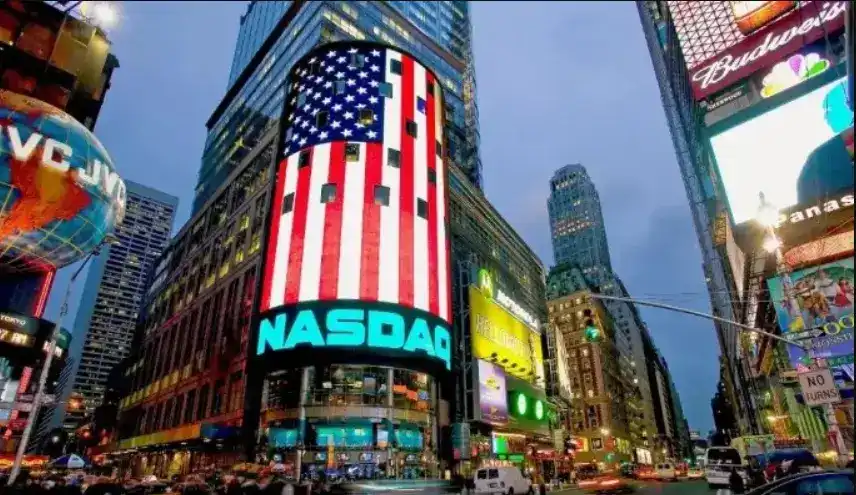
K33 is a digital asset brokerage and infrastructure provider that serves institutional and high-net-worth clients. It is listed on the Nasdaq First North Growth Market. According to the official press release, Torbjørn Bull Jenssen, CEO of K33, said, “Crypto-backed loans give clients access to liquidity without having to sell assets they believe in for the long term.”

He also said that the new lending product is in line with K33’s larger Bitcoin treasury strategy, which is intended to make use of balance-sheet assets in ways that are beneficial to both clients and the firm’s earnings, basically a win-win for both, and it shows an organized approach to using the company’s Bitcoin reserves rather than keeping them inactive.

Then, the press release noted that Crypto-backed lending has become more popular worldwide, particularly among businesses searching for alternatives to conventional credit markets.

With the launch of K33’s new crypto-backed lending service, it provides a regulated, brokerage-backed solution specifically for local Nordic investors, as this area where adoption has been hindered by regulatory caution and insufficient infrastructure.

The new crypto-backed USDC loans are aimed at accomplishing a number of goals, which include increasing client involvement, diversifying K33’s product line, and generating income from the company’s Bitcoin treasury. With that, K33 aims to become a full-service distributor of digital assets by combining trading services with balance-sheet-backed financing, as per the press release.

DeFi Lending in Focus as World Liberty Financial’s New Platform

In contrast to K33’s brokerage-backed, regulated strategy, decentralized finance is also experiencing a resurgence. A new crypto lending and borrowing platform was introduced last week by World Liberty Financial, a DeFi project named “World Liberty Markets,” built on Dolomite infrastructure. The on-chain marketplace centered around USD1and governance token is WLFI. Where other cryptos like ETH, cbBTC, USDC, and major stablecoins like USDC and USDT are among the collateral it supports. While developments like crypto-backed lending, with new products, are broadening the crypto market access and reinforcing demand for alternative financing models.

Highlighted Crypto News:

‌US Senate Judiciary Committee Pushes To Strip Developer Safeguards From Crypto Bill

TagsCryptoK33

Пов'язані питання

QWhat is the main purpose of K33's new crypto-backed lending product?

AThe main purpose is to allow Nordic investors to borrow USDC using Bitcoin and other cryptocurrencies as collateral, providing liquidity while enabling them to maintain long-term exposure to their digital assets without selling.

QHow does K33's CEO describe the benefit of crypto-backed loans for clients?

ACEO Torbjørn Bull Jenssen stated that crypto-backed loans give clients access to liquidity without having to sell assets they believe in for the long term, aligning with the firm's Bitcoin treasury strategy for mutual benefit.

QWhat makes K33's lending service particularly significant for the Nordic region?

AIt is significant because it provides a regulated, brokerage-backed solution specifically for Nordic investors, an area where crypto adoption has been hindered by regulatory caution and insufficient infrastructure.

QWhat are the key goals K33 aims to accomplish with its new USDC loans?

AThe key goals are increasing client involvement, diversifying K33's product line, generating income from the company's Bitcoin treasury, and becoming a full-service distributor of digital assets.

QHow does World Liberty Financial's new platform differ from K33's lending approach?

AWorld Liberty Financial offers a decentralized finance (DeFi) lending and borrowing service built on Dolomite infrastructure, supporting various cryptos as collateral, whereas K33 provides a regulated, centralized brokerage-backed lending solution.

Пов'язані матеріали

Fu Peng's First Public Speech in 2026: What Exactly Are Crypto Assets? Why Did I Join the Crypto Asset Industry?

Fu Peng, a renowned macroeconomist and now Chief Economist at New火 Group, delivered his first public speech of 2026 at the Hong Kong Web3 Festival. He explained his perspective on crypto assets and why he joined the industry, framing it within the context of macroeconomic trends and financial evolution. Fu emphasized that crypto assets are transitioning from an early, belief-driven phase to a mature, institutionally integrated asset class. He drew parallels to the 1970s-80s, when technological advances (like computing) revolutionized traditional finance, leading to the rise of FICC (Fixed Income, Currencies, and Commodities). Similarly, current advancements in AI, data, and blockchain are reshaping finance, with crypto assets becoming part of a new "FICC + C" (C for Crypto) framework. He noted that institutional capital, including traditional hedge funds, avoided early crypto due to its speculative nature but are now engaging as regulatory clarity emerges (e.g., stablecoin laws, CFTC classifying crypto as a commodity). Fu predicted that 2025-2026 marks a turning point where crypto becomes a standardized, financially viable asset for diversified portfolios, akin to commodities or derivatives in traditional finance. Fu defined Bitcoin not as "digital gold" in a simplistic sense but as a value-preserving, financially tradable asset. He highlighted that crypto's future lies in regulated, institutional adoption, moving away from retail-dominated trading. His entry into crypto signals this maturation, where traditional finance integrates crypto into mainstream asset management.

marsbit35 хв тому

Fu Peng's First Public Speech in 2026: What Exactly Are Crypto Assets? Why Did I Join the Crypto Asset Industry?

marsbit35 хв тому

Justin Sun Sues Trump Family: What $75 Million Bought Was Only a Blacklist

Justin Sun, founder of Tron, has filed a lawsuit in federal court against World Liberty Financial (WLF), alleging he was made the "primary target of a fraudulent scheme" after investing $75 million. Sun claims the investment secured him an advisor title and WLFI tokens, which were later frozen by WLF, causing "hundreds of millions in losses." The dispute began in late 2024 when Sun's investment helped revive WLF's struggling token sale, which ultimately raised $550 million. Shortly after, the SEC dropped its lawsuit against Sun following Donald Trump's inauguration. However, relations soured when Sun refused WLF's demands for additional funding. In August 2025, WLF added a "blacklist" function to its smart contract, allowing it to unilaterally freeze tokens. Sun's holdings, worth approximately $107 million, were frozen, and he was threatened with token destruction. The lawsuit highlights WLF's structure, which directs 75% of token sale profits to the Trump family, who had earned $1 billion by December 2025. WLF's CEO is Zach Witkoff, son of U.S. Middle East envoy Steve Witkoff. The project faces scrutiny for opaque operations, including a controversial loan arrangement on the Dolomite platform, co-founded by a WLF advisor. Despite Sun's history with the SEC, the case underscores centralization risks within DeFi, as WLF controls governance and holds powers to freeze assets arbitrarily. Sun's tokens remain frozen as legal proceedings begin.

marsbit43 хв тому

Justin Sun Sues Trump Family: What $75 Million Bought Was Only a Blacklist

marsbit43 хв тому

$500 to Buy OpenAI Stock: Silicon Valley's Most Respectable Liquidity Invitation

Silicon Valley's largest venture capital platform, AngelList, has launched a new fund called USVC, allowing U.S. retail investors to buy into high-profile AI companies like OpenAI, Anthropic, and xAI with a minimum investment of $500—no accredited investor status required. Promoted by AngelList co-founder Naval Ravikant, the fund is framed as an opportunity for ordinary people to access high-growth private tech investments traditionally reserved for VCs. However, critics argue it functions more like an exit vehicle for early insiders. USVC acquires shares not through primary rounds but largely via secondary transactions—purchasing stakes from early investors, VC funds, and employees looking to cash out at peak valuations. With companies like xAI heavily weighted in the portfolio, the fund effectively channels retail money into providing liquidity for insiders who entered at much lower valuations. The fund’s structure raises concerns: shares are illiquid, with no secondary market, and buybacks are limited and discretionary. The actual annual fee reaches 3.61%, far above the advertised 1% management fee. This model parallels the "low float, high fully diluted valuation" strategy seen in crypto, where early investors profit by selling to latecomers at inflated prices. The timing—alongside similar moves by platforms like Robinhood—suggests that Silicon Valley’s sudden interest in retail inclusion may be less about democratizing access and more about securing exits for insiders.

marsbit1 год тому

$500 to Buy OpenAI Stock: Silicon Valley's Most Respectable Liquidity Invitation

marsbit1 год тому

Торгівля

Спот
Ф'ючерси
活动图片