Crypto Market Shows Signs Of Life As Trump Drops Greenland Tariff Push

bitcoinistОпубліковано о 2026-01-23Востаннє оновлено о 2026-01-23

Анотація

Cryptocurrency markets rebounded cautiously after former US President Donald Trump abandoned proposed tariffs related to Greenland, easing geopolitical tensions. The initial shock had triggered a massive selloff, liquidating between $620 million to $870 million in leveraged positions as Bitcoin and altcoins declined. Following the political retreat, risk appetite slowly returned, allowing stocks and crypto to recover some losses, though trading volume remained thin and sentiment fragile. The event highlighted crypto's continued sensitivity to geopolitical headlines and the risks of leveraged trading during periods of high volatility, leaving traders watchful for further policy developments.

Markets showed signs of life after a sudden political retreat in Davos. Prices that had tumbled earlier this week found buyers again, though the mood stayed cautious and quick to keep an eye on the next headline.

Political Shift Calms Markets

According to Reuters, US President Donald Trump announced he would not go ahead with planned tariffs tied to Greenland after talks with NATO officials, calling the outcome an outline for future cooperation.

Reports say the initial shock knocked big chunks off crypto positions. More than $600 million in leveraged bets were wiped out within a day as Bitcoin and major altcoins slid during the selloff.

Market sentinels counted over $620 million in liquidations, while other market trackers put the toll as high as about $870 million as traders rushed to close risky positions.

Tensions over Greenland flare among allies before Trump’s Davos talk. Source: ABC News

Risk Appetite Returned, Slowly

After the tariff threat was pulled, stock indexes rallied. The pan-European STOXX 600 gained back ground, rising about 1.2% as traders stepped back into risk assets and some panic cooled. London shares also moved up in a broad rally that reflected relief across sectors.

Short, sharp moves hit markets. One minute confidence; the next minute forced selling. That pattern left bitcoin and ether lower from recent highs, and it reminded many investors that headlines still drive big swings.

Some long holders were squeezed out. Some traders were burned by over-extended bets. Reports note rare split liquidations where both long and short positions were affected.

Bitcoin is now trading at $89,946. Chart: TradingView

Recovery Was Cautious Not Complete

According to market stories, crypto prices rebounded after the immediate scare, but volume stayed thin and sentiment stayed tilted toward fear.

Traders who saw the drop as a buying chance kept their distance, while short-term players moved back in to chase quick gains. The bounce was real, but fragile.
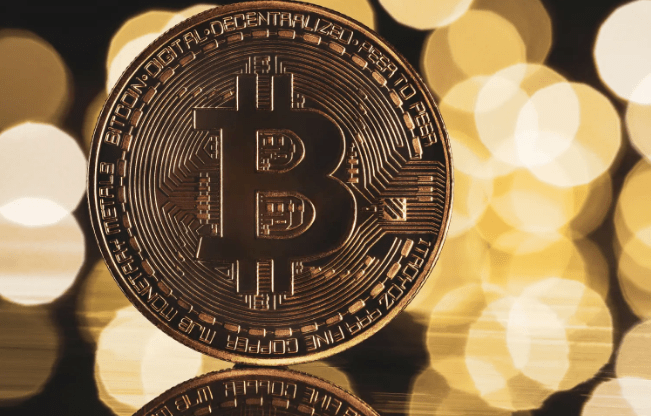
Image: Brookings Institution

On Crypto & Geopolitical Noise

This episode shows that geopolitical noise can still push crypto the same way it pushes stocks. Even when the issue is not directly about digital assets, risk appetite matters.

When big, headline-driven moves happen, leveraged markets get whipsawed and people who bet too much either lose a lot or get forced out of their positions.

According to reports, the tariff retreat eased immediate worry and allowed markets to recover some lost ground, but the relief felt measured and watchful.

News can move markets fast. The mental framing of the selloff will probably keep traders cautious for a while, and any new twist in policy or diplomacy could bring fresh volatility.

Featured image from Unsplash, chart from TradingView

Пов'язані питання

QWhat was the immediate market reaction after President Trump announced he would not impose tariffs on Greenland?

AMarkets showed signs of life, with stock indexes rallying and the pan-European STOXX 600 gaining about 1.2% as traders stepped back into risk assets.

QHow much in leveraged crypto positions was liquidated during the initial selloff triggered by the geopolitical tension?

AMarket sentinels reported over $620 million in liquidations, with some trackers estimating the toll as high as approximately $870 million.

QWhat does the article suggest is the relationship between geopolitical events and the cryptocurrency market?

AThe article states that geopolitical noise can push crypto markets in the same way it pushes stocks, as it affects overall risk appetite, even when the issue is not directly about digital assets.

QWhat was the price of Bitcoin mentioned in the article's chart during the market events?

ABitcoin was trading at $89,946 according to the chart from TradingView featured in the article.

QHow did the article characterize the market's recovery after the initial scare?

AThe recovery was described as cautious and not complete, with thin trading volume and sentiment that remained tilted toward fear, making the bounce fragile.

Пов'язані матеріали

Winter for Crypto IPOs: Consensys and Ledger Withdraw Applications

The crypto IPO window is tightening significantly in 2026, marked by prominent companies delaying or pausing their public listing plans. Following a successful 2025 "harvest year" that saw Circle, Bullish, and Gemini go public amidst a bull market, the tide has turned. Consensys, developer of MetaMask, recently postponed its IPO until at least fall 2026. Hardware wallet leader Ledger also suspended its planned US listing due to unfavorable market conditions, with Kraken having previously delayed its own plans. This shift is driven by a cooling market in 2026, characterized by a significant Bitcoin price correction, declining trading volumes, and reduced investor risk appetite for crypto stocks. The poor post-IPO performance of 2025 listings like Circle and Bullish, which saw major share price declines, has heightened investor caution. This contrasts sharply with the current AI sector, where companies like SpaceX, OpenAI, and Anthropic are commanding massive valuations and investor enthusiasm based on narratives of stable, exponential growth. Crypto companies now face pressure to transition from hype-driven models to demonstrating reliable cash flows and robust compliance. While the paused IPO plans may lead to valuation resets and affect ecosystem liquidity, they also accelerate industry consolidation toward stronger, more compliant infrastructure players. A potential recovery in Bitcoin's price and clearer regulations could reopen the IPO window in the latter half of 2026.

marsbit8 хв тому

Winter for Crypto IPOs: Consensys and Ledger Withdraw Applications

marsbit8 хв тому

ChatGPT Can Manage Your Money for You. Would You Trust It with Your Bank Account?

OpenAI has launched a personal finance tool for ChatGPT, currently in preview for US-based ChatGPT Pro users. This feature allows users to connect their bank and investment accounts (via Plaid, supporting over 12,000 institutions) directly to ChatGPT. It analyzes transactions, generates visual dashboards, and offers conversational financial advice—such as budgeting or planning for major purchases—based on the user's actual data. This move follows OpenAI's acquisitions of fintech startups Roi and Hiro Finance, signaling a strategic push into vertical "super assistant" applications, similar to its earlier health-focused feature. However, the launch has sparked significant privacy concerns. Critics question the safety of granting such sensitive financial access to an AI, especially amid ongoing lawsuits alleging OpenAI shared user chat data with third parties like Meta and Google. OpenAI emphasizes that ChatGPT only reads data (no transaction capabilities), deletes it within 30 days if disconnected, and offers opt-out options for model training. Yet, trust remains a major hurdle. The trend reflects a broader industry shift: AI companies like Anthropic and Perplexity are also targeting high-value, data-rich domains like finance and health. While technically promising, the tool operates in a regulatory gray area—it provides personalized guidance but disclaims formal financial advice or liability. Ultimately, OpenAI's challenge is convincing users to trust an AI with their most private financial information.

marsbit9 хв тому

ChatGPT Can Manage Your Money for You. Would You Trust It with Your Bank Account?

marsbit9 хв тому

Breaking: OpenAI Undergoes Major Reorganization, President Brockman Assumes Command

OpenAI has announced a major internal reorganization just months before its anticipated IPO. The company is merging its three flagship product lines—ChatGPT, Codex, and the API platform—into a single, unified product organization. The most significant leadership change involves co-founder and President Greg Brockman moving from a background technical role to take full, permanent control over all product strategy. This follows the indefinite medical leave of AGI Deployment CEO Fidji Simo. Additionally, ChatGPT's longtime lead, Nick Turley, has been reassigned to enterprise products, with former Instagram executive Ashley Alexander taking over consumer offerings. The consolidation, internally framed as a strategic move towards an "Agentic Future," aims to break down internal silos and create a cohesive "Super App." This planned desktop application would integrate ChatGPT's conversational abilities, Codex's coding power, and a rumored internal web browser named "Atlas" to autonomously perform complex user tasks. The reorganization occurs amid significant internal and external pressures. OpenAI has recently seen a wave of high-profile departures, including Sora co-lead Bill Peebles and other senior technical leaders, leading to concerns about a thinning executive bench. Externally, rival Anthropic recently secured funding at a staggering $900 billion valuation, surpassing OpenAI's own. Google's upcoming I/O developer conference also poses a competitive threat. Analysts suggest the dramatic restructure is a pre-IPO move to present a clearer, more focused narrative to Wall Street—streamlining operations and demonstrating decisive leadership under Brockman to counter internal turbulence and intense market competition.

marsbit3 год тому

Breaking: OpenAI Undergoes Major Reorganization, President Brockman Assumes Command

marsbit3 год тому

Торгівля

Спот
Ф'ючерси

Популярні статті

Як купити PUSH

Ласкаво просимо до HTX.com! Ми зробили покупку Push Protocol (PUSH) простою та зручною. Дотримуйтесь нашої покрокової інструкції, щоб розпочати свою криптовалютну подорож.Крок 1: Створіть обліковий запис на HTXВикористовуйте свою електронну пошту або номер телефону, щоб зареєструвати обліковий запис на HTX безплатно. Пройдіть безпроблемну реєстрацію й отримайте доступ до всіх функцій.ЗареєструватисьКрок 2: Перейдіть до розділу Купити крипту і виберіть спосіб оплатиКредитна/дебетова картка: використовуйте вашу картку Visa або Mastercard, щоб миттєво купити Push Protocol (PUSH).Баланс: використовуйте кошти з балансу вашого рахунку HTX для безперешкодної торгівлі.Треті особи: ми додали популярні способи оплати, такі як Google Pay та Apple Pay, щоб підвищити зручність.P2P: Торгуйте безпосередньо з іншими користувачами на HTX.Позабіржова торгівля (OTC): ми пропонуємо індивідуальні послуги та конкурентні обмінні курси для трейдерів.Крок 3: Зберігайте свої Push Protocol (PUSH)Після придбання Push Protocol (PUSH) збережіть його у своєму обліковому записі на HTX. Крім того, ви можете відправити його в інше місце за допомогою блокчейн-переказу або використовувати його для торгівлі іншими криптовалютами.Крок 4: Торгівля Push Protocol (PUSH)Легко торгуйте Push Protocol (PUSH) на спотовому ринку HTX. Просто увійдіть до свого облікового запису, виберіть торгову пару, укладайте угоди та спостерігайте за ними в режимі реального часу. Ми пропонуємо зручний досвід як для початківців, так і для досвідчених трейдерів.

525 переглядів усьогоОпубліковано 2024.12.13Оновлено 2025.03.21

Як купити PUSH

Обговорення

Ласкаво просимо до спільноти HTX. Тут ви можете бути в курсі останніх подій розвитку платформи та отримати доступ до професійної ринкової інформації. Нижче представлені думки користувачів щодо ціни PUSH (PUSH).

活动图片












