Complete Analysis of Trump's Tariff "Playbook": A Practical Operation Guide

marsbitОпубліковано о 2026-01-19Востаннє оновлено о 2026-01-19

Анотація

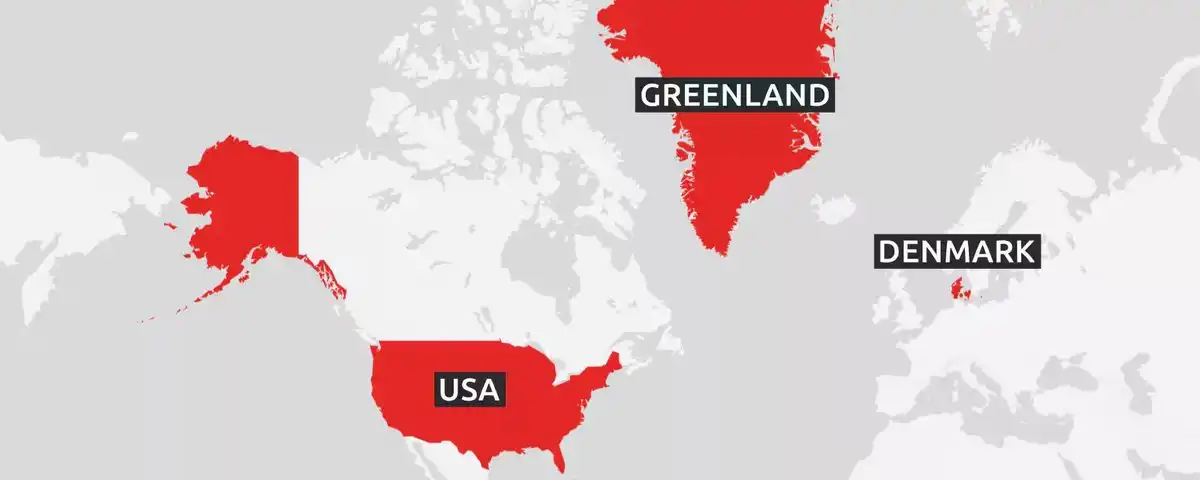
Former President Trump has announced new tariffs targeting multiple European nations, including Denmark, Norway, Sweden, France, Germany, the UK, the Netherlands, and Finland, starting at 10% on February 1 and escalating to 25% by June 1. These measures are tied explicitly to his strategic objective of acquiring Greenland, which he insists must be a "complete and comprehensive purchase." This follows a recurring pattern in Trump’s trade strategy: using high-stakes tariff threats as a negotiation tool, often announced over weekends when markets are closed to maximize psychological impact. The approach typically triggers an initial wave of market volatility and emotional selling, followed by a rebound as investors anticipate negotiated resolutions before tariffs take effect. The Kobeissi Letter outlines a consistent tactical playbook observed since early 2025: tariff threats are introduced, markets react negatively, buying opportunities emerge mid-week, and eventual deal announcements drive market rallies. While the Greenland demand is notably more ambitious than previous objectives—such as persuading China to drop export controls—the expected market response and negotiation timeline are projected to follow a similar cyclical pattern. Ultimately, the strategy leverages volatility as an opportunity, with disciplined traders capitalizing on predictable fluctuations tied to trade war headlines.

Author: The Kobeissi Letter

Compiled by: Jesse

This is an in-depth analysis from The Kobeissi Letter regarding the Greenland tariff incident and Trump's "tariff strategy".

Is the Trade War Making a Comeback Due to New Tariffs on Greenland?

Just moments ago, President Trump announced new tariffs on the European Union and confirmed his primary strategic objective: the acquisition of Greenland. This includes a new 10% tariff on Denmark, Norway, Sweden, France, Germany, the United Kingdom, the Netherlands, and Finland, effective February 1st.

Furthermore, these tariffs will be increased to 25% on June 1st and will absolutely not be canceled until a Greenland deal is reached. According to Trump, this deal must be a "complete and comprehensive purchase" of Greenland.

Before analyzing our precise strategy, it must first be noted: trade wars have become a "cyclical headwind." Tariffs always return when the market least expects it, only to slowly dissipate. This is the product of President Trump's "tariff strategy," which is meticulously designed.

A recent case occurred on October 10th, when President Trump threatened to impose 100% tariffs on China starting November 1st (just 21 days after the announcement). This timing might sound familiar because it is an integral part of the strategy playbook. After the news broke, S&P 500 futures extended their intraday decline to -3.5% before the weekend.
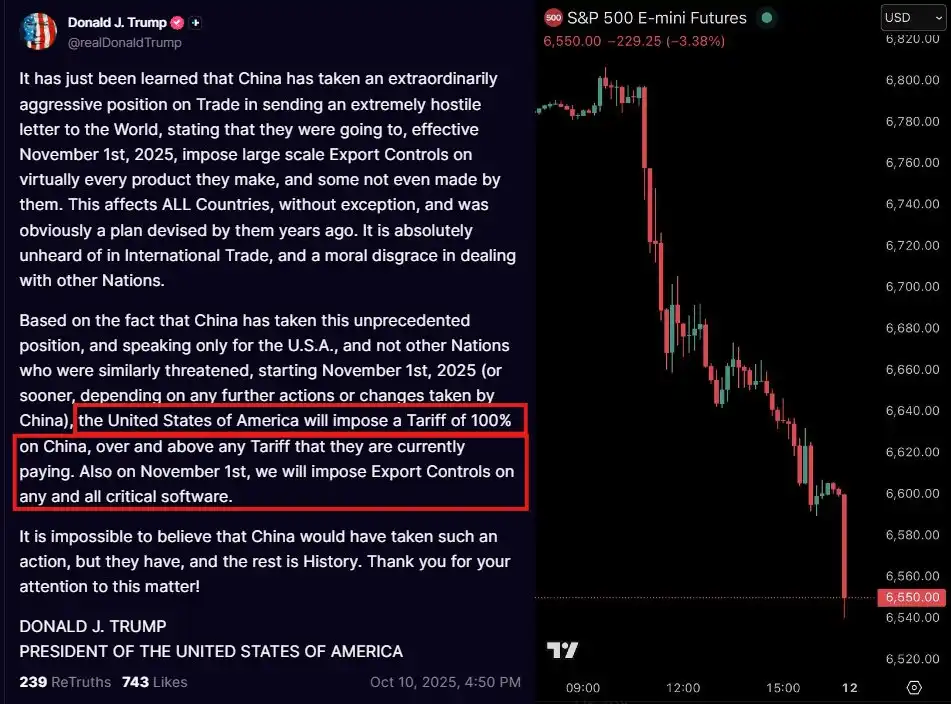
October 10th - Trump threatens 100% tariffs on China

President Trump always begins with punitive and threatening messages, which is part of his negotiation tactics. And, this move works for him. In the October confrontation with China, it ultimately ended with the signing of a new trade agreement and China canceling its rare earth export restrictions, which Trump had said were harming the U.S.

This time, the announcement was made on a Saturday, and market futures won't open until Monday evening (because Monday is a federal holiday). The market reaction might be accompanied by similar "emotional selling," but considering there is time to digest the news, the impact might be less severe.

This is all part of President Trump's "tariff strategy," which we will detail below:

The Tariff Strategy Playbook

In 2025, our investment strategy's returns were almost double that of the S&P 500, largely because we capitalized early on asset price volatility during trade wars. Below is the specific coping strategy we have consistently applied:

A comprehensive step-by-step guide to navigating Trump's trade wars:

  • Friday: President Trump posts an obscure message hinting at tariffs on a specific country or industry. Markets decline as uncertainty increases. This event started Friday with Trump threatening tariffs on Denmark.

  • Later that day or shortly after (Saturday in this case): President Trump announces a massive new tariff, usually 25% or higher.

  • Saturday and Sunday: President Trump repeatedly escalates tariff threats while markets are closed to maximize psychological impact.

  • Over the weekend: The targeted country(ies) typically respond publicly or signal willingness to negotiate.

  • Sunday 6 PM ET (Monday evening in this instance): Futures open, and the market reacts initially with an emotional sell-off to the tariff headlines; futures prices drop.

  • Monday and Tuesday: President Trump continues public pressure, but investors start realizing tariffs are not yet in effect and are weeks away from implementation (e.g., Feb 1st).

  • Wednesday of the same week: Dip buyers step in and trigger a relief rally, but this move often fades and leads to another decline. This is usually when the "smart money" starts buying.

  • The following weekend (about a week later): President Trump posts that negotiations are underway and he is working with the target country's leader(s) towards a solution.

  • Sunday 6 PM ET that weekend: Futures open sharply on optimism, but gains pare back after the Monday cash market open.

  • After Monday open: Senior administration officials like Treasury Secretary Bessent appear on live TV, reassuring investors and highlighting progress towards a deal.

  • The next 2-4 weeks: Officials across the Trump administration continuously leak progress on the trade deal.

  • Eventually: The trade deal is officially announced, and markets hit new all-time highs.

  • Cycle: Repeat from Step 1.

Of course, this is not a 100% guaranteed roadmap, but based on our experience, almost every trade war flare-up since January 2025 has followed roughly this same path.

Note: This time, President Trump's plan to acquire Greenland is undoubtedly a higher demand than getting China to cut export controls. Therefore, the execution of this strategy might be more prolonged, but it will follow a similar sequence of events.

Timing is Key

President Trump's entire negotiation strategy revolves around timing and pressure. He provides a 2-3 week buffer before tariffs take effect to allow for a deal. Trump's goal is for these tariffs never to actually take effect; he wants the deal. This also explains why these announcements increasingly occur on weekends when markets are closed. He pushes the threat to the brink. This is why they work: if they were actually implemented and sustained, they would have the power to shake markets and change the world.

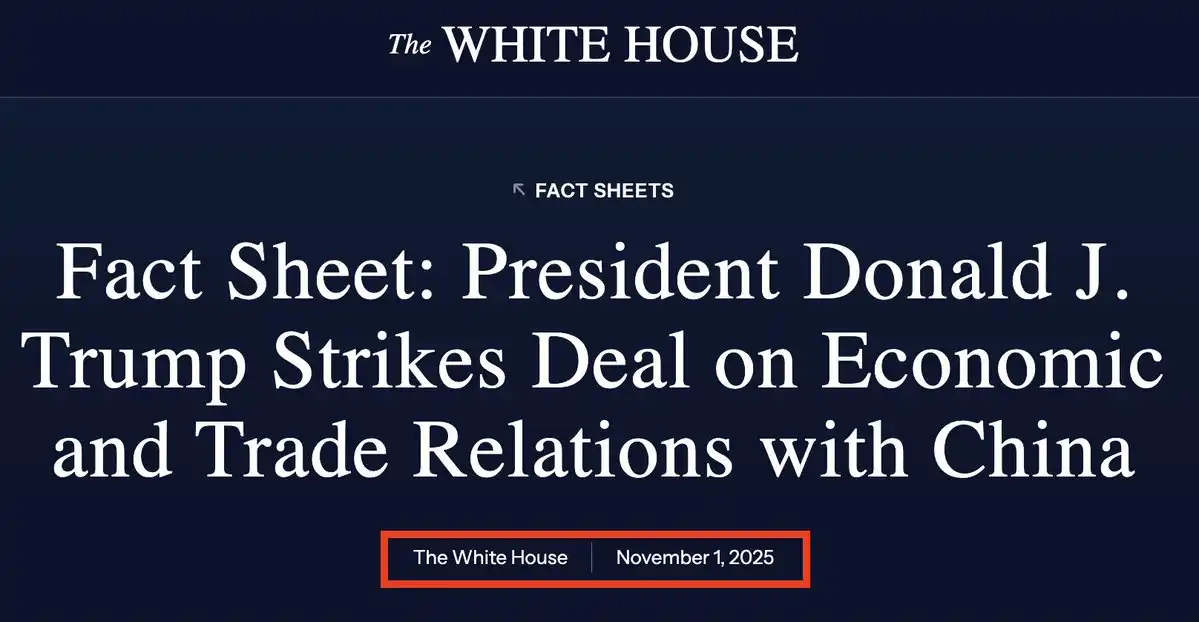
In the last round of the trade war with China, President Trump announced a new trade deal with China on November 1st—the very day the 100% tariffs were scheduled to take effect.
Ultimately, those who can remain objective and follow the process during trade war volatility are accessing one of the best trading environments ever.

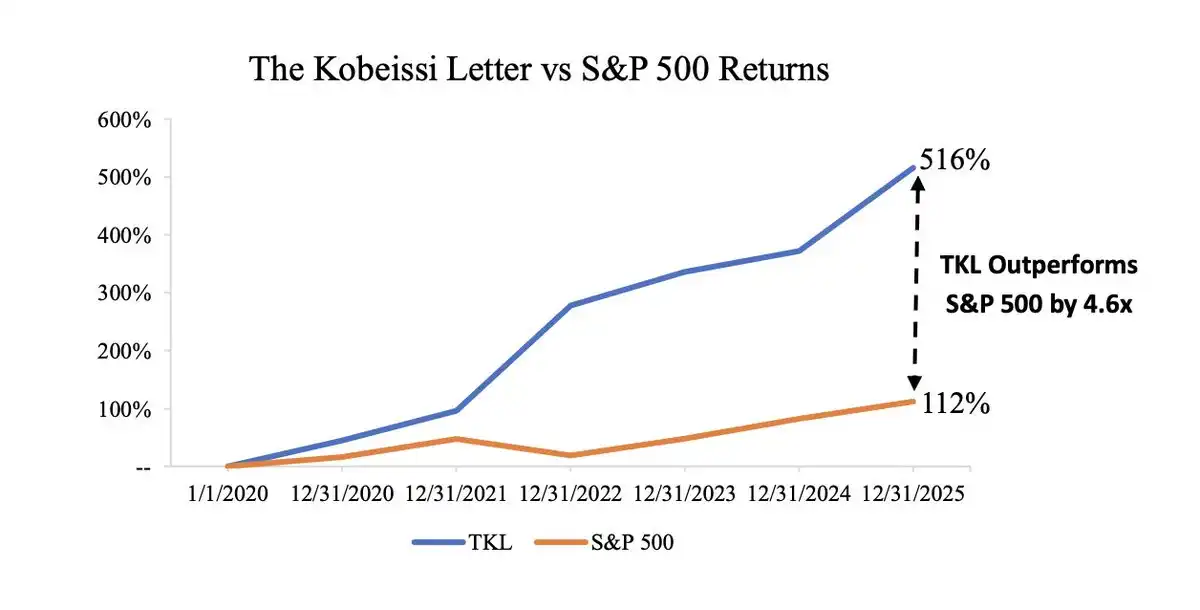
As mentioned, this objective, systematic approach has led to our performance outperforming the market benchmark. As shown in the chart below, our investment strategy's returns have been nearly five times that of the S&P 500 since 2020.
Conclusion

This time, President Trump's plan to acquire Greenland is indeed a higher demand than previous ones. Market turbulence might last longer, but we reiterate the original point: the best traders are profiting from the asset price volatility caused by trade war headlines.

Volatility equals opportunity.

Пов'язані питання

QWhat is the main strategic goal behind Trump's recent announcement of new tariffs on EU countries?

ATrump's primary strategic goal is the acquisition of Greenland, with the tariffs serving as leverage tool to force a deal for a 'complete and comprehensive purchase' of the island.

QAccording to the article, what is the typical initial market response to a Trump tariff announcement, and why?

AThe typical initial market response is an 'emotional sell-off' or a drop in futures, as seen with the S&P 500 futures falling -3.5% after the October 10th China tariff threat, due to the sudden increase in uncertainty and psychological pressure.

QDescribe the key pattern or 'playbook' of Trump's negotiation strategy as outlined in the article.

AThe playbook involves announcing tariffs on a Friday or weekend to maximize psychological impact, escalating threats while markets are closed, allowing a 2-3 week buffer before implementation for negotiations, and ultimately announcing a trade deal just before tariffs are set to take effect, leading to a market rally.

QHow does the article suggest savvy traders should approach the volatility caused by these tariff threats?

ASavvy traders should remain objective, follow the established pattern of the 'tariff playbook,' and use the price volatility and emotional sell-offs as opportunities to buy assets at lower prices, ultimately profiting from the subsequent market recovery and new highs after a deal is announced.

QWhy might the current situation regarding Greenland be different from previous tariff negotiations, according to the analysis?

AThe acquisition of Greenland is a much larger demand than previous requests, such as getting China to cut export controls, which suggests the negotiation process could be longer and more protracted, though it will likely follow a similar event sequence.

Пов'язані матеріали

Jensen Huang 'Saves' South Korean Stock Market: Locks In SK Hynix Memory, Chip Shortage to Continue

On June 5th, South Korea's stock market experienced a sharp decline, with major chipmakers like Samsung and SK Hynix dropping nearly 10%. Amidst the turmoil, NVIDIA CEO Jensen Huang's visit to Seoul played a dramatic role in boosting market sentiment. Following a dinner meeting with SK Group Chairman Chey Tae-won and SK Hynix CEO Kwak Noh-Jung, Huang confirmed that NVIDIA's new Vera CPU will utilize SK Hynix DRAM. The companies announced a multi-year technical partnership to co-develop next-generation memory for NVIDIA's AI infrastructure, covering products from data centers to personal AI and robotics. This collaboration extends beyond memory supply. SK Hynix is integrating NVIDIA's AI and Omniverse platform into its own semiconductor design and manufacturing processes, including computational lithography and creating digital twins of its fabrication plants for autonomous operation. While strengthening ties with SK Hynix, NVIDIA is diversifying its supply chain for the upcoming HBM4 memory, with Samsung, SK Hynix, and Micron all certified as suppliers for its Vera Rubin platform. Despite this, Huang warned that the global chip shortage, driven by relentless demand from AI factory construction, is expected to persist for several years across the entire supply chain. His visit underscores NVIDIA's systematic effort to deepen integration with South Korea's broader tech industry.

marsbit8 хв тому

Jensen Huang 'Saves' South Korean Stock Market: Locks In SK Hynix Memory, Chip Shortage to Continue

marsbit8 хв тому

Nasdaq Plunges 4.2% in a Single Day: Does "Black Friday" Burst the U.S. Stock Market Bubble?

The Nasdaq plunged 4.18% on June 5, 2026, its worst single-day drop in over a year, as a much stronger-than-expected US jobs report triggered fears of economic overheating and delayed Federal Reserve interest rate cuts. The selloff, centered on high-valuation tech and AI stocks like Nvidia and Broadcom, spread across major indices. The article examines whether this signals a market top. The strong May non-farm payrolls data, nearly double expectations, pushed bond yields higher, directly hurting rate-sensitive tech stocks. This exposed vulnerabilities in the crowded AI trade, where valuations had soared on narratives of infinite growth, despite emerging signs of slowing order momentum and corporate AI monetization challenges. Prior to the drop, market indicators flashed warning signs: historically high valuations (e.g., Shiller CAPE ratio near 39.5), extreme bullish sentiment, and high levels of leverage. Technical charts showed key support levels being breached. Wall Street is divided on the outlook. Bears, citing risks of "stagflation" and AI bubble comparisons to the dot-com era, warn of a potential significant correction. Bulls view the drop as a healthy correction within a bull market, underpinned by a strong economy and expected corporate earnings growth of around 7% in 2026. The immediate future hinges on upcoming key events: the May CPI inflation data and the mid-June FOMC meeting. Their outcomes will critically shape market expectations for the Fed's rate path. The article concludes that conditions for a major market top are aligning, marking a fragile transition from narrative-driven gains to a phase demanding validation from macroeconomic data and corporate fundamentals. Caution is advised.

marsbit12 хв тому

Nasdaq Plunges 4.2% in a Single Day: Does "Black Friday" Burst the U.S. Stock Market Bubble?

marsbit12 хв тому

Nasdaq Plunges 4.2% in a Single Day, Did 'Black Friday' Pop the U.S. Stock Bubble?

The Nasdaq Composite plummeted 4.18% on June 5, its biggest single-day drop since April 2025, triggering widespread debate over whether the U.S. stock market has peaked. The sell-off was sparked by a stronger-than-expected U.S. non-farm payrolls report, which fueled fears of economic overheating and pushed back market expectations for Federal Reserve rate cuts, leading to a sharp rise in Treasury yields. The AI sector, the primary driver of the recent bull market, suffered severe losses, with the Philadelphia Semiconductor Index crashing over 10%. Stocks like Nvidia, Broadcom, and Micron led the decline. Concerns are mounting about the sustainability of AI capital expenditures and high valuations, with signs of order cuts for next-generation chips emerging. Analyses point to several warning signs: historically high market valuations (e.g., elevated Shiller CAPE ratio, Buffett Indicator), extreme bullish sentiment indicators, and significant insider selling. The sell-off also caused a key technical breakdown, with the S&P 500 breaking below its short-term moving average and testing its 200-day moving average. Wall Street is divided on the outlook. Bears warn this could be the start of a bubble deflation or a "stagflation" scenario, while bulls view it as a healthy, overdue correction within a bull market driven by solid corporate earnings growth. A more moderate view suggests the easy liquidity-driven rally is over, and markets are entering a phase of fundamental stock-picking with potential for consolidation. The immediate future hinges on key upcoming events: the May CPI report and the mid-June FOMC meeting. Their outcomes will be critical in determining whether this is a temporary pullback or the beginning of a more significant trend reversal. The consensus is that the era of one-directional market gains may be ending, requiring increased investor caution.

Odaily星球日报17 хв тому

Nasdaq Plunges 4.2% in a Single Day, Did 'Black Friday' Pop the U.S. Stock Bubble?

Odaily星球日报17 хв тому

The First Case on AI Agents: What Was Adjudicated?

"The First 'Agent' Ruling: What Was Decided?" On April 30, the Guangzhou Internet Court issued a ruling—China's first behavior preservation order in the intelligent agent (AI agent) field. The defendant, an open-source AI agent software, was ordered to stop downloads, cease actions that bypassed a platform's technical protection measures, and delete related tutorials and data. The core issue: the software used the operating system's "accessibility service" permissions to automate user interactions within other apps without those platforms' authorization. This mirrors a recent US case where Amazon sued Perplexity for similar reasons—bypassing Amazon's API to directly scrape and interact with its pages—and won a preliminary injunction. Both rulings establish a crucial legal boundary for the AI agent era: agents cannot operate unchecked. The article argues the fundamental legal principle emerging is one of **dual authorization**. An AI agent requires both **user consent** AND **platform consent** to operate legitimately within that platform's ecosystem. Bypassing platform rules through system-level permissions, even with user permission, undermines platform responsibilities for content moderation, data security, and user privacy, creating liability issues. The piece uses the evolution of "Doubao Phone" (an AI-integrated smartphone) as a case study. Its initial, aggressive version that bypassed platform controls faced roadblocks. Its upcoming 2.0 version is reportedly pivoting to negotiate API access and authorization deals with major platforms (like Alibaba's ecosystem), seen as a strategic adaptation to the new regulatory reality. A global trend is identified: the era of unregulated, "wild west" growth for AI agents is ending, replaced by a **compliance race**. This raises barriers to entry, as securing platform authorizations becomes a new cost. Open-source status is also not a legal shield if the code facilitates bypassing technical protections. In conclusion, these first rulings target not the largest, but the most **aggressive and representative** cases. By setting precedent with them, regulators are efficiently steering the entire industry towards a new, more regulated operating paradigm defined by dual authorization and platform cooperation.

marsbit22 хв тому

The First Case on AI Agents: What Was Adjudicated?

marsbit22 хв тому

Fired by Google Over a 14-Page Paper, Over 4,000 Rallied for Her. 6 Years Later: She Almost Predicted the Entire AI Era Back Then.

In late 2020, Google AI researcher Timnit Gebru was effectively dismissed following a conflict over a 14-page, unpublished research paper she co-authored titled "On the Dangers of Stochastic Parrots." The paper, which has since been cited over 14,000 times, raised critical early warnings about the risks of large language models (LLMs). It argued that these models, trained on vast, biased internet data, are essentially "stochastic parrots" that mimic language without true understanding, potentially amplifying societal biases, generating plausible but false information (later termed "AI hallucination"), consuming massive energy, and obscuring their training data contents. Gebru's stance led to a clash with Google management, who requested the paper's withdrawal. Her subsequent internal criticism of the company's diversity efforts and handling of the matter culminated in her termination, which sparked protests from over 4,000 Google employees and researchers. Six years later, the paper's predictions have proven remarkably prescient. Issues like AI hallucination, embedded bias (evident in resume screening and healthcare algorithms), soaring energy consumption from AI data centers, unvetted training data containing harmful content, and the risk of "model collapse" from AI-generated internet content have become central industry challenges. The incident also highlighted concerns about AI development being driven primarily by commercial competition within a handful of powerful tech companies, often at the expense of ethical considerations. After leaving Google, Gebru founded the Distributed AI Research Institute (DAIR) to explore these issues independently. The controversy underscores how her early, critical insights into the fundamental limitations and societal impacts of LLMs anticipated many of the most pressing dilemmas in today's AI era.

marsbit23 хв тому

Fired by Google Over a 14-Page Paper, Over 4,000 Rallied for Her. 6 Years Later: She Almost Predicted the Entire AI Era Back Then.

marsbit23 хв тому

Торгівля

Спот
Ф'ючерси

Популярні статті

Що таке $S$

Розуміння SPERO: Комплексний огляд Вступ до SPERO Оскільки ландшафт інновацій продовжує еволюціонувати, виникнення технологій web3 та криптовалютних проектів відіграє ключову роль у формуванні цифрового майбутнього. Один з проектів, який привернув увагу в цій динамічній сфері, — це SPERO, позначений як SPERO,$$s$. Ця стаття має на меті зібрати та представити детальну інформацію про SPERO, щоб допомогти ентузіастам та інвесторам зрозуміти його основи, цілі та інновації в рамках web3 та крипто-сектору. Що таке SPERO,$$s$? SPERO,$$s$ — це унікальний проект у криптопросторі, який прагне використати принципи децентралізації та технології блокчейн для створення екосистеми, що сприяє залученню, корисності та фінансовій інклюзії. Проект розроблений для полегшення взаємодії між користувачами новими способами, надаючи їм інноваційні фінансові рішення та послуги. У своїй основі SPERO,$$s$ прагне надати можливості індивідам, забезпечуючи інструменти та платформи, які покращують користувацький досвід у криптовалютному просторі. Це включає в себе можливість більш гнучких методів транзакцій, сприяння ініціативам, що підтримуються спільнотою, та створення шляхів для фінансових можливостей через децентралізовані додатки (dApps). Основна концепція SPERO,$$s$ обертається навколо інклюзивності, прагнучи зменшити розриви в традиційній фінансовій системі, використовуючи переваги технології блокчейн. Хто є творцем SPERO,$$s$? Особистість творця SPERO,$$s$ залишається дещо невідомою, оскільки є обмежені публічно доступні ресурси, що надають детальну інформацію про його засновників. Ця відсутність прозорості може бути наслідком зобов'язання проекту до децентралізації — етики, яку багато проектів web3 поділяють, ставлячи колективні внески вище за індивідуальне визнання. Зосереджуючи обговорення навколо спільноти та її колективних цілей, SPERO,$$s$ втілює суть наділення без виділення конкретних осіб. Таким чином, розуміння етики та місії SPERO є більш важливим, ніж ідентифікація єдиного творця. Хто є інвесторами SPERO,$$s$? SPERO,$$s$ підтримується різноманітними інвесторами, починаючи від венчурних капіталістів до ангельських інвесторів, які прагнуть сприяти інноваціям у крипто-секторі. Зосередження цих інвесторів зазвичай узгоджується з місією SPERO — пріоритет надається проектам, які обіцяють технологічний прогрес у суспільстві, фінансову інклюзію та децентралізоване управління. Ці інвесторські фонди зазвичай зацікавлені в проектах, які не лише пропонують інноваційні продукти, але й позитивно впливають на спільноту блокчейн та її екосистеми. Підтримка з боку цих інвесторів підкріплює SPERO,$$s$ як значного конкурента в швидко змінюваній сфері крипто-проектів. Як працює SPERO,$$s$? SPERO,$$s$ використовує багатогранну структуру, яка відрізняє його від традиційних криптовалютних проектів. Ось деякі ключові особливості, які підкреслюють його унікальність та інноваційність: Децентралізоване управління: SPERO,$$s$ інтегрує моделі децентралізованого управління, надаючи користувачам можливість активно брати участь у процесах прийняття рішень щодо майбутнього проекту. Цей підхід сприяє відчуттю власності та відповідальності серед членів спільноти. Корисність токена: SPERO,$$s$ використовує свій власний криптовалютний токен, розроблений для виконання різних функцій в екосистемі. Ці токени дозволяють здійснювати транзакції, отримувати винагороди та полегшувати послуги, що пропонуються на платформі, підвищуючи загальну залученість та корисність. Шарова архітектура: Технічна архітектура SPERO,$$s$ підтримує модульність та масштабованість, що дозволяє безперешкодно інтегрувати додаткові функції та додатки в міру розвитку проекту. Ця адаптивність є надзвичайно важливою для збереження актуальності в постійно змінюваному крипто-ландшафті. Залучення спільноти: Проект підкреслює ініціативи, що підтримуються спільнотою, використовуючи механізми, які стимулюють співпрацю та зворотний зв'язок. Підтримуючи сильну спільноту, SPERO,$$s$ може краще задовольняти потреби користувачів та адаптуватися до ринкових тенденцій. Фокус на інклюзію: Пропонуючи низькі комісії за транзакції та зручні інтерфейси, SPERO,$$s$ прагне залучити різноманітну базу користувачів, включаючи осіб, які раніше не брали участі в крипто-просторі. Це зобов'язання до інклюзії узгоджується з його загальною місією наділення через доступність. Хронологія SPERO,$$s$ Розуміння історії проекту надає важливі уявлення про його розвиток та етапи. Нижче наведено пропоновану хронологію, що відображає значні події в еволюції SPERO,$$s$: Етап концептуалізації та ідеації: Початкові ідеї, що стали основою SPERO,$$s$, були сформовані, тісно пов'язані з принципами децентралізації та фокусом на спільноті в індустрії блокчейн. Запуск білого паперу проекту: Після концептуального етапу був випущений комплексний білий папір, що детально описує бачення, цілі та технологічну інфраструктуру SPERO,$$s$, щоб залучити інтерес та зворотний зв'язок від спільноти. Створення спільноти та ранні залучення: Активні зусилля були спрямовані на створення спільноти ранніх прихильників та потенційних інвесторів, що полегшило обговорення цілей проекту та отримання підтримки. Подія генерації токенів: SPERO,$$s$ провів подію генерації токенів (TGE) для розподілу своїх рідних токенів серед ранніх прихильників та встановлення початкової ліквідності в екосистемі. Запуск початкового dApp: Перший децентралізований додаток (dApp), пов'язаний з SPERO,$$s$, став доступним, дозволяючи користувачам взаємодіяти з основними функціями платформи. Постійний розвиток та партнерства: Безперервні оновлення та вдосконалення пропозицій проекту, включаючи стратегічні партнерства з іншими учасниками блокчейн-простору, сформували SPERO,$$s$ у конкурентоспроможного та еволюціонуючого гравця на крипто-ринку. Висновок SPERO,$$s$ є свідченням потенціалу web3 та криптовалют для революціонізації фінансових систем та наділення індивідів. Завдяки зобов'язанню до децентралізованого управління, залучення спільноти та інноваційно спроектованих функцій, він прокладає шлях до більш інклюзивного фінансового ландшафту. Як і з будь-якими інвестиціями в швидко змінюваному крипто-просторі, потенційним інвесторам та користувачам рекомендується ретельно досліджувати та обдумано взаємодіяти з поточними подіями в SPERO,$$s$. Проект демонструє інноваційний дух крипто-індустрії, запрошуючи до подальшого дослідження його численних можливостей. Хоча подорож SPERO,$$s$ ще триває, його основні принципи можуть справді вплинути на майбутнє того, як ми взаємодіємо з технологією, фінансами та один з одним у взаємопов'язаних цифрових екосистемах.

73 переглядів усьогоОпубліковано 2024.12.17Оновлено 2024.12.17

Що таке $S$

Що таке AGENT S

Агент S: Майбутнє автономної взаємодії в Web3 Вступ У постійно змінюваному ландшафті Web3 та криптовалюти інновації постійно переосмислюють, як люди взаємодіють з цифровими платформами. Один з таких новаторських проектів, Агент S, обіцяє революціонізувати взаємодію людини з комп'ютером через свою відкриту агентну структуру. Прокладаючи шлях для автономних взаємодій, Агент S прагне спростити складні завдання, пропонуючи трансформаційні застосування в штучному інтелекті (ШІ). Це детальне дослідження заглиблюється в складності проекту, його унікальні особливості та наслідки для сфери криптовалюти. Що таке Агент S? Агент S є революційною відкритою агентною структурою, спеціально розробленою для вирішення трьох основних викликів в автоматизації комп'ютерних завдань: Набуття специфічних знань у галузі: Структура інтелектуально навчається з різних зовнішніх джерел знань та внутрішнього досвіду. Цей подвійний підхід дозволяє їй створити багатий репозиторій специфічних знань у галузі, покращуючи її продуктивність у виконанні завдань. Планування на довгих горизонтах завдань: Агент S використовує планування з підкріпленням досвіду, стратегічний підхід, який полегшує ефективний розподіл та виконання складних завдань. Ця функція значно підвищує її здатність ефективно та результативно управляти кількома підзавданнями. Обробка динамічних, неоднорідних інтерфейсів: Проект представляє Інтерфейс Агент-Комп'ютер (ACI), інноваційне рішення, яке покращує взаємодію між агентами та користувачами. Використовуючи багатомодальні великі мовні моделі (MLLMs), Агент S може безперешкодно орієнтуватися та маніпулювати різноманітними графічними інтерфейсами користувача. Завдяки цим новаторським функціям Агент S надає надійну структуру, яка вирішує складнощі, пов'язані з автоматизацією людської взаємодії з машинами, прокладаючи шлях для численних застосувань у ШІ та за його межами. Хто є творцем Агент S? Хоча концепція Агент S є фундаментально новаторською, конкретна інформація про його творця залишається невідомою. Творець наразі невідомий, що підкреслює або початкову стадію проекту, або стратегічний вибір зберегти засновників у таємниці. Незважаючи на анонімність, акцент залишається на можливостях та потенціалі структури. Хто є інвесторами Агент S? Оскільки Агент S є відносно новим у криптографічній екосистемі, детальна інформація про його інвесторів та фінансових спонсорів не задокументована. Відсутність публічно доступних відомостей про інвестиційні фонди або організації, що підтримують проект, викликає питання щодо його фінансової структури та дорожньої карти розвитку. Розуміння підтримки є критично важливим для оцінки стійкості проекту та потенційного впливу на ринок. Як працює Агент S? В основі Агент S лежить передова технологія, яка дозволяє йому ефективно функціонувати в різних умовах. Його операційна модель побудована навколо кількох ключових функцій: Взаємодія з комп'ютером, подібна до людської: Структура пропонує розширене планування ШІ, прагнучи зробити взаємодії з комп'ютерами більш інтуїтивними. Імітуючи людську поведінку при виконанні завдань, вона обіцяє підвищити досвід користувачів. Наративна пам'ять: Використовується для використання високорівневого досвіду, Агент S використовує наративну пам'ять для відстеження історій завдань, тим самим покращуючи свої процеси прийняття рішень. Епізодична пам'ять: Ця функція надає користувачам покрокові інструкції, дозволяючи структурі пропонувати контекстуальну підтримку в міру виконання завдань. Підтримка OpenACI: Завдяки можливості працювати локально, Агент S дозволяє користувачам зберігати контроль над своїми взаємодіями та робочими процесами, узгоджуючи з децентралізованою етикою Web3. Легка інтеграція з зовнішніми API: Його універсальність і сумісність з різними платформами ШІ забезпечують те, що Агент S може безперешкодно вписатися в існуючі технологічні екосистеми, роблячи його привабливим вибором для розробників та організацій. Ці функціональні можливості колективно сприяють унікальному положенню Агент S у крипто-просторі, оскільки він автоматизує складні, багатоступеневі завдання з мінімальним втручанням людини. У міру розвитку проекту його потенційні застосування в Web3 можуть переосмислити, як відбуваються цифрові взаємодії. Хронологія Агент S Розробка та етапи Агент S можуть бути узагальнені в хронології, яка підкреслює його значні події: 27 вересня 2024 року: Концепція Агент S була представлена в комплексній науковій статті під назвою “Відкрита агентна структура, яка використовує комп'ютери як людина”, що демонструє основи проекту. 10 жовтня 2024 року: Наукова стаття була опублікована на arXiv, пропонуючи детальне дослідження структури та її оцінки продуктивності на основі бенчмарку OSWorld. 12 жовтня 2024 року: Було випущено відеопрезентацію, що надає візуальне уявлення про можливості та особливості Агент S, ще більше залучаючи потенційних користувачів та інвесторів. Ці маркери в хронології не лише ілюструють прогрес Агент S, але й вказують на його прихильність до прозорості та залучення громади. Ключові моменти про Агент S У міру розвитку структури Агент S кілька ключових характеристик виділяються, підкреслюючи її новаторський характер та потенціал: Інноваційна структура: Розроблена для забезпечення інтуїтивного використання комп'ютерів, подібного до людської взаємодії, Агент S пропонує новий підхід до автоматизації завдань. Автономна взаємодія: Здатність автономно взаємодіяти з комп'ютерами через GUI означає стрибок до більш інтелектуальних та ефективних обчислювальних рішень. Автоматизація складних завдань: Завдяки своїй надійній методології він може автоматизувати складні, багатоступеневі завдання, роблячи процеси швидшими та менш схильними до помилок. Безперервне вдосконалення: Механізми навчання дозволяють Агенту S покращуватися на основі минулого досвіду, постійно підвищуючи свою продуктивність та ефективність. Універсальність: Його адаптивність до різних операційних середовищ, таких як OSWorld та WindowsAgentArena, забезпечує його здатність служити широкому спектру застосувань. Оскільки Агент S займає своє місце в ландшафті Web3 та криптовалюти, його потенціал покращити можливості взаємодії та автоматизувати процеси означає значний прогрес у технологіях ШІ. Завдяки своїй інноваційній структурі Агент S є прикладом майбутнього цифрових взаємодій, обіцяючи більш безперешкодний та ефективний досвід для користувачів у різних галузях. Висновок Агент S представляє собою сміливий крок вперед у поєднанні ШІ та Web3, з можливістю переосмислити, як ми взаємодіємо з технологією. Хоча проект все ще на ранніх стадіях, можливості для його застосування є величезними та переконливими. Завдяки своїй комплексній структурі, що вирішує критичні виклики, Агент S прагне вивести автономні взаємодії на передній план цифрового досвіду. У міру того, як ми заглиблюємося в сфери криптовалюти та децентралізації, проекти, подібні до Агент S, безсумнівно, відіграватимуть ключову роль у формуванні майбутнього технологій та співпраці людини з комп'ютером.

689 переглядів усьогоОпубліковано 2025.01.14Оновлено 2025.01.14

Що таке AGENT S

Як купити S

Ласкаво просимо до HTX.com! Ми зробили покупку Sonic (S) простою та зручною. Дотримуйтесь нашої покрокової інструкції, щоб розпочати свою криптовалютну подорож.Крок 1: Створіть обліковий запис на HTXВикористовуйте свою електронну пошту або номер телефону, щоб зареєструвати обліковий запис на HTX безплатно. Пройдіть безпроблемну реєстрацію й отримайте доступ до всіх функцій.ЗареєструватисьКрок 2: Перейдіть до розділу Купити крипту і виберіть спосіб оплатиКредитна/дебетова картка: використовуйте вашу картку Visa або Mastercard, щоб миттєво купити Sonic (S).Баланс: використовуйте кошти з балансу вашого рахунку HTX для безперешкодної торгівлі.Треті особи: ми додали популярні способи оплати, такі як Google Pay та Apple Pay, щоб підвищити зручність.P2P: Торгуйте безпосередньо з іншими користувачами на HTX.Позабіржова торгівля (OTC): ми пропонуємо індивідуальні послуги та конкурентні обмінні курси для трейдерів.Крок 3: Зберігайте свої Sonic (S)Після придбання Sonic (S) збережіть його у своєму обліковому записі на HTX. Крім того, ви можете відправити його в інше місце за допомогою блокчейн-переказу або використовувати його для торгівлі іншими криптовалютами.Крок 4: Торгівля Sonic (S)Легко торгуйте Sonic (S) на спотовому ринку HTX. Просто увійдіть до свого облікового запису, виберіть торгову пару, укладайте угоди та спостерігайте за ними в режимі реального часу. Ми пропонуємо зручний досвід як для початківців, так і для досвідчених трейдерів.

1.5k переглядів усьогоОпубліковано 2025.01.15Оновлено 2026.06.02

Як купити S

Обговорення

Ласкаво просимо до спільноти HTX. Тут ви можете бути в курсі останніх подій розвитку платформи та отримати доступ до професійної ринкової інформації. Нижче представлені думки користувачів щодо ціни S (S).

活动图片