Claude Code Growth Myth Shattered? Large Number of Users Are Canceling Subscriptions

marsbitОпубліковано о 2026-08-20Востаннє оновлено о 2026-08-20

Анотація

The myth of Claude Code's meteoric growth appears to be shattering, with a surge of users reportedly canceling subscriptions. Data from TickerTrends indicates a dramatic slowdown: after explosive ARR growth from $25B in February 2026 to over $140B by June, its monthly growth rate has plummeted to just 5.2% by August, signaling a potential shift to traditional software's slower growth pace. A key driver of user dissatisfaction is the recent global rollout of an "invisible text watermark" on all Claude-generated content, including code, which developers fear could compromise their intellectual property and create legal risks. Other complaints include restrictive usage quotas and inconsistent performance of the new Fable 5 model. As Claude Code stumbles, its rival OpenAI Codex is capitalizing, showing a 20.8% growth rate in the same period—four times higher—and attracting disgruntled Claude users. Competitors like Cursor are also offering incentives to switch. The article argues that despite Claude's technical prowess, missteps in product strategy and user experience are eroding its early advantages. The market is entering a more sober phase, moving beyond the hype of "AI self-evolution" to focus on practical, reliable tools. The piece concludes by warning Anthropic that arrogance risks alienating its core user base.

The growth myth of Claude Code is shattered!

"Anthropic is done for, there's a massive wave of users frantically canceling subscriptions right now."

A developer's post on X sparked heated discussion in the community.
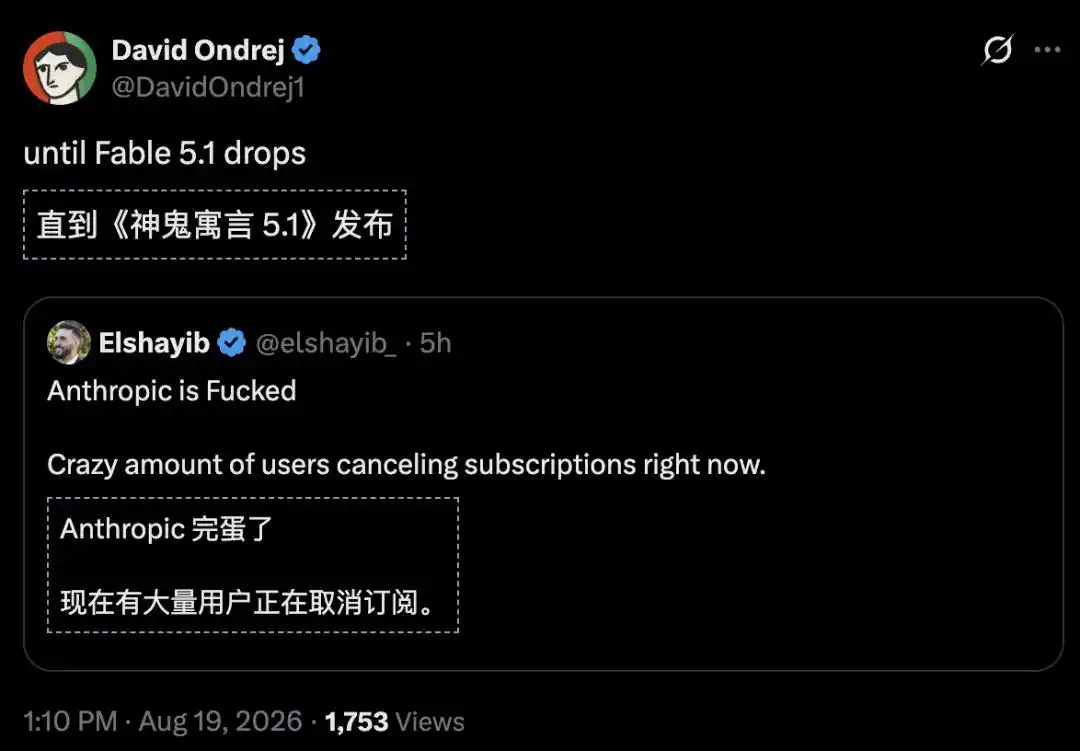
Latest data shows the early explosive growth phase of Claude Code has officially ended.

Now, new user growth is in the single digits, while old users are defecting in droves.

Many loyal CC users have already switched to its old rival, OpenAI's Codex.

ARR Growth Rate Plummets to 5.2%, the Frenzied Dash Halts

Today, the well-known data tracking platform TickerTrends released a new report, data shows—

Claude Code's growth engine has clearly "stalled."
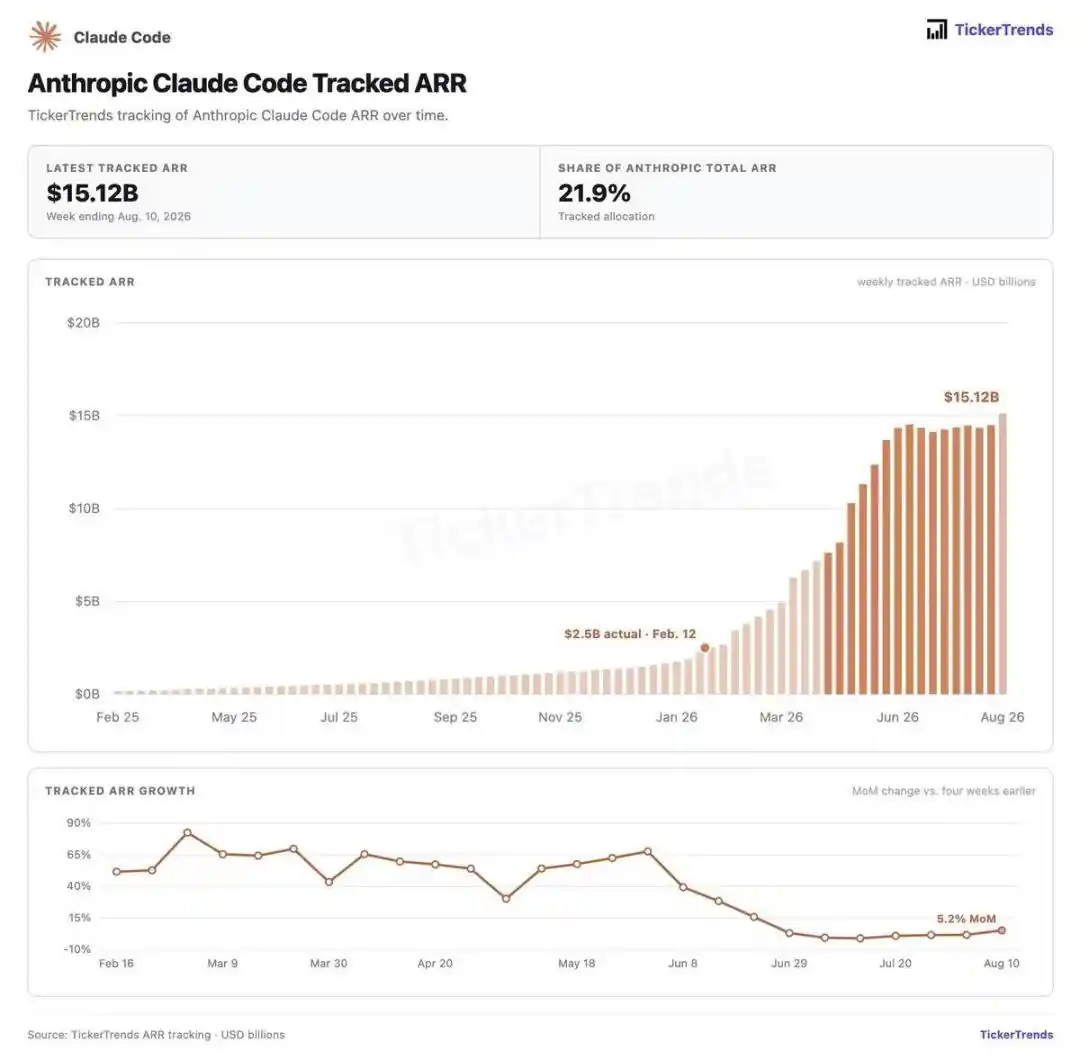
Once, Claude Code had a breathtaking growth curve.

Claude Code's ARR was around $2.5 billion on February 12, 2026; it skyrocketed to $6.3 billion by the end of March; broke through $10.3 billion by the end of April; and by June, that number had exceeded $14 billion.

Nearly a sixfold increase in just a few months!

This is not only a miracle in AI history but a myth in the entire history of the software industry. Investors were ecstatic, and the entire tech world gasped in amazement.

But Claude Code's myth ended in August 2026.

As of August 10th, Claude Code's tracked ARR stalled at $15.12 billion.

At first glance, a $15 billion plate is still massive (accounting for 21.9% of Anthropic's total tracked ARR), but if you look at the month-over-month growth rate, this number has plummeted to 5.2%!

What does 5.2% mean? For an AI unicorn at the forefront of the hype, this number indicates it has prematurely entered the low-growth period of "traditional software."

Data doesn't lie, especially for SaaS and AI subscription products. ARR is the lifeline.

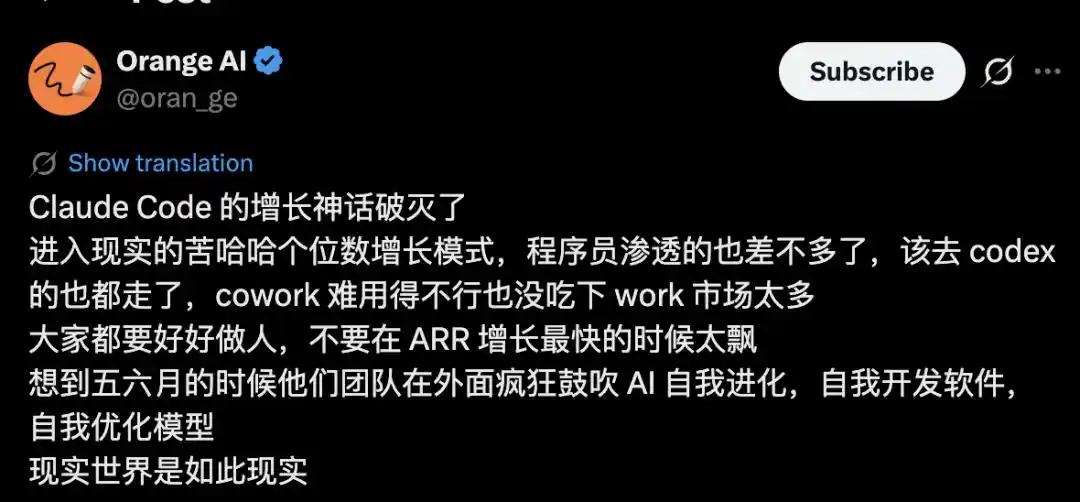
As tech commentator Orange AI pointed out:

The growth myth of Claude Code is shattered.

Entering the harsh reality of single-digit growth mode, programmer penetration is almost done, those who were going to Codex have left, and Cowork is too difficult to use and hasn't captured much of the work market.
Why has growth stalled?

First, penetration among the programmer community is nearing its ceiling.

Globally, the number of core developers willing to pay for advanced AI coding tools is ultimately limited. Those who were going to buy have bought it. Where will the new growth come from?

Second, the Cowork feature, on which Anthropic had placed high hopes to change white-collar workflows, has suffered a resounding failure.

User feedback is almost universal: Cowork is terribly difficult to use, completely failing to bite into the massive Work market as expected.

The product capability didn't keep up with the ambition. The attempt to break into new markets failed, naturally leading to competition within the existing market.
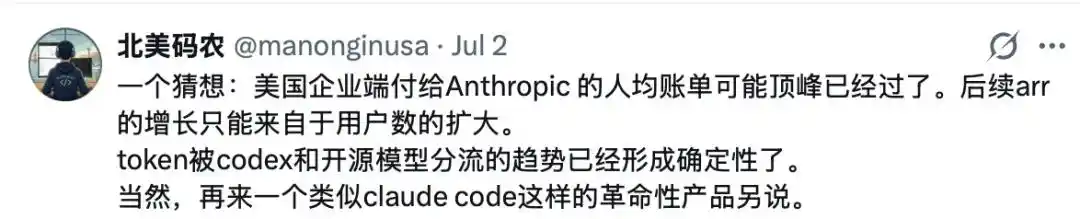
Invisible Watermark Incites Public Outrage, Large-Scale "Cancel Wave" Erupts

Slowing growth is only an internal worry. A more fatal external threat is the "cancel wave" spreading across social networks.

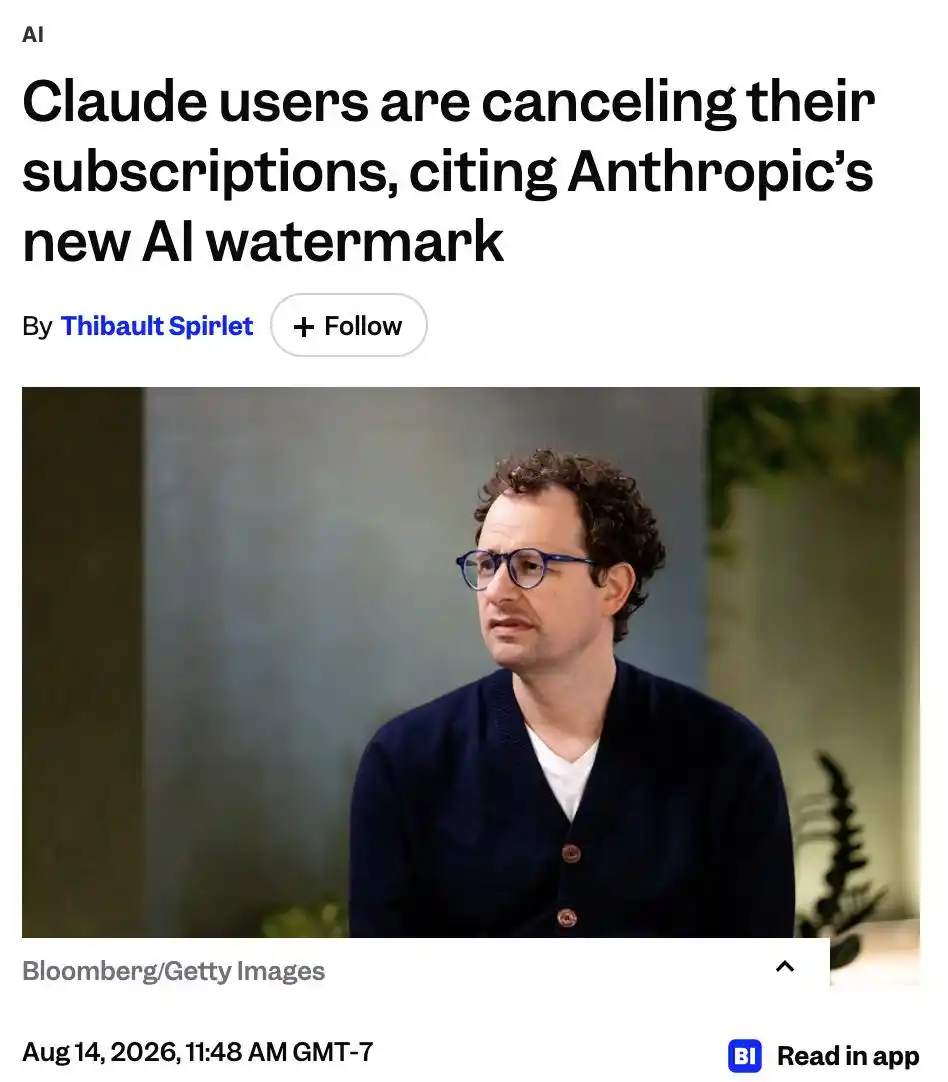
The direct trigger for this subscription cancellation crisis is a new feature rolled out globally in early August 2026—"Invisible Text Watermarking."

It's reported that Anthropic took this step to comply with increasingly stringent EU regulations. However, this move infuriated users.

This watermark silently embeds itself into all text and code generated or processed by Claude, completely enraging programmers and writers.

For many premium users paying around $100 monthly for Claude Pro/Max subscriptions, AI is just an auxiliary tool.

They might put their core code into Claude to find bugs, or toss tens of thousands of words of confidential documents in for light polishing.

Now, anything touched by Claude gets permanently stamped with the "AI-generated" mark on these original works born from human effort.

In interviews with foreign media, several users who angrily canceled expressed their fury: "This pollutes our work!"
Once code is secretly watermarked, indie developers face huge trouble—they work hard to deliver to clients, only to potentially face lawsuits and breach of contract penalties.

Programmers at big companies are even more panicked. If the company's core codebase gets "contaminated" by AI watermarks, and compliance audits find out, their career prospects could be ruined.

And the watermark is just the trigger.

The subsequent official moves piled on the negative effects, thoroughly grinding everyone's patience into the ground.

For instance, the miserly token limits.

Unlike OpenAI's Thibault, who frequently resets limits, Anthropic, after being heavily criticized, reluctantly increased the weekly token limit by 50% (and only until the end of August).

But for heavy users who rely on it daily, this isn't even enough to fill the gaps! The pain of being rate-limited in the middle of coding, who understands?

Additionally, there's the Schrödinger-like model experience.

The previously hyped-up god-tier model Fable 5, after its June launch, kept causing problems.

When writing complex business logic code, its performance is like a lottery—sometimes divine, sometimes idiotic, making it impossible to fully trust.

Since it's expensive, heavily overpriced, and aggressively milking users, it's no surprise users are revolting.

OpenAI Codex's Frenzied Counterattack

Just as Claude Code is mired in trouble and losing users in droves, its arch-nemesis—OpenAI Codex—is feasting.
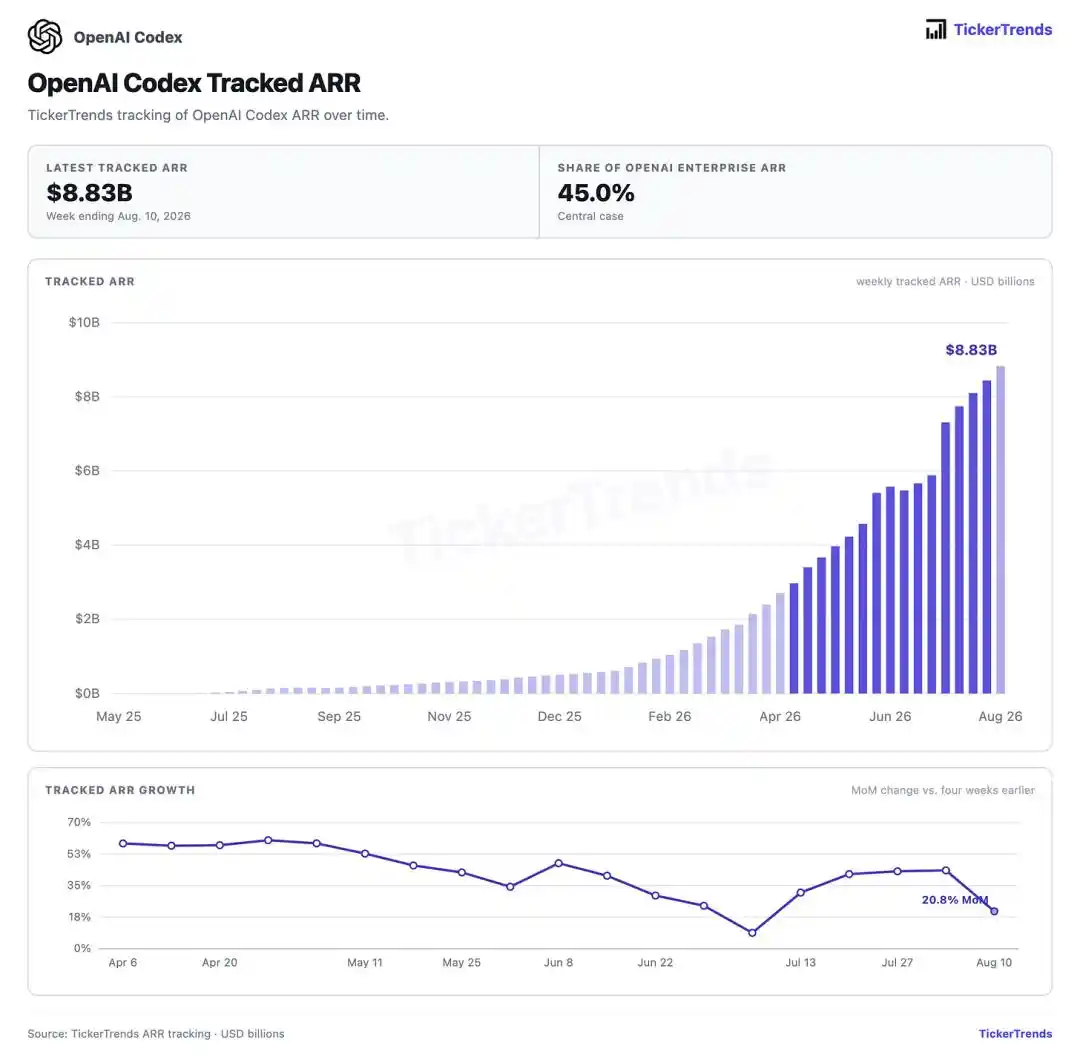
Comparative data from TickerTrends paints a picture of "fire and ice."

In the most recent four weeks ending August 10th, OpenAI Codex's month-over-month growth rate reached a staggering 20.8%, a full four times that of Claude Code (5.2%)!
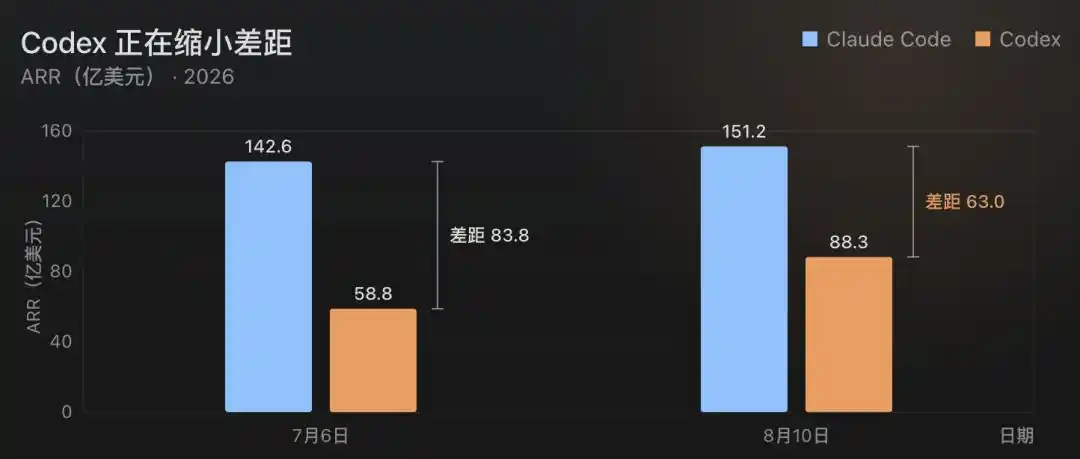
Why is Codex so strong? The answer is simple: it has absorbed a large number of "refugees" from Claude.

On platform X, numerous developers stated that due to the watermark and token limits, they have canceled their Claude subscriptions and fully switched to Codex.

Codex has looser limits, more seamless IDE integration, no disgusting invisible watermarks, and the backing of OpenAI's powerful enterprise sales network (Codex currently accounts for about 45% of OpenAI's enterprise ARR).

As one comment said: "Those who were going to Codex have left." Users are voting with their feet.

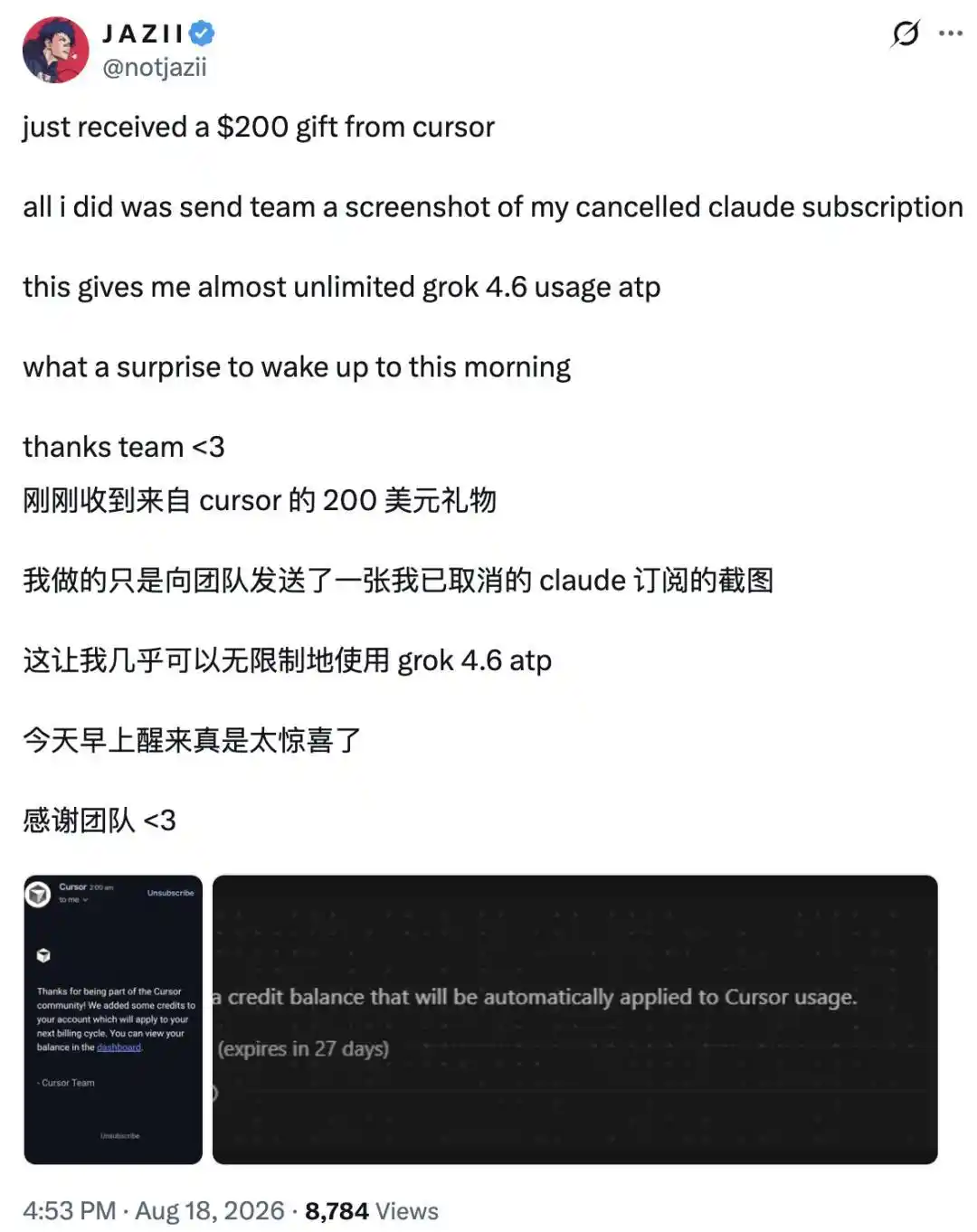
Even Cursor, recently acquired by SpaceX, has started a subsidy war, offering a $200 premium subscription directly for a "Claude cancellation screenshot."

The moat Claude Code built early on with its ultra-long context and impressive zero-shot coding capabilities is being slowly filled in by OpenAI and Cursor with better product experiences and ecosystems.

The Market Enters a Cooling-Off Period, Waking from the "AI Self-Evolution" Dream

Looking back to May and June of this year, how triumphant Anthropic was then.

The Fable 5 model had just been released, team members were touting the new narrative everywhere: "AI has already gained the ability to develop software on its own." "The role of human programmers will be redefined."

At the peak of its ARR surge, all of Silicon Valley was immersed in a frenzy of "AGI is about to arrive, we are building gods."

This narrative is extremely sexy and also extremely easy to make those involved feel "high."

However, just two months later, reality harshly slapped this boastful narrative.

When the tide recedes, companies face the cold, hard business reality—

Corporate budgets are finite; compute is finite; workers' demands are quite humble (they just want the tool to be useful, not cause trouble, and have enough tokens).

What users truly care about is: "Can you stop putting watermarks in my code? Can you raise the hourly message limit a bit? Can you design your Cowork feature to be usable by humans?"

This is precisely the common dilemma facing all AI super-unicorns now.

CC's technical foundation is undoubtedly top-tier, but in product operations, commercialization strategy (like forcefully pushing watermarks), and understanding user psychology (like pricing and limits), it acts like an arrogant novice, leading to backlash.

What truly pushed the discussion to a poignant point is the critique at the capital and narrative level.

Some bluntly stated: Anthropic's roughly $2 trillion IPO valuation is absurd, even higher than SpaceX's.

Yet the reality is, it doesn't own any hardware, has no real moat, and the prospects aren't bright. Serious companies like SpaceX, whose intelligence is nearing and will soon surpass these models, will also see their revenue catch up.

As for the IPO, more people will see it as a tool to quickly offload shares and achieve a graceful exit.

Now, the market has moved from the blind rush period into a cooling-off period.

The days of feasting on hype and early-mover advantages are over.

Although Anthropic still holds a trump card—Fable 5.1—if it continues with the watermark, will users accept it?

One final piece of advice for Anthropic: Please be decent and stay humble.

Don't get too arrogant during growth, because your patrons can overturn the table and leave at any moment.

References:

https://blog.tickertrends.io/p/claude-code-vs-openai-codex-arrhttps://techcrunch.com/2026/08/17/anthropics-annualized-revenue-surges-to-65b/https://x.com/oran_ge/status/2090040293383082085

This article is from the WeChat public account "New Zhiyuan", author: Aeneas David

Трендові криптовалюти

Пов'язані питання

QWhat is the main reason behind the recent surge in subscription cancellations for Claude Code?

AThe main reason is the controversial introduction of an 'invisible text watermark' on all text and code generated or processed by Claude, which users fear will taint their original work and lead to potential legal or compliance issues.

QAccording to the data from TickerTrends, how much did Claude Code's ARR growth rate drop to by August 10th?

AClaude Code's ARR growth rate plummeted to 5.2% by August 10th.

QWhich competing AI coding tool is reportedly gaining a significant number of users from Claude Code?

AOpenAI's Codex is gaining a significant number of users from Claude Code, with its recent four-week growth rate reaching 20.8%, four times that of Claude Code.

QWhat was the ambitious new narrative promoted by Anthropic's team during the peak of Claude Code's growth?

AThe team promoted a narrative that AI had achieved 'self-developing software capabilities' and that the role of human programmers would be redefined.

QWhat incentive did Cursor, recently acquired by SpaceX, offer to attract Claude Code subscribers?

ACursor offered a $200 premium subscription to users who provided screenshots proving they had cancelled their Claude subscription.

Пов'язані матеріали

BTC Sees Largest Single-Day Short Liquidation in History: Overnight $1.1 Billion Short Positions Evaporate, But Calling a Bull Return is Premature

Bitcoin experienced its largest single-day short liquidation in history, with approximately $1.191 billion in short positions being forcibly closed within 24 hours as the price surged nearly 7% to approach $70,000. This event, occurring on the evening of August 19, resulted in total liquidations of about $1.345 billion across the network. The massive short squeeze was attributed to a combination of catalysts: a White House meeting between former President Trump and crypto industry executives fueling regulatory optimism, and a more substantial signal from the U.S. Treasury doubling its liquidity support for long-term bond repurchases, hinting at looser macro liquidity for risk assets. Data showed strong institutional buying, with U.S. spot Bitcoin ETFs seeing significant inflows. The liquidation process itself created a feedback loop, accelerating the price rise as forced buy-backs pushed prices higher. This event surpassed the previous record for BTC perpetual short liquidations set during the volatile "5.19" period in 2021. While such extreme short liquidations have historically signaled a potential medium-term bottom formation, analysts caution that the market often undergoes weeks of consolidation and "cooling off" afterward. Current sentiment remains mixed, with the Fear & Greed Index still in "Fear" territory, and the key test for the rally being whether it can sustain momentum to challenge higher resistance levels like $75,000. The article concludes by warning against immediate "bull market is back" assumptions, emphasizing that history provides context but not guaranteed outcomes.

marsbit12 хв тому

BTC Sees Largest Single-Day Short Liquidation in History: Overnight $1.1 Billion Short Positions Evaporate, But Calling a Bull Return is Premature

marsbit12 хв тому

Websea Global RWA Summit Successfully Held: Focusing on New Opportunities in China-Kazakhstan Digital Economy, Releasing Signals of Cross-border Collaboration

Websea Global RWA Summit Successfully Held: Focusing on China-Kazakhstan Digital Economy Opportunities, Releasing Signals for Cross-Border Synergy When traditional industries seek new channels for globalization and digital technologies reshape capital, assets, and collaboration methods, an industrial dialogue connecting China, Kazakhstan, and global markets took place in Almaty. On August 18, 2026, the "2026 Global RWA Real-World Asset Tokenization Enterprise Globalization Resource Matching & China-Kazakhstan Industrial Investment Conference," co-hosted by Websea, concluded successfully in Almaty, Kazakhstan. Centered on RWA digitization, cross-border industrial synergy, and investment promotion, the summit gathered industry representatives, investors, digital economy practitioners, creators, and media from China and Kazakhstan to explore the future of a digital economy community. The event shifted focus from mere "project showcases" to fostering deeper "industrial synergy." It featured project roadshows and panel discussions on topics like "Mining Future·Digital Empowerment," "Real Estate Renewal·Urban Evolution," "Green Energy·RWA Opportunities," and "The Globalization Logic of Real Economy." Mr. Yerbol Kharbayev, Chairman of the Kazakhstan Association of Special Economic Zones, emphasized that RWA's significance lies not only in technology but in enhancing asset transparency, collaboration efficiency, and cross-border connectivity through digitization. The discussions highlighted a move towards a deeper "Digital Economy Community" between China and Kazakhstan. Key points included the need for an open, transparent, and stable business environment to attract long-term investment and the crucial role of synergy between governments, enterprises, platforms, and communities. The summit facilitated strategic cooperation signings and targeted B2G/B2B matching, providing a direct channel for Chinese enterprises exploring the Central Asian market. As an invited digital asset platform, Websea participated in brand presentations and the launch of initiatives like a Creator Alliance and a Web3 MCN agency. Herbert Sim, Global CMO of Websea, stated that platform development is fundamentally rooted in user trust and real experience. He expressed gratitude for user and partner trust, underscoring Websea's commitment to asset security, transaction experience, risk awareness, and user rights protection. Websea aims to contribute to the global digital economy through optimized services and open collaboration. The summit also launched the Web3 Beauty Alliance - Central Asia Chapter, a China-Kazakhstan Quality Creator Alliance, and Web3 MCN agencies, expanding the dialogue beyond industry and capital to include technology, content, community, and brand building. The event concluded by signaling that the future of the digital economy will be co-created by a broad range of participants. It requires institutional and infrastructural support, long-term commitment from enterprises, and the sustained trust of users, partners, and communities. With the summit's conclusion, a new chapter in China-Kazakhstan industrial synergy and digital economy cooperation has begun. Websea will use this as a starting point to continue exploring a secure, open, and sustainable digital future alongside global users and partners.

marsbit21 хв тому

Websea Global RWA Summit Successfully Held: Focusing on New Opportunities in China-Kazakhstan Digital Economy, Releasing Signals of Cross-border Collaboration

marsbit21 хв тому

Russia's Banking Bleed and the Crypto Hunt: Citizens Have Withdrawn 24 Billion Euros from Banks This Year; Bill Limiting Total Crypto Purchases Set to Take Effect

**Title: Russia's Banking System Bleeds Cash as Citizens Turn to Crypto, But New Law Imposes Strict Limits** **Summary:** Russia is witnessing a significant outflow of cash from its banking system, with citizens withdrawing approximately €24.4 billion in the first seven months of 2026. This trend accelerated in July, marking the highest monthly increase for the year. Major banks like Gazprombank and Sberbank have reported substantial deposit losses. Simultaneously, cryptocurrency transaction volumes have surged, with an estimated daily trading volume of around $650 million. Officials note that annual crypto transactions exceed 10 trillion rubles, largely occurring outside regulated channels. Citizens are increasingly using crypto as a tool to hedge against currency depreciation and financial uncertainty. In response, President Putin signed the "Digital Currency and Digital Rights Law," with key provisions taking effect on September 1, 2026. This law severely restricts access for ordinary citizens. Non-qualified retail investors will be limited to purchasing only about $3,600 worth of cryptocurrency (initially Bitcoin, Ethereum, and USDT) per year through any single licensed intermediary. Qualified investors and businesses face no such limits for cross-border settlements. Official explanations for the cash exodus cite technical factors like tax changes and digital payment disruptions. However, analysts and media point to deeper public concerns over potential asset freezes, economic instability related to the war, and a lack of trust in the financial system. Notably, September 1 also marks the public launch of the Digital Ruble, Russia's central bank digital currency (CBDC). This creates a dual dynamic: tightening control over decentralized crypto assets while introducing a state-controlled digital currency for payments. For ordinary Russians, traditional banking is losing appeal, crypto access is being capped, and the new Digital Ruble offers a third, fully state-managed pathway.

marsbit45 хв тому

Russia's Banking Bleed and the Crypto Hunt: Citizens Have Withdrawn 24 Billion Euros from Banks This Year; Bill Limiting Total Crypto Purchases Set to Take Effect

marsbit45 хв тому

Household & Personal Care Giant Quietly Becomes the Champion in 'Chip Cleaning'

Kao, the renowned Japanese consumer goods giant known for laundry detergent and facial cleansers, has quietly become a leader in the semiconductor precision cleaning agent market, as revealed in its recent financial report. The company's chemical business, which includes semiconductor precision cleaning agents, achieved net sales of 2472 billion yen (approx. RMB 104.4 billion) in the first half of fiscal 2026, growing 9.4% year-on-year and becoming its fastest-growing segment. Notably, Kao holds about a 60% market share in cleaning agents for package substrates and is also a leader in specific chemicals for NAND flash manufacturing processes. Its products have entered the supply chains of major chipmakers like TSMC, Samsung, and Kioxia. Kao's journey into semiconductors began with its core expertise in surface science, developed from its origins in soap and detergent manufacturing. The 1987 Montreal Protocol, which phased out ozone-depleting solvents like Freon, created a demand for alternative cleaning solutions. Leveraging its deep knowledge of surfactants and purification, Kao launched its "CLEANTHROUGH" aqueous cleaning agent in 1991, entering the precision cleaning market. Over the past three decades, Kao has expanded its product line to cover both front-end (wafer fabrication) and back-end (packaging) semiconductor processes. Its "precision interface control technology" addresses key challenges like particle removal, photoresist stripping, and cleaning complex structures in advanced packaging without damaging delicate materials. Beyond cleaning, Kao's portfolio extends to adjacent processes like dry film photoresist stripping. A key to Kao's success is its customer-centric business model. The company operates "Fine Cleaning Centers" in Japan and Taiwan, where it collaborates directly with clients on process development. This deep integration, coupled with the high cost and risk of switching validated materials in semiconductor production, creates strong customer loyalty. As the AI boom drives demand for complex chip packaging like CoWoS, which requires more numerous and difficult cleaning steps, Kao is strategically positioned. The company plans to defend its back-end dominance while expanding into DRAM and logic semiconductor markets. Kao's story mirrors that of other Japanese firms like Ajinomoto (ABF film) and TOTO (electrostatic chucks), which leveraged deep-rooted core technologies from seemingly unrelated industries to achieve leadership in critical, niche segments of the semiconductor supply chain.

marsbit46 хв тому

Household & Personal Care Giant Quietly Becomes the Champion in 'Chip Cleaning'

marsbit46 хв тому

Торгівля

Спот

Популярні статті

Що таке DOGE M

Doge Matrix ($doge m): Нова порода криптовалюти, що керується спільнотою Вступ У постійно змінюваному ландшафті криптовалюти нові проекти постійно з'являються, кожен з яких прагне привернути увагу інвесторів та ентузіастів. Одним з останніх учасників цього домену є Doge Matrix, представлений тикером $doge m. Цей проект привернув увагу завдяки своїм корінням у популярній культурі мемів навколо Dogecoin, закріплюючи своє місце в просторі web3. Ця стаття має на меті надати всебічний аналіз Doge Matrix, охоплюючи його огляд, творця, інвесторів, функціональність, хронологію та помітні аспекти. Що таке Doge Matrix ($doge m)? Doge Matrix — це проект криптовалюти, що керується спільнотою, який, здається, будує на широкій привабливості Dogecoin, цифрової валюти, відомої своїм маскотом Shiba Inu та мем-походженням. Хоча загальні цілі Doge Matrix не є детально визначеними, він характеризується зобов'язанням залучати участь та підтримку спільноти. На відміну від традиційних криптовалют, які часто підкреслюють корисність або внутрішню цінність через підлягаючі технології, Doge Matrix позиціонує себе в просторі, що охоплює культурне явище криптовалют, особливо приваблюючи тих, хто резонує з етикою активів на основі мемів. Спираючись на сильні сторони спільноти Dogecoin, Doge Matrix працює як частина більш широкої екосистеми, запрошуючи участь та залучення користувачів, які поділяють інтерес до криптовалюти та цифрового простору. Хто є творцем Doge Matrix ($doge m)? Особистість творця Doge Matrix залишається невідомою. Ця відсутність прозорості не є рідкісним явищем у сфері криптовалют, де деякі проекти запускаються без розкриття ідентичностей своїх засновників. Відсутність інформації про засновницьку команду може викликати питання серед потенційних інвесторів щодо відповідальності та напрямку проекту. Хто є інвесторами Doge Matrix ($doge m)? На даний момент немає публічно доступної інформації про інвесторів або інвестиційні фонди, які підтримують Doge Matrix. Проект, здається, покладається переважно на підтримку спільноти, а не на інституційні інвестиції. Ця модель узгоджується з природою ініціативи, що керується спільнотою, сприяючи середовищу, де напрям проекту формується його учасниками, а не диктується вибраними фінансовими спонсорами. Як працює Doge Matrix ($doge m)? Специфіка операційних механізмів Doge Matrix є дещо розмитою, відображаючи ширшу тенденцію проектів у просторі мем-коінів, де інноваційні функціональності не завжди чітко сформульовані. Проте Doge Matrix, здається, розроблений для того, щоб використовувати існуючу екосистему криптовалют, заохочуючи участь користувачів, одночасно використовуючи знайомі культурні посилання, пов'язані з Dogecoin. Його потенційно унікальні характеристики походять від взаємодій у спільноті, а не від технологічних досягнень, підкреслюючи спільний досвід та співпрацю серед власників токенів. Хоча точні інновації не були чітко окреслені, проект, здається, створює простір, де члени спільноти можуть взаємодіяти, ділитися ідеями та просувати потенціал проекту вперед. Хронологія Doge Matrix ($doge m) Розглядаючи хронологію проекту, можна виявити помітні події, які визначили його шлях до цього часу: 25 листопада 2024: Doge Matrix досяг свого історичного максимуму, що стало значною віхою в його ранній історії. 1 січня 2025: Навпаки, Doge Matrix досяг свого історичного мінімуму, ілюструючи волатильність, яка часто асоціюється з криптовалютами, особливо на ранніх етапах життєвого циклу проекту. Триває: Проект продовжує активно торгуватися та підтримуватися своєю спільнотою, хоча конкретні майбутні віхи або цілі ще не були розкриті. Ключові моменти про Doge Matrix ($doge m) Орієнтація на спільноту У центрі Doge Matrix лежить зобов'язання до залучення спільноти. Проект процвітає на основі співпраці та спільних цілей серед своїх учасників, підкреслюючи важливість колективних зусиль. На відміну від централізованих проектів, які часто мають визначену структуру керівництва, Doge Matrix наразі демонструє більш гнучкий підхід до управління, де голос кожного члена спільноти має значення. Волатильність Ринок криптовалют відомий своєю волатильністю, і Doge Matrix не є винятком. Його історія цін відображає значні коливання між високими та низькими значеннями, що є типовим для багатьох нових криптовалют, але підкреслює ризики, пов'язані з інвестиціями в нові токени. Відсутність детальної інформації Однією з найпомітніших рис Doge Matrix є брак детальної інформації щодо його технологічних основ та операційних механізмів. Ця невизначеність вимагає від потенційних інвесторів провести ретельну перевірку перед залученням до проекту. Висновок Підсумовуючи, Doge Matrix ($doge m) ілюструє нову хвилю проектів криптовалюти, які сильно покладаються на залучення спільноти та культурну значущість. Хоча йому бракує певних специфікацій — таких як чітке керівництво, визначені цілі та детальна функціональність — проект зміг викликати інтерес у криптоспільноті, використовуючи вже встановлену привабливість культури мемів. Як і з будь-якими інвестиціями в сфері криптовалют, розуміння вроджених ризиків і проведення всебічного дослідження є важливими для потенційних учасників. Doge Matrix слугує нагадуванням про динамічну, іноді непередбачувану природу криптоіндустрії, що відзначається постійною еволюцією та ентузіазмом щодо ініціатив, що керуються спільнотою.

599 переглядів усьогоОпубліковано 2025.02.03Оновлено 2025.02.03

Що таке DOGE M

Що таке $M

Розуміння Mantis ($M): Нова ера в кросчейн-інтероперабельності У постійно змінюваному ландшафті Web3 та криптовалют нові проекти прагнуть запропонувати інноваційні рішення, спрямовані на покращення користувацького досвіду та розширення функціональних можливостей у рамках децентралізованої фінансової екосистеми. Один з таких проектів, що привертає увагу, - це Mantis ($M), піонерський протокол, заснований на принципах кросчейн-інтероперабельності та угод на основі намірів. Ця стаття розглядає основні аспекти Mantis, включаючи його основну функціональність, творців, інвестиційну підтримку, інноваційні особливості та ключові етапи. Що таке Mantis ($M)? Mantis описується як протокол врегулювання намірів у кількох доменах, який спрощує кросчейн-взаємодії, дозволяючи користувачам безперешкодно виконувати складні фінансові транзакції на різних блокчейн-платформах. Протокол працює через три основні шари: Вираження намірів: Користувачі можуть формулювати свої цілі транзакцій, використовуючи природну мову, що забезпечується DISE LLM, передовою мовною моделлю штучного інтелекту. Наприклад, користувач може висловити бажання обміняти Ethereum (ETH) на Solana (SOL) з певною допустимою похибкою в 1%. Виконання: Цей шар використовує мережу розв'язувачів, які змагаються за виконання намірів користувачів. Транзакції виконуються за допомогою механізмів, таких як Coincidence of Wants (CoWs) та Order Flow Auctions (OFAs), які забезпечують оптимальне задоволення запитів користувачів. Врегулювання: Використовуючи протокол міжблокчейн-комунікації (IBC), Mantis дозволяє атомарні кросчейн-транзакції, що дозволяє користувачам працювати на різних підтримуваних ланцюгах, включаючи Ethereum, Solana та Cosmos. Mantis розроблений для впровадження рідної генерації доходу для бездіяльних активів, використовуючи криптографічні докази для підтримки цілісності транзакцій протягом усього процесу. Творці та команда розробників Mantis був задуманий Composable Foundation, дослідницькою організацією, відомою своїм акцентом на рішеннях для блокчейн-інтероперабельності. Ця організація співпрацює з відомими академічними установами, такими як Гарвардський університет та Університет Лісабона, сприяючи широким дослідженням та розробкам, які формують архітектуру та функціональність Mantis. Зобов'язання Composable Foundation сприяти інноваціям у сфері блокчейн-технологій позиціонує Mantis як надійне рішення для зростаючого попиту на інтероперабельність між кількома блокчейн-мережами. Інвестори та підтримка Хоча конкретні деталі про окремих інвесторів не були публічно розкриті, Mantis користується значною підтримкою від різних суб'єктів, включаючи: Гранти екосистеми від ланцюгів, що підтримують IBC, які підтримують зростання протоколу та інтеграцію в децентралізовані фінансові екосистеми. Стратегічні партнерства з постачальниками інфраструктури, які покращують мережеві можливості Mantis та стратегії впровадження. Фінансування через казну Composable Foundation, що забезпечує стабільну фінансову підтримку для поточних розробок та операційних витрат. Ці спільні зусилля відображають консенсус серед зацікавлених сторін щодо важливості покращення кросчейн-функціональності та потенційної корисності інфраструктурних інновацій Mantis. Ключові інновації Mantis вирізняється кількома піонерськими інноваціями, які покращують його функціональність та корисність: Незалежні від ланцюга наміри: Користувачі можуть ініціювати транзакції з будь-якого підтримуваного ланцюга, при цьому врегулюючи їх на іншому. Ця гнучкість надає користувачам більше можливостей, стимулюючи взаємодію між різними платформами. Інтерфейс на базі штучного інтелекту: Інтеграція DISE LLM дозволяє користувачам виконувати складні DeFi-операції, використовуючи природну мову, що спрощує взаємодію та робить технологію блокчейн доступною для ширшої аудиторії. Захоплення MEV у кросдоменному середовищі: Mantis створює внутрішній ринок для максимального екстракційного значення (MEV) через конкуренцію серед розв'язувачів. Цей інноваційний підхід дозволяє досягати більшої ефективності та екстракції вартості в складних транзакціях. Модульний шар врегулювання: Протокол підтримує різні методи верифікації, включаючи нульові знання та оптимістичні роллапи, забезпечуючи універсальну структуру, яка може адаптуватися до нових блокчейн-технологій. Історична хронологія Розвиток Mantis відзначений кількома критичними етапами, які окреслюють його траєкторію та зростання: | Рік | Етап | |————|————————————————————————-| | 2022 | Початкова розробка концепції в дослідницькому підрозділі Composable Foundation. | | Q3 2024 | Запуск тестової мережі з можливостями мосту між Solana та Ethereum. | | Q1 2025 | Очікувана подія генерації токенів (TGE) разом із запуском основної мережі. | | Q2 2025 | Очікувана інтеграція DISE LLM та розширення кросчейн-можливостей. | | 2025 H2 | Запланована підтримка понад 15 ланцюгів через подальші оновлення IBC. | Ця хронологія окреслює еволюцію Mantis, від концептуальних обговорень до активної реалізації та майбутніх етапів зростання. Стратегія зростання екосистеми Стратегія Mantis щодо зростання екосистеми включає кілька ініціатив, спрямованих на заохочення участі користувачів та залучення розробників: Система кредитів: Користувачі можуть заробляти кредити протоколу, надаючи ліквідність та беручи участь у реферальних програмах. Ці кредити можна буде обміняти на винагороди в майбутньому, сприяючи формуванню сильної спільноти користувачів. Модульний набір для розробки програмного забезпечення (SDK): Цей набір інструментів надає розробникам можливість створювати додатки на основі моделей, що керуються намірами, використовуючи інфраструктуру Mantis, тим самим сприяючи інноваціям у його екосистемі. Модель управління: У міру розвитку протоколу, власники токенів $M отримають можливість брати участь в управлінні протоколом, що дозволить їм голосувати за запропоновані оновлення та зміни, підвищуючи залученість спільноти та децентралізацію. Mantis представляє собою значний прогрес у сфері кросчейн-архітектури. Завдяки безперешкодній інтеграції передових алгоритмів штучного інтелекту з надійною структурою врегулювання, Mantis прагне вирішити проблеми фрагментації в багатоланцюгових екосистемах. Його інноваційний підхід ставить на перше місце покращення користувацького досвіду, дотримуючись основоположних принципів децентралізації та безпеки, встановлюючи новий стандарт для майбутньої інтероперабельності блокчейн-технологій. Оскільки Mantis продовжує свій шлях зростання та реалізації, він обіцяє стати проектом, за яким варто уважно стежити в конкурентному середовищі Web3 та децентралізованих фінансів. Зосереджуючись на подоланні кордонів та підвищенні залученості користувачів, Mantis готовий стати невід'ємною частиною майбутніх розробок у сфері криптовалют.

161 переглядів усьогоОпубліковано 2025.03.18Оновлено 2025.03.18

Що таке $M

Як купити M

Ласкаво просимо до HTX.com! Ми зробили покупку MemeCore (M) простою та зручною. Дотримуйтесь нашої покрокової інструкції, щоб розпочати свою криптовалютну подорож.Крок 1: Створіть обліковий запис на HTXВикористовуйте свою електронну пошту або номер телефону, щоб зареєструвати обліковий запис на HTX безплатно. Пройдіть безпроблемну реєстрацію й отримайте доступ до всіх функцій.ЗареєструватисьКрок 2: Перейдіть до розділу Купити крипту і виберіть спосіб оплатиКредитна/дебетова картка: використовуйте вашу картку Visa або Mastercard, щоб миттєво купити MemeCore (M).Баланс: використовуйте кошти з балансу вашого рахунку HTX для безперешкодної торгівлі.Треті особи: ми додали популярні способи оплати, такі як Google Pay та Apple Pay, щоб підвищити зручність.P2P: Торгуйте безпосередньо з іншими користувачами на HTX.Позабіржова торгівля (OTC): ми пропонуємо індивідуальні послуги та конкурентні обмінні курси для трейдерів.Крок 3: Зберігайте свої MemeCore (M)Після придбання MemeCore (M) збережіть його у своєму обліковому записі на HTX. Крім того, ви можете відправити його в інше місце за допомогою блокчейн-переказу або використовувати його для торгівлі іншими криптовалютами.Крок 4: Торгівля MemeCore (M)Легко торгуйте MemeCore (M) на спотовому ринку HTX. Просто увійдіть до свого облікового запису, виберіть торгову пару, укладайте угоди та спостерігайте за ними в режимі реального часу. Ми пропонуємо зручний досвід як для початківців, так і для досвідчених трейдерів.

650 переглядів усьогоОпубліковано 2025.07.02Оновлено 2026.06.02

Як купити M

Обговорення

Ласкаво просимо до спільноти HTX. Тут ви можете бути в курсі останніх подій розвитку платформи та отримати доступ до професійної ринкової інформації. Нижче представлені думки користувачів щодо ціни M (M).

活动图片