Can Iran 'Control' the Strait of Hormuz?

marsbitОпубліковано о 2026-04-27Востаннє оновлено о 2026-04-27

Анотація

Iran has announced a comprehensive plan to assert control over the strategic Strait of Hormuz, a critical global oil shipping chokepoint. The proposed measures include requiring all vessels to obtain Iranian permission for passage, imposing fees for security, environmental protection, and navigation management—preferably paid in Iranian rials—and absolutely banning Israeli ships. Vessels from countries deemed hostile by Iran’s top security bodies may also be barred. Analysts suggest Iran’s motives are multifaceted: increasing pressure on the U.S. and Israel by leveraging control over oil transit to influence global prices and inflation; creating a new revenue stream, potentially exceeding $7.7 billion annually, to counter Western sanctions and support postwar reconstruction; and using transit permissions as bargaining chips in future negotiations, notably with the U.S. However, the plan faces significant practical and diplomatic challenges. Enforcing comprehensive interception and fee collection in the busy waterway, patrolled by international military forces, would be difficult. The U.S. has already countering with a blockade of Iranian ports and threats to intercept any ship paying fees, potentially strangling Iran’s oil exports and fee revenue. Broad international opposition, led by European and Gulf states, and legal controversies further complicate implementation. The proposal may ultimately serve more as a negotiating tactic than a feasible policy, with its execution ...

According to Iran's Mehr News Agency on the 25th, citing an Iranian lawmaker, Iran has formulated a comprehensive plan for managing the Strait of Hormuz. Analysts point out that Iran's move has multiple purposes, including increasing pressure on the United States and Israel and securing new stable sources of revenue. However, the proposal to charge fees for passing vessels has sparked international opposition. The United States is pressuring Iran by blockading its ports and ships, and whether Iran's plan to control the strait can be implemented remains uncertain.

This is a file photo of the Strait of Hormuz taken on February 19, 2025. Photo by Wang Qiang, Xinhua News Agency.

What Are the Objectives?

According to Mehr News Agency, the news was revealed by Iranian Islamic Parliament member Behnam Saidi. Iranian media previously reported that the Iranian parliament reviewed several proposals regarding the governance of the Strait of Hormuz on the 5th and decided to establish a special committee to formulate a comprehensive plan and legal safeguards for exercising jurisdiction over the strait.

According to Saidi, the comprehensive plan includes:

Sovereignty over the Strait of Hormuz will be entirely in Iran's hands;

Ships and vessels navigating the area must obtain permission from Iran;

Vessels passing through the area must pay relevant fees for safety, environmental protection, shipping management, and permit issuance, with priority given to payment in rials;

Vessels from countries designated as hostile by Iran's Supreme National Security Council or the General Staff of the Armed Forces are prohibited from passing through the Strait of Hormuz, with Israeli vessels absolutely banned;

For countries that have caused losses to Iran, relevant countries must first reach an agreement with Iran on compensation methods before their vessels can be granted passage permits.

Analysts believe the plan reveals multiple objectives for Iran.

First, to continue pressuring the U.S. and Israel. By controlling the Strait of Hormuz, a global shipping chokepoint, Iran aims to influence international oil prices, exacerbating inflationary pressures and economic burdens on the U.S. and Israel while prompting the international community to call for de-escalation and open shipping lanes, thereby putting economic and diplomatic pressure on both countries. The ban on vessels from "hostile countries" directly targets the U.S. and Israel. Additionally, linking strait passage to war compensation claims aims to force the U.S. to make concessions on compensation.

Second, to leave room for U.S.-Iran negotiations. Although Iran has maintained a tough stance toward the U.S., it has not completely closed the door to talks. Iran recently sent Foreign Minister Araghchi to Pakistan, claiming no negotiations with the U.S., but also conveying messages to the U.S. through Pakistan and hinting that Araghchi might return to Islamabad soon. In introducing the comprehensive plan, Saidi listed Israel as "absolutely prohibited" but did not name the U.S., possibly暗示暗示暗示暗示暗示暗示暗示暗示暗示暗示暗示暗示暗示暗示暗示暗示暗示暗示暗示暗示暗示暗示暗示暗示暗示暗示暗示暗示暗示暗示暗示暗示暗示暗示暗示暗示暗示暗示暗示暗示暗示暗示暗示暗示暗示暗示暗示暗示暗示暗示暗示暗示暗示暗示暗示暗示暗示暗示暗示暗示暗示暗示暗示暗示暗示暗示暗示暗示暗示暗示暗示暗示暗示暗示暗示暗示暗示暗示暗示暗示暗示暗示暗示暗示暗示暗示暗示暗示暗示暗示暗示暗示暗示暗示暗示暗示暗示暗示暗示暗示暗示暗示暗示暗示暗示暗示暗示暗示暗示暗示暗示暗示暗示暗示暗示暗示暗示暗示暗示暗示暗示暗示暗示暗示暗示暗示暗示暗示暗示暗示暗示暗示暗示暗示暗示暗示暗示暗示暗示暗示暗示暗示暗示暗示暗示暗示暗示暗示暗示暗示暗示暗示暗示暗示暗示暗示暗示暗示暗示暗示暗示暗示暗示暗示暗示暗示暗示暗示暗示暗示暗示暗示暗示暗示暗示暗示暗示暗示暗示暗示暗示暗示暗示暗示暗示暗示暗示暗示暗示暗示暗示暗示暗示暗示暗示暗示暗示暗示暗示暗示暗示暗示暗示暗示暗示暗示暗示暗示暗示暗示暗示暗示暗示暗示暗示暗示暗示暗示暗示暗示暗示暗示暗示暗示暗示暗示暗示暗示暗示暗示暗示暗示暗示暗示暗示暗示暗示暗示暗示暗示暗示暗示暗示暗示暗示暗示暗示暗示暗示暗示暗示暗示暗示暗示暗示暗示暗示暗示暗示暗示暗示暗示暗示暗示暗示暗示暗示暗示暗示暗示暗示暗示暗示暗示暗示暗示暗示暗示暗示暗示暗示暗示暗示暗示暗示暗示暗示暗示暗示暗示暗示暗示暗示暗示暗示暗示暗示暗示暗示暗示暗示暗示暗示暗示暗示暗示暗示暗示暗示暗示暗示暗示暗示暗示暗示暗示暗示暗示暗示暗示暗示暗示暗示暗示暗示暗示暗示暗示暗示暗示暗示暗示暗示暗示暗示暗示暗示暗示暗示暗示暗示暗示暗示暗示暗示暗示暗示暗示暗示暗示暗示暗示暗示暗示暗示暗示暗示暗示暗示暗示暗示暗示暗示暗示暗示暗示暗示暗示暗示暗示暗示暗示暗示暗示暗示暗示暗示暗示暗示暗示暗示暗示暗示暗示暗示暗示暗示暗示暗示暗示暗示暗示暗示暗示暗示暗示暗示暗示暗示暗示暗示暗示暗示暗示暗示暗示暗示暗示暗示暗示暗示暗示暗示暗示暗示暗示暗示暗示暗示暗示暗示暗示暗示暗示暗示暗示暗示暗示暗示暗示暗示暗示暗示暗示暗示暗示暗示暗示暗示暗示暗示暗示暗示暗示暗示暗示暗示暗示暗示暗示暗示暗示暗示暗示暗示暗示暗示暗示暗示暗示暗示暗示暗示暗示暗示暗示暗示暗示暗示暗示暗示暗示暗示暗示暗示暗示暗示暗示暗示暗示暗示暗示暗示暗示暗示暗示暗示暗示暗示暗示暗示暗示暗示暗示暗示暗示暗示暗示暗示暗示暗示暗示暗示暗示暗示暗示暗示暗示暗示暗示暗示暗示暗示暗示暗示暗示暗示暗示暗示暗示暗示暗示暗示暗示暗示暗示暗示暗示暗示暗示暗示暗示暗示暗示暗示暗示暗示暗示暗示暗示暗示暗示暗示暗示暗示暗示暗示暗示暗示暗示暗示暗示暗示暗示暗示暗示暗示暗示暗示暗示暗示暗示暗示暗示暗示暗示暗示暗示暗示暗示暗示暗示暗示暗示暗示暗示暗示暗示暗示暗示暗示暗示暗示暗示暗示暗示暗示暗示暗示暗示暗示暗示暗示暗示暗示暗示暗示暗示暗示暗示暗示暗示暗示暗示暗示暗示暗示暗示暗示暗示暗示暗示暗示暗示暗示暗示暗示暗示暗示暗示暗示暗示暗示暗示暗示暗示暗示暗示暗示暗示暗示暗示暗示暗示暗示暗示暗示暗示暗示暗示暗示暗示暗示暗示暗示暗示暗示暗示暗示暗示暗示暗示暗示暗示暗示暗示暗示暗示暗示暗示暗示暗示暗示暗示暗示暗示暗示暗示暗示暗示暗示暗示暗示暗示暗示暗示暗示暗示暗示暗示暗示暗示暗示暗示暗示暗示暗示暗示暗示暗示暗示暗示暗示暗示暗示暗示暗示暗示暗示暗示暗示暗示暗示暗示暗示暗示暗示暗示暗示暗示暗示暗示暗示暗示暗示暗示暗示暗示暗示暗示暗示暗示暗示暗示暗示暗示暗示暗示暗示暗示暗示暗示暗示暗示暗示暗示暗示暗示暗示暗示暗示暗示暗示暗示暗示暗示暗示暗示暗示暗示暗示暗示暗示暗示暗示暗示暗示暗示暗示暗示暗示暗示暗示暗示暗示暗示暗示暗示暗示暗示暗示暗示暗示暗示暗示暗示暗示暗示暗示暗示暗示暗示暗示暗示暗示暗示暗示暗示暗示暗示暗示暗示暗示暗示暗示暗示暗示暗示暗示暗示暗示暗示暗示暗示暗示暗示暗示暗示暗示暗示暗示暗示暗示暗示暗示暗示暗示暗示暗示暗示暗示暗示暗示暗示暗示暗示暗示暗示暗示暗示暗示暗示暗示暗示暗示暗示暗示暗示暗示暗示暗示暗示暗示暗示暗示暗示暗示暗示暗示暗示暗示暗示暗示暗示暗示暗示暗示暗示暗示暗示暗示暗示暗示暗示暗示暗示暗示暗示暗示暗示暗示暗示暗示暗示暗示暗示暗示暗示暗示暗示暗示暗示暗示暗示暗示暗示暗示暗示暗示暗示暗示暗示暗示暗示暗示暗示暗示暗示暗示暗示暗示暗示暗示暗示暗示暗示暗示暗示暗示暗示暗示暗示暗示暗示暗示暗示暗示暗示暗示暗示暗示暗示暗示暗示暗示暗示暗示暗示暗示暗示暗示暗示暗示暗示暗示暗示暗示暗示暗示暗示暗示暗示暗示暗示暗示暗示暗示暗示暗示暗示暗示暗示暗示暗示暗示暗示暗示暗示暗示暗示暗示暗示暗示暗示暗示暗示暗示暗示暗示暗示暗示暗示暗示暗示暗示暗示暗示暗示暗示暗示暗示暗示暗示暗示暗示暗示暗示暗示暗示暗示暗示暗示暗示暗示暗示暗示暗示暗示暗示暗示暗示暗示暗示暗示暗示暗示暗示暗示暗示暗示暗示暗示暗示暗示暗示暗示暗示暗示暗示暗示暗示暗示暗示暗示暗示暗示暗示暗示暗示暗示暗示暗示暗示暗示暗示暗示暗示暗示暗示暗示暗示暗示暗示暗示暗示暗示暗示暗示暗示暗示暗示暗示暗示暗示暗示暗示暗示暗示暗示暗示暗示暗示暗示暗示暗示暗示暗示暗示暗示暗示暗示暗示暗示暗示暗示暗示暗示暗示暗示暗示暗示暗示暗示暗示暗示暗示暗示暗示暗示暗示暗示暗示暗示暗示暗示暗示暗示暗示暗示暗示暗示暗示暗示暗示暗示暗示暗示暗示暗示暗示暗示暗示暗示暗示暗示暗示暗示暗示暗示暗示暗示暗示暗示暗示暗示暗示暗示暗示暗示暗示暗示暗示暗示暗示暗示暗示暗示暗示暗示暗示暗示暗示暗示暗示暗示暗示暗示暗示暗示暗示暗示暗示暗示暗示暗示暗示暗示暗示暗示暗示暗示暗示暗示暗示暗示暗示暗示暗示暗示暗示暗示暗示暗示暗示暗示暗示暗示暗示暗示暗示暗示暗示暗示暗示暗示暗示暗示暗示暗示暗示暗示暗示暗示暗示暗示暗示暗示暗示暗示暗示暗示暗示暗示暗示暗示暗示暗示暗示暗示暗示暗示暗示暗示暗示暗示暗示暗示暗示暗示暗示暗示暗示暗示暗示暗示暗示暗示暗示暗示暗示暗示暗示暗示暗示暗示暗示暗示暗示暗示暗示暗示暗示暗示暗示暗示暗示暗示暗示暗示暗示暗示暗示暗示暗示暗示暗示暗示暗示暗示暗示暗示暗示暗示暗示暗示暗示暗示暗示暗示暗示暗示暗示暗示暗示暗示暗示暗示暗示暗示暗示暗示暗示暗示暗示暗示暗示暗示暗示暗示暗示暗示暗示暗示暗示暗示暗示暗示暗示暗示暗示暗示暗示暗示暗示暗示暗示暗示暗示暗示暗示暗示暗示暗示暗示暗示暗示暗示暗示暗示暗示暗示暗示暗示暗示暗示暗示暗示暗示暗示暗示暗示暗示暗示暗示暗示暗示暗示暗示暗示暗示暗示暗示暗示暗示暗示暗示暗示暗示暗示暗示暗示暗示暗示暗示暗示暗示暗示暗示暗示暗示暗示暗示暗示暗示暗示暗示暗示暗示暗示暗示暗示暗示暗示暗示暗示暗示暗示暗示暗示暗示暗示暗示暗示暗示暗示暗示暗示暗示暗示暗示暗示暗示暗示暗示暗示暗示暗示暗示暗示暗示暗示暗示暗示暗示暗示暗示暗示暗示暗示暗示暗示暗示暗示暗示暗示暗示暗示暗示暗示暗示暗示暗示暗示暗示暗示暗示暗示暗示暗示暗示暗示暗示暗示暗示暗示暗示暗示暗示暗示暗示暗示暗示暗示暗示暗示暗示暗示暗示暗示暗示暗示暗示暗示暗示暗示暗示暗示暗示暗示暗示暗示暗示暗示暗示暗示暗示暗示暗示暗示暗示暗示暗示暗示暗示暗示暗示暗示暗示暗示暗示暗示暗示暗示暗示暗示暗示暗示暗示暗示暗示暗示暗示暗示暗示暗示暗示暗示暗示暗示暗示暗示暗示暗示暗示暗示暗示暗示暗示暗示暗示暗示暗示暗示暗示暗示暗示暗示暗示暗示暗示暗示暗示暗示暗示暗示暗示暗示暗示暗示暗示暗示暗示暗示暗示暗示暗示暗示暗示暗示暗示极好的谈判筹码。
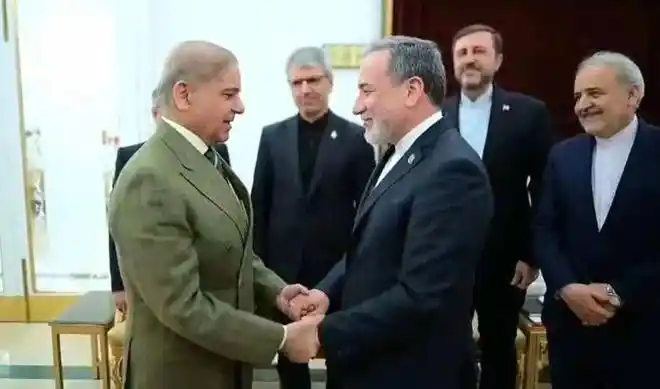
On April 25, 2026, Pakistani Prime Minister Shehbaz Sharif (left) held talks with Iranian Foreign Minister Araghchi in Islamabad, the capital of Pakistan. Photo provided by the Pakistani Prime Minister's Office.

Third, to provide Iran with a new source of income. Statistics show that if Iran charges $1 per barrel of oil passing through the Strait of Hormuz, based on pre-conflict traffic volumes, Iran would earn over $7.7 billion annually. International舆论 believes this could become an important funding source for Iran to resist U.S.-Western blockade and conduct post-war reconstruction. Requiring priority payment in rials is to avoid restrictions on toll revenue by the U.S. dollar system.

Can It Be Implemented?

Regarding follow-up procedures, Saidi said the plan has been submitted to the National Security Committee of the Iranian Islamic Parliament. Once the plenary session resumes, it will be submitted to the presidium and reviewed at the plenary session. The plan may also be approved and issued by the Supreme National Security Council.

In this regard, Abdul Aziz Shabani, a researcher at the Riyadh Center for Political and Strategic Studies, analyzed that approval by the plenary session would赋予 the plan formal legal attributes, but the process is complex and more likely to provoke international opposition. Approval and issuance by the Supreme National Security Council is a more flexible and faster path, also便于 adjustments based on developments.

However, Shabani believes that from a practical perspective, implementing comprehensive interception and charging for all vessels passing through the strait, given the high traffic volume and the presence of other countries' military forces, will be very difficult. Future implementation of the plan is more likely to be limited and selective.

At the same time, Iran's move is controversial under international law and has sparked considerable opposition. Iran's imposition of tolls on this critical maritime passage will inevitably increase transit time and costs for vessels, affecting the economies of many countries broadly. Many countries globally, including Gulf states, have expressed hope that the Strait of Hormuz remains畅通. The UK and France have previously led efforts to form a coalition attempting multinational actions to keep the strait open. If Iran强行 imposes fees, it may face international pressure and diplomatic被动.

Additionally, the United States is countering by blockading Iranian ports and vessels. The U.S. has clearly stated it will never allow Iran to permanently control the strait or establish a toll system. If the blockade continues, causing Iran's oil storage facilities to reach capacity, Iran may be forced to halt production, which could cause significant damage to its oil extraction infrastructure. The U.S. has also threatened to intercept and inspect all vessels paying tolls to Iran in international waters. This could result in no vessels passing through the strait and Iran receiving no toll revenue.

Of course, the U.S. blockade of Iran comes at a great cost, and the longer it lasts, the more it could affect the Republican Party's midterm election prospects. The U.S. may not be able to sustain it for very long. Iran might also use the toll proposal merely as a bargaining chip in negotiations with the U.S. to exchange for interests,未必 strongly pushing for implementation. Therefore, whether this plan will be implemented and to what extent remains uncertain.


Пов'язані питання

QWhat are the main purposes behind Iran's proposed comprehensive plan to manage the Strait of Hormuz?

AIran's plan aims to increase pressure on the United States and Israel, secure a new stable source of income through transit fees, and leave room for potential negotiations with the U.S., particularly by using passage rights as a bargaining chip.

QWhat specific measures does Iran's proposed plan include for the Strait of Hormuz?

AThe plan includes asserting full Iranian sovereignty over the strait, requiring vessels to obtain Iranian permission for passage, imposing fees for safety and environmental management, absolutely banning Israeli ships, and conditioning passage for countries that have caused losses to Iran on prior compensation agreements.

QWhat challenges does Iran face in implementing its plan to control the Strait of Hormuz?

AImplementation faces practical difficulties due to high traffic and foreign military presence, international opposition and legal controversies, countermeasures from the U.S. including blockades and threats to intercept paying vessels, and potential diplomatic isolation.

QHow might the international community, particularly the U.S., respond to Iran's attempt to charge fees in the Strait of Hormuz?

AThe U.S. has explicitly opposed the plan, implementing blockades against Iranian ports and threatening to intercept any vessels that pay fees to Iran. Other countries, including Gulf states and European nations like the UK and France, have also opposed the move and are working to keep the strait open.

QWhat potential economic benefits does Iran hope to gain from charging transit fees in the Strait of Hormuz?

AIran estimates that charging $1 per barrel of oil transported through the strait could generate over $7.7 billion annually, providing a significant source of income to resist Western sanctions and fund post-war reconstruction, while preferring payment in rials to avoid dollar system restrictions.

Пов'язані матеріали

A Nation Blocks Chips, a Giant Buys a Nuclear Power Plant: Why It's Time to Seriously Consider DeAI

**Title: Great Powers Blockade Chips, Giants Buy Nuclear Plants: Why It's Time to Seriously Consider DeAI** In May 2026, the US closed loopholes for Chinese firms to acquire advanced NVIDIA chips via overseas subsidiaries. That same month, Kenya halted a $1B geothermal data center project involving Microsoft, fearing its immense energy consumption. Meanwhile, Huawei announced mass production of its Ascend AI chip. These disparate events underscore a new reality: the competition for computing power ("compute") has escalated beyond the tech industry, becoming a geopolitical and infrastructural battleground. A new era of oligopoly is forming, with control over the AI stack—from GPU chips (NVIDIA) and cloud platforms (AWS, Azure, Google Cloud) to foundational models (OpenAI, Anthropic)—concentrating in a few Western "AI Octopus" corporations. This centralization creates systemic risks: pricing power and platform lock-in for users, infrastructure fragility, and a widening "compute divide" that threatens to marginalize nations without independent AI capacity. An "AI Iron Curtain" is deepening through export controls. In response, some nations like Saudi Arabia and the UAE are investing heavily to buy compute power, aiming to transition from oil to AI economies. The EU seeks to triple its compute capacity by 2030 to reduce dependency. However, the spending gap is vast, with four US tech giants alone planning ~$750B in AI capex for 2026. The race is increasingly constrained by energy, with AI tasks consuming up to 1000x more power than web searches, pushing firms to even acquire nuclear plants. This landscape is fueling interest in Decentralized AI (DeAI). It proposes a third way: using open protocols to coordinate a global network of idle GPUs, independent developers, and data centers, creating an AI infrastructure without a single controlling entity. Leveraging blockchain and cryptographic verification, DeAI aims to break market concentration, disperse energy demands, reduce geopolitical dependencies, and enhance transparency. While still nascent in performance and stability, DeAI's core promise is not immediate superiority but providing a crucial alternative architecture to resist monopoly, censorship, and centralized power. As specialized AI hardware costs fall and open-source models flourish, the window to build this foundation is open. The very existence of such competition serves as a vital check against the inevitable abuse of concentrated power.

marsbit28 хв тому

A Nation Blocks Chips, a Giant Buys a Nuclear Power Plant: Why It's Time to Seriously Consider DeAI

marsbit28 хв тому

Outpoll Review: A Prediction Market Platform Built for Active Traders

Outpoll Review: A Prediction Market Platform Built for Active Traders In recent years, prediction markets have grown from a niche sector to a mainstream arena, attracting billions in trading volume and institutional capital. However, the user experience and tools for traders have not kept pace. Outpoll, a new global prediction market platform, aims to fill this gap by providing enhanced trading infrastructure for active and professional traders. Built on standard prediction market principles, Outpoll allows users to trade on the outcome of specific events. It uses fully collateralized contracts with USDC settlement, charges a competitive 0.1% fee per trade, and provides clear settlement rules upfront to minimize disputes. A key focus for Outpoll is its professional-grade trading tools. The platform supports limit and market orders, as well as take-profit and stop-loss orders for open positions—features uncommon in prediction markets. For automated trading, Outpoll offers comprehensive REST and WebSocket APIs, enabling portfolio management, price arbitrage, and integration with existing tools. The platform also features a creator-led market model, where approved experts and community leaders can create and manage markets for niche topics under platform supervision. Its integrated interface combines news feeds directly with trading functions, allowing users to monitor events and manage positions seamlessly. Outpoll launched with a native Android app (available on Google Play) and plans an iOS version later this year. In summary, Outpoll distinguishes itself with trader-focused tools, practical APIs, transparent and collateralized markets, integrated news, and an expanding creator program. For active traders, its advanced order types and API access alone make it a platform worth watching. Outpoll is now globally accessible via outpoll.com and Google Play.

marsbit36 хв тому

Outpoll Review: A Prediction Market Platform Built for Active Traders

marsbit36 хв тому

Bitwise: Crypto Becomes a Contrarian Investment, Three Logics to Understand the Current Market

**Summary** Matt Hougan, Bitwise's CIO, analyzes the current crypto market through three key lenses, arguing it has shifted from a momentum-driven to a contrarian investment. **1) Crypto Becomes a Contrarian Play:** The market is weak, with major assets like Bitcoin and Ethereum down significantly. Capital has moved to hot sectors like AI, leaving crypto as an "unloved" asset class. This transforms crypto investing from trend-following to a test of patience and fundamental analysis. Investors now favor projects with solid fundamentals (e.g., Hyperliquid) over speculative ones. **2) Regulatory Overhang:** The uncertain fate of the U.S. CLARITY Act, a major crypto regulatory framework, is a key headwind. With its passage in 2024 seen as far from guaranteed (estimates range from 30-55%), institutional capital remains on the sidelines, choosing less risky alternatives like AI stocks. The market needs clarity—whether the bill passes or fails—more than any specific outcome to move decisively. **3) Capital Rotates to New Fundamentals:** This cycle differs from past bear markets where money fled to Bitcoin. Now, capital seeks smaller assets with strong use cases. While major cryptos fell in May 2024, tokens like Hyperliquid (+72%), Zcash (+50%), and XLM (+44%) rallied on their specific fundamentals. This rotation confirms the new contrarian, fundamentals-driven logic and signals the bear market may be in its later stages. **Conclusion:** Short-term pressure persists due to regulatory uncertainty and competition from AI narratives. Investing in crypto now requires a contrarian mindset—acting against the crowd and focusing on fundamental value. Patience and targeting high-quality projects based on their merits are essential for capturing long-term gains.

marsbit1 год тому

Bitwise: Crypto Becomes a Contrarian Investment, Three Logics to Understand the Current Market

marsbit1 год тому

ChatGPT Might Be Disappearing Soon

OpenAI announced at its "Intelligence at Work" event that its coding assistant, Codex, will be fully integrated into the ChatGPT app within weeks. This move marks a strategic shift from a conversational AI (Chat) towards a unified "agentic" platform capable of execution. Codex, originally launched to compete with Anthropic's Claude Code, has grown rapidly to 5 million weekly active users, with 20% being non-developers like analysts and designers. Its enterprise revenue now constitutes 40% of OpenAI's total. The integration is the first step in creating a super-app combining ChatGPT (interface), Codex (execution engine), and the Atlas browser (web access). OpenAI also unveiled new Codex features: specialized Agent plugins for six professional roles, an "Annotations" tool for direct document editing, and a "Sites" function to turn work into shareable web apps. Internally, this reflects a power shift; the Codex team now leads core product strategy. While the ChatGPT brand remains for its vast user base, the platform's future is focused on autonomous agents that perform tasks, not just chat. The article notes that competition with Claude Code pushed OpenAI's development, with Codex competing on cost-effectiveness and accessibility rather than raw coding quality. It concludes that the essence of "ChatGPT" is evolving from a chatbot into an AI agent platform, with the name potentially becoming a legacy symbol of its original function.

marsbit1 год тому

ChatGPT Might Be Disappearing Soon

marsbit1 год тому

Торгівля

Спот
Ф'ючерси

Популярні статті

Що таке $S$

Розуміння SPERO: Комплексний огляд Вступ до SPERO Оскільки ландшафт інновацій продовжує еволюціонувати, виникнення технологій web3 та криптовалютних проектів відіграє ключову роль у формуванні цифрового майбутнього. Один з проектів, який привернув увагу в цій динамічній сфері, — це SPERO, позначений як SPERO,$$s$. Ця стаття має на меті зібрати та представити детальну інформацію про SPERO, щоб допомогти ентузіастам та інвесторам зрозуміти його основи, цілі та інновації в рамках web3 та крипто-сектору. Що таке SPERO,$$s$? SPERO,$$s$ — це унікальний проект у криптопросторі, який прагне використати принципи децентралізації та технології блокчейн для створення екосистеми, що сприяє залученню, корисності та фінансовій інклюзії. Проект розроблений для полегшення взаємодії між користувачами новими способами, надаючи їм інноваційні фінансові рішення та послуги. У своїй основі SPERO,$$s$ прагне надати можливості індивідам, забезпечуючи інструменти та платформи, які покращують користувацький досвід у криптовалютному просторі. Це включає в себе можливість більш гнучких методів транзакцій, сприяння ініціативам, що підтримуються спільнотою, та створення шляхів для фінансових можливостей через децентралізовані додатки (dApps). Основна концепція SPERO,$$s$ обертається навколо інклюзивності, прагнучи зменшити розриви в традиційній фінансовій системі, використовуючи переваги технології блокчейн. Хто є творцем SPERO,$$s$? Особистість творця SPERO,$$s$ залишається дещо невідомою, оскільки є обмежені публічно доступні ресурси, що надають детальну інформацію про його засновників. Ця відсутність прозорості може бути наслідком зобов'язання проекту до децентралізації — етики, яку багато проектів web3 поділяють, ставлячи колективні внески вище за індивідуальне визнання. Зосереджуючи обговорення навколо спільноти та її колективних цілей, SPERO,$$s$ втілює суть наділення без виділення конкретних осіб. Таким чином, розуміння етики та місії SPERO є більш важливим, ніж ідентифікація єдиного творця. Хто є інвесторами SPERO,$$s$? SPERO,$$s$ підтримується різноманітними інвесторами, починаючи від венчурних капіталістів до ангельських інвесторів, які прагнуть сприяти інноваціям у крипто-секторі. Зосередження цих інвесторів зазвичай узгоджується з місією SPERO — пріоритет надається проектам, які обіцяють технологічний прогрес у суспільстві, фінансову інклюзію та децентралізоване управління. Ці інвесторські фонди зазвичай зацікавлені в проектах, які не лише пропонують інноваційні продукти, але й позитивно впливають на спільноту блокчейн та її екосистеми. Підтримка з боку цих інвесторів підкріплює SPERO,$$s$ як значного конкурента в швидко змінюваній сфері крипто-проектів. Як працює SPERO,$$s$? SPERO,$$s$ використовує багатогранну структуру, яка відрізняє його від традиційних криптовалютних проектів. Ось деякі ключові особливості, які підкреслюють його унікальність та інноваційність: Децентралізоване управління: SPERO,$$s$ інтегрує моделі децентралізованого управління, надаючи користувачам можливість активно брати участь у процесах прийняття рішень щодо майбутнього проекту. Цей підхід сприяє відчуттю власності та відповідальності серед членів спільноти. Корисність токена: SPERO,$$s$ використовує свій власний криптовалютний токен, розроблений для виконання різних функцій в екосистемі. Ці токени дозволяють здійснювати транзакції, отримувати винагороди та полегшувати послуги, що пропонуються на платформі, підвищуючи загальну залученість та корисність. Шарова архітектура: Технічна архітектура SPERO,$$s$ підтримує модульність та масштабованість, що дозволяє безперешкодно інтегрувати додаткові функції та додатки в міру розвитку проекту. Ця адаптивність є надзвичайно важливою для збереження актуальності в постійно змінюваному крипто-ландшафті. Залучення спільноти: Проект підкреслює ініціативи, що підтримуються спільнотою, використовуючи механізми, які стимулюють співпрацю та зворотний зв'язок. Підтримуючи сильну спільноту, SPERO,$$s$ може краще задовольняти потреби користувачів та адаптуватися до ринкових тенденцій. Фокус на інклюзію: Пропонуючи низькі комісії за транзакції та зручні інтерфейси, SPERO,$$s$ прагне залучити різноманітну базу користувачів, включаючи осіб, які раніше не брали участі в крипто-просторі. Це зобов'язання до інклюзії узгоджується з його загальною місією наділення через доступність. Хронологія SPERO,$$s$ Розуміння історії проекту надає важливі уявлення про його розвиток та етапи. Нижче наведено пропоновану хронологію, що відображає значні події в еволюції SPERO,$$s$: Етап концептуалізації та ідеації: Початкові ідеї, що стали основою SPERO,$$s$, були сформовані, тісно пов'язані з принципами децентралізації та фокусом на спільноті в індустрії блокчейн. Запуск білого паперу проекту: Після концептуального етапу був випущений комплексний білий папір, що детально описує бачення, цілі та технологічну інфраструктуру SPERO,$$s$, щоб залучити інтерес та зворотний зв'язок від спільноти. Створення спільноти та ранні залучення: Активні зусилля були спрямовані на створення спільноти ранніх прихильників та потенційних інвесторів, що полегшило обговорення цілей проекту та отримання підтримки. Подія генерації токенів: SPERO,$$s$ провів подію генерації токенів (TGE) для розподілу своїх рідних токенів серед ранніх прихильників та встановлення початкової ліквідності в екосистемі. Запуск початкового dApp: Перший децентралізований додаток (dApp), пов'язаний з SPERO,$$s$, став доступним, дозволяючи користувачам взаємодіяти з основними функціями платформи. Постійний розвиток та партнерства: Безперервні оновлення та вдосконалення пропозицій проекту, включаючи стратегічні партнерства з іншими учасниками блокчейн-простору, сформували SPERO,$$s$ у конкурентоспроможного та еволюціонуючого гравця на крипто-ринку. Висновок SPERO,$$s$ є свідченням потенціалу web3 та криптовалют для революціонізації фінансових систем та наділення індивідів. Завдяки зобов'язанню до децентралізованого управління, залучення спільноти та інноваційно спроектованих функцій, він прокладає шлях до більш інклюзивного фінансового ландшафту. Як і з будь-якими інвестиціями в швидко змінюваному крипто-просторі, потенційним інвесторам та користувачам рекомендується ретельно досліджувати та обдумано взаємодіяти з поточними подіями в SPERO,$$s$. Проект демонструє інноваційний дух крипто-індустрії, запрошуючи до подальшого дослідження його численних можливостей. Хоча подорож SPERO,$$s$ ще триває, його основні принципи можуть справді вплинути на майбутнє того, як ми взаємодіємо з технологією, фінансами та один з одним у взаємопов'язаних цифрових екосистемах.

73 переглядів усьогоОпубліковано 2024.12.17Оновлено 2024.12.17

Що таке $S$

Що таке AGENT S

Агент S: Майбутнє автономної взаємодії в Web3 Вступ У постійно змінюваному ландшафті Web3 та криптовалюти інновації постійно переосмислюють, як люди взаємодіють з цифровими платформами. Один з таких новаторських проектів, Агент S, обіцяє революціонізувати взаємодію людини з комп'ютером через свою відкриту агентну структуру. Прокладаючи шлях для автономних взаємодій, Агент S прагне спростити складні завдання, пропонуючи трансформаційні застосування в штучному інтелекті (ШІ). Це детальне дослідження заглиблюється в складності проекту, його унікальні особливості та наслідки для сфери криптовалюти. Що таке Агент S? Агент S є революційною відкритою агентною структурою, спеціально розробленою для вирішення трьох основних викликів в автоматизації комп'ютерних завдань: Набуття специфічних знань у галузі: Структура інтелектуально навчається з різних зовнішніх джерел знань та внутрішнього досвіду. Цей подвійний підхід дозволяє їй створити багатий репозиторій специфічних знань у галузі, покращуючи її продуктивність у виконанні завдань. Планування на довгих горизонтах завдань: Агент S використовує планування з підкріпленням досвіду, стратегічний підхід, який полегшує ефективний розподіл та виконання складних завдань. Ця функція значно підвищує її здатність ефективно та результативно управляти кількома підзавданнями. Обробка динамічних, неоднорідних інтерфейсів: Проект представляє Інтерфейс Агент-Комп'ютер (ACI), інноваційне рішення, яке покращує взаємодію між агентами та користувачами. Використовуючи багатомодальні великі мовні моделі (MLLMs), Агент S може безперешкодно орієнтуватися та маніпулювати різноманітними графічними інтерфейсами користувача. Завдяки цим новаторським функціям Агент S надає надійну структуру, яка вирішує складнощі, пов'язані з автоматизацією людської взаємодії з машинами, прокладаючи шлях для численних застосувань у ШІ та за його межами. Хто є творцем Агент S? Хоча концепція Агент S є фундаментально новаторською, конкретна інформація про його творця залишається невідомою. Творець наразі невідомий, що підкреслює або початкову стадію проекту, або стратегічний вибір зберегти засновників у таємниці. Незважаючи на анонімність, акцент залишається на можливостях та потенціалі структури. Хто є інвесторами Агент S? Оскільки Агент S є відносно новим у криптографічній екосистемі, детальна інформація про його інвесторів та фінансових спонсорів не задокументована. Відсутність публічно доступних відомостей про інвестиційні фонди або організації, що підтримують проект, викликає питання щодо його фінансової структури та дорожньої карти розвитку. Розуміння підтримки є критично важливим для оцінки стійкості проекту та потенційного впливу на ринок. Як працює Агент S? В основі Агент S лежить передова технологія, яка дозволяє йому ефективно функціонувати в різних умовах. Його операційна модель побудована навколо кількох ключових функцій: Взаємодія з комп'ютером, подібна до людської: Структура пропонує розширене планування ШІ, прагнучи зробити взаємодії з комп'ютерами більш інтуїтивними. Імітуючи людську поведінку при виконанні завдань, вона обіцяє підвищити досвід користувачів. Наративна пам'ять: Використовується для використання високорівневого досвіду, Агент S використовує наративну пам'ять для відстеження історій завдань, тим самим покращуючи свої процеси прийняття рішень. Епізодична пам'ять: Ця функція надає користувачам покрокові інструкції, дозволяючи структурі пропонувати контекстуальну підтримку в міру виконання завдань. Підтримка OpenACI: Завдяки можливості працювати локально, Агент S дозволяє користувачам зберігати контроль над своїми взаємодіями та робочими процесами, узгоджуючи з децентралізованою етикою Web3. Легка інтеграція з зовнішніми API: Його універсальність і сумісність з різними платформами ШІ забезпечують те, що Агент S може безперешкодно вписатися в існуючі технологічні екосистеми, роблячи його привабливим вибором для розробників та організацій. Ці функціональні можливості колективно сприяють унікальному положенню Агент S у крипто-просторі, оскільки він автоматизує складні, багатоступеневі завдання з мінімальним втручанням людини. У міру розвитку проекту його потенційні застосування в Web3 можуть переосмислити, як відбуваються цифрові взаємодії. Хронологія Агент S Розробка та етапи Агент S можуть бути узагальнені в хронології, яка підкреслює його значні події: 27 вересня 2024 року: Концепція Агент S була представлена в комплексній науковій статті під назвою “Відкрита агентна структура, яка використовує комп'ютери як людина”, що демонструє основи проекту. 10 жовтня 2024 року: Наукова стаття була опублікована на arXiv, пропонуючи детальне дослідження структури та її оцінки продуктивності на основі бенчмарку OSWorld. 12 жовтня 2024 року: Було випущено відеопрезентацію, що надає візуальне уявлення про можливості та особливості Агент S, ще більше залучаючи потенційних користувачів та інвесторів. Ці маркери в хронології не лише ілюструють прогрес Агент S, але й вказують на його прихильність до прозорості та залучення громади. Ключові моменти про Агент S У міру розвитку структури Агент S кілька ключових характеристик виділяються, підкреслюючи її новаторський характер та потенціал: Інноваційна структура: Розроблена для забезпечення інтуїтивного використання комп'ютерів, подібного до людської взаємодії, Агент S пропонує новий підхід до автоматизації завдань. Автономна взаємодія: Здатність автономно взаємодіяти з комп'ютерами через GUI означає стрибок до більш інтелектуальних та ефективних обчислювальних рішень. Автоматизація складних завдань: Завдяки своїй надійній методології він може автоматизувати складні, багатоступеневі завдання, роблячи процеси швидшими та менш схильними до помилок. Безперервне вдосконалення: Механізми навчання дозволяють Агенту S покращуватися на основі минулого досвіду, постійно підвищуючи свою продуктивність та ефективність. Універсальність: Його адаптивність до різних операційних середовищ, таких як OSWorld та WindowsAgentArena, забезпечує його здатність служити широкому спектру застосувань. Оскільки Агент S займає своє місце в ландшафті Web3 та криптовалюти, його потенціал покращити можливості взаємодії та автоматизувати процеси означає значний прогрес у технологіях ШІ. Завдяки своїй інноваційній структурі Агент S є прикладом майбутнього цифрових взаємодій, обіцяючи більш безперешкодний та ефективний досвід для користувачів у різних галузях. Висновок Агент S представляє собою сміливий крок вперед у поєднанні ШІ та Web3, з можливістю переосмислити, як ми взаємодіємо з технологією. Хоча проект все ще на ранніх стадіях, можливості для його застосування є величезними та переконливими. Завдяки своїй комплексній структурі, що вирішує критичні виклики, Агент S прагне вивести автономні взаємодії на передній план цифрового досвіду. У міру того, як ми заглиблюємося в сфери криптовалюти та децентралізації, проекти, подібні до Агент S, безсумнівно, відіграватимуть ключову роль у формуванні майбутнього технологій та співпраці людини з комп'ютером.

672 переглядів усьогоОпубліковано 2025.01.14Оновлено 2025.01.14

Що таке AGENT S

Як купити S

Ласкаво просимо до HTX.com! Ми зробили покупку Sonic (S) простою та зручною. Дотримуйтесь нашої покрокової інструкції, щоб розпочати свою криптовалютну подорож.Крок 1: Створіть обліковий запис на HTXВикористовуйте свою електронну пошту або номер телефону, щоб зареєструвати обліковий запис на HTX безплатно. Пройдіть безпроблемну реєстрацію й отримайте доступ до всіх функцій.ЗареєструватисьКрок 2: Перейдіть до розділу Купити крипту і виберіть спосіб оплатиКредитна/дебетова картка: використовуйте вашу картку Visa або Mastercard, щоб миттєво купити Sonic (S).Баланс: використовуйте кошти з балансу вашого рахунку HTX для безперешкодної торгівлі.Треті особи: ми додали популярні способи оплати, такі як Google Pay та Apple Pay, щоб підвищити зручність.P2P: Торгуйте безпосередньо з іншими користувачами на HTX.Позабіржова торгівля (OTC): ми пропонуємо індивідуальні послуги та конкурентні обмінні курси для трейдерів.Крок 3: Зберігайте свої Sonic (S)Після придбання Sonic (S) збережіть його у своєму обліковому записі на HTX. Крім того, ви можете відправити його в інше місце за допомогою блокчейн-переказу або використовувати його для торгівлі іншими криптовалютами.Крок 4: Торгівля Sonic (S)Легко торгуйте Sonic (S) на спотовому ринку HTX. Просто увійдіть до свого облікового запису, виберіть торгову пару, укладайте угоди та спостерігайте за ними в режимі реального часу. Ми пропонуємо зручний досвід як для початківців, так і для досвідчених трейдерів.

1.5k переглядів усьогоОпубліковано 2025.01.15Оновлено 2026.06.02

Як купити S

Обговорення

Ласкаво просимо до спільноти HTX. Тут ви можете бути в курсі останніх подій розвитку платформи та отримати доступ до професійної ринкової інформації. Нижче представлені думки користувачів щодо ціни S (S).

活动图片